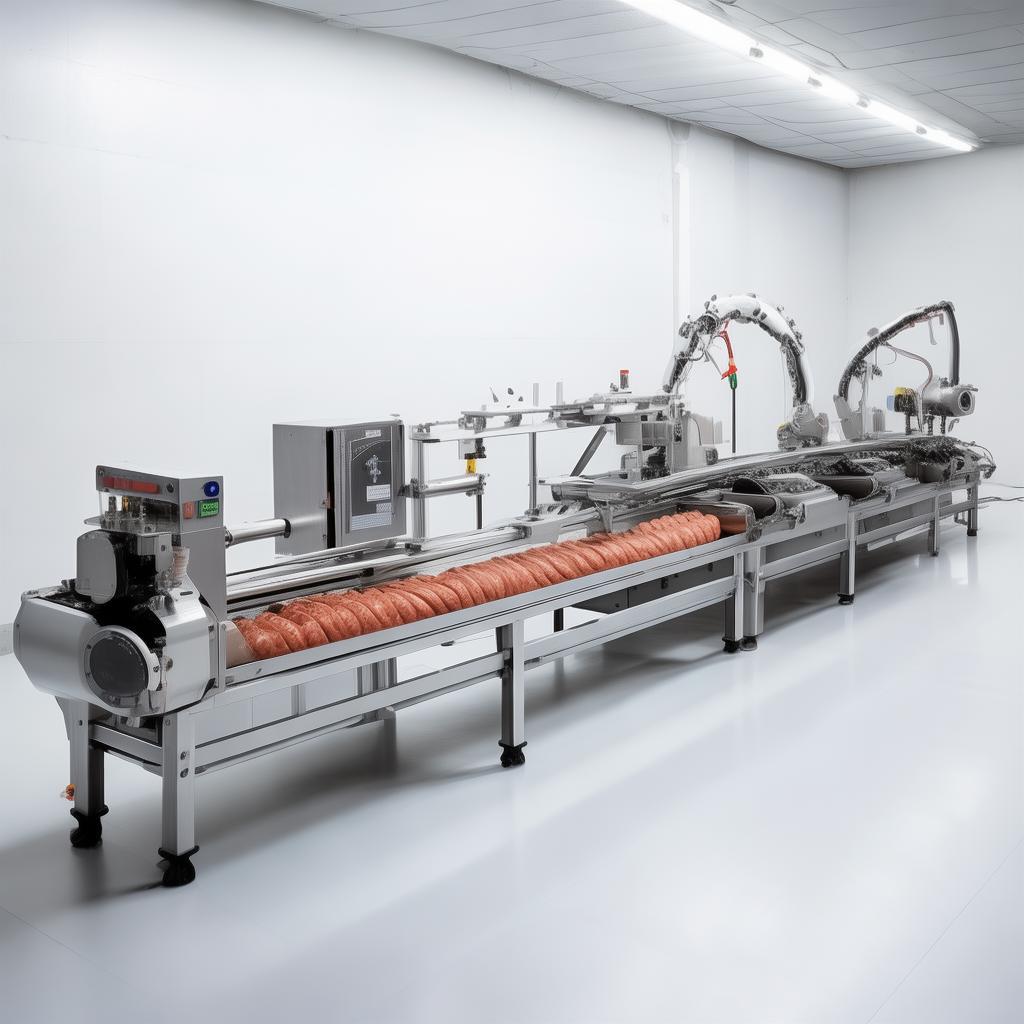
Vacuum Evaporation Systems
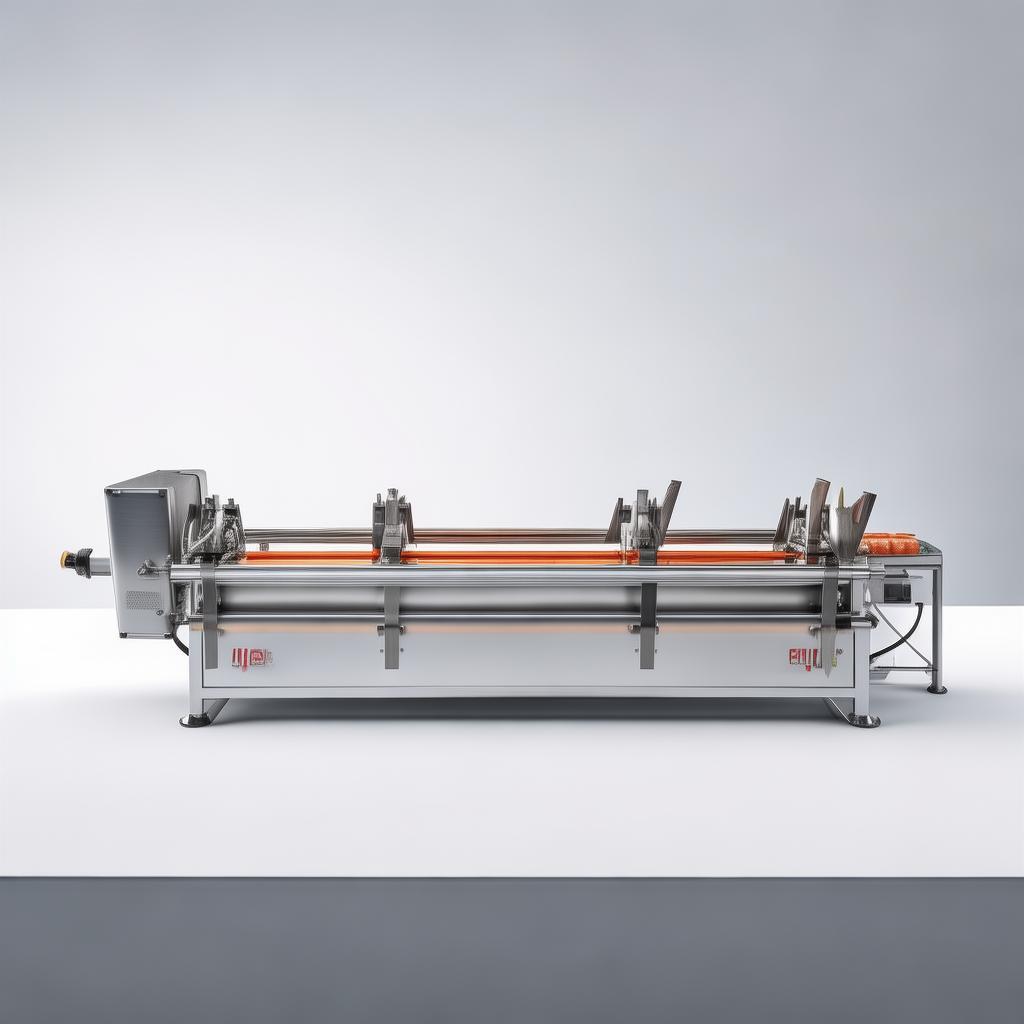
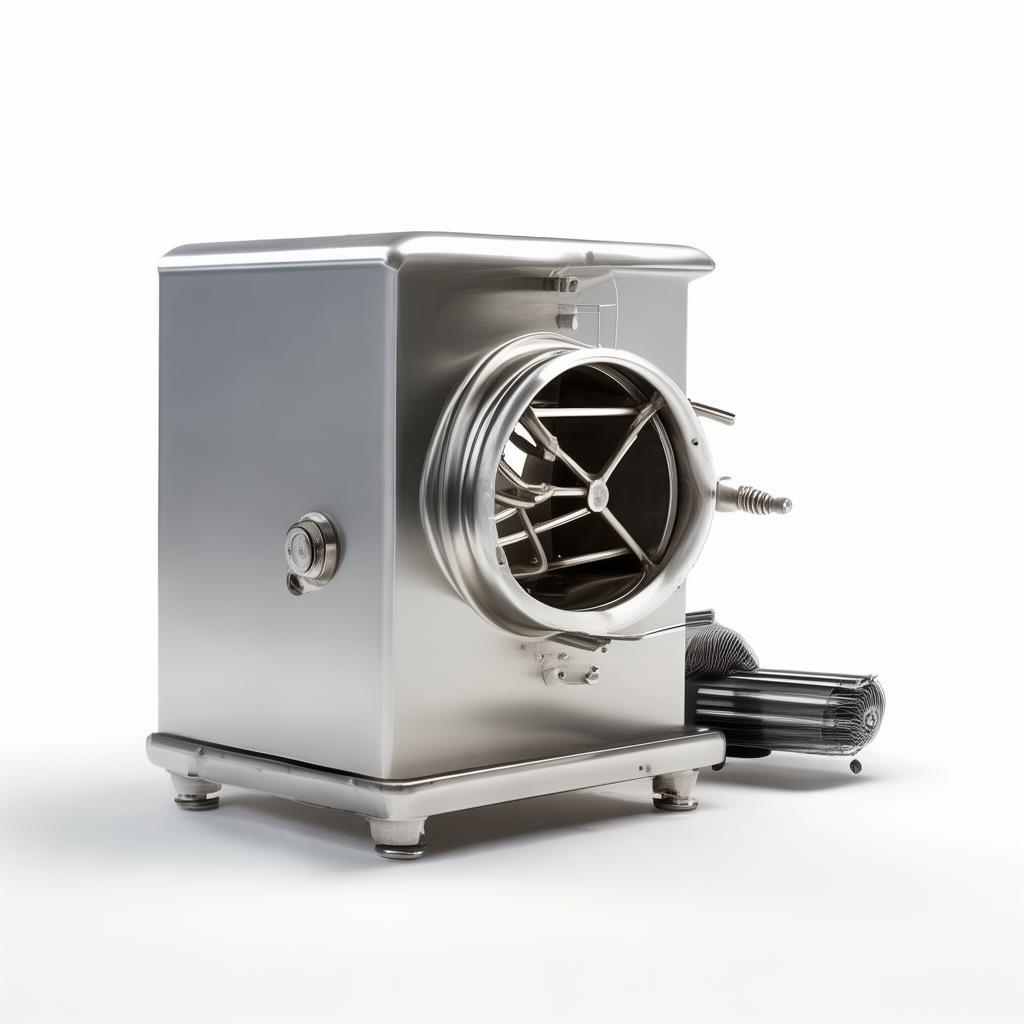
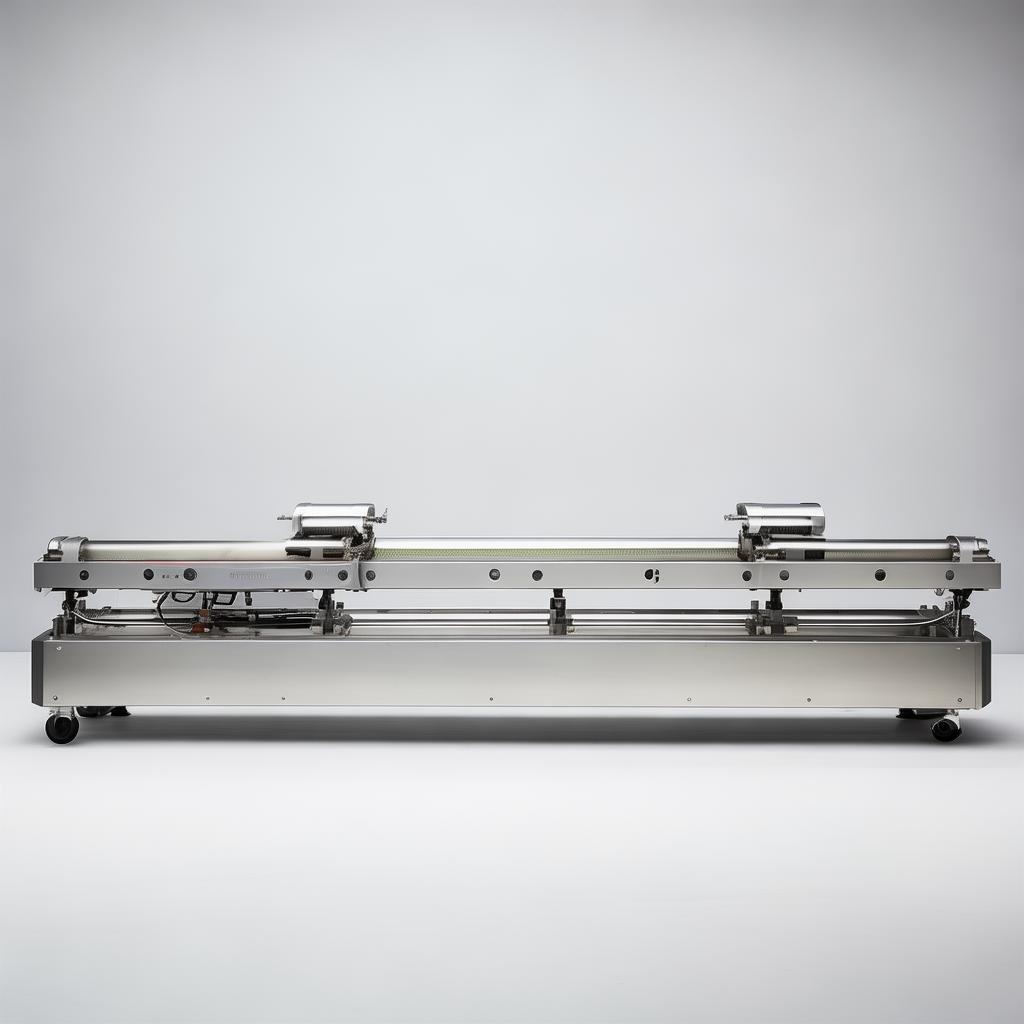
Vacuum Evaporation Systems: Precision Engineering for Advanced Material Processing
Empowering Industries with High-Purity Thin Film Deposition

Authored by: Jian Li, Senior Export Manager at Hebei Yuanchang Food Mechanism & Technology Co., Ltd.
Understanding Vacuum Evaporation: A Foundation for High-Performance Films
In the sophisticated world of materials science and advanced manufacturing, achieving ultra-thin films with precise control over composition, uniformity, and adhesion is paramount. This is where vacuum evaporation systems emerge as indispensable tools. At their core, these systems leverage controlled high temperatures or energy sources to vaporize source materials within a high vacuum environment. The resultant vapor then travels in a straight line to condense onto a substrate, forming a thin, solid film. This process is fundamental to a vast array of modern technologies, from microelectronics and optical coatings to decorative finishes and specialized scientific instruments.
The demand for higher performance, increased miniaturization, and novel functionalities in electronic devices, displays, and sensors continues to grow. Similarly, industries requiring advanced optical components, protective coatings, and even biomedical interfaces depend heavily on the ability to deposit materials with sub-micron precision. Think of the anti-reflective coatings on your eyeglasses, the reflective layers in sophisticated mirrors, or the conductive pathways in integrated circuits – many of these begin with a carefully controlled vacuum evaporation process. The global market for specialized coating equipment, including vacuum evaporation systems, reflects this burgeoning demand. While specific market data for vacuum evaporation systems alone can be fragmented, the broader context of thin-film deposition and advanced materials processing shows robust growth. For instance, the meat processing equipment market, while unrelated, shows a healthy CAGR of 5.0%, indicating a general trend of industrial expansion and technological investment across diverse sectors. This underscores the need for reliable, high-quality manufacturing equipment, a principle that extends directly to the precision required in vacuum evaporation.
The unique advantage of vacuum evaporation lies in its ability to deposit a wide range of materials – metals, alloys, oxides, nitrides, and even some complex organic compounds – with minimal contamination. By operating under high vacuum (typically in the range of 10⁻⁵ to 10⁻⁷ Torr or lower), the mean free path of vapor molecules is significantly extended. This prevents them from colliding with ambient gas molecules, ensuring that the material travels directly to the substrate and forms a pure, dense film. This direct line-of-sight deposition is critical for achieving conformal coatings on complex geometries and for preventing gas incorporation into the film, which could otherwise degrade its electrical, optical, or mechanical properties. The absence of reactive atmospheric gases also allows for the deposition of sensitive materials that would readily oxidize or degrade in ambient conditions.
Furthermore, the scalability of vacuum evaporation is a significant factor for industrial adoption. From small R&D units for material exploration to large-scale production chambers capable of processing numerous substrates simultaneously, systems can be tailored to meet diverse throughput requirements. The ability to integrate multiple evaporative sources within a single chamber allows for the co-deposition of different materials, enabling the creation of complex multi-layer structures and alloys with precise compositional control. This level of flexibility is crucial for innovation and for meeting the evolving demands of high-tech manufacturing sectors. Understanding the nuances of vacuum technology, source selection, substrate manipulation, and process control is therefore essential for any operation looking to implement or upgrade its thin-film deposition capabilities.
The Imperative of Vacuum in Thin Film Deposition
Why is a high vacuum so critical for evaporation? It's a question of purity and molecular behavior. In a standard atmospheric environment, gas molecules are densely packed. If you were to heat a material and vaporize it, these vapor molecules would constantly collide with air molecules. These collisions would scatter the vapor, introduce contaminants into the nascent film, and likely lead to a poorly formed, impure deposit. This is simply not conducive to creating high-performance thin films required for modern applications.
The vacuum environment fundamentally alters this. By removing most of the air molecules, the mean free path of the vaporized source material is dramatically increased. Imagine a molecule of vapor traveling from the source to the substrate. In a vacuum, its path is largely unobstructed. This direct, unimpeded journey ensures that the material arrives at the substrate in its purest form, leading to films with superior density, adhesion, and desired physical properties. It’s akin to trying to draw a fine line with a clean pen versus one that’s been dipped in ink mixed with sand – the vacuum provides the clean conditions necessary for precision.
Beyond preventing contamination, vacuum also controls the deposition rate and film structure. The pressure within the chamber directly influences how quickly the vapor expands and condenses. Lower pressures generally lead to more directional deposition and can promote denser film growth. This is essential for applications where uniformity across a surface, even one with complex topography, is critical. For example, in semiconductor manufacturing, precise control over film thickness and morphology is non-negotiable for device functionality.
Moreover, vacuum allows us to work with materials that are inherently unstable in the presence of oxygen or moisture. Metals like aluminum or titanium, or certain complex organic compounds used in optoelectronics, would quickly oxidize or degrade if exposed to air during the vaporization process. The vacuum chamber acts as a protective cocoon, enabling the deposition of these sensitive materials without compromising their integrity.
Types of Vacuum Evaporation Systems: Choosing the Right Approach
The world of vacuum evaporation isn't a one-size-fits-all scenario. Different applications and material requirements necessitate distinct system designs. At Hebei Yuanchang, we understand these nuances and offer solutions that span the spectrum, from basic thermal evaporation to more advanced sputtering and deposition techniques.
Broadly, systems can be categorized by their evaporation method and chamber configuration:
- Thermal Evaporation Systems: These are the workhorses for many applications. They rely on heating the source material to its vaporization point using resistive heating elements (like tungsten filaments or boats) or electron beams (E-beam evaporation).
- Resistive Heating: Ideal for metals with lower melting points like Aluminum, Gold, Silver, and Copper. The material is placed in a crucible or filament, and a high current passes through, generating heat. It's cost-effective and straightforward.
- Electron Beam (E-beam) Evaporation: When dealing with high melting point materials (like Titanium, Platinum, Silicon Dioxide) or when high purity is paramount, E-beam is preferred. A focused high-energy electron beam strikes the source material, generating intense localized heat for vaporization. This method offers high deposition rates and minimal contamination from the heating element itself.
- Sputtering Systems (Less common for pure evaporation but often discussed): While not strictly "evaporation" in the thermal sense, sputtering is a related PVD (Physical Vapor Deposition) technique where ions bombard a target material, ejecting atoms that then deposit onto the substrate. This is often used for reactive deposition (e.g., creating oxides) or for materials that are difficult to evaporate thermally. We focus on thermal evaporation, but understanding related PVD is part of our consultative approach.
- Batch vs. In-line Systems:
- Batch Systems: The most common type for R&D and moderate production volumes. Substrates are loaded into a chamber, the process runs, and then the chamber is vented to unload. This offers flexibility for different jobs.
- In-line Systems: For very high-volume production, substrates move continuously through multiple vacuum zones and deposition stations. These are highly automated but less flexible than batch systems.
The choice depends heavily on the materials being deposited, the required film properties, the substrate size and type, and the desired production throughput. Our engineering team works closely with clients to identify the optimal system configuration for their specific needs. For example, optical coating applications might require precise control over layer thickness and refractive index, pointing towards E-beam evaporation for multi-layer stacks, whereas decorative metal coatings might utilize resistive evaporation for efficiency.
Core Components: The Anatomy of a Reliable Vacuum Evaporation System
A high-functioning vacuum evaporation system is a complex interplay of specialized components, each playing a critical role in achieving precise thin-film deposition. Understanding these parts is key to appreciating the engineering involved and to troubleshooting potential issues:
Vacuum Chamber
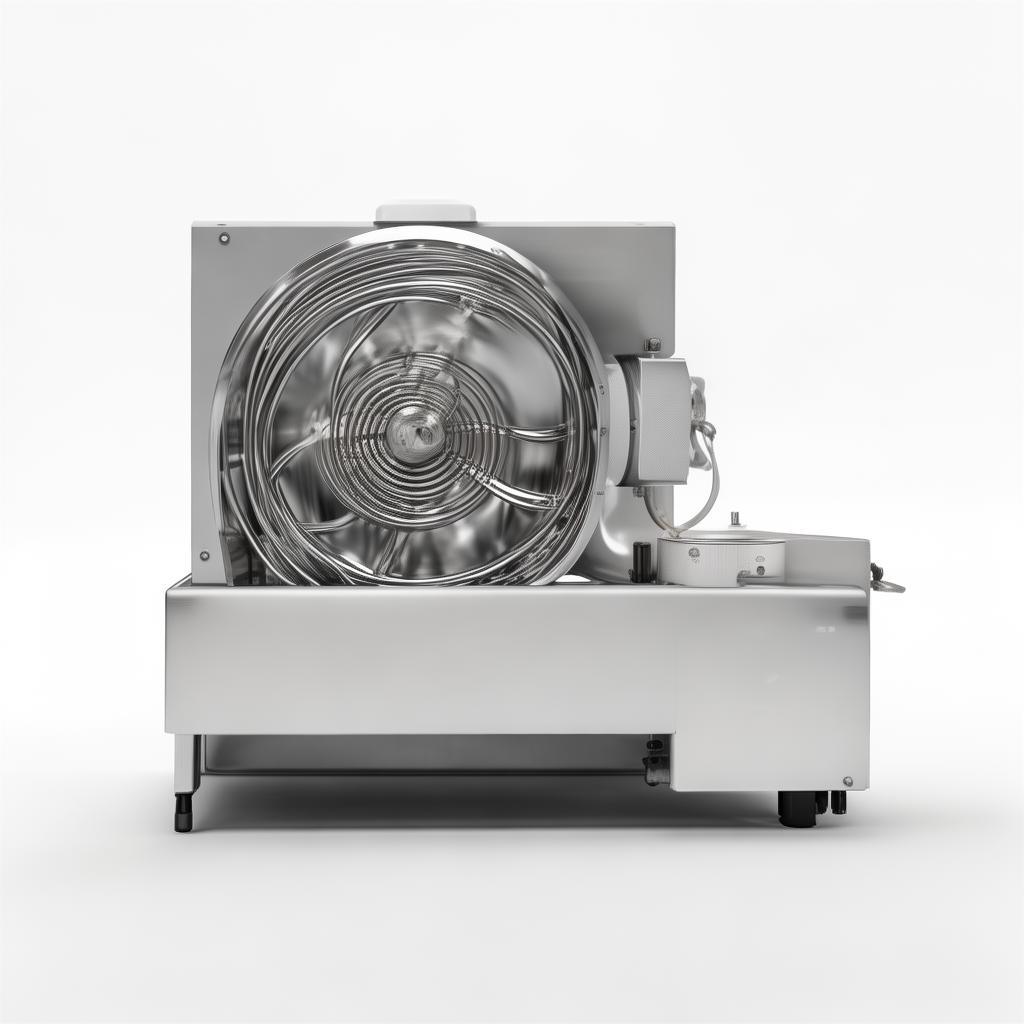
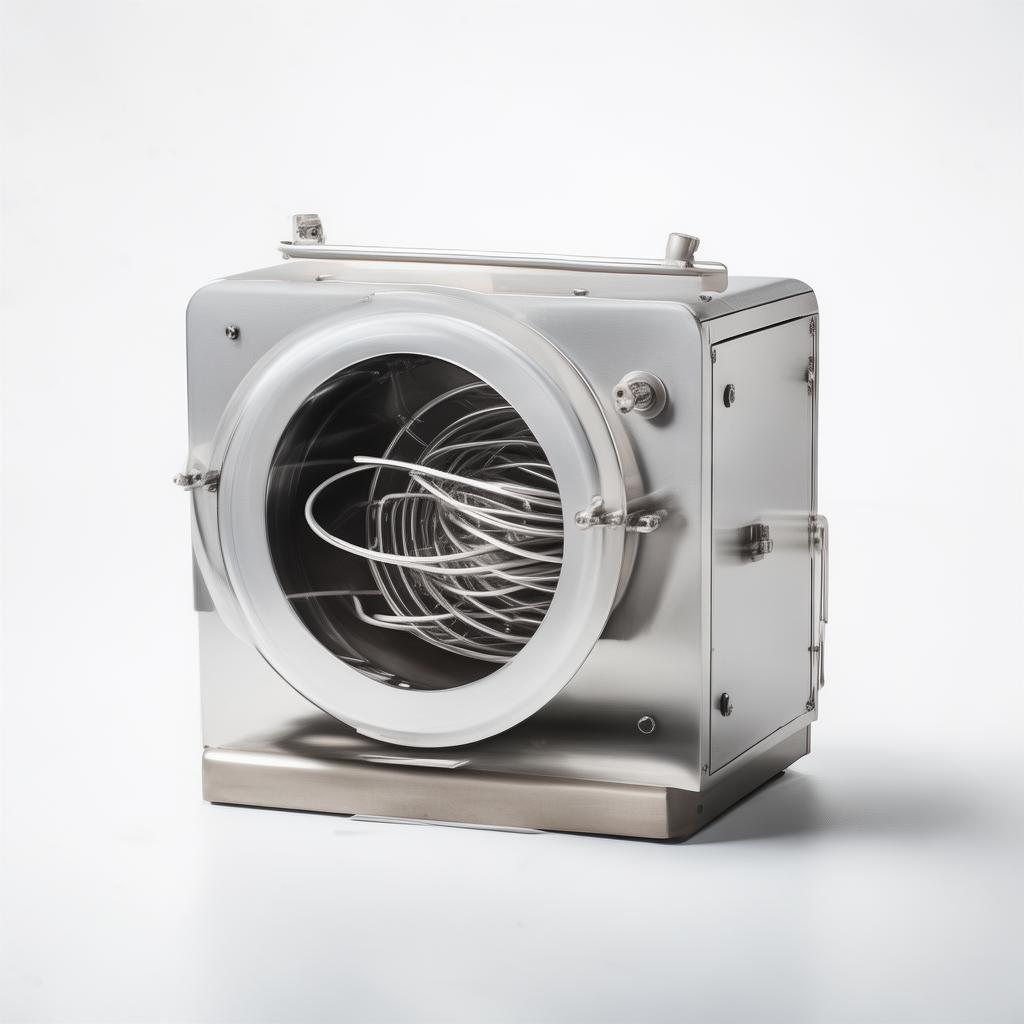
The heart of the system. Typically constructed from stainless steel with high-quality seals, it must withstand high vacuum pressures and operating temperatures. Its internal design facilitates substrate mounting, source placement, and access for maintenance.
Vacuum Pumping System
Crucial for achieving and maintaining the required vacuum levels. This usually involves a combination of roughing pumps (e.g., rotary vane pumps) and high-vacuum pumps (e.g., diffusion pumps or turbomolecular pumps). Proper pump selection ensures fast pump-down times and stable vacuum.
Evaporation Source
The mechanism that vaporizes the source material. This can be a resistive heater (crucibles, filaments) for metals or electron beam guns for higher melting point materials. The source must be stable, reliable, and capable of delivering consistent material flux.
Substrate Holder & Fixturing
Holds the parts to be coated. Often includes rotation or planetary motion to ensure uniform deposition across the substrate surface. Temperature control is also frequently integrated here.
Process Control System
Monitors and controls key parameters such as vacuum pressure, source temperature/power, deposition rate, and substrate rotation. Advanced systems may include quartz crystal monitors for real-time thickness measurement.
Gas/Material Handling
Systems for introducing process gases (e.g., for reactive evaporation) or feeding source materials into the evaporation source. Precise control is vital.
At Hebei Yuanchang, our engineering team meticulously designs each system, ensuring that these components work in harmony. We prioritize robust construction, reliable vacuum performance, and intuitive control systems to minimize operator error and maximize deposition consistency. The selection of vacuum pumps, for instance, is directly tied to the base pressure required for specific materials – for instance, evaporating certain refractory metals may demand ultra-high vacuum (UHV) capabilities, necessitating specialized pumps and chamber materials.
Diverse Applications: Where Vacuum Evaporation Excels
The versatility of vacuum evaporation makes it a cornerstone technology across numerous high-value industries. Its ability to create pure, dense, and precisely controlled thin films is leveraged for enhancing functionality, improving performance, and enabling novel product designs.
- Electronics & Semiconductor Manufacturing: This is perhaps the largest application area. Vacuum evaporation is used to deposit conductive layers (e.g., Aluminum, Gold, Copper) for interconnects and electrodes, dielectric layers, and barrier layers in integrated circuits, sensors, and flat-panel displays. The precision offered is essential for the intricate designs of microchips.
- Optics and Photonics: Creating high-performance optical coatings is a prime application. This includes anti-reflective (AR) coatings for lenses and displays, high-reflectivity mirrors, beam splitters, filters (e.g., UV, IR, bandpass), and protective overcoats for optical components. Multi-layer stacks with precise thickness control are common here.
- Decorative Coatings: Providing aesthetically pleasing and durable finishes for consumer goods, automotive parts, and jewelry. Gold, titanium nitride (TiN), and other metallic or ceramic coatings can be deposited to achieve various colors and lustrous finishes, offering a more cost-effective and environmentally friendly alternative to electroplating in many cases.
- Medical Devices: Thin films are critical for enhancing the biocompatibility, wear resistance, and functionality of implants, surgical instruments, and diagnostic tools. Hydrophilic or hydrophobic coatings, antimicrobial layers, and conductive layers for biosensors are common examples.
- Packaging: Depositing ultra-thin layers of aluminum or other materials onto flexible plastic films creates barrier layers that protect food and sensitive products from oxygen, moisture, and light, extending shelf life.
- Research & Development: In academic institutions and industrial labs, vacuum evaporation systems are vital for exploring new materials, developing novel devices, and testing fundamental scientific principles related to thin films and surface science.
The choice of evaporation method within these applications is dictated by material properties and required film characteristics. For instance, while decorative coatings might use simple resistive evaporation for cost-effectiveness, advanced optical filters demand the precise thickness control only achievable with E-beam evaporation and sophisticated process monitoring.
Key Advantages of Our Vacuum Evaporation Systems
When you partner with Hebei Yuanchang, you're not just acquiring a piece of equipment; you're gaining a reliable solution backed by decades of manufacturing experience. Our vacuum evaporation systems are designed with the international buyer in mind, offering a compelling set of advantages:
- High Purity Films: The controlled high-vacuum environment minimizes contamination, ensuring the deposition of extremely pure thin films crucial for sensitive applications.
- Excellent Uniformity & Adhesion: Optimized system design, including substrate rotation and precise source control, leads to highly uniform film thickness and superior adhesion to the substrate.
- Versatile Material Deposition: Capable of handling a wide range of metals, alloys, and some oxides/nitrides, using both resistive and electron beam evaporation techniques.
- Precise Thickness Control: With integrated process monitors (like Quartz Crystal Microbalances), real-time thickness control is achievable, ensuring batch-to-batch consistency.
- Scalability & Customization: We offer systems ranging from benchtop R&D units to production-scale batch systems. Crucially, we excel at tailoring designs to meet specific substrate sizes, material requirements, and process needs.
- Robust Engineering & Durability: Built with high-quality materials and components, our systems are designed for long operational life and minimal downtime, even in demanding industrial environments.
- Cost-Effectiveness: While precision engineering has its price, our manufacturing efficiency and focus on providing optimal solutions ensure a strong return on investment for our clients. We understand procurement cycles and aim to deliver value.
- Experienced Technical Support: Our team of engineers and export specialists provide comprehensive pre-sales consultation and post-sales support, ensuring smooth integration and operation.
The ability to customize substrate fixturing, for example, is a critical advantage for clients processing irregularly shaped parts or large-format substrates. Our in-house machining capabilities, including Japanese Mazak CNC centers, allow us to fabricate precisely engineered holders that ensure optimal film deposition geometry.
Technical Specifications & Customization Options
While exact specifications vary based on the chosen model and customization, our standard vacuum evaporation systems are engineered to meet stringent industry demands. We provide detailed datasheets upon inquiry, but here are general parameters our systems are designed to achieve:
| Parameter | Typical Range / Specification | Notes |
|---|---|---|
| Base Pressure | 1 x 10⁻⁵ to 1 x 10⁻⁷ Torr (or lower) | Achieved with dual-stage pumping systems. UHV available for specialized needs. |
| Evaporation Methods | Resistive (Filament/Boat), E-beam | Configurable based on materials. |
| Chamber Volume | Customizable (e.g., 400mm x 400mm, 600mm x 600mm, larger) | Accommodates various substrate sizes and quantities. |
| Substrate Fixturing | Manual, Rotating, Planetary | Ensures uniform coating; temperature control optional. |
| Process Control | PLC based with Touchscreen HMI | User-friendly interface for setting parameters and monitoring. |
| Deposition Rate Monitoring | Optional: Quartz Crystal Microbalance (QCM) | For precise real-time thickness control. |
| Power Supply | Customizable (e.g., 5kW E-beam, resistive heater controllers) | Matches evaporation source requirements. |
| Material Compatibility | Wide range of metals, alloys, oxides (with reactive gas) | Consult our team for specific material compatibility. |
vacuum evaporator vacuum dearation vacuum distillation evaporator
Customization is our specialty. We don't just sell standard machines; we engineer solutions. Whether you need a larger working area to accommodate bigger substrates, a specific type of vacuum pump for faster processing, or integration with upstream/downstream equipment, our engineering team is ready to design and build a system that fits your exact operational workflow. Our 40 years of experience, combined with advanced CNC machining, ensures that custom components are manufactured to the highest precision standards.
Manufacturing Excellence at Hebei Yuanchang
Our manufacturing facility in Shijiazhuang, Hebei Province, is the bedrock of our capability. Spanning approximately 14,000 square meters and employing a dedicated team of 80-100 skilled professionals, we integrate R&D, production, and sales seamlessly. Our commitment to quality is evident in every stage of our process.

Our state-of-the-art machining workshop.
In-House Machining Prowess
With over 20 sets of advanced processing machinery, including lathes, milling machines, high-precision grinders, and wire cutting equipment, we have full control over component manufacturing. This allows us to produce high-precision parts, including non-standard and large-volume components, with exacting tolerances.
Advanced CNC Capabilities
The integration of 8 Japanese Mazak CNC machining centers since 2012 has been a game-changer. It elevates our capability to produce components requiring extreme precision and complex geometries, essential for advanced vacuum systems. This self-sufficiency means we aren't reliant on external suppliers for critical parts, reducing lead times and ensuring quality.
Traceable After-Sales Management
Our commitment extends beyond delivery. Our traceable after-sales management system ensures that we can precisely identify, produce, and supply any part needed for maintenance or upgrades, offering true peace of mind for our international clients.
For over 40 years, since 1986, we have honed our expertise, particularly in meat processing machinery, but this foundation of precision engineering and operational knowledge directly translates to the high standards required for vacuum evaporation systems. Our deep understanding of material science, mechanical engineering, and process control is applied to every system we build.
Navigating Procurement: What Buyers Need to Know
Purchasing specialized equipment like vacuum evaporation systems involves careful consideration. As experienced exporters, we aim to make this process as transparent and efficient as possible for our international clients. Here are key factors to consider:
- Define Your Application Clearly: What materials will you deposit? What are the substrate dimensions and types? What film properties (thickness, uniformity, purity) are critical? The clearer your requirements, the better we can tailor a solution.
- Understand Vacuum Requirements: Different materials require different vacuum levels. Ensure the system’s base pressure and pumping speed match your deposition needs. For example, evaporating high-purity metals often requires pressures below 10⁻⁶ Torr.
- Source Type: Resistive evaporation is simpler and often cheaper for metals like Aluminum or Gold. Electron beam evaporation is necessary for higher melting point materials like Titanium, Sapphire, or Tantalum.
- Substrate Handling: Will you be coating small parts in batches, or larger substrates? Consider the fixturing – static, rotating, or planetary motion – needed for uniform coating. Temperature control might also be a requirement.
- Process Control & Monitoring: Basic systems use manual controls. For critical applications, integrated process controllers and real-time thickness monitors (like QCMs) are essential for repeatability and quality assurance.
- Lead Times & Installation: Understand the manufacturing and shipping lead times. Factor in installation, training, and initial process setup. We provide clear timelines and support for these stages.
- After-Sales Support & Spares: This is critical. How accessible are spare parts? What is the process for technical support and maintenance? Our traceable system and global reach minimize these concerns.
- Compliance & Certifications: Ensure the equipment meets relevant regional safety and electrical standards (e.g., CE for Europe, UL/CSA for North America). We can provide documentation for compliance.
We encourage potential buyers to engage in detailed discussions with our technical sales team. A preliminary consultation can often clarify complex requirements and guide you towards the most suitable system configuration, preventing costly mistakes down the line. Consider the total cost of ownership, not just the initial purchase price; uptime, material yield, and serviceability are key factors.
Quality Assurance and Certifications
Quality is not an afterthought at Hebei Yuanchang; it's integrated into our manufacturing DNA. Our commitment to delivering reliable, high-performance vacuum evaporation systems is validated through rigorous internal quality control and adherence to international standards.
ISO 9001 Certified Quality Management System
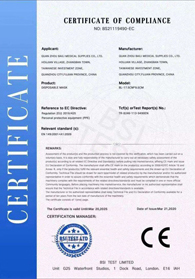
CE Marking for European Compliance
RoHS Compliant Components

Components sourced from reputable global suppliers.
Our internal quality assurance protocols cover every stage, from raw material inspection and component manufacturing to final system assembly and testing. Each vacuum evaporation system undergoes comprehensive functional testing under simulated operating conditions to ensure it meets all specified performance criteria before shipment. We believe in providing equipment that is not only technologically advanced but also:
- Safe: Incorporating necessary safety interlocks and compliance features.
- Reliable: Built for continuous operation with durable components.
- Consistent: Delivering repeatable results for high-quality film deposition.
Our export team is experienced in navigating the documentation requirements for international markets, ensuring your equipment arrives and clears customs smoothly.
Frequently Asked Questions
Q1: What is the typical lead time for a custom vacuum evaporation system?
A1: Lead times can vary significantly based on the complexity of the customization and our current production schedule. A standard configuration might take 3-5 months, while a highly specialized system could require 6-9 months. We provide an estimated lead time upon order confirmation.
Q2: Do you provide installation and training services?
A2: Yes, we offer comprehensive installation and training packages. Our engineers can travel to your facility to oversee installation, commission the system, and train your operators and maintenance staff. This ensures a smooth startup and optimal system utilization.
Q3: What kind of maintenance is required for these systems?
A3: Regular maintenance typically includes cleaning the vacuum chamber, checking and replacing pump oils/filters, inspecting O-rings for leaks, and periodic calibration of process monitors. We provide detailed maintenance schedules and support documentation. Our robust design aims to minimize unexpected component failures.
Q4: Can your systems handle reactive evaporation (e.g., depositing oxides)?
A4: Yes, our systems can be configured for reactive evaporation. This involves introducing a reactive gas (like Oxygen or Nitrogen) into the chamber during the deposition process. We ensure the chamber and pumping system are compatible and provide precise gas flow control capabilities.
Q5: What is the warranty period for your systems?
A5: We typically offer a standard 12-month warranty on manufacturing defects. Extended warranty options and service contracts are available for clients seeking additional peace of mind and guaranteed support.
What Our Clients Say

Lead Scientist, OptiCoat Labs, USA
"The E-beam evaporation system we received from Hebei Yuanchang has significantly improved our optical coating consistency. The uniformity across our sapphire substrates is excellent, and the process control is very intuitive. Their team was instrumental in helping us select the right configuration."

Production Manager, ElectroFinish Inc., Canada
"We needed a reliable system for decorative metal coatings on consumer electronics. Hebei Yuanchang delivered a robust batch system that has been running flawlessly. The support during installation and initial process tuning was top-notch. Very satisfied with the quality and reliability."

R&D Engineer, TechNova Solutions, Singapore
"For our novel sensor development, we required a system capable of depositing thin conductive films with high purity. The custom configuration provided by Hebei Yuanchang met our specifications precisely. Their responsiveness to our technical queries was impressive throughout the project lifecycle."
Client Interaction Highlights:



Ready to Enhance Your Thin Film Capabilities?
Let our expertise guide you to the optimal vacuum evaporation solution for your manufacturing needs. Whether it's for R&D, pilot production, or high-volume manufacturing, we have the engineering know-how and manufacturing capacity to deliver.
We are here to assist you Monday to Friday, 9 AM - 6 PM Beijing Time.