Vacuum Dearation
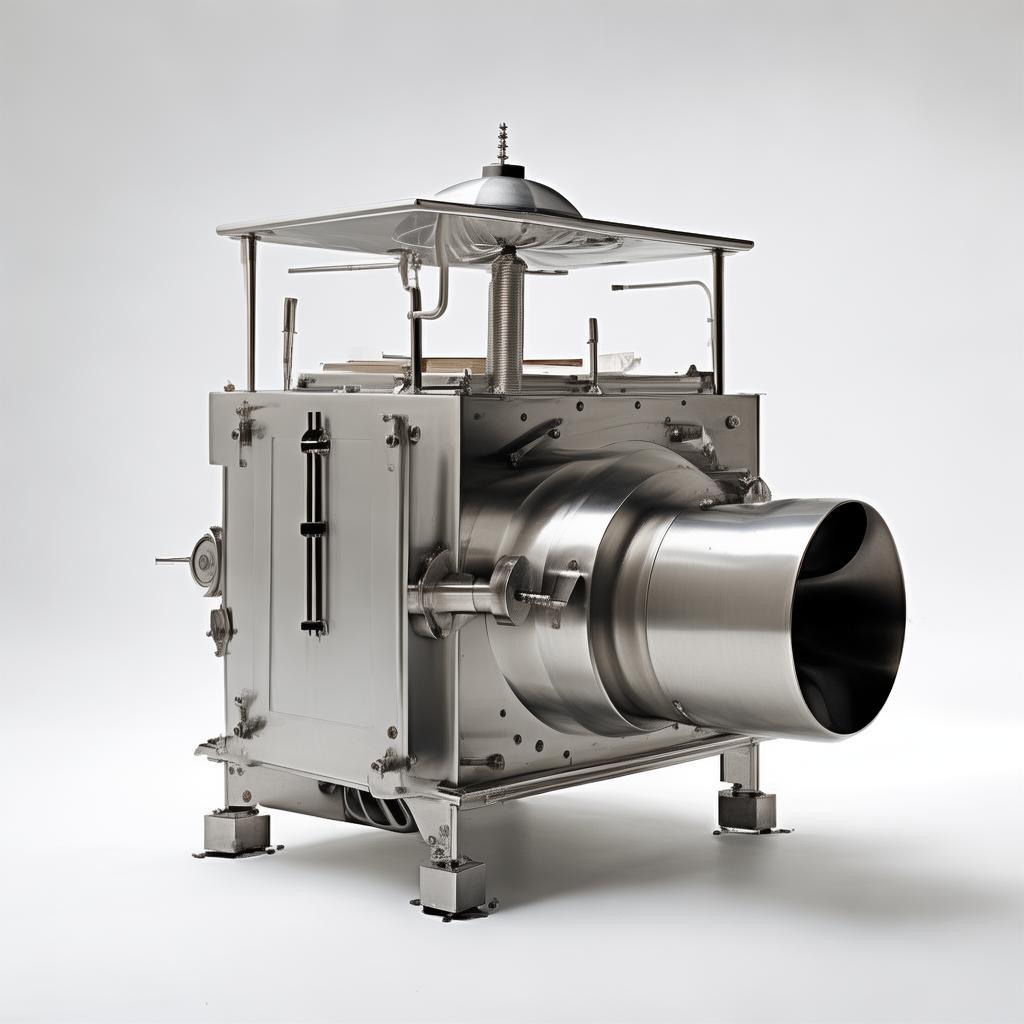
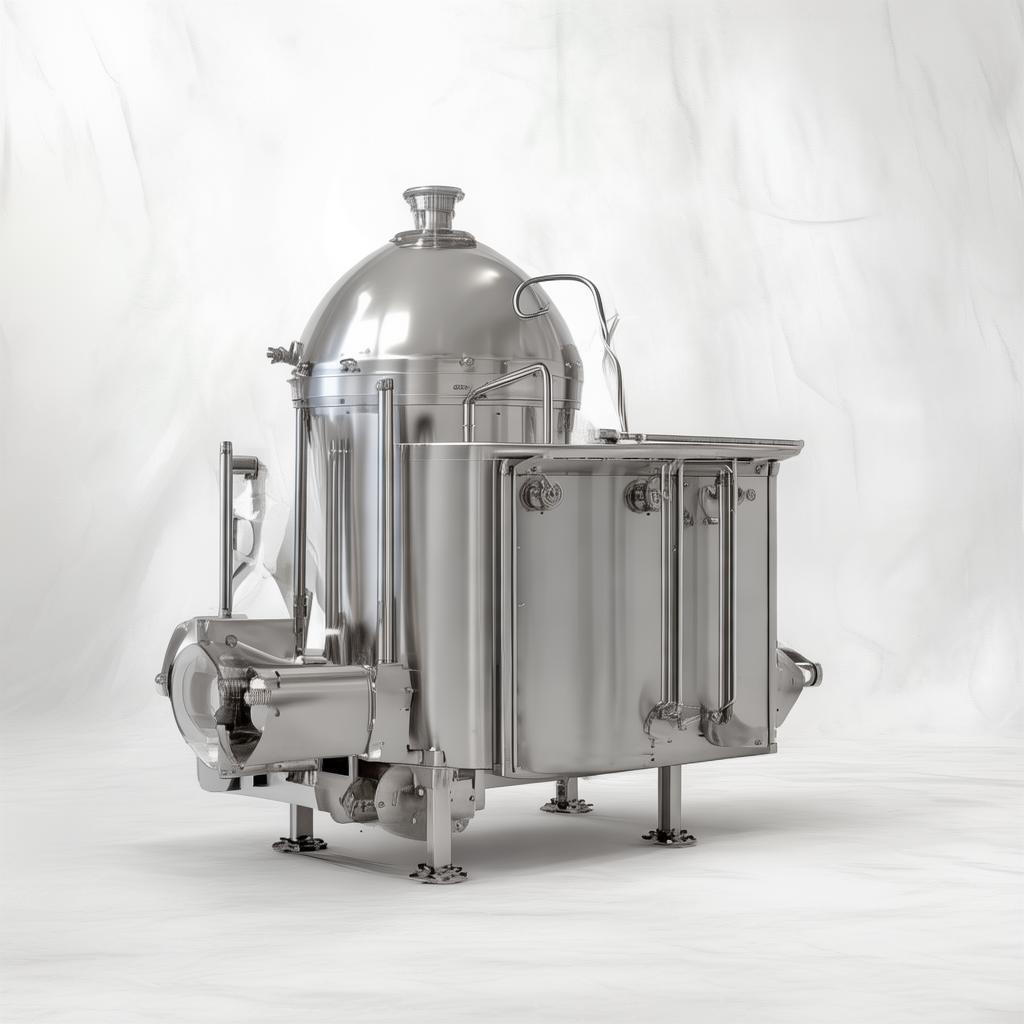
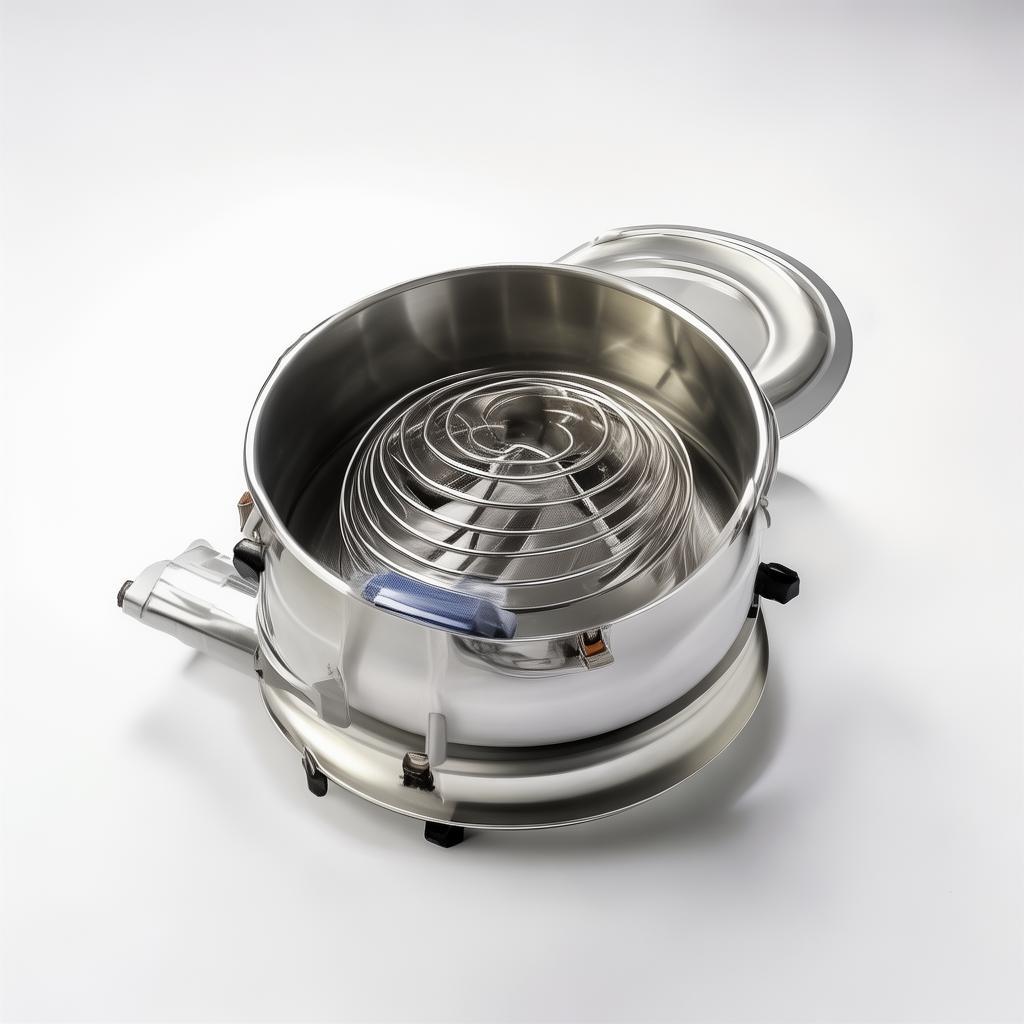
Vacuum Deaeration: Precision Control for Superior Meat Product Quality and Shelf Life

Export Director at Hebei Yuanchang Food Mechanism & Technology Co., Ltd.
Over 15 years in international food processing equipment export.
In the competitive landscape of processed meat production, achieving consistent quality, extending shelf life, and optimizing operational efficiency are paramount. Vacuum deaeration stands as a critical process, often overlooked but fundamentally important in achieving these goals. It's more than just removing air; it's about controlling product integrity from the inside out, directly impacting texture, color, and the efficacy of preservation methods. At Hebei Yuanchang, with our 40 years of experience in designing and manufacturing specialized food machinery, we understand the nuanced requirements of modern meat processing. This guide delves into the intricacies of vacuum deaeration, its benefits, applications, and why integrating a robust deaeration system is a strategic advantage for any forward-thinking manufacturer aiming for export-ready products.
The Unseen Challenge: Air Entrapment in Meat Processing
From grinding and mixing to stuffing and molding, virtually every step in meat processing carries the risk of introducing air into the product matrix. This entrapped air isn't just a minor inconvenience; it's a primary culprit behind several quality degradation issues. Think about the typical challenges faced by processors: inconsistent texture, premature oxidation leading to a duller, less appealing color, and the formation of air pockets that can compromise the effectiveness of vacuum packaging or even lead to premature spoilage. For products destined for international markets, where consumer expectations are high and regulatory scrutiny is strict, these issues can translate directly into lost sales and damaged brand reputation.
The global meat processing equipment market, valued at USD 11.29 billion in 2025 and projected to reach USD 17.39 billion by 2034, highlights the industry's investment in solutions that enhance quality and efficiency. Within this, systems that directly address product integrity, like deaerators, are becoming increasingly vital. Our experience, particularly with OEM/ODM clients looking for sophisticated solutions, shows a clear trend: processors are demanding machinery that not only performs the core function but also preemptively solves common quality pitfalls.
Air bubbles can act as nucleation sites for spoilage. They also affect the density and structure of the final product. Consider sausage production: excessive air can lead to a crumbly texture or an undesirable spongy mouthfeel. In processed hams or reformed meat products, air pockets can disrupt the binding of proteins, weakening the structure and affecting sliceability. The goal for international trade is uniformity and predictability, traits that are difficult to achieve when uncontrolled air is a constant variable.
Furthermore, air contributes to oxidative rancidity. Oxygen reacts with fats, leading to off-flavors and aromas that can render a product unmarketable, especially after extended shipping times. This is why robust deaeration is not just about aesthetics; it's a fundamental step in extending the effective shelf life and maintaining sensory appeal across the supply chain. Our 40 years in manufacturing since 1986 have taught us that foundational processes like effective air removal are the bedrock of premium product manufacturing.
The meat processing equipment market is segmented by various functions, and filling & stuffing machines, along with massaging systems for ripening and tenderizing, are key areas. Vacuum deaeration is intrinsically linked to these. A well-deaerated mixture feeds more effectively into filling machines, producing denser, more uniform sausages. For processes like massaging or tumbling, deaeration ensures that the product structure can better absorb marinades and develop the desired texture without the structural interference of air pockets.
The Mechanics of Vacuum Deaeration: How It Works
At its core, vacuum deaeration leverages the principle that reducing ambient pressure lowers the boiling point of liquids and allows dissolved gases to escape. In meat processing, the deaerator is typically integrated into the system *after* the initial mixing or grinding stages, but *before* the product is formed or stuffed.
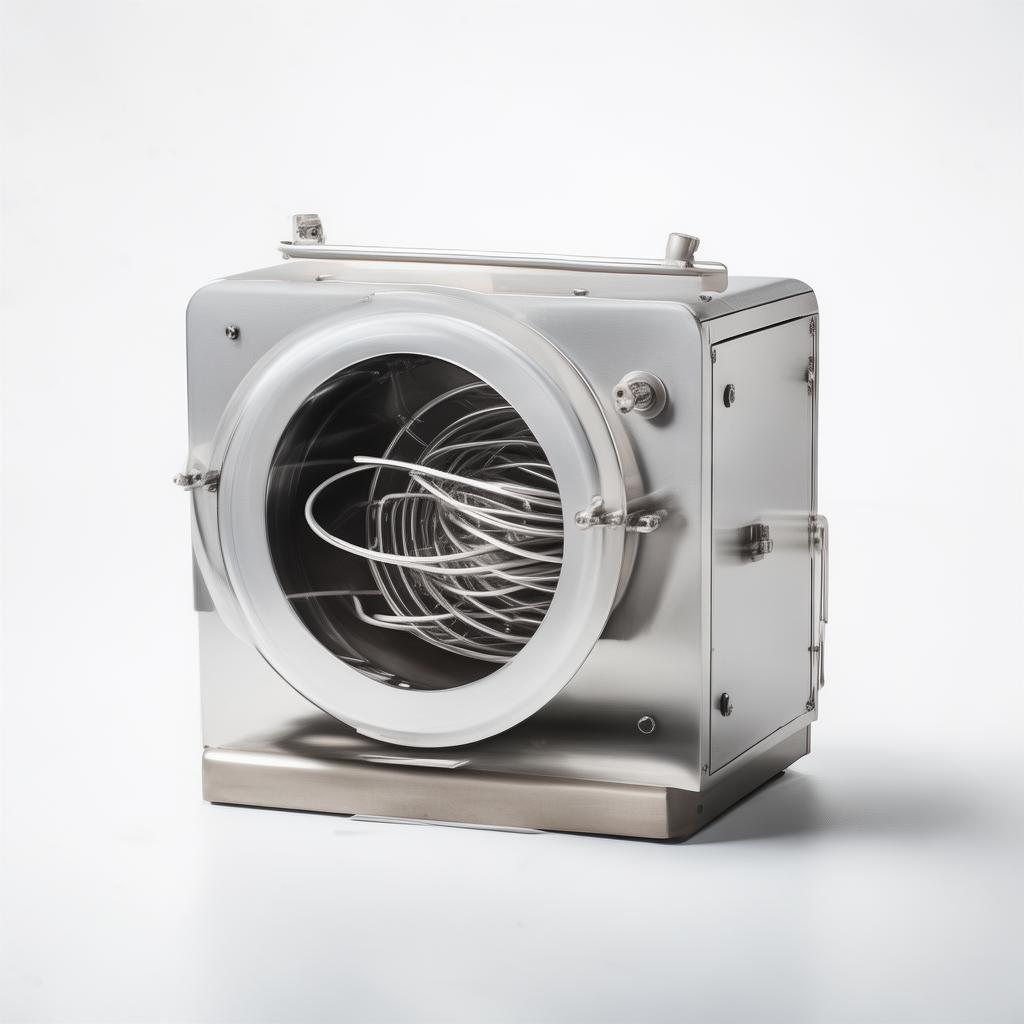
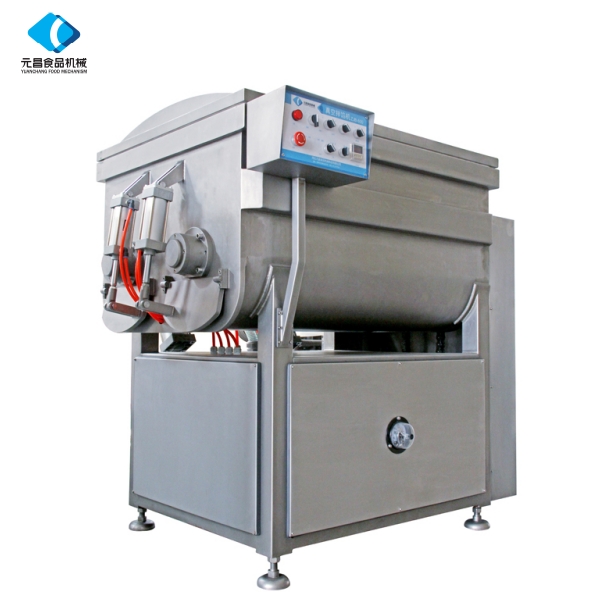
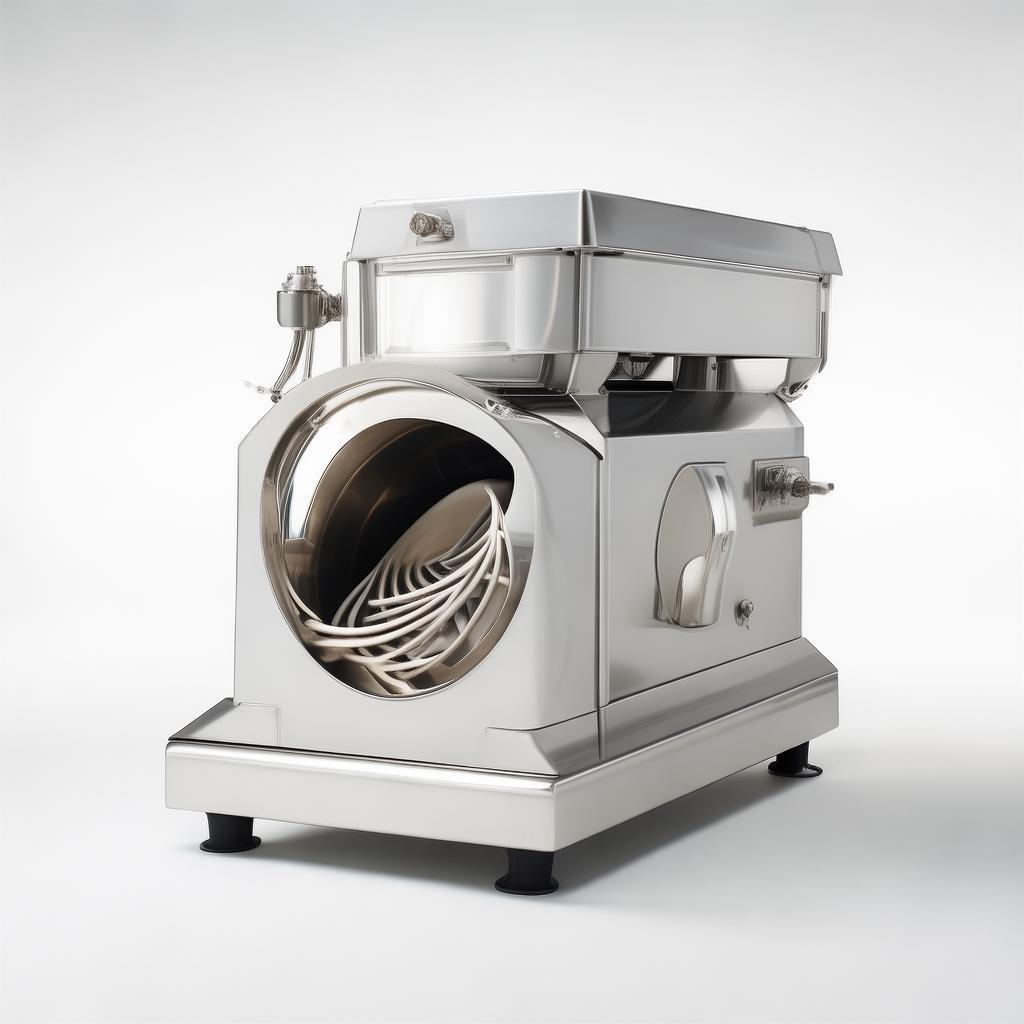
The process generally involves a hopper or chamber where the meat mixture is introduced. This chamber is then sealed, and a vacuum pump begins to evacuate the air. As the pressure drops significantly, the moisture within the meat mixture releases dissolved and entrapped air. This released air forms bubbles, which then rise to the surface of the mixture and are drawn out by the vacuum system.
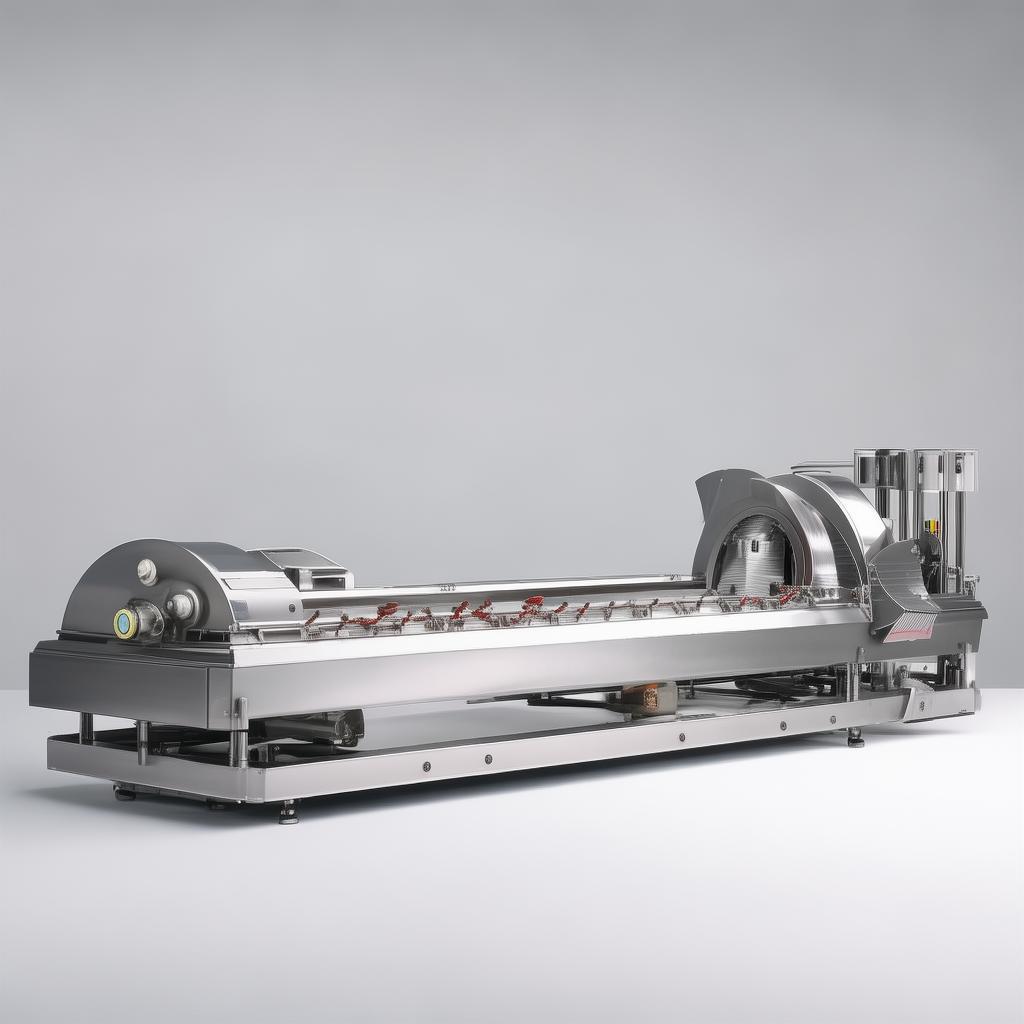
There are several design configurations, but a common industrial setup involves a continuous screw mechanism within a vacuum chamber. As the screw conveys the product through the chamber, it agitates the mixture, facilitating the release of air, and simultaneously compacts the deaerated mass before it exits. The efficiency of the vacuum pump, the seal integrity of the chamber, the residence time of the product within the vacuum zone, and the degree of vacuum achieved are all critical parameters determining the effectiveness of deaeration.
Our in-house machining workshop, equipped with Japanese Mazak CNC centers and over 20 sets of precision machinery, allows us to manufacture components for these systems with the high tolerances required for effective vacuum sealing. Achieving a deep vacuum is essential for drawing out even the smallest, most stubborn air bubbles. This level of precision manufacturing is what separates truly high-performance deaeration equipment from standard mixers.
The meat processing equipment market's growth, reaching USD 19.66 billion by 2033, is fueled by technological advancements. Vacuum deaeration represents such an advancement, offering a tangible improvement in product quality and process control, particularly for export markets demanding consistent results.
Key Advantages of Implementing Vacuum Deaeration
Integrating vacuum deaeration into your processing line yields multifaceted benefits that directly impact your bottom line and market competitiveness.
- Improved Product Texture and Mouthfeel: Removing air creates a denser, more uniform product. This results in a smoother, more consistent texture that consumers expect, whether it's for sausages, patties, or reformed meat products. For products like cured meats, a denser structure can also improve sliceability.
- Enhanced Color Stability: Oxidation, driven by trapped air, is a major cause of color degradation. Deaeration significantly reduces oxygen content, preserving the desirable red and pink hues of meat products for longer periods. This is crucial for appealing to visually discerning international buyers and consumers.
- Extended Shelf Life: By minimizing oxidation and reducing the potential for aerobic spoilage microorganisms to thrive in air pockets, deaeration contributes to a longer, more stable shelf life. This is vital for export logistics, reducing product loss due to spoilage during transit and storage. The global processed meat market's growth to USD 1,253.77 billion by 2034 is underpinned by demand for products with reliable shelf stability.
- Increased Product Density and Yield: A deaerated product is more compact. This can translate to higher net weight per volume and potentially increase your yield, especially if you're selling by weight. It also means more efficient use of packaging materials.
- Better Adhesion and Binding: For products that rely on binders or are reformed, removing air improves the adhesion between meat particles and other ingredients. This leads to a more cohesive product that holds its shape better during cooking and handling.
- Optimized Vacuum Packaging: Products that are thoroughly deaerated allow for a more complete vacuum seal in their packaging. This eliminates virtually all headspace, further protecting the product from oxidation and microbial growth, and presenting a cleaner, more professional appearance on the shelf.
The meat processing equipment market is seeing growth driven by the need for automation, hygiene, and advanced processing technologies. Vacuum deaeration fits perfectly within this paradigm, offering significant improvements for value-added meat products.
Applications: Where Vacuum Deaeration Shines
While beneficial across a wide range of meat products, vacuum deaeration is particularly transformative for specific applications where texture, appearance, and shelf life are critical selling points.
Sausages (Fresh, Cured, Cooked)
For sausages, deaeration is almost non-negotiable for high-quality production. It ensures a dense, firm texture without air pockets, preventing splits during cooking and yielding a product that slices cleanly. This is particularly important for European-style sausages and salami.
Reformed and Formed Meat Products
Products like chicken nuggets, meat patties, and reformed ham benefit greatly. Deaeration ensures better binding of ingredients, resulting in a cohesive structure that doesn't fall apart during cooking or handling, and provides a more consistent bite.
Fine Emulsions and Pâtés
Achieving a smooth, luxurious texture in pâtés and fine meat emulsions is challenging. Vacuum deaeration is key to eliminating any grainy or porous texture caused by air, resulting in a silky-smooth product with enhanced visual appeal.
Cured and Smoked Products
For products like cured hams, bacon, and smoked sausages, deaeration helps ensure uniform penetration of curing agents and smoke, leading to consistent color and flavor development, while also preventing undesirable air pockets that can affect texture.
The demand for value-added and convenience meat products, as indicated by the processed meat market projected to reach USD 1,330.45 billion by 2035, directly correlates with the need for advanced processing technologies like vacuum deaeration to meet consumer expectations for quality and consistency.
Technical Specifications and Considerations
When selecting a vacuum deaerator, several technical specifications are paramount to ensure it meets your production demands and integrates seamlessly into your existing line.
| Specification | Key Considerations |
|---|---|
| Vacuum Level | Typically -0.08 to -0.098 MPa (or better). Higher vacuum levels achieve more efficient air removal. Ensure the pump capacity is adequate. |
| Capacity/Throughput | Measured in kg/hour or pieces/hour. Must match or exceed the output of preceding and succeeding machinery to avoid bottlenecks. We offer solutions from 500 kg/hr up to several tons per hour. |
| Construction Material | Food-grade stainless steel (e.g., 304 or 316) is standard for hygiene and durability. All contact parts must meet strict food safety standards. |
| Drive System | Variable speed drives (VSD) are ideal for adjusting screw speed to optimize deaeration for different product types and batch sizes. |
| Ease of Cleaning (CIP/COP) | Quick disassembly for cleaning is essential. Look for smooth surfaces, minimal dead zones, and compatibility with Clean-in-Place (CIP) or Clean-out-of-Place (COP) systems. This is a major factor in preventing cross-contamination. |
| Integration Capabilities | Check for compatibility with your existing mixers, stuffers, and molding machines. We offer custom solutions to ensure seamless integration. |
vacuumation uhv vacuum vacuum fill
The meat processing equipment market is dynamic, with manufacturers like Hebei Yuanchang focusing on robust engineering. Our 40 years of experience since 1986 mean we've refined designs for durability and efficiency. We understand that a vacuum deaerator isn't just a standalone unit; it's a critical component in a complex workflow.
Consider the typical processing temperatures. While deaeration itself doesn't add significant heat, the preceding mixing stages might. Ensure the deaerator can handle the incoming product temperature without negatively impacting its performance or the meat's quality. For many meat products, maintaining a chilled state throughout processing is key.
Installation, Maintenance, and Operational Insights
Proper installation and routine maintenance are crucial for maximizing the lifespan and performance of your vacuum deaeration equipment.
Installation:
Ensure the deaerator is installed on a stable, level surface. Proper electrical connections and plumbing for the vacuum pump and any water/cleaning lines are essential. Crucially, it needs to be positioned correctly in relation to your upstream mixers and downstream stuffers/molders to facilitate smooth product transfer and minimize any re-introduction of air. We provide detailed installation manuals and offer on-site support for critical international installations.
Maintenance:
Regular cleaning is non-negotiable. After each production run, the machine should be thoroughly cleaned and sanitized. Pay close attention to seals, the vacuum chamber interior, and the conveying screw. Lubrication of moving parts according to the manufacturer's schedule will prevent premature wear. Periodic checks on the vacuum pump's oil level and filter, as well as the integrity of vacuum seals, are vital. A slight loss of vacuum can significantly reduce deaeration efficiency.
Operational Tips:
- Adjust screw speed and vacuum level based on the product's viscosity and fat content.
- Monitor the output for consistency and absence of air pockets.
- Ensure operators are trained on proper startup, shutdown, and cleaning procedures.
- Regularly inspect seals for any signs of wear or damage, as these are critical for maintaining vacuum integrity.
This attention to operational detail is what we stress to our clients, particularly those in the meat and poultry processing equipment market, aiming for high throughput and product consistency.
Procurement Guidance: Selecting the Right Deaerator
Choosing the right vacuum deaeration equipment involves more than just comparing specifications. It's a strategic decision that impacts your production efficiency, product quality, and ultimately, your export capabilities.
Assess Your Needs:
First, clearly define your production volume, the types of products you process, and your target quality standards. Are you focusing on high-volume sausages, premium pâtés, or value-added reformed products? This will dictate the required capacity and specific features.
Supplier Reliability and Support:
Look for manufacturers with a proven track record in the food processing industry, especially in export markets. Consider their experience with OEM/ODM projects, their manufacturing capabilities (like our ISO 9001 certification), and their commitment to quality control. Traceable after-sales service and readily available spare parts are non-negotiable, especially for international clients. At Hebei Yuanchang, our independent production of high-precision parts ensures this.
Integration and Customization:
Can the equipment be easily integrated into your existing line? Does the supplier offer customization options to meet unique processing requirements? Flexibility is key in a dynamic production environment.
Return on Investment (ROI):
While initial cost is a factor, consider the long-term benefits: reduced product spoilage, improved yield, enhanced consumer appeal leading to higher sales, and extended shelf life which is critical for export. The meat processing equipment market is expected to grow, driven by automation and efficiency gains. Investing in a quality deaerator contributes directly to this.
Consultation:
Don't hesitate to engage with potential suppliers. Discuss your challenges, ask for case studies, and seek expert advice. We encourage prospective clients to "Talk With Our Engineer" to ensure the proposed solution is the perfect fit.
When evaluating suppliers, consider their experience and certifications. We are proud of our 40 years of experience and our ability to integrate advanced CNC machining into our production, ensuring high-precision components.
Why Hebei Yuanchang for Your Vacuum Deaeration Needs?
For over four decades, Hebei Yuanchang Food Mechanism & Technology Co., Ltd. has been a cornerstone in the design and manufacturing of specialized meat processing equipment. We don't just build machines; we engineer solutions that enhance product quality, boost operational efficiency, and support our clients' global export ambitions.
- 40 Years of Expertise (Since 1986): We possess deep, practical knowledge in complete production lines, especially for meat products and pet food.
- Advanced Manufacturing Capabilities: Our 14,000 sqm facility houses over 20 sets of precision machinery, including Japanese Mazak CNC machining centers, enabling us to produce high-precision, non-standard components essential for robust deaeration systems.
- Commitment to Quality: We focus on integrating R&D, production, and sales to deliver reliable, high-performance machinery.
- Global Export Experience: We understand the diverse requirements and standards of international markets.
- Traceable After-Sales Service: Our independent part production ensures prompt and reliable after-sales support, giving you peace of mind.
From pretreatment to molding and auxiliary items, we offer a comprehensive range of solutions. Let us help you achieve superior product quality with our advanced vacuum deaeration technology.
What Our Clients Say

"The Yuanchang deaerator has been a game-changer for our sausage production. The texture is so much smoother now, and we've seen a noticeable reduction in waste due to better vacuum sealing. Their support during installation was first-class."
Mark Jenkins, Operations Manager, USA

"We were struggling with color inconsistency in our reformed ham products for export. After installing the vacuum deaerator, the color is much more stable, and the products look far more premium on arrival. Highly recommended for any exporter."
Sarah Lee, Procurement Director, Canada

"The precision manufacturing is evident. The deaerator fits seamlessly into our line, and the vacuum levels achieved are consistently high. Yuanchang's engineers were very helpful in specifying the right model for our needs."
David Chen, Technical Engineer, Australia
Frequently Asked Questions (FAQ)
A: While some mixers offer vacuum capabilities, dedicated vacuum deaerators are designed for superior performance. They typically achieve deeper vacuum levels, offer longer residence times for thorough air removal, and are integrated with conveying systems that prevent re-aeration. For critical applications aiming for export quality, a standalone deaerator is often necessary for optimal results.
By removing dissolved oxygen, deaeration significantly reduces oxidative processes that lead to rancidity and color degradation. It also minimizes air pockets where aerobic spoilage bacteria can thrive. This combination directly contributes to a more stable and extended shelf life, crucial for international distribution.
Yes, absolutely. While our primary focus is meat processing, the principles of vacuum deaeration apply to poultry and fish products as well, especially those that are processed into emulsions, reformed products, or require enhanced preservation and texture. The key is to tailor the process parameters.
Lead times can vary depending on the specific model and any customization required. Generally, for standard configurations, it can range from 6 to 12 weeks from order confirmation to dispatch. We will provide a precise estimate upon order.
Ready to Elevate Your Product Quality?
Implementing vacuum deaeration is a strategic investment that pays dividends in product quality, shelf life, and market appeal. Let our 40 years of expertise help you achieve superior results.
Hebei Yuanchang Food Mechanism & Technology Co., Ltd.
Shijiazhuang, Hebei Province, China | Phone: +86 15830991513 | Email: ycmeatmech@gmail.com | www.ycmeatmech.com