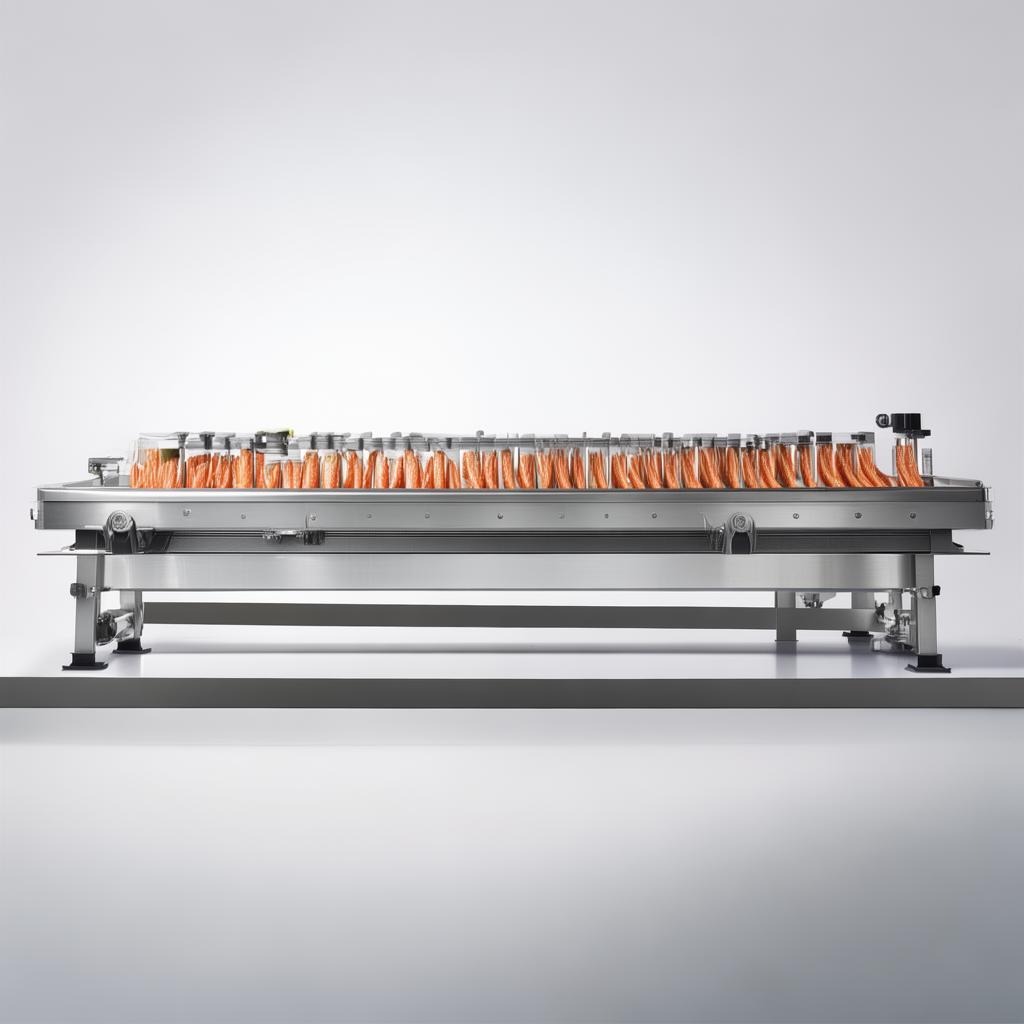
Vacuum Casting Machine Market
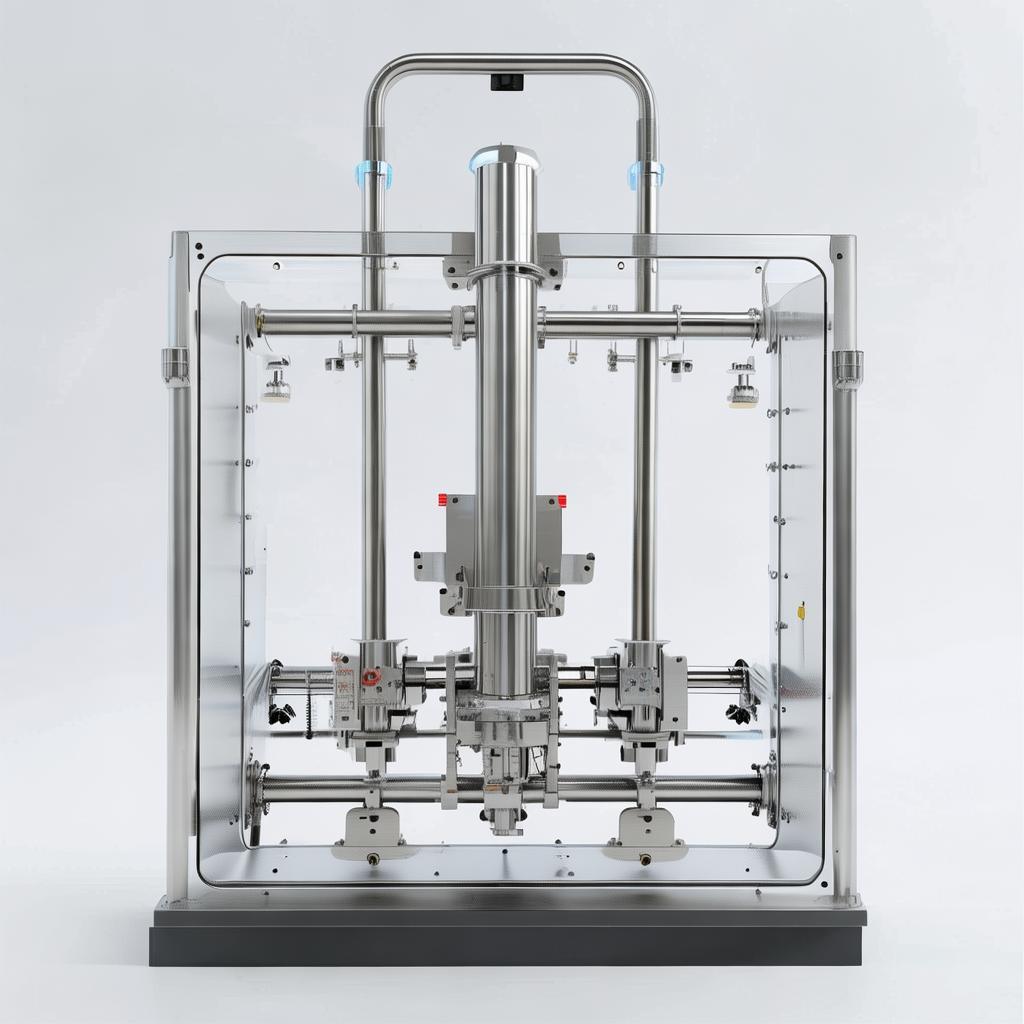
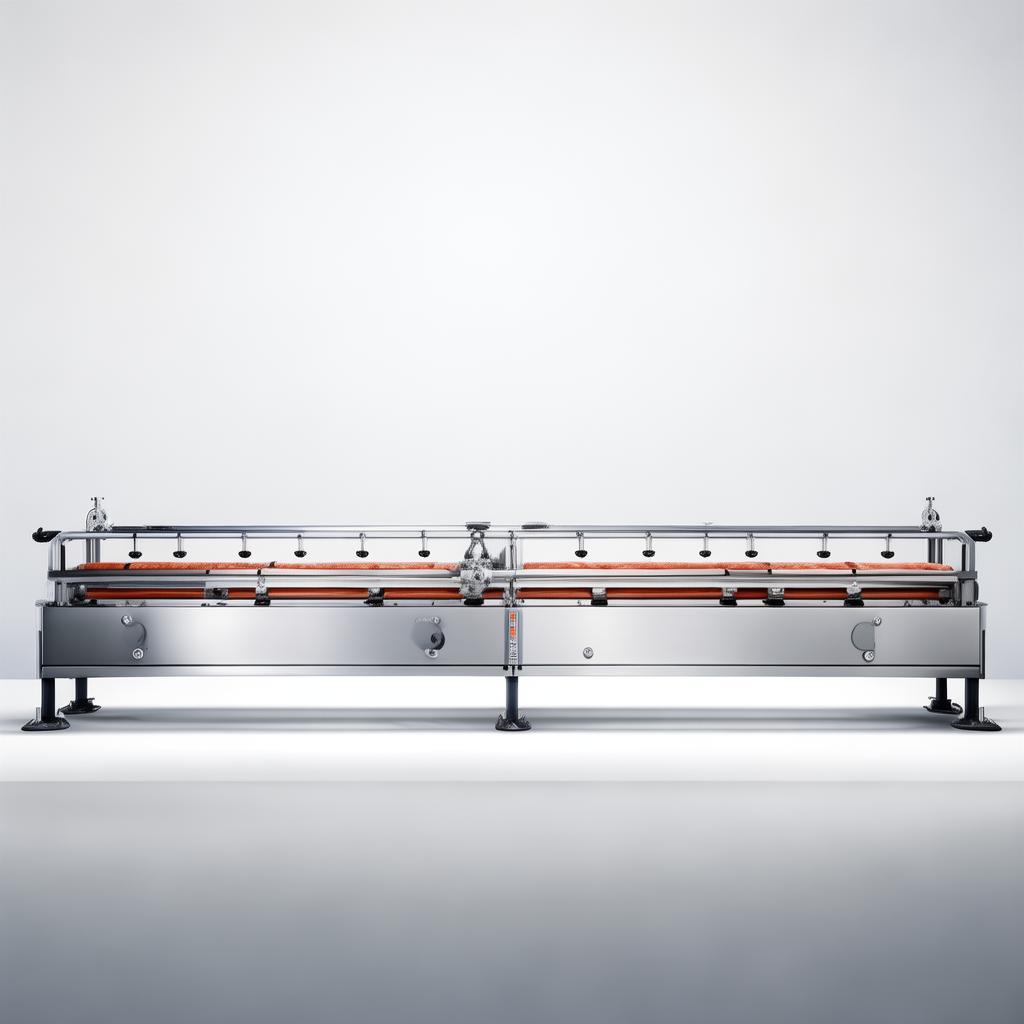
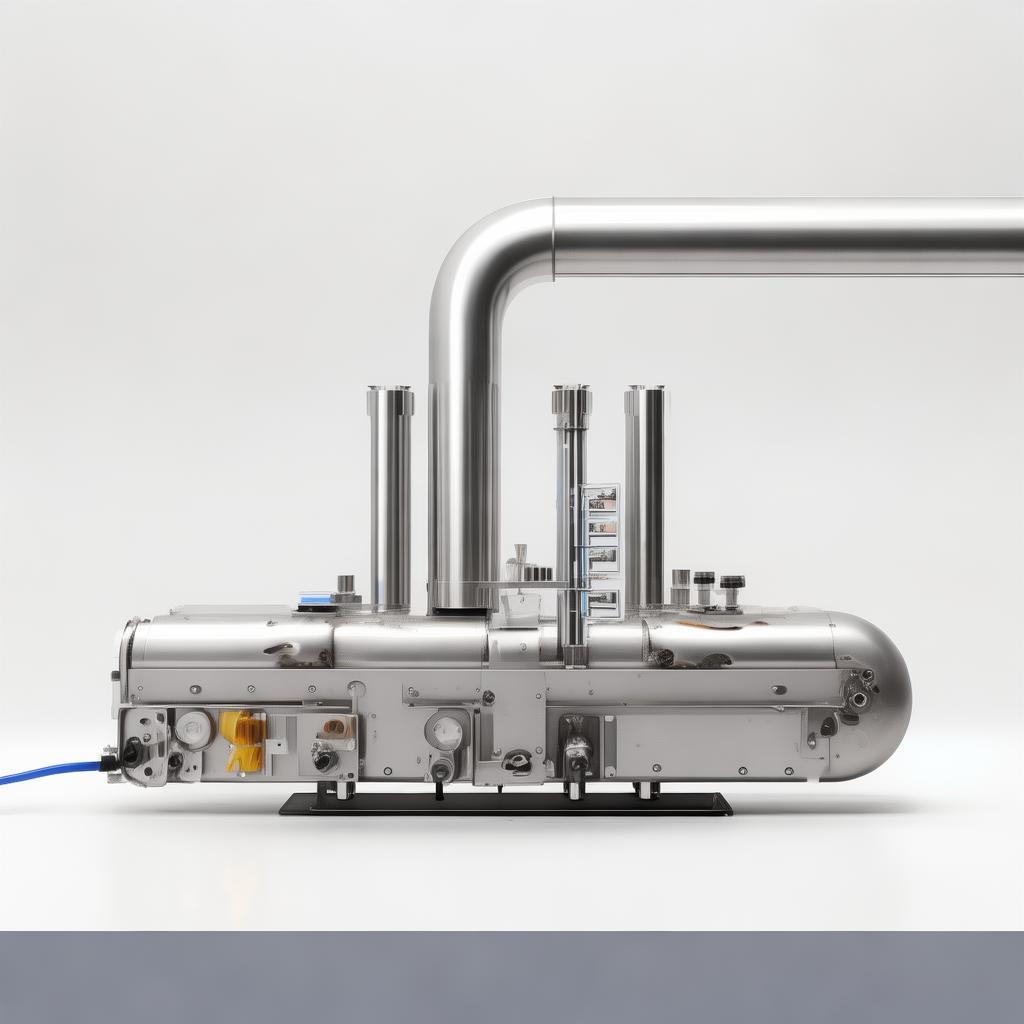
Vacuum Casting Machines: Precision, Versatility, and Your Path to High-Quality Prototypes & Small Batches
Unlock unparalleled accuracy and efficiency in your product development and small-scale manufacturing with advanced vacuum casting technology.

 Li Wei, Senior Industrial Engineer
| Hebei Yuanchang Food Mechanism & Technology Co., Ltd.
Li Wei, Senior Industrial Engineer
| Hebei Yuanchang Food Mechanism & Technology Co., Ltd.
Table of Contents
- Introduction to Vacuum Casting
- Addressing Industry Challenges
- How Vacuum Casting Machines Work
- Key Advantages for Your Business
- Diverse Application Scenarios
- Choosing the Right Vacuum Casting Machine
- Technical Specifications Explained
- Installation & Maintenance Considerations
- Global Logistics & Support
- What Our Clients Say
- Frequently Asked Questions
- Ready to Enhance Your Production?
The Precision You Need: Understanding Vacuum Casting Machines
In today's competitive industrial landscape, the ability to rapidly produce high-fidelity prototypes and small production runs is not just an advantage—it's a necessity. Whether you're a seasoned manufacturer developing a new line of industrial equipment, an automotive supplier refining a critical component, or a medical device innovator bringing a life-saving product to market, the quality and speed of your physical samples directly impact your time-to-market and overall project success. This is where advanced vacuum casting machines, often integrated into comprehensive systems, play a pivotal role.
At Hebei Yuanchang Food Mechanism & Technology Co., Ltd., we've seen firsthand how the right machinery can transform production workflows. For decades, our focus has been on precision engineering for meat processing, but the core principles of meticulous design, robust construction, and operational efficiency are universal. We apply this deep manufacturing expertise to all our equipment, understanding that even seemingly unrelated industries share common needs for reliable, high-performance machinery. Vacuum casting technology embodies this principle, offering a sophisticated yet accessible method for creating detailed replicas of master patterns.
The global market for meat processing equipment, a sector we know intimately, highlights the drive for automation and precision. For instance, reports indicate the global meat processing equipment market was valued at approximately USD 11.29 billion in 2025 and is projected to reach USD 17.39 billion by 2034, with a CAGR of around 5.0%.[1] Key segments like filling, massaging, and cutting machines underscore the demand for specialized equipment that ensures quality and efficiency. Similarly, the demand for advanced vacuum casting machines stems from a parallel need across numerous industries for precision, reproducibility, and the ability to work with a wide array of materials.
Imagine needing to test the ergonomics of a new industrial control panel housing, evaluate the aesthetic appeal of a consumer product casing, or verify the fit and function of complex internal components before committing to expensive tooling. Traditional methods, like CNC machining from solid blocks, can be slow and costly for one-offs. Injection molding is prohibitive for low volumes. This is precisely the gap that vacuum casting fills. It leverages highly accurate silicone molds, created from an original master part, to cast resins that can mimic the properties of many production plastics and elastomers. The process, when executed with a state-of-the-art vacuum casting machine, ensures that fine details, complex geometries, and surface textures are faithfully reproduced, batch after batch.
Our experience, spanning over 40 years since 1986, in designing and manufacturing complex food processing machinery—including intricate filling, molding, and ripening equipment—has instilled in us a profound understanding of precision mechanics and material science. We operate a robust in-house machining workshop with over 20 sets of processing machinery and have invested in Japanese Mazak CNC machining centers to ensure the highest precision for critical components. This level of vertical integration and commitment to quality translates directly to the reliability and performance of the vacuum casting machines we offer. We don't just sell machines; we provide solutions honed by decades of hands-on manufacturing expertise.
The complexity of modern product development means that a single prototype may need to undergo multiple iterations. The efficiency and cost-effectiveness of the vacuum casting process, facilitated by a precise vacuum casting machine, allow for these rapid cycles of design, test, and refinement. This agility is crucial for staying ahead in dynamic markets. Furthermore, the ability to achieve properties akin to ABS, Polycarbonate, or even flexible rubbers means that prototypes aren't just visually representative; they can often perform functional tests, providing invaluable real-world data before mass production begins. The strategic importance of these machines cannot be overstated in the context of accelerating innovation and reducing development risks.
Our dedication to quality is reflected in our comprehensive production capabilities. With a facility covering approximately 14,000 square meters and a skilled team of 80-100 employees, we integrate R&D, production, and sales. This enables us to not only build sophisticated machinery but also to provide traceable after-sales management, ensuring that the high-precision parts we produce, even for demanding applications, come with a guarantee of reliability. This same ethos is applied to our vacuum casting machines, ensuring you receive equipment that is built to last and perform consistently.
The market's general trend towards processed and convenience foods, which drove significant growth in related equipment sectors, also mirrors the increasing demand for streamlined manufacturing processes across various industries. The global processed meat market is projected to grow from USD 750.58 billion in 2026 to USD 1,253.77 billion by 2034, with a CAGR of 6.62%[2], highlighting the underlying economic forces that favor efficient, scalable production solutions. Vacuum casting machines are a prime example of such a solution for high-value, low-volume manufacturing needs.
Navigating the landscape of industrial machinery can be complex. Understanding the specific capabilities of a vacuum casting machine—from its chamber size and vacuum pump performance to its heating element precision and control system—is key to making an informed purchase. We aim to demystify this technology, providing clear, practical insights derived from our extensive engineering and manufacturing background. Our goal is to equip you with the knowledge to select a machine that perfectly aligns with your production requirements and budget, ensuring a robust return on your investment.
Common Hurdles in Prototyping & Small-Batch Production
Many businesses struggle with the critical phase of turning a digital design into a tangible product. The path from concept to physical reality is often paved with challenges:
- High Tooling Costs: Traditional injection molding requires expensive, custom-made molds that are only economical for large production runs. This is a significant barrier for startups and companies exploring new product variations.
- Extended Lead Times: Machining complex prototypes or waiting for injection mold tooling can take weeks or even months, delaying crucial testing and market feedback cycles.
- Limited Material Choice for Prototypes: Early prototypes often can't replicate the exact material properties of the final production part, leading to inaccurate testing results.
- Inconsistent Quality: Manual prototyping methods or less precise machinery can result in parts with surface imperfections, dimensional inaccuracies, or inconsistent material properties.
- Scalability Issues: Processes that work for a single prototype might not be easily scalable for small-batch production, forcing a complete process change as demand grows.
- High Rejection Rates: When precision is compromised, a significant number of prototypes may fail quality checks, leading to wasted time and resources.
A reliable vacuum casting machine directly addresses these pain points, offering a bridge between conceptual design and market-ready products with efficiency and precision.
How Vacuum Casting Machines Deliver Precision
The core of vacuum casting lies in its systematic approach to replicating a master model with exceptional fidelity. A high-quality vacuum casting machine orchestrates this process:
- Mold Creation: First, a high-resolution master model (often 3D printed or CNC machined) is used to create a silicone mold. This mold-making process itself requires precision and expertise to capture every detail.
- Material Preparation: The chosen casting resin, designed to mimic specific production plastics (like ABS, PC, or flexible urethanes), is carefully mixed, often with degassing to remove air bubbles.
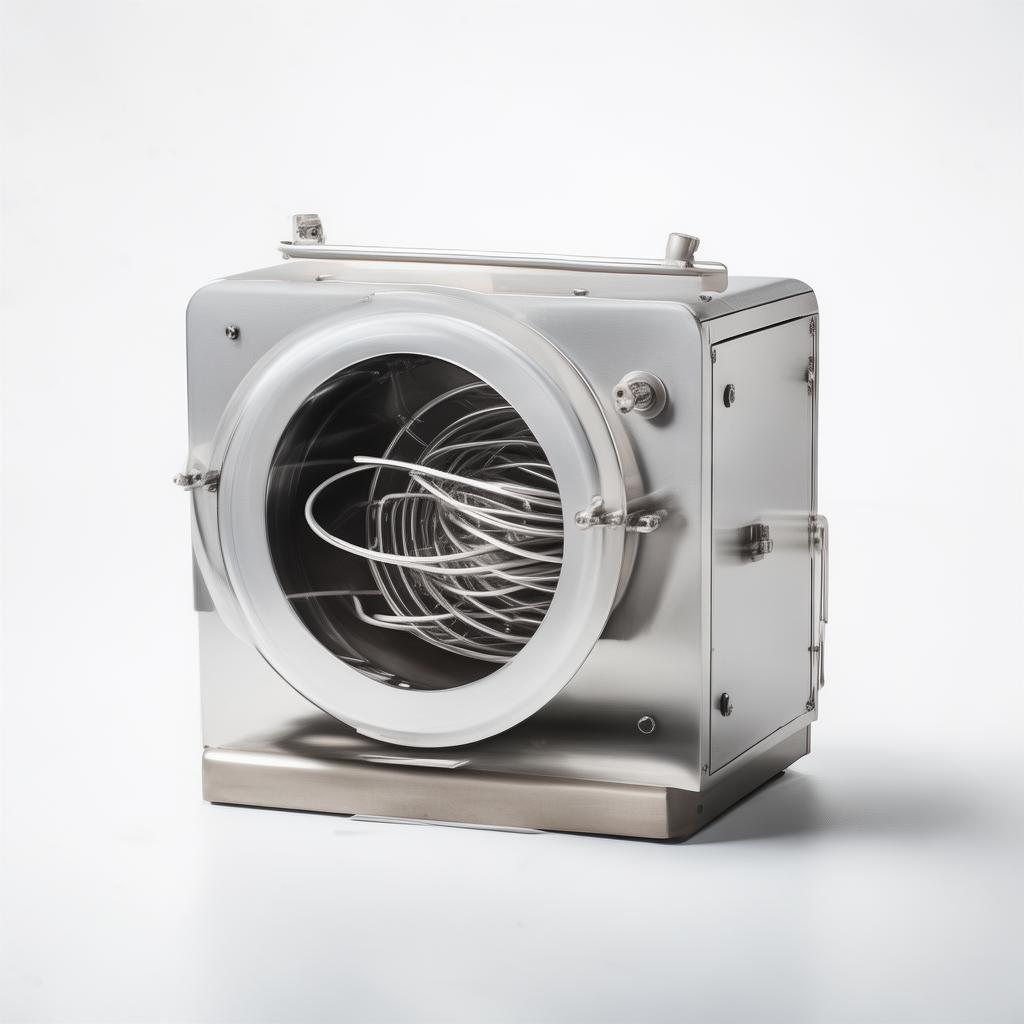
- Vacuum Chamber Setup: The silicone mold is placed within the chamber of the vacuum casting machine. The machine's primary function is to create a controlled, high-vacuum environment.
- Resin Injection: The prepared resin is poured into the mold cavity while under vacuum. The vacuum draws out air from the mold and ensures the resin fully penetrates even the finest details of the cavity, preventing voids.
- Curing: The machine then precisely controls the temperature and time for curing the resin. This controlled heating process is critical for achieving the desired material properties and dimensional stability. Advanced machines offer programmable temperature profiles for different resins.
- Demolding: Once cured, the mold is opened, and the finished part is carefully removed. The flexibility of the silicone mold allows for the easy extraction of intricate geometries.
A modern vacuum casting machine from Hebei Yuanchang integrates these steps with automated controls, ensuring consistency and minimizing human error. Our machines are engineered with robust vacuum pumps for rapid evacuation, precise heating elements for uniform temperature distribution, and intuitive control interfaces for ease of operation. This focus on the machine's role is vital for anyone looking to establish a reliable vacuum casting workflow.
Tangible Benefits: Why Invest in a Vacuum Casting Machine?
Choosing the right vacuum casting machine offers significant advantages for product development and niche manufacturing:
- Unmatched Detail Reproduction: Achieve surface finishes and intricate geometries that rival injection molded parts. Perfect for aesthetic models and functional components with fine features.
- Wide Material Versatility: Cast a broad spectrum of resins that mimic engineering plastics (ABS, PC, PP-like) and flexible elastomers (rubbers). This allows for functional testing with properties close to final production materials.
- Cost-Effective for Low Volumes: Significantly cheaper than injection molding for prototypes and small batches (typically 10-100 parts), as silicone molds are less expensive and faster to produce.
- Rapid Turnaround: From master model to finished parts, the vacuum casting process can often be completed within days, accelerating your project timelines dramatically.
- High-Quality Prototypes: Produce parts that are not only visually accurate but also strong enough for functional testing, stress analysis, and even end-use applications in certain markets.
- Simplified Tooling: Silicone molds are easier and faster to create than hard tooling for injection molding, reducing lead times and upfront investment.
- Scalable Production: While ideal for low volumes, the process can be scaled by using multiple molds or by transitioning to injection molding once designs are finalized and market demand is validated.
"The precision we achieved with our new vacuum casting setup has significantly reduced the need for secondary finishing operations. It's a huge time and cost saver." - Operations Manager, Midwest Electronics.
Where Vacuum Casting Machines Shine: Diverse Applications
The versatility of vacuum casting makes it indispensable across a wide range of industries:
- Automotive: Prototyping interior trim, dashboards, exterior components, and functional parts for testing. The global meat processing equipment market, while distinct, shares the common thread of requiring specialized machinery for consistent output, a principle that applies to automotive prototyping as well.
- Consumer Electronics: Creating casings, buttons, and ergonomic prototypes for smartphones, wearables, home appliances, and audio equipment.
- Medical Devices: Producing highly detailed prototypes of surgical instruments, diagnostic equipment housings, prosthetics, and anatomical models for training. Compliance with stringent industry standards is paramount here.
- Industrial Design & Engineering: Developing functional prototypes of machinery parts, enclosures, control panels, and ergonomic tools for user testing and validation.
- Aerospace: Prototyping interior cabin components, control interfaces, and specialized equipment parts where accuracy and material properties are critical.
- Architecture & Real Estate: Creating detailed scale models of buildings and developments for presentation and client review.
- Marketing & Advertising: Producing high-fidelity models for product photography, trade show displays, and promotional materials.
The demand for high-quality, visually accurate, and functionally representative parts is a common thread across these sectors. A robust vacuum casting machine provides the means to meet these diverse needs efficiently.
Selecting Your Vacuum Casting Machine: Key Considerations
When investing in a vacuum casting machine, particularly for international sourcing, it's crucial to partner with a reliable manufacturer like Hebei Yuanchang. Here’s what to look for:
- Chamber Capacity & Size: Ensure the machine's working chamber is large enough to accommodate the typical size of your master models and silicone molds.
- Vacuum Performance: A high-quality vacuum pump is essential for pulling deep vacuums quickly, ensuring complete mold filling and bubble-free parts. Look for reliable pump brands.
- Temperature Control: Precise and uniform heating is critical for resin curing. Programmable temperature profiles offer greater flexibility for various resin types. Check heating element quality and distribution.
- Ease of Operation & Maintenance: Intuitive control panels, easy access for cleaning, and readily available spare parts contribute to a smooth operational workflow.
- Build Quality & Durability: Industrial-grade components and robust construction ensure longevity and consistent performance, especially in demanding production environments. Our 40 years of manufacturing experience informs our commitment to building durable machinery.
- Supplier Reputation & Support: Choose manufacturers with a proven track record, clear communication channels, and reliable after-sales support, including technical assistance and spare parts availability.
- Certifications & Compliance: Look for machines that meet relevant safety and operational standards (e.g., CE marking for European markets).
"When sourcing internationally, understanding the supplier's manufacturing depth and their commitment to after-sales service is as important as the machine's specs themselves. We look for partners, not just vendors." - Procurement Director, European Automotive Tier 1.
At Hebei Yuanchang, we leverage our extensive in-house machining capabilities, including advanced CNC centers, to produce high-precision components for our machinery. This vertical integration guarantees the quality and reliability of our vacuum casting machines, ensuring you receive equipment that is both accurate and built to last. We are committed to providing comprehensive solutions, from initial consultation to ongoing support.
Understanding the Technicals: What Defines Performance?
While specifications vary by model, here are the key parameters to consider when evaluating a vacuum casting machine. These are typical figures, and specific models may offer enhanced capabilities.
| Specification | Typical Range / Description | Importance for Your Application |
|---|---|---|
| Chamber Size (Internal) | e.g., 400 x 400 x 300 mm (W x D x H) | Determines the maximum size of parts and molds you can cast. Critical for larger components. |
| Vacuum Level | e.g., -0.098 MPa (approx. 98% vacuum) | Crucial for removing air bubbles and ensuring resin fills fine details. Higher vacuum = better results. |
| Vacuum Pump Capacity | e.g., 200 L/min | Affects how quickly the chamber reaches vacuum. Faster evacuation means shorter cycle times. |
| Max Heating Temperature | e.g., 80°C - 150°C | Essential for curing various resins. Higher temps allow for broader material compatibility. |
| Temperature Control Precision | e.g., ± 1°C | Uniform heating is key for consistent material properties and preventing part defects. |
| Heating Method | e.g., Infrared, forced air circulation | Uniform heating distribution prevents hot spots and ensures consistent curing. |
| Power Supply | e.g., 220V/380V, 50/60Hz, 3-Phase | Ensure compatibility with your facility's electrical infrastructure. |
| Control System | e.g., PLC with Touchscreen Interface | User-friendly interface, data logging, and ability to program complex cycles enhance usability. |
vacuum industry vacuum deposition machine vacuum packaging equipment market
Our machines are engineered to meet rigorous industry standards, offering robust vacuum performance and precise temperature control. We provide detailed spec sheets for each model and work with clients to ensure the chosen machine aligns perfectly with their application needs. For instance, our deep expertise in precision machining allows us to integrate high-performance vacuum pumps and heating elements that ensure consistent results, similar to how our meat processing equipment guarantees reliable performance in demanding food production environments.
Operational Realities: Installation & Routine Care
Implementing a vacuum casting machine into your facility is straightforward, but understanding the operational requirements ensures maximum uptime and part quality.
Installation Insights:
- Power Requirements: Ensure your facility's electrical supply meets the machine's specifications. We can advise on phase requirements and voltage compatibility.
- Ventilation: Adequate ventilation is recommended, especially when working with resins that may have mild odors. Some models have integrated exhaust ports.
- Space: Consider the machine's footprint plus clearance for operation and maintenance access.
- Level Surface: The machine must be placed on a stable, level surface to ensure proper operation of the chamber door and internal components.
Routine Maintenance for Longevity:
- Chamber Cleaning: Regular cleaning of the casting chamber, especially after each run, is vital to prevent contamination and maintain part quality.
- Vacuum Pump Care: Follow the manufacturer's recommendations for oil changes (if applicable) and filter checks on the vacuum pump to ensure optimal performance.
- Heating Element Inspection: Periodically check heating elements and seals for wear or damage.
- Software Updates: If your machine features advanced PLC controls, ensure any available software updates are applied for optimal performance and features.
"We learned early on that dedicating a small amount of time each week to machine maintenance saved us significant downtime and costly repairs down the line. It’s just good operational practice." - Senior Technician, Industrial Prototyping Firm.
Hebei Yuanchang provides detailed operation manuals and maintenance schedules. Our commitment extends beyond the sale, offering technical support to guide you through installation and routine upkeep, ensuring your vacuum casting machine operates at peak efficiency for years to come.
Global Reach: Logistics and International Support
As an international supplier, Hebei Yuanchang Food Mechanism & Technology Co., Ltd. understands the complexities of global trade. We are adept at ensuring your vacuum casting machine arrives safely and efficiently, no matter your location.
- Packaging Expertise: Our machines are robustly packaged using industrial-grade materials and techniques to withstand the rigors of international transit, protecting your investment from port to plant. We consider container loading optimization to minimize shipping costs where possible.
- Documentation: We provide all necessary export documentation, customs paperwork, and certificates of origin promptly to facilitate smooth customs clearance.
- Shipping Options: We work with trusted freight forwarders to offer various shipping solutions, from full container loads (FCL) to less than container loads (LCL), and air freight for urgent needs. We can provide estimated shipping times and costs based on your destination.
- Incoterms: We are flexible with Incoterms (e.g., FOB, CIF, DDP) to best suit your procurement preferences and logistics management capabilities.
- After-Sales Support: Our support extends globally. We offer remote technical assistance, video conferencing for troubleshooting, and can arrange for on-site technician visits if required and feasible. Our communication channels are designed for international clients, with email (ycmeatmech@gmail.com) and phone (+86 15830991513) available.
Our extensive experience exporting machinery means we can anticipate and mitigate potential logistical challenges, ensuring a predictable and stress-free procurement process. We aim to make international sourcing of high-quality vacuum casting machines as seamless as sourcing domestically.
Trusted by Industry Professionals: Client Testimonials

Product Development Lead
"We needed to produce functional prototypes for a new sensor housing. The vacuum casting machine from Yuanchang delivered incredible detail and material consistency that perfectly mimicked our final ABS production parts. The setup was straightforward, and their team provided excellent support."
Benefit: Accelerated Testing & Design Validation
Operations Manager
"As a small manufacturing firm, we can't afford expensive tooling for every iteration. The Yuanchang vacuum casting machine offers a cost-effective solution for our low-volume runs and rapid prototyping needs. The precision is remarkable, saving us significant post-processing time."
Benefit: Reduced Costs & Faster Iterations
Medical Device Engineer
"For creating realistic models of our surgical tools and device prototypes, precision is paramount. The vacuum casting machine from Hebei Yuanchang consistently produces parts with excellent surface finish and dimensional accuracy. Their team was responsive to our technical questions regarding material compatibility."
Benefit: High-Fidelity Prototypes for Critical ApplicationsYour Questions Answered: Vacuum Casting Machine FAQ
- Q: What is the typical lifespan of a silicone mold used in vacuum casting?
- A: This varies greatly depending on the complexity of the part, the resin used, and the care taken during demolding. Generally, a high-quality silicone mold can produce anywhere from 10 to 25 parts before significant wear begins to affect surface finish and detail.
- Q: Can I cast transparent parts using a vacuum casting machine?
- A: Yes, many resins used in vacuum casting are available in transparent or translucent formulations, allowing for the production of clear prototypes for light pipes, lenses, or display covers.
- Q: How does vacuum casting compare to 3D printing for prototyping?
- A: While 3D printing is excellent for rapid concept models, vacuum casting excels when you need parts with material properties closer to injection molded plastics, superior surface finish, and greater strength for functional testing. It’s also often more cost-effective for batches of 10-100 parts compared to 3D printing multiple units.
- Q: What kind of training is required to operate a vacuum casting machine?
- A: Our machines are designed for user-friendliness. Basic operational training typically involves understanding the process steps, material handling, and machine controls. We provide comprehensive manuals and can offer remote or on-site training sessions to ensure your team is proficient.
- Q: Can your machines handle different types of resins (e.g., flexible vs. rigid)?
- A: Absolutely. Our advanced temperature control systems allow for precise curing profiles, enabling you to work with a wide range of resin chemistries, from rigid, high-strength plastics to soft, flexible elastomers. We can recommend resins and curing parameters for your specific needs.
Ready to Elevate Your Production Capabilities?
Discover how a precision vacuum casting machine from Hebei Yuanchang can transform your product development cycle. Benefit from our 40 years of manufacturing expertise and commitment to quality.
Customer Service Insights