Vacuum Bowl Cutter Advantages Meat Processing
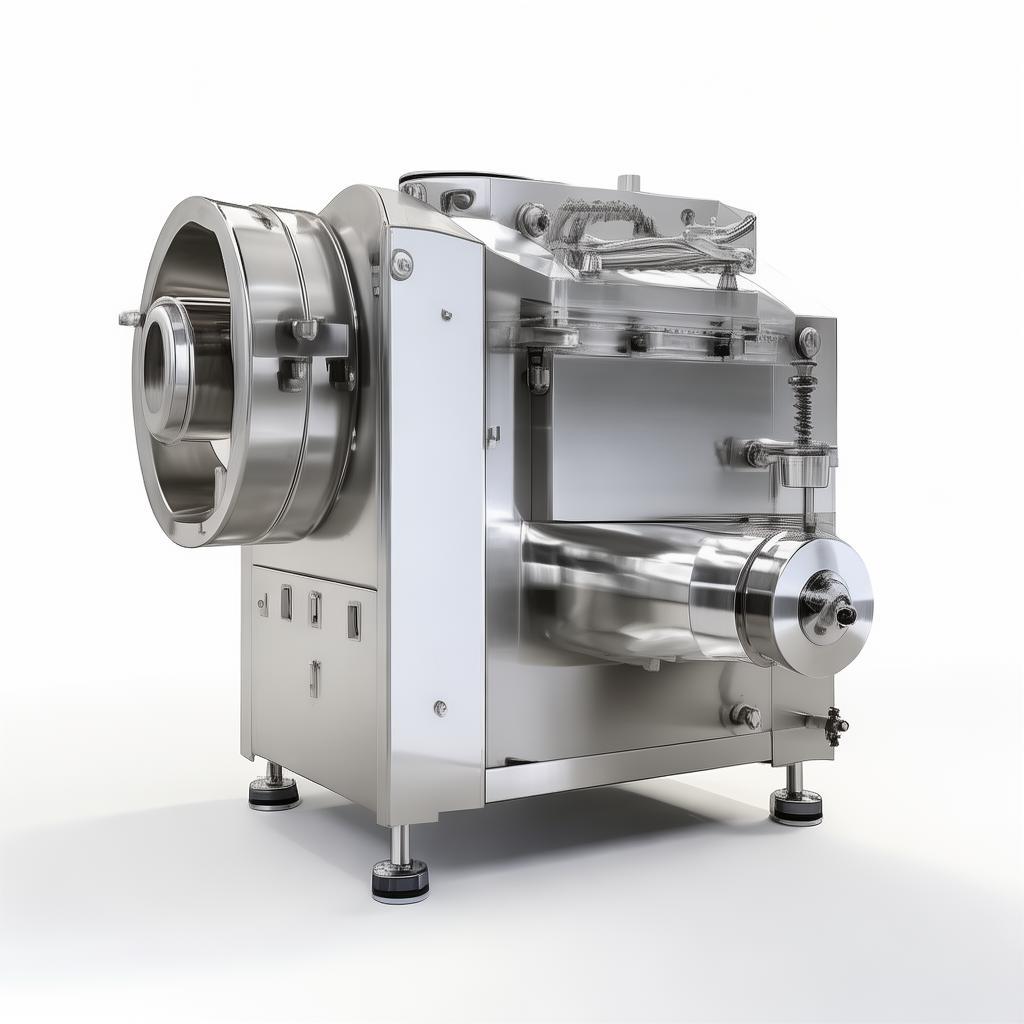
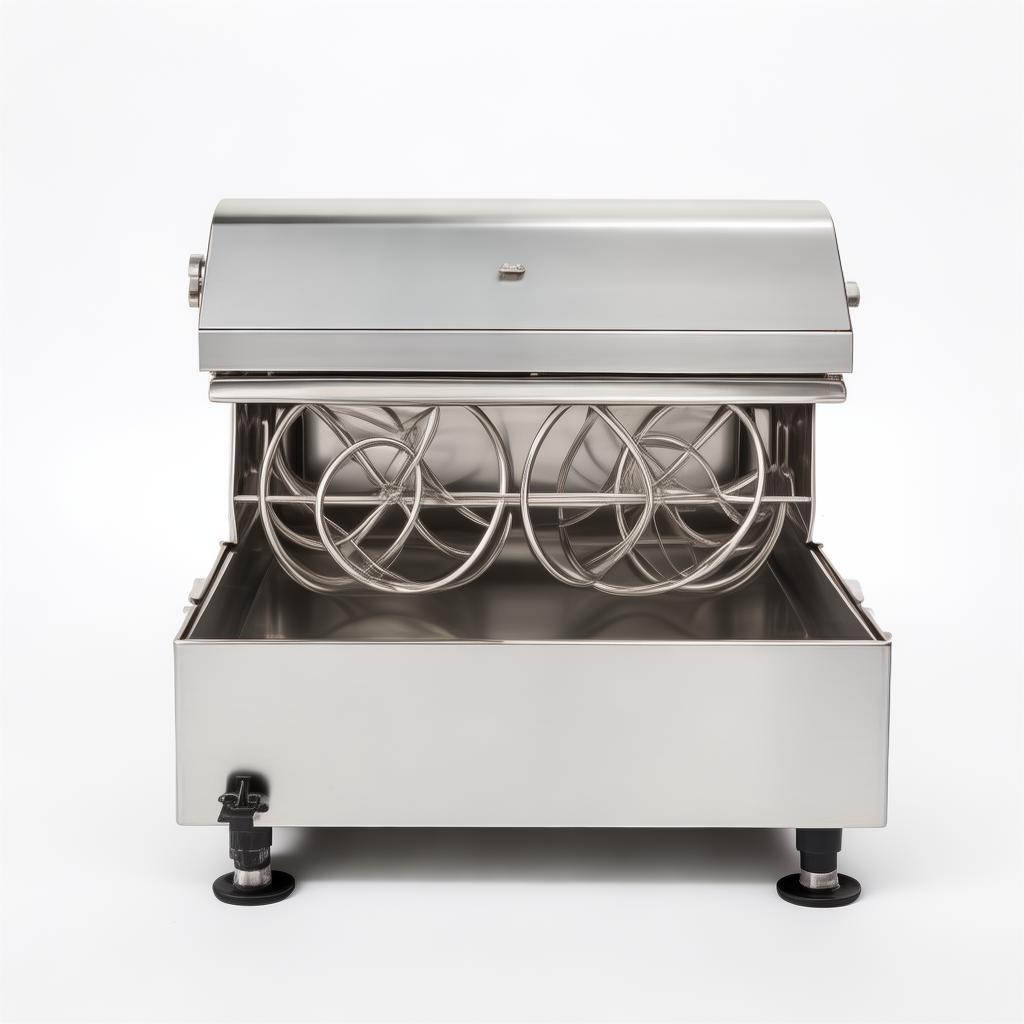
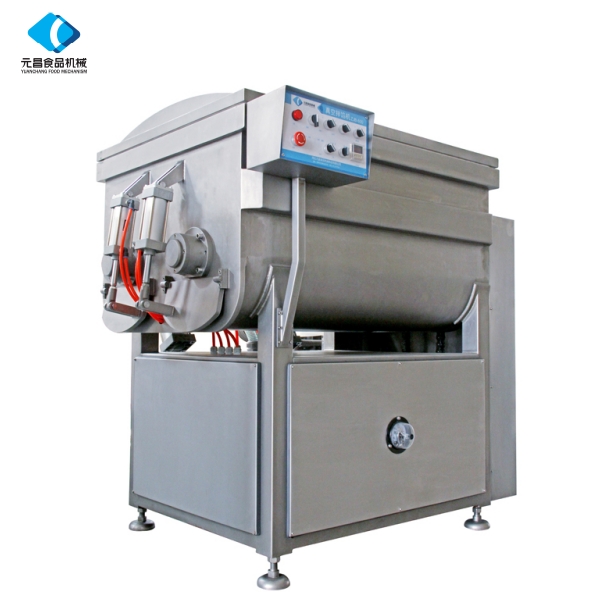
Vacuum Bowl Cutter Advantages: Revolutionizing Meat Processing Efficiency and Quality
For enhanced texture, extended shelf-life, and superior product consistency in your meat operations.
 By Li Wei, Senior Export Manager at Hebei Yuanchang Food Mechanism & Technology Co., Ltd.
Introduction: The Role of Vacuum Bowl Cutters in Modern Meat Processing
The meat processing industry is a complex ecosystem, driven by consumer demand for quality, safety, and convenience. Behind every perfectly formed sausage, tender jerky, or richly flavored pâté lies a series of precise, often high-speed, mechanical processes. At the heart of many of these operations, particularly for products requiring a fine, consistent texture and extended shelf-life, is the vacuum bowl cutter. This critical piece of machinery doesn't just chop; it masterfully emulsifies, blends, and processes raw meat under controlled conditions, offering a suite of advantages that are fundamental to achieving premium product outcomes. It's more than just a cutting tool; it’s an integral part of sophisticated food production, directly impacting everything from product integrity to operational efficiency.
In today's competitive global market, processors are constantly seeking ways to improve product quality, extend shelf-life, reduce processing times, and minimize waste. The advancements in meat processing equipment have been significant, but few technologies offer the versatility and impact of vacuum bowl cutters. They address inherent challenges in meat processing, such as oxidation, heat generation during friction, and uneven particle distribution. By operating under vacuum, these machines mitigate many of these issues, leading to a superior end product. The global meat processing equipment market, valued at over USD 11 billion and projected to grow substantially, underscores the industry's investment in advanced machinery like vacuum bowl cutters. For instance, the market was estimated at USD 11.29 billion in 2025 and is projected to reach USD 17.39 billion by 2034 at a CAGR of 5.0%, driven by automation and the demand for processed meats.1 This growth highlights the increasing adoption of sophisticated processing solutions.
Understanding the nuances of vacuum bowl cutter technology is crucial for any business aiming to optimize its meat product lines, whether it's for sausages, burgers, processed deli meats, pet food, or even specialized meat preparations. The ability to control particle size, protein extraction, and fat distribution, all while minimizing air incorporation and preventing spoilage, sets this equipment apart. It’s particularly vital for applications where textural uniformity and a clean flavor profile are paramount, such as in the production of high-end charcuterie or delicate emulsified products. The vacuum environment significantly slows down oxidation, which is a primary culprit in flavor degradation and color changes, thus directly contributing to a longer, more stable shelf-life – a critical factor for both manufacturers and consumers.
Furthermore, the mechanical action within a bowl cutter, especially when optimized with vacuum, promotes better emulsification of fats and proteins. This leads to a smoother, more consistent texture in the final product, improving mouthfeel and reducing the likelihood of fat or water separation during cooking or storage. This level of control is often unattainable with simpler grinding or chopping methods. The processing parameters can be finely tuned—adjusting cutting speeds, bowl rotation, and processing time—to achieve precise results tailored to specific product recipes. This adaptability is a key reason why vacuum bowl cutters are considered indispensable in modern, high-volume meat processing facilities that prioritize consistency and product excellence. The operational knowledge required to fine-tune these settings is precisely where experienced manufacturers like Hebei Yuanchang bring immense value, drawing on decades of hands-on experience.
The global demand for processed meat continues its upward trajectory, fueled by urbanization, changing lifestyles, and the desire for convenient, ready-to-eat options. Projections suggest the processed meat market will grow substantially, with some estimates reaching over USD 1.3 trillion by 2035.2 This expansion directly translates to increased demand for efficient, high-performance processing equipment. Vacuum bowl cutters are at the forefront of enabling this growth by allowing manufacturers to produce a wider variety of processed meat products with enhanced quality attributes. Their role extends beyond mere processing; they are enablers of innovation, allowing for the development of new product formulations and the improvement of existing ones to meet evolving consumer preferences and regulatory standards.
For businesses looking to make a significant leap in their meat processing capabilities, understanding and implementing vacuum bowl cutter technology is not just an upgrade; it’s a strategic investment in product quality, operational efficiency, and market competitiveness. At Hebei Yuanchang, with over 40 years of experience since 1986, we've seen firsthand how these machines transform operations. We've honed our R&D, production, and sales processes to deliver equipment that meets the highest international standards, backed by a commitment to traceable after-sales service.

Addressing Key Meat Processing Challenges with Vacuum Technology
The journey from raw meat to a finished, shelf-stable product is fraught with potential pitfalls. Many processors grapple with issues that directly impact product quality, yield, and profitability. Common challenges include:
- Oxidation and Rancidity: Exposure to air initiates oxidative processes, leading to off-flavors, discoloration, and a reduced shelf-life. This is particularly problematic for fatty meats and finely emulsified products.
- Poor Emulsification and Texture Inconsistency: Achieving a smooth, homogenous texture requires precise control over fat and protein dispersion. Traditional methods can lead to uneven particle sizes, fat separation, or a "grainy" feel.
- Heat Generation: High-speed cutting and mixing generate friction, which can prematurely cook the meat, negatively affecting texture, color, and microbial stability.
- Air Incorporation: Trapped air pockets can lead to product voids, affect density, and accelerate spoilage.
- Limited Shelf-Life: Products susceptible to oxidation and microbial growth require stringent preservation methods or have a naturally short shelf-life, impacting logistics and consumer appeal.
- Recipe Variability: Difficulty in achieving consistent results across different batches or with slight variations in raw materials can lead to product rejects and brand damage.
The vacuum bowl cutter directly confronts these issues. By creating a low-oxygen environment within the processing chamber, it significantly curbs oxidation, preserving the natural color and fresh flavor of the meat. The intensive mixing action under vacuum also promotes superior protein extraction and fat emulsification. This results in a finely homogenized mixture that binds exceptionally well, leading to uniform texture, improved water-holding capacity, and reduced cooking losses. Furthermore, the cooling effect often associated with vacuum processing helps manage frictional heat, preventing detrimental temperature spikes during emulsification.
Consider the impact on shelf-life. A study on processed meat equipment highlights that technologies like massaging (for ripening) and filling are critical for product quality.3 While not a massaging or filling machine itself, the vacuum bowl cutter prepares the product ideal for these subsequent stages by ensuring optimal composition and stability. Products processed under vacuum are inherently more stable. This means less reliance on artificial preservatives and a more natural appeal to consumers increasingly wary of chemical additives. The consistent formulation achieved also ensures that each batch meets exact recipe specifications, reducing the need for costly rework or disposal.
The operational efficiency gained is also substantial. Reduced processing times, higher yields due to better binding and reduced cooking loss, and a decrease in product spoilage contribute directly to the bottom line. For businesses aiming for high-volume, consistent production of items like sausages, hams, deli meats, and even pet food, the vacuum bowl cutter is an indispensable asset. Its ability to handle a wide range of meat types and formulations, from lean poultry to fatty pork, with predictable outcomes is a testament to its engineering. This versatility ensures that processors can adapt to market demands and product diversification with greater ease and confidence.
Core Advantages: Enhancing Product Quality and Operational Efficiency
The implementation of a vacuum bowl cutter yields tangible benefits that resonate across production, quality control, and sales departments. These advantages are not merely incremental; they represent a significant upgrade in processing capability.
Superior Texture and Emulsification
The vacuum environment promotes finer particle size and optimal protein extraction, leading to exceptionally smooth, homogeneous textures. This is critical for high-quality sausages, pâtés, and terrines.
Extended Shelf-Life
Minimizing oxygen exposure dramatically slows down oxidation, preserving flavor, color, and reducing spoilage rates. This translates to longer shelf-life and reduced product waste.
Vibrant Color Retention
Reduced oxidation prevents the browning and discoloration often seen in conventionally processed meats, maintaining an appealing visual presentation for consumers.
Enhanced Binding and Yield
Optimal protein extraction and emulsification lead to better binding of meat particles, resulting in higher yields and reduced cooking losses.
Reduced Flavor Degradation
By preventing oxidation, the fresh, natural flavors of the meat and ingredients are preserved, leading to a more enjoyable consumer experience.
Operational Efficiency
Faster processing times, reduced need for rework, and improved yield contribute to overall operational cost savings and higher throughput.
The impact of these advantages is substantial. For example, the demand for processed meat products, which heavily rely on efficient emulsification and molding, is projected to grow robustly. 4 A vacuum bowl cutter is the key enabler for achieving the quality and consistency required in these high-growth segments. It allows for the production of value-added products that command premium pricing and customer loyalty. This isn't just about machinery; it's about empowering manufacturers to meet and exceed market expectations in an increasingly discerning global food landscape.
Technical Advantages: How Vacuum Bowl Cutters Work Their Magic
The seemingly simple act of chopping meat is, in a vacuum bowl cutter, a sophisticated process driven by precision engineering and an understanding of meat science. The integration of vacuum is what truly elevates this equipment.
The Vacuum System
The vacuum pump is a critical component, creating a negative pressure environment within the cutting chamber. This significantly reduces the oxygen available for oxidation reactions. It also aids in the extraction of dissolved gases from the meat mixture, which can otherwise contribute to foaming or affect texture. The ability to pull a deep vacuum (often down to 0.05 mbar) is essential for maximizing these benefits. This controlled atmosphere prevents the meat from "breathing" or oxidizing during the high-shear mechanical action.
Blade Design and Speed Control
The sharp, precisely angled blades are designed for optimal cutting and emulsification rather than just brute force. Variable speed drives allow operators to fine-tune the cutting intensity. For initial breakdown of larger meat chunks, a lower speed might be used. As the mixture becomes finer, speeds can be increased for efficient emulsification, achieving the desired particle size and protein dispersion. The combination of blade geometry and variable speed ensures versatility across different meat types and desired end-product textures.
Bowl and Rotor Dynamics
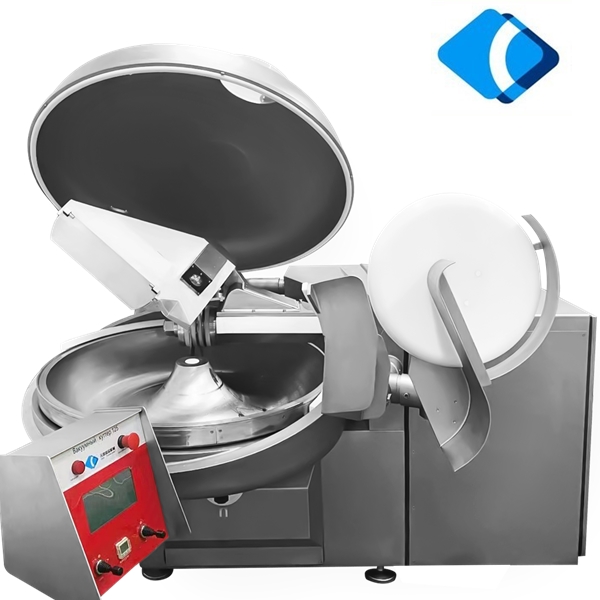
The robust bowl rotates in one direction, while the rotor (housing the blades) rotates at a much higher speed in the opposite direction. This counter-rotation creates a powerful vortex action, ensuring that all ingredients are thoroughly mixed and processed evenly. The efficient circulation ensures that no part of the meat mixture is left under-processed or over-processed. This dynamic interplay is key to achieving uniform particle distribution and homogeneity throughout the batch.
Material Science and Construction
Constructed from high-grade stainless steel (typically 304 or 316), these machines are built for durability and hygiene. Smooth surfaces, polished finishes, and robust seals are essential to prevent bacterial growth and ensure easy cleaning. The materials are chosen for their resistance to corrosion and wear, ensuring a long operational life even in demanding industrial environments. Our own machining workshop, equipped with Japanese Mazak CNC centers, allows us to produce high-precision components meeting these stringent standards.
Temperature Control Mechanisms
While vacuum itself aids in managing temperature, some advanced models incorporate cooling jackets for the bowl or allow for the addition of frozen ingredients to further combat heat buildup. Precise temperature control is vital for preventing denaturation of proteins and maintaining the integrity of the fat emulsion, ensuring product quality and safety.
The synergy of these technical elements – vacuum, blade dynamics, rotational forces, material integrity, and temperature management – is what delivers the significant advantages of vacuum bowl cutters. It’s a system designed to achieve the highest levels of control and consistency in meat processing, directly addressing the challenges outlined earlier. This technical sophistication is what allows processors to achieve superior results consistently, batch after batch.
Versatile Applications Across the Meat Processing Spectrum
The utility of a vacuum bowl cutter extends far beyond a single product type. Its ability to precisely emulsify and blend makes it indispensable for a wide array of meat products, catering to diverse market demands. Here are some key applications:
- Sausage Manufacturing: This is arguably the primary application. From fine-textured frankfurters and bologna to coarser emulsified sausages, the vacuum bowl cutter ensures optimal protein extraction for binding, smooth texture, and vibrant color.
- Pâtés, Terrines, and Mousse: Achieving the ultra-smooth, refined consistency required for these delicate products is made possible by the fine emulsification capabilities of vacuum bowl cutters.
- Deli Meats and Cooked Hams: For products like sliced ham, roast beef, or turkey breast, vacuum processing helps create a tender, cohesive structure that holds together well during slicing and maintains moisture.
- Burgers and Formed Meat Products: While some burgers can be made with coarser grinds, vacuum processing can create a more homogenous blend for superior texture and reduced cooking shrinkage in premium burger lines.
- Pet Food Production: High-quality pet food formulations, especially those mimicking human-grade textures and ingredients, benefit immensely from the emulsifying power and shelf-life extension offered by vacuum bowl cutters. The reconstituted meat market, which relies heavily on molding and pretreatment equipment, is seeing rapid growth, emphasizing the need for such technologies.5
- Meat Fillers and Stuffers: While not a filling machine, the finely processed mass from a vacuum bowl cutter is the ideal feedstock for automated stuffing and filling equipment, ensuring consistent density and texture in the final filled product.
- Cured and Smoked Products: The improved binding and reduced oxidation contribute to better quality in products that undergo curing and smoking processes, enhancing their overall appeal.
- Specialty Meat Preparations: This can include items like meat coatings, meat-based spreads, or ingredients for ready-to-eat meals requiring a specific, consistent meat matrix.
The versatility is such that it allows businesses to expand their product lines or refine existing ones to capture premium market segments. For instance, the North America meat processing equipment market shows strong demand for filling and ripening processes,6 areas where the output from a vacuum bowl cutter is crucial.
At Hebei Yuanchang, we understand that different applications require different machine specifications. Our range of vacuum bowl cutters is designed to accommodate varying batch sizes and processing demands, ensuring that whether you are a small-scale artisanal producer or a large industrial facility, you can find a solution tailored to your specific needs. Our 40 years of experience means we can advise on the best configurations for your intended applications.
Comparing Cutting Technologies: Why Vacuum Bowl Cutters Stand Out
When considering how to process meat, several technologies come to mind. Each has its place, but understanding their differences highlights the unique value proposition of vacuum bowl cutters.
| Feature | Vacuum Bowl Cutter | Grinder | Food Processor (Industrial) |
|---|---|---|---|
| Primary Function | Emulsification, fine chopping, blending under vacuum | Size reduction, particle size control (coarse to medium) | Chopping, mixing, pureeing |
| Texture Achieved | Extremely fine, homogenous, smooth emulsification | Variable, from coarse to diced, depending on plate | Variable, can be coarse or semi-emulsified |
| Oxidation Control | Excellent (due to vacuum) | Poor to moderate (high air exposure) | Moderate (can trap air) |
| Shelf-Life Impact | Significantly Extends | Limited improvement | Moderate improvement |
| Ideal For | Sausages, pâtés, mousse, deli meats, fine emulsions | Ground meats, burgers, initial grinding steps | Various food preparations, blending ingredients |
| Heat Management | Good (vacuum effect); some models have cooling | Can be poor, especially with high-capacity grinders | Moderate |
Difference between vacuum cutter and bowl cutter meat processing difference between vacuum cutter and bowl cutter meat processing difference between bowl cutter and vacuum bowl cutter meat processing
While grinders are essential for initial meat breakdown and achieving specific particle sizes for products like traditional ground beef or certain sausage types, they cannot replicate the fine emulsification and extended shelf-life benefits of vacuum bowl cutters. Industrial food processors offer versatility but typically lack the controlled vacuum environment and specialized blade/bowl dynamics necessary for superior meat emulsification and oxidation prevention.
The global market for meat processing equipment, including cutting and emulsifying machines, is significant and growing, with projections indicating continued expansion. 7 This growth is driven by the need for automation, efficiency, and higher quality products – areas where vacuum bowl cutters excel. For processors serious about producing premium meat products with optimal texture, color, and shelf-life, the vacuum bowl cutter is not an alternative but a crucial, often complementary, piece of equipment.
Key Specifications to Consider When Choosing a Vacuum Bowl Cutter
Selecting the right vacuum bowl cutter involves evaluating several critical specifications to ensure it aligns with your production needs and facility capabilities. Here’s what to look for:
- Bowl Capacity: Measured in liters (e.g., 50L, 100L, 300L, 500L), this dictates the batch size you can process. Match this to your typical production runs and anticipated volume.
- Motor Power: Usually specified in kW or HP for both the bowl rotation and the high-speed rotor. Higher power ensures efficient processing of tougher materials and larger batches without bogging down.
- Blade Speed (Rotor Speed): Typically measured in RPM. Higher speeds contribute to finer emulsification, while lower speeds might be used for initial chopping. Look for variable speed control.
- Vacuum Level: Expressed in mbar or bar. A deeper vacuum (lower mbar value) is more effective at removing oxygen and dissolved gases. Aim for models capable of achieving deep vacuum.
- Material of Construction: Food-grade stainless steel (e.g., SUS304, SUS316) is standard for bowls, blades, and machine housing. Ensure all contact parts meet international food safety standards.
- Number of Blades: Varies by model and design (e.g., 2, 4, 6 blades). The number and configuration impact cutting efficiency and the final product texture.
- Dimensions and Footprint: Consider the physical space available in your processing plant.
- Power Supply Requirements: Voltage, phase, and frequency (e.g., 380V/50Hz/3P or 415V/60Hz/3P) must match your facility's electrical infrastructure.
- Ease of Cleaning and Maintenance: Look for designs with minimal crevices, removable parts, and straightforward access for sanitation.
- Safety Features: Interlocks, emergency stops, and protective guards are crucial for operator safety.
At Hebei Yuanchang, we offer a range of vacuum bowl cutters designed to meet diverse industrial needs. Our technical team can assist you in selecting the model that best fits your production scale, product requirements, and budget. For example, our series of YC-FQ series vacuum bowl cutters offers capacities from 50L to 500L, with robust construction and efficient vacuum systems suitable for various meat processing applications.
Example Specification Table:
| Parameter | YC-FQ-150 (Example Model) |
|---|---|
| Bowl Capacity | 150 Liters |
| Max. Input Load | 90 kg |
| Rotor Speed | Variable, 500-3000 RPM |
| Bowl Speed | 15 RPM (Variable) |
| Vacuum Degree | -0.098 MPa |
| Main Motor Power | 15 kW |
| Material | SUS304 Stainless Steel |
| Dimensions (L x W x H) | 2200 x 1600 x 1500 mm |
Choosing the right equipment is paramount. Don't hesitate to contact our sales engineers for a personalized consultation based on your specific production requirements and product goals.
Installation & Maintenance Insights for Your Vacuum Bowl Cutter
Proper installation and diligent maintenance are crucial for ensuring the longevity, optimal performance, and safety of your vacuum bowl cutter. A well-maintained machine delivers consistent results and avoids costly downtime.
Installation Considerations
* **Location:** Install the machine on a stable, level surface capable of supporting its weight. Ensure adequate clearance around the machine for operation, cleaning, and maintenance access. Good ventilation is also important.
* **Power Supply:** Connect the machine to a properly grounded electrical supply that matches its specifications (voltage, frequency, phase). An authorized electrician should perform this task.
* **Vacuum System:** Ensure the vacuum pump is correctly connected and has a suitable exhaust path. Check that any required cooling water supply or air intake is adequate.
* **Initial Run-In:** Before processing food, perform an initial run-in with water or a non-food substance to check all functions, lubrication, and safety systems. Inspect all seals and connections.
* **Operator Training:** Ensure all operators are thoroughly trained on the machine’s operation, safety features, and cleaning procedures. Proper training is a key aspect of ensuring operational excellence.
Routine Maintenance Schedule
A proactive maintenance schedule is essential. Here's a general guideline:
- Daily: Thorough cleaning of the bowl, blades, and surrounding surfaces after each production run. Check for any visible damage or loose parts. Inspect seals.
- Weekly: Inspect blades for sharpness and wear. Lubricate moving parts (e.g., bearings, chains) according to the manufacturer's recommendations. Check belt tension if applicable.
- Monthly: Inspect electrical connections. Check vacuum pump for proper operation and oil levels (if applicable). Test safety interlocks and emergency stop buttons.
- Annually (or as recommended): Professional servicing may be required. This could include checking motor windings, replacing wear parts, and recalibrating sensors. Blade sharpening or replacement is critical for maintaining performance.
Regarding blade maintenance, dull blades significantly increase processing time, generate more heat, and can lead to a poorer product texture. It's far more cost-effective to sharpen or replace blades regularly than to deal with the consequences of poor cutting. Our in-house machining capabilities mean we can supply high-quality replacement blades or advise on sharpening services.
Logistics also play a role. When shipping internationally, machines are carefully packed to prevent damage. We ensure all necessary documentation for customs and import is provided. Understanding lead times for delivery is crucial for production planning. Our traceable after-sales management system ensures that you can rely on us for support and spare parts, no matter where you are located.
We recommend always referring to the specific operation and maintenance manual provided with your vacuum bowl cutter for detailed instructions and part numbers.
Procurement Guidance: Making the Right Investment in Vacuum Bowl Cutters
Investing in a vacuum bowl cutter is a significant decision that impacts your production capabilities for years to come. A methodical procurement process ensures you select a machine that maximizes ROI and minimizes operational risks.
Evaluating Your Needs
Before contacting suppliers, clearly define your requirements:
- Product Range: What specific meat products will you produce? (e.g., fine sausages, coarse burgers, pâtés). This determines the required precision and texture control.
- Production Volume: How much product do you process per hour/shift/day? This dictates the necessary bowl capacity and throughput.
- Budget: Establish a realistic budget range, considering not just the initial purchase price but also installation, training, and potential maintenance costs.
- Facility Constraints: Space, power availability, and drainage systems in your plant.
- Quality Standards: What are your target quality attributes for texture, color, and shelf-life?
Supplier Selection Criteria
When evaluating potential suppliers, consider these critical factors:
- Experience and Reputation: Look for manufacturers with a long history in meat processing equipment, ideally with a global export presence. Over 40 years of experience, like Hebei Yuanchang, is a strong indicator of reliability and deep expertise.
- Manufacturing Capabilities: Do they have in-house manufacturing and precision machining? This ensures better quality control and availability of spare parts. Our 20+ sets of processing machinery and CNC centers are a testament to this.
- Technical Support and After-Sales Service: This is paramount for international buyers. Look for responsive communication, readily available spare parts, and clear documentation. A traceable after-sales system provides peace of mind.
- Certifications and Compliance: Ensure the equipment meets relevant international standards (e.g., CE, FDA guidelines for materials).
- OEM/ODM Capabilities: If you have specific customization needs, a supplier offering OEM/ODM services can be invaluable.
- References and Case Studies: Ask for testimonials or connect with existing clients in similar markets.
Understanding Pricing and Logistics
* Pricing: Request detailed quotes that include all associated costs, from ex-works to CIF or DDP, depending on your Incoterms preference. Be wary of prices that seem too good to be true.
* Payment Terms: Standard terms might involve a deposit and final payment before shipment. Understand these clearly.
* Lead Time: Production and shipping lead times can vary. Plan well in advance, especially if customization is involved. Our typical lead times are competitive, reflecting efficient production processes.
* Shipping and Logistics: Understand how the equipment will be packaged (e.g., wooden crates, containers) and the shipping methods. For bulkier items, container optimization is a key concern for freight cost management.
Making a well-informed decision now will pay dividends throughout the operational life of your vacuum bowl cutter. At Hebei Yuanchang, we aim to simplify this process by providing transparent information, expert advice, and reliable equipment backed by decades of experience.
Our Strength: Hebei Yuanchang's Commitment to Quality and Experience
Choosing a manufacturer for critical processing equipment is about trust. At Hebei Yuanchang Food Mechanism & Technology Co., Ltd., we combine extensive experience with advanced manufacturing capabilities to deliver unparalleled value.
- 40 Years of Expertise (Since 1986): Our legacy is built on continuous innovation and deep understanding of meat processing challenges. We've evolved with the industry, adapting to new technologies and market demands.
- Integrated R&D, Production, and Sales: This seamless integration ensures that innovations from our R&D team are efficiently translated into high-quality products on the production floor, and that our sales team provides accurate, knowledgeable support.
- Advanced Machining Workshop: With over 20 sets of processing machinery, including modern Japanese Mazak CNC machining centers, we can produce high-precision, non-standard components in-house. This is vital for the exacting tolerances required in food processing equipment.
- Traceable After-Sales Management System: We guarantee peace of mind with a system that ensures prompt access to spare parts and expert technical support. Our ability to independently produce high-precision parts is a significant advantage for our clients.
- Commitment to Quality: From material selection to final inspection, quality is embedded in our processes. We aim to meet and exceed international standards.
- Global Export Experience: We understand the complexities of international trade, including logistics, customs, and diverse market requirements.
Our facility covers approximately 14,000 square meters and is operated by a dedicated team of 80-100 employees, all committed to excellence in meat processing equipment manufacturing, including pet food lines. This infrastructure allows us to manage complete production lines, ensuring consistency and reliability from start to finish. We are not just suppliers; we are partners invested in your operational success.
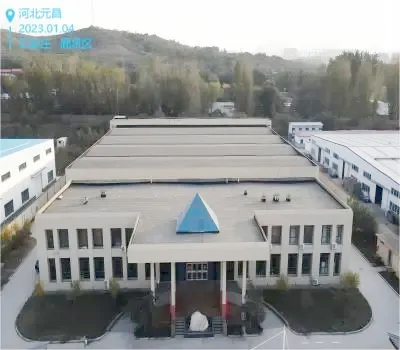
Whether you are looking for pretreatment machinery, filling and molding equipment, ripening process solutions, or auxiliary items, Hebei Yuanchang has the expertise and capacity to meet your needs. Our vacuum bowl cutters are a prime example of our dedication to delivering advanced, reliable processing solutions.
What Our Clients Say
Real feedback from our partners:

Operations Manager, USA
"Hebei Yuanchang's vacuum bowl cutter has been a game-changer for our sausage production. The texture consistency is something we struggled with for years. Their support team was also very helpful during installation and setup."

Procurement Director, Mexico
"We needed a reliable supplier for our processed meat line. Yuanchang delivered on time, and the vacuum bowl cutter performs exceptionally well. The quality of construction is robust, and the vacuum level is impressive."

Plant Manager, UAE
"The reduction in oxidation and extended shelf-life we've observed is significant. This has allowed us to expand our distribution reach. The team at Yuanchang was responsive to our technical queries."
Frequently Asked Questions (FAQs)
Here are answers to some common queries about vacuum bowl cutters:
Q1: How does vacuum affect meat processing in a bowl cutter?
A: The vacuum reduces oxygen exposure, which prevents oxidation, preserves color and flavor, and significantly extends shelf-life. It also helps remove dissolved gases for better texture and stability.
Q2: Can I use a vacuum bowl cutter for all types of meat?
A: Yes, vacuum bowl cutters are versatile and can process beef, pork, poultry, lamb, and fish. The optimal settings (speed, time) may vary depending on the meat type and desired product texture.
Q3: What is the typical processing time for a batch?
A: Processing times vary based on batch size, meat composition, and desired fineness, but typically range from 2 to 10 minutes per batch for emulsification.
Q4: Is cleaning complicated?
A: Modern vacuum bowl cutters are designed for easy cleaning, often featuring removable bowls and blades, and smooth surfaces. Regular daily cleaning is essential for food safety.
Q5: What is the expected lifespan of a vacuum bowl cutter?
A: With proper maintenance, a high-quality vacuum bowl cutter from a reputable manufacturer can last for many years, often exceeding 10-15 years of industrial use.
Q6: Do you offer OEM/ODM services for vacuum bowl cutters?
A: Yes, Hebei Yuanchang has extensive experience in OEM/ODM services. We can customize machines to meet specific client requirements, branding, or integration needs.
Client Interactions & Support
See how we engage with our clients:



Ready to Elevate Your Meat Processing?
Discover the difference a high-quality vacuum bowl cutter can make for your product quality, efficiency, and profitability.