Vacuum Assisted Lifting Devices
Vacuum Assisted Lifting Devices: Enhancing Efficiency and Safety in Material Handling
Your Partner in Advanced Lifting Solutions for Demanding Industrial Environments
 By Alex Chen, Senior Export Manager
Revolutionizing Material Handling with Vacuum Assisted Lifting Devices
In the fast-paced world of international trade and manufacturing, efficiency, safety, and precision in material handling aren't just benefits; they're absolute necessities. Across diverse sectors – from sophisticated electronics assembly and intricate aerospace component manufacturing to the demanding environments of construction, warehousing, and specialized industrial production – the way we move and position heavy or awkward items profoundly impacts operational flow, worker well-being, and the bottom line. Traditional methods, often relying on brute force, cumbersome rigging, or less adaptable machinery, can introduce significant risks. These include potential damage to goods, ergonomic strain on personnel leading to injuries, and time inefficiencies that slow down entire production cycles. Recognizing these critical industry needs, vacuum assisted lifting devices have emerged as a cornerstone technology for modern, optimized material handling operations.
At Hebei Yuanchang Food Mechanism & Technology Co., Ltd., while our heritage is deeply rooted in providing robust meat processing equipment solutions with 40 years of experience since 1986, our engineering prowess extends into designing and manufacturing sophisticated material handling systems. This includes a specialized range of vacuum assisted lifting devices engineered for precision, reliability, and user safety. Our expertise, honed through developing complete production lines and undertaking high-standard component manufacturing with advanced CNC machinery, directly translates into the quality and performance of our lifting solutions. We understand that moving goods, whether raw materials, semi-finished products, or finished items, requires technology that is both powerful and intuitive. Vacuum lifting technology offers precisely this balance, leveraging a fundamental physical principle – atmospheric pressure – to create powerful, controlled gripping and lifting forces without direct mechanical contact, thus minimizing the risk of surface damage.
The global market for meat processing equipment, where we hold significant expertise, is projected to reach substantial figures, with various reports indicating market values ranging from USD 11.28 billion to over USD 19 billion by 2034, driven by automation, hygiene standards, and demand for processed goods. This growth underscores a broader industrial trend: the increasing reliance on advanced machinery to streamline operations and enhance product quality. Similarly, the demand for efficient material handling solutions, like vacuum lifters, is a parallel evolution across all manufacturing and logistics sectors. For example, the market for processed meat products is expanding rapidly, with projections suggesting it could reach USD 1,253.77 billion by 2034 (Fortune Business Insights). This expansion necessitates more efficient ways to handle the raw materials and packaged goods involved. Our vacuum assisted lifting devices are designed to meet this demand for adaptable, safe, and efficient handling, allowing for the seamless movement of a wide array of items, from delicate glass panels and polished stone slabs to heavy industrial components and packaged goods.
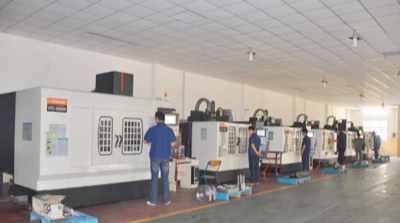
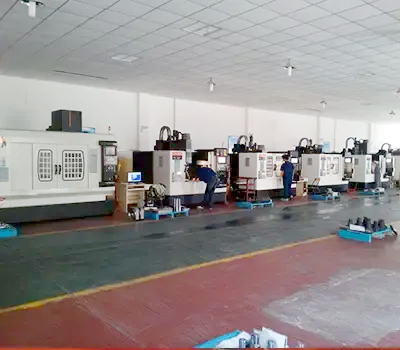
Our commitment at Hebei Yuanchang is to provide not just equipment, but comprehensive solutions. This means understanding the intricate needs of international buyers, from precise technical specifications and customization options to reliable logistics and after-sales support. The development of our vacuum assisted lifting devices benefits from our internal machining workshop, equipped with over 20 sets of processing machinery and, since 2012, 8 sets of Japanese Mazak CNC machining centers. This capability allows us to produce high-precision components that meet stringent international standards, ensuring that our lifting equipment performs optimally, even in the most demanding operational environments. We ensure our vacuum lifters are engineered for durability, ease of use, and adaptability, making them an invaluable asset for any operation aiming to boost productivity and enhance workplace safety. Whether you are looking to improve ergonomics, reduce labor costs, or simply move materials more effectively, our vacuum lifting solutions are built to deliver tangible results.
Navigating the complexities of international procurement requires a partner with proven technical expertise and a deep understanding of global supply chains. We pride ourselves on our transparent communication, robust quality control processes, and our ability to cater to custom OEM/ODM requirements. Our vacuum assisted lifting devices are a testament to this, representing a fusion of advanced engineering principles and practical application knowledge. We invite you to explore how these innovative tools can transform your material handling operations, providing a safer, more efficient, and cost-effective approach to moving goods.
Addressing Common Material Handling Challenges
Ergonomic Strain and Worker Safety
Manual lifting of heavy or awkwardly shaped items is a leading cause of workplace injuries, including back strains and sprains. This not only affects employee well-being but also leads to increased healthcare costs, absenteeism, and potential litigation.
Damage to Goods
Improper handling can lead to scuffs, dents, cracks, or breakage of materials. This is particularly critical for high-value items, fragile components like glass or electronics, and finished goods destined for discerning customers.
Operational Inefficiencies
Slow and manual lifting processes can create bottlenecks in production lines, warehousing, and logistics. This directly impacts throughput, order fulfillment times, and overall productivity, leading to missed deadlines and reduced output.
Space and Accessibility Constraints
Many facilities have limited space or complex layouts. Traditional lifting equipment might be too large, inflexible, or require extensive setup, making it unsuitable for confined areas or intricate maneuvering tasks.
Key Advantages of Our Vacuum Lifters
- Enhanced Safety: Reduces manual lifting risks significantly. Our systems incorporate multiple safety features, including fail-safe mechanisms and visual/audible alarms, to ensure secure load handling.
- Increased Productivity: Lightweight design and intuitive operation allow for rapid loading, unloading, and repositioning of materials, leading to faster cycle times and higher throughput.
- Damage Prevention: The vacuum grip conforms to the surface of the load, distributing pressure evenly. This gentle yet firm hold minimizes the risk of scratches, dents, or other surface damage, preserving product integrity.
- Ergonomic Design: Operators can maneuver loads with minimal physical effort, protecting them from strain and fatigue. This promotes a healthier work environment and reduces the incidence of musculoskeletal disorders.
- Versatility: Adaptable to a vast range of materials and shapes, including porous and non-porous surfaces, with various suction cup configurations. We can tailor solutions for specific needs.
- Cost-Effectiveness: While an investment, these devices offer a strong ROI through reduced labor costs, decreased product damage, lower insurance premiums, and improved operational efficiency.
Technical Deep Dive: How Vacuum Assisted Lifting Works
The principle behind vacuum assisted lifting is elegantly simple yet remarkably effective, relying on the creation of a pressure differential. At its core, a vacuum lifter consists of a vacuum generator (often an electric pump or a venturi system), a control system, and one or more suction cups.
- Vacuum Generation: The vacuum pump or venturi system actively removes air from the sealed space between the suction cup and the surface of the object to be lifted. This creates a partial vacuum, meaning the air pressure inside this space becomes significantly lower than the ambient atmospheric pressure.
- Atmospheric Pressure at Work: The higher atmospheric pressure outside the sealed area then exerts a force on the object's surface, pushing it firmly against the suction cup. This force, dependent on the area of the suction cup and the degree of vacuum achieved, is what securely holds the load.
- Controlled Gripping and Release: A sophisticated control valve system allows operators to engage and disengage the vacuum with precision. Releasing the load is as simple as venting the vacuum, allowing ambient air to equalize the pressure and break the seal.
-
Safety Features: Modern vacuum lifters incorporate critical safety mechanisms. These often include:
- Low Vacuum Alarms: Audible and visual alerts signal if the vacuum level drops below a safe threshold, giving the operator time to react.
- Reserve Vacuum Systems: Many units have built-in reservoirs that can maintain a safe vacuum for a period even if the main power is interrupted, allowing for controlled lowering of the load.
- Automatic Load Balancing: The system adjusts to ensure even pressure distribution across multiple suction cups.
The choice of vacuum generator (electric pump vs. venturi) often depends on the application's power availability and the need for continuous operation. Electric pumps are ideal for stationary applications or where compressed air is not readily available, while venturi systems are compact and utilize existing compressed air lines.
Versatile Applications Across Industries
The adaptability of vacuum assisted lifting devices makes them indispensable across a broad spectrum of industrial and commercial sectors. Our designs are engineered to handle diverse materials and operational demands.
Construction & Building Materials
Lifting and positioning glass panels, stone slabs, precast concrete elements, roofing materials, and insulation boards.
Manufacturing & Assembly
Handling automotive parts, electronic components, sheet metal, plastic parts, molds, and machinery during assembly or inspection.
Warehousing & Logistics
Loading and unloading pallets, crates, boxes, and other packaged goods from trucks, containers, and warehouse racks.
Aerospace & Automotive
Precision handling of delicate aircraft components, fuselage panels, engines, and vehicle bodies.
Woodworking & Furniture
Moving large wooden panels, finished furniture components, and sheet goods safely and efficiently.
Food Processing Auxiliary
While our core expertise is in meat processing, our lifting technology can assist in moving large food containers, packaging materials, or equipment parts, complementing our primary offerings.
Specifications at a Glance
Our standard vacuum assisted lifting devices are designed for robust performance. Custom configurations are available to meet specific load requirements and operational parameters.
| Feature | Specification | Notes |
|---|---|---|
| Lifting Capacity | Up to 500 kg (1100 lbs) standard | Customizable for higher loads |
| Power Source | Electric (220V/380V, 50/60Hz) or Compressed Air | User choice based on site infrastructure |
| Vacuum Generator | High-efficiency electric pump or Venturi system | Reliable and durable |
| Suction Cup Material | High-grade, durable rubber or silicone | Non-marking, suitable for various surfaces |
| Safety Features | Low vacuum alarm, safety buffer tank, manual release valve | Meets international safety standards |
| Control System | Ergonomic handheld control or pendant control | Intuitive operation |
| Articulation/Rotation | 360° rotation, 90°-180° tilt (model dependent) | Enhances maneuverability |
| Material Compatibility | Glass, sheet metal, plastics, stone, wood, packaged goods, etc. | Requires appropriate suction cup selection |
| Mounting Options | Crane, jib, forklift attachment, custom solutions | Flexible integration into existing setups |
vacuum lifting device vacuum lift system sheet vacuum lifter
Installation and Operational Considerations
While vacuum lifters are designed for intuitive operation, proper installation and understanding operational nuances are key to maximizing their lifespan and ensuring safety.
Mounting Integration
Ensure the chosen mounting (e.g., crane hook, jib arm, forklift mast) is rated for the combined weight of the lifter and its maximum load. Proper balancing is crucial for stability.
Power & Air Supply
If electric, ensure a stable power connection with appropriate grounding. For air-powered units, a clean, dry compressed air supply at the specified pressure is vital for optimal pump performance.
Load Surface Preparation
The load surface must be clean, dry, and free from debris or loose particles that could interfere with the vacuum seal. Porosity is a key consideration; some materials may require specialized cups.
Operator Training
Adequate training on operation, safety checks, and emergency procedures is mandatory. Understanding the low vacuum alarm is paramount.
Maintenance for Longevity and Reliability
Regular maintenance is not just recommended; it's essential for ensuring the safe and reliable operation of vacuum assisted lifting devices. Neglecting this can lead to costly downtime and safety hazards.
Daily Checks
Visually inspect suction cups for tears or wear. Check all connections and hoses for leaks. Test the vacuum alarm functionality.
Periodic Servicing
Refer to the operator manual for recommended service intervals for pump maintenance (e.g., filter replacement, lubrication for electric pumps) and seal checks.
Suction Cup Replacement
Suction cups are wear items. Replace them when they show signs of degradation, hardening, or damage to ensure a proper seal.
Environmental Storage
Store the lifter in a clean, dry environment, away from extreme temperatures or direct sunlight, to prevent premature material degradation.
Procurement Insights: What to Look For
Selecting the right vacuum assisted lifting device requires careful consideration beyond just the initial price tag. As a supplier with deep manufacturing experience, we emphasize these critical factors for international buyers:
- Load Characteristics: Accurately determine the weight, dimensions, and surface properties (porosity, texture, temperature) of the materials you intend to lift. This dictates the required capacity and suction cup type.
- Operational Environment: Consider the workspace layout, available power sources, and any specific environmental factors (e.g., dust, moisture, temperature extremes).
- Safety Standards & Certifications: Verify that the equipment meets relevant international safety standards (e.g., CE marking for European markets, ANSI standards in North America). This is non-negotiable for risk mitigation.
- Manufacturer's Experience & Reputation: Partner with established manufacturers with a proven track record and demonstrable expertise in material handling or industrial machinery, like our 40 years at Hebei Yuanchang.
- After-Sales Support & Parts Availability: Inquire about warranty terms, technical support, and the availability of spare parts, especially consumables like suction cups and filters. This is crucial for long-term operational continuity.
- Customization Capabilities: If your application is unique, confirm the supplier's ability to provide OEM/ODM solutions or custom modifications to meet precise requirements. Our CNC capabilities are a key enabler here.
Procuring from a direct manufacturer like us often provides better value and direct access to technical expertise, bypassing layers of intermediaries.
Our Manufacturing Capabilities: The Hebei Yuanchang Advantage
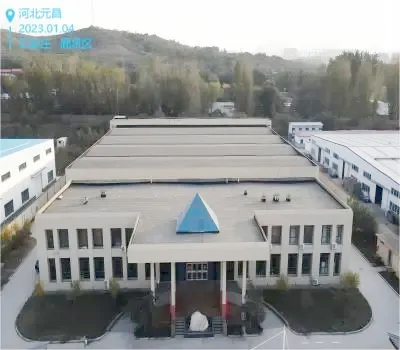
Our strength lies in our integrated approach to manufacturing, combining decades of experience with cutting-edge technology. This allows us to deliver vacuum assisted lifting devices that are not only high-performing but also precisely engineered.
40 Years of Experience (Since 1986)
Deep historical knowledge in industrial machinery, including precision mechanics and material handling principles.

Advanced Machining Facilities
Over 20 sets of processing machinery, including CNC machining centers (Japanese Mazak), enabling high-precision component production.
Integrated R&D, Production, Sales
A cohesive workflow from design conception to final product delivery, ensuring quality control at every stage.
OEM/ODM Expertise
Our engineering team excels at customizing solutions, developing bespoke lifting devices to meet unique client specifications.
Quality, Compliance, and Trustworthiness
We understand that international buyers prioritize quality and compliance. Our commitment to these principles is reflected in our manufacturing processes and the certifications we hold.

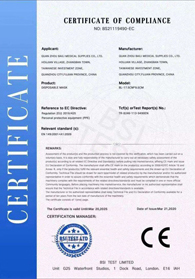

Our manufacturing processes adhere to stringent quality management systems, often aligned with ISO standards, ensuring consistent product quality. Our vacuum assisted lifting devices are designed and manufactured to meet or exceed relevant industry safety regulations, such as CE marking for European market access, and RoHS compliance for restricted substances. While FDA certification is typically for food contact, our manufacturing practices align with the general principles of quality and safety expected in regulated industries.
What Our Clients Say
"We integrated their vacuum lifter into our glass processing line about six months ago. The reduction in strain on our team is noticeable, and the precision for placing large panes has improved significantly. The team at Yuanchang was very responsive to our specific needs for cup size and lifting height. Great export experience overall."

Operations Manager, GlassTech USA
"We were looking for a reliable way to handle large metal sheets in our fabrication shop. This vacuum lifter has been a game-changer. It's robust, easy to operate, and the safety features give us peace of mind. Their understanding of industrial applications was evident throughout the process. Highly recommended for any manufacturing facility."

Production Supervisor, MetalWorks Inc.
"As a distributor, we need reliable equipment with minimal after-sales issues. Yuanchang's vacuum lifters have proven to be durable and well-engineered. Their OEM/ODM services were particularly valuable for us to brand the units for our local market. Communication was excellent, and lead times were met."

Procurement Director, Global Supply Chain Solutions
Frequently Asked Questions
A: Vacuum lifters are most effective on smooth, non-porous surfaces. However, with specially designed suction cups, they can also handle moderately porous materials or surfaces with slight irregularities. It's crucial to match the cup type to the material.
A: They can be powered by electricity (typically 220V or 380V) via a connection to the grid, or by compressed air using a venturi system. The choice depends on the available infrastructure at your facility.
A: Our vacuum lifters are equipped with safety features, including low vacuum alarms that alert the operator, and often a reserve vacuum buffer tank to maintain hold for a safe lowering period. Some models also have redundant systems for critical applications.
A: Yes, provided the environmental conditions are within the operating temperature range and there's protection against direct rain or excessive dust if specified. We can offer models with enhanced ingress protection (IP ratings) for more demanding environments.
A: For standard models, lead times can range from 4 to 8 weeks, depending on current production schedules and order volume. For custom OEM/ODM solutions, the lead time will vary based on complexity and design stages. We provide accurate estimates upon order confirmation.
A: While full on-site installation services are typically managed by local partners or client teams, we provide comprehensive installation manuals and remote technical support to guide the process. We can discuss specific project requirements.
Ready to Elevate Your Operations?
Discover how our vacuum assisted lifting devices can enhance safety, boost efficiency, and reduce costs in your material handling processes. Partner with an experienced manufacturer committed to quality and customer satisfaction.