Used Meat Rail Systems
Unlocking Efficiency and Value: Your Guide to Used Meat Rail Systems
Smart procurement for the modern meat processing facility.
Navigating the Complexities of Meat Rail Systems Acquisition
When you're optimizing operations in a demanding industry like meat processing, every investment counts. The decision to invest in new or used equipment isn't just about immediate cost; it's about long-term operational efficiency, maintenance cycles, and ultimately, your bottom line. Meat rail systems, the backbone of many slaughterhouses and processing plants, are no exception. These systems, responsible for the safe and efficient transport of carcasses and product through various stages – from stunning and bleeding to evisceration, chilling, and further processing – represent a significant capital expenditure.
The initial setup of a meat rail system involves intricate planning. You're looking at overhead tracks, trolleys, hooks, chain conveyors, and sometimes even automated switches. The design must accommodate varying carcass sizes, weights, and throughput demands, all while adhering to stringent hygiene standards and workplace safety regulations. Factors like track elevation, curve radii, spacing between trolleys, and integration with other processing machinery are critical. A well-designed system minimizes manual handling, reduces contamination risks, and ensures a steady flow of product. Conversely, a poorly implemented or outdated system can lead to bottlenecks, increased labor costs, and potential compliance issues.
For many businesses, especially those in the high-volume sectors of pork, beef, or poultry processing, the need for robust, reliable rail systems is paramount. The global meat processing equipment market is substantial, projected to reach USD 17.39 billion by 2034, with key segments including filling, massaging (for ripening), cutting, and grinding machines, all of which rely on efficient material flow facilitated by rail systems. The demand for processed meats continues to rise, driving the need for automation and improved hygiene, which in turn places greater emphasis on the infrastructure like rail systems. 【Meat Processing Equipment Market Size, Share & Industry Analysis - Fortune Business Insights】.
This is precisely where the strategic acquisition of used meat rail systems enters the conversation. While brand-new systems offer the latest innovations and manufacturer warranties, they come with a significant upfront investment. For many operations, particularly small to medium-sized enterprises (SMEs) or those undergoing phased upgrades, second-hand systems present a compelling alternative. They can provide the necessary functionality and capacity at a fraction of the cost of new equipment, allowing for capital reallocation to other critical areas of the business.
However, procuring used industrial equipment, especially something as foundational as a meat rail system, requires a discerning eye. It's not simply a matter of finding the cheapest option. A thorough understanding of the system's condition, its remaining operational lifespan, the compatibility with your existing or planned layout, and the reputation of the supplier are all crucial. Are you looking for a complete overhead track system, or perhaps specific components like trolleys, hooks, or power units? The flexibility offered by the used market can sometimes allow you to piece together a solution tailored to specific needs or phased expansion plans.
Consider the operational realities: a rail system needs to withstand constant load, exposure to cleaning chemicals, and temperature fluctuations. The materials used (typically stainless steel or robust galvanized steel), the quality of the welds, the durability of the trolley wheels, and the integrity of the track itself are all indicators of its original build quality and its ability to continue performing under pressure. Our experience shows that while new equipment is predictable, well-maintained used systems from reputable sources can offer exceptional value and a strong return on investment when sourced intelligently. This guide aims to equip you with the knowledge to make that informed decision, demystifying the process of acquiring used meat rail systems and highlighting the advantages they bring to your processing floor.
Key Considerations for Used Meat Rail Systems:
- Cost Savings: Significant reduction in capital expenditure compared to new systems.
- Operational Continuity: Can be a faster route to expanding or replacing aging infrastructure.
- System Integration: Potential to find compatible components for existing setups.
- Supplier Reputation: Crucial for ensuring quality and support.
- Inspection is Key: Understanding wear, tear, and material integrity.
- Compliance: Verifying systems meet current safety and hygiene standards.
"We found a used rail system that allowed us to upgrade our poultry processing line without taking out a massive loan. The key was working with a supplier who knew their inventory inside and out." - John R., Operations Manager

By: David Chen
Senior Export Manager, Hebei Yuanchang
Why the Focus on Used Meat Rail Systems? Industry Insights.
Market Dynamics & Procurement Strategy
The global meat processing equipment market is robust, driven by increasing demand for processed and convenient meat products. Reports indicate a steady compound annual growth rate, with projections reaching anywhere from USD 15 billion to over USD 30 billion by 2035 across various analyses. 【Grand View Research, GM Insights, Fortune Business Insights】.
Within this landscape, the used equipment market plays a vital role. It's not about obsolescence; it's about smart capital deployment. For businesses looking to scale rapidly or upgrade without the premium price tag of new, used systems offer a practical entry point. Imagine a new facility needing to be operational within months, or an existing plant needing to expand capacity for a specific product line – procuring a pre-owned, fully functional rail system can shave months off project timelines and significantly reduce initial outlay. This flexibility is invaluable in a fast-paced industry.
Furthermore, the processed meat market itself is expanding significantly, with some forecasts suggesting it could exceed USD 1.3 trillion by 2035. 【Precedence Research】. This growth necessitates efficient processing infrastructure, including reliable material handling systems like meat rails. The demand for various types of processed meat – from sausages and cured meats to ready-to-eat meals – all rely on seamless operations from slaughter to packaging. Efficient rail systems are the unseen workhorses that make this possible.
Operational Advantages & Risk Mitigation
Acquiring used equipment isn't without its considerations. However, when sourced from a reputable supplier like Hebei Yuanchang, the risks are managed. Our 40 years of experience since 1986 mean we understand the nuances of these systems deeply. We've seen countless configurations, identified common wear points, and know what to look for to ensure longevity.
The primary advantage of opting for used meat rail systems lies in immediate ROI potential. You're bypassing the steepest depreciation curve of new equipment. For operations that might be price-sensitive or have tight budget constraints, this is critical. It allows you to invest in essential infrastructure that directly impacts throughput and labor efficiency without crippling your financial resources.
Moreover, a well-chosen used system, especially one refurbished or thoroughly inspected by experienced engineers, can offer performance comparable to new, but at a significantly lower cost. The key is understanding your needs: Are you looking for a basic overhead track for a small butchery, or a more complex, automated system for a large-scale processing plant? Used options can often be found for both.
The Hebei Yuanchang Edge: Experience You Can Trust
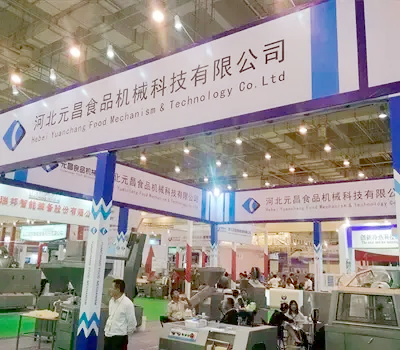
At Hebei Yuanchang Food Mechanism & Technology Co., Ltd., our expertise in meat processing equipment spans four decades. We don't just sell used systems; we understand them from the ground up. Our 14,000 square meter facility houses a sophisticated in-house machining workshop, equipped with over 20 sets of precision machinery, including Japanese Mazak CNC centers. This allows us to not only select but also refurbish and even fabricate replacement parts for used rail systems, ensuring their continued reliability.
Our commitment extends beyond the sale. We offer a traceable after-sales management system, giving you confidence in the long-term support for your investment. When you procure used meat rail systems from us, you're not just buying equipment; you're partnering with a manufacturer with deep industry knowledge, dedicated to providing robust, cost-effective solutions.
Understanding the Components: What Makes a Meat Rail System?
A comprehensive meat rail system is more than just a set of tracks. It's an integrated network designed for efficiency, safety, and hygiene.
Overhead Tracks
These form the primary infrastructure. Typically constructed from heavy-duty stainless steel or galvanized steel for corrosion resistance and ease of cleaning. The track profile is designed to smoothly guide trolleys under load.
Trolleys & Wheels
The workhorses that move along the tracks. They carry the carcass hooks or product carriers. High-quality trolleys feature durable, food-grade wheels (often nylon or stainless steel) designed for low friction and long life, crucial for maintaining flow and minimizing wear on the track.

Carcass Hooks & Carriers
Designed to securely hold carcasses or suspended products. Material is critical here – usually stainless steel, ensuring hygiene and strength. Various designs exist, from simple S-hooks to specialized carriers for specific cuts or product types.

Chain Conveyors & Drives
For automated systems, chain conveyors provide the motive force. This includes drive sprockets, tensioning units, and motors. The chain itself must be robust and suitable for washdown environments. Power units need to be sized correctly for the load and incline.

Ancillary Components
This includes specialized switches for track branching, lifting and lowering devices, collection points, inspection stations, and sometimes even integration with weighing systems. These components enhance the system's overall functionality and flow.
Technical Specifications & Evaluation Criteria for Used Systems
When evaluating a used meat rail system, a thorough inspection of key specifications is non-negotiable. This ensures you acquire equipment that meets your operational demands and compliance requirements.
| Specification | Critical Inspection Points (Used Systems) | Typical Material / Standard | Hebei Yuanchang Check |
|---|---|---|---|
| Track Material & Integrity | Signs of excessive wear, pitting, corrosion, deformation, or damage. Check for cracks, especially at welds. | Stainless Steel (e.g., 304, 316) or Heavy-Duty Galvanized Steel. | Material testing (if necessary), visual inspection, surface roughness check. |
| Trolley & Wheel Durability | Wheel wear, bearing condition, frame integrity, proper load capacity. Check for seized bearings or chipped wheels. | Food-grade Stainless Steel or Reinforced Nylon/Polyurethane wheels. | Load testing, bearing play, material analysis of wheels for degradation. |
| Hook/Carrier Strength | Material fatigue, deformation, cleanliness, secure attachment points. Ensure no sharp edges or burrs. | Stainless Steel (e.g., SS304, SS316L). | Tensile strength verification (if available), visual inspection for micro-cracks. |
| Conveyor Chain & Drive System | Chain link wear, corrosion, proper tensioning, motor condition, gearbox integrity, electrical safety. | High-tensile steel, food-grade lubricants where applicable. CE or UL certifications. | Operational test run, lubricant analysis, motor testing, electrical safety checks. |
| Hygiene & Cleanability Design | Absence of crevices, sharp corners, or areas where debris can accumulate. Smooth surfaces for washdown. | FDA, USDA, or equivalent compliance. Seamless welds. | Review against hygiene standards, check for ease of access for cleaning. |
| Load Capacity & Throughput | Original specifications vs. current condition. Assess for any modifications that may affect performance. | Based on design and materials, often specified by manufacturer. | Review original documentation, simulated load tests if possible. |
meat hanging rail systems rail system for hanging meat butcher rail system
A detailed inspection report is crucial. Hebei Yuanchang provides comprehensive assessments for all used equipment.
Procurement Risks & How We Mitigate Them
Risk: Inaccurate System Assessment
The Issue: A used system might have hidden wear or damage that isn't immediately obvious, leading to premature failure and costly repairs.
Our Solution: With 40 years in manufacturing, our team meticulously inspects every component. We utilize our in-house machining capabilities, including CNC centers, to verify structural integrity and performance. Our detailed inspection reports provide transparency.
Chat with us for a detailed inspection walkthrough!
Request Inspection DetailsRisk: Non-Compliance & Safety
The Issue: Older systems may not meet current food safety (e.g., USDA, FDA) or workplace safety standards, leading to regulatory issues or accidents.
Our Solution: We prioritize systems that were built to meet stringent industry standards. Where possible, we can advise on or perform modifications to bring them up to compliance. Our team is knowledgeable about international regulatory expectations.
Risk: Incompatible Integration
The Issue: A used system might not seamlessly integrate with your existing processing line or facility layout, causing operational disruptions.
Our Solution: We maintain detailed specifications for all our used equipment. Our engineers can work with you to assess compatibility with your current setup and offer solutions or modifications to ensure a smooth integration. We understand that these systems are part of a larger workflow.
Applications: Where Used Meat Rail Systems Shine
The versatility of meat rail systems means they are integral across various stages of meat processing, from slaughterhouses to further processing plants.
Slaughter Lines
From initial stunning and bleeding to evisceration, chilling, and initial grading. Efficiently moves carcasses through critical hygiene zones, minimizing manual contact.
Chilling and Freezing Tunnels
Suspended products move through controlled environments, ensuring consistent temperature reduction for safety and quality. Space optimization is key here.
Cutting and Deboning Areas
Facilitates the movement of carcasses or primal cuts to workstations for trimming, portioning, and further breakdown.
Sausage and Cured Product Lines
Transporting product to filling, stuffing, smoking, or curing chambers. Essential for maintaining production flow between processing steps.
Packaging and Distribution
Moving processed products through to packaging lines, quality control stations, and staging areas for shipment.
Installation & Maintenance: Practical Realities
Integrating any rail system requires careful planning. Used systems are no different, and understanding ongoing maintenance is key to their longevity.
Installation Considerations
Structural Support: Ensuring your facility's ceiling or support structures can bear the load of the system plus maximum product weight is paramount. This often involves detailed engineering assessments.
Layout Planning: Optimizing the flow to minimize travel distances, avoid crossovers where possible, and ensure adequate space for trolley movement and access for cleaning and maintenance.
Electrical & Controls: For automated systems, proper electrical hookups and integration with your plant's control systems are vital. Safety interlocks are non-negotiable.
Tip: Always consult with experienced installation professionals, especially when dealing with load-bearing structures.
Routine Maintenance Schedule
Lubrication: Regular, food-grade lubrication of trolley wheels and chain drives prevents wear and ensures smooth operation. Intervals depend on usage and environment.
Cleaning: Frequent washdowns are essential for hygiene. Ensure all system components are designed for easy cleaning and can withstand cleaning agents.
Inspection: Periodic checks for wear on tracks, wheels, hooks, and chains. Look for any signs of damage, deformation, or corrosion.
Component Replacement: Proactive replacement of worn wheels, bearings, or chain sections can prevent catastrophic failures and costly downtime.
Insight: A proactive maintenance plan for your used rail system is far more cost-effective than emergency repairs.
Logistics and Export: Global Reach for Your Operation
We understand that businesses operate globally. Hebei Yuanchang is equipped to handle international logistics for used meat rail systems.
Packaging for Transit
Disassembly, careful packaging of components to prevent damage during transit, and protection against environmental factors. We utilize robust crating and strapping for international shipments.
Shipping & Documentation
We manage container loading, ocean freight arrangements, and all necessary export documentation (customs declarations, certificates of origin, etc.) to ensure smooth passage through international borders.

Import Assistance
While import duties and procedures are the buyer's responsibility, we can provide detailed product specifications and support to facilitate your customs clearance process.
Why Hebei Yuanchang for Your Used Meat Rail Systems?
With 40 years of manufacturing expertise and a deep understanding of the meat processing industry, we offer unparalleled value.
Proven Experience (Since 1986)
Four decades of direct manufacturing and R&D in meat processing equipment means we know what works and what lasts.

In-House Machining & Quality Control
Our advanced machining workshop allows us to inspect, refurbish, and even produce replacement parts, ensuring the quality of used systems.
Comprehensive Product Lines
We specialize in meat processing equipment, giving us a unique insight into how rail systems integrate with pretreatment, molding, and ripening processes.
Global Export Capability
We have a proven track record of exporting machinery worldwide, ensuring reliable logistics and documentation.
Hear From Our Clients
"We were on a tight budget for our new poultry processing line and found an excellent used rail system from Hebei Yuanchang. It arrived on time, was well-packaged, and has performed flawlessly. The team's expertise in assessing its condition was evident."

Sarah K.
Operations Manager, USA
"The team at Hebei Yuanchang provided detailed specifications and clear photos of the used meat rail system. Their knowledge of industrial equipment gave us the confidence to make the purchase from abroad. It integrated perfectly into our pork processing facility."

Miguel R.
Procurement Director, Mexico
"We needed to upgrade our existing system quickly. Hebei Yuanchang had a suitable used option that met our throughput requirements. Their professionalism in handling the export logistics was impressive, making the whole process straightforward."

Aisha Khan
Supply Chain Manager, UK
"The quality of the used equipment we received was outstanding. It’s clear they take pride in their refurbished machinery. The technical support we received during the integration phase was also very helpful."

Thomas G.
Plant Engineer, Canada
Ready to Enhance Your Processing Line?
Don't let budget constraints limit your operational potential. Explore the cost-effective and reliable solutions offered by our range of used meat rail systems.
Get In Touch
Contact Information
Phone: +86 15830991513
Email: ycmeatmech@gmail.com
Address: Shijiazhuang, Hebei Province, China