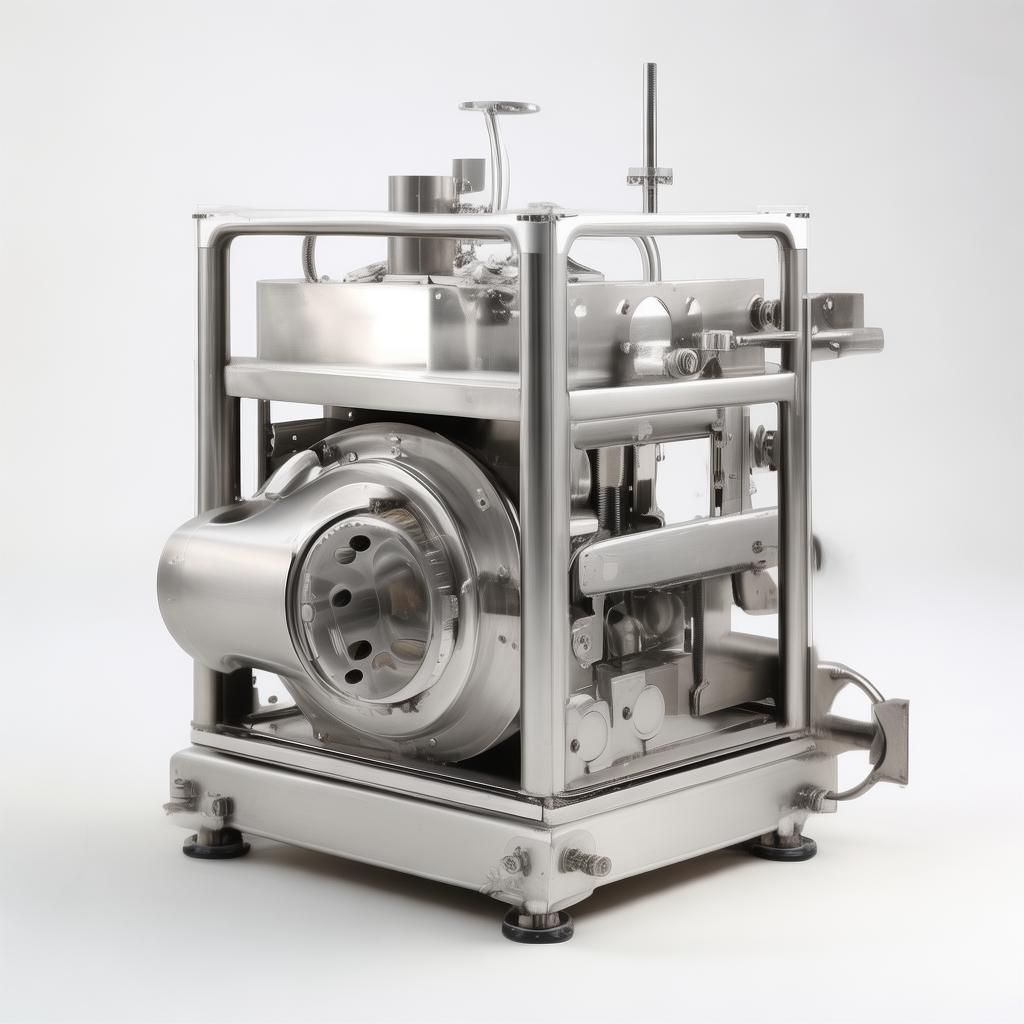
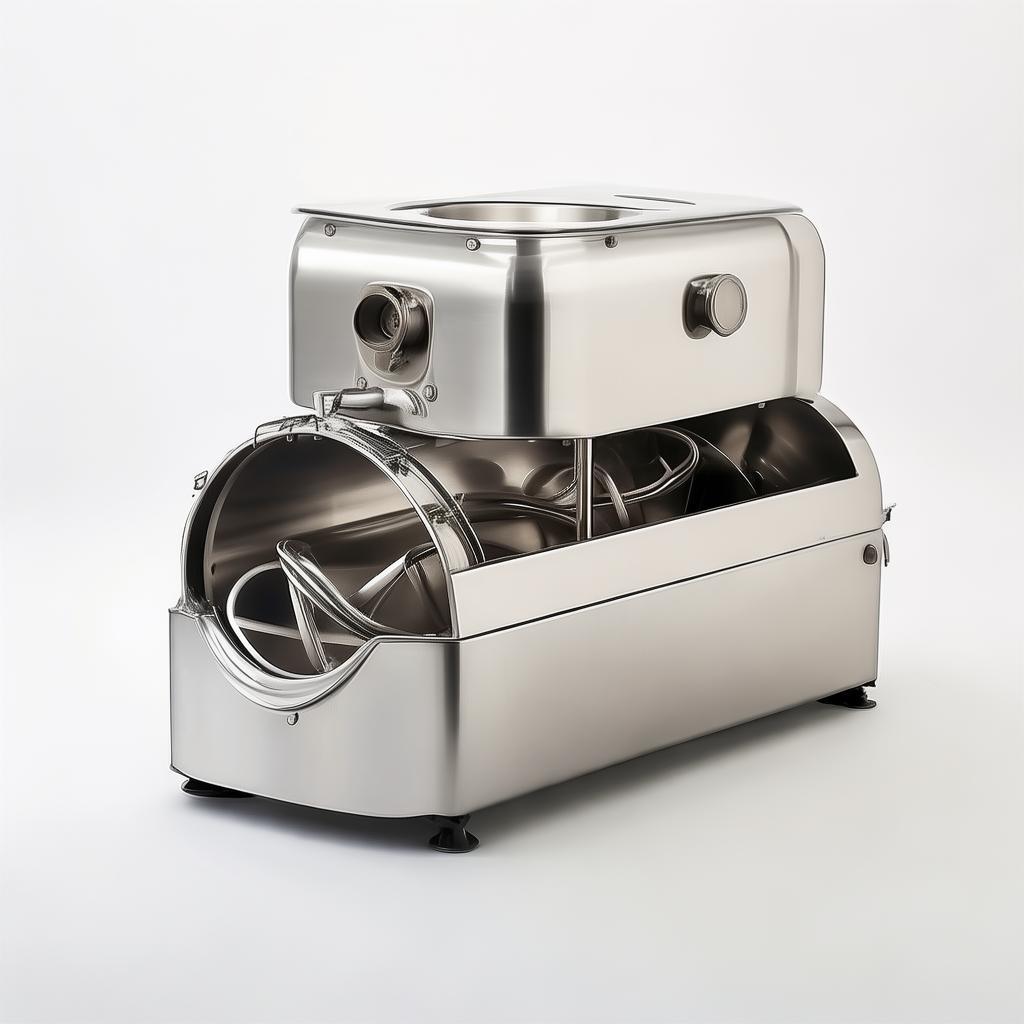
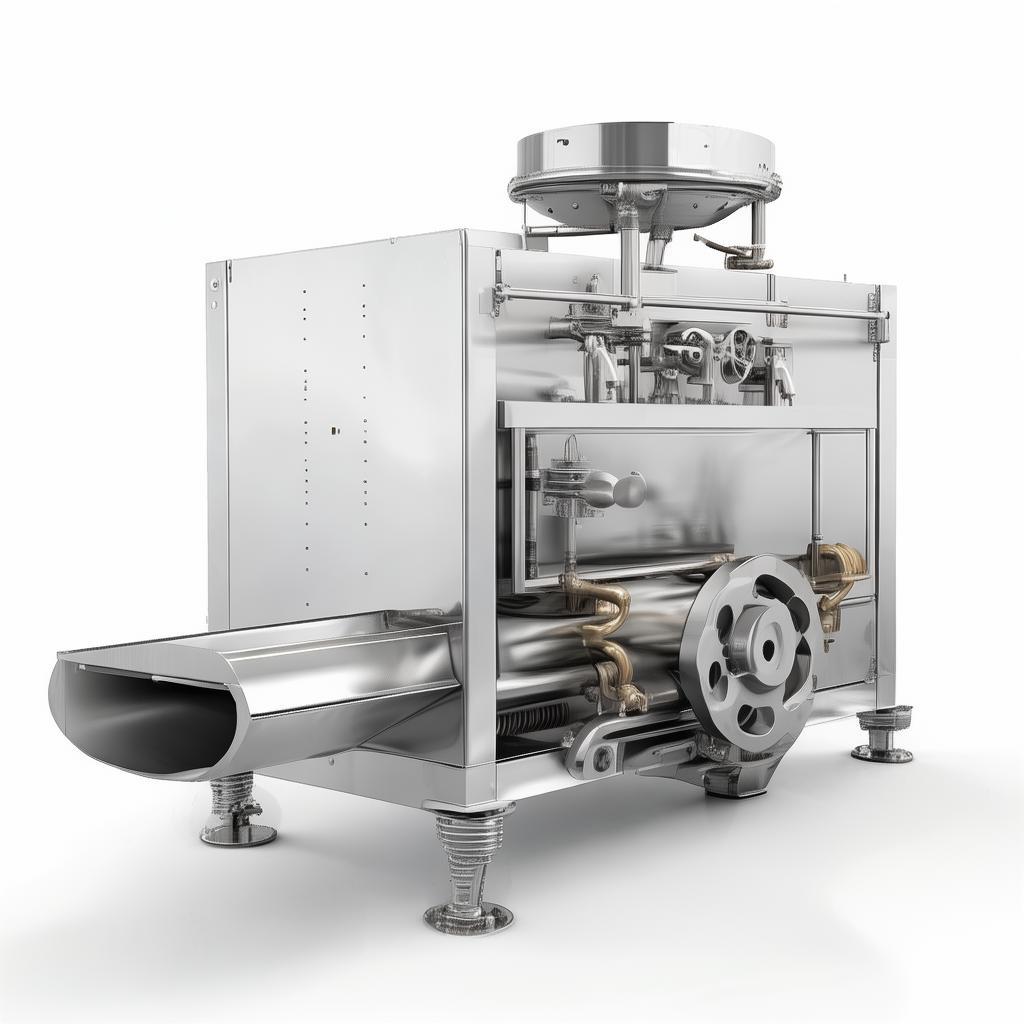
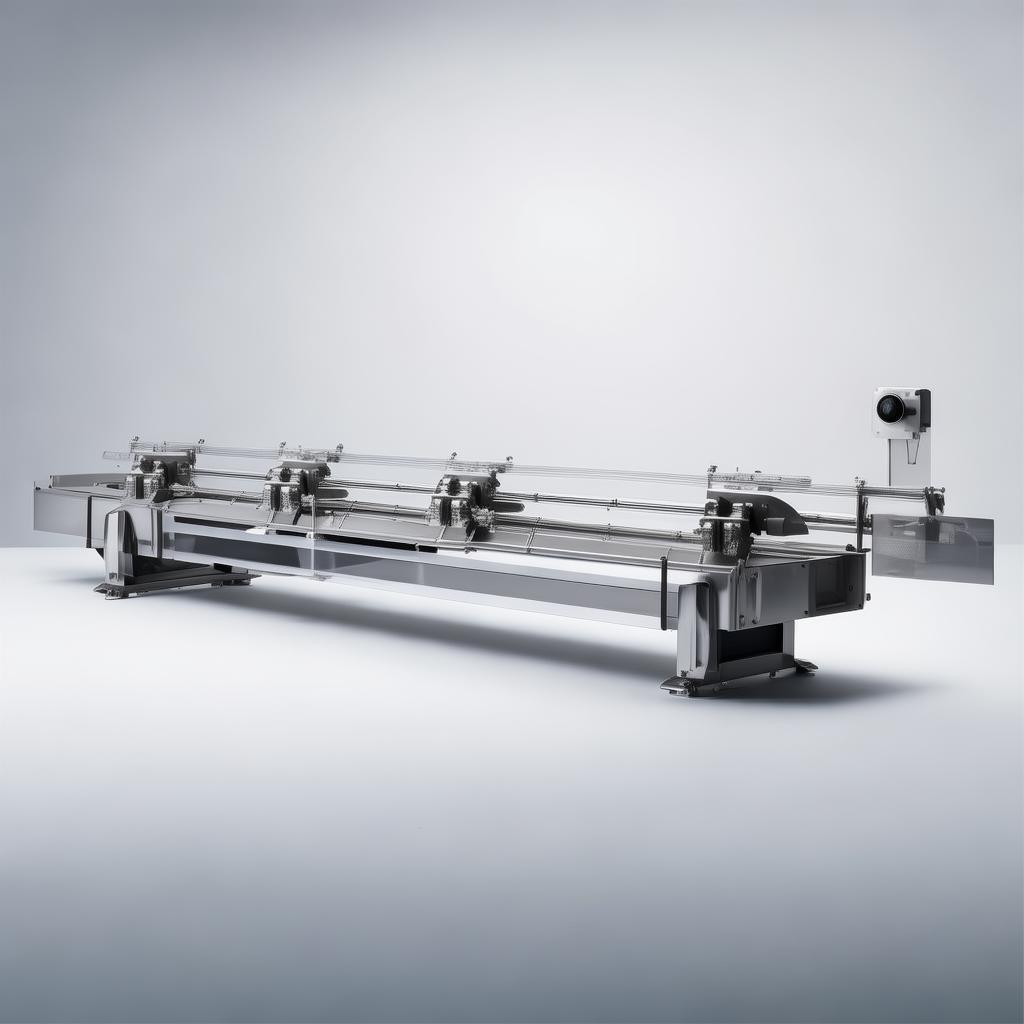
Meat Processing Plant Equipment
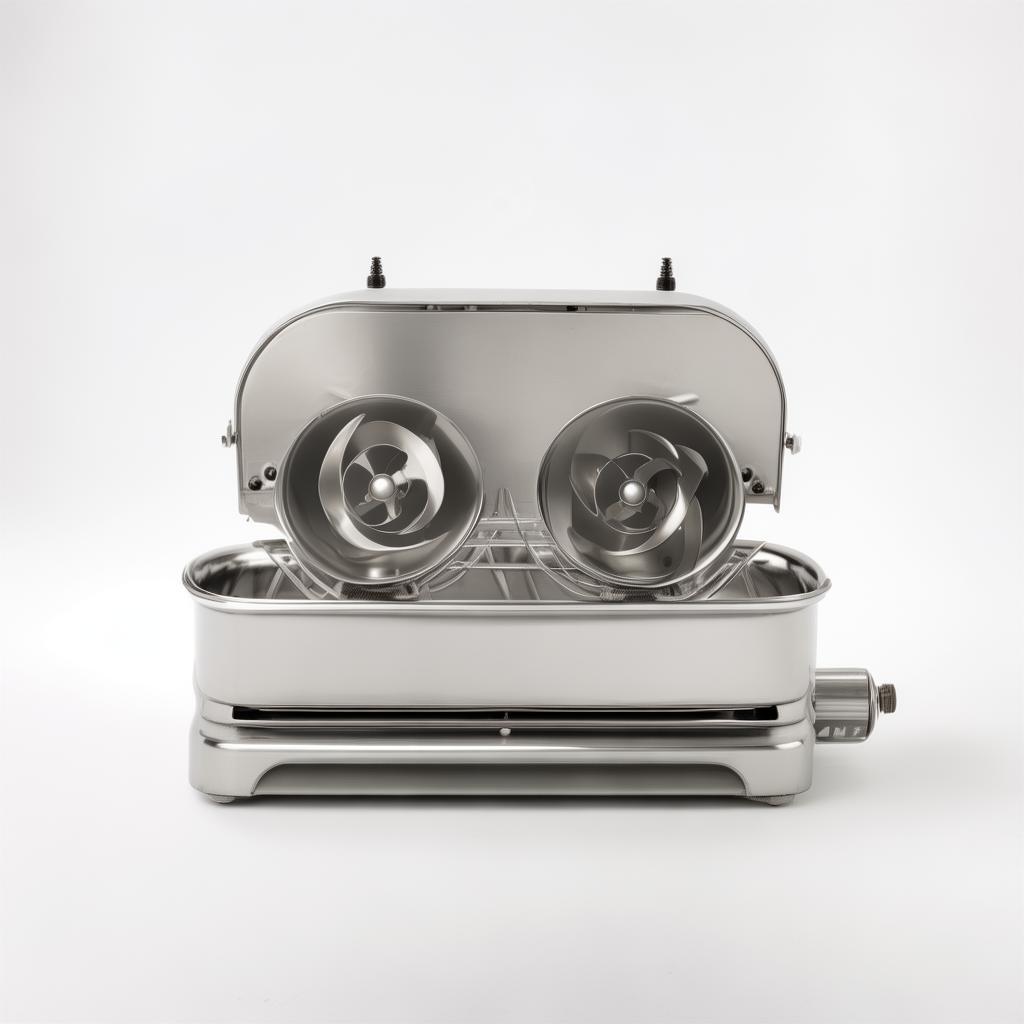
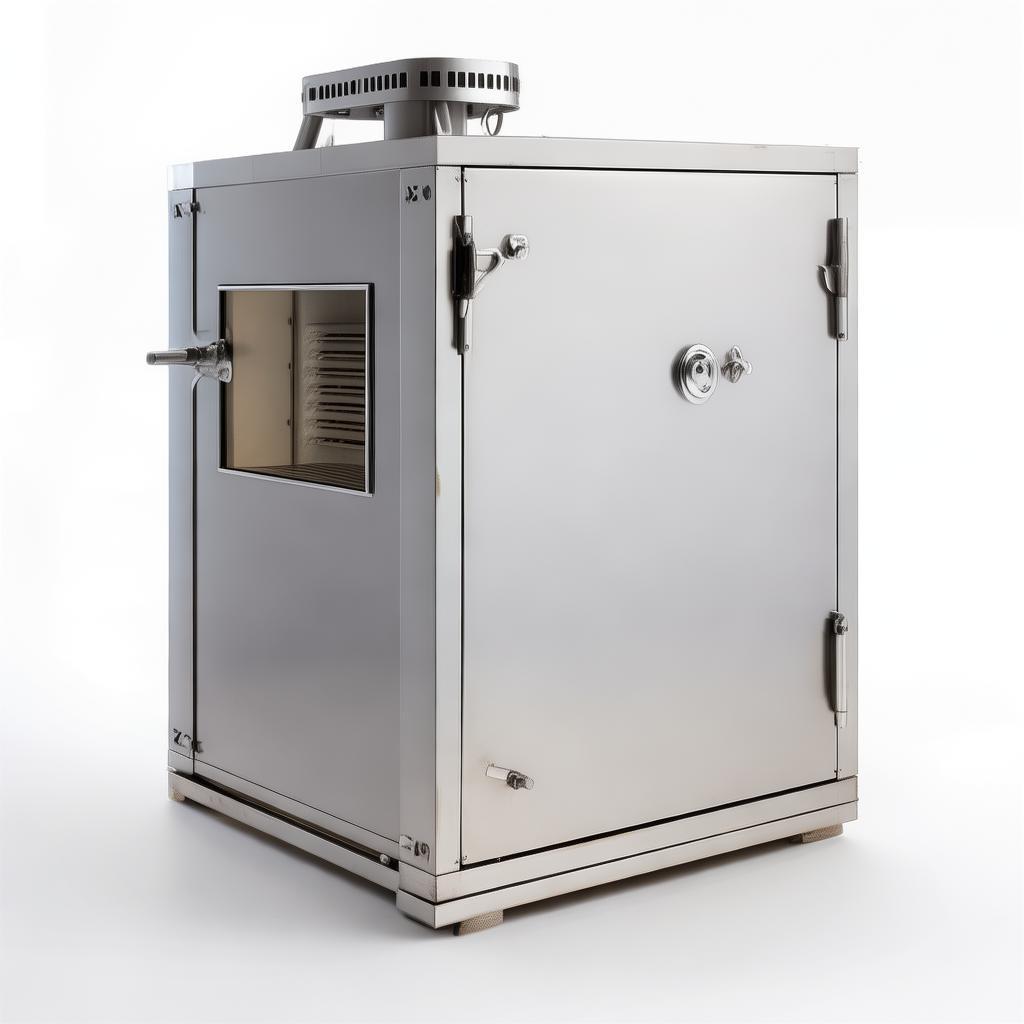
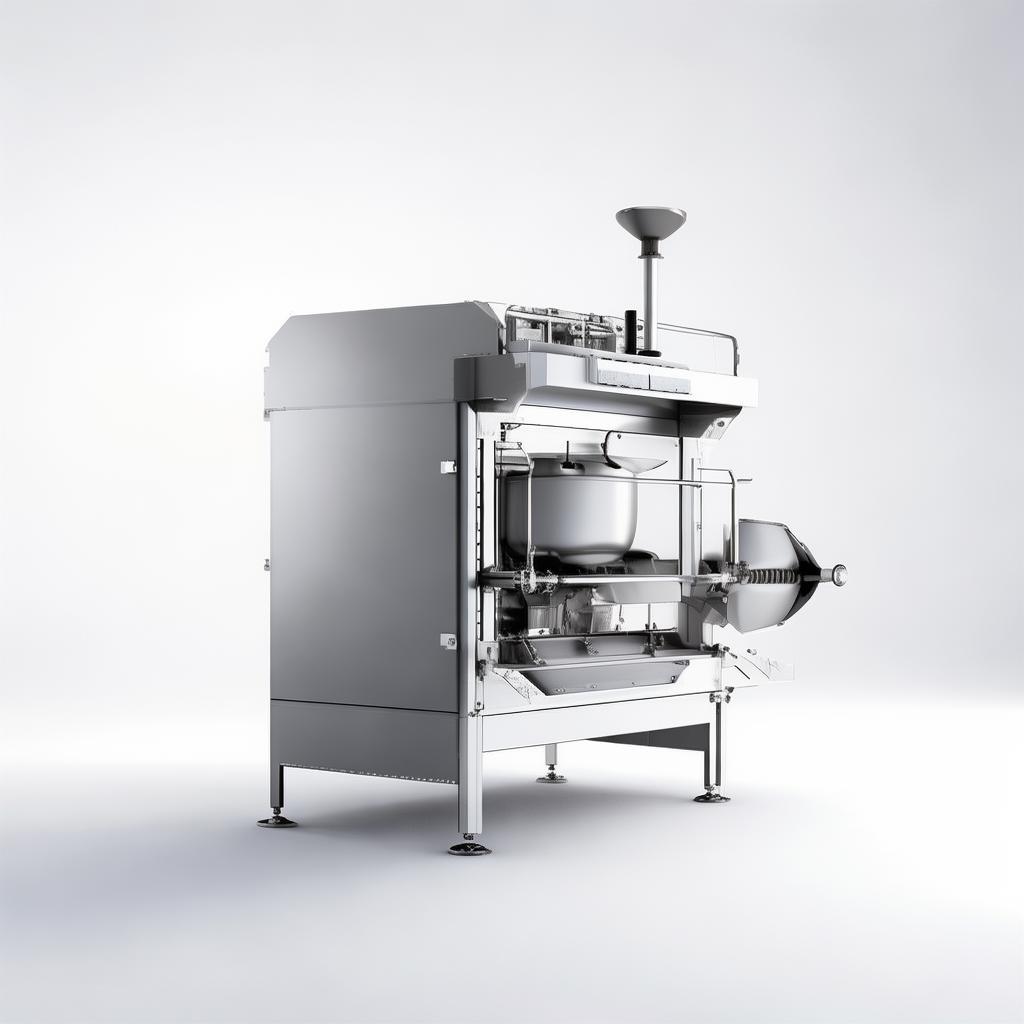
Your Partner for Advanced Meat Processing Plant Equipment
Meat processing machinery meat processing tools and equipment equipment used in meat processing
Precision, Efficiency, and Reliability for Global Meat Processors

Navigating the Complexities of Modern Meat Processing
In today's dynamic global food industry, the demands on meat processing plants are higher than ever. Consumers expect consistent quality, food safety is paramount, and operational efficiency directly impacts profitability. For businesses involved in the large-scale production of everything from sausages and cured meats to formed patties and marinated products, the right equipment isn't just a convenience – it's the backbone of success. We understand that selecting machinery for your processing lines involves more than just comparing specs; it requires deep insight into material handling, hygienic design, workflow optimization, and compliance with international standards.
The market for meat processing equipment is robust, with global valuations reflecting its critical role. Reports indicate the market was valued at approximately USD 11-18 billion in recent years, with projections showing growth to over USD 29 billion by 2034 across various sources like Fortune Business Insights, Grand View Research, and IMARC. This growth is fueled by several key factors: the escalating global demand for processed and convenience meats, driven by urbanization and changing consumer lifestyles; the persistent need for automation to overcome labor shortages and enhance hygiene protocols; and increasingly stringent food safety regulations that necessitate reliable, traceable, and well-maintained processing systems. Specifically, equipment for pretreatment of meat products, meat product filling and molding, ripening processes, and various auxiliary items are central to achieving desired product textures, flavors, and shelf lives.
At Hebei Yuanchang Food Mechanism & Technology Co., Ltd., we've been at the forefront of this industry for 40 years, since 1986. Our foundation is built on practical, on-the-ground experience, coupled with a forward-thinking approach to manufacturing and technology. We've seen firsthand how evolving consumer preferences for value-added products – think marinated chicken breasts, perfectly molded burger patties, or consistently cured bacon – translate directly into requirements for more sophisticated and reliable processing machinery. This demand for higher quality and greater variety underscores the importance of specialized equipment designed for specific stages of processing: from the initial breakdown and tenderizing, through precise filling and shaping, to the crucial ripening and curing stages.
Consider the challenges of consistent product formation. Achieving uniform sausage diameters or perfectly shaped patties batch after batch requires precise filling and molding equipment that can handle varying meat consistencies and formulations without compromising texture or integrity. Similarly, the ripening process, often managed through technologies like massagers and tumblers, is essential for tenderizing meat, developing flavor, and ensuring optimal moisture retention. Without the right machinery, achieving these outcomes can be inconsistent, leading to quality issues and increased waste. Furthermore, auxiliary equipment, such as industrial grinders, mixers, and smoking units, plays a vital role in preparing raw materials and adding final product characteristics. Each piece of equipment must integrate seamlessly into a larger production flow.
Our commitment extends beyond simply manufacturing machines. We are dedicated to providing comprehensive solutions that address the operational realities faced by our clients worldwide. This means understanding the logistics of international shipping, the complexities of plant installation, the importance of readily available spare parts, and the necessity of responsive after-sales support. We recognize that investing in meat processing plant equipment is a significant capital expenditure, and your decision will influence your plant's throughput, product quality, and overall competitiveness for years to come. That's why we emphasize a partnership approach, working closely with you to ensure the equipment we supply not only meets your current needs but also supports your future growth objectives.
This page is designed to provide a clear, comprehensive overview of what you should expect when sourcing meat processing plant equipment. We'll delve into the critical aspects of machinery selection, from understanding the core functions of pretreatment, filling, molding, and ripening equipment to evaluating supplier capabilities and ensuring long-term operational success. Whether you are looking to establish a new processing facility, expand an existing line, or upgrade outdated machinery, our goal is to equip you with the knowledge to make informed decisions. We aim to demystify the technology, highlight practical considerations, and showcase why Hebei Yuanchang has been a trusted name in the industry for nearly four decades.
Key Equipment Categories for Meat Processing Plants
A modern meat processing plant relies on a carefully orchestrated sequence of machinery to transform raw materials into finished products. Understanding the primary categories is the first step in building an efficient line.
- Pretreatment Equipment: This encompasses machinery that prepares meat for subsequent processing. It includes grinders for breaking down meat into smaller particles, mixers for blending ingredients (fat, spices, binders), and tenderizers (mechanical or manual methods) to improve texture. Efficient pretreatment is vital for achieving the desired consistency and homogeneity in final products. For example, precise grinding ensures uniform particle size, crucial for sausage emulsions.
- Filling & Molding Equipment: These are the workhorses for creating specific product shapes and portions.
- Filling Machines: Essential for stuffing sausages, filling casings, or portioning meat mixtures into containers. Accuracy in fill weight is critical for cost control and consumer satisfaction.
- Molding Machines: Used to form meat into desired shapes like patties, nuggets, or formed roasts. These machines often work in conjunction with filling systems, employing molds to create consistent product dimensions and appearances. The ability to handle different meat formulations, from finely ground to coarser textures, is a key consideration.
- Ripening & Marinating Equipment: Crucial for enhancing flavor, texture, and shelf-life.
- Massaging/Tumbling Machines: These rotate the meat under controlled conditions, often with added marinades or curing agents. This process helps in tenderizing the meat, distributing marinades evenly, and promoting curing reactions for products like hams and bacon. Consistent tumbling ensures even product development.
- Curing & Smoking Chambers: While often considered separate, these are vital for achieving specific product characteristics. Advanced systems offer precise temperature, humidity, and smoke control for consistent results.
- Auxiliary & Supporting Equipment: This category includes a wide range of machinery that supports the primary processing steps. It can involve specialized cutting machines, packaging equipment, bone separators, and conveyor systems designed for hygienic operation and easy cleaning. Integrated solutions that streamline material flow are highly valued.
Each of these equipment types plays a distinct role, and their successful integration is key to a high-functioning meat processing plant. The interplay between a high-precision filler and a specialized molding machine, for example, can define the quality and market appeal of your formed meat products.
Advantages of Partnering with Hebei Yuanchang
For nearly four decades, Hebei Yuanchang Food Mechanism & Technology Co., Ltd. has been a dedicated manufacturer and supplier of robust meat processing equipment. Our longevity in this demanding industry speaks volumes about our commitment to quality, innovation, and customer satisfaction. We don't just build machines; we engineer solutions based on decades of accumulated operational experience.
40 Years of Manufacturing Excellence
Established in 1986, we possess an unparalleled depth of knowledge in meat processing technology. Our experience spans a wide array of products and production scales, allowing us to anticipate and address the nuanced challenges faced by processors worldwide.
In-House Precision Machining
Our 14,000 sq meter facility houses a comprehensive machining workshop with over 20 sets of advanced processing machinery. Since 2012, the integration of Japanese Mazak CNC machining centers has empowered us to produce high-precision, non-standard components crucial for performance and durability. This capability ensures superior quality and control over critical parts.
Comprehensive Product Range
We offer complete solutions, from meat pretreatment machinery and filling/molding equipment to ripening systems and essential auxiliary items. Whether you need individual machines or a fully integrated production line, we have the expertise to deliver.
Commitment to Quality & Compliance
We adhere to rigorous manufacturing standards. Our machines are built for longevity, efficiency, and ease of maintenance. We understand the importance of hygienic design and robust construction required for demanding food processing environments.
Our in-house capabilities mean we can offer competitive pricing and faster turnaround times for custom modifications, ensuring your specific operational needs are met without compromising on quality or precision. The investment in advanced CNC technology allows us to fabricate components with tight tolerances, which translates directly into smoother operation, reduced wear, and longer service life for your machinery.
Technical Deep Dive: Understanding Core Machinery Functionality
Selecting the right equipment involves a clear understanding of how each machine performs its critical function. Let's examine the technical nuances of key processing stages.
Meat Grinders: The Foundation of Texture
Industrial meat grinders are designed for high-volume processing, breaking down large cuts into specific particle sizes. Key features include:
- Auger System: Typically a robust screw auger that efficiently feeds meat towards the cutting head. Material (often stainless steel) and design impact durability and sanitation.
- Cutting Head: Comprises plates with precisely sized holes and sharp knives. The combination of plate hole size and knife design determines the final grind consistency. We offer various plate/knife configurations for coarse, medium, and fine grinds.
- Motor Power & Gearbox: Sufficient power is critical to handle tougher meat cuts and maintain consistent output without bogging down. Durable gearboxes ensure reliable operation.
- Hygienic Design: Smooth surfaces, minimal crevices, and easy disassembly for cleaning are paramount to prevent bacterial growth.
The choice of grinder depends on the desired end-product; finer grinds are typical for emulsified products like sausages, while coarser grinds suit some formed products.
Filling & Molding Machines: Precision Portiioning and Forming
These machines are central to creating recognizable meat products. Their performance hinges on several factors:
| Feature | Importance for Meat Processing | Our Approach |
|---|---|---|
| Portioning Accuracy | Crucial for cost control, consistent product weight, and consumer satisfaction. | Utilize advanced volumetric or weight-based systems with high-precision control valves and sensors. |
| Forming Flexibility | Ability to produce various shapes and sizes (patties, nuggets, sausages, balls). | Interchangeable molds and forming plates, adjustable parameters for different product types and textures. |
| Material Handling | Gentle handling to preserve meat texture and prevent smearing, especially for coarser grinds or sensitive meats. | Optimized auger speeds, smooth transitions, and vacuum systems where applicable to ensure product integrity. |
| Hygiene & Cleanability | Essential for food safety. Components must be easily accessible and removable for thorough cleaning. | Stainless steel construction, sanitary connections, and designs that minimize hidden areas for bacteria. |
Massaging Machines: Enhancing Texture and Flavor
Massaging and tumbling equipment are key for products requiring tenderization, marination, or curing. Their effectiveness stems from:
- Controlled Tumbling Action: Replicates manual massaging, breaking down muscle fibers to increase tenderness and absorption capacity.
- Vacuum Capability: Often integrated to draw out air, allowing marinades and curing agents to penetrate more effectively and uniformly into the meat structure. This also helps in forming a tighter, more cohesive final product.
- Variable Speed & Time Settings: Allows processors to customize the process based on meat type, cut, and desired outcome, from light tenderization to deep curing.
- Hygienic Design: Similar to other equipment, easy cleaning and material integrity are vital.
The global market reports consistently highlight the growing demand for efficient massaging and filling equipment, as processors aim to meet consumer preferences for tender, flavorful, and perfectly formed meat products. The ability to achieve consistent results in ripening, tenderizing, and marinating directly impacts product quality and marketability.
Procurement Guidance: Key Considerations for Buyers
Sourcing industrial equipment demands a structured approach. As an experienced supplier, we advise buyers to focus on several critical areas to ensure a sound investment:
1. Define Your Operational Requirements Clearly
Before even looking at machines, know your needs. What specific products will you produce? What are your target throughput volumes (kg/hour or pieces/minute)? What are the characteristics of your primary raw materials (e.g., beef, pork, poultry, fat content)? Understanding these specifics will narrow down your options significantly. For instance, processing poultry often requires different handling than beef due to bone structure and tenderness.
2. Evaluate Supplier Reliability and Experience
Look beyond introductory offers. A supplier with a long history (like our 40 years) demonstrates resilience and consistent quality. What is their manufacturing capability? Do they have in-house machining and R&D? A company with integrated production, like ours with Japanese CNC centers, offers greater control over component quality and customisation.
Practical Warning: Avoid suppliers who can't clearly articulate their manufacturing processes or lack a traceable history. This often indicates reliance on third parties or a lack of deep technical understanding.
3. Prioritize Hygienic Design and Material Quality
Food safety is non-negotiable. Equipment must be constructed from food-grade stainless steel (e.g., 304 or 316), designed with smooth surfaces, minimal crevices, and easy disassembly for thorough cleaning. Understand the specifications of the materials used – not all stainless steel is created equal.
4. Assess Technical Specifications and Customization Options
Compare motor power, throughput rates, electrical requirements, and footprint. Importantly, can the supplier offer customization? A standard machine might not perfectly fit your workflow. Our ability to produce non-standard, high-precision parts allows for significant customization to meet unique client needs.
5. Consider Installation, Training, and After-Sales Support
What is included in the delivery? Does the supplier offer installation assistance or operator training? Crucially, how accessible are spare parts and technical support? A traceable after-sales management system, like ours, ensures you receive the right parts quickly, minimizing downtime.
6. Logistics and Shipping
For international buyers, understand shipping costs, lead times, and any import regulations or certifications required in your destination country. We have extensive experience in global shipping and can assist in optimizing container loading for efficiency.
Technical Specifications Overview
Below is a representative table of specifications for some of our core meat processing equipment categories. Please note that specific models can be customized to meet your unique requirements.
| Equipment Type | Model Example | Capacity/Throughput | Power Consumption (kW) | Material | Dimensions (L x W x H) |
|---|---|---|---|---|---|
| Meat Grinder | YG-200 | 200-300 kg/hr | 5.5 | SS304 | 1200 x 700 x 1400 mm |
| Sausage Filler | YT-500 (Piston Type) | 500-800 kg/hr (approx.) | 3.0 | SS304 | 900 x 800 x 1600 mm |
| Meat Massager/Tumbler | YR-1000 (Vacuum) | 1000 L Drum Volume | 4.0 | SS304 | 2500 x 1500 x 1800 mm |
| Patty Forming Machine | YF-2000 | 2000-3000 patties/hr (shape dependent) | 7.5 | SS304 | 1800 x 1000 x 1600 mm |
These specifications are indicative. We encourage you to contact us directly for detailed technical drawings, specific model options, and customizable solutions tailored to your production environment.
Installation, Logistics, and Maintenance Insights
Getting your equipment on-site and running smoothly, then keeping it that way, are critical operational considerations.
Installation Practicalities
Proper installation ensures optimal performance and longevity. Key factors include:
- Foundation & Space: Ensure the floor is level and can support the machine's weight. Adequate space around the machine is essential for operation, maintenance, and cleaning.
- Power & Utilities: Verify that your plant's electrical supply matches the machine's requirements (voltage, phase, frequency). Compressed air or water connections, if needed, must be readily available and of appropriate quality.
- Ventilation: For machines that generate heat or use steam, adequate ventilation is crucial for operator comfort and equipment longevity.
- Ergonomics: Position machines to facilitate easy loading, unloading, and monitoring by your operators.
We provide detailed installation manuals and can arrange for technical assistance upon request to ensure your setup is right from the start.
Global Logistics & Shipping
Shipping heavy industrial machinery across borders requires careful planning:
- Container Optimization: We work to package machines efficiently to maximize container space, reducing freight costs for our international clients.
- Packaging: Equipment is typically protected with robust crating and weather-resistant wrapping to withstand the rigors of international transit.
- Documentation: We provide all necessary export documentation, including commercial invoices, packing lists, and certificates of origin. We can also assist with customs clearance requirements.
- Transit Time: Lead times for shipping can vary significantly based on destination and available freight options. We provide estimated transit times with each quotation.
Our export team manages these complexities daily, ensuring a smooth transition from our factory to your plant.
Routine Maintenance for Longevity
Proactive maintenance is key to minimizing downtime and extending the life of your equipment. While our machines are built for durability, simple routines make a big difference:
- Daily Cleaning: Thorough cleaning after each shift is paramount for hygiene and preventing material buildup that can affect performance.
- Lubrication: Follow the recommended lubrication schedule for moving parts.
- Inspection: Regularly check for wear and tear on cutting blades, seals, belts, and electrical connections. Address any anomalies promptly.
- Spare Parts: Keeping a small stock of critical spare parts (e.g., knives, seals, O-rings) on-site can prevent extended production stoppages.
We supply all necessary spare parts and can provide maintenance guides to support your in-house team.
Certifications and Quality Assurance
Trust is built on verifiable quality. Hebei Yuanchang adheres to strict manufacturing and quality control protocols. While specific certifications may apply to individual machine types or target markets, our commitment to robust engineering and material integrity is consistent.


(Certifications shown are representative; specific machine compliance may vary)
Our use of high-grade stainless steel, precision machining through advanced CNC technology, and rigorous quality checks at every stage of production ensure that our equipment meets the demanding standards of the global food processing industry. We are experienced in meeting the requirements for various international markets, and we can provide documentation and support for compliance with specific regional regulations.
Why Choose Hebei Yuanchang: A Commitment to Your Success
For nearly four decades, our mission has been to empower meat processors with reliable, high-performance equipment. We understand the pressures of the industry – the need for efficiency, the critical importance of food safety, and the constant drive for product quality. Our extensive experience, combined with our state-of-the-art manufacturing capabilities, allows us to offer solutions that truly make a difference.
Our in-house machining workshop, significantly enhanced by Japanese Mazak CNC centers, enables us to achieve levels of precision and customization that set us apart. This means we can independently produce complex, high-standard components, ensuring that every machine leaving our facility is built to last and perform optimally. This deep control over our manufacturing process directly translates into worry-free after-sales service and superior product reliability for our clients worldwide.
Whether you're a large-scale international exporter or a growing local producer, your success is our priority. We're not just selling machinery; we're offering a partnership built on trust, expertise, and a shared commitment to excellence in meat processing.
Hear From Our Clients

David Chen
Operations Manager, USA
"We recently upgraded our sausage line with Yuanchang's filler and linker. The precision is outstanding – consistent weight and diameter batch after batch. Installation was straightforward, and their support team was responsive. It’s significantly improved our production efficiency and product consistency."

Maria Rodriguez
Procurement Director, Mexico
"The meat massaging machine we purchased from Hebei Yuanchang has been a game-changer for our cured meats. The vacuum function ensures deep, even penetration of marinades, leading to superior flavor and texture. We appreciate their thoroughness in explaining the operational parameters."

Kenji Tanaka
Plant Manager, Japan
"We were looking for a reliable patty forming machine that could handle different meat blends and shapes. Yuanchang's YF-2000 exceeded our expectations. The ability to quickly change molds and adjust settings is key to our product variety. The build quality is excellent, as expected from a company with decades of experience."
Ready to Enhance Your Meat Processing Operations?
Let's discuss your specific needs and explore how Hebei Yuanchang's advanced meat processing plant equipment can drive your business forward. Our team of experts is ready to provide tailored solutions, competitive factory pricing, and unmatched support.
Get Factory Pricing
REQUEST QUOTEContact Us Directly
Phone: +86 15830991513
Email: ycmeatmech@gmail.com
Address: Shijiazhuang, Hebei Province, China
Hebei Yuanchang Food Mechanism & Technology Co., Ltd. | www.ycmeatmech.com