Rail System For Hanging Meat
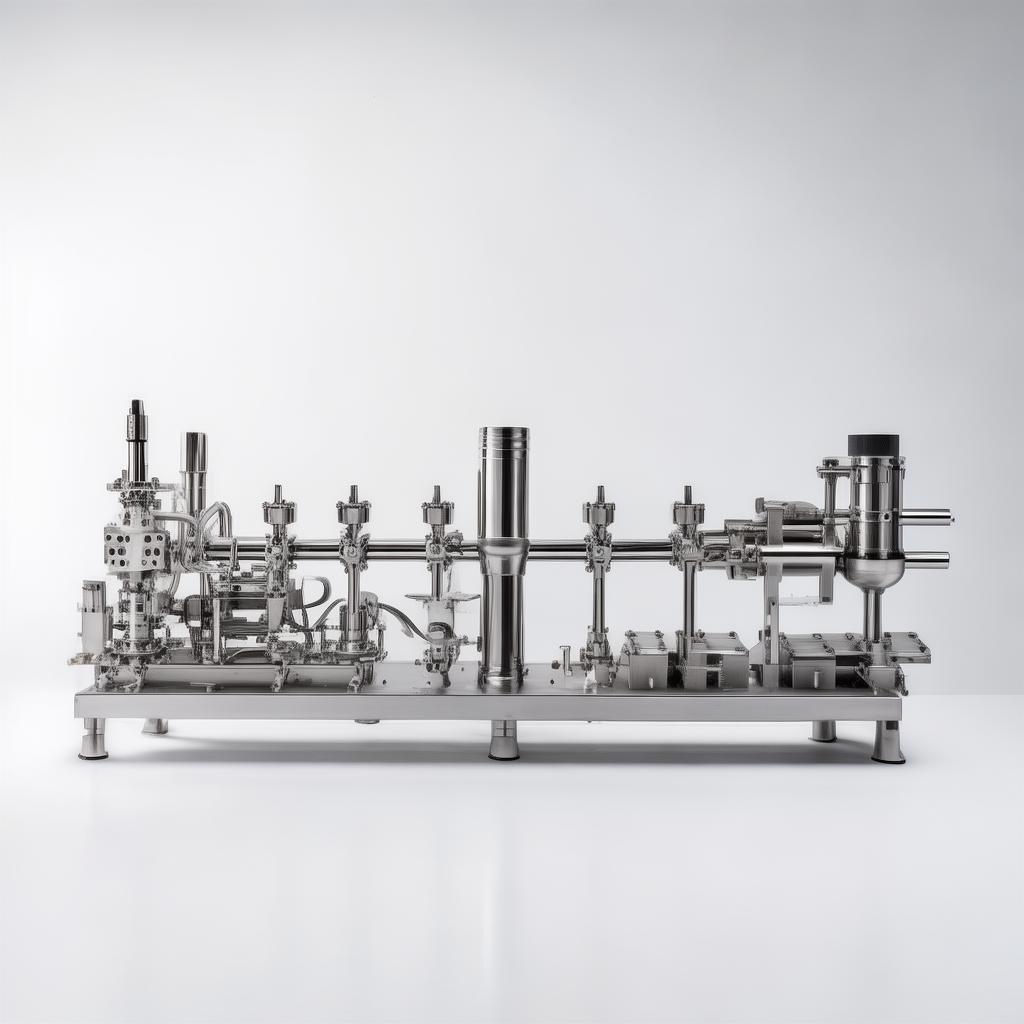
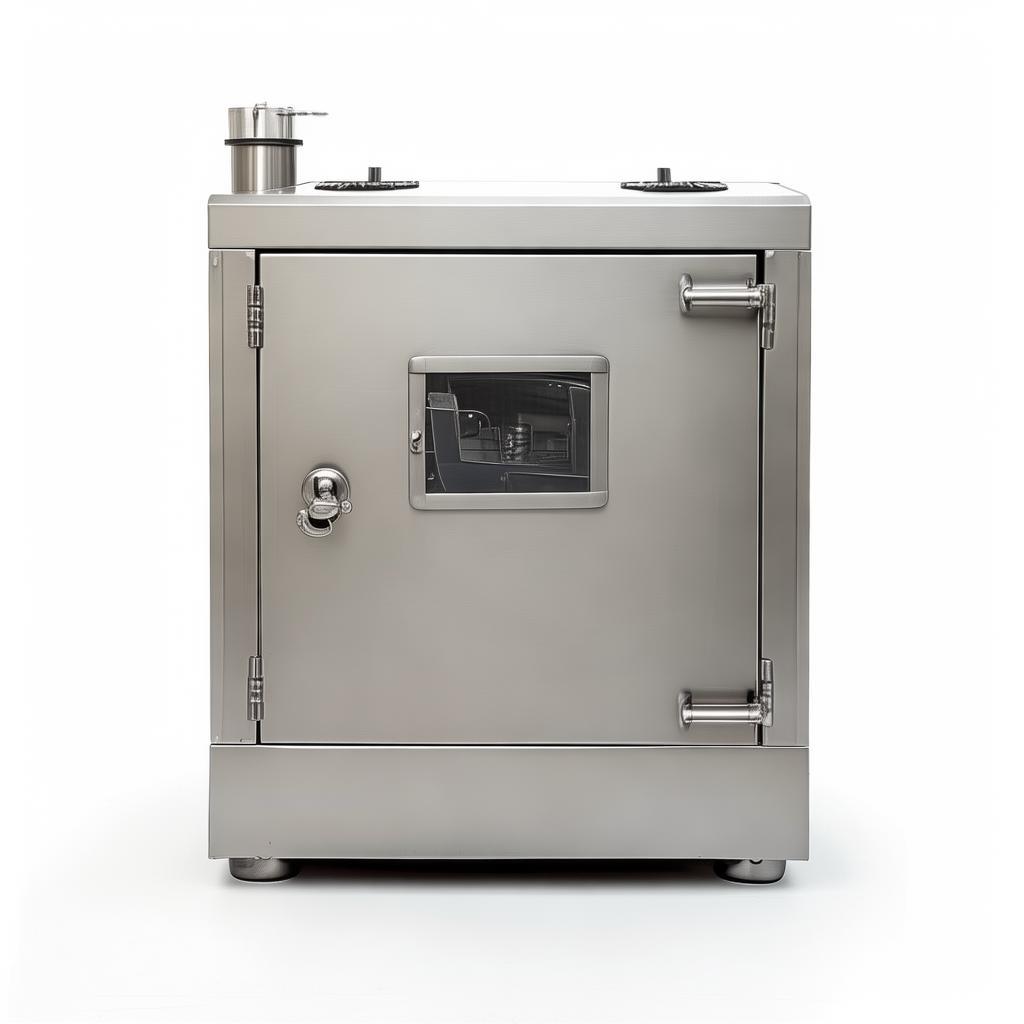
Elevating Meat Processing: The Critical Role of Advanced Rail Systems for Hanging Meat
By Zhang Wei, Export Director at Hebei Yuanchang Food Mechanism & Technology Co., Ltd.
[ ]
]
Published:
The Backbone of Modern Meat Processing: Understanding Rail Systems for Hanging Meat
In the complex world of meat production and processing, efficiency, hygiene, and product integrity are paramount. Every stage, from initial butchery to final packaging, requires meticulous attention to detail and robust operational workflows. A critical, yet often overlooked, component of this intricate system is the rail system for hanging meat. These are not just simple overhead tracks; they are sophisticated engineering solutions designed to facilitate the smooth, hygienic, and systematic movement of meat products throughout the processing facility.
The global meat processing equipment market is a significant sector, projected to reach between USD 15 billion and USD 30 billion by 2034, with substantial growth driven by increasing demand for processed meats and the adoption of automation. (Sources: Grand View Research, Fortune Business Insights). Within this market, the infrastructure that supports the handling of carcasses and primal cuts plays an indispensable role. These rail systems are the arteries of a processing plant, ensuring that meat moves efficiently from slaughter to chilling, cutting, and further processing stages without compromising quality or safety.
Consider the journey of a whole beef carcass. Once processed, it needs to be moved from the evisceration line to the chilling rooms, then to the deboning area, and finally to the cutting and packaging stations. Each transfer requires a reliable and hygienic method of transport. Traditional methods, such as manual carrying or basic trolleys, are often inefficient, labor-intensive, and pose significant hygiene risks. This is where purpose-built rail systems come into play. They are designed to handle the weight and dimensions of various meat products, minimize manual handling, reduce the risk of cross-contamination, and optimize workflow. For operations dealing with a high volume of product, such as large-scale abattoirs or wholesale meat distributors, a well-designed rail system is not a luxury but a fundamental necessity for sustained productivity and compliance with stringent food safety regulations.
The design and implementation of these systems are influenced by a myriad of factors including the type of meat being processed (beef, pork, lamb, poultry), the scale of operations, facility layout, and specific hygiene standards required by regulatory bodies like the USDA or EFSA. For example, systems for hanging whole beef carcasses will differ significantly from those used for hanging smaller pork loins or lamb racks. The materials used must be corrosion-resistant, easy to clean, and durable enough to withstand the demanding environment of a meat processing plant. Stainless steel is a common choice due to its inherent hygienic properties and resistance to detergents and disinfectants.
Beyond the physical rails, the system includes specialized trolleys, hooks, switches, and sometimes automated conveyor elements. The selection of these components directly impacts the system's performance. For instance, the type of trolley wheels and track configuration can affect noise levels and the smoothness of movement, which in turn can affect operator fatigue and the risk of product damage. The load-bearing capacity of the entire system is also a critical consideration, especially when dealing with heavier cuts or multiple items suspended simultaneously. Ensuring that the system can handle peak loads without strain is vital for preventing operational disruptions and ensuring worker safety.
From a procurement perspective, investing in a robust rail system for hanging meat is a long-term decision. It impacts operational costs, labor efficiency, product quality, and ultimately, profitability. Buyers often look for suppliers who can provide not just the equipment but also the expertise in system design, installation, and ongoing maintenance. Understanding the nuances of different rail systems – from simple overhead tracks to complex automated conveyor networks – is crucial for making an informed purchase. This includes considering factors like system integration with other processing equipment, ease of cleaning and maintenance, and the availability of spare parts. The goal is to create a seamless flow of product, minimizing bottlenecks and maximizing throughput while adhering to the highest standards of food safety and quality assurance. This foundational piece of infrastructure underpins the efficiency and success of the entire meat processing operation.
Navigating the Hurdles: Common Challenges in Meat Handling & Processing
Operating a modern meat processing facility comes with its own unique set of challenges. Many of these are directly related to the physical movement and handling of raw meat products. Without the right infrastructure, even well-intentioned processes can lead to significant operational setbacks and compromise product quality.
- Hygiene and Contamination Risks: Manual handling increases the chances of contamination from worker hands, clothing, or unsanitized surfaces. Inefficient cleaning protocols for temporary holding areas or outdated equipment can also create breeding grounds for bacteria.
- Operational Inefficiencies: Inconsistent or manual transport methods lead to bottlenecks, delays in processing, and increased labor costs. Moving heavy carcasses or large primal cuts requires significant physical effort, often slowing down the entire production line.
- Product Damage and Quality Degradation: Rough handling, improper suspension, or extended exposure to ambient temperatures during transit can lead to bruising, tearing, or accelerated spoilage, reducing the overall quality and market value of the meat.
- Worker Safety Concerns: Lifting and maneuvering heavy meat products manually poses a significant risk of musculoskeletal injuries for employees. Inadequate safety measures can lead to costly accidents and lost productivity.
- Space Utilization Issues: Improvised storage or handling methods can lead to disorganization and inefficient use of valuable floor space within the processing plant.
- Regulatory Compliance: Meeting stringent food safety and hygiene standards set by regulatory bodies requires traceable, controlled processes. Failure to maintain these standards can result in fines, recalls, or even facility closure.
These issues are amplified in facilities processing large volumes of meat. The global processed meat market is substantial, expected to grow significantly, driving the need for more advanced processing solutions. By 2034, the market is projected to reach USD 1.25 trillion (Source: Fortune Business Insights). This growth puts immense pressure on existing infrastructure to keep pace with demand while maintaining quality and compliance.
Addressing these pain points requires a systemic approach, and a well-designed rail system for hanging meat is fundamental to achieving a more efficient, safer, and hygienic operation.
The Yuanchang Solution: Advanced Rail Systems for Hanging Meat
At Hebei Yuanchang Food Mechanism & Technology Co., Ltd., we understand the critical nature of a well-engineered material handling system in meat processing. With over 40 years of experience since 1986, we've honed our expertise in providing robust, reliable, and hygienic solutions. Our rail systems for hanging meat are designed to directly address the operational challenges faced by modern meat processors, from small-scale artisanal operations to large industrial plants.
We don't just supply components; we provide integrated solutions. Our systems are engineered to facilitate a continuous, controlled flow of meat products. This means:
- Enhanced Hygiene: By minimizing manual contact, our rail systems significantly reduce the risk of cross-contamination. The materials and design are optimized for easy and thorough cleaning, ensuring compliance with the strictest food safety regulations. Think of stainless steel tracks and carriages that can withstand high-pressure washing and disinfectants without corroding.
- Streamlined Workflow: Our systems are designed for seamless movement. Meat products transition smoothly from one processing station to the next – from slaughter to chilling, deboning to packaging. This reduces bottlenecks, speeds up throughput, and allows for better scheduling and inventory management.
- Optimized Product Quality: Controlled movement means less bruising and damage to the meat. Consistent suspension and transit times, especially during chilling, help maintain optimal product temperature and extend shelf life, preserving the quality that customers expect.
- Improved Worker Safety: Automated or assisted movement of heavy loads reduces the physical strain on your workforce. This leads to fewer workplace injuries, lower insurance costs, and a more positive working environment.
- Efficient Space Utilization: Overhead systems maximize vertical space, freeing up valuable floor area for other critical processing activities. This is particularly beneficial in facilities where space is at a premium.
Our commitment extends beyond the initial sale. With our in-house machining capabilities, including Japanese Mazak CNC machining centers, we can produce high-precision, custom components to meet specific project requirements. This means we can tailor rail systems to fit unique facility layouts, accommodate different product weights, or integrate with existing machinery. Our traceable after-sales management system further ensures that you receive reliable support and readily available spare parts, minimizing any potential downtime.
We understand that investing in new infrastructure is a significant decision. That's why we focus on providing durable, long-lasting solutions that offer a strong return on investment through increased efficiency, reduced waste, and improved product quality. Let us help you build the backbone of your meat processing operation.
Want to see how our systems can be customized for your specific needs? Request a Free Consultation
Key Technical Specifications: Built for Performance and Durability
The effectiveness of a rail system for hanging meat hinges on its robust design and the quality of its components. We engineer our systems with precision, ensuring they meet the demanding requirements of industrial meat processing environments. Here are the core specifications that define our offerings:
| Feature | Specification | Considerations for Buyers |
|---|---|---|
| Material | Food-Grade Stainless Steel (e.g., 304, 316) for rails, trolleys, hooks. Options for galvanized steel in non-critical areas. | Ensures corrosion resistance, ease of cleaning, and compliance with food safety standards. 316 offers superior resistance in harsher environments. |
| Load Capacity | Customizable per project, typically ranging from 100kg to 500kg per trolley/hook, with system-wide capacity designed for peak loads. | Crucial for handling entire carcasses (beef, pork) or multiple primal cuts. Over-specification is safer than under-specification. |
| Rail Profile | Various profiles available (e.g., U-channel, I-beam) depending on load and trolley design. Smooth, seamless construction. | Affects trolley movement, durability, and ease of cleaning. Seamless rails minimize areas where debris can accumulate. |
| Trolley Design | Precision-engineered wheels (often with sealed bearings), robust carriage construction, secure attachment points for hooks. Options for manual push, pull, or powered systems. | Smooth, low-friction movement is key for efficiency and reducing operator effort. Wheel material (e.g., acetal, nylon) impacts durability and hygiene. |
| Surface Finish | Polished or brushed finish on stainless steel components. Electropolishing available for enhanced cleanability and corrosion resistance. | A smoother surface is easier to clean and prevents microbial adhesion. Higher finish quality often correlates with higher cost. |
| System Integration | Designed for compatibility with slaughtering lines, chilling tunnels, deboning tables, and packaging equipment. Includes switches, curves, and transfer points. | Seamless integration prevents product hang-ups and ensures continuous flow. Crucial for automated or semi-automated facilities. |
| Hygiene Features | Minimal crevices, drainable designs, easy disassembly for cleaning. | Essential for HACCP and GMP compliance. Consider ease of access for sanitation crews. |
meat hanging rail systems meat rail hangers used meat rail systems
Our engineering team works closely with clients to define precise specifications tailored to their unique operational needs. This custom approach ensures optimal performance and longevity, minimizing costly modifications or replacements down the line.
Material Matters: Choosing the Right Components for Your Rail System
The materials used in meat processing equipment are critical for hygiene, durability, and compliance. For rail systems, selecting the correct materials directly impacts operational longevity, maintenance costs, and food safety. Here’s a brief comparison of common considerations:
Stainless Steel (304 & 316):
- Pros: Excellent corrosion resistance, high strength, easy to clean, non-porous surface minimizes bacterial adhesion, widely accepted in food industry standards. 316 offers superior resistance to chlorides and acids.
- Cons: Higher initial cost compared to other metals. Can be heavier.
- Application: Ideal for all primary rail components, trolleys, hooks, and any part in direct contact with meat or subject to frequent cleaning. Essential for HACCP compliance.
Galvanized Steel:
- Pros: Good corrosion resistance, lower cost than stainless steel.
- Cons: The zinc coating can wear off over time, especially with aggressive cleaning agents or abrasion, potentially exposing the base metal. Not always preferred for direct food contact in high-hygiene areas.
- Application: Suitable for structural supports or components in less critical areas where direct food contact is minimal and exposure to corrosive agents is low. Often used for outer framing or non-load-bearing elements.
Engineered Plastics (e.g., UHMW-PE, Acetal):
- Pros: Lightweight, low friction, excellent wear resistance, can be molded into complex shapes, good chemical resistance, often used for wheel components.
- Cons: Lower load-bearing capacity compared to metals, can be susceptible to UV degradation or extreme temperatures depending on the type.
- Application: Primarily used for trolley wheels, guide rails on machinery, or wear strips. Not suitable for primary structural rail components.
At Yuanchang, we primarily utilize food-grade stainless steel (304 and 316) for our rail systems, ensuring maximum hygiene and durability. We only use other materials strategically for specific components where they offer a distinct advantage and do not compromise safety or performance. Our expertise lies in combining these materials effectively to create a system that is both cost-efficient and meets the highest operational standards.
Versatile Applications: Where Our Rail Systems Shine
The design flexibility of our rail systems for hanging meat allows them to be adapted for a wide array of applications across the meat processing industry. They are fundamental for efficient product movement in virtually any facility handling significant volumes of meat.
Key Application Scenarios:
- Abattoirs and Slaughterhouses: Essential for moving carcasses from the slaughter line through bleeding, skinning, evisceration, and into chilling tunnels. Our systems ensure a continuous, hygienic flow for beef, pork, and lamb.
- Meat Cutting and Deboning Facilities: Facilitates the efficient transport of primal cuts from chilling areas to deboning stations, and then onward to cutting tables for further breakdown into retail or foodservice portions.
- Sausage and Cured Meat Production: Used for hanging sausages during smoking, drying, or curing processes. Our systems can be configured for specific temperature and humidity-controlled environments.
- Cold Storage and Warehousing: Enables efficient movement and storage of large meat items within cold rooms, reducing manual handling in challenging temperature conditions.
- Further Processing Plants: Supports the movement of meat through various stages, such as marinating, tumbling, or portioning, before final packaging.
- Pet Food Processing: The principles of hygienic handling and efficient movement apply equally to specialized pet food production lines, especially for raw or fresh preparations.
The market for meat processing equipment is robust, with projections indicating sustained growth. For instance, segments involving filling, tenderizing, and ripening equipment are noted as high-growth areas (Grand View Research). Our rail systems are often the foundational infrastructure that enables these other advanced processing steps by ensuring a consistent supply of product.
The scalability of our systems means they can be adapted for different scales of operation. Whether you need a simple overhead track for a small butcher shop or a complex network of automated rails for a large-scale processing plant, Yuanchang has the engineering expertise and manufacturing capability to deliver.
Installation & Logistics Insights: Planning for Success
Installing a rail system for hanging meat isn't just about bolting tracks to the ceiling. It's an engineering project that requires careful planning, precision installation, and consideration of ongoing logistics. Our experience helps clients navigate these complexities.
Key Installation Considerations:
- Structural Integrity: The building's structure must be capable of supporting the weight of the rails, trolleys, and the maximum intended load of meat. We provide detailed load specifications for engineers to assess existing structures or design new supports. Proper anchor points are critical.
- Facility Layout Integration: The rail network must be designed to seamlessly integrate with existing or planned processing equipment and workflows. This includes routing around machinery, accommodating doorways, and ensuring efficient pathing to minimize travel distances.
- Hygiene During Installation: If installing in an existing operational area, strict protocols must be followed to prevent contamination. This might involve temporary containment, specialized cleaning, and phasing the installation work.
- Drainage and Cleaning Access: Rails and their supports should be installed in a way that does not impede floor cleaning or create areas where water and debris can accumulate. Consideration for wash-down systems is important.
- Electrical and Automation Integration: For powered or automated systems, proper integration with electrical supply and control systems is essential. This requires coordination with electrical engineers and automation specialists.
Logistics and Shipping:
As an international supplier, we have extensive experience in managing the logistics of shipping large, often custom-fabricated, industrial equipment. We understand the nuances of:
- Container Optimization: We carefully plan how components will be packed into shipping containers to maximize space utilization and minimize shipping costs. This often involves pre-assembly of sections where feasible.
- Export Documentation: We handle all necessary export documentation, ensuring smooth customs clearance at your destination port.
- Shipping Methods: We work with reliable freight forwarders to offer competitive shipping rates via sea or air, depending on urgency and budget.
- Packaging for Transit: All components are securely packaged to withstand the rigors of international shipping and protect against damage and environmental exposure.
Our goal is to ensure your rail system arrives on time, in perfect condition, and is ready for efficient installation. We provide detailed installation manuals and can offer remote or on-site support if required.
Smart Procurement: Evaluating Suppliers for Rail Systems
Selecting the right supplier for critical processing infrastructure like a meat rail system is a decision that impacts your operation for years. It’s not just about the lowest price; it’s about reliability, support, and long-term value. Here's a guide to help you evaluate potential partners:
What to Look For in a Supplier:
- Experience and Specialization: Do they have a proven track record specifically in meat processing equipment and rail systems? A supplier with decades of experience, like Yuanchang (since 1986), brings invaluable practical knowledge. Look for case studies relevant to your operation size and type.
- Manufacturing Capabilities: Can they manufacture components in-house? This is crucial for quality control and customization. Having advanced machinery like CNC centers (as we do at Yuanchang) signifies a commitment to precision and complex part production.
- Customization Options: Meat processing facilities are rarely identical. A good supplier should offer customized solutions rather than a one-size-fits-all approach. This includes tailoring dimensions, load capacities, and integration points.
- Quality Certifications: Do they adhere to international quality standards? While specific certifications for rail systems might be limited, look for ISO certifications or compliance with food safety standards. (We are working towards and adhering to relevant standards).
- After-Sales Support: This is critical. What is their policy on spare parts, technical assistance, and troubleshooting? A traceable after-sales management system, like ours, ensures accountability and efficient support.
- Understanding of Logistics: Can they reliably manage international shipping and export documentation? Their ability to deliver the product efficiently and without hassle is a significant part of the overall service.
- Transparency and Communication: Are they upfront about lead times, pricing, and potential challenges? Good communication builds trust, especially in cross-border transactions.
When engaging with suppliers, don't hesitate to ask for detailed specifications, material certificates, and references from past clients. For example, the meat processing equipment market is projected to grow, with automation and hygiene being key drivers (CAGR of ~5-7% according to multiple reports - e.g., Fortune Business Insights, SkyQuest). Suppliers who understand these trends are better positioned to offer forward-thinking solutions.
Choosing Yuanchang means partnering with a manufacturer that prioritizes quality, customization, and reliable support. Our 40 years of experience and advanced manufacturing capabilities position us as a dependable supplier for your critical meat processing infrastructure.
Our Manufacturing Prowess: The Yuanchang Advantage
At Hebei Yuanchang Food Mechanism & Technology Co., Ltd., our strength lies in our integrated approach to manufacturing. We don't just assemble equipment; we design, engineer, and produce critical components in-house, giving us unparalleled control over quality, precision, and customization.
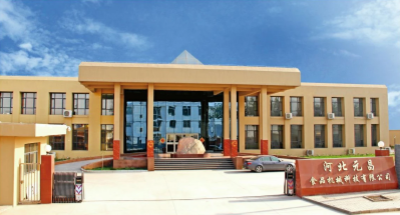
- Extensive Facility: Our operations span approximately 14,000 square meters, providing ample space for R&D, production, and quality control.
- Experienced Workforce: A dedicated team of 80-100 skilled professionals forms the backbone of our manufacturing operations, bringing decades of collective experience.
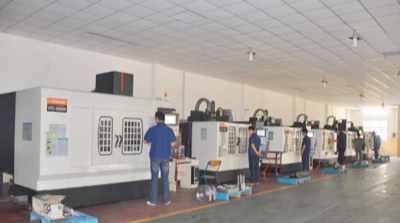
- State-of-the-Art Machining Workshop: We house over 20 sets of advanced processing machinery, including lathes, milling machines, high-precision grinding machines, boring machines, plate shears, bending machines, and wire cutting equipment. This allows us to handle complex fabrication requirements.
- Japanese CNC Machining Centers: Since 2012, our investment in 8 sets of Japanese Mazak CNC machining centers has been a game-changer. This capability enables us to produce high-standard, large-volume, high-precision, and non-standard components with exceptional accuracy. This is particularly vital for critical parts in a rail system where tolerances matter.
- Independent Part Production: Our in-house capabilities mean we can produce high-precision parts independently. This reduces reliance on external suppliers, shortens lead times, and ensures consistent quality.
- Traceable After-Sales Management: This system, coupled with our independent production, allows us to track and provide any required spare parts or support with confidence, ensuring worry-free operation for our clients.
This comprehensive manufacturing infrastructure allows us to offer not only standard rail system components but also fully customized solutions designed to integrate perfectly with your existing processing lines. Our 40-year legacy is built on this foundation of engineering excellence and reliable production.
Commitment to Quality: Our Certifications and Standards
At Hebei Yuanchang Food Mechanism & Technology Co., Ltd., quality and safety are not afterthoughts; they are embedded in our manufacturing philosophy. While specific certifications for every component can vary, we operate in accordance with rigorous industry standards and are committed to ensuring our products meet global expectations.
Our stainless steel components adhere to international food-grade material standards, ensuring they are safe for direct contact with food products and resistant to corrosion and cleaning agents. We are proud to employ manufacturing processes that align with:
- ISO 9001 Principles: Our quality management system is designed to ensure consistency, traceability, and continuous improvement in all our production processes. We aim to meet and exceed customer expectations through robust quality controls.
- Food Safety Standards (HACCP/GMP): While our equipment doesn't produce food, it is critical infrastructure for food production. Our designs and materials are chosen to facilitate compliance with Hazard Analysis and Critical Control Points (HACCP) and Good Manufacturing Practices (GMP) by our clients. Easy cleanability and hygienic material selection are paramount.
- CE Marking Compliance (for applicable components/systems): For systems destined for markets requiring it, we ensure components are designed and manufactured to meet CE marking directives related to machinery safety and performance.
- RoHS Compliance: Where electrical components are integrated, we ensure compliance with Restriction of Hazardous Substances directives.

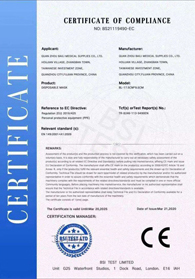
Our commitment extends to providing necessary documentation and supporting our clients in their own compliance efforts. When you choose Yuanchang, you are choosing a partner dedicated to delivering equipment that is not only efficient but also built to the highest standards of quality and safety.
Frequently Asked Questions About Meat Rail Systems
We've compiled answers to common questions regarding our rail systems for hanging meat. If your specific query isn't addressed here, please feel free to reach out directly.
Q1: What is the typical lead time for a custom rail system?
Lead times can vary significantly based on the complexity and size of the system. Generally, for standard configurations, it might range from 4-8 weeks. For highly customized or large-scale projects, it could extend to 12-16 weeks or more. This includes design, fabrication, quality checks, and preparation for shipment. We provide a detailed timeline after the final design is approved.
Q2: How much weight can your rail systems support?
Our systems are engineered to meet specific load requirements. Standard configurations can typically support loads ranging from 100 kg to 500 kg per trolley or suspension point. We design the entire system, including track profiles and support structures, to handle the maximum anticipated load for your application, whether it's a single beef carcass or multiple smaller cuts.
Q3: Is installation included, or do you provide support?
We primarily supply the equipment. However, we provide comprehensive installation manuals and drawings. We can also offer remote technical support during your installation process. For very large or complex projects, we can discuss the possibility of sending an experienced engineer to oversee or assist with installation on-site, subject to additional costs and project scope.
Q4: What maintenance is required for these systems?
Regular maintenance is key to longevity and performance. This typically involves:
- Daily visual inspection for damage or debris.
- Periodic cleaning and sanitization using approved food-grade cleaners and high-pressure washers.
- Lubrication of trolley wheels and moving parts as recommended.
- Checking structural integrity and anchor points.
Q5: Can your rail systems be integrated with existing equipment?
Yes, integration is a core aspect of our design process. We work with your team to understand your existing layout and equipment (e.g., slaughter lines, chilling tunnels, deboning tables, packaging machines) to ensure our rail system interfaces smoothly. This includes considerations for transfer points, switch mechanisms, and overall workflow continuity.
Q6: What kind of after-sales support do you offer?
We offer comprehensive after-sales support. This includes access to spare parts, technical troubleshooting via phone or email, and documentation. Our traceable management system allows us to quickly identify and provide the correct replacement parts, minimizing downtime for your operations. We are committed to ensuring your system performs optimally long after installation.
What Our Clients Say
Real-world feedback from businesses that have integrated our rail systems into their operations.
"We upgraded our hanging system for pork carcasses to Yuanchang's stainless steel rails about a year ago. The difference in efficiency and hygiene is night and day. Cleaning is so much easier, and our team is happier with less manual strain. The customization they provided for our tight space was excellent."
- Mark Jenkins, Operations Manager, Heartland Pork Processors, USA
[ ]
]
"As a medium-sized beef processor, we needed a system that could handle heavy loads reliably. Yuanchang delivered a robust system that has significantly improved our throughput from carcass dressing to chilling. Their engineering support during the design phase was invaluable, ensuring we got exactly what we needed."
- Sarah Chen, Procurement Director, Prime Cuts Beef, Canada
[ ]
]
"We were looking for a supplier for our lamb hanging rails that could offer both quality and competitive pricing for export. Yuanchang's expertise in stainless steel fabrication and their understanding of international logistics made them the ideal partner. The system arrived as specified and has been performing flawlessly."
- Ahmed Khan, General Manager, Halal Meats Co-op, UK
[ ]
]
"Implementing a new rail system was a significant investment. Yuanchang's team walked us through every step, from initial design to final delivery. Their in-house manufacturing capability meant they could adapt the system to our specific sausage smoking and curing lines efficiently. Highly recommended for their technical knowledge and service."
- Carlos Rodriguez, Production Supervisor, Artisan Sausages Ltd., Mexico
[ ]
]
Ready to Enhance Your Meat Processing Efficiency and Hygiene?
Partner with Hebei Yuanchang Food Mechanism & Technology Co., Ltd. for advanced, reliable rail systems designed to optimize your operations.
Phone: +86 15830991513
E-mail: ycmeatmech@gmail.com
Address: Shijiazhuang, Hebei Province, China