Stainless Steel Meat Hook
Stainless Steel Meat Hooks: The Backbone of Efficient Meat Processing
Reliable, Hygienic, and Durable Solutions for Your Butchery and Processing Needs

By: Alex Chen, Senior Export Manager
Hebei Yuanchang Food Mechanism & Technology Co., Ltd.
Table of Contents
- The Indispensable Role of Meat Hooks in Modern Processing
- Why Stainless Steel Reigns Supreme for Meat Hooks
- Understanding the Variety: Types and Designs
- Key Technical Specifications to Consider
- Where Our Hooks Excel: Application Scenarios
- Beyond Steel: A Brief Material Comparison
- Our Manufacturing Advantage: Precision and Scale
- Procurement Insight: What Buyers Need to Know
- Maintaining Your Investment: Cleaning and Care
- Global Logistics: Getting Hooks to Your Doorstep
- Quality Assurance: Our Certifications
- Frequently Asked Questions
- What Our Clients Say
- Ready to Upgrade Your Processing Line?
The Indispensable Role of Meat Hooks in Modern Processing
In the complex world of meat processing, where efficiency, hygiene, and product integrity are paramount, certain tools become the silent workhorses of the operation. Among these, the humble meat hook stands out as an essential component, a critical link in the chain from slaughter to final product. Whether you're managing a large-scale industrial abattoir, a specialized butcher shop, or an export-oriented food manufacturer, the quality and reliability of your meat hooks directly impact your workflow, safety standards, and ultimately, your profitability. We're not just talking about a simple piece of metal; we're discussing a vital piece of equipment that, when chosen correctly, can streamline operations, prevent contamination, and ensure the safe handling of valuable protein products.
The global meat processing equipment market is a testament to this industry's scale and complexity, projected to reach USD 17.39 billion by 2034 from USD 11.29 billion in 2025, according to Fortune Business Insights. This growth is fueled by a rising demand for processed meats, the increasing adoption of automation for enhanced hygiene and labor efficiency, and stringent food safety regulations. Within this vast market, the demand for robust, durable, and food-grade auxiliary items like meat hooks remains consistently high. They are the unsung heroes in pretreatment stages, facilitating the movement and hanging of carcasses and cuts through various processing steps – from chilling and aging to further cutting and packaging.
Consider the sheer volume of product that passes through a typical processing facility daily. Carcasses are hung for bleeding and evisceration, then moved to chilling tunnels, and subsequently transported to deboning or cutting stations. Each transfer point, each suspension, relies on the strength and integrity of the hook. A weak hook can lead to product loss, spoilage, and potential safety hazards. A hook that corrodes or harbors bacteria can compromise the entire food safety chain, leading to costly recalls and severe reputational damage. This is why selecting the right stainless steel meat hook isn't a minor detail; it's a strategic decision that underpins operational success.
At Hebei Yuanchang Food Mechanism & Technology Co., Ltd., we've been at the forefront of meat processing equipment manufacturing since 1986. With over four decades of hands-on experience, we understand the granular details that make a difference on the factory floor. We know that while the sophisticated machinery for filling, molding, or ripening meat products often gets the spotlight, the reliable performance of fundamental tools like meat hooks is just as crucial. They are the foundational elements that enable the smooth, hygienic, and efficient operation of these advanced systems. Our commitment is to provide solutions that are not only functional but also built to last, ensuring your investment in processing equipment is supported by the best possible ancillary components.
The meat processing industry, particularly in segments like sausage manufacturing and processed meat production, relies on a consistent supply chain where every component matters. The global processed meat market, projected to reach USD 1,253.77 billion by 2034 (Fortune Business Insights), demands high standards at every stage. This includes the secure hanging and transport of raw materials. Our stainless steel meat hooks are designed to meet these demands, offering durability, corrosion resistance, and ease of cleaning—critical factors for maintaining food safety certifications and operational continuity.
We see firsthand the challenges faced by procurement managers and operations directors worldwide: balancing cost-effectiveness with uncompromising quality, ensuring supply chain reliability, and navigating international trade complexities. That's why we focus on manufacturing hooks that offer a superior lifecycle value. By investing in high-grade stainless steel and precision engineering, we deliver hooks that reduce replacement frequency, minimize downtime, and contribute to a safer, more efficient processing environment. This isn't about selling a hook; it's about providing a robust solution that supports your entire operation.
The decision of what type of hook to use can even influence the quality of the final product. For instance, hooks used during ripening processes, like those employed with massaging equipment, must maintain hygiene to prevent spoilage or off-flavors. The material's ability to withstand cleaning agents and repeated use without degrading is paramount. This is where the inherent properties of stainless steel truly shine, offering a robust defense against the harsh realities of a processing plant.
Let's delve into why stainless steel is the material of choice and how our hooks are engineered to exceed expectations in even the most demanding industrial environments. We aim to equip you with the knowledge to make an informed decision, ensuring your facility is equipped with the best tools for the job. From the initial hanging of a carcass to its journey through various stages of processing, our stainless steel meat hooks are designed to be a reliable partner in your success.
Why Stainless Steel Reigns Supreme for Meat Hooks
When it comes to equipment that comes into direct contact with food, material selection is not just a matter of durability; it's a critical food safety and operational imperative. Stainless steel has become the undisputed champion for meat hooks in professional settings for several compelling reasons, each directly contributing to better hygiene, longer service life, and overall operational efficiency.
Firstly, corrosion resistance is paramount. Meat processing environments can be demanding. Frequent exposure to moisture, salt, acidic marinades, cleaning agents, and even blood can quickly degrade less robust metals, leading to rust and contamination. Stainless steel, particularly grades like 304 or 316 (which we utilize for demanding applications), forms a passive chromium oxide layer that actively resists corrosion. This ensures the hook maintains its integrity and doesn't leach harmful substances into the meat, a non-negotiable aspect of food safety compliance. It also means less frequent replacement due to rust-related failures.
Secondly, hygienic properties are a major advantage. The smooth, non-porous surface of polished stainless steel makes it incredibly difficult for bacteria, mold, and other microorganisms to adhere. This drastically reduces the risk of cross-contamination between batches of product. Unlike some plastics or coated metals, stainless steel doesn't chip or peel, preventing foreign material from entering the food stream. Regular cleaning and sanitization are highly effective, ensuring hooks are always ready for their next use without harboring lingering contaminants.
Thirdly, durability and strength are crucial for handling heavy loads. Meat carcasses, especially beef or pork, can be exceptionally heavy. Our stainless steel meat hooks are engineered to withstand significant tensile strength without deforming or breaking. This prevents costly accidents, ensures product safety, and maintains workflow continuity. The robustness of stainless steel means these hooks can endure the rigors of daily industrial use, including impacts, thermal shocks, and constant stress.
Fourthly, ease of maintenance contributes significantly to operational efficiency. While incredibly strong, stainless steel hooks are also relatively lightweight and easy to handle for cleaning. Their resistance to staining and etching means they retain their appearance and functionality for years, reducing the need for costly replacements or repairs. This translates to lower total cost of ownership over the lifecycle of the equipment.
Finally, compliance with food safety standards is often a mandatory requirement for export and domestic markets. Stainless steel is the preferred material by regulatory bodies worldwide for food contact applications. Using stainless steel hooks helps facilities meet stringent hygiene regulations (like those from the USDA, FDA, or equivalent international bodies), simplifying audits and ensuring market access. As the meat processing equipment market continues to grow, driven by demand for processed and convenience meats, compliance with these standards becomes even more critical. Our hooks are manufactured with these global requirements firmly in mind.
From a practical standpoint, this material choice means fewer operational headaches. You spend less time worrying about hook integrity, corrosion, or potential contamination and more time focusing on production output and quality control. It’s an investment in reliability that pays dividends through reduced downtime and enhanced food safety.
Understanding the Variety: Types and Designs
Not all meat hooks are created equal, and selecting the right type is crucial for optimizing your specific processing application. The design of a hook dictates its load-bearing capacity, how it interfaces with different types of meat, and how it integrates into your handling systems. We offer a range of styles, each engineered for a particular purpose.
Common Hook Styles:
- S-Hooks: Perhaps the most ubiquitous design, S-hooks are versatile and used for a wide range of applications, from hanging smaller cuts of meat to attaching larger items to overhead trolleys. Their double-ended hook shape allows for easy attachment and detachment. Ideal for general-purpose hanging in butcher shops, smokehouses, and small-scale processing.
- Steak Hooks / Butcher Hooks: These are typically robust, single-pointed hooks, often with a thicker gauge. They are designed to pierce and securely hold larger primal cuts or whole animals. The sharp point ensures a firm grip, preventing slippage during transport or processing. They are often double-ended for attachment to both the meat and a trolley system. Essential for beef, pork, and large game processing.
- C-Hooks / Ham Hooks: Characterized by their curved, C-shaped design, these hooks are often used for hanging cured meats like hams, bacon, or sausages, especially during smoking or aging processes. The open nature of the C allows for easy placement and removal, and the curve provides good support. Frequently seen in curing, smoking, and ripening operations.
- Specialty Hooks: Depending on the specific product or machinery, custom-designed hooks might be necessary. This could include hooks with integrated locking mechanisms for added security, or those shaped to fit specific conveyor systems or ripening drums. We can accommodate such needs through our OEM/ODM capabilities.
Considerations in Design:
When specifying your needs, think about:
- Point Sharpness: For piercing applications, a sharp, durable point is crucial to minimize damage to the meat while ensuring a secure hold. We ensure our points are precisely ground and hardened for longevity.
- Gauge (Thickness): Heavier gauge wire or rod is required for heavier cuts. This directly relates to the hook's tensile strength and load capacity. We can advise on the appropriate gauge for your expected loads.
- Handle/Grip Area: How will your staff interact with the hook? Some designs include a loop for carrying or attaching to tools, enhancing ergonomic handling.
- Overall Length and Curve: These dimensions are critical for ensuring adequate clearance in processing areas, preventing product contact with surfaces, and facilitating movement along overhead rails.
Our extensive experience, coupled with advanced manufacturing capabilities, allows us to produce a wide array of standard designs and to develop custom solutions tailored to your unique operational requirements. Whether it's for a large-scale sausage production line requiring consistent molding and hanging, or for handling whole carcasses, we have a hook design that fits.
Key Technical Specifications to Consider
Making an informed purchase decision requires a clear understanding of the technical details that define a meat hook's performance and suitability. These specifications are not just numbers; they are indicators of the hook's strength, durability, and compliance with industry standards.
| Specification | Description & Importance | Our Commitment |
|---|---|---|
| Material Grade | Typically 304 or 316 Stainless Steel. Affects corrosion resistance, strength, and food-grade compliance. 316 offers superior resistance in highly corrosive environments (e.g., high salinity, certain acids). | We primarily use SS304 for general applications and SS316 for specialized, high-corrosion environments, ensuring NSF/FDA compliance. |
| Wire/Rod Diameter (Gauge) | Measured in millimeters or inches (e.g., 6mm, 8mm, 10mm). Directly dictates the hook's tensile strength and load-bearing capacity. | Available in diameters from 5mm to 12mm, with custom options. Each size is rated for specific maximum loads. |
| Overall Length | From tip to tip. Crucial for clearance in processing areas, transport lines, and hanging height. Standard lengths vary from 6 inches to over 24 inches. | Standard lengths of 15cm, 20cm, 25cm, 30cm, with custom lengths available upon request. |
| Hook Opening / Throat Clearance | The distance from the tip to the main body of the hook. Determines what size product the hook can easily accommodate. | Clearly specified for each model, ranging from 3cm to 10cm+, ensuring compatibility with various meat cuts and carcasses. |
| Surface Finish | Typically polished or electropolished. A smooth finish enhances cleanability, reduces bacterial adhesion, and improves aesthetics. | We offer mirror polish (Ra < 0.4μm) for optimal hygiene and ease of cleaning, meeting stringent food safety requirements. |
| Load Capacity (SWL - Safe Working Load) | The maximum weight a hook can safely support under normal operating conditions. Essential for preventing catastrophic failure and ensuring worker safety. | Clearly marked or specified for each hook type, ranging from 50kg for smaller hooks to over 300kg for heavy-duty models. Based on rigorous testing and material properties. |
meat mincer stainless steel commercial stainless steel meat grinder electric meat grinder stainless steel
Understanding these specifications allows you to match the right hook to the specific demands of your meat processing operations. For example, when selecting equipment for filling & stuffing machines, the auxiliary items like hooks need to be robust enough to handle the weight of prepped meat portions before they are molded or filled. The market reports consistently highlight the importance of reliable pretreatment and auxiliary systems for consistent product quality and food safety compliance.
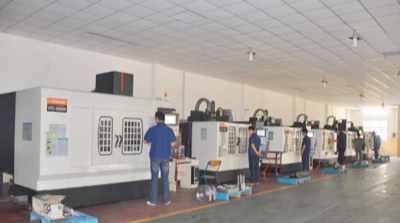
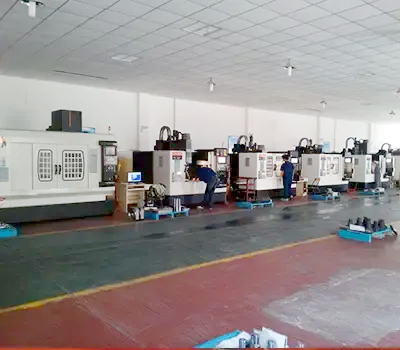
Our manufacturing process is designed to ensure these specifications are met with precision. With over 20 sets of advanced processing machinery, including Japanese Mazak CNC machining centers, we can produce components with high precision and non-standard specifications. This capability is crucial for delivering hooks that consistently meet or exceed the demanding technical requirements of the international food processing industry.
Where Our Hooks Excel: Application Scenarios
The versatility of high-quality stainless steel meat hooks makes them indispensable across numerous segments of the meat processing industry. Their robust construction and hygienic properties ensure they perform reliably, whether you're dealing with raw carcass handling or finished product preparation.
Abattoirs & Slaughterhouses
The initial stages of meat processing demand strength and hygiene. Hooks are used for hanging carcasses after stunning and bleeding, facilitating evisceration, washing, and movement to chilling tunnels. Durability is key here to handle significant weight and continuous use.
Butchering & Cutting Operations
As carcasses are broken down into primal and sub-primal cuts, hooks are essential for suspending meat during deboning, trimming, and portioning. The sharpness and strength of hooks ensure secure handling, minimizing product slippage and operator injury.
Curing, Smoking & Ripening
For products like hams, sausages, and bacon, hooks are used to suspend meat during these extended processes. Stainless steel's resistance to corrosive elements in marinades and smoke, combined with ease of cleaning, is vital for maintaining product quality and preventing microbial growth. This directly supports the effectiveness of massaging equipment used for ripening.
Retail Display & Meat Markets
In butcher shops and high-end retail environments, visually appealing and hygienic meat hooks are used to display cuts of meat. Stainless steel provides a clean, professional look that enhances product presentation while meeting strict food safety standards for direct consumer interaction.
Export & Wholesale Operations
For businesses involved in international trade, consistent quality and compliance are non-negotiable. Our stainless steel hooks meet global standards for food contact materials, ensuring your supply chain is robust and compliant, supporting the export of processed and unprocessed meat products worldwide. This is critical for segments supporting the OEM/ODM sector as well.
The consistent growth in markets like North America for meat processing equipment, estimated at USD 8.36 billion, underscores the ongoing need for reliable components across all these applications. Our hooks are designed to integrate seamlessly into existing workflows and equipment, from basic overhead rail systems to advanced automated processing lines that include filling and molding technologies.
Beyond Steel: A Brief Material Comparison
While stainless steel is the industry standard for good reason, understanding its advantages over other materials can reinforce why it's the optimal choice for your meat processing needs.
| Material | Pros | Cons | Suitability for Meat Hooks |
|---|---|---|---|
| Stainless Steel | Excellent corrosion resistance, high strength, non-porous, hygienic, durable, easy to clean, FDA/USDA compliant. | Higher initial cost compared to carbon steel or basic alloys. | IDEAL. The benchmark for all professional applications due to balance of performance, safety, and longevity. |
| Carbon Steel (e.g., coated) | Lower initial cost, good strength. Some coatings offer moderate corrosion resistance. | Prone to rust if coating is compromised, coatings can chip/peel introducing contamination risk, generally less durable long-term. | NOT RECOMMENDED for most professional applications due to contamination risks and reduced lifespan. May be acceptable for very light-duty, non-critical applications with frequent replacement. |
| Aluminum Alloys | Lightweight, good corrosion resistance in some environments. | Lower tensile strength than steel, can be susceptible to fatigue, potential for pitting corrosion in saline environments. | Generally unsuitable for heavy-duty meat hanging due to strength limitations. |
| Plastics / Polymers | Lightweight, can be impact-resistant, some are food-grade. | Significantly lower load capacity, susceptible to scratching and wear (harboring bacteria), can degrade under UV or extreme temperatures, often not suitable for rigorous industrial cleaning. | LIMITED USE. May be found in very specific, low-load, non-critical applications or as part of a larger assembly where the primary load is borne by metal components. Not typical for primary carcass hanging. |
The operational realities of a meat processing plant demand materials that can withstand constant stress, rigorous cleaning, and strict hygiene protocols. Stainless steel consistently emerges as the superior choice, offering a longevity and safety profile that other materials simply cannot match. While the initial investment might be higher, the total cost of ownership—factoring in reduced replacement, minimized risk of contamination, and compliance—makes stainless steel the most economically sound and operationally sensible decision for virtually all professional meat handling applications.
Our Manufacturing Advantage: Precision and Scale
At Hebei Yuanchang Food Mechanism & Technology Co., Ltd., our 40-year legacy since 1986 is built on a foundation of robust manufacturing capabilities. We don't just assemble equipment; we engineer and produce critical components with precision, ensuring every product, including our stainless steel meat hooks, meets the highest international standards.
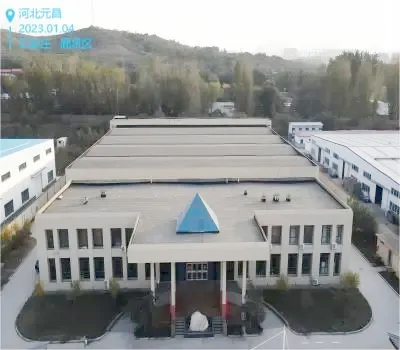
Our facility covers approximately 14,000 square meters, housing a dedicated team of 80-100 skilled professionals. This scale allows us to integrate Research & Development, production, and sales seamlessly, offering a comprehensive approach to food processing solutions. When it comes to meat hooks, our in-house machining workshop is equipped with over 20 sets of advanced processing machinery. This includes:
- Lathes & Milling Machines for shaping
- High-precision Grinding Machines for finishing
- Boring Machines for accurate holes
- Plate Shears & Bending Machines for forming
- Wire Cutting Equipment for intricate shapes
A significant leap in our capability came in 2012 with the integration of 8 sets of Japanese Mazak CNC machining centers. These state-of-the-art machines enable us to produce components requiring exceptional precision, high volumes, and even non-standard specifications. This is crucial for producing meat hooks that offer consistent dimensions, superior finish, and reliable load-bearing capacities, meeting the exact needs of our international clientele. This capability is vital for supporting OEM/ODM orders, where precision and adherence to client-specific designs are paramount.
Our commitment extends beyond manufacturing. We maintain a traceable after-sales management system, allowing us to stand behind the quality of every part we produce. This means you can be confident in the reliability and performance of our stainless steel meat hooks, knowing they are backed by decades of expertise and a forward-looking approach to manufacturing technology.
The global meat processing equipment market is projected to reach USD 15.04 billion by 2030 (Grand View Research), with a clear trend towards automation and precision. Our investment in advanced manufacturing ensures we are well-positioned to meet these evolving demands, providing hooks that are not just standard components but precision-engineered tools that enhance your operational efficiency and product quality.

Precision machining at our facility ensures superior hook quality.
Procurement Insight: What Buyers Need to Know
Sourcing industrial equipment, even seemingly simple items like meat hooks, requires a strategic approach to ensure you receive the best value and reliable performance. As an experienced export manager, I've seen what works and what can lead to issues down the line. Here's how to approach your next procurement:
1. Define Your Requirements Clearly:
Before you even start looking, know exactly what you need. Consider:
- Type of Meat: Beef, pork, poultry, lamb, fish? Each has different weight and texture characteristics.
- Processing Stage: Slaughter, chilling, cutting, smoking, curing? This dictates the required strength, length, and hook shape.
- Load Capacity: What is the maximum weight each hook will need to support? Overestimating slightly is better than underestimating.
- Environment: Is the area humid, saline, or subject to aggressive cleaning agents? This points towards SS316 over SS304.
- Quantity: How many do you need? Bulk orders often yield better per-unit pricing.
2. Evaluate Supplier Capabilities:
Look beyond just the price tag. Consider:
- Manufacturing Experience: How long have they been producing meat processing equipment? (We have 40 years since 1986).
- Technical Expertise: Do they understand material science, precision engineering, and industry standards?
- Certifications: Do they hold relevant quality certifications (ISO, etc.)? Are their materials certified food-grade?
- OEM/ODM Capabilities: Can they customize products if standard options don't fit your exact needs?
- Global Reach: Can they handle international shipping efficiently and reliably?
3. Understand Material Quality and Construction:
Don't be afraid to ask for details:
- Confirm the stainless steel grade (304 vs. 316).
- Inquire about the polishing standard (e.g., Ra value) for hygiene.
- Ask about welding quality – weak welds are a common failure point.
- Verify load ratings and testing procedures.
4. Inquire About Lead Times and Logistics:
Production and shipping times can vary significantly. Understand:
- Typical production lead time for your order quantity.
- Available shipping methods and estimated transit times to your location.
- Customs clearance procedures and documentation support.
At Hebei Yuanchang, we aim to make this process transparent and straightforward. Our goal is to be more than just a supplier; we want to be a trusted partner in your operational success. We provide detailed specifications, clear pricing, and reliable logistics support. For instance, when discussing the meat processing equipment market, which is projected to grow substantially, ensuring a stable supply of quality ancillary items like hooks is crucial for end-users looking to expand or upgrade their facilities.
Procurement Tip: Always ask for samples if possible for critical components. This allows for hands-on evaluation before committing to a large order.
Maintaining Your Investment: Cleaning and Care
The longevity and hygienic performance of your stainless steel meat hooks depend directly on proper care. While inherently durable, regular maintenance is essential to prevent premature wear and ensure they meet food safety standards.
Daily Cleaning Protocol:
- Rinse Thoroughly: After each use, rinse hooks with hot water to remove loose debris and organic matter.
- Wash with Detergent: Use a food-grade, non-abrasive detergent and a soft brush or cloth. Ensure all surfaces, including any welds or bends, are cleaned.
- Sanitize: Apply a food-grade sanitizer according to the manufacturer's instructions. Common sanitizers include chlorine-based solutions or quaternary ammonium compounds. Ensure adequate contact time for effectiveness.
- Rinse and Dry: Rinse thoroughly with clean water after sanitizing and allow hooks to air dry completely. Proper drying helps prevent water spots and reduces the risk of bacterial growth.
Periodic Deep Cleaning and Inspection:
- Deeper Scrubbing: Occasionally, a more thorough scrub might be needed, especially if minor staining or build-up occurs.
- Inspect for Damage: Regularly check hooks for any signs of bending, cracking, or excessive wear. Damaged hooks should be removed from service immediately to prevent accidents and contamination.
- Welds: Pay close attention to welded areas, as they can be potential sites for fatigue or corrosion if not properly fabricated.
What to Avoid:
- Abrasive Cleaners/Pads: Steel wool or harsh abrasive cleaners can scratch the stainless steel surface, creating sites for bacteria to lodge and potentially initiating corrosion.
- Chlorides in Excess: While some chlorine-based sanitizers are acceptable, prolonged exposure to high concentrations of chlorides (found in some industrial cleaners or sea salt environments) can attack stainless steel, especially lower grades.
- Leaving Hooks Wet for Extended Periods: Always ensure hooks are dried thoroughly after cleaning.
Proper maintenance not only extends the life of your stainless steel meat hooks but also ensures the safety and quality of your products. It's a small effort that pays significant dividends in operational reliability and compliance. The reliability of these auxiliary items directly supports the overall efficiency of meat processing lines, a sector that is seeing continuous technological advancement and market expansion.
Global Logistics: Getting Hooks to Your Doorstep
As a manufacturer with extensive export experience, we understand that reliable logistics are just as critical as product quality. Getting your stainless steel meat hooks from our facility in China to your operational site anywhere in the world requires careful planning and execution. We work with trusted partners to ensure timely and cost-effective delivery.
Shipping Options:
- Full Container Load (FCL): For large orders, shipping via FCL is the most economical and efficient method. We optimize container loading to maximize space utilization, reducing per-unit shipping costs.
- Less Than Container Load (LCL): For smaller quantities, LCL shipping allows you to share container space with other shipments, providing a cost-effective solution without needing a full container order.
- Air Freight: For urgent orders or smaller, high-value shipments, air freight offers the fastest transit times, though at a higher cost.
- Express Courier Services: For sample requests or very small, critical orders, services like DHL, FedEx, or UPS provide door-to-door delivery with tracking.
Documentation and Compliance:
International shipping involves necessary paperwork. We handle all required export documentation, including commercial invoices, packing lists, certificates of origin, and any other specific documents you might need for customs clearance in your country. Our team is experienced in navigating international trade regulations, ensuring a smooth process.
Lead Times:
Typical production lead times for standard hook orders are 15-30 days, depending on quantity. Shipping times vary by destination and method, ranging from 3-5 days for air freight to 20-45 days for sea freight. We provide estimated delivery timelines at the time of quotation.
Working with us means partnering with a supplier that understands the global supply chain. We are committed to ensuring your essential processing equipment, like stainless steel meat hooks, reaches you reliably, allowing you to maintain uninterrupted operations. This focus on reliable supply is critical in markets like the food processing equipment market, which is experiencing dynamic growth and increased demand for synchronized operational components.
Quality Assurance: Our Certifications
Trust is built on verifiable quality. At Hebei Yuanchang Food Mechanism & Technology Co., Ltd., our commitment to excellence is underscored by our adherence to international standards and our robust quality management systems. While specific certifications can vary based on the product line and market requirements, our core manufacturing principles are aligned with global best practices.
Our facility operates under stringent quality control protocols. The use of advanced Japanese Mazak CNC machinery ensures precision that meets or exceeds industry benchmarks. Furthermore, our materials are sourced responsibly and verified for compliance with food-grade standards. For stainless steel meat hooks, this means utilizing materials like SS304 and SS316 that are recognized for their safety in food contact applications.
Relevant Standards & Compliance:
- ISO 9001 Principles: While not always explicitly displayed for every component, our manufacturing processes are managed with a focus on quality, efficiency, and continuous improvement, mirroring the core tenets of ISO 9001.
- Food Contact Material Regulations: Our hooks are manufactured to comply with regulations set forth by bodies like the FDA (U.S. Food and Drug Administration) and the EU's regulatory frameworks for food contact materials. This ensures our products are safe for use in meat processing environments.
- Material Traceability: We maintain traceability for our raw materials, allowing us to verify the grade and origin of the stainless steel used in your hooks.

Our dedication to quality ensures that when you procure stainless steel meat hooks from us, you are receiving products that are not only functional but also safe, reliable, and compliant with international standards. This focus is critical as the global demand for processed meats and the corresponding processing equipment continues to rise, necessitating higher standards across the entire supply chain.
Frequently Asked Questions
Q1: What is the difference between SS304 and SS316 stainless steel for meat hooks?
SS304 is a general-purpose stainless steel with excellent corrosion resistance suitable for most meat processing applications. SS316 contains molybdenum, which significantly enhances its resistance to pitting and corrosion in more aggressive environments, such as those involving high salinity or certain chemical agents. For standard operations, SS304 is usually sufficient; for marine environments or extremely corrosive processing, SS316 is recommended.
Q2: Can I get custom-sized or custom-shaped meat hooks?
Yes, absolutely. With our advanced CNC machining capabilities and extensive manufacturing experience, we regularly produce custom meat hooks tailored to specific client requirements, including non-standard lengths, diameters, or unique shapes. Please contact us with your specifications.
Q3: What is the typical lifespan of your stainless steel meat hooks?
With proper cleaning and maintenance, our high-quality stainless steel meat hooks can last for many years, even in demanding industrial environments. Factors like frequency of use, the specific products being processed, and adherence to cleaning protocols will influence their actual lifespan. We design them for durability and longevity.
Q4: How do I calculate the load capacity I need?
You should consider the heaviest cut of meat you anticipate hanging. For example, a whole beef carcass can weigh significantly more than a pork shoulder. It's advisable to choose hooks with a safe working load (SWL) that is at least 1.5 to 2 times the maximum expected weight to ensure a safety margin and account for dynamic loading during movement.
Q5: Do you offer bulk discounts?
Yes, we offer competitive pricing for bulk orders. Please contact our sales team with your required quantity and specifications for a tailored quotation. The scale of our operations allows us to provide cost efficiencies for larger orders.
Q6: How are the hooks packaged for international shipping?
Hooks are typically packaged in sturdy cardboard boxes or wooden crates, often with internal protective materials to prevent scratching or damage during transit. For large orders, we optimize container loading to ensure stability and efficient use of space. We ensure robust packaging to protect your investment.
What Our Clients Say
"We switched to Yuanchang's heavy-duty butcher hooks for our beef processing line. The difference in durability and the consistency of the load rating is remarkable. Our old hooks used to bend out of shape, causing production delays. These are solid."

Mark Jensen
Operations Manager, Midwest Meats, USA
"As a wholesale exporter, quality control is everything. Yuanchang's stainless steel S-hooks for our pork loin processing are consistently excellent. They clean well, resist rust even with brine solutions, and meet all export standards we require. Their export team is also very responsive."

Sarah Kim
Procurement Director, Global Protein Exports, Canada
"We needed specific C-shaped hooks for our artisanal ham production and smoking process. Yuanchang's team helped us specify the exact dimensions and material grade. The custom order arrived on time and the quality exceeded our expectations. Highly recommend their OEM services."

David Rodriguez
Owner, Old World Cured Meats, Mexico
"The hooks are fantastic. We process a lot of poultry, and the smaller, sharp-point hooks are perfect for hanging birds efficiently through the de-feathering and chilling process. Cleaning is easy, and we haven't had any issues with corrosion despite the humid environment."

Emily Carter
Production Supervisor, Aviary Foods, Australia
Ready to Enhance Your Meat Processing Efficiency?
Invest in the quality, reliability, and hygiene that our stainless steel meat hooks provide. Streamline your operations and ensure the integrity of your products.
Hebei Yuanchang Food Mechanism & Technology Co., Ltd.
Address: Shijiazhuang, Hebei Province, China | Phone: +86 15830991513 | Email: ycmeatmech@gmail.com | Website: www.ycmeatmech.com