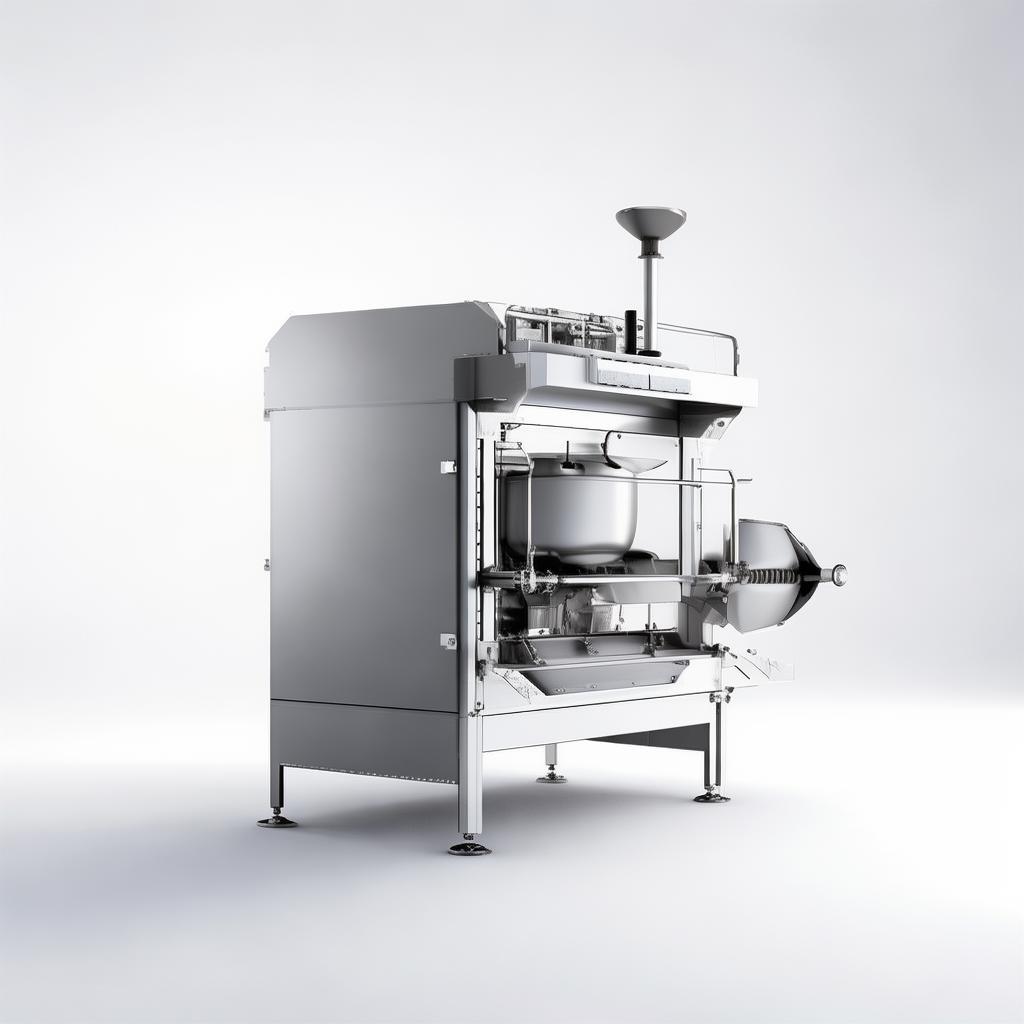
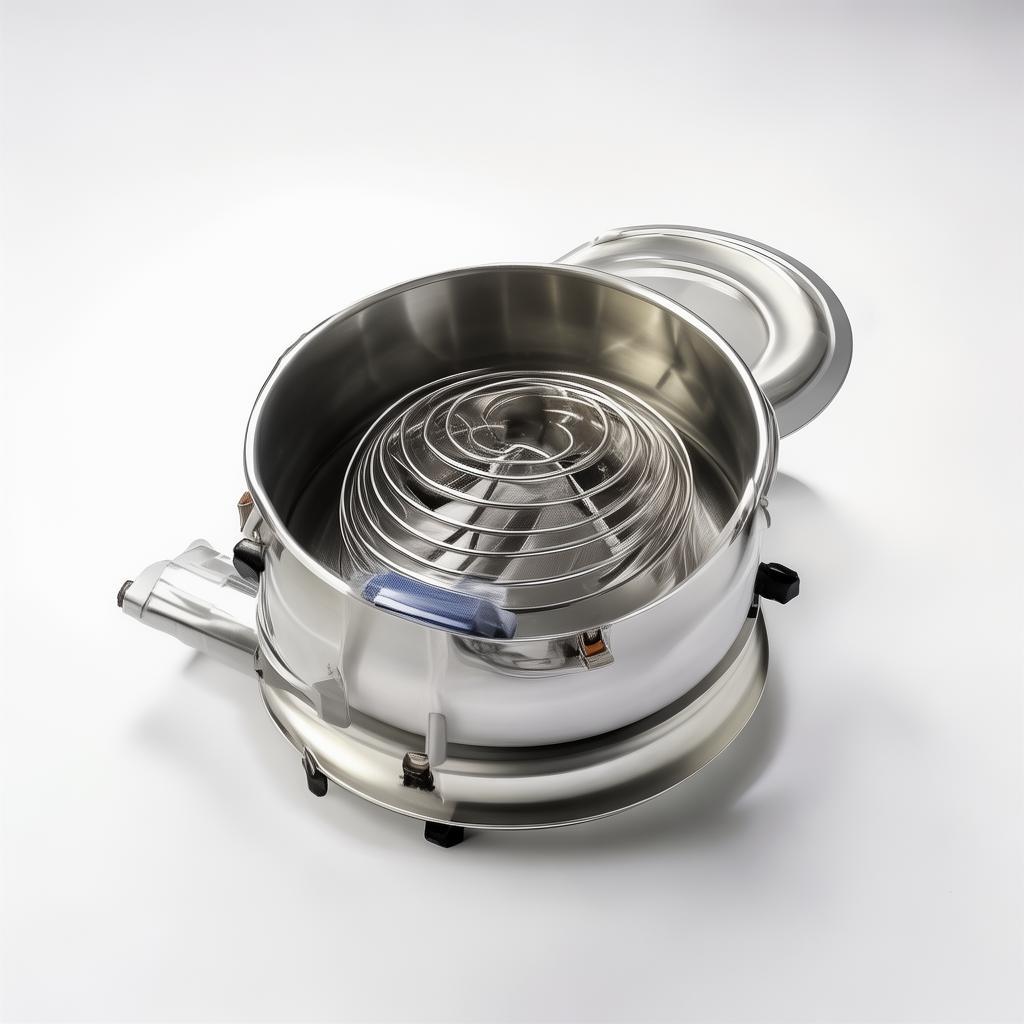
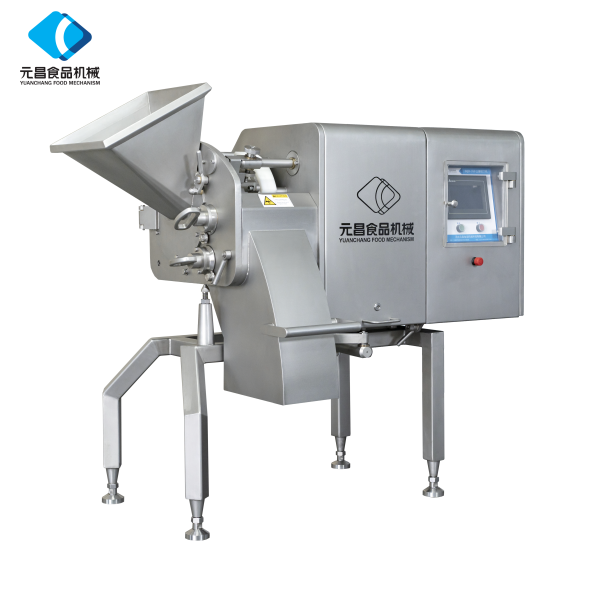
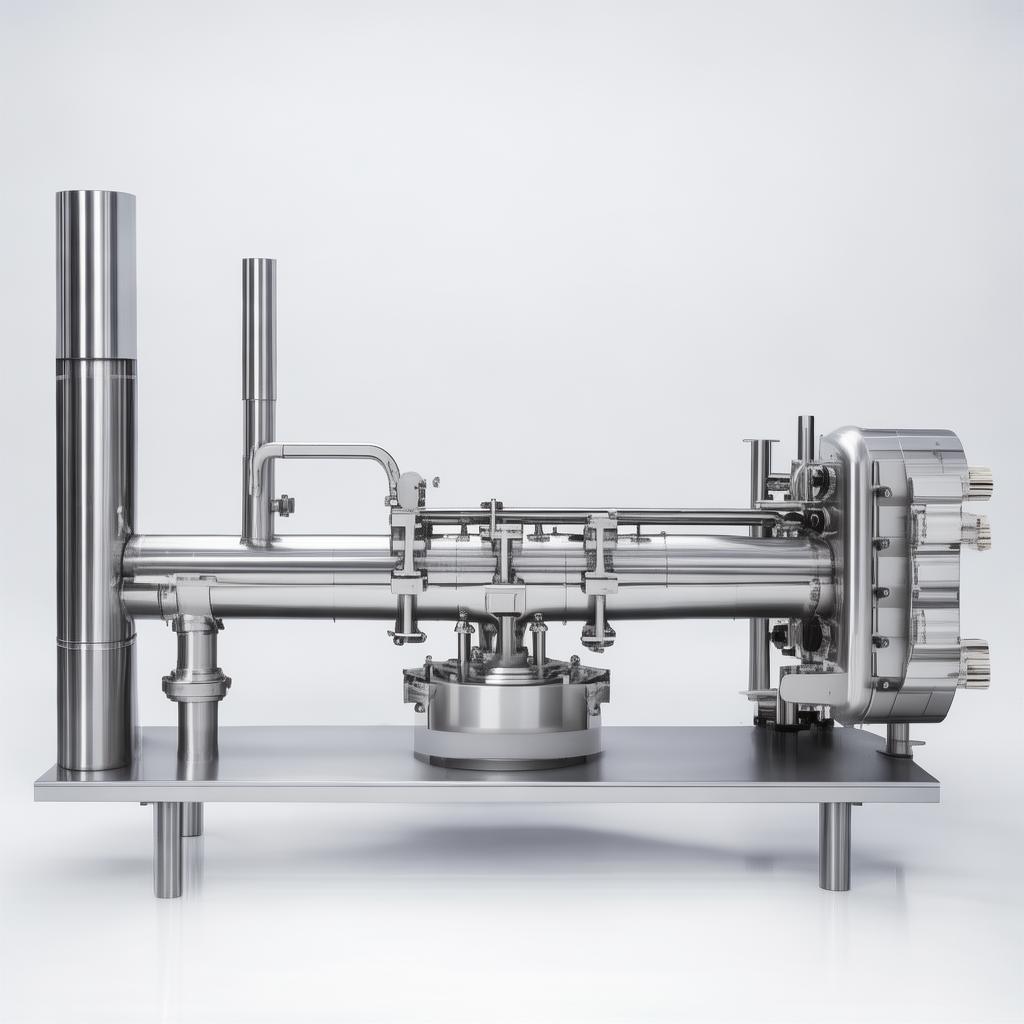
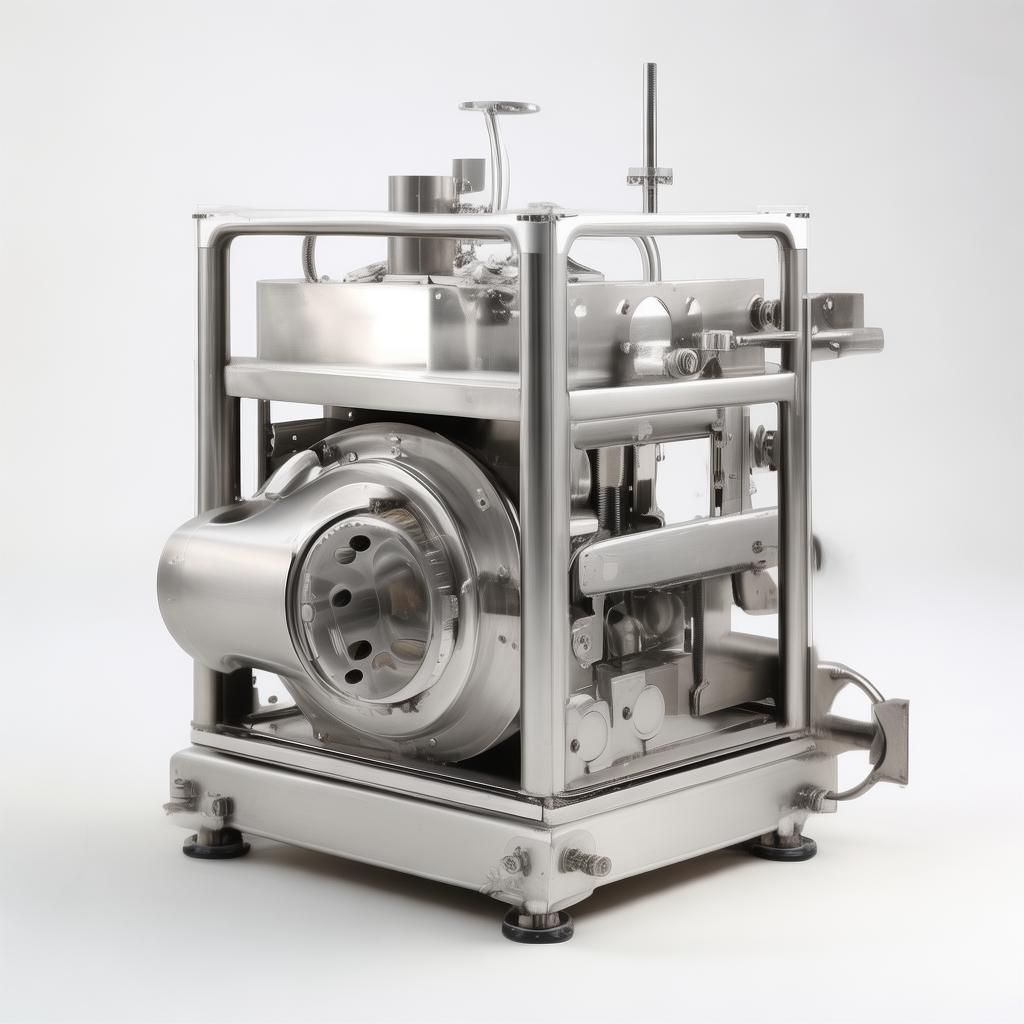
Meat Shredding Equipment
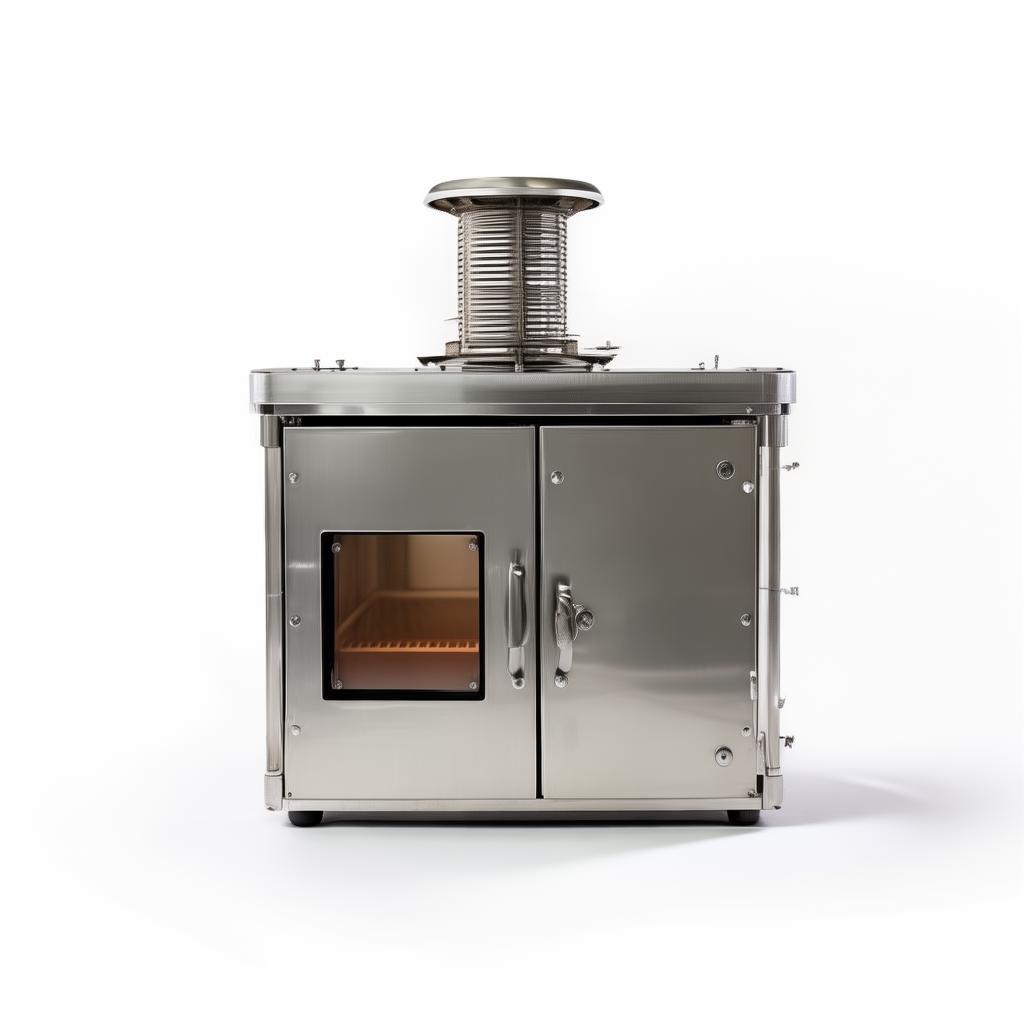
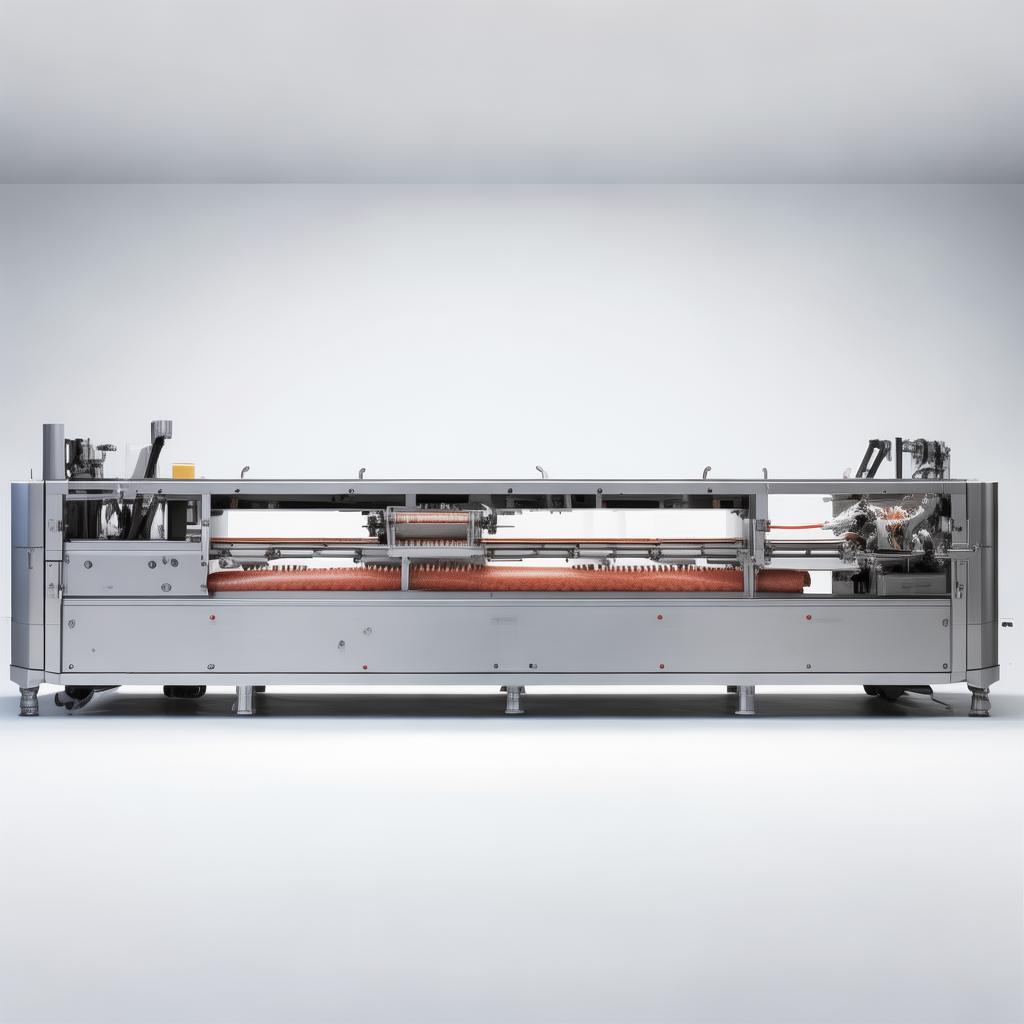
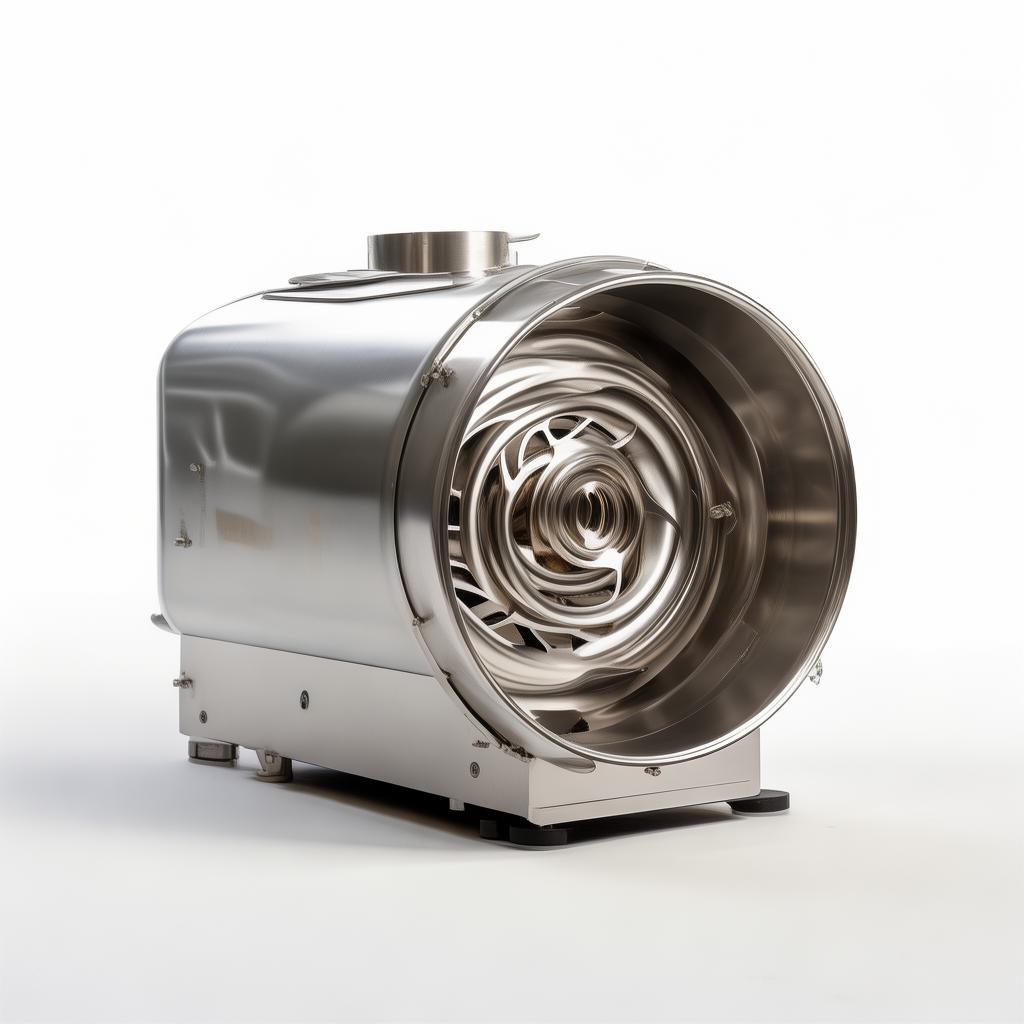
Precision Meat Shredding Equipment: Elevate Your Production & Efficiency
Unlock consistent quality, higher throughput, and operational excellence with Hebei Yuanchang's advanced shredding solutions.

Authored by:
Hebei Yuanchang Engineering Team
Industry Experts in Food Processing Machinery
The Unseen Core of Meat Processing: Why Precision Shredding Matters
In the complex world of meat processing, efficiency, consistency, and food safety are paramount. Every step, from initial preparation to final packaging, plays a crucial role in the quality and marketability of the end product. While high-volume slicers, tumblers, and filling machines often grab the spotlight, the humble meat shredding equipment forms an indispensable part of many production lines. Whether you're creating pulled pork for gourmet sandwiches, formulating pet food ingredients, or preparing shredded chicken for convenience meals, the quality of your shredding process directly impacts texture, moisture retention, and overall consumer appeal. Many overlook its significance until a bottleneck appears or product consistency falters. Frankly, it's often the unsung hero that keeps operations running smoothly and products tasting right.
The global meat processing equipment market is substantial, projected to reach approximately USD 17.39 billion by 2034, with segments like cutting and grinding machines being fundamental. This highlights the sheer scale and ongoing investment in optimizing every facet of meat transformation. For producers aiming for high-volume output and consistent product attributes, investing in robust, reliable meat shredding machinery isn't just an option; it's a strategic imperative. The right equipment ensures that raw meat, whether it's beef, pork, poultry, or even fish, is broken down into uniform strands or particles, ideal for further processing steps like mixing, seasoning, cooking, or packaging. Without this foundational step executed flawlessly, subsequent operations can suffer, leading to uneven cooking, poor texture, and dissatisfied customers.
Consider the demands of modern food service and retail. Consumers expect their pre-packaged shredded meats to be tender, juicy, and easy to prepare. The texture needs to be just right – not too mushy, not too tough. This level of expectation places a significant burden on processors. A poorly performing shredder can result in stringy, dry meat that tears unevenly, or a paste-like consistency that compromises the intended product. This is where industrial-grade meat shredding equipment, designed for consistent performance under demanding conditions, becomes critical. It’s not just about breaking down meat; it’s about transforming it into a predictable, high-quality ingredient.
Furthermore, the rise of processed meats, a market segment projected to exceed USD 1.3 trillion by 2035, underscores the importance of efficient preprocessing steps. Products like sausages, cured meats, and ready-to-eat meals often rely on precisely shredded or ground meat as their base. Filling and molding machines, which are integral to creating these products, require a consistent feed of prepared meat. If your shredding equipment delivers uneven particle sizes or contains bone fragments, it can jam these downstream machines, leading to costly downtime and product waste. This is a practical operational reality that many procurement managers face when specifying entire production lines.
From a supplier’s perspective, understanding these operational nuances is key. At Hebei Yuanchang, our 40 years of experience since 1986 have taught us that equipment isn't just about steel and motors; it's about enabling our clients to meet stringent market demands. We understand that a meat shredding machine isn’t just a standalone unit; it’s part of a larger ecosystem. Its performance directly influences the efficiency of cooking processes, the effectiveness of marinades or rubs, and the final consumer experience. Our machinery is engineered to deliver on these fronts, providing the precision required for today's competitive food processing landscape.
We've seen firsthand how companies can gain a significant edge by upgrading their core processing machinery. It’s not uncommon for clients to report improvements in overall line speed and a reduction in rework or rejected batches after integrating our robust shredding solutions. This focus on detail ensures that from pretreatment to the final product, quality is maintained. This is the foundation upon which trust and repeat business are built in the international B2B trade of industrial equipment.
Key Operational Challenges in Meat Shredding
Achieving optimal results with meat shredding equipment isn't always straightforward. Processors commonly encounter several recurring issues that can impact throughput, product quality, and operational costs. Identifying these challenges is the first step toward finding the right solution.
- Inconsistent Particle Size: This is perhaps the most frequent complaint. When shredders produce a mix of fine particles and large chunks, it leads to uneven cooking, inconsistent texture, and a less appealing final product. It can also cause issues with downstream equipment that requires a uniform feed.
- Meat Degradation and Heat Generation: Excessive friction or prolonged processing times can degrade meat fibers, leading to a tougher texture. Additionally, friction generates heat, which can initiate cooking and affect the meat's natural color and moisture, especially critical for raw or chilled products.
- Bone and Cartilage Contamination: Improperly designed or maintained shredders can inadvertently pulverize bone fragments or cartilage into the meat. These small, hard particles are a significant food safety risk and can damage processing equipment downstream, like grinders or emulsifiers. Procurement teams often highlight this as a non-negotiable safety requirement.
- Low Throughput and Bottlenecks: Machines that are slow, prone to jamming, or difficult to clean can create significant bottlenecks in a high-speed production line. This reduces overall output and increases labor costs.
- Cleaning and Sanitation Difficulties: Meat processing environments demand rigorous hygiene. Equipment that is complex to disassemble, clean, and sanitize effectively can lead to microbial contamination risks and increased downtime for maintenance. Compliance with standards like HACCP or ISO 22000 is impossible without easy-to-clean machinery.
- Wear and Tear on Components: Constant processing of tough meat fibers can lead to rapid wear on blades, screens, or other internal components. Frequent replacements add to operational expenses and can cause unplanned downtime.
Addressing these issues requires equipment engineered with precision, durability, and ease of maintenance in mind. It's about understanding the materials being processed and designing a machine that works *with* them, not against them.
Hebei Yuanchang Meat Shredding Equipment: Engineered for Excellence
At Hebei Yuanchang, we’ve dedicated decades to refining meat processing machinery. Our meat shredding equipment isn't just built; it's meticulously designed and manufactured to tackle the challenges outlined above head-on. We combine robust construction with intelligent engineering to deliver unparalleled performance and reliability for international B2B clients.
Core Advantages & Features:
- Precise Strand Control: Our shredders utilize optimized cutting geometries and interchangeable screen or blade configurations. This allows processors to achieve highly consistent shred sizes, from fine particles for pâtés to thicker strands for pulled meats. This level of control is crucial for product differentiation.
- Minimized Heat Generation: We employ advanced blade designs and efficient motor systems that reduce friction. This minimizes heat buildup, preserving the meat's natural color, moisture, and texture – vital for chilled and raw products. This technical aspect is often overlooked by less specialized manufacturers.
- Robust Construction for Durability: Built with high-grade stainless steel (e.g., SUS304), our machines are designed to withstand the rigors of continuous industrial operation. This ensures a long service life and minimizes the risk of component failure. We understand that downtime is lost revenue.
- Integrated Bone & Hard Part Mitigation: Our shredding mechanisms are designed to minimize the pulverization of bone and cartilage. For applications where complete bone removal is impossible, we offer options with specialized screens that allow smaller fragments to pass through while retaining larger particles, reducing contamination risk.
- High Throughput Capacity: Engineered for efficiency, our shredders are built to handle large volumes of meat, ensuring your production lines maintain optimal speed without becoming a bottleneck. We can tailor capacity based on your specific output requirements.
- Streamlined Cleaning and Sanitation: Designed with hygiene as a priority, our equipment features easily accessible components and smooth surfaces. Disassembly for cleaning is straightforward, facilitating rapid turnaround times and ensuring compliance with stringent food safety regulations. Think about the time saved on daily cleaning.
- Versatility: Suitable for a wide range of meats including beef, pork, poultry, and lamb, our shredders can handle both fresh and frozen (tempered) products, offering flexibility for diverse product lines.
- OEM/ODM Capabilities: For clients with unique processing needs or integration requirements, we offer extensive OEM/ODM services. Leverage our 40 years of manufacturing expertise to develop custom solutions.
Our commitment extends beyond the initial sale. With an in-house machining workshop featuring over 20 sets of processing machinery and Japanese Mazak CNC machining centers, we can independently produce high-precision, non-standard components. This capability ensures swift and reliable after-sales support, a critical factor for international buyers.
Technical Specifications Overview
Understanding the technical details is crucial for procurement managers and engineers. Below is a representative overview of our meat shredding equipment specifications. Please note that exact configurations can be customized to meet specific project needs.
| Feature | Specification | Notes |
|---|---|---|
| Model | YC-SDR-500 | Standard Industrial Shredder |
| Capacity | Up to 500 kg/hour | Varies with meat type and desired shred size |
| Motor Power | 5.5 kW (7.5 HP) | Adjustable based on model/capacity |
| Power Supply | 380V/50Hz/3 Phase (Customizable) | Standard industrial voltage; specify needs |
| Material Construction | SUS304 Stainless Steel | Food-grade, corrosion-resistant |
| Shredding Mechanism | Interchangeable Blades/Screens | Various sizes available (e.g., 5mm, 10mm, 20mm) |
| Dimensions (L x W x H) | Approx. 1500 x 800 x 1400 mm | Subject to specific configuration |
| Net Weight | Approx. 300 kg | Solid, stable build |
| Safety Features | Emergency Stop, Safety Guards | CE certification available on request |
Meat shredding machine meat shredder machine industrial meat shredder
For a detailed breakdown of a specific model or to discuss custom specifications, please Request Detailed Product Specifications.
Applications Across Industries
Our meat shredding equipment is versatile and plays a vital role in numerous food processing applications:
- Pulled Meats Production: Ideal for creating tender, fibrous pulled pork, chicken, or beef for sandwiches, tacos, and BBQ. Consistent shred size ensures even absorption of sauces and marinades.
- Pet Food Manufacturing: Essential for breaking down meat ingredients into uniform particles for wet pet food formulations, ensuring proper texture and homogeneity. This is a critical step for brands focused on quality ingredients.
- Processed Meat Products: Used to prepare meat for filling into sausages, burgers, or formed meat products, ensuring a consistent texture that integrates well with binders and other ingredients.
- Convenience Foods: Prepares shredded meats for ready-to-eat meals, frozen dinners, and ready-to-heat products where ease of preparation and consistent texture are key consumer benefits.
- Salads and Toppings: Produces finely shredded chicken or turkey for use in deli salads, chicken salad, or as pizza toppings.
The demand for convenience and processed food products continues to grow globally, projected to reach over USD 1.33 trillion by 2035. This trend directly fuels the need for efficient and reliable preprocessing equipment like our shredders.
Installation and Operational Insights
Proper installation and operation are key to maximizing the lifespan and performance of your meat shredding equipment. While straightforward, these steps require attention to detail.
Installation Considerations:
- Power Requirements: Ensure your facility has the correct voltage and phase for the machine. Incorrect power can lead to motor damage or suboptimal performance.
- Stable Footing: The machine should be placed on a level, stable surface to prevent vibration and ensure safe operation. Anchor bolts are often recommended for heavier industrial units.
- Clearance: Allow adequate space around the machine for operation, cleaning, and maintenance. Access to the infeed and outfeed areas is critical.
- Ventilation: While not a major heat producer, ensuring good air circulation around the motor is always beneficial.
Operational Best Practices:
- Meat Temperature: For best results, process meat that is chilled but not frozen solid. Tempering frozen meat to around -2°C to 0°C (28°F to 32°F) helps maintain structural integrity for shredding and reduces strain on the equipment.
- Infeed Consistency: Feed meat evenly into the machine. Avoid overloading, which can cause jams and excessive wear.
- Screen/Blade Selection: Use the appropriate screen or blade set for your desired product texture. Swapping these is usually a simple process, but consult your manual.
- Regular Cleaning: Implement a strict cleaning schedule after each use to prevent bacterial growth and maintain hygiene. Thoroughly rinse and dry all components.
We provide comprehensive manuals with each machine, and our technical support team is available to guide you through the installation and initial setup process.
Maintenance and Longevity
To ensure your investment in our meat shredding equipment delivers value for years to come, a proactive maintenance strategy is essential. Routine checks and timely servicing can prevent costly breakdowns and maintain optimal performance.
Key Maintenance Points:
- Blade/Screen Inspection: Regularly check blades and screens for wear, nicks, or damage. Dull or damaged blades can increase motor load and produce inconsistent results. Replacement parts are readily available from our factory.
- Lubrication: Follow the manufacturer's schedule for lubricating bearings and drive components. Use only food-grade lubricants where applicable.
- Motor and Electrical Checks: Periodically inspect the motor and electrical connections for any signs of wear or damage.
- Structural Integrity: Examine the machine frame and housing for any signs of corrosion or damage. Address any issues promptly.
We offer a traceable after-sales management system, supported by our in-house precision manufacturing capabilities. This means we can supply high-precision replacement parts independently, ensuring you receive the right components quickly and without hassle.
Logistics and International Shipping
As a seasoned exporter, Hebei Yuanchang understands the complexities of international logistics. We ensure your equipment reaches you safely and efficiently, no matter your location.
Our standard packaging utilizes durable, export-grade materials designed to protect the machinery during transit. We have extensive experience coordinating shipments via sea freight (FCL/LCL) and air freight. Our team will work with you to determine the most cost-effective and timely shipping solution, managing all necessary documentation for customs clearance. We can also provide specific container loading optimization advice to maximize your shipment's value.
Typical lead times for standard models are between 30-60 days, depending on production schedules and customization. For specific project timelines and detailed shipping quotes, please Contact Us.
Procurement Guidance: Choosing the Right Shredder Partner
Selecting the right supplier for industrial equipment is a critical business decision. For meat shredding machinery, consider these factors when evaluating potential partners:
Key Procurement Criteria:
- Manufacturing Experience & Reputation: Look for suppliers with a proven track record, like our 40 years of experience since 1986. Decades in the industry indicate stability, adaptability, and deep product knowledge.
- Technical Expertise & Customization: Can they offer solutions tailored to your specific meat types, production volumes, and facility constraints? Our OEM/ODM capabilities are a testament to our engineering depth.
- Quality of Materials & Construction: High-grade stainless steel (SUS304 is standard), robust welding, and precision machining are non-negotiable for longevity and hygiene.
- After-Sales Support & Spare Parts: Reliable access to spare parts and responsive technical support are vital for minimizing downtime. Our in-house component manufacturing ensures this.
- Certifications & Compliance: Does the equipment meet international standards (e.g., CE, FDA)? This is critical for market access and regulatory compliance.
- Pricing & ROI: While cost is a factor, prioritize long-term value. Consider efficiency gains, reduced maintenance, and product quality improvements. Requesting factory pricing directly often provides the best value.
Hebei Yuanchang is committed to being more than just a supplier; we aim to be a trusted partner in your production success. Our direct-to-factory approach eliminates unnecessary markups, offering you competitive pricing for high-quality machinery.
We provide comprehensive documentation, transparent communication, and reliable after-sales service to ensure a secure and confident procurement experience.
Certifications and Quality Assurance
Quality and safety are cornerstones of our manufacturing philosophy. Hebei Yuanchang adheres to stringent international standards to ensure our equipment meets global requirements.

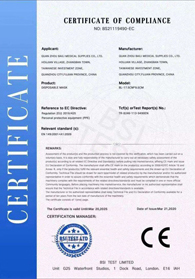


Our commitment to excellence is reflected in certifications such as ISO standards and CE compliance, ensuring our equipment is safe, reliable, and ready for the global market. We can provide specific certification details upon request.
What Our Clients Say
Real feedback from professionals using our equipment:

Maria Garcia
Operations Manager, TexMex Foods
"The YC-SDR-500 has transformed our pulled chicken line. The consistency of the shred is remarkable, and it handles our production volume with ease. Cleaning is also surprisingly quick, which is a huge plus in our busy facility."

David Chen
Procurement Director, Premium Pet Nutrition
"We needed a shredder that could handle varied meat cuts for our premium pet food line. Hebei Yuanchang delivered. The precision of the shredding ensures our formulations are consistent, and the durability of the machine has exceeded expectations."

Samuel Jones
Plant Manager, Global Meats Inc.
"Reliability is key for us. Downtime costs a fortune. Hebei Yuanchang's shredder runs continuously with minimal fuss. Their support team has been responsive, and the quality of construction is evident. Highly recommended for serious industrial operations."
Frequently Asked Questions
Q: Can your shredders handle frozen meat?
Our shredders are designed to work best with tempered meat (around -2°C to 0°C). Processing fully frozen meat can put excessive strain on the blades and motor, potentially leading to damage or reduced performance. We recommend tempering your meat for optimal results and equipment longevity.
Q: What is the typical lead time for an order?
For standard models, lead times generally range from 30 to 60 days from order confirmation and payment. Customizations or large volume orders may require additional time. We will provide a precise estimate upon order placement.
Q: What warranty do you offer?
We offer a standard 12-month warranty on our equipment, covering manufacturing defects. This warranty is backed by our robust after-sales service and availability of high-precision replacement parts produced in-house.
Q: How do I get pricing and a quote?
The best way to get accurate pricing is to Request a Formal Quotation directly from our sales team. Please specify the model you are interested in, any required customizations, and your delivery location.
Still Have Questions? Talk to an Engineer.
Our technical team is ready to discuss your specific needs, application challenges, and how our meat shredding equipment can optimize your operations.
Contact Us Today
Hebei Yuanchang Food Mechanism & Technology Co., Ltd.
Phone: +86 15830991513
Email: ycmeatmech@gmail.com
Address: Shijiazhuang, Hebei Province, China
© 2026 Hebei Yuanchang Food Mechanism & Technology Co., Ltd. All rights reserved.