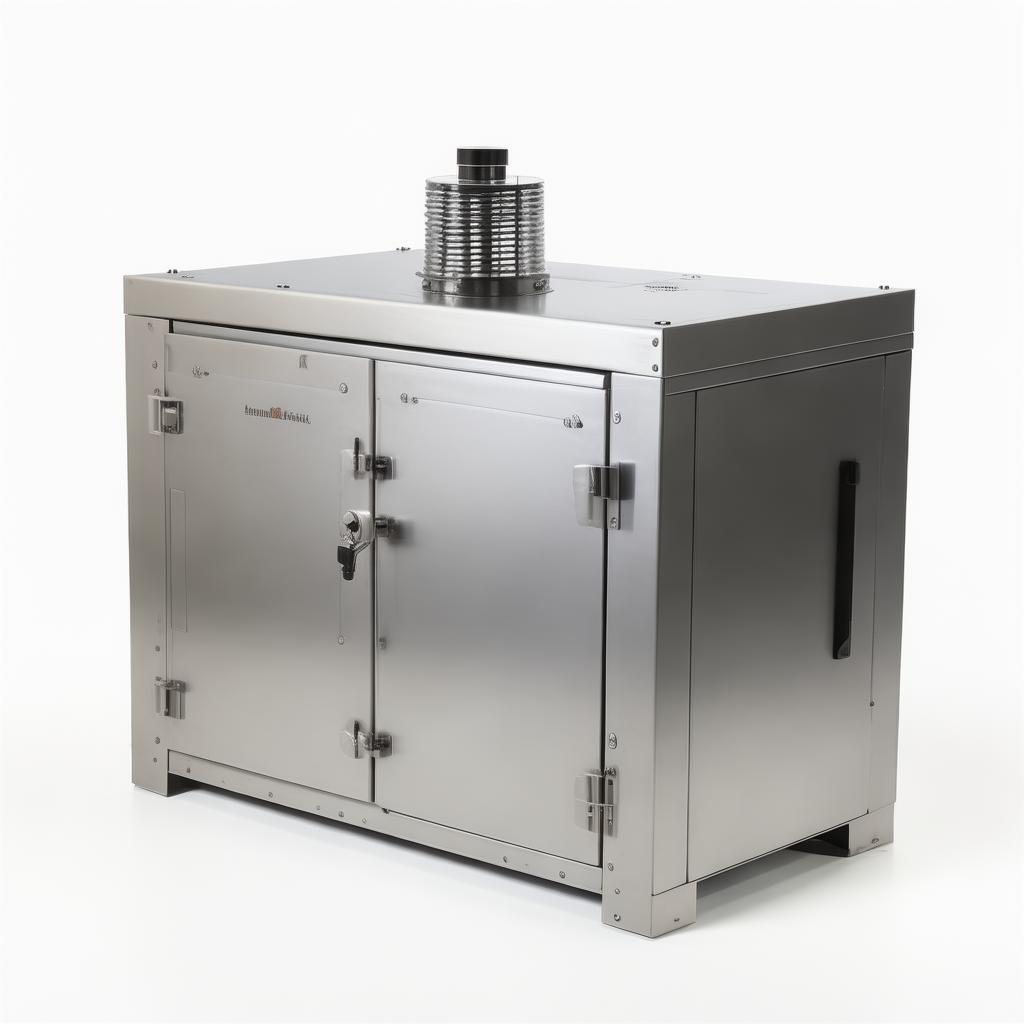
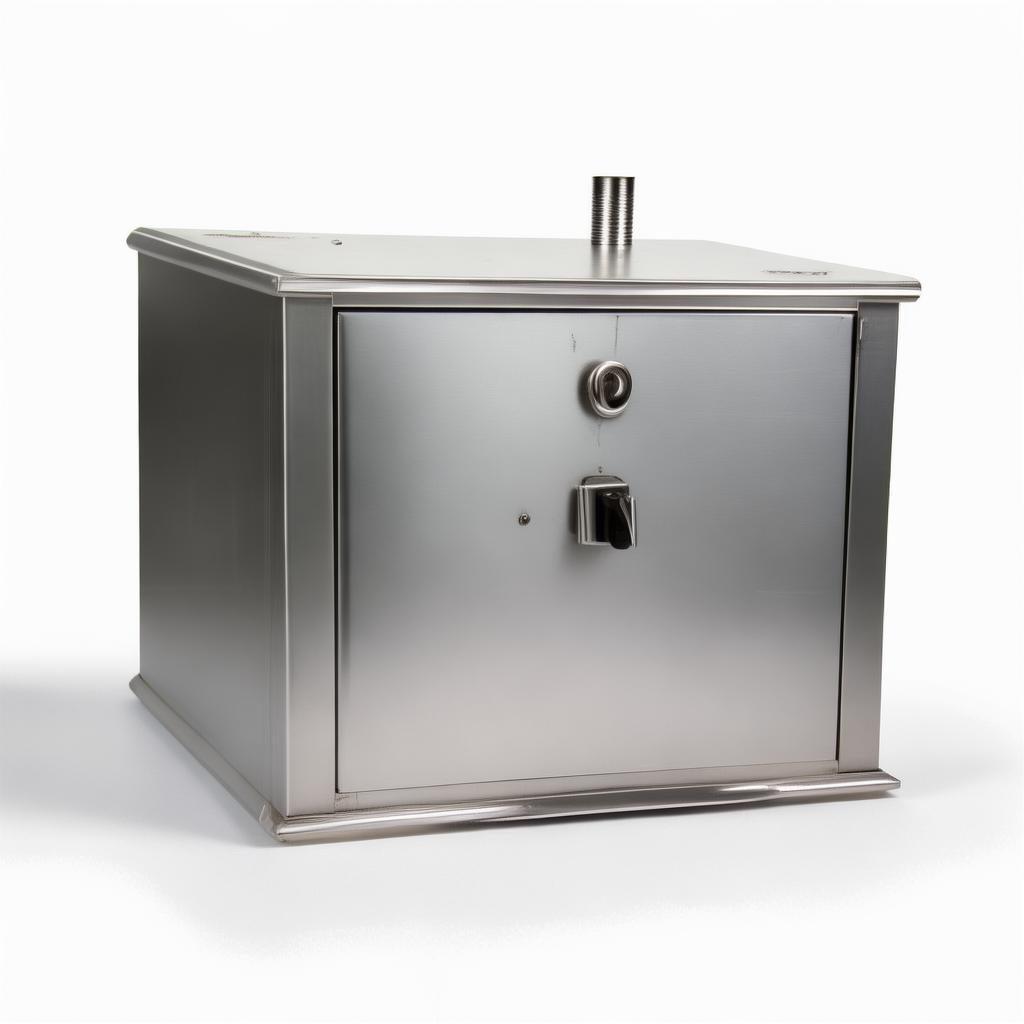
Poly Top Meat Cutting Tables
Poly Top Meat Cutting Tables: Precision, Hygiene, and Durability for the Modern Food Processor
Engineered for Efficiency and Food Safety | Hebei Yuanchang Food Mechanism & Technology Co., Ltd.
 By Li Wei, Export Director at Hebei Yuanchang
Navigating the Demands of Modern Meat Processing
In the fast-paced world of meat processing, where hygiene, efficiency, and product integrity are paramount, the right equipment makes all the difference. From small butcher shops to large-scale industrial operations, selecting the correct cutting surfaces is a foundational decision that impacts everything from sanitation protocols to labor productivity and ultimately, profitability. Poly top meat cutting tables, often referred to by various names like polyethylene cutting boards or food-grade plastic work surfaces, have emerged as a critical component for businesses that prioritize both operational excellence and rigorous food safety standards. These tables aren't just a surface to chop on; they are an integral part of a hygienic workflow, designed to withstand the demanding conditions of meat cutting, deboning, portioning, and preparation.
The global meat processing equipment market is substantial and growing. Reports indicate a market valuation upwards of USD 11 billion in 2024, with projections reaching over USD 17 billion by 2034, driven by increasing demand for processed meats, automation, and stringent food safety regulations. Within this landscape, effective cutting solutions are indispensable. Traditional materials like wood or porous composites can harbor bacteria and are difficult to sanitize thoroughly, posing significant food safety risks. Metal surfaces, while durable, can dull knives rapidly and may present hygiene challenges if not properly maintained or if they develop corrosion. This is precisely where the advantages of poly top cutting tables come into play, offering a modern, science-backed solution for a critical operational need.
At Hebei Yuanchang Food Mechanism & Technology Co., Ltd., we've been observing and supplying the meat processing industry for four decades. Our expertise, honed since 1986, extends across complete production lines, and we understand the nuances of every piece of equipment. We’ve seen firsthand how facilities can elevate their standards and throughput simply by investing in the right foundational elements, such as robust and sanitary cutting tables. Polyethylene (PE) cutting surfaces, in particular, have become a go-to choice for good reason. Their non-porous nature inherently resists microbial growth, significantly reducing the risk of cross-contamination – a constant concern in any food handling environment. Furthermore, their resilience against knife scoring, combined with their relatively low impact on blade sharpness, translates to more efficient operations and reduced tool wear. This isn't just about aesthetics; it's about practical, everyday performance that directly influences the bottom line.
The decision to implement poly top cutting tables often stems from a need to comply with stricter health codes, improve operational hygiene, or reduce the maintenance burden associated with less suitable materials. For export-oriented businesses, meeting international standards is non-negotiable. Many global markets demand surfaces that are demonstrably easy to clean and sanitize, and that don't contribute to foodborne illnesses. Polyethylene, especially when formulated for food-grade applications, ticks these boxes effectively. It’s also a material that can be manufactured to meet specific hardness levels, offering a balance between durability and knife-friendliness. This might seem like a small detail, but for a butcher or a processing line worker who spends hours a day cutting, the difference in blade wear and fatigue can be substantial over time. We often advise our clients that investing in a high-quality poly top table is an investment in their staff’s productivity and their equipment's longevity.
Moreover, the operational flexibility offered by poly top tables is a significant advantage. They are available in a wide range of sizes and configurations, making them adaptable to various spatial constraints and workflow designs. Whether you need a compact, freestanding unit for a small prep area or a large, integrated station for a high-volume production line, there's a poly top solution. Some designs incorporate features like integrated drainage, spill containment edges, or specialized anti-slip surfaces, further enhancing their utility and safety. The ease of installation and mobility of many models also means that facilities can reconfigure their layout as operational needs evolve, a crucial aspect for businesses aiming for agility. We've found that incorporating these tables can streamline workflows, reduce cleanup time between shifts, and ultimately contribute to a safer, more efficient working environment. The material's resistance to moisture and common food acids also means less degradation over time compared to some organic materials, offering a longer service life and better return on investment. This sustained performance is key for businesses that depend on reliable, durable equipment day in and day out.
Key Advantages: Why Poly Tops Dominate Food Prep Surfaces
- Unrivaled Hygiene: Food-grade polyethylene is inherently non-porous, preventing absorption of liquids, fats, and bacteria. This significantly reduces the risk of cross-contamination and makes thorough sanitization straightforward. Unlike wood, it won't splinter or harbor microscopic food particles.
- Durability & Resilience: High-density polyethylene (HDPE) and other food-grade variants are engineered to withstand heavy use. They resist deep knife scoring that can compromise other surfaces, and they won't easily chip or crack under impact. This ensures a longer operational lifespan.
- Knife-Friendly Surface: While durable, poly tops are formulated to be kinder to cutting edges than materials like glass or hard plastics. This means knives stay sharper for longer, reducing the need for frequent sharpening and improving cutting efficiency. It’s a balance many processors seek.
- Ease of Maintenance: Simple cleaning with standard food-safe detergents and hot water is usually sufficient. They are resistant to common food acids and cleaning agents, simplifying daily sanitation routines. This cuts down on labor and cleaning product costs.
- Chemical and Stain Resistance: Polyethylene is naturally resistant to many common food processing chemicals, solvents, and stains, maintaining its appearance and integrity even in demanding environments.
- Customization and Versatility: Available in various thicknesses, sizes, and colors (useful for HACCP color-coding systems), poly tops can be manufactured to precise specifications, including custom legs, shelves, or specific edge profiles.
Material Deep Dive: Understanding Polyethylene Grades
Not all poly tops are created equal. The type of polyethylene used is critical for performance and compliance. We primarily work with high-density polyethylene (HDPE) and ultra-high-molecular-weight polyethylene (UHMW-PE) due to their exceptional properties for food contact applications.
High-Density Polyethylene (HDPE)
HDPE is a widely used, cost-effective option. It offers good impact resistance, excellent chemical resistance, and is inherently food-safe. For applications involving lighter-duty cutting, deboning, or general preparation where extreme abrasion isn't a primary concern, HDPE provides a reliable and hygienic surface.
Key Characteristics:
- Good rigidity and strength.
- Excellent resistance to acids, bases, and many solvents.
- FDA and NSF compliant grades are readily available.
- Often used for general-purpose cutting boards and food prep surfaces.
Ultra-High-Molecular-Weight Polyethylene (UHMW-PE)
UHMW-PE is the premium choice for demanding environments. It possesses superior abrasion resistance, impact strength, and a lower coefficient of friction compared to HDPE. This makes it ideal for high-volume cutting operations where knives are constantly in use, and durability is absolutely critical. Its exceptional wear resistance means fewer surface replacements over the equipment's lifecycle.
Key Characteristics:
- Outstanding abrasion resistance, significantly higher than HDPE.
- Extremely high impact strength, even at low temperatures.
- Excellent chemical resistance.
- Low moisture absorption; virtually non-porous.
- Ideal for heavy-duty cutting, butchering, and industrial food processing.
When specifying poly tops, consider the primary use. For typical butchery and portioning, a thick HDPE sheet might suffice. For aggressive chopping, deboning with cleavers, or very high throughput operations, investing in UHMW-PE is often a more economical choice in the long run due to its superior longevity and reduced maintenance. We can guide you on the specific grade and thickness best suited for your application.
Technical Specifications & Customization Options
Our poly top meat cutting tables are designed with practical operation and factory standards in mind. We offer a range of standard sizes, but the real advantage is our OEM/ODM capability, allowing us to tailor solutions to your exact needs.
| Feature | Specification | Notes & Options |
|---|---|---|
| Tabletop Material | Food-Grade Polyethylene (HDPE/UHMW-PE) | Available in various thicknesses (e.g., 1", 1.5", 2") |
| Tabletop Dimensions | Standard sizes (e.g., 24"x36", 30"x48", 36"x72") | Custom sizes available to fit your space and workflow. |
| Frame Material | Stainless Steel (SS304/SS201) | Durable, hygienic, and corrosion-resistant. Galvanized steel for budget options. |
| Legs & Support | Sturdy construction, adjustable feet | Optional heavy-duty casters for mobility; adjustable height options. |
| Edge Profiles | Square, radius, or bullnose edges | Custom profiles available to manage liquid flow. |
| Drainage Options | Optional integrated drain troughs | Connects to plumbing or includes collection buckets for easy cleaning. |
| Color Options | White, natural, blue, red, green, yellow | Facilitates HACCP-compliant color-coding systems for different food types or zones. |
| Certifications | FDA, NSF, RoHS compliant materials | Ensures compliance with international food safety standards. |
meat processing cutting tables meat cutting table for sale meat processing table
Our in-house machining workshop, equipped with advanced CNC centers and over 20 sets of processing machinery, allows us to produce high-precision components and custom fabrications. This means we can deliver poly top cutting tables that aren't just standard products but are precisely engineered for your unique operational workflow and spatial requirements. If you have specific needs for drainage, integrated accessories, or unique dimensions, we can accommodate them. Let's discuss how we can build the perfect table for your facility.
Application Scenarios: Where Poly Tops Shine
Poly top meat cutting tables are versatile tools found across a spectrum of food processing environments. Their robust nature and hygiene benefits make them indispensable in:
- Butcher Shops & Delis: For daily cutting of fresh meats, portioning, grinding preparation, and deli slicing stations. Their ease of cleaning is vital for small businesses where surfaces are frequently used.
- Meat Processing Plants: Essential for primary breakdown, deboning, trimming, portion control, and packaging lines. Larger, custom-built tables with drainage are common here for high-volume throughput.
- Industrial Food Production: Used in facilities producing pre-cut meats, marinades, or components for ready-to-eat meals. They integrate seamlessly into automated lines.
- Commercial Kitchens & Catering: For prep areas where raw meat is handled extensively, ensuring sanitary conditions before cooking. Color-coded tops can segregate raw meat from other food types.
- Poultry and Seafood Processing: While often requiring specialized surfaces, durable poly tops are also excellent for many cutting and deboning tasks in these sectors.
- Pet Food Manufacturing: Ideal for chopping, dicing, and preparing raw ingredients for pet food production, meeting strict hygiene demands.
The ability to configure these tables – from standard freestanding units to custom-integrated stations with specific leg types or drain systems – means they can be adapted to virtually any workflow, enhancing both safety and operational efficiency.
Installation, Maintenance, and Longevity Insights
Getting the most out of your poly top meat cutting tables involves understanding their installation and care. While robust, proper handling ensures maximum lifespan and sustained performance.
Installation Considerations:
- Ensure the floor is level for stability, especially for larger tables.
- If a drain is included, confirm proper connection to a suitable disposal system.
- Allow adequate space around the table for movement and cleaning.
- For mobile units, ensure casters are locked during operation.
Routine Maintenance for Optimal Hygiene:
- Daily Cleaning: Wash with hot water and a food-grade detergent. Rinse thoroughly.
- Sanitization: After cleaning, apply a food-safe sanitizer according to product instructions. Allow to air dry or wipe with clean cloths.
- Deep Cleaning: Periodically, or if staining occurs, a mild abrasive pad (non-scratching) can be used gently on stubborn marks. Avoid steel wool.
- Inspection: Regularly check for any significant gouges or damage that might require attention or replacement. Minor scoring is normal; deep cuts are not.
With proper care, these tables can provide years of reliable service. UHMW-PE, in particular, tends to self-heal minor scoring over time due to its unique molecular structure, maintaining a smooth, hygienic surface longer than many alternatives. We recommend adhering to standard operating procedures for food handling and equipment maintenance to ensure continued food safety compliance.
Procurement Guidance: What to Look For
When sourcing poly top meat cutting tables for your operation, whether domestically or for export, consider these critical factors to ensure you're making a sound investment:
- Material Compliance: Verify that the polyethylene is certified food-grade (e.g., FDA, NSF). This is non-negotiable for food safety and regulatory compliance.
- Thickness and Density: Thicker tables (1.5" or 2") offer greater durability and resistance to warping, especially for heavy use. Higher density generally means better performance.
- Frame Construction: Stainless steel is preferred for its hygiene and longevity, especially in wet environments. Ensure welds are clean and robust.
- Customization Capabilities: If standard sizes don't fit your space or workflow, confirm the supplier's ability to customize dimensions, drainage, and other features. This is where a dedicated manufacturer like us excels.
- Supplier Reputation & Experience: Look for suppliers with a proven track record in food processing equipment, especially those with export experience. Four decades of operation, like ours at Hebei Yuanchang, signifies deep industry knowledge.
- Lead Times & Logistics: Understand production lead times and shipping options, particularly for international orders. Efficient logistics are key to timely project completion.
Many buyers underestimate the importance of the frame. A flimsy frame will quickly undermine the stability and usability of even the best poly top. We ensure our stainless steel frames are engineered for rigidity and longevity, supporting the demanding daily use typical in meat processing.
Our Factory Advantage: OEM/ODM Expertise
As a manufacturer with 40 years of experience, Hebei Yuanchang Food Mechanism & Technology Co., Ltd. is more than just a supplier; we are your production partner. Our integrated approach, from R&D to sales, is built on a foundation of deep technical expertise and a commitment to quality.
Our 14,000 square meter facility is equipped with over 20 sets of advanced machining equipment, including high-precision grinding machines and wire cutting equipment. Since 2012, the addition of 8 Japanese Mazak CNC machining centers has elevated our capabilities significantly. This allows us to independently produce high-precision parts, including non-standard components and large-volume orders, to stringent specifications. This in-house manufacturing prowess translates directly to:
- Uncompromising Quality Control: We oversee every stage of production, ensuring consistency and adherence to standards.
- Faster Lead Times: Reduced reliance on external suppliers streamlines production and delivery schedules.
- Cost-Effectiveness: Direct manufacturing often leads to more competitive pricing for our clients.
- True OEM/ODM Solutions: Whether you need a slight modification to an existing design or a completely bespoke solution, our engineering team can bring your vision to life. We excel at custom fabrications tailored to specific market needs or proprietary processes.
We understand the complexities of international trade, from documentation to logistics, and are equipped to manage seamless global distribution. Our traceability system ensures that every part can be accounted for, providing peace of mind for after-sales service.
Client Testimonials: Real-World Impact
"We were struggling with sanitation in our main butchery section. The old wooden tables were impossible to keep truly clean. Switching to Hebei Yuanchang's thicker poly top tables was a game-changer. Cleaning is so much faster, and our inspector has been much happier. The custom size fit our space perfectly."

Owner, Jenkins Fine Meats (USA)
"The UHMW-PE tables from Yuanchang have held up incredibly well under constant use. Our knives stay sharp longer, and the surfaces show minimal wear even after a year of heavy deboning. The custom drain feature was essential for our high-moisture processing line. Excellent export service too."

Operations Manager, Global Meats Inc. (Canada)
"We needed a cost-effective, yet compliant solution for our new poultry processing line. Hebei Yuanchang offered competitive pricing for their food-grade HDPE tables, and the quality exceeded our expectations. The color-coding option helped us implement our HACCP plan more effectively."

Procurement Specialist, Asia Poultry Processors (Singapore)
Frequently Asked Questions (FAQs)
A: Yes. Polyethylene is non-porous, meaning it doesn't absorb liquids, fats, or bacteria like wood does. This significantly reduces the risk of cross-contamination and makes sanitization much more effective and reliable.
A: Typically, cleaning involves hot water and a food-grade detergent, followed by a thorough rinse. After drying, apply a food-safe sanitizer as per its instructions. Avoid harsh abrasives or steel wool, which can damage the surface.
A: No, good quality poly tops, especially UHMW-PE, are designed to be relatively knife-friendly. They offer enough hardness for durability but are less abrasive to knife edges compared to materials like glass or very hard plastics, helping to maintain blade sharpness longer.
A: UHMW-PE offers superior abrasion resistance and impact strength compared to HDPE, making it ideal for high-volume, heavy-duty cutting. HDPE is a more economical choice for lighter applications but may show wear faster under extreme conditions.
A: Absolutely. At Hebei Yuanchang, we specialize in OEM/ODM manufacturing. We can produce tables to your exact size requirements and incorporate features like integrated drainage systems, custom edge profiles, or specific leg configurations.
Ready to Optimize Your Cutting Operations?
Get unparalleled hygiene, durability, and efficiency with our premium poly top meat cutting tables. Whether you need standard solutions or a fully customized setup, our 40 years of expertise are at your service.