Meat Processing Cutting Tables
Precision Cutting Solutions: Mastering Meat Processing with High-Performance Cutting Tables
Hebei Yuanchang Food Mechanism & Technology Co., Ltd. - Your Global Partner in Advanced Meat Processing Equipment
 By Zhang Wei, Export Director & Industrial Consultant
[ ]
By Zhang Wei, Export Director & Industrial Consultant
[ ]
Introduction: The Unsung Hero of the Meat Processing Line
In the demanding world of meat processing, precision, hygiene, and efficiency aren't just goals – they're prerequisites for success. Every stage, from initial butchery to final product preparation, demands robust, reliable equipment. Among these critical pieces, the humble meat processing cutting table stands out as an indispensable workhorse. It’s the stable, sanitary platform where raw materials are transformed, precisely cut, and prepped for further processing, packaging, or sale.
When you're managing a high-volume operation, whether it's for premium steaks, sausage formulations, or ready-to-eat deli meats, the cutting table is your primary interface with the product. Its design, material, and build quality directly impact not only the speed and accuracy of cuts but also the integrity of food safety protocols and the longevity of your investment. We understand this intimately. With over 40 years of experience since 1986, Hebei Yuanchang Food Mechanism & Technology Co., Ltd. has seen firsthand how the right equipment can streamline operations, and conversely, how suboptimal choices can lead to costly downtime and compromised quality.
The global meat processing equipment market is a dynamic sector, projected to reach significant valuations. Reports consistently highlight growth driven by increasing demand for processed and convenience meats, coupled with stringent food safety regulations and the ongoing adoption of automation for efficiency. For instance, Mordor Intelligence notes the market was expected to grow from USD 9.62 billion in 2025 to USD 12.60 billion by 2031 at a CAGR of 4.94%. This growth underscores the vital role of specialized machinery. Within this landscape, cutting tables are fundamental. They are essential for tasks ranging from breaking down carcasses to precise portioning, and their effectiveness is paramount to the overall output quality and cost-effectiveness of a meat processing facility.
Consider the operational realities: meat cuts often require repeated, forceful contact with knives, saws, and other tools. This means the cutting surface must withstand significant wear and tear without degrading. More critically, in an environment where microbial contamination is a constant concern, the table's surfaces must be non-porous, easily cleanable, and resistant to common cleaning agents and sanitizers. A poorly designed table can harbor bacteria in crevices, compromise hygiene, and lead to expensive product recalls – a nightmare for any food producer. This is why opting for industrial-grade, food-safe materials and construction is not a luxury, but a necessity.
Our expertise extends beyond mere manufacturing. We engage with clients globally, understanding their specific challenges, from setting up new lines in North America to optimizing existing facilities in Southeast Asia. We know that a "one-size-fits-all" approach rarely works in this industry. Whether you're dealing with high-moisture environments, specific temperature requirements, or the need to integrate cutting stations seamlessly into automated filling or molding lines, the cutting table plays a pivotal role. For instance, the Fortune Business Insights report points to growth driven by automation and hygiene, areas where the cutting table’s design is foundational.
The complexity of meat processing means that cutting tables aren't just flat surfaces. They often incorporate features like integrated drainage systems to manage fluids, specialized edge designs to prevent liquid pooling, and adjustable legs for perfect leveling on uneven factory floors. Understanding these nuances is what separates a durable, compliant piece of equipment from one that will cause headaches down the line. We’ve dedicated our 40 years to mastering these details, ensuring that each table we produce is built to endure the rigorous demands of modern meat processing, aligning with the market trends emphasizing automation and strict food safety standards observed by sources like Grand View Research.
This page delves deep into why high-quality meat processing cutting tables are essential, what to look for in their construction, and how Hebei Yuanchang provides solutions that meet the highest international standards. We’ll cover everything from material science to logistical considerations, drawing on our extensive experience to offer practical insights for procurement managers, production engineers, and anyone involved in selecting and implementing this vital piece of machinery. Our commitment is to provide not just equipment, but integrated solutions that enhance your operation's safety, efficiency, and profitability.
Operational Challenges in Meat Cutting Operations
Running a meat processing plant, especially the cutting and portioning stages, presents a unique set of operational hurdles. It's not just about sharp knives; it's about managing a complex workflow under stringent conditions.
- Hygiene & Food Safety Compliance: This is paramount. Surfaces must be non-porous, easily sanitized, and resistant to bacterial growth. Any compromise here can lead to costly recalls and damage brand reputation. The constant presence of moisture, fat, and organic material makes sanitation a daily battle.
- Durability & Wear Resistance: Cutting, scraping, and the use of cleaning chemicals take a toll. Equipment needs to withstand constant, aggressive use without showing premature wear, splintering, or developing micro-cracks where contaminants can hide.
- Ergonomics & Worker Safety: Operators spend hours at these stations. Tables must be at appropriate heights, with stable surfaces to prevent slips and cuts. Poor ergonomics can lead to repetitive strain injuries.
- Efficiency & Throughput: Production lines are only as fast as their slowest point. Cutting tables need to facilitate quick, precise cuts and easy removal of product, minimizing downtime between tasks.
- Material Contamination: The wrong table material can flake, shed, or react with meat products, introducing unwanted substances into the food chain. This is a major concern for QA and regulatory compliance.
- Drainage & Waste Management: Processing generates fluids and waste. Tables that don't manage this effectively can create slippery, unsanitary conditions and slow down the overall process.
These aren't minor inconveniences; they are core operational concerns that directly affect profitability and compliance. The global processed meat market's projected growth to USD 1,330.45 billion by 2035, as per Precedence Research, signifies a sustained demand for efficiency and quality, making reliable cutting solutions more critical than ever.
The Criticality of a Well-Designed Cutting Table
A high-quality meat processing cutting table is far more than just a workbench. It’s a cornerstone of a safe, efficient, and compliant food production environment. Its design and material selection directly address the challenges outlined above.
First and foremost, it's the primary food contact surface for a significant part of the processing workflow. Its ability to maintain a sanitary state is non-negotiable. Materials like food-grade stainless steel or specialized, dense plastics are engineered for this exact purpose – resisting staining, harboring no bacteria, and standing up to rigorous cleaning protocols. We utilize materials that ensure compliance with FDA and EU food safety standards.
Secondly, the structural integrity of the table is vital for operational flow. A robust frame, often heavy-gauge stainless steel, ensures stability. This stability is crucial for precise cutting actions, preventing the table from shifting or wobbling, which could lead to inaccurate portions or worker injury. The design must also anticipate the weight of processed meat and the tools used, providing a steadfast platform under demanding conditions.
Furthermore, integrated features can dramatically enhance efficiency. Effective drainage channels, angled surfaces, and strategically placed waste chutes help manage fluids and by-products, keeping the work area clean and reducing the need for frequent manual clean-ups. This proactive approach to waste management contributes significantly to overall line speed and hygiene maintenance, as highlighted in trends for automation and hygiene improvements by various market reports, including GM Insights.
From a procurement standpoint, investing in a well-engineered cutting table is a strategic decision. It’s an investment in reduced maintenance costs, lower risk of product contamination, improved worker productivity, and compliance with evolving global food safety regulations. Given that the meat processing equipment market is projected to grow substantially, selecting equipment that offers longevity and reliability is key. For example, Fortune Business Insights indicates a significant market expansion, emphasizing the need for quality components.
Our 40 years of manufacturing experience have taught us that these tables are not mere accessories but fundamental components of a successful meat processing operation. They are the unsung heroes, enabling precision, safety, and speed at the point of transformation.
Key Features for Optimized Meat Processing Cutting Tables
When selecting a meat processing cutting table, several key features distinguish a high-performing unit from a standard piece of furniture. These elements are critical for meeting the rigorous demands of the industry:
- High-density polyethylene (HDPE) or ultra-high molecular weight polyethylene (UHMWPE): Durable, non-porous, knife-friendly, and easy to clean.
- Food-grade composite materials: Offer excellent impact resistance and hygienic properties.
- Stainless Steel: Highly durable and easy to sanitize, though can be harder on knives.
Material Deep Dive: Durability Meets Hygiene
Choosing the right materials for a meat processing cutting table is where engineering meets strict food safety requirements. The surface material is the most critical component, directly impacting performance and hygiene.
Stainless Steel (e.g., SS304, SS316):
- Pros: Exceptional durability, high resistance to corrosion and chemicals, easy to clean and sanitize, non-porous. SS316 offers enhanced corrosion resistance, particularly in saline environments.
- Cons: Can be harder on knife edges, potentially leading to faster dulling. Surface can be prone to scratching if not maintained properly.
- Best For: Heavy-duty butchery, high-impact areas, general prep where extreme knife preservation isn't the top priority.
High-Density Polyethylene (HDPE) & Ultra-High Molecular Weight Polyethylene (UHMWPE):
- Pros: Excellent impact strength, self-lubricating properties, gentle on knife edges, non-porous, resistant to staining and common chemicals, relatively lightweight. UHMWPE offers superior wear resistance and lower friction.
- Cons: Can be susceptible to heat warping. May show knife marks over time, requiring occasional resurfacing or replacement.
- Best For: Precision cutting, portioning, filleting, general prep where blade longevity is valued and hygiene is critical. These are often preferred for surfaces where frequent blade contact occurs.
Food-Grade Composite Materials:
- Pros: Can offer a balance of hardness, impact resistance, and knife-friendliness. Engineered for hygiene and durability. Often provide a consistent, wear-resistant surface.
- Cons: Specific properties vary greatly by manufacturer and type. Requires careful vetting of specifications and certifications.
- Best For: Versatile applications, offering a robust alternative to pure plastics or steel.
The supporting structure, typically the legs and frame, almost universally uses food-grade stainless steel. This provides the necessary strength, stability, and corrosion resistance required for an industrial setting. We ensure all welding and finishing on our stainless steel components meet food-grade standards, eliminating potential contamination points. The choice of material directly impacts the lifespan and performance of the table, aligning with the industry's push for more sustainable and durable equipment as noted in various market analyses on equipment longevity.
Technical Specifications for Global Buyers
Understanding the technical specifications of a meat processing cutting table is crucial for ensuring it fits your operational requirements and complies with international standards. We provide detailed specifications tailored for B2B clients worldwide.
| Specification | Details | Importance |
|---|---|---|
| Material (Surface) | Food-Grade HDPE/UHMWPE (e.g., 20-50mm thick) or SS304/SS316 | Hygiene, durability, knife-friendliness, chemical resistance. |
| Material (Frame/Legs) | Heavy-gauge SS304 Stainless Steel | Structural integrity, load-bearing capacity, corrosion resistance. |
| Dimensions (L x W x H) | Customizable; Standard options: 1200x750x850mm, 1800x900x900mm, etc. | Space utilization, ergonomics, workflow integration. |
| Load Capacity | Typically 100kg - 500kg+ (depending on design) | Ability to handle heavy cuts and processing demands. |
| Surface Finish | Matte, brushed, or polished (food-grade) | Ease of cleaning, reduced light glare, aesthetic appeal. |
| Drainage | Integrated channels, sloped surface, optional drain port connection | Fluid management, hygiene, operational efficiency. |
| Legs & Leveling | Adjustable feet with non-slip pads | Stability on uneven floors, ergonomic height adjustment. |
| Certifications | CE, FDA compliance for food contact materials | International market access, regulatory compliance. |
| Optional Features | Reinforced edges, integrated cutting board holders, wheels with locks, custom cut-outs | Enhanced functionality, workflow customization. |
meat processing table poly top meat cutting tables meat slicing guide
We understand that every processing plant has unique requirements. Our engineering team is adept at providing customized solutions. Whether you need a specific size to fit an existing line or a specialized configuration for unique cuts, we leverage our CNC machining capabilities and OEM/ODM expertise to deliver precisely what you need. This flexibility is crucial for facilities looking to optimize space and workflow, particularly in competitive markets where efficiency is key.
Versatile Applications Across the Meat Processing Spectrum
Meat processing cutting tables are fundamental across numerous applications within the industry. Their versatility ensures they are a staple in facilities handling beef, pork, poultry, lamb, and even specialty products.
- Primary Butchery & Breakdown: The initial stages of processing where large primal cuts are broken down into smaller sections. Robust tables with high load capacity are essential here.
- Portion Cutting: Precisely cutting meat into specific weights or sizes for retail packaging, food service, or further processing. This requires stable surfaces for accurate knife work.
- Trimming & Deboning: Removing excess fat, connective tissue, or bones to prepare meat cuts for market. This is a labor-intensive process where ergonomic and hygienic table design is paramount.
- Slicing & Dicing: Preparing meat for products like sausages, deli meats, or ready-to-eat meals. Tables often work in conjunction with specialized slicing or dicing machinery.
- Specialty Product Preparation: From forming patties to preparing ingredients for marinades or cures, these tables serve as versatile workstations.
- Inspection & Quality Control: Providing a clean, well-lit surface for visual inspection of meat products before packaging or further processing.
The demand for convenience foods and processed meats, as noted by Fortune Business Insights, means these cutting and preparation stages are only becoming more critical. Facilities that can efficiently and hygienically handle these processes will gain a competitive edge. Our tables are designed to support these diverse needs, ensuring quality and compliance across the board.
Installation & Integration: Seamless Workflow Enhancement
Proper installation is key to maximizing the performance and longevity of your meat processing cutting tables. While seemingly straightforward, a few considerations ensure optimal functionality and safety.
Site Preparation: Ensure the floor area where the table will be placed is clean, level, and capable of supporting the table's weight plus the operational load. Adequate space should be allocated for movement around the table, access for cleaning, and integration with other equipment.
Leveling: Use the adjustable feet on the table legs to achieve perfect leveling. This is critical for stability during cutting, proper drainage, and preventing uneven wear on the cutting surface and the table structure. A slightly sloped surface (towards the drain) is often desirable.
Integration with Line Flow: Position the table to optimize the movement of raw materials in and finished product out. Consider proximity to other machines, such as grinders, slicers, or packaging equipment. Our team can advise on optimal placement based on your specific line layout.
Drainage Connection: If your table is equipped with a drain port, ensure it is properly connected to your facility’s drainage system. This prevents spills and maintains a hygienic work area. Verify local regulations regarding wastewater discharge.
Initial Cleaning: Before first use, thoroughly clean all surfaces, especially the cutting board, with approved food-grade sanitizers. This ensures no manufacturing residues are present.
We also offer installation guidance and can collaborate with your technical team to ensure a smooth integration process. For large-scale projects or complex line setups, our engineers can provide expert consultation to guarantee your new cutting tables contribute positively to your operational efficiency from day one.
Practical Tip: Always allow sufficient clearance for maintenance access around your cutting tables. This will save significant time and effort when deep cleaning or performing routine checks.
Maintenance & Longevity: Ensuring a Long Service Life
Proper maintenance is the key to extending the life of your meat processing cutting tables and ensuring they consistently meet hygiene standards. A proactive approach saves money and prevents costly disruptions.
Daily Cleaning & Sanitization:
- Scrape off any residual food matter immediately after use.
- Wash surfaces thoroughly with hot water and an approved food-grade detergent.
- Rinse thoroughly to remove all detergent residue.
- Sanitize using an appropriate food-grade sanitizer. Allow surfaces to air dry or dry with clean, lint-free cloths.
Regular Inspections:
- Periodically inspect the cutting surface for deep cuts, gouges, or signs of wear that could harbor bacteria.
- Check the structural integrity of the frame and legs, ensuring all bolts are tight and there’s no sign of corrosion or damage.
- Verify that drainage channels are clear and functioning correctly.
Surface Management:
- For HDPE/UHMWPE surfaces, minor knife marks are normal. However, if they become excessively deep or numerous, consider resurfacing or replacement.
- For stainless steel, avoid abrasive cleaners or scouring pads that can create scratches.
Preventative Measures:
- Ensure proper training for operators on correct usage and cleaning procedures.
- Use appropriate cutting tools to minimize unnecessary damage to the surface.
Our commitment extends beyond the sale. We provide comprehensive maintenance guidelines with each product and offer readily available replacement parts, including cutting surfaces and leveling feet, to ensure your equipment remains in optimal condition for years to come. This traceability and support are part of our promise for worry-free after-sales service, a benefit of working with an experienced manufacturer.
Smart Procurement: Navigating Your Purchase Decision
Sourcing industrial equipment like meat processing cutting tables requires a strategic approach, balancing cost, quality, and supplier reliability. Here’s a guide to help procurement professionals make informed decisions.
1. Define Your Operational Needs:
- What type of meat are you processing? (Beef, pork, poultry, etc.)
- What are the primary cutting tasks? (Breakdown, portioning, trimming, dicing?)
- What is your expected throughput?
- What are your specific hygiene and safety requirements? (Local regulations, international standards?)
- Do you have space constraints or integration needs with existing machinery?
2. Evaluate Supplier Capabilities:
- Experience: How long has the manufacturer been in the meat processing equipment business? (We have 40 years since 1986.)
- Manufacturing Prowess: Do they have in-house machining and R&D? (We have 20+ sets of machinery, including Japanese Mazak CNC centers.)
- Quality Control: What are their quality assurance processes?
- Customization (OEM/ODM): Can they adapt designs to your specific needs?
- Global Reach: Do they have experience exporting and understanding international logistics and compliance?
3. Scrutinize Material & Construction:
- Verify food-grade certifications for all materials in contact with food.
- Check the gauge and quality of stainless steel for the frame.
- Inquire about the density and thickness of cutting surfaces.
4. Understand Lead Times & Logistics:
- What is the typical production lead time for your order?
- What are the shipping options, costs, and estimated delivery times to your location?
- How is the equipment packaged for international transit to prevent damage?
5. Consider After-Sales Support:
- Availability of spare parts?
- Warranty terms?
- Technical support availability?
When procuring, it's essential to look beyond the initial price. A lower upfront cost from an unproven supplier can lead to significantly higher long-term expenses due to premature failure, hygiene issues, or production downtime. Investing in reliable equipment from an experienced manufacturer like Hebei Yuanchang mitigates these risks. Our understanding of the global market, backed by robust manufacturing and quality control, ensures you receive equipment that performs consistently and safely.
Our Manufacturing Prowess: Precision, Scale, and Expertise
At Hebei Yuanchang Food Mechanism & Technology Co., Ltd., our 40 years of experience since 1986 are rooted in a strong, vertically integrated manufacturing capability. We don't just assemble; we engineer and produce.
Our facility spans approximately 14,000 square meters, housing a dedicated team of 80-100 skilled professionals. This allows us to manage the entire production lifecycle, from research and development to sales, ensuring complete quality control and efficient output.
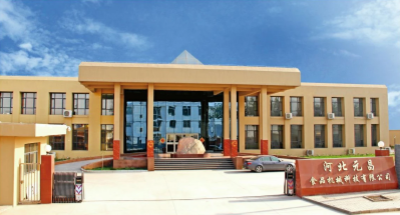 Advanced Machining: Our in-house workshop is equipped with over 20 sets of precision processing machinery. This includes lathes, milling machines, high-precision grinding machines, boring machines, plate shears, bending machines, and wire cutting equipment.
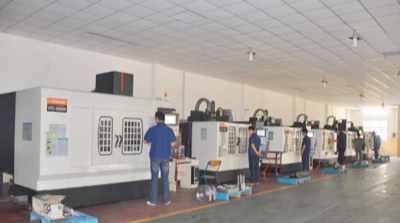 Japanese Mazak CNC: Since 2012, we have invested in 8 sets of Japanese Mazak CNC machining centers. This state-of-the-art technology enables us to produce high-standard components that require exceptional precision, large volumes, and non-standard specifications, ensuring the highest quality for critical parts.
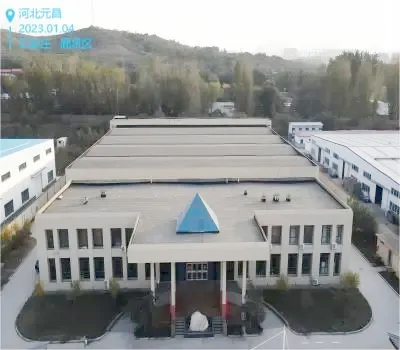 Traceable Quality Management: Our independently developed traceable after-sales management system allows us to monitor every part from production to installation. This ensures accountability and rapid response for any service needs.
This in-house capability for producing high-precision parts means we have complete control over quality, lead times, and customization requests. It’s the foundation upon which we build our reputation for reliable, durable meat processing equipment, including our cutting tables.
Learn more about our factory and OEM/ODM capabilities by visiting our Contact page.
Global Standards & Certifications: Your Assurance of Quality
Operating in the international food processing sector demands adherence to stringent global standards. Hebei Yuanchang Food Mechanism & Technology Co., Ltd. is committed to meeting these requirements, ensuring our equipment is suitable for markets worldwide.
Our meat processing cutting tables, and indeed all our equipment, are designed and manufactured with international compliance in mind. Key certifications and standards we adhere to or can provide documentation for include:
-
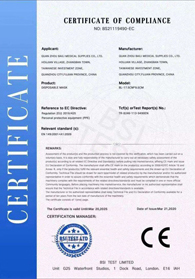 CE Marking - Indicating conformity with health, safety, and environmental protection standards for products sold within the European Economic Area.
-
 ISO 9001 (Quality Management) - Demonstrating our robust quality management systems in manufacturing.
-
 FDA Compliance - For materials that come into contact with food, ensuring they meet the standards set by the U.S. Food and Drug Administration.
-
 RoHS Compliance - Restriction of Hazardous Substances, relevant for electrical components and materials used.
We are experienced in navigating the specific regulatory requirements of various export markets, including the USA, Canada, EU member states, Australia, and many others. When you partner with Hebei Yuanchang, you are partnering with a supplier who understands the importance of global compliance and can provide the necessary documentation and certifications to ensure smooth customs clearance and market entry. This global perspective is crucial for international trade, aligning with market trends that emphasize harmonization of standards.
Client Testimonials: Real-World Impact
Don't just take our word for it. Hear from businesses that have integrated our meat processing cutting tables into their operations.
"The stainless steel cutting table we received from Yuanchang has been a game-changer for our butchery floor. It's incredibly sturdy, easy to clean after a long day, and the drainage system really works. It’s made our hygiene audits much smoother."

Midwest Meats Inc., USA
"We needed custom-sized cutting tables for our new high-pressure processing line. Yuanchang's OEM capabilities were outstanding. They understood our precise requirements, and the final product fits perfectly, improving our workflow efficiency significantly. Delivery was also faster than anticipated."

Gourmet Foods Exports, Canada
"The HDPE cutting tops are fantastic for our deli meat prep. They're gentle on our knives, which reduces sharpening costs, and they clean up beautifully. It's reassuring to know they meet food safety standards. We've had them for over a year with no issues."

Artisan Butcher Shop, UK
"We are a large-scale poultry processor, and we needed reliable, durable cutting stations that could handle constant operation. Yuanchang delivered. The tables are well-built, the adjustable legs are a practical feature, and their communication throughout the order process was excellent. Highly recommend for industrial applications."

Asian Poultry Co., Singapore
Frequently Asked Questions (FAQ)
- Q: What is the typical lifespan of a meat processing cutting table?
- With proper maintenance and care, a high-quality cutting table from Hebei Yuanchang can last 10-15 years or more. The durability of stainless steel frames and robust cutting surfaces ensures longevity even in demanding industrial environments. Regular cleaning and inspection are key.
- Q: How do I choose between HDPE and Stainless Steel cutting surfaces?
- HDPE (or UHMWPE) is generally preferred when blade longevity and reduced knife sharpening are priorities, as it's more forgiving on edges. It's also lighter and excellent for hygiene. Stainless steel offers extreme durability and can be easier to sanitize in some high-heat applications, though it's harder on knives. Both are food-grade and compliant when manufactured to standards.
- Q: Can you provide custom-sized cutting tables?
- Absolutely. Customization is one of our core strengths. Leveraging our extensive OEM/ODM capabilities, we can manufacture tables to your exact dimensions, with specific features for drainage, height, or integration. Please contact us with your requirements.
- Q: What is the typical lead time for an order?
- Lead times vary based on order volume and customization complexity. Standard configurations typically take 4-6 weeks from order confirmation to dispatch. Custom orders may require additional time for engineering and production. We will provide a precise estimate upon receiving your inquiry.
- Q: Do your tables meet US FDA regulations for food contact?
- Yes, we use food-grade certified materials for all surfaces that come into contact with food, ensuring compliance with US FDA and other international food safety regulations. We can provide certificates of conformity upon request.
Elevate Your Meat Processing Operations Today
Invest in quality, efficiency, and compliance with cutting tables engineered for the demands of the global market. Partner with Hebei Yuanchang for reliable, high-performance solutions.
Or call us directly: +86 15830991513