Meat Rail Hangers
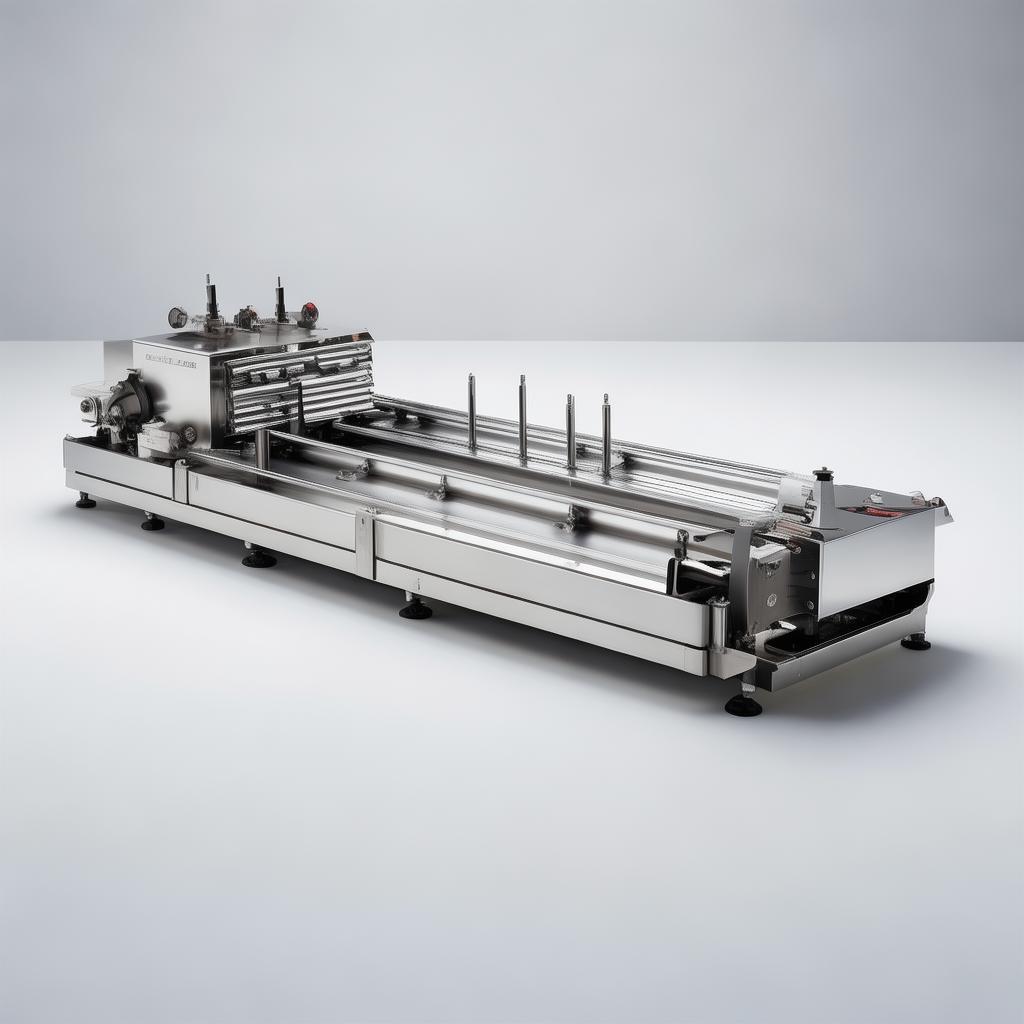
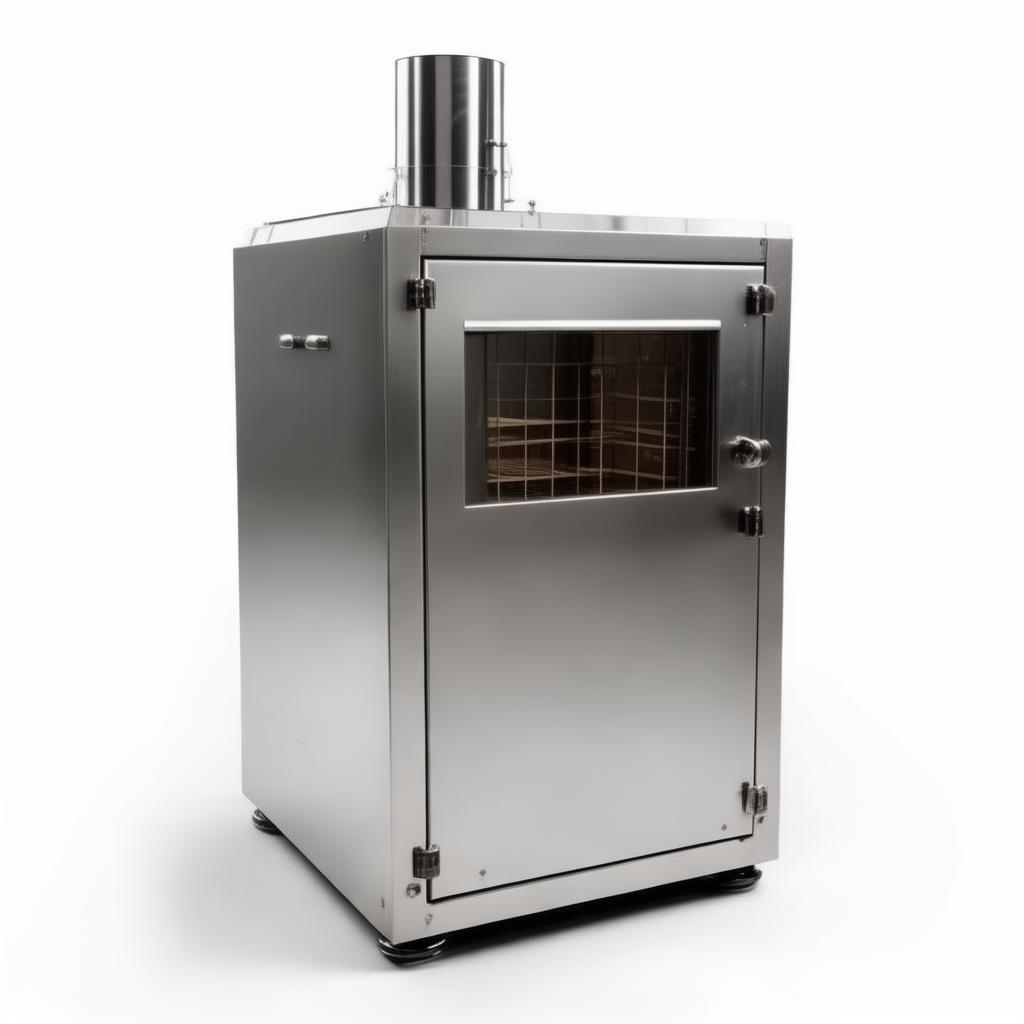
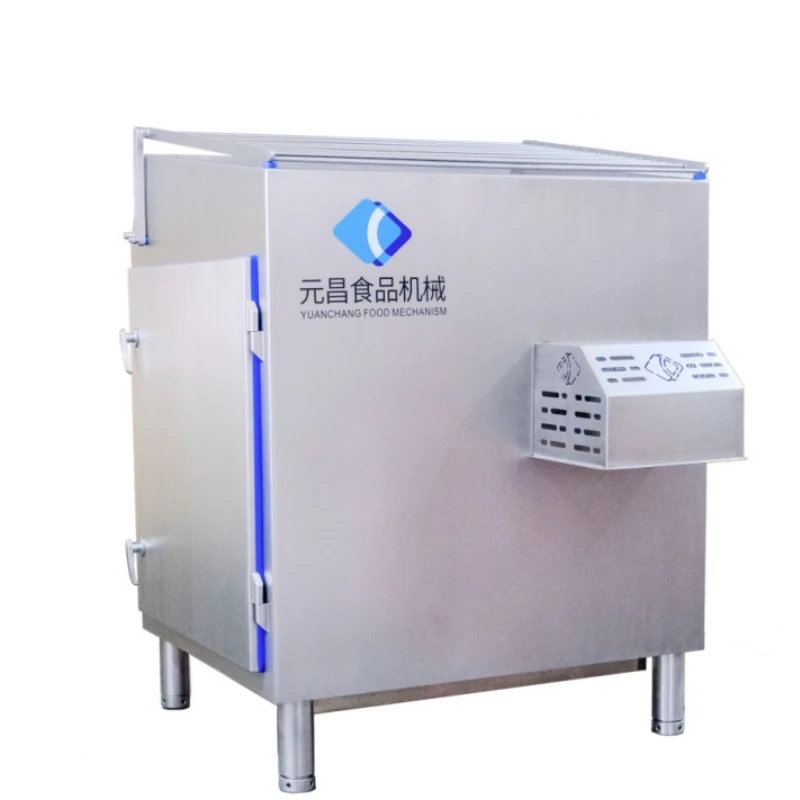
Meat Rail Hangers: Engineered for Efficiency, Durability, and Hygiene in Your Processing Line
Streamline your operations, enhance product integrity, and invest in longevity with high-grade meat rail hangers from Hebei Yuanchang Food Mechanism & Technology Co., Ltd.
 Written by: Alex Chen, Senior Export Manager at Hebei Yuanchang
Understanding the Critical Role of Meat Rail Hangers in Modern Processing
In the demanding world of meat processing, every component plays a crucial role. From the initial butchering stages to the final ripening and shipping, the efficient and hygienic movement of product is paramount. Among these vital components, meat rail hangers – often referred to as meat hooks or trolley hooks – stand out for their foundational importance. These aren't just simple pieces of metal; they are engineered tools designed to withstand heavy loads, resist harsh cleaning chemicals, prevent contamination, and ensure a smooth, uninterrupted flow through your facility. The right hanger can prevent product damage, reduce labor, and significantly contribute to overall operational efficiency and food safety compliance.
The global meat processing equipment market is substantial, projected to reach figures well over USD 15 billion by 2030, with growth driven by increasing demand for processed meats, automation, and stringent food safety standards. 【Meat Processing Equipment Market Size, Share Report, 2030 - Grand View Research】. Within this ecosystem, the humble meat rail hanger is a consistent workhorse. Its design and material selection directly impact not only the product being handled but also the lifespan of the entire rail system and the safety of the personnel working alongside it. Considering the sheer volume of product moved daily in a medium to large-scale processing plant, the cumulative effect of using substandard hangers can lead to significant operational disruptions, increased maintenance costs, and potential food safety breaches.
At Hebei Yuanchang, we understand that a meat rail hanger is more than just an accessory; it's an integral part of your production line. Our 40 years of experience since 1986 in manufacturing food processing equipment, including specialized components like these, has given us deep insights into the challenges faced by processors worldwide. We've seen facilities struggle with hangers that corrode quickly, break under load, or harbor bacteria. These issues are not just inconvenient; they translate directly to lost product, downtime, and reputational risk. This is why we meticulously engineer our meat rail hangers, focusing on material integrity, ergonomic design, and long-term performance.
The decision of which meat rail hanger to procure often gets overlooked in broader equipment investments. However, this can be a costly oversight. The materials used, the manufacturing processes, and the quality control applied are critical. For instance, cheap, low-grade stainless steel might seem like a cost-saving measure initially, but it can quickly succumb to the corrosive environment of a meat processing plant – the constant exposure to salt, acids, cleaning agents, and fluctuating temperatures. This leads to premature failure, potential product contamination with rust or metal fragments, and the need for frequent replacements. We've witnessed firsthand how opting for robust, food-grade stainless steel, coupled with expert welding and finishing, not only lasts significantly longer but also supports a more hygienic operation.
Furthermore, the design of the hook itself matters. Does it have a sharp, easily breakable point? Is the shank thick enough to handle the weight of a whole carcass or large primal cuts? Is the eyelet designed for smooth, snag-free movement along the rail? These seemingly minor details are where our engineering expertise comes into play. We consider the balance between load-bearing capacity, ease of use, and durability, ensuring each hanger is fit for purpose. Procurement managers often look for suppliers who can guarantee consistency and reliability, especially when sourcing components that are used in large quantities across multiple processing lines. Our ability to leverage advanced CNC machining centers, like our Japanese Mazak equipment, allows us to produce high-precision, non-standard components at volume, ensuring that your entire order meets stringent quality benchmarks.
The international market for meat processing equipment is dynamic, with Asia-Pacific showing strong growth due to industrialization and rising meat consumption. 【Meat Processing Equipment Market Size, Share & Industry Analysis - Fortune Business Insights】. As global supply chains expand, the demand for reliable, export-ready components like our meat rail hangers increases. We are equipped to serve this demand, offering not just quality products but also the logistical support and documentation required for cross-border trade. Whether you're looking for standard S-hooks, trolley hooks, or custom-designed solutions for specialized applications, understanding the specifications, material compliance, and supplier reliability is key to making an informed purchase that supports your long-term operational goals.
This page aims to provide a comprehensive overview of what makes a high-quality meat rail hanger, why Hebei Yuanchang is a trusted partner for these critical components, and how our products can directly benefit your processing operation. We'll delve into the technical aspects, practical advantages, and the assurances you can expect when partnering with an experienced manufacturer.
The Operational Pains of Inadequate Meat Rail Hangers
Many processing plants, particularly those that haven't upgraded their infrastructure in years or those relying on less reputable suppliers, face recurring issues with their meat rail hangers. These aren't minor annoyances; they can lead to tangible losses and operational bottlenecks.
- Frequent Breakages & Product Loss: The most immediate consequence of a weak hanger is catastrophic failure. A hanger snapping under the weight of a carcass means lost product, potential damage to the floor and other equipment, and a significant safety hazard for any personnel in the vicinity. This is particularly critical when handling whole beef or pork carcasses that can weigh hundreds of pounds.
- Hygiene Compromises & Contamination Risk: Low-grade metals can corrode and pit over time. These imperfections become breeding grounds for bacteria, making thorough cleaning difficult and increasing the risk of cross-contamination. Rust particles can also flake off, posing a physical contaminant threat.
- Rail System Damage: Poorly designed or manufactured hook eyelets can snag, wear down, or even damage the overhead rail itself. This premature wear on the rail system necessitates expensive repairs or early replacement, adding to the overall cost of ownership.
- Ergonomic Issues & Worker Strain: Hangers that are difficult to attach or detach, or that are poorly balanced, can lead to repetitive strain injuries for workers. We often hear about hooks that don't glide smoothly, requiring extra force to push trolleys along.
- Short Lifespan & Frequent Replacements: A hanger that lasts only a year or two in a harsh processing environment represents a constant drain on resources. The cost of purchasing, replacing, and the associated labor time adds up quickly, especially when dealing with thousands of hooks across a large facility.
- Inconsistent Product Handling: Hangers that deform under load can lead to inconsistent hanging positions, potentially affecting ripening processes, smoke penetration, or simply how the product is presented for further processing or sale.
These are the real-world problems that procurement professionals and operations managers grapple with daily. Choosing the right supplier means opting for someone who understands these pain points and engineers solutions to mitigate them effectively. The global processed meat market's steady growth, projected to exceed USD 1.2 trillion by 2034 【Processed Meat Market Size, Share & Growth Report - Fortune Business Insights】, underscores the continuous demand for efficient processing solutions, where even small components like hangers matter.
Our Solution: Hebei Yuanchang Meat Rail Hangers – Engineered for Excellence
At Hebei Yuanchang, we don't just manufacture; we engineer solutions. Our meat rail hangers are designed from the ground up to address the critical needs of modern meat processing operations. We combine decades of manufacturing experience with a deep understanding of food industry requirements to deliver components that you can rely on, day in and day out.
Superior Material Selection: The Foundation of Durability
We exclusively use high-grade, food-certified stainless steel (typically 304 or 316L, depending on specific application needs and customer specifications). This material offers:
- Corrosion Resistance: Unmatched ability to withstand harsh cleaning chemicals, salt, and acidic conditions common in meat processing.
- Hygiene: Smooth, non-porous surfaces that resist bacterial adhesion and are easy to sanitize thoroughly.
- Strength: Excellent tensile strength to handle heavy loads without deformation or failure.
- Longevity: Significantly extends the service life of the hanger, reducing replacement costs and downtime.
Our commitment to material quality ensures that your investment in our hangers pays dividends through extended operational life and minimized risks.
Precision Engineering & Manufacturing
Leveraging our advanced in-house machining capabilities, including Japanese Mazak CNC centers, we achieve:
- Consistent Dimensions: Every hook meets precise specifications for uniform size and shape, ensuring compatibility with your existing rail systems.
- Smooth Surfaces & Edges: Polished finishes minimize product snagging and wear on the rail, while also enhancing cleanability.
- Robust Construction: Expert welding and forming processes create integral, load-bearing structures that can withstand extreme stress.
- Customization: We have the flexibility to produce non-standard specifications and designs to meet unique operational requirements.
Designed for Your Operation
Our hanger designs consider the practicalities of daily use:
- Ergonomic Handles: Designed for comfortable grip and easy manipulation, reducing worker fatigue.
- Optimal Load Distribution: Shapes engineered to distribute weight evenly and securely.
- Smooth Rail Interface: Eyelets designed for frictionless movement along standard overhead trolley systems.
- Variety of Styles: Available in common configurations such as S-hooks, trolley hooks, and specialized designs to suit different types of meat cuts and processing stages.
By focusing on these details, we ensure our meat rail hangers contribute positively to your workflow, rather than becoming a point of friction.
Technical Specifications & Material Compliance
We understand that for technical buyers and procurement managers, detailed specifications are crucial. Our standard meat rail hangers are engineered with the following in mind:
Material Standard:
Food-Grade Stainless Steel, typically AISI 304 or AISI 316L. Materials are certified to meet international food contact standards. Certificates of conformity can be provided upon request.
Surface Finish:
Electropolished or high-quality brushed finish for enhanced hygiene and reduced product adhesion.
Load Capacity:
Designed and tested to safely handle loads ranging from 50 kg up to 300 kg+, depending on the specific model and configuration. Load ratings are clearly indicated for each product series.
Typical Configurations:
S-Hooks: Versatile, available in various lengths and gauges. Trolley Hooks: Designed for seamless integration with overhead conveyor systems. Custom Designs: Tailored solutions based on specific processing needs and rail types.
Compliance & Certifications:
Our manufacturing processes adhere to strict quality control protocols. While individual hangers may not always carry specific certifications, the materials used are compliant with FDA, EU, and other international food safety regulations. We can provide material certifications and declarations of conformity.
The market for meat processing equipment is robust, with various reports indicating consistent growth. For instance, the global meat processing equipment market is projected to reach USD 19.73 billion by 2034 at a CAGR of 4.8%. 【Meat Processing Equipment Market Size & Trends 2034 - Zion Market Research】. This growth is fueled by the expanding processed meat sector, which in turn drives demand for reliable components that maintain hygiene and efficiency.
Applications Across the Processing Spectrum
Hebei Yuanchang meat rail hangers are designed for versatility and can be found in numerous applications within the meat processing industry:
- Slaughterhouses: For hanging carcasses immediately after stunning and bleeding, ensuring proper drainage and initial cooling.
- Chilling & Freezing Tunnels: Supporting product movement through rapid temperature reduction processes.
- Ripening & Aging Rooms: Essential for maintaining controlled environments for dry-aged beef or other matured meat products, allowing for airflow.
- Deboning & Cutting Lines: Facilitating the efficient transfer of primal cuts and smaller portions through various processing stations.
- Sausage & Cured Product Production: Used in conjunction with trolley systems for moving products through smoking, cooking, or curing chambers.
- Packaging Preparation: Assisting in the staging of products before they move to automated or manual packaging lines.
- Pet Food Processing: Our expertise extends to components for pet food lines as well, where similar demands for hygiene and durability exist.
The adaptability of our hangers means a single, reliable supplier can often meet the needs across multiple departments within a large processing facility. This streamlines procurement and ensures consistent quality throughout.
Installation & Maintenance: Ensuring Optimal Performance
While our meat rail hangers are designed for straightforward integration, proper installation and regular maintenance are key to maximizing their lifespan and effectiveness.
Installation Insights:
Our hangers are typically designed to be used with standard overhead trolley systems. Ensure the rail itself is properly aligned and secured. When attaching a hanger, ensure the eyelet fits smoothly onto the trolley hook or rail without excessive force. A snug but free-moving fit is ideal. For very heavy applications, confirm the load rating of both the hanger and the trolley system are matched to avoid overstressing either component. Initial inspection before first use is always recommended. Check for any transport damage.
Maintenance Recommendations:
Regular cleaning is paramount. Utilize food-grade cleaning agents and high-pressure washers to remove all organic matter and residues. Pay close attention to the eyelet and any joint areas. Inspect hangers regularly for signs of wear, bending, corrosion, or damage. A simple visual check during daily operations can catch potential failures early. Replace any damaged or excessively worn hangers immediately to prevent accidents and product contamination. Periodically check the rail system for wear or damage caused by hanger movement.
By following these simple guidelines, you can significantly extend the service life of your meat rail hangers and maintain a hygienic, efficient processing environment.
Logistics and Global Export Capabilities
Hebei Yuanchang Food Mechanism & Technology Co., Ltd. is a seasoned exporter. We understand the complexities of international trade and are equipped to deliver our high-quality meat rail hangers to clients worldwide. Our logistics team is adept at:
- Efficient Packaging: Products are securely packed to prevent damage during transit, whether by sea or air. We consider container loading optimization to reduce shipping costs where possible.
- Documentation Support: Providing all necessary export documents, including commercial invoices, packing lists, certificates of origin, and material certifications, to ensure smooth customs clearance.
- Reliable Shipping Partners: Working with trusted freight forwarders to ensure timely and cost-effective delivery to your destination port or facility.
- Customs Compliance: Ensuring our products and documentation meet the import regulations of your country.
With a factory area of 14,000 square meters and a dedicated team of 80-100 employees, we possess the production capacity and organizational strength to fulfill large international orders efficiently. Our traceback system for after-sales management further ensures accountability and customer satisfaction.
Procurement Guidance: What to Look For
When sourcing meat rail hangers for your operation, consider these factors to ensure you're making a sound investment:
- Material Quality: Insist on food-grade stainless steel (304 or 316L). Ask for material certifications if possible. Avoid galvanized steel or lower-grade alloys that will corrode quickly.
- Manufacturing Precision: Look for smooth finishes, consistent dimensions, and robust construction. Poor welding or rough edges are red flags.
- Load Capacity: Ensure the stated load capacity meets or exceeds your maximum expected load. Never compromise here.
- Supplier Experience: Partner with manufacturers who have a proven track record in food processing equipment. Experience translates to understanding critical needs like hygiene and durability.
- Certifications & Compliance: While not always mandatory for individual components, ensure the supplier adheres to international standards and can provide necessary documentation for food contact materials.
- OEM/ODM Capabilities: If you have unique requirements, a supplier offering OEM/ODM services can develop custom solutions. Our advanced CNC capabilities allow us to handle such projects effectively.
Making an informed choice now can prevent costly issues and operational disruptions down the line. The processed meat market's consistent expansion globally【Global Processed Meat Market - Mordor Intelligence】reinforces the need for reliable processing components.
Need a Reliable Supplier?
We pride ourselves on being more than just a supplier; we are a partner in your success. Our 40 years of experience ensures you receive equipment that meets the highest standards of quality, durability, and hygiene.
Request Factory PricingWhy Choose Hebei Yuanchang? Our Factory Strength
With a history dating back to 1986, Hebei Yuanchang Food Mechanism & Technology Co., Ltd. has cultivated deep expertise in the manufacturing of food processing equipment. Our facility in Shijiazhuang, Hebei Province, China, is a testament to our commitment to quality and innovation.
- Decades of Experience: Over 40 years of hands-on experience in R&D, production, and sales of meat processing machinery.
- Comprehensive Capabilities: Integrating R&D, manufacturing, and sales for end-to-end control over quality and delivery.
- Advanced Machining: Over 20 sets of processing machinery, including high-precision grinding, boring, and wire cutting equipment. Crucially, we operate 8 sets of Japanese Mazak CNC machining centers, enabling us to produce complex, high-tolerance components for demanding applications.
- Quality Assurance: Rigorous quality control throughout the production process, from raw material inspection to final product testing.
- Traceable After-Sales: Our traceable after-sales management system ensures accountability and customer support.
- Skilled Workforce: A dedicated team of 80-100 experienced professionals committed to excellence.
When you choose Hebei Yuanchang, you're choosing a partner with a proven history of delivering reliable, high-performance equipment that supports your operational efficiency and product quality goals.

Customer Testimonials: Real-World Experiences
Don't just take our word for it. Hear from clients who have integrated our meat rail hangers into their operations:

"We were constantly replacing our old hooks. Since switching to Hebei Yuanchang's stainless steel hangers about two years ago, we've seen a dramatic reduction in breakages and a noticeable improvement in our sanitation scores. They handle the weight of whole hogs without any sign of strain."

"The quality is evident. The finish is smooth, making cleaning much quicker. Our team found them easy to handle, and the consistent size means they glide perfectly on our existing rail system. Exporting was smooth as well – clear communication and reliable delivery."

"We required hangers with specific load ratings and material traceability for our premium beef line. Hebei Yuanchang provided detailed specifications and certified materials, and the precision of their CNC-machined hooks met our high standards. Excellent OEM service."
Frequently Asked Questions (FAQ)
Q1: What type of stainless steel do you typically use for meat rail hangers?
We primarily use food-grade AISI 304 stainless steel due to its excellent balance of corrosion resistance, strength, and cost-effectiveness. For applications requiring even higher resistance to chlorides or extreme environments, AISI 316L is available upon request.
Q2: Can you provide custom-sized or custom-designed meat rail hangers?
Yes, absolutely. With our advanced CNC machining capabilities, we can manufacture custom hangers to your exact specifications, including unique shapes, sizes, and load capacities. Please contact our sales team with your requirements.
Q3: What is the typical lead time for a bulk order of meat rail hangers?
Lead times vary depending on order volume and customization. For standard bulk orders, production typically takes 4-6 weeks. For custom orders, this can extend slightly due to design and tooling. We will provide an accurate estimate upon receiving your inquiry.
Q4: How do your hangers compare to cheaper alternatives?
Our hangers are engineered for longevity and hygiene. While initial cost might be higher than low-grade alternatives, the superior material, robust construction, and resistance to corrosion mean a significantly longer service life, reduced replacement costs, fewer operational disruptions, and enhanced food safety compliance. The total cost of ownership is substantially lower.
Q5: Do you offer OEM/ODM services for these components?
Yes, we actively provide OEM/ODM services. Our advanced manufacturing facilities and engineering team are well-equipped to develop and produce custom components under your brand or according to your specific design requirements.
meat hanging rail systems hanging meat rail rail system for hanging meat
Ready to Enhance Your Processing Line?
Invest in the reliability, hygiene, and efficiency that only high-quality meat rail hangers can provide. Partner with Hebei Yuanchang, a manufacturer with 40 years of proven expertise in the food processing industry.
Discuss bulk order discounts.
For custom solutions and technical queries.
View our full range of processing components.