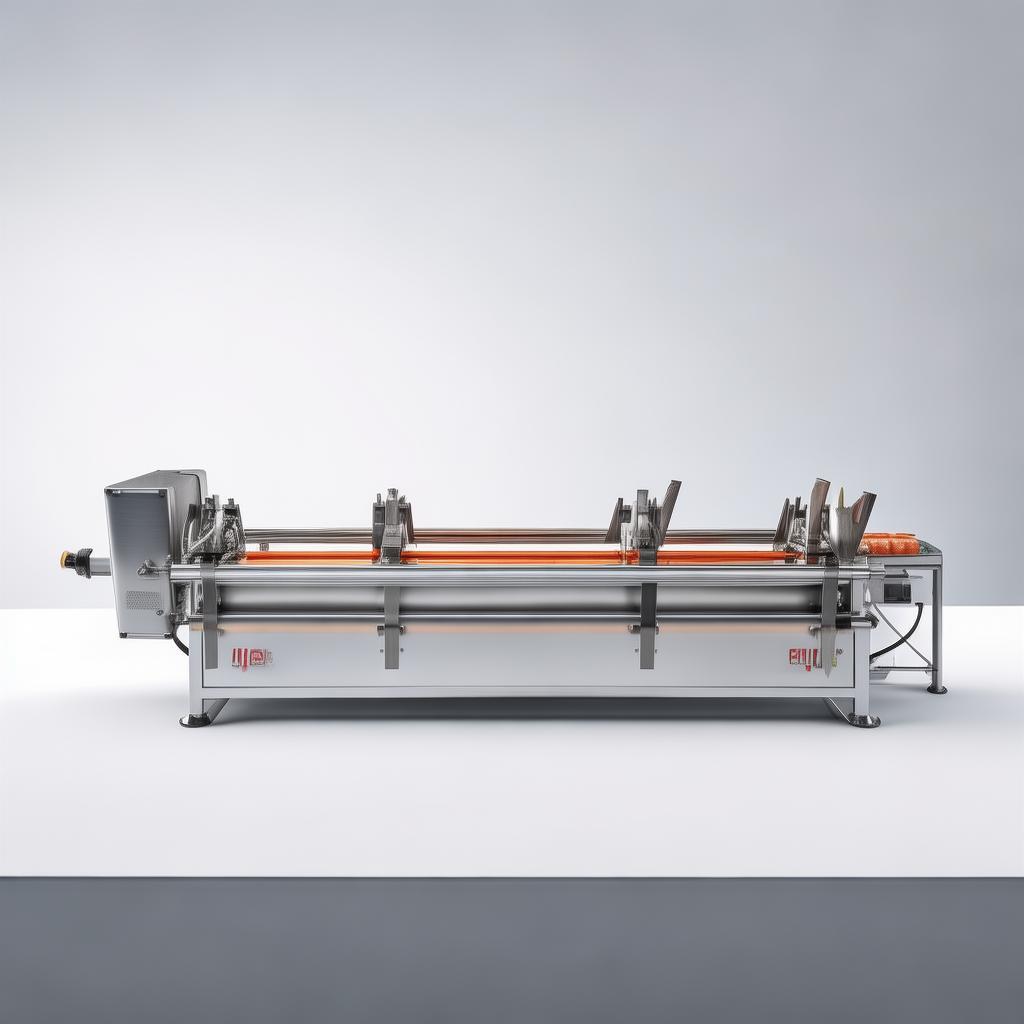
Upright Hepa Vacuum Cleaners
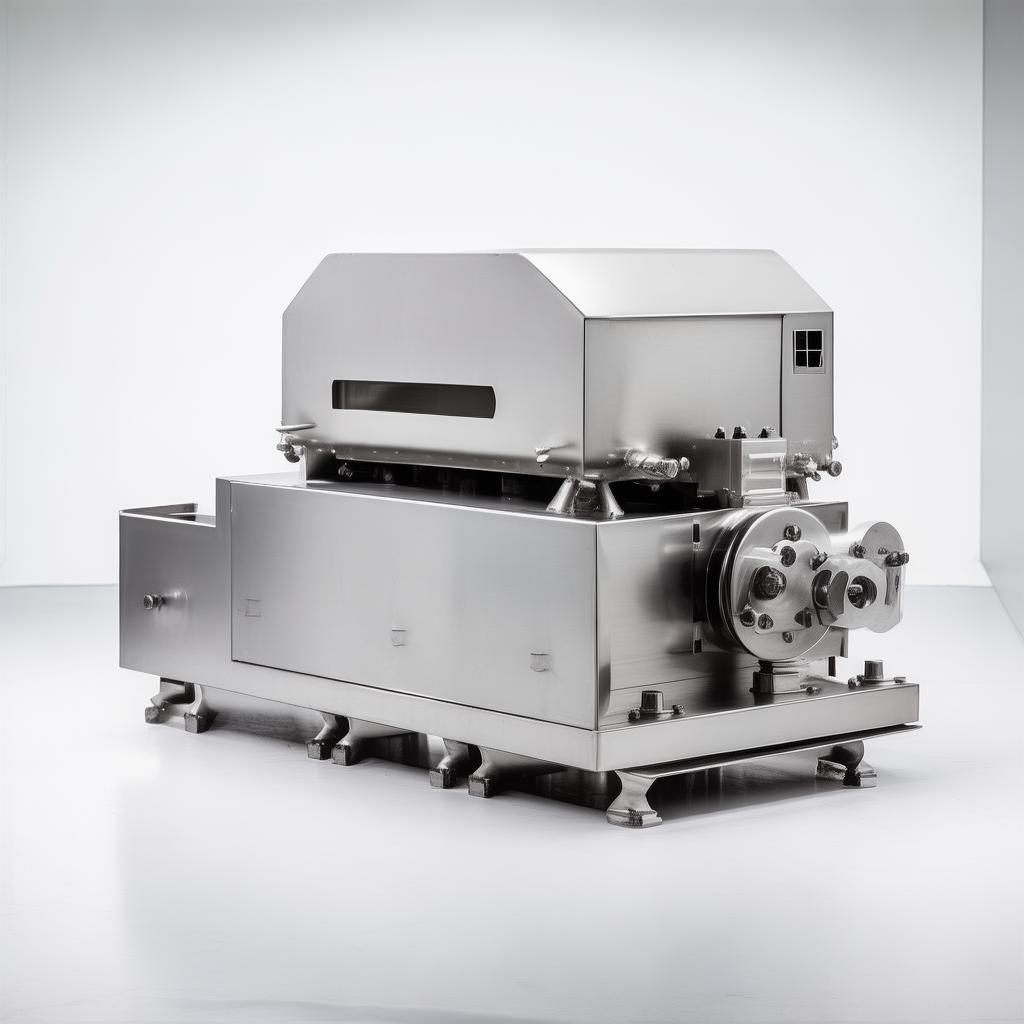
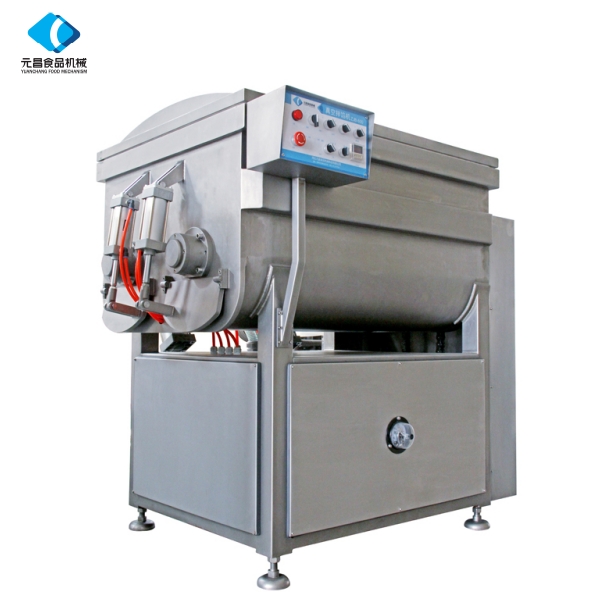
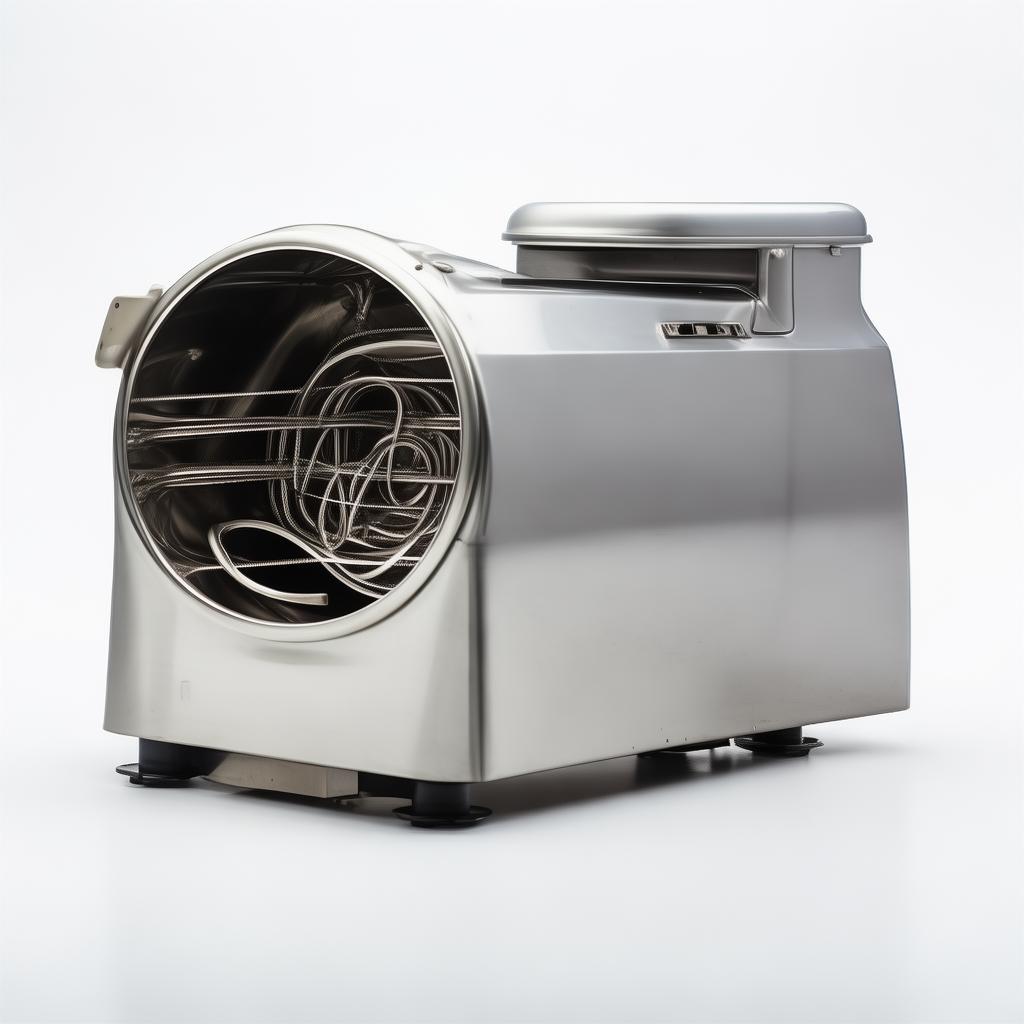
Elevating Air Purity: Your Guide to High-Performance Upright HEPA Vacuum Cleaners for Demanding B2B Environments
 By Alex Chen, Senior Export Manager |
Hebei Yuanchang Food Mechanism & Technology Co., Ltd.
By Alex Chen, Senior Export Manager |
Hebei Yuanchang Food Mechanism & Technology Co., Ltd.
The Critical Role of Air Quality in Professional Settings
In today's competitive global marketplace, particularly within industrial manufacturing, wholesale export, and specialized OEM/ODM operations, the subtle yet pervasive impact of air quality often gets overlooked. We're not just talking about comfort; we're discussing operational efficiency, product integrity, and the well-being of your workforce. For businesses operating in sectors where precision, hygiene, and material purity are paramount – think food processing, sensitive electronics assembly, or even pharmaceutical precursor manufacturing – the air your facility breathes is as critical as the raw materials you process. Standard cleaning equipment, while adequate for general office spaces, frequently falls short when faced with the unique challenges of industrial environments. Microscopic particles, fine dust from manufacturing processes, allergens, and even volatile organic compounds (VOCs) can become airborne and settle on surfaces, contaminate products, or trigger respiratory issues among staff. This is precisely where advanced cleaning solutions become not a luxury, but a necessity.
Consider the downstream effects. A fine layer of dust on a finished product intended for international export can lead to rejection by quality control inspectors or damage brand reputation. In a food processing plant, inadequate particle removal poses significant hygiene risks, potentially leading to costly recalls and regulatory penalties. The global meat processing equipment market, for instance, is projected to reach substantial figures by 2034, valued at over USD 17 billion, according to Fortune Business Insights. This growth is underpinned by increasingly stringent food safety standards and a demand for higher quality, which directly implicates the cleanliness of the entire production environment. The associated processed meat market is even larger, expected to surpass USD 1.2 trillion by 2034. Ensuring a dust-free, allergen-controlled environment is not just about aesthetics; it's a fundamental requirement for compliance and operational excellence.
The search for robust, reliable cleaning solutions often leads businesses to explore options beyond their immediate scope. While our core expertise at Hebei Yuanchang lies in meat processing and pet food production machinery – encompassing everything from pretreatment and filling/molding to ripening processes – we understand that the foundation of any high-quality manufacturing operation is a clean, controlled environment. The principles of precision engineering, material integrity, and operational efficiency that drive our machinery design are directly transferable to understanding why specialized equipment like upright HEPA vacuum cleaners are indispensable in diverse B2B contexts. These aren't your typical household appliances; they are industrial-grade tools designed for sustained performance in demanding conditions. They represent a proactive approach to maintaining standards, mitigating risks, and ultimately, safeguarding your business's bottom line and reputation on the international stage.
The challenge for many procurement managers and operations directors is discerning which solutions truly deliver on their promises. The market is flooded with options, and differentiating between a superficial clean and a deep, particle-capturing clean can be difficult without a clear understanding of the underlying technology. This is why we've dedicated this section to illuminating the "why" behind upright HEPA vacuums. We aim to equip you with the knowledge to identify equipment that genuinely enhances your operational environment, supports compliance with rigorous industry standards (whether it's ISO, CE, or specific food safety certifications), and contributes to the overall efficiency and safety of your facility. Whether you're involved in wholesale export of sensitive goods, managing an OEM/ODM factory, or implementing SaaS solutions for cross-border commerce, the air you work in matters.
Furthermore, the "Fit For Now (2026)" framework emphasizes the need for solutions that are not just effective today but are future-proofed against evolving standards and technological advancements. Upright HEPA vacuums, with their focus on capturing microscopic contaminants, align perfectly with this forward-thinking approach to operational management. They are a tangible investment in a healthier, safer, and more productive working space, directly impacting everything from employee morale to the pristine quality of goods ready for global shipment. The demand for processed meat and associated equipment, as noted by multiple market reports from sources like Grand View Research and IMARC Group, highlights a trend towards higher standards and more sophisticated processing – a trend that necessitates equally sophisticated environmental controls.
Operational Challenges: Why Standard Vacuums Fall Short
The reality on the ground in many industrial and commercial facilities is that standard cleaning equipment often creates more problems than it solves when it comes to maintaining high air quality. A typical upright vacuum, while effective at picking up larger debris, is fundamentally designed to vent air back into the room, often after passing it through a basic filter. This simple act can re-circulate fine dust, microscopic particles, allergens, and even pathogens throughout the workspace. This is a significant issue for environments that demand strict cleanliness.
Consider the implications for a wholesale export business dealing with sensitive materials. Any particulate matter left behind or recirculated can compromise the integrity of goods, leading to costly returns or damage to your reputation with international buyers. For OEM/ODM factories, where components might be extremely delicate or require pristine assembly conditions, the constant airborne contaminants can lead to higher defect rates and increased scrap. It's a hidden cost that eats into profit margins and complicates supply chain management.
Furthermore, many standard vacuums lack the robust build quality required for frequent, heavy-duty use in an industrial setting. Their motors can overheat, their components can wear out quickly, and their dust collection systems can become inefficient or messy to empty. This translates to more frequent maintenance, higher replacement costs, and significant downtime – all factors that negatively impact operational flow and productivity. Trying to cut corners on cleaning equipment is often a false economy.
From a health and safety perspective, standard vacuums often fail to meet the requirements for environments with specific air quality standards. For instance, in facilities handling food products, like those we specialize in at Hebei Yuanchang, or in areas where employees might have allergies or respiratory conditions, simply pushing dust around is unacceptable. The need for genuine filtration, capturing particles down to 0.3 microns, becomes paramount. This is where the technology embedded in HEPA filtration systems makes a world of difference, addressing the shortcomings that conventional equipment cannot.
Procurement decision-makers often face pressure to minimize upfront costs. However, a failure to invest in appropriate cleaning technology can lead to significantly higher long-term expenses due to:
- Product contamination and rejections
- Increased employee sick days due to poor air quality
- Higher maintenance and replacement costs for inadequate equipment
- Reduced operational efficiency from constant dust settling
- Potential non-compliance with industry-specific air quality regulations
These are not theoretical concerns; they are tangible operational realities that impact businesses across various sectors. The investment in an upright HEPA vacuum cleaner is an investment in mitigating these risks and ensuring a cleaner, safer, and more productive operational environment.
Unpacking the Benefits of Upright HEPA Vacuums
The true value of an upright HEPA vacuum cleaner lies in its ability to deliver a significantly higher standard of clean, directly translating into tangible operational benefits for your business. Unlike conventional models, these specialized machines are engineered with a multi-stage filtration system, culminating in a High-Efficiency Particulate Air (HEPA) filter. This filter is the cornerstone, capable of capturing an astonishing 99.97% of airborne particles as small as 0.3 microns. For B2B clients, this translates into several critical advantages that extend far beyond simple surface cleaning.
Enhanced Air Quality & Healthier Workspaces: This is the most immediate and impactful benefit. By trapping allergens, dust mites, pet dander, mold spores, and fine particulate matter (like PM2.5), HEPA vacuums drastically reduce airborne contaminants. This is crucial for employee health, minimizing sick days related to respiratory issues, and creating a more comfortable working environment. For food processing facilities, this is non-negotiable for hygiene. For electronics manufacturers, it reduces the risk of static discharge caused by dust. The ability to maintain cleaner air directly supports compliance with evolving health and safety regulations, a key consideration for Fit For Now (2026).
Superior Decontamination Capabilities: For industries where contamination control is paramount – be it food, pharmaceuticals, or sensitive manufacturing – HEPA vacuums provide a vital layer of defense. They effectively remove microscopic residues and particles that standard vacuums would merely redistribute. This is particularly relevant for businesses involved in wholesale export, where product purity and compliance with international standards are critical for market access. Imagine exporting high-value components or ingredients; ensuring they are handled and stored in an environment free from microscopic contaminants is a powerful differentiator.
Reduced Allergens and Irritants: For businesses with a diverse workforce, including individuals with allergies or asthma, the reduction of airborne allergens is a significant operational improvement. A cleaner environment can lead to greater employee productivity and job satisfaction. It also helps meet workplace diversity and inclusion standards by providing a more accommodating atmosphere for all staff.
Durable Construction for Industrial Use: Reputable upright HEPA vacuums are built to withstand the rigors of commercial and industrial environments. They typically feature more robust motors, stronger casings, and industrial-grade components designed for prolonged use, unlike their lighter-duty residential counterparts. This means lower long-term ownership costs due to reduced maintenance and replacement frequency, a critical factor for procurement managers focused on ROI. Our own manufacturing experience, with over 20 sets of advanced machining equipment including Japanese Mazak CNC centers, underscores the value of precision-engineered, durable components.
Improved Product Quality and Yield: In manufacturing settings, especially OEM/ODM operations, maintaining a clean environment directly impacts product quality. Less dust means fewer defects, reduced rework, and a higher yield of first-pass quality products. This is a direct boost to profitability and customer satisfaction, especially for complex assemblies or sensitive material processing.
Cost-Effectiveness in the Long Run: While the initial investment in an upright HEPA vacuum may be higher than for a basic model, the long-term savings are substantial. Reduced employee sick days, fewer product rejections, lower maintenance costs, and increased operational efficiency all contribute to a strong return on investment. The market analysis for meat processing equipment, often exceeding USD 11 billion, highlights how investments in specialized machinery, including auxiliary systems for environmental control, are crucial for maintaining competitive advantage and meeting industry standards.
Versatility for Diverse B2B Needs: These vacuums are designed to handle various floor types and can be equipped with specialized attachments, making them suitable for a wide range of professional spaces, from factory floors and warehouses to cleanrooms and commercial kitchens. Their upright design often offers ergonomic benefits and ease of maneuverability, important considerations for daily operational use.
Understanding the Technology: What Makes a HEPA Vacuum Superior
The effectiveness of an upright HEPA vacuum cleaner is rooted in its sophisticated filtration system and robust design. It's not just a vacuum; it's a multi-stage air purification system integrated into a cleaning tool. Understanding these technical components is key for procurement professionals and engineers looking for genuine performance.
The HEPA Filter: The Core Component At the heart of every HEPA vacuum is the HEPA filter itself. To be classified as true HEPA, a filter must meet stringent standards: it must remove at least 99.97% of airborne particles 0.3 microns in diameter. This particle size is critical because it represents the most penetrating particle size (MPPS) – particles larger or smaller are often captured with even higher efficiency.
What does this mean in practical terms? These vacuums can capture:
- Microscopic Dust & Dander: Far smaller than visible to the naked eye.
- Allergens: Pollen, mold spores, dust mite feces.
- Bacteria & Viruses: Many common pathogens fall within this size range or are attached to larger particles.
- Fine Industrial Particulates: Critical for many manufacturing and processing environments.
Practical Warning: Beware of vacuums marketed as "HEPA-like" or "HEPA-type." True HEPA filters are certified and manufactured to specific performance standards. Always verify certifications.
Multi-Stage Filtration: Beyond the HEPA Filter A high-quality upright HEPA vacuum doesn't rely solely on the HEPA filter. It employs a system of pre-filters and secondary filters to maximize the HEPA filter's lifespan and overall effectiveness:
- Pre-Filters: Capture larger debris (hair, visible dust) before they reach the HEPA filter, preventing it from clogging too quickly. Often washable.
- Secondary Filters: May include activated carbon filters to absorb odors or finer filters to catch particles between the pre-filter and HEPA filter stages.
Motor Power and Suction: For industrial applications, strong suction power (measured in Air Watts or Water Lift) is crucial. This ensures that even deeply embedded particles are lifted from surfaces and carpets. A robust motor, designed for continuous operation, is a hallmark of a reliable industrial HEPA vacuum.
Sealed System Design: Perhaps as important as the HEPA filter itself is a sealed system. This ensures that all the air drawn into the vacuum passes *through* the HEPA filter before being exhausted. If the vacuum casing or hose connections are not properly sealed, contaminated air can leak out, rendering the HEPA filtration ineffective. This is a common failure point in lower-quality units.
Ergonomics and Build Quality: Upright vacuums offer convenience for large floor areas. Look for adjustable handle heights, easy-to-empty dustbins (though many HEPA models use sealed bags for maximum containment), and durable construction materials. The weight and maneuverability are also important for daily operational use.
Key Technical Specifications to Consider:
| Specification | Critical Considerations for B2B |
|---|---|
| Filtration Type | Certified HEPA (0.3 microns, 99.97% efficiency) is non-negotiable for high-demand applications. |
| Filtration System | Multi-stage with pre-filters to prolong HEPA filter life. Sealed system integrity is vital. |
| Motor Power / Suction | Sufficient Air Watts or Water Lift for deep cleaning and industrial debris. Look for continuous duty ratings. |
| Dust Containment | Sealed bag systems are preferable for maximum containment during disposal. |
| Cord Length / Battery Life | Adequate for coverage of large commercial spaces without constant plug changes or running out mid-task. |
| Durability & Materials | Industrial-grade plastics, metal components, and robust motor construction. |
industrial vacuum cleaner with hepa filter ATEX vacuum cleaner industrial compressed air vacuum cleaners
Understanding these technical nuances allows for informed purchasing decisions, ensuring you invest in equipment that provides genuine value and meets the demanding requirements of your operations.
Where They Shine: Diverse B2B Applications
The superior air purification and deep cleaning capabilities of upright HEPA vacuum cleaners make them indispensable tools across a surprising breadth of B2B sectors. Their ability to capture microscopic particles and maintain cleaner air environments goes beyond simple janitorial tasks, directly supporting specialized operational needs and compliance requirements.
Industrial Manufacturing & Production Floors: From food processing plants (ensuring hygiene for products like sausages, cured meats, or pet food ingredients) to electronics assembly lines (minimizing static and particulate contamination), these vacuums are vital. They help manage fine dust generated by machinery, prevent cross-contamination between different production runs, and maintain a healthier environment for workers. Given the global meat processing equipment market's growth and stringent standards, clean production environments are non-negotiable.
Wholesale Export & Logistics Centers: When preparing goods for international shipment, maintaining pristine conditions is key. HEPA vacuums ensure that warehouses and packing areas are free from dust and allergens that could potentially contaminate high-value or sensitive export items. This supports compliance with import regulations in destination countries and enhances the overall perception of product quality.
OEM/ODM Factories: In Original Equipment Manufacturer (OEM) and Original Design Manufacturer (ODM) settings, where precision and cleanliness are critical for component assembly and final product quality, HEPA vacuums are essential. They help create controlled environments necessary for assembling intricate parts or manufacturing sensitive goods, reducing defect rates and ensuring that products meet exact client specifications.
Healthcare Facilities & Laboratories: While specialized cleanroom vacuums exist, many healthcare support areas, administrative offices, and smaller labs benefit greatly from HEPA filtration to reduce the spread of pathogens and allergens, supporting patient and staff well-being.
Hospitality & Food Service: Commercial kitchens, dining areas, and hotel lobbies can benefit significantly from improved air quality. HEPA vacuums help manage food debris, grease particles, and general dust, contributing to a more pleasant customer experience and a healthier environment for staff. This aligns with growing consumer demand for high standards in food preparation and service environments.
Educational Institutions & Daycares: Schools and childcare facilities have a high concentration of young children, many of whom can be susceptible to allergies and respiratory illnesses. HEPA vacuums play a crucial role in maintaining a cleaner, healthier learning environment by reducing airborne irritants.
Office Buildings & Co-working Spaces: Even in standard office environments, HEPA filtration contributes to employee productivity and well-being by reducing dust, allergens, and improving overall air freshness. This is a tangible benefit that can be promoted to tenants or employees.
Retail Environments: High-traffic retail spaces, particularly those selling sensitive goods like electronics, health products, or even fine foods, can maintain a more appealing and cleaner atmosphere with HEPA vacuums.
The common thread across all these applications is the need for a higher standard of cleanliness, improved air quality, and the mitigation of microscopic contaminants. Upright HEPA vacuums offer a practical, efficient, and effective solution for businesses prioritizing operational integrity and a healthy work environment.
Procurement Essentials: What to Look For
Selecting the right upright HEPA vacuum cleaner for your B2B operation involves more than just picking a model off a shelf. It requires a strategic approach that balances performance, durability, cost, and suitability for your specific environment. As a company with 40 years of experience in manufacturing, we understand the value of making informed equipment investments. Here’s a breakdown of key considerations for procurement managers and technical leads:
1. Verify HEPA Certification: This cannot be stressed enough. Look for explicit confirmation of "True HEPA" compliance, often indicated by certifications from independent bodies (though direct certification isn't always mandated, reputable manufacturers will state compliance with standards like IEC 60312 or similar regional standards for filtration efficiency). "HEPA-type" or "HEPA-like" filters do not meet the same rigorous standards. Ask for documentation.
2. Assess Suction Power and Airflow: For industrial settings, high suction power (measured in Air Watts) and airflow (CFM or m³/h) are critical. This determines how effectively the vacuum can lift debris and dust from various surfaces, including carpets or heavily trafficked floors. A powerful, sustained performance is key for efficiency.
3. Evaluate Durability and Build Quality: Consider the materials used. Industrial-grade plastics, reinforced components, and robust motor housing suggest a unit designed for longevity. Check for extended warranties, which often reflect manufacturer confidence in their product's durability. Think about the daily usage; will it withstand being moved, bumped, or used for extended periods?
4. Consider the Filtration System's Lifespan and Maintenance: How often do HEPA filters need replacement? What is the cost? Are pre-filters washable? A unit with easily accessible and replaceable filters, along with washable pre-filters, can significantly reduce ongoing operational costs and maintenance downtime. A sealed system is crucial to prevent leakage.
5. Ergonomics and Ease of Use: For daily operations, the vacuum should be user-friendly. Consider weight, maneuverability, cord length (or battery life for cordless models), and ease of emptying the dustbin or changing bags. A comfortable and intuitive design reduces operator fatigue and improves efficiency.
6. Noise Level: Some industrial environments require vacuums that operate at lower decibel levels to minimize disruption or comply with workplace safety regulations. Check the decibel rating if this is a concern.
7. After-Sales Support and Availability of Parts: This is where partnering with a reputable supplier is paramount. Can you easily source replacement filters, brushes, and other components? What is the warranty period, and what does it cover? Our own experience at Hebei Yuanchang with a traceable after-sales management system highlights the importance of reliable support for machinery longevity.
8. Total Cost of Ownership (TCO): Don't just look at the initial purchase price. Factor in the cost of replacement filters, bags, potential repairs, energy consumption, and the lifespan of the unit. A slightly higher upfront cost for a more durable, efficient, and well-supported unit often results in a lower TCO.
9. Supplier Reputation and Expertise: Choose suppliers with a proven track record in providing industrial cleaning solutions. Look for testimonials, case studies, or industry certifications. Understanding the supplier's manufacturing capabilities or import/export experience can also be a significant indicator of reliability.
By carefully considering these factors, procurement teams can make strategic acquisitions that enhance operational efficiency, maintain regulatory compliance, and contribute positively to the overall health and safety of their B2B environment.
Our Commitment: Hebei Yuanchang's Manufacturing Prowess
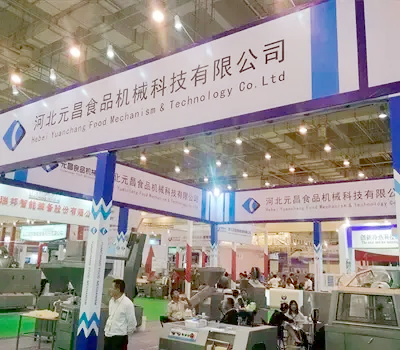
While our primary focus at Hebei Yuanchang Food Mechanism & Technology Co., Ltd. is on high-quality meat and pet food processing equipment, the underlying principles of precision engineering, robust construction, and reliable performance are universal. With over 40 years of experience since 1986, we have cultivated an in-depth understanding of what it takes to manufacture machinery that stands the test of time and meets rigorous international standards.
Our expansive facility, covering approximately 14,000 square meters and powered by a dedicated team of 80-100 employees, is equipped for comprehensive R&D, production, and sales. We pride ourselves on our in-house machining capabilities, boasting over 20 sets of advanced processing machinery. This includes precision tools like lathes, milling machines, high-precision grinders, boring machines, and specialized equipment such as plate shears, bending machines, and wire cutting systems.
A significant milestone in our journey was the integration of 8 sets of Japanese Mazak CNC machining centers in 2012. This technological leap allows us to undertake the production of highly complex, high-standard components requiring exceptional precision, large volumes, and non-standard specifications. This capability is fundamental to ensuring that every piece of equipment we produce, or every component we source and integrate for our clients, meets the exacting demands of global markets.
For our B2B partners seeking specialized equipment like upright HEPA vacuum cleaners, this manufacturing ethos translates directly into trust. It signifies our commitment to:
- Quality Assurance: Every component and assembled product benefits from our meticulous quality control processes, informed by decades of industrial manufacturing experience.
- Precision Engineering: The use of advanced CNC machinery ensures that even critical sub-components meet tight tolerances, leading to more reliable and durable final products.
- Production Efficiency: Our integrated manufacturing setup allows for streamlined production, contributing to competitive lead times and costs.
- Independent Component Production: Our ability to independently produce high-precision parts underpins our robust after-sales service, ensuring that support and spare parts are readily available. This mirrors the reliability expected from any critical industrial equipment.
We understand the critical nature of your operational equipment. Just as our meat processing lines are designed for continuous, high-volume output with strict hygiene standards, the principles of building reliable, efficient, and durable machinery are applied to every aspect of our operations. When you consider Hebei Yuanchang, you're engaging with a manufacturer that prioritizes long-term value, technical excellence, and unwavering reliability.
Whether you are sourcing complete production lines or specific critical components, our 40 years of experience and advanced manufacturing capabilities assure you of quality and performance that meet global standards.
What Our Clients Say
Real feedback from businesses that rely on quality and performance.

Global Logistics Inc.
"We needed a vacuum solution that could handle the dust in our large export warehouse without blowing it back into the air. These HEPA uprights have made a noticeable difference. Less dust on the outgoing shipments, and the team finds them easy to use daily. The sealed system is a big plus for us."

Precision Components Ltd.
"Our OEM assembly line requires a cleanroom-like environment. Standard vacuums just couldn't cut it. Switching to these HEPA units significantly reduced particulate counts on our workstations. The efficiency improvement in reduced rework has been substantial. We're very pleased with the performance and durability."

Gourmet Food Processors
"Hygiene is our top priority. These HEPA vacuums are essential for maintaining our facility's cleanliness standards, especially around prep areas. The filtration captures fine food dust effectively, and they hold up well to daily commercial use. We appreciate the reliable support and replacement parts availability."
Frequently Asked Questions
A: A true HEPA filter is certified to capture 99.97% of particles 0.3 microns in size. Standard filters are much less efficient and often recirculate fine dust back into the air.
A: This varies by model and usage. Heavily used units in dusty environments may require replacement every 6-12 months. Many models have indicators, or you'll notice a decrease in suction. Checking the manufacturer's recommendation is best.
A: Yes, most upright HEPA vacuums are designed for versatility and can handle carpets, hard floors, and other surfaces. Look for models with adjustable height settings or brush roll controls.
A: A sealed system ensures that all air drawn into the vacuum passes through the HEPA filter before being exhausted. This prevents contaminated air from leaking out through the vacuum's body or hose connections, maximizing filtration effectiveness.
A: Many industrial-grade upright HEPA vacuums are built for heavy-duty use in large spaces. Key features to look for include powerful motors, large dust capacity, and durable construction. Cord length is also a significant factor for coverage.
A: While our core business is food processing machinery, our advanced manufacturing capabilities and experience with complex components mean we can explore customized solutions. Please contact us to discuss your specific OEM/ODM requirements.
Enhance Your Operational Environment Today
Invest in superior air quality and a cleaner workspace with our range of high-performance upright HEPA vacuum cleaners. Designed for durability and maximum filtration efficiency, they are the smart choice for businesses serious about hygiene, productivity, and compliance.
Hebei Yuanchang Food Mechanism & Technology Co., Ltd. | Shijiazhuang, Hebei Province, China
Email: ycmeatmech@gmail.com | Phone: +86 15830991513