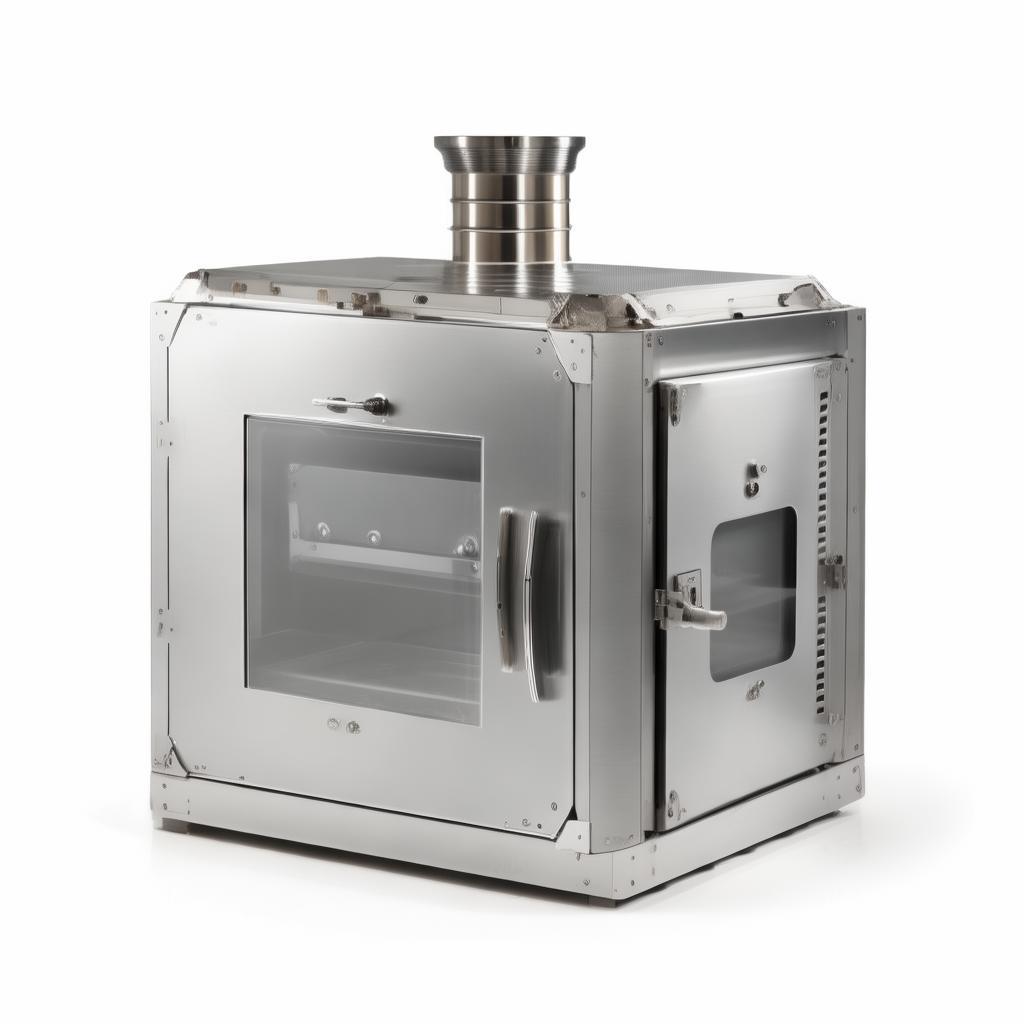
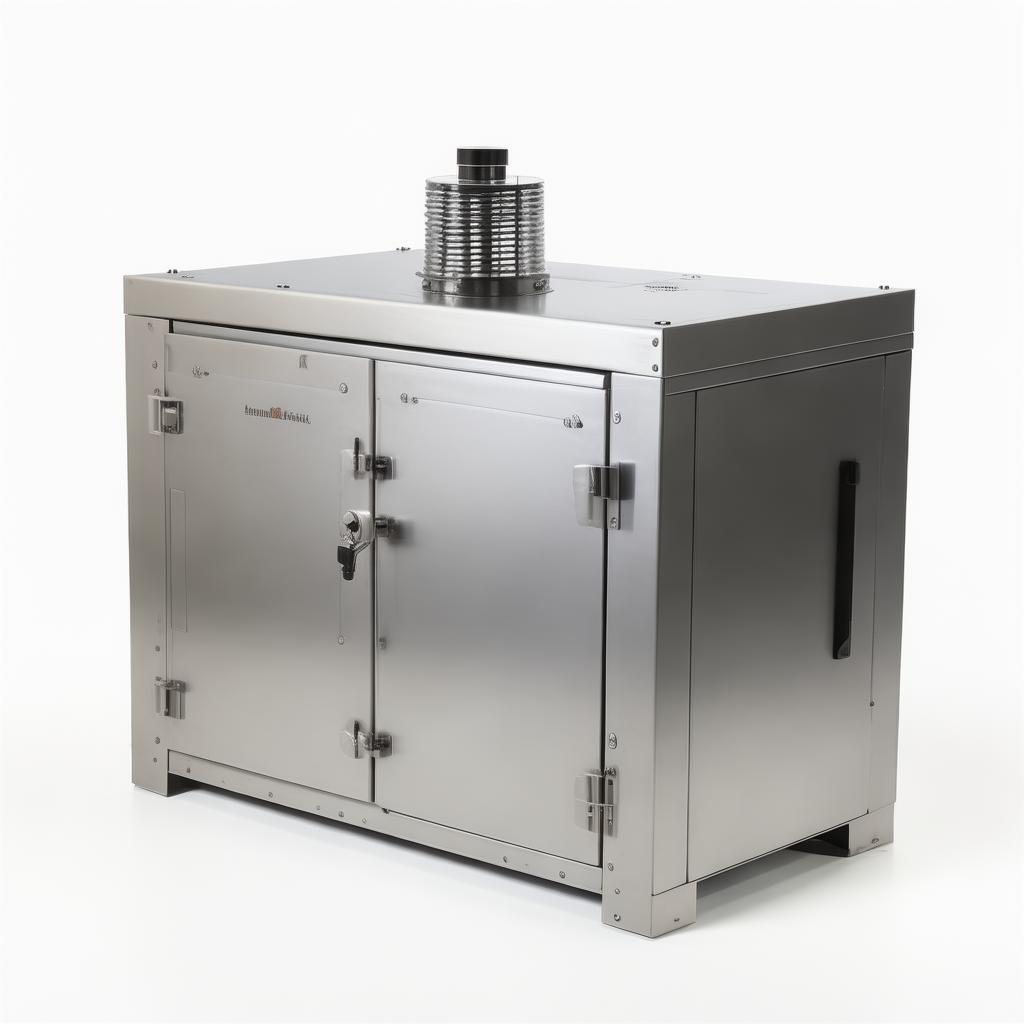
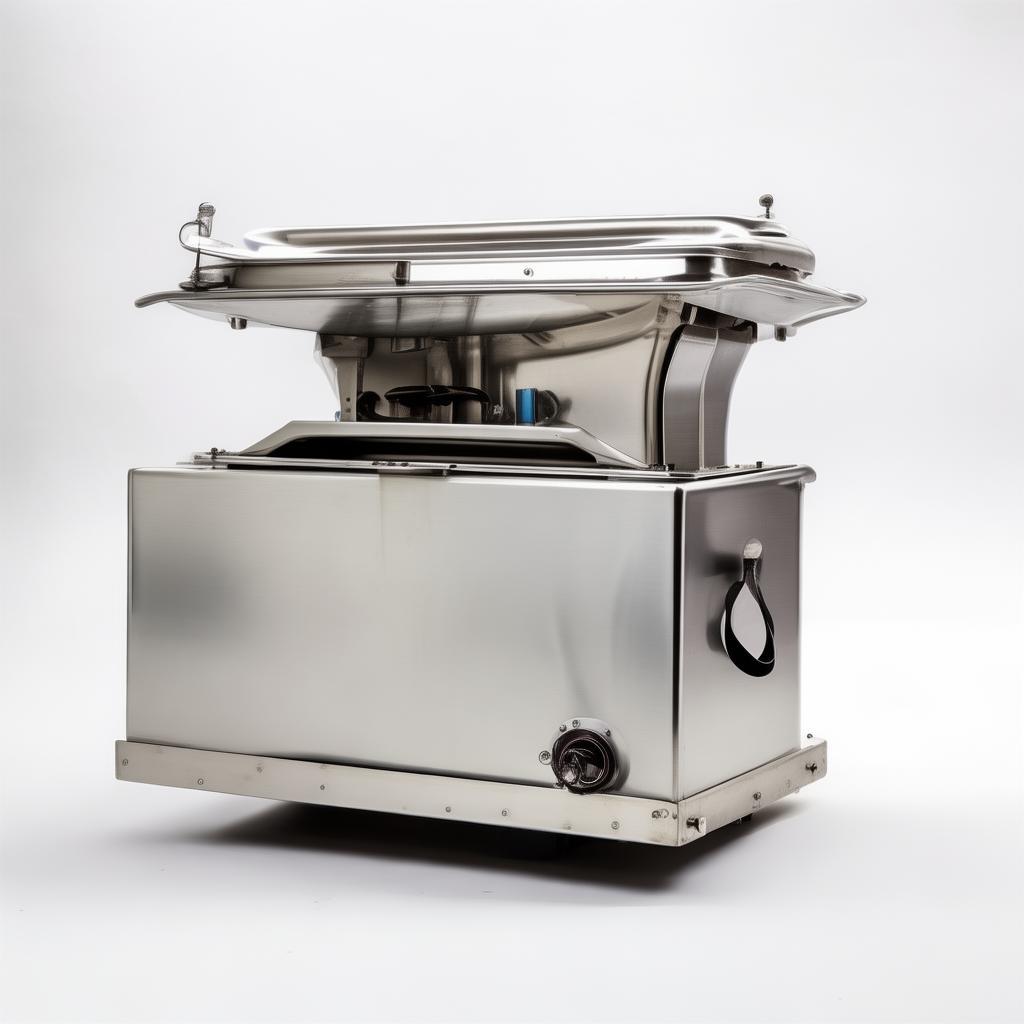
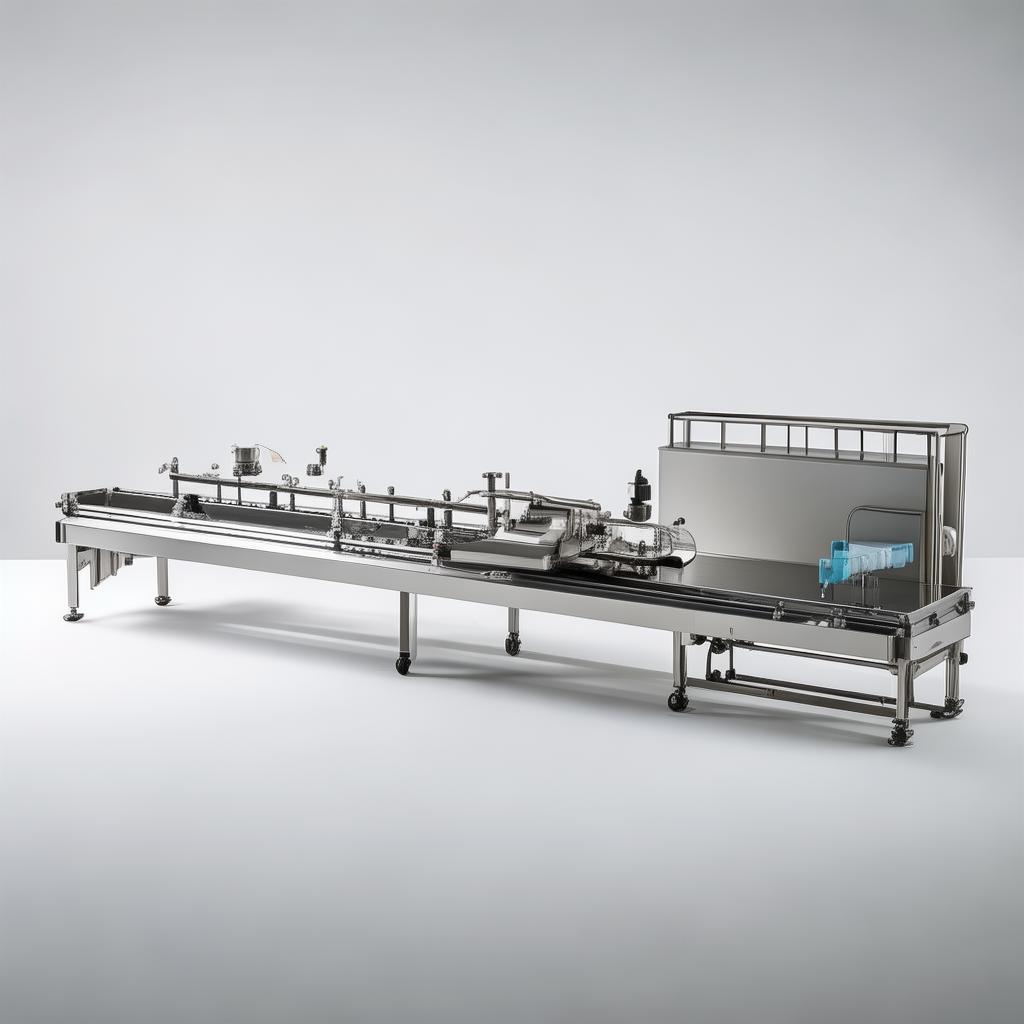
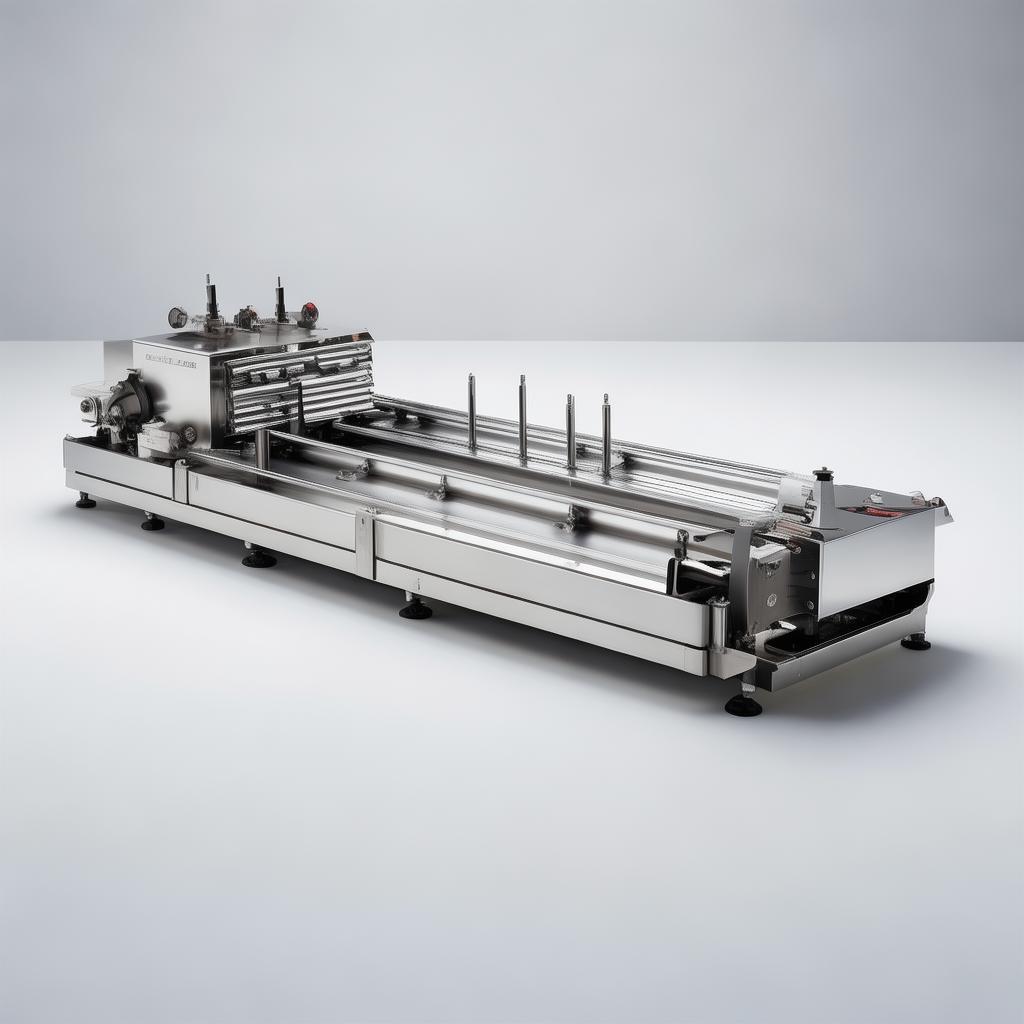
Thin Meat Slicer
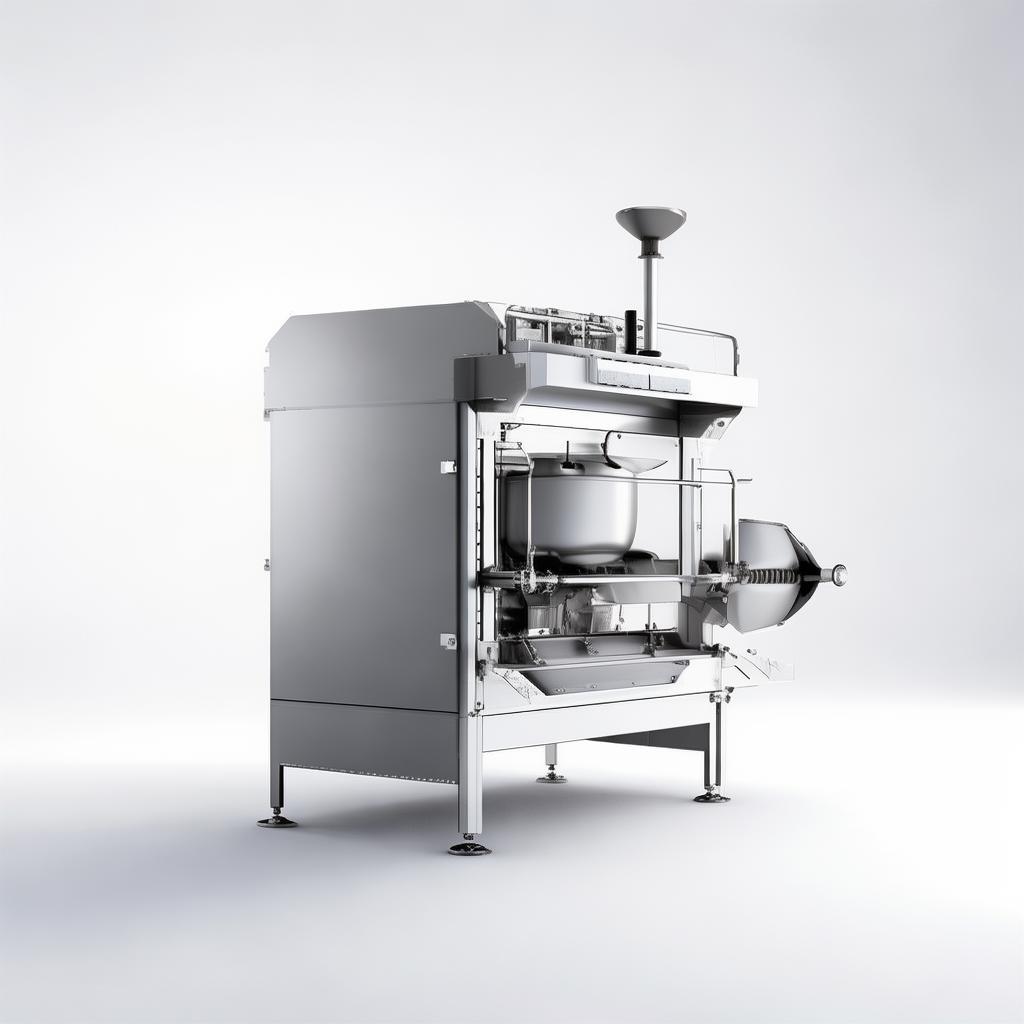
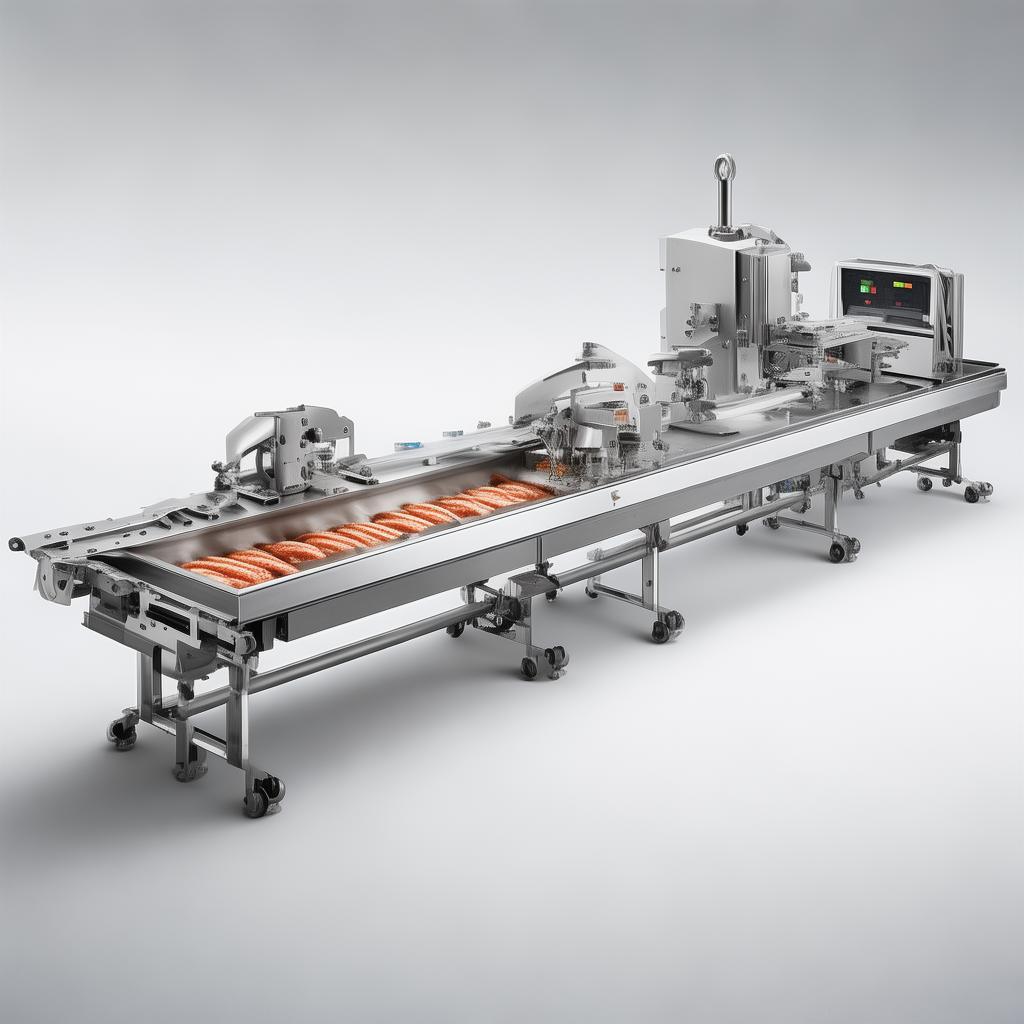
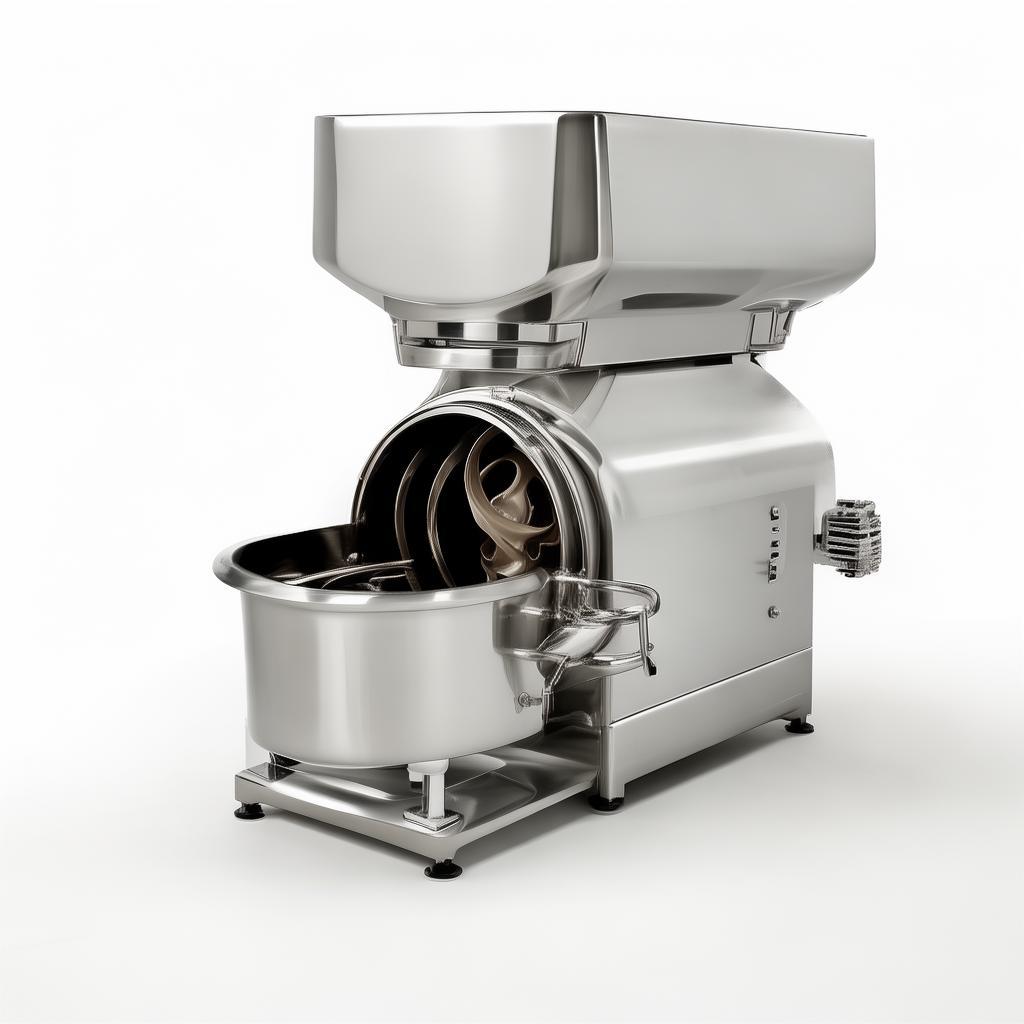
Precision Thin Meat Slicers: Elevating Your Wholesale and Export Operations
Achieve consistent quality, boost efficiency, and meet rigorous international standards with our advanced slicing solutions.

The Backbone of Modern Meat Processing: Understanding the Thin Meat Slicer
In the fast-paced world of wholesale meat distribution and international export, precision, consistency, and hygiene aren't just buzzwords – they're operational imperatives. For businesses that handle everything from raw cuts destined for further processing to ready-to-package deli meats, the right equipment is the linchpin of profitability and market reputation. This is where the humble yet critical thin meat slicer comes into play. Far from being a simple kitchen gadget, an industrial-grade thin meat slicer is a sophisticated piece of engineering designed to deliver uniform, wafer-thin slices at high volumes, ensuring your product meets both customer expectations and stringent regulatory requirements.
The global meat processing equipment market, valued at over USD 11 billion in 2025 and projected to reach upwards of USD 19 billion by 2034, underscores the massive scale and ongoing investment within this sector. This growth is propelled by several converging factors: a sustained rise in demand for processed meats globally, an increasing consumer appetite for convenience and ready-to-eat options, and a critical need for automation to address labor shortages and enhance operational hygiene. 【Meat Processing Equipment Market Size, Share & Industry Analysis - https://www.fortunebusinessinsights.com/meat-processing-equipment-market-115455 - The global meat processing equipment market was valued at USD 11.29 billion in 2025 and is projected to reach USD 17.39 billion by 2034 at a CAGR of 5.0%.】 As markets become more interconnected and consumers more discerning, the ability to produce consistently sliced meat products – whether for charcuterie, sandwiches, or specialized applications – becomes a distinct competitive advantage. A reliable thin meat slicer is your first line of defense against inconsistent product, costly waste, and customer complaints.
Beyond the immediate benefit of perfect slices, the right slicer impacts your entire workflow. Think about the downstream effects: uniform slices pack more efficiently, reducing material costs and maximizing container space during international shipments. They contribute to a predictable cooking or preparation time for your clients, whether they're large-scale caterers or food manufacturers. Furthermore, modern slicers are built with food safety at their core, incorporating features that minimize human contact, facilitate thorough cleaning, and prevent cross-contamination – all essential for markets with rigorous import regulations like the EU, UK, or Japan. Failing to invest in appropriate slicing technology can lead to operational bottlenecks, higher labor costs per unit, and even reputational damage should your product fail to meet quality benchmarks.
Consider the sheer diversity of meat products that require precise slicing: from delicate prosciutto and cured salamis to firmer cooked hams, roast beef, and even poultry products. Each demands a specific blade sharpness, slicing speed, and potentially a different cutting angle. The challenge for processors is finding a machine that offers versatility without compromising on the core requirements of speed, accuracy, and durability. This is precisely where industrial-grade thin meat slicers, often engineered with specific material handling capabilities and adjustable parameters, distinguish themselves from smaller-scale or less robust alternatives. They are built for continuous operation, constructed from food-grade stainless steel for maximum hygiene and longevity, and often feature safety interlocks that are non-negotiable in a professional setting.
When evaluating these machines, it’s important to look beyond the superficial. What are the blade materials? How easy is disassembly for cleaning? What kind of motor powers the unit, and how does it handle different densities of meat? These are the operational realities that a procurement manager or operations director will scrutinize. A slicer that requires extensive downtime for maintenance or deep cleaning will quickly erode its initial cost savings. We understand these concerns deeply. Our focus at Hebei Yuanchang Food Mechanism & Technology Co., Ltd. has always been on delivering equipment that is not just functional, but fundamentally robust, user-friendly, and built to perform reliably in demanding export environments. Our 40 years of experience since 1986 have taught us that the best equipment is the kind you don't have to worry about.
The trend towards value-added meat products is also a significant driver. 【Processed Meat Market Size, Share & Growth Report - https://www.fortunebusinessinsights.com/industry-reports/processed-meat-market-100556 - The global processed meat market is projected to grow from USD 750.58 billion in 2026 to USD 1,253.77 billion by 2034 at a CAGR of 6.62%.】 This includes everything from marinated cuts to pre-portioned meals. For many of these, precise slicing is the first step in creating a desirable, high-value product. A thin meat slicer allows you to precisely portion ingredients for these value-added lines, ensuring consistency and optimizing costs. It's an investment that pays dividends not just in operational efficiency, but in the enhanced quality and marketability of your final offerings. We engineer our slicers to be the cornerstone of such operations.
Operational Challenges & Our Slicing Solutions
Inconsistent Product Quality
Manual slicing or using outdated equipment leads to uneven thicknesses, ragged edges, and a generally unappealing presentation. This directly impacts perceived value and can lead to customer rejections, especially for premium products. In export markets, inconsistencies can flag a lack of rigorous quality control.
Our Solution: Our thin meat slicers feature precision-engineered blades and advanced adjustment mechanisms that guarantee uniform slice thickness from the first piece to the last. This consistency is crucial for presentation and for meeting specific client requirements. We utilize hardened stainless steel blades, often with serrated or smooth options depending on product type, for a clean cut every time.
Low Throughput & Labor Costs
Manual labor for slicing is slow, labor-intensive, and expensive. Scaling up production to meet demand, especially for export orders with tight deadlines, becomes a significant hurdle. This can force businesses to turn away lucrative contracts.
Our Solution: Engineered for high-volume production, our automatic and semi-automatic slicers significantly increase throughput. With capacities designed for industrial settings, they can process larger quantities of meat in less time, drastically reducing labor costs per kilogram and enabling you to scale your operations efficiently. Imagine processing a full beef primal in a fraction of the time.
Food Safety & Hygiene Concerns
Inadequate equipment design can lead to difficult-to-clean areas where bacteria can proliferate, posing a serious food safety risk. This is a major concern for international trade, where stringent hygiene standards are enforced.
Our Solution: Constructed from food-grade stainless steel (e.g., SS304) with smooth surfaces and minimal crevices, our slicers are designed for easy and thorough cleaning. Features like removable blade assemblies and detachable guards streamline the sanitation process, helping you maintain HACCP compliance and meet stringent international food safety regulations. 【Food Processing Equipment Market Forecast 2036 - https://www.meticulousresearch.com/product/food-processing-equipment-market-5049 - The food processing equipment market (including meat) reaches USD 129.47 billion by 2036, with meat segments driving filling and pretreatment demand.】
Product Waste & Inefficient Yield
Imprecise slicing can result in significant trim waste, reducing overall yield from expensive raw materials. The thickness variations also mean that some product might be cut too thin, leading to breakage or being unusable.
Our Solution: Our slicers allow for precise control over slice thickness, minimizing waste and maximizing your yield. This directly translates to a better return on investment from your raw meat purchases. Consistent slicing also means predictable weights for packaging, reducing overfill and improving cost control.
Technical Specifications: Engineering for Excellence
Understanding the technical heart of our thin meat slicers is key to appreciating their capability. We focus on robust construction, reliable power, and user-centric safety features to ensure optimal performance in demanding export environments.
| Feature | Specification | Benefit for Your Operation |
|---|---|---|
| Blade Material | High-grade hardened stainless steel (e.g., 420J2, 440C) | Exceptional durability, corrosion resistance, and long-lasting sharpness for clean cuts. Essential for hygiene. |
| Motor Power | Industrial-grade, high-torque motors (e.g., 0.5 HP to 2 HP) | Sustained power for continuous operation, able to handle dense meat without bogging down. Reduces strain on components. |
| Slice Thickness Adjustment | Precision micro-adjustment knob; range from 0.1mm to 15mm (model dependent) | Versatility to meet diverse product and customer requirements, from wafer-thin to thicker cuts. Ensures precise yield. |
| Blade Diameter | Various options (e.g., 250mm, 300mm, 350mm) | Larger diameters accommodate larger meat cuts, increasing efficiency and reducing the need for multiple passes. |
| Construction Material | Food-grade stainless steel (SS304) body and components | Superior hygiene, corrosion resistance, durability, and compliance with food safety standards. Easy to clean and maintain. |
| Safety Features | Blade guard, emergency stop button, interlock systems | Operator safety is paramount. These features prevent accidental contact and ensure smooth, secure operation. Non-negotiable for export. |
| Power Supply | Configurable for 110V/60Hz, 220V/50Hz, 220V/60Hz, 380V/50Hz etc. | Adaptable to various international electrical standards, ensuring seamless integration into your facility regardless of location. |
| Automation Level | Manual push, semi-automatic, fully automatic options | Scalability to match your production volume and labor resources. Fully automatic units are ideal for maximizing output. |
Applications Across the Meat Industry
The versatility of a quality thin meat slicer makes it indispensable across various segments of the meat processing and wholesale export industry:
- Deli Meat Production: For slicing cooked hams, roast beef, turkey, chicken, and pre-cooked sausages for sandwich shops, restaurants, and retail packaging. Consistent thickness ensures even cooking and presentation.
- Cured & Smoked Meats: Essential for slicing products like pepperoni, salami, bacon, and prosciutto where wafer-thin slices are characteristic and expected by consumers.
- Further Processing: Used by manufacturers to portion meat for inclusion in ready-to-eat meals, frozen dinners, pet food, or as a component in other food products. Precision is key for recipe adherence.
- Wholesale Distribution: Preparing bulk cuts into uniformly sliced portions for redistribution to smaller businesses, hotels, or catering services.
- Specialty Meat Products: Creating thin slices for snacks, jerky production, or specific cultural dishes that require delicate preparation.
The demand for processed meat products is substantial, with the global market expected to reach over USD 1.3 trillion by 2035. 【Processed Meat Market Size to Worth USD 1,330.45 Billion by 2035 - https://www.precedenceresearch.com/processed-meat-market】 This growth highlights the need for efficient slicing technology to meet consumer demand for convenience and variety.
Installation & Maintenance: Ensuring Long-Term Performance
Getting your slicer up and running and keeping it that way is crucial for uninterrupted production. We prioritize ease of integration and straightforward maintenance.
Installation Considerations:
- Power Connection: Ensure your facility has the correct voltage and amperage available to match the slicer's requirements. Our team can advise on necessary electrical work.
- Stable Surface: The slicer must be placed on a level, sturdy surface to prevent vibration and ensure safe operation.
- Clearance: Allow adequate space around the machine for operation, cleaning, and access to controls.
- Ventilation: Ensure proper ventilation, especially for larger, more powerful units.
Routine Maintenance & Cleaning:
Daily cleaning is non-negotiable for food safety and machine longevity. Most models are designed for quick disassembly:
- After each use, unplug the machine.
- Disassemble removable parts (blade, guards, product holder).
- Wash all parts with warm, soapy water, rinse thoroughly, and dry completely. Food-grade sanitizers can be used as per your HACCP plan.
- Wipe down the machine body and other non-removable components.
- Periodically check blade sharpness and consider professional sharpening or replacement to maintain cut quality and reduce machine strain. We offer replacement blades and sharpening services.
- Annual checks by a qualified technician are recommended for motors, belts, and critical mechanical components, especially for high-usage units.
Our commitment extends beyond the sale with detailed manuals and accessible support for your operational teams. We aim for minimal downtime and maximum uptime.
Why Partner with Hebei Yuanchang Food Mechanism & Technology Co., Ltd.?
For over four decades, Hebei Yuanchang has been a trusted name in manufacturing high-quality meat processing equipment. Our strength lies in integrating research, development, production, and sales, allowing us to maintain complete control over quality and innovation.
40 Years of Experience
Since 1986, we've accumulated unparalleled expertise in meat processing machinery, understanding the practical challenges faced by exporters and wholesalers.
In-House Precision Machining
With over 20 sets of advanced processing machinery, including Japanese Mazak CNC centers, we produce high-precision components ourselves. This ensures quality and reduces lead times.
Comprehensive Product Range
Beyond slicers, we offer complete solutions for meat pretreatment, filling, molding, and ripening, providing integrated processing lines.
Traceable After-Sales Service
Our traceable management system means we stand behind our products, offering reliable after-sales support for parts and service.
Export Expertise
We regularly export to markets worldwide, understanding the logistics, documentation, and quality standards required for international trade.
We operate on a substantial 14,000 square meter facility with a dedicated team of 80-100 professionals, all focused on delivering machinery that enhances your operational efficiency and product quality.
Testimonials from Our Global Partners
"The precision on these thin meat slicers from Yuanchang is remarkable. We process a lot of cured meats for export to Europe, and consistency in thickness is critical for both product quality and customs inspection. Their machines deliver that, day in and day out. The service team has been very responsive too."

Artisan Cured Meats Inc. (USA)
"We needed a high-volume slicer for our deli operations serving hotels and restaurants across the Middle East. Yuanchang's semi-automatic model has been a game-changer. It significantly cut down our slicing time and the operators find it easy to use and clean, which is vital for our busy kitchen environment."

Gulf Food Solutions (UAE)
"As an importer of specialized meat products, I evaluate equipment based on reliability and cost-effectiveness. Hebei Yuanchang delivered on both. Their thin meat slicer for our processing facility in Canada has proven to be robust, accurate, and maintains excellent hygiene standards. Their export process was smooth and efficient."

Northern Harvest Meats (Canada)
Frequently Asked Questions (FAQs)
What is the typical lifespan of a commercial thin meat slicer?
With proper maintenance and routine cleaning, our industrial-grade slicers are built to last for many years, often exceeding 5-10 years of continuous operation. The key is consistent care and using the machine within its intended parameters.
Can these slicers handle frozen meat?
Generally, thin meat slicers are designed for chilling or unfrozen meats. Slicing partially frozen or fully frozen meat can put excessive strain on the motor and blade, leading to damage. For frozen products, a dedicated frozen meat grinder or band saw is typically required.
What is the warranty period for your slicers?
We offer a standard warranty on our machinery, typically covering manufacturing defects. Specific warranty periods vary by model. Please contact us for detailed information on the warranty applicable to the slicer you are interested in.
How do I choose between a manual, semi-automatic, and fully automatic slicer?
The choice depends on your production volume and labor availability. Manual slicers are suitable for lower volumes or intermittent use. Semi-automatic models offer increased speed and consistency for moderate production. Fully automatic slicers are designed for continuous, high-volume operations where maximizing throughput is the primary goal. We can help assess your needs to recommend the best fit.
What certifications do your machines typically carry?
Our equipment is manufactured to meet international standards. Depending on the specific model and destination market, certifications such as CE (for Europe) or compliance with relevant food machinery directives can be provided. We ensure our products meet the necessary safety and quality benchmarks for global export.
Ready to Enhance Your Slicing Operations?
Don't let outdated equipment limit your potential. Discover how our precision thin meat slicers can boost your efficiency, consistency, and profitability. Discuss your specific needs with our technical experts and explore custom OEM/ODM options.