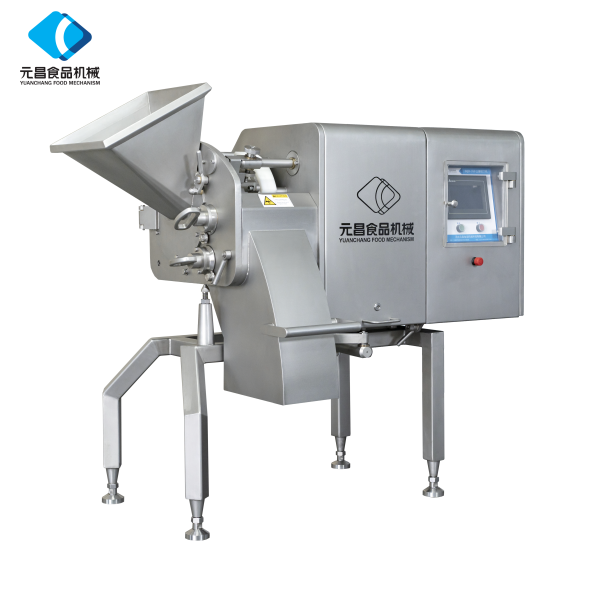
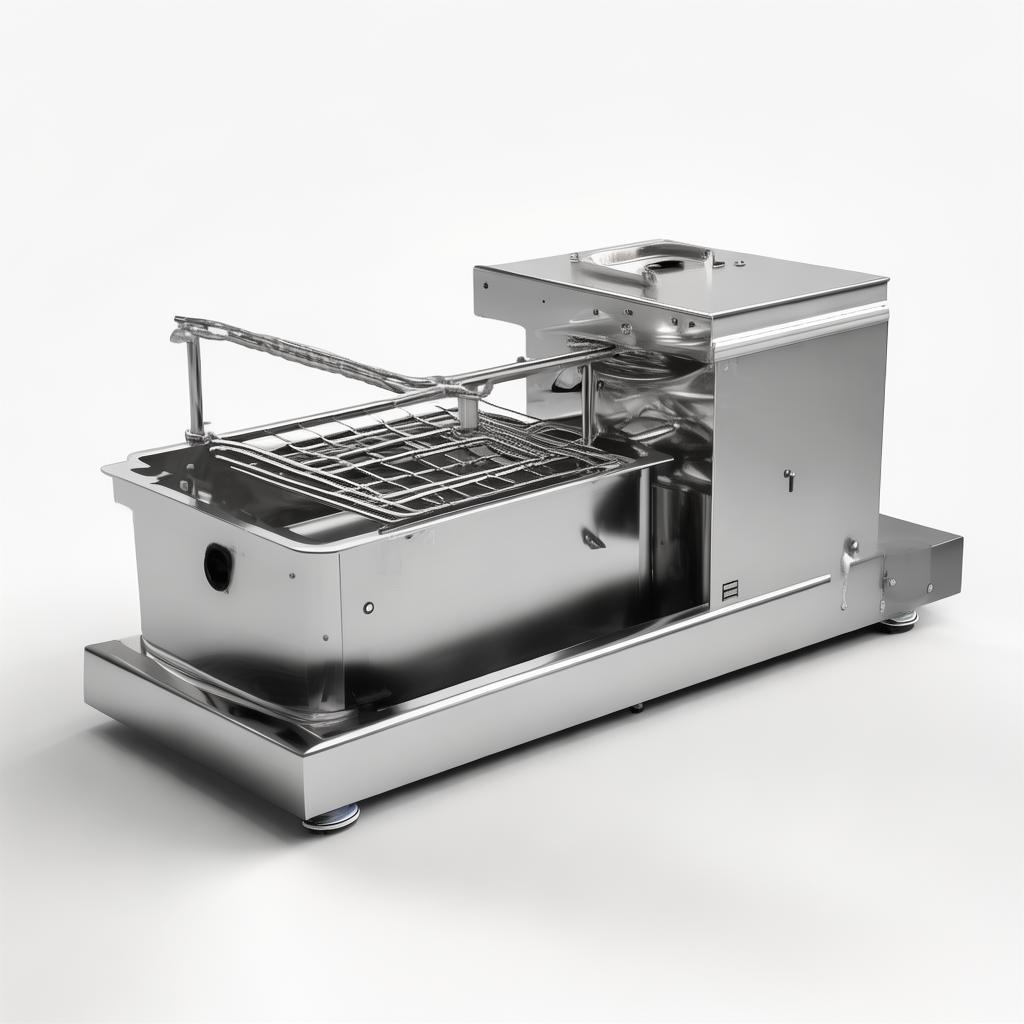
Storage Hopper
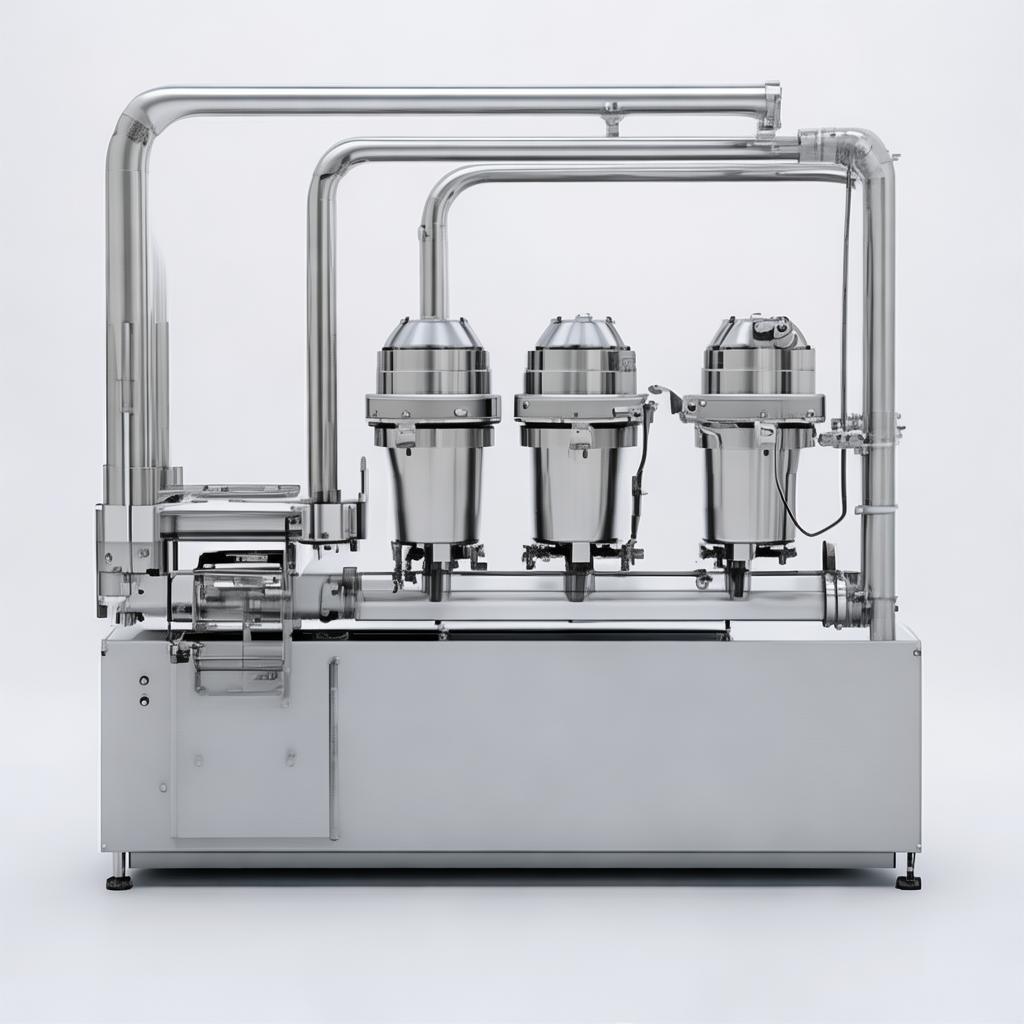
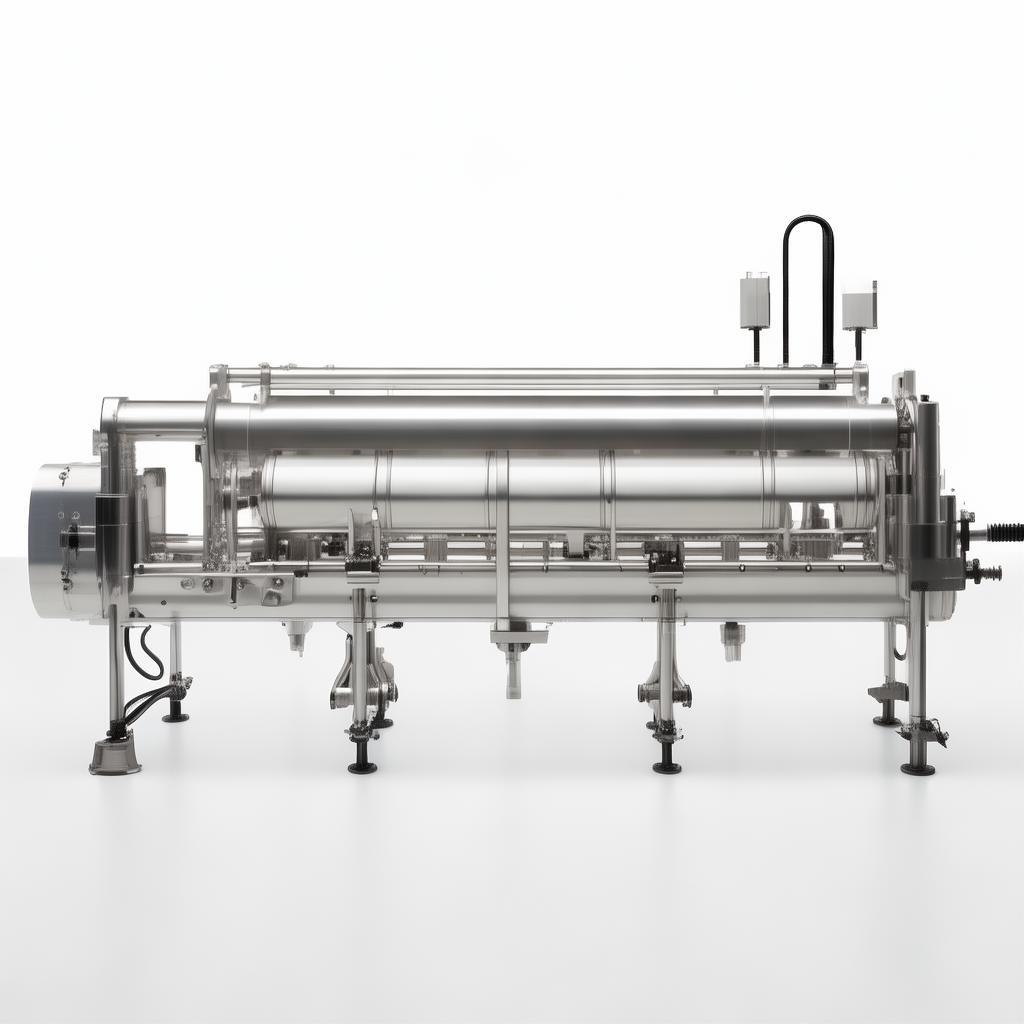
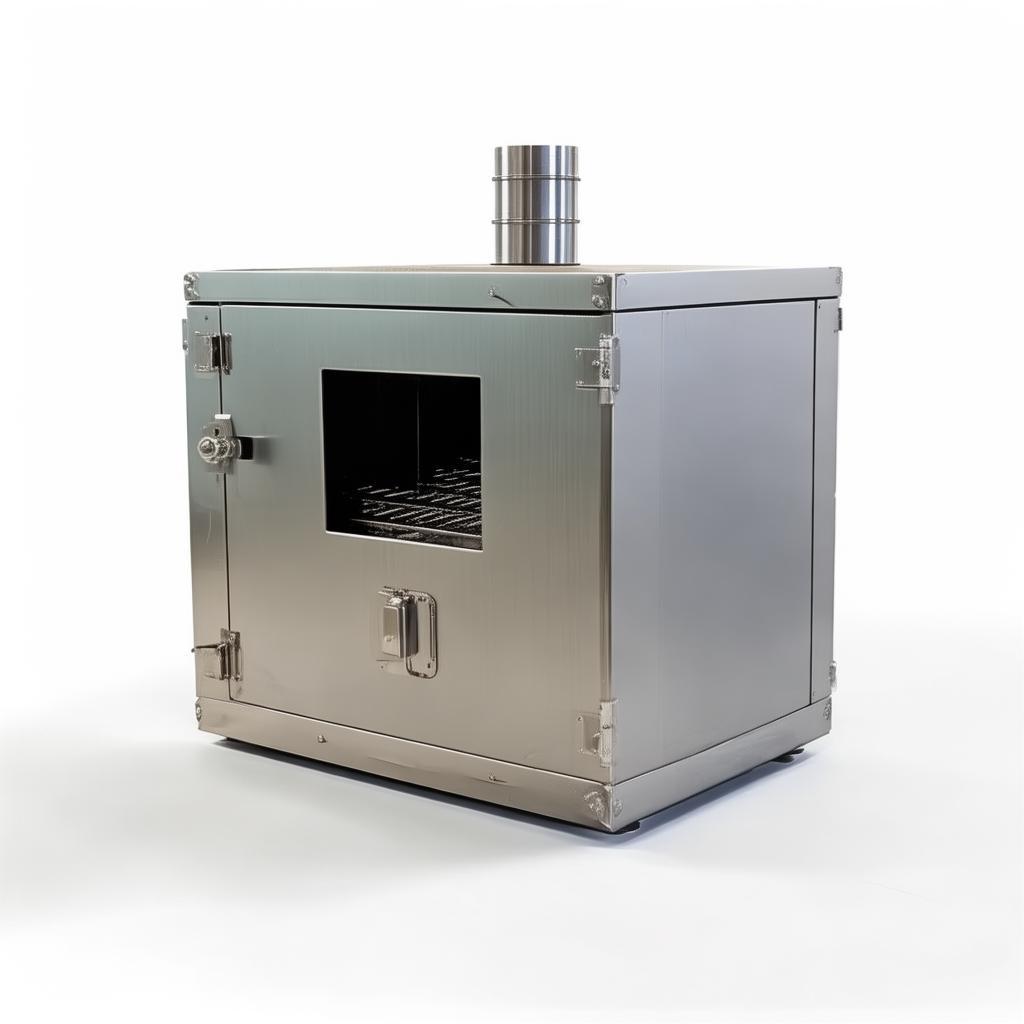
High-Capacity Storage Hoppers: Optimizing Your Industrial Material Flow
Engineered for Durability, Efficiency, and Seamless Integration into Your Production Line
The Backbone of Material Handling: Understanding the Modern Storage Hopper
In the complex ecosystem of industrial manufacturing, wholesale export, and large-scale food processing – especially within sectors like meat processing where precision and hygiene are paramount – the efficient management of raw materials and finished goods is non-negotiable. At the heart of this operation lies a seemingly simple yet critically important piece of equipment: the storage hopper. More than just a container, a well-designed industrial storage hopper acts as a vital buffer, a controlled feed mechanism, and a critical component in maintaining the continuous flow that defines efficient production. For businesses involved in OEM/ODM manufacturing, cross-border commerce, or supplying enterprise-level SaaS solutions for supply chain optimization, understanding the nuances of hopper technology is key to unlocking operational advantages and securing a competitive edge. This isn't just about storing bulk ingredients; it's about managing the lifeblood of your production process, from initial intake to the point of processing or packaging.
The global meat processing equipment market, for instance, is a testament to the intricate needs of this sector. Valued at approximately USD 11.29 billion in 2025 and projected to reach USD 17.39 billion by 2034, this market thrives on specialized machinery that facilitates everything from pretreatment to final product formation. 【Meat Processing Equipment Market Size, Share & Industry Analysis - https://www.fortunebusinessinsights.com/meat-processing-equipment-market-115455 - Key segments include filling & stuffing equipment, massaging & tumbling (for ripening/tenderizing), cutting, grinding, and smoking machines. Growth is driven by rising demand for processed meat, automation adoption for hygiene and labor efficiency, strict food safety standards, and strong expansion in Asia-Pacific.】 Within this context, storage hoppers are fundamental. They are the first point of contact for bulk ingredients like meat trimmings, spices, or binders, and they directly feed into critical upstream processes such as filling and molding machines. The capacity, material, discharge mechanism, and ease of cleaning of a storage hopper directly impact the throughput, product quality, and compliance with stringent food safety standards that govern industries today.
When we talk about "storage hopper," we are encompassing a broad range of industrial solutions, from simple gravity-fed bins to sophisticated, automated systems designed for specific materials and environments. The choice of hopper can significantly influence labor requirements, material wastage, and the overall cycle time of your operations. For instance, a poorly designed hopper for a sticky or fibrous material might lead to bridging or ratholing, causing costly downtime and inconsistent product flow. Conversely, a hopper engineered with the right internal geometry, surface finish, and discharge aid can ensure a smooth, predictable, and sanitary material transfer. This is where our expertise at Hebei Yuanchang Food Mechanism & Technology Co., Ltd. truly comes into play. With 40 years of experience dating back to 1986, we've refined our understanding of these critical components, developing solutions that are not only robust but also tailored to the precise demands of international B2B trade and industrial manufacturing.
Consider the procurement manager tasked with sourcing these vital pieces of equipment. They're not just looking for a price point; they're evaluating reliability, compliance with international standards (like those for food-grade materials), the supplier's ability to provide technical support across borders, and the logistical implications of integrating new equipment into existing production lines. The decision to invest in a high-capacity storage hopper often stems from a clear need to scale operations, improve process efficiency, or meet new regulatory demands. The market is dynamic, with continuous innovation in material science and engineering driving the development of hoppers that are lighter, more durable, easier to clean, and more energy-efficient. For example, the processed meat market is projected to reach USD 1,330.45 billion by 2035 【Processed Meat Market Size to Worth USD 1,330.45 Billion by 2035 - https://www.precedenceresearch.com/processed-meat-market】, underscoring a sustained demand for the equipment that makes its production possible, including specialized storage and feeding systems.
The critical function of a storage hopper extends beyond mere containment. In many industrial applications, it serves as a crucial interface that can affect the physical properties of the material being stored. For instance, in meat processing, the time a product spends in a hopper, especially if it's a refrigerated or marinated mixture, can be a critical factor in its overall quality and shelf-life. This is why advanced systems often incorporate temperature control or specific agitation mechanisms. Furthermore, the hygienic design of a hopper is paramount in food-grade applications. Smooth, crevice-free surfaces, easy access for cleaning (CIP/SIP capabilities are often a requirement), and the use of FDA-approved materials are not optional extras; they are fundamental design principles. Our commitment to quality means that every storage hopper we design and manufacture adheres to the highest international standards, ensuring both operational excellence and regulatory compliance for our global clientele.
Addressing Production Bottlenecks: The Operational Imperative for Reliable Hoppers
Many production facilities grapple with inefficiencies that, at first glance, might seem unrelated to bulk material handling. However, a closer look often reveals that a suboptimal storage hopper system is at the root of these issues. Imagine a production line for sausages, where the meat mixture needs to be fed consistently into a filling machine. If the hopper above struggles to maintain an even flow, perhaps due to material sticking to the walls or a blockage in the discharge chute, the filling machine will experience fluctuating loads. This inconsistency can lead to variations in sausage diameter, density, and overall product quality. It also forces operators to constantly intervene, increasing labor costs and reducing overall line efficiency.
This is a common scenario, and one that our engineering team encounters regularly. The need for a "Fit For Now" solution means addressing immediate operational pain points while building in scalability for future growth. For businesses operating in the wholesale export market, where delivery schedules and product consistency are critical for maintaining international reputation, such inefficiencies can be particularly detrimental. A consistent supply chain, starting with reliable material buffering, is essential.
The challenges are diverse:
- Material Sticking & Bridging: Sticky, viscous, or fibrous materials, common in processed foods, can adhere to hopper walls, forming blockages that halt material flow. This is a significant operational headache, leading to downtime and manual clearing.
- Inconsistent Discharge: Gravity alone isn't always sufficient. Vibrators, flow aids, or specialized auger discharge systems are often necessary to ensure a uniform and controlled rate of material leaving the hopper.
- Hygiene & Cleaning: In food processing, cleaning is not just about efficiency; it's a critical compliance requirement. Hoppers must be designed for easy, thorough cleaning to prevent microbial contamination. Open designs, smooth surfaces, and accessible components are vital.
- Cross-Contamination: For facilities processing multiple product types, preventing cross-contamination is paramount. Dedicated hoppers or robust cleaning protocols are essential.
- Integration Complexity: Hoppers need to seamlessly integrate with upstream material sources and downstream processing equipment. Poor integration leads to manual transfers or inefficient loading.
The market for meat processing equipment itself reflects this need for sophisticated material handling. With a projected growth to USD 19.66 billion by 2033 【Meat Processing Equipment Market Size & Forecast 2033 - https://www.skyquestt.com/report/meat-processing-equipment-market】, the demand for highly efficient, specialized machinery, including reliable feeding and storage systems, is robust. Our hoppers are engineered to tackle these exact challenges. We consider the specific properties of the materials you handle – be it granular, viscous, powder, or fibrous – and design discharge mechanisms, internal surface treatments, and agitation systems accordingly.
Industry Observation: Many operations find that upgrading from a basic storage bin to a purpose-built hopper with a controlled discharge system can reduce material waste by as much as 3-5% due to more accurate feeding and less spillage. This isn't a small optimization; it translates directly to improved profitability, especially in high-volume production environments.
By understanding these common pitfalls, we move beyond merely supplying a product. We offer a solution designed to enhance your operational continuity and product consistency. This proactive approach to problem-solving is what sets us apart and ensures that our clients in international B2B trade receive equipment that truly adds value.
Engineered for Excellence: Key Features and Advantages of Our Storage Hoppers
Our commitment to providing high-performance industrial solutions means every storage hopper leaving our facility is built with a focus on durability, efficiency, and user-friendliness. We leverage our 40 years of manufacturing experience, combined with advanced machining capabilities – including Japanese Mazak CNC centers – to produce components with exceptional precision and adherence to strict quality control. This ensures that our hoppers are not just functional but are built to last under demanding industrial conditions.
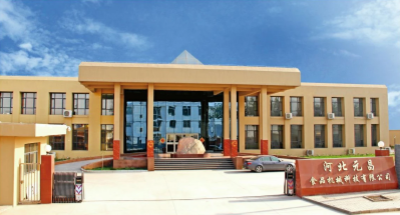
The advantages of integrating our storage hoppers into your workflow are tangible:
1. Robust Construction & Material Integrity
We offer hoppers constructed from high-grade stainless steel (e.g., SS304, SS316 for food-grade applications) or durable industrial-grade carbon steel with specialized coatings. This ensures resistance to corrosion, wear, and the specific chemical properties of the materials being stored. The selection of material is critical for longevity and compliance, especially in food and beverage processing where hygiene is a primary concern. Compliance with FDA and EU standards is integral to our design process.
2. Optimized Flow Dynamics
Our hopper designs feature carefully calculated cone angles and discharge openings to promote smooth, consistent material flow. For challenging materials prone to sticking or bridging, we integrate optional features such as:
- Vibrators: Gentle, consistent vibration to prevent compaction and encourage flow.
- Aeration Systems: For powders and fine materials, introducing low-pressure air can reduce friction and prevent ratholing.
- Mechanical Agitators/Augers: For highly viscous or sticky materials, these systems actively move the product towards the discharge outlet, ensuring complete and controlled emptying.
3. Hygienic Design for Food & Pharma Applications
When processing food, pharmaceuticals, or other sensitive products, hygiene is non-negotiable. Our food-grade hoppers are designed with:
- Smooth, Crevice-Free Surfaces: Minimizing areas where bacteria can harbor.
- Easy Access for Cleaning: Hinged lids, removable components, and polished internal finishes facilitate thorough manual or Clean-In-Place (CIP) procedures.
- Food-Grade Materials: All wetted parts are made from certified food-grade stainless steel.
This attention to detail aligns with the stringent requirements of markets that demand high levels of food safety and product integrity. The growth in processed meat, which is projected to reach USD 19.11 billion by 2035 【Processed Meat Market Size to Reach USD 19.11 Billion by 2035 - https://www.precedenceresearch.com/processed-meat-market】, directly correlates with the need for such meticulously engineered processing and storage equipment.
4. Versatile Capacity & Customization
We understand that one size does not fit all. Our range includes standard models with capacities suitable for a wide array of applications, from pilot-scale operations to high-volume industrial production. Beyond our standard offerings, we excel in providing customized solutions. Whether you require a specific footprint, a unique discharge height, integration with existing conveying systems, or specialized features for a novel material, our engineering team can design and manufacture a hopper tailored to your exact needs. This OEM/ODM capability is a cornerstone of our service to international clients.
5. Integration with Downstream Equipment
A hopper's true value is realized when it efficiently feeds subsequent machinery. Our hoppers are designed for straightforward integration. Common discharge outlets can be adapted to mate with screw feeders, pneumatic conveying systems, packaging machines, or other processing equipment. For meat processing, this might mean a seamless connection to our own range of filling, molding, or massaging equipment, creating a cohesive and optimized production line.
By focusing on these core advantages, we ensure that our storage hoppers are not just components but integral contributors to the efficiency, safety, and profitability of your operations. This technical expertise, honed over decades, is what we bring to every international project.
Technical Specifications & Material Options
Choosing the right storage hopper involves understanding its technical capabilities and the materials it's constructed from. Our standard range is designed to cover most common industrial requirements, but we encourage consultation for bespoke solutions.
| Feature | Standard Configuration | Optional Enhancements |
|---|---|---|
| Construction Material | Food-grade Stainless Steel (SS304) / Industrial Carbon Steel with coating | SS316, SS316L (for highly corrosive environments), Specialized coatings (e.g., non-stick) |
| Capacity Range | 500 Liters to 10,000 Liters (Customizable) | Larger/smaller bespoke capacities available |
| Discharge Outlet Diameter | Standard sizes (e.g., 200mm, 300mm, 400mm) | Custom diameters and flange connections |
| Hopper Cone Angle | Optimized for material flow (e.g., 45°, 60°) | Steeper angles for challenging materials |
| Surface Finish | Mechanical polish (e.g., 2B finish for SS) | Electropolished (mirror finish) for ultimate hygiene, Brushed finish |
| Lid Design | Hinged, with safety latches | Gas-strut assisted lids, fully sealed designs |
| Support Structure | Robust steel frame, suitable for floor mounting or integration with existing platforms | Integrated load cells for weight monitoring, custom leg heights/configurations |
| Electrical Requirements | Basic (for vibrators if specified) | Integrated variable frequency drives (VFDs) for precise motor control, control panels |
bulk material handling hopper bulk hopper hopper container
Material Considerations & Industry Relevance:
The choice of material is paramount. For applications involving raw meats, marinades, or processed meat products, SS304 is often the baseline, offering excellent corrosion resistance and ease of cleaning. For more aggressive ingredients or when extremely high levels of sanitation are required (e.g., pharmaceutical intermediates, or high-end specialty food products), SS316 or SS316L provides superior resistance to chlorides and acids. The global meat processing equipment market is forecast to reach USD 15.04 billion by 2030 【Meat Processing Equipment Market Size, Share Report, 2030 - https://www.grandviewresearch.com/industry-analysis/meat-processing-equipment-market】, highlighting the critical role that material choice plays in equipment longevity and compliance.
Procurement Insight: When evaluating suppliers, always request material certifications. For food-grade applications, ensure stainless steel grades are clearly specified and traceable. This protects your investment and, more importantly, your product integrity and regulatory standing.
Application Scenarios: Where Our Hoppers Excel
Our storage hoppers are versatile workhorses, finding application across a broad spectrum of industries. The core principle remains the same: efficient and controlled buffering of bulk materials. However, the specific demands of each industry dictate the optimal design and features.
Meat & Poultry Processing
Essential for storing and feeding raw materials, pre-mixed formulations, spices, and binders into processing machinery. Key applications include direct feed to:
- Sausage stuffers & fillers
- Meat grinders & mixers
- Forming machines
- Marination tumblers
Pet Food Manufacturing
Used for storing kibble ingredients, meat pastes, supplements, and coatings. These hoppers ensure consistent feeding into extruders, mixers, and packaging lines for both dry and wet pet foods. Durability and preventing cross-contamination are key concerns.
Dairy & Cheese Production
For storing powdered milk, cheese curds, whey powders, or cultured starters. Hoppers need to prevent caking and ensure gentle handling of sensitive dairy products. Hygienic design is critical.
Baked Goods & Confectionery
Storing flour, sugar, cocoa powder, chocolate chips, nuts, and other bulk ingredients. Specialized designs might be needed for very fine powders or delicate items like confectionery coatings to prevent damage and ensure uniform dispensing.
Chemical & Industrial
Handling granular chemicals, plastic pellets, powders, or other non-food materials. Robust construction, resistance to chemical corrosion, and specific discharge mechanisms (e.g., for static-prone materials) are essential.
Agricultural Products
Storage and feeding of grains, animal feed components, fertilizers, or seeds. Durability in often harsh environments and ease of maintenance are primary considerations.
Our OEM/ODM capabilities allow us to adapt these designs to meet the unique requirements of any niche application. Whether you're developing a new processed meat product line or optimizing existing bakery operations, a well-specified storage hopper can be a game-changer.
Installation, Maintenance, and Logistics: Practical Considerations
Acquiring industrial equipment is only part of the process. For international B2B trade, understanding the practical aspects of installation, ongoing maintenance, and global logistics is crucial for a smooth transaction and long-term operational success. We aim to provide comprehensive support to address these points.
Installation Guidance
Most of our storage hoppers are designed for straightforward installation. Standard models typically require:
- Site Preparation: A level and stable surface is essential. For food-grade applications, the surrounding area must meet hygiene standards.
- Positioning: Hoppers can be floor-mounted or integrated into existing platforms. Ensure adequate clearance for operation, maintenance, and material loading/unloading.
- Integration: Connecting the discharge outlet to your downstream equipment (e.g., via chutes, conveyors, or direct coupling).
- Electrical Connections: If vibrators, agitators, or other powered accessories are included, ensure proper electrical hookup by qualified personnel.
For complex integrations or custom designs, our technical team can provide detailed drawings and, if necessary, dispatch an engineer for on-site supervision – a service we frequently provide for our clients in North America and Europe.
Routine Maintenance & Longevity
To ensure maximum lifespan and reliable performance, regular maintenance is key:
- Daily/Weekly: Visual inspection for damage, cleanliness, and proper functioning of any moving parts. Thorough cleaning, especially critical in food processing.
- Monthly/Quarterly: Check all fasteners, welds, and seals for integrity. Lubricate bearings or drive mechanisms as per the manual. Test vibrator or agitator functionality.
- Annually: More in-depth inspection of wear parts, structural components, and electrical systems.
The robust construction of our hoppers, utilizing high-quality materials and precision engineering, significantly reduces the frequency of major maintenance interventions compared to lower-quality alternatives.
Logistics and Global Shipping
As an established international exporter, we have extensive experience in managing global logistics. Our hoppers are typically shipped disassembled or semi-assembled to optimize container loading and reduce freight costs. We work with reliable freight forwarders to ensure safe and timely delivery to ports worldwide. Key considerations include:
- Packaging: Hoppers are carefully packed to protect against damage during transit. Food-grade stainless steel units often receive specialized wrapping.
- Documentation: We provide all necessary export documentation, including customs declarations, certificates of origin, packing lists, and commercial invoices.
- Container Optimization: Our designs consider standard shipping container dimensions (e.g., 20ft, 40ft) to maximize space utilization and minimize shipping expenditure. This is a critical factor for buyers in cross-border commerce.
Logistics Tip: When planning your order, consider consolidating hopper purchases with other processing equipment to further reduce overall shipping costs and streamline import procedures.
Why Partner with Hebei Yuanchang? Your Trusted OEM/ODM Supplier
Choosing a supplier for critical industrial equipment like storage hoppers is a decision that impacts your production efficiency, product quality, and bottom line. At Hebei Yuanchang Food Mechanism & Technology Co., Ltd., we offer more than just machinery; we offer a partnership built on 40 years of accumulated expertise, unwavering commitment to quality, and a deep understanding of international manufacturing and trade dynamics.
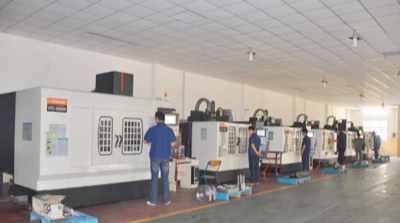
Our Strengths:
- 40 Years of Experience: Since 1986, we have been at the forefront of food processing equipment manufacturing, accumulating invaluable practical knowledge.
- In-House Precision Machining: Our facility boasts over 20 sets of advanced machinery, including Japanese Mazak CNC centers, enabling us to produce high-precision, non-standard components independently. This ensures consistent quality and rapid turnaround for custom orders.
- Full Production Line Expertise: We don't just build individual components; we understand how they fit into complete production lines, from pretreatment to auxiliary systems. This holistic view benefits our clients immensely.
- Commitment to Quality & Compliance: We adhere to stringent quality control measures and understand the importance of international standards (ISO, CE, FDA compliance where applicable) for our global clientele.
- OEM/ODM Excellence: Our manufacturing flexibility allows us to act as your OEM/ODM partner, producing equipment under your brand or developing custom solutions to your specifications.
- Traceable After-Sales Support: Our independent production of high-precision parts means we can offer reliable and traceable after-sales service and spare parts availability, mitigating risks for our international buyers.
Procurement Risk Mitigation: Partnering with an experienced manufacturer like Hebei Yuanchang significantly reduces the risks associated with sourcing overseas. Our transparent processes, quality assurance protocols, and direct communication channels ensure a reliable supply chain experience.
Authoritative Insight: The global food processing equipment market is expected to reach USD 112.94 billion by 2036 【Global Food Processing Machinery Market - https://www.meticulousresearch.com/product/food-processing-equipment-market-5049】. In this competitive landscape, choosing a supplier with a proven track record and deep technical expertise is paramount. We are that partner.
Frequently Asked Questions (FAQs)
Q1: What is the typical lead time for a standard storage hopper order?
Lead times can vary based on current production schedules and order complexity. For standard configurations, you can typically expect a lead time of 4-8 weeks from order confirmation and deposit. Customized orders may require additional engineering and production time.
Q2: Can your hoppers be adapted for automated cleaning systems (CIP)?
Yes, many of our stainless steel hoppers can be designed to accommodate CIP (Clean-In-Place) systems. This requires specific design considerations such as internal finish, drainage, and port placement. Please discuss your CIP requirements with our sales engineers during the inquiry phase.
Q3: What is the warranty period for your storage hoppers?
We offer a standard 12-month warranty on our storage hoppers, covering defects in materials and workmanship under normal operating conditions. This warranty is a testament to our confidence in the quality and durability of our products.
Q4: How do you handle spare parts for international clients?
We maintain a comprehensive inventory of critical spare parts. For international clients, we can ship spare parts directly. Our traceable after-sales management system ensures we can quickly identify and provide the correct components needed to keep your equipment running.
Q5: Can you provide certifications for materials used in food-grade hoppers?
Absolutely. We can provide material certifications (e.g., MTCs for stainless steel) and declarations of conformity for food-grade components, ensuring compliance with international food safety regulations.
Ready to Optimize Your Material Handling?
Don't let inefficient material flow bottlenecks hinder your production. Discover how a high-capacity, custom-engineered storage hopper from Hebei Yuanchang can transform your operations.
Contact us today for a personalized consultation. We're ready to engineer the perfect solution for your needs.