Stainless Steel Worker
Stainless Steel Workers: Precision, Durability, and Efficiency in Meat Processing
 David Chen, Senior Manufacturing Consultant & Export Specialist
Last Updated: October 26, 2023
Navigating the Complexities of Meat Processing: Why Stainless Steel is Non-Negotiable
In the demanding world of meat processing, where hygiene, efficiency, and product integrity are paramount, the choice of materials for your machinery isn't just a detail – it's a foundational decision that impacts everything from operational costs to regulatory compliance. When you consider the constant exposure to corrosive environments, abrasive ingredients, and the stringent cleaning protocols inherent in meat product manufacturing, one material stands out: stainless steel. Specifically, the role of what can broadly be termed "stainless steel workers" – the components, machines, and even entire production lines crafted from this robust metal – is critical. These aren't just inanimate objects; they are the silent engines of your operation, ensuring that every step, from initial meat preparation to the final formed product, meets the highest standards.
The global meat processing equipment market is a significant and growing sector. Projections show it expanding from approximately USD 11.28 billion in 2024 to over USD 15 billion by 2030, with a CAGR around 5%. This growth is fueled by several key drivers: rising consumer demand for processed and convenience meats, the imperative for automation to address labor shortages and enhance hygiene, and stricter food safety regulations worldwide. Within this dynamic market, specialized equipment like filling and molding machines, crucial for creating consistent products like sausages and formed patties, and massaging equipment, vital for ripening and tenderizing, are seeing significant traction. The material these machines are made from directly influences their performance, longevity, and the safety of the end product.
Choosing the right stainless steel grade for your "workers" – be it for tanks, mixers, augers, forming plates, cutting blades, or conveyor systems – is not a one-size-fits-all decision. Factors such as the type of meat being processed (beef, pork, poultry, or even pet food), the specific process involved (grinding, emulsifying, stuffing, cooking, freezing), and the cleaning agents used all play a role. For instance, higher-grade stainless steels, like 316L, offer superior resistance to chlorides and acids often found in marinades or cleaning solutions, making them ideal for more aggressive environments compared to the more common 304 grade. This level of detail matters when you're investing in equipment that needs to last for decades, not just seasons.
Consider the procurement decision-making workflow for a purchasing manager or operations director. The initial inquiry might stem from a need to upgrade existing lines, expand capacity, or meet new regulatory demands. The process typically involves identifying potential suppliers, evaluating their technical capabilities, requesting detailed specifications, comparing pricing, and assessing after-sales support. Throughout this evaluation, the material composition of the equipment – particularly the quality and grade of stainless steel – is a key performance indicator. A supplier who can clearly articulate the benefits of specific stainless steel alloys for particular applications, backed by certifications and a proven track record, immediately gains an advantage. They understand that the "stainless steel worker" is an investment in operational reliability and brand reputation.
We've seen firsthand how the wrong material choice can lead to premature corrosion, contamination risks, and costly downtime. A common pitfall is opting for lower-grade stainless steel or, worse, plated materials that can flake or wear down, compromising both the food safety and the mechanical integrity of the equipment. This is why focusing on genuine, high-quality stainless steel, manufactured by reputable factories with robust quality control, is essential. Our own manufacturing process, honed over 40 years, emphasizes the meticulous selection and machining of stainless steel components, ensuring our machines are not just functional, but durable assets to your processing operation. We understand that your "stainless steel workers" need to perform flawlessly, day in and day out, under challenging conditions.
The market for processed meats itself is experiencing robust growth, with some reports projecting it to reach over USD 1.25 trillion by 2034. This expansion necessitates efficient, high-capacity processing lines. Equipment that can handle high-volume output, maintain precise product dimensions (molding), and improve texture (ripening/massaging) is in high demand. The machinery that facilitates these processes – often referred to collectively as specialized "stainless steel workers" – must be built to exacting standards. This includes components like the tumblers and massagers used for curing and tenderizing, or the intricate molds and filling mechanisms that give processed meats their characteristic shapes and textures. Their design and material are inseparable from the quality of the final product you deliver to consumers.
Furthermore, the integration of advanced technologies, including CNC machining, is transforming the production of these critical components. At Hebei Yuanchang, for example, the introduction of Japanese Mazak CNC machining centers in 2012 allows us to produce high-precision, non-standard parts that are vital for complex food processing machinery. This capability ensures that the stainless steel components we use not only meet the material requirements but also the dimensional tolerances demanded by modern, high-speed processing lines. This focus on precision machining directly translates into smoother operation, reduced wear, and ultimately, a longer operational life for your stainless steel equipment.
The sheer variety of stainless steel workers in a modern meat processing plant can be overwhelming. From large-scale, automated filling and molding machines that produce thousands of sausages per hour, to smaller, specialized units for tenderizing or marinating, each piece plays a vital role. The common thread is the requirement for a material that can withstand the rigors of the environment and the demands of the process. This is where our expertise in selecting the right stainless steel grades and manufacturing robust machinery becomes invaluable. We don't just sell machines; we provide solutions built on decades of practical experience in meat processing machinery manufacturing.
Understanding the 'Stainless Steel Worker' Ecosystem
The term "stainless steel worker" can encompass a wide array of equipment, each designed for specific functions within the meat processing workflow. At Hebei Yuanchang, our specialization lies in providing robust machinery for meat product pretreatment, filling, molding, and ripening. These are the core "workers" that directly transform raw materials into marketable products.
Pretreatment Equipment
This category includes machinery for grinding, mixing, and tenderizing raw meat. Stainless steel grinders ensure hygienic processing of meat cuts, while mixers blend ingredients uniformly. Our expertise extends to various tenderizing solutions that prepare meat for subsequent processing, ensuring consistent texture.
Filling & Molding Machinery
These are the workhorses for creating sausages, patties, and other formed meat products. Precise stainless steel augers and filling nozzles ensure accurate portioning and consistent density. Our molding machines use durable stainless steel dies to shape products to exact specifications, critical for brand uniformity and consumer appeal.
Ripening & Auxiliary Processes
Massaging equipment, often employing stainless steel drums and specialized paddles, is crucial for developing texture, binding, and uniform curing in products like hams and cured meats. Auxiliary items, such as stainless steel smoking chambers or conveyor systems, complete the processing line, all built for durability and ease of cleaning.
The choice of stainless steel for these machines is paramount. For components in direct contact with food, such as filling tubes, molds, and mixing paddles, we adhere to stringent food-grade standards, typically utilizing AISI 304 or 316 stainless steel. These grades offer excellent corrosion resistance and are easy to sanitize, preventing microbial growth. For structural components or less critical parts, other suitable stainless steel variants might be employed, balancing cost with performance. Our 40 years of experience since 1986 mean we’ve refined this selection process, ensuring optimal material application for every machine.
The demand for high-quality, reliably produced processed meats continues to drive investment in sophisticated processing lines. With the global processed meat market expected to reach over USD 1.33 trillion by 2035, the need for efficient, hygienic, and durable "stainless steel workers" has never been greater. Suppliers must demonstrate not only the ability to manufacture these machines but also a deep understanding of the materials science and engineering required to ensure their longevity and compliance.
For instance, the precision required in filling and molding machinery is directly related to the machining capabilities of the factory. Our investment in over 20 sets of processing machinery, including high-precision grinding machines and Japanese Mazak CNC machining centers, allows us to produce components with tolerances of ±0.01mm. This level of accuracy is vital for uniform product weight and shape, contributing significantly to the overall efficiency and profitability of your operation. When you partner with us, you're accessing manufacturing prowess built over four decades.
Technical Specifications & Material Advantages
The performance and longevity of any meat processing equipment hinge on its construction materials. For stainless steel workers, the advantages are numerous and directly impact your bottom line.
Key Stainless Steel Grades & Their Applications:
- AISI 304 (18/8 Stainless Steel): The most common grade for food processing equipment due to its excellent corrosion resistance and formability. Ideal for surfaces, tanks, and general construction where extreme corrosive agents are not present.
- AISI 316 / 316L (Low Carbon): Offers enhanced resistance to pitting corrosion, especially from chlorides (like salt) and acids. Essential for applications involving aggressive cleaning agents, marinades, or processing environments with higher moisture content. 316L is preferred for welded components as it minimizes sensitization.
Operational Benefits of Stainless Steel Workers:
- Hygiene & Food Safety: The non-porous surface of stainless steel prevents bacterial adhesion and is easily cleaned and sanitized, a non-negotiable in food processing.
- Corrosion Resistance: Withstands aggressive cleaning chemicals, brines, and acids, extending equipment lifespan and preventing product contamination.
- Durability & Longevity: Highly resistant to wear and tear, offering a significant return on investment over the equipment's operational life.
- Low Maintenance: Requires minimal upkeep beyond regular cleaning and standard operational checks, reducing labor costs.
- Thermal Stability: Maintains structural integrity across a wide range of operating temperatures, from freezing to moderate heat.
Technical Specification Considerations for Key Equipment:
When evaluating stainless steel workers like filling machines, consider:
| Component | Material Grade Recommendation | Key Performance Factor |
|---|---|---|
| Hopper & Outer Casing | AISI 304 | Hygiene, Durability |
| Auger/Screw & Filling Nozzles | AISI 304/316 (depending on product) | Wear Resistance, Smooth Flow, Portion Accuracy |
| Molds/Dies | AISI 304/316 (Hardened options possible) | Precision Shaping, Durability, Non-stick properties |
| Seals & Gaskets (Food Contact) | Food-grade Silicone/EPDM (often paired with SS fittings) | Aseptic Sealing, Chemical Resistance |
stainless steel platform stainless steel racking custom stainless steel products
For massaging and ripening equipment, the stainless steel drums and internal paddles must withstand constant tumbling and exposure to salt and curing agents. Our machines utilize high-grade stainless steel with smooth internal finishes to prevent product adhesion and ensure consistent curing. The motor and gearbox housings are typically constructed from robust stainless steel or coated cast iron for durability in a humid environment.
The operational efficiency gained from these material advantages is significant. For instance, a well-designed stainless steel filling machine with precise components can significantly reduce product giveaway, contributing to better profit margins. The ease of cleaning also means reduced changeover times between different product runs, increasing overall plant throughput. This is where investing in quality stainless steel workers truly pays dividends.
Installation, Maintenance, and Logistics: Practical Considerations
Acquiring high-quality stainless steel processing equipment is only part of the equation. Proper installation, diligent maintenance, and efficient logistics are crucial for maximizing its performance and lifespan.
Installation Insights:
Site Preparation: Ensure a level, stable, and adequately sized footprint for your stainless steel workers. For larger machines like automated filling lines, consider proximity to utility connections (power, water, compressed air) and access for maintenance personnel.
Electrical & Pneumatic Hookups: Correct voltage, phase, and grounding are critical for safety and optimal performance. For pneumatic systems, ensure a clean, dry air supply to prevent internal component damage. Our machines are designed to meet international standards for electrical safety.
Calibration & Testing: After installation, critical components like filling volumes or mold dimensions often require calibration. We provide clear guidelines and can offer on-site commissioning support to ensure your equipment operates precisely as intended from day one.
Routine Maintenance for Longevity:
Daily Cleaning: This is non-negotiable. Thoroughly wash and rinse all food-contact surfaces with approved food-grade detergents and sanitizers. Pay close attention to seals, joints, and moving parts.
Lubrication: Moving parts such as bearings, gears, and chains require regular lubrication with food-grade lubricants. Refer to the machine's manual for specific schedules and lubricant types.
Periodic Inspections: Regularly check for wear and tear on components like augers, dies, blades, and seals. Look for any signs of corrosion or damage to the stainless steel surfaces. Prompt replacement of worn parts prevents larger issues and maintains product quality.
Sanitization Validation: Periodically validate your cleaning procedures to ensure they are effective in eliminating microbial load. This might involve ATP testing or other microbiological swabs.
Logistics & Shipping:
Packaging: For international shipments, our stainless steel workers are carefully packaged to protect against damage during transit. This typically involves robust wooden crating, internal protective wrapping, and securing the machinery to prevent movement.
Container Optimization: We work to optimize container loading to minimize shipping costs and ensure the safe arrival of your equipment. Understanding dimensional weight and optimal stacking/securing is key. Our team can provide detailed packing lists and dimensions.
Documentation: We ensure all necessary export documentation, including customs declarations, packing lists, and certificates of origin, are provided to facilitate smooth clearance at your destination port.
Lead Times: Production lead times can vary based on machine complexity and current factory load. We provide realistic estimates upon order confirmation, typically ranging from 30 to 90 days, depending on the customization and specific models. Our traceable after-sales management system helps us monitor progress closely.
Practical operational awareness is at the core of our service. We understand that downtime is costly, and that the performance of your stainless steel workers directly impacts your output and profitability. That's why we emphasize not just manufacturing excellence, but also providing the support and information our clients need for seamless integration and long-term operation.
Why Partner with Hebei Yuanchang for Your Stainless Steel Workers?
With over 40 years of experience since 1986, Hebei Yuanchang Food Mechanism & Technology Co., Ltd. has established itself as a reliable manufacturer of high-quality meat processing equipment. Our commitment to R&D, robust production capabilities, and a customer-centric approach set us apart.
Our Manufacturing Strength:
- Extensive Factory Floor: Operating across 14,000 square meters with 80-100 skilled employees.
- In-House Machining Excellence: Over 20 sets of advanced processing machinery, including precision lathes, milling machines, and grinding machines.
- High-Precision CNC Capabilities: 8 Japanese Mazak CNC machining centers enable us to produce complex, non-standard, and high-tolerance stainless steel components.
- Integrated R&D, Production & Sales: A holistic approach ensuring seamless product development and delivery.
Commitment to Quality & Trust:
- 40 Years of Expertise: Deep practical knowledge accumulated since 1986 in complete meat processing lines.
- Traceable After-Sales Service: Our independent production of high-precision parts ensures reliable, worry-free after-sales support.
- Global Export Experience: We understand international trade requirements and deliver reliable solutions worldwide.
- OEM/ODM Capabilities: We can tailor solutions to your specific needs, offering customized stainless steel worker configurations.
The global market for meat processing equipment is projected to grow significantly. Reports indicate it could reach USD 19.73 billion by 2034. This growth underscores the demand for reliable manufacturers like us who can deliver robust, efficient, and compliant machinery. Our focus on stainless steel construction, precision engineering, and a proven track record makes us an ideal partner for businesses looking to invest in the future of their meat processing operations.
Choosing a supplier involves more than just price. It's about trust, reliability, and the technical competence to deliver machinery that performs consistently. Our extensive machining facilities and commitment to quality control mean you can be confident in the durability and performance of every stainless steel worker that leaves our factory. We believe in building long-term partnerships based on mutual success.
Ready to Enhance Your Meat Processing Efficiency?
Let's discuss your specific requirements. Whether you need a standard piece of equipment or a custom-engineered solution, our team is ready to assist.
Request a Consultation & Factory QuoteCustomer Success Stories

Operations Manager, USA
"We recently upgraded our sausage production line with Hebei Yuanchang's filling and molding machines. The precision is exceptional – our product weight variance has dropped significantly, saving us considerable cost over a month. The stainless steel construction is top-notch, making cleaning a breeze."

Procurement Director, Canada
"Our previous ripening tumblers were prone to corrosion. The new stainless steel model from Hebei Yuanchang has been a game-changer. It's significantly more robust, and the consistent curing we're achieving has improved our product quality. Their team was great to work with, even helping us with shipping logistics."

Plant Manager, Mexico
"We needed a custom meat processing line. Hebei Yuanchang not only understood our technical requirements for stainless steel components but also provided an OEM solution that fit our budget. The build quality is impressive, and their support team is responsive. Highly recommend."
Frequently Asked Questions (FAQs)
What grade of stainless steel do you recommend for high-salinity environments?
For environments with high salinity or exposure to acids and chlorides, we strongly recommend AISI 316 or 316L stainless steel. These grades offer superior corrosion resistance compared to 304, significantly extending the life of your equipment and preventing contamination.
Can your filling machines handle different product viscosities?
Yes, our filling machines are designed with adjustable speed controls and interchangeable auger/nozzle configurations to accommodate a wide range of product viscosities, from fine pastes to coarser meat mixtures. We can discuss your specific product requirements to ensure optimal performance.
What are the typical lead times for custom OEM/ODM orders?
Lead times for OEM/ODM orders vary based on complexity and customization requirements. Generally, production can range from 60 to 120 days after final design and order confirmation. We provide detailed project timelines during the consultation phase.
Do you provide installation support and training?
We provide comprehensive installation manuals and can offer remote technical support. For larger or more complex systems, on-site installation and operator training services are available upon request, often with an additional fee. Our goal is to ensure your team can operate the machinery safely and efficiently.
What certifications do your machines hold?
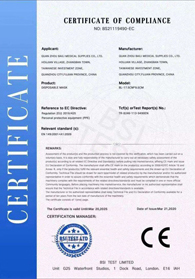
Our machines are manufactured to meet relevant international standards for safety and hygiene. Specific certifications can be provided upon request, depending on the model and target market. Common standards include CE marking for European markets and adherence to food-grade material certifications.

Elevate Your Production with Reliable Stainless Steel Workers
Invest in machinery built for performance, durability, and hygiene. Hebei Yuanchang offers over 40 years of manufacturing expertise to power your meat processing success.
Hebei Yuanchang Food Mechanism & Technology Co., Ltd. | Shijiazhuang, Hebei Province, China
Phone: +86 15830991513 | E-mail: ycmeatmech@gmail.com