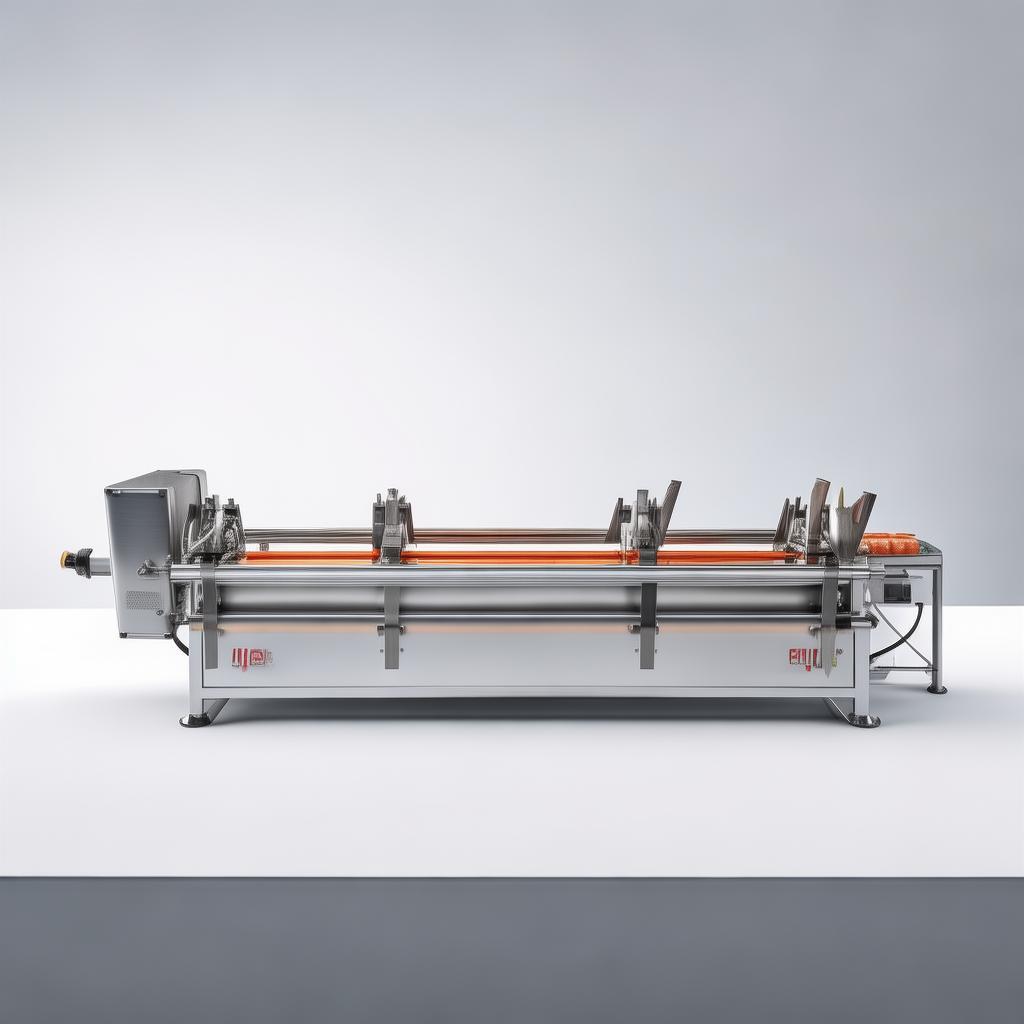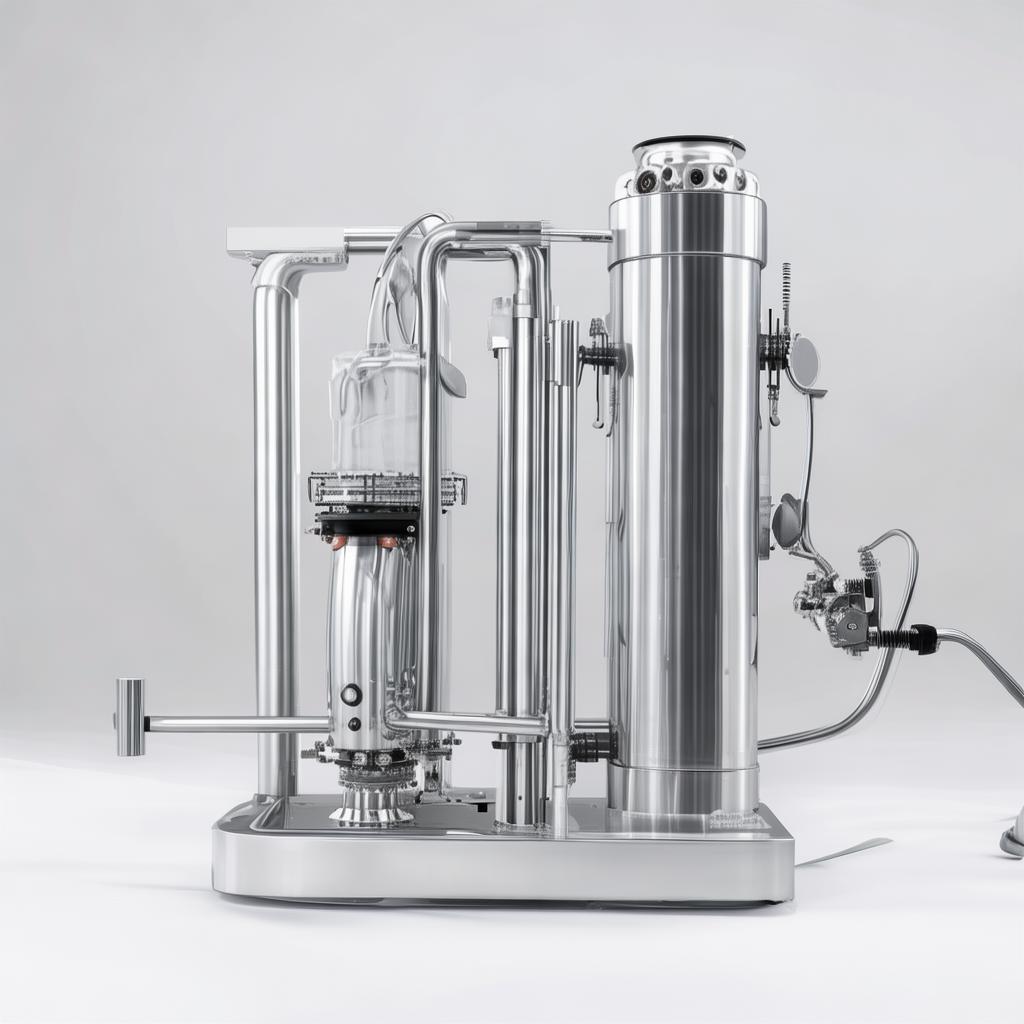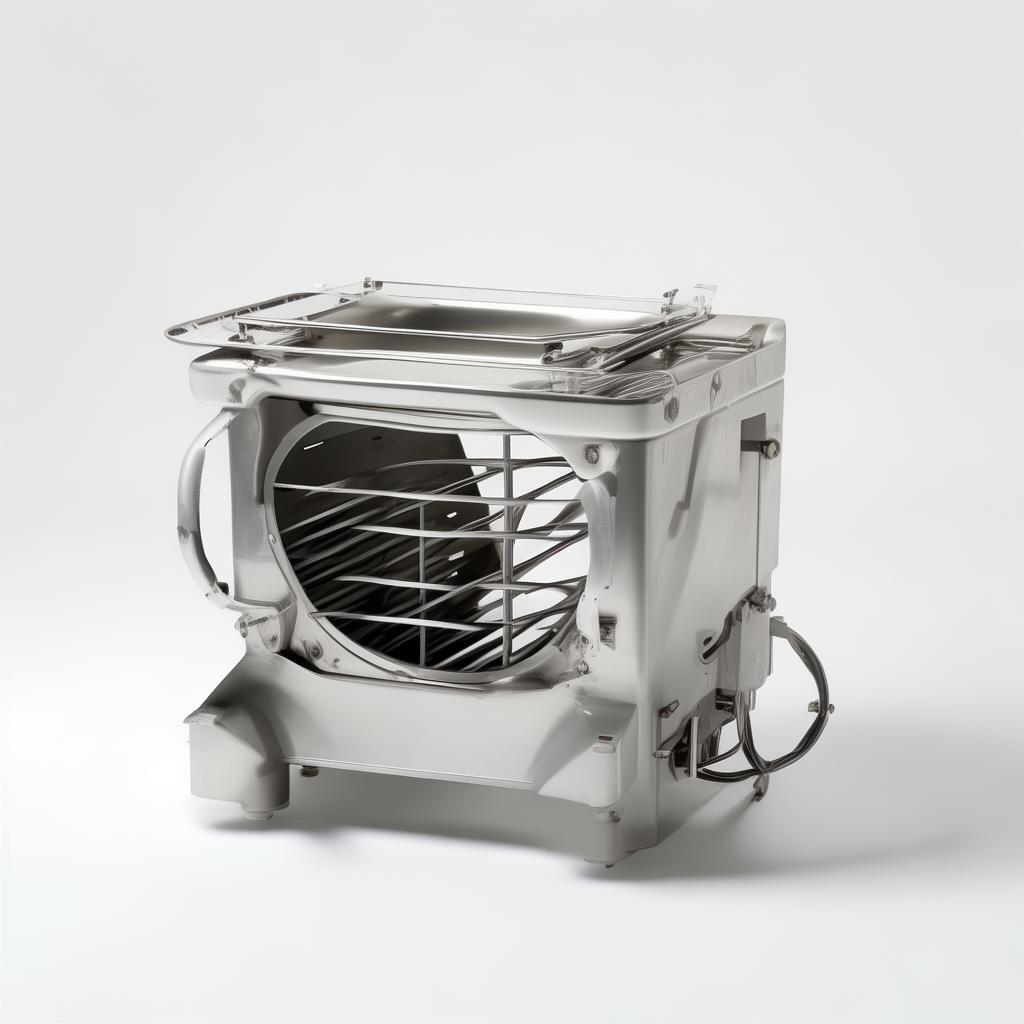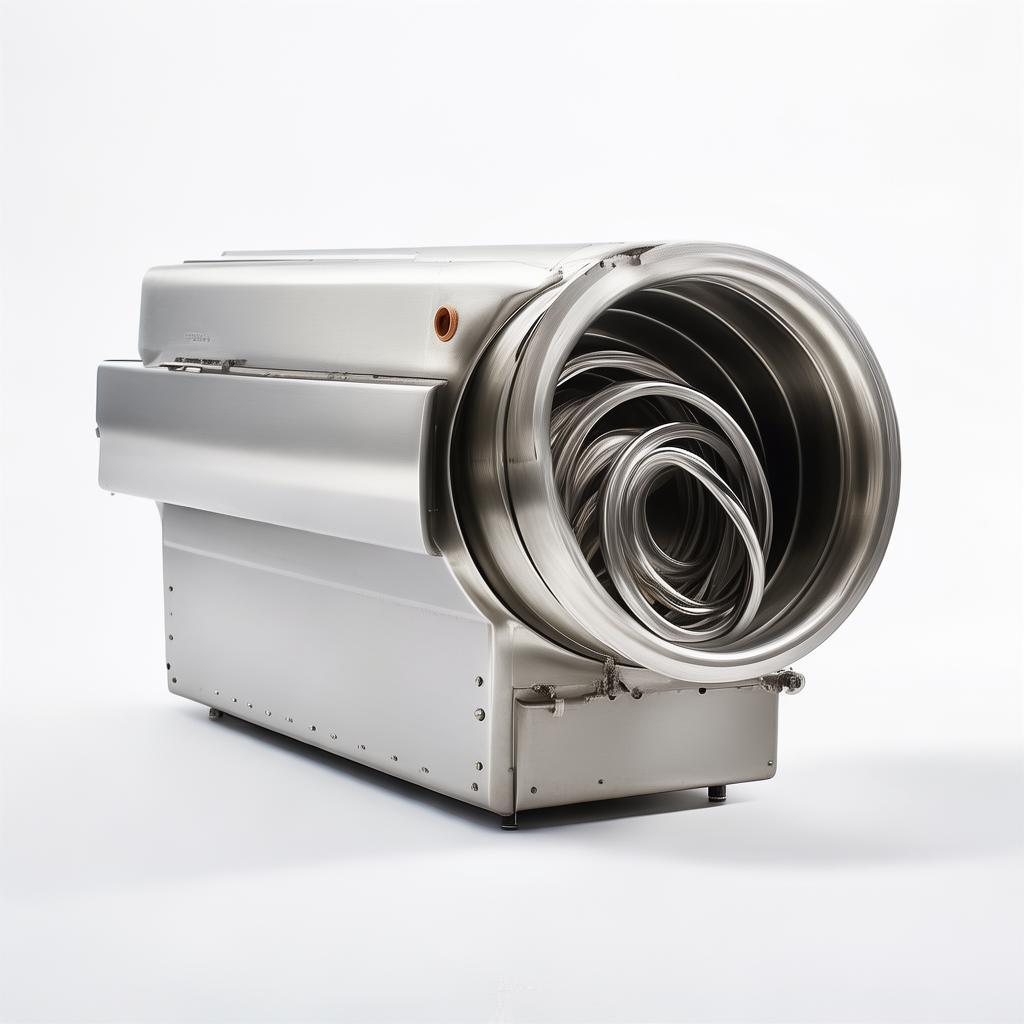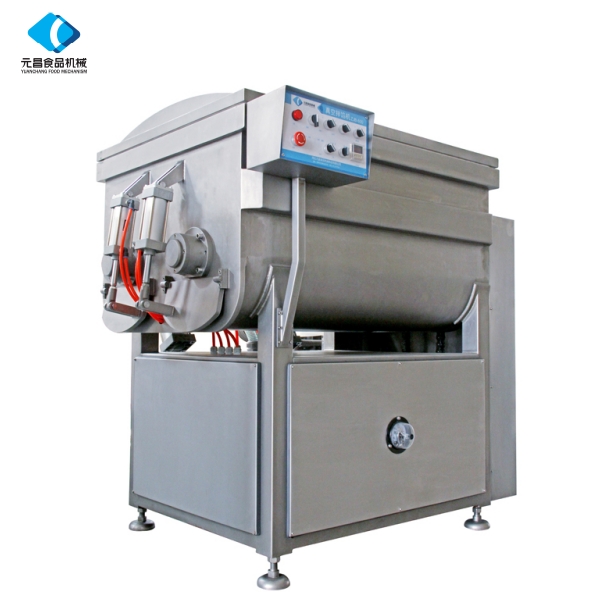
Stainless Steel Vacuum Mixer
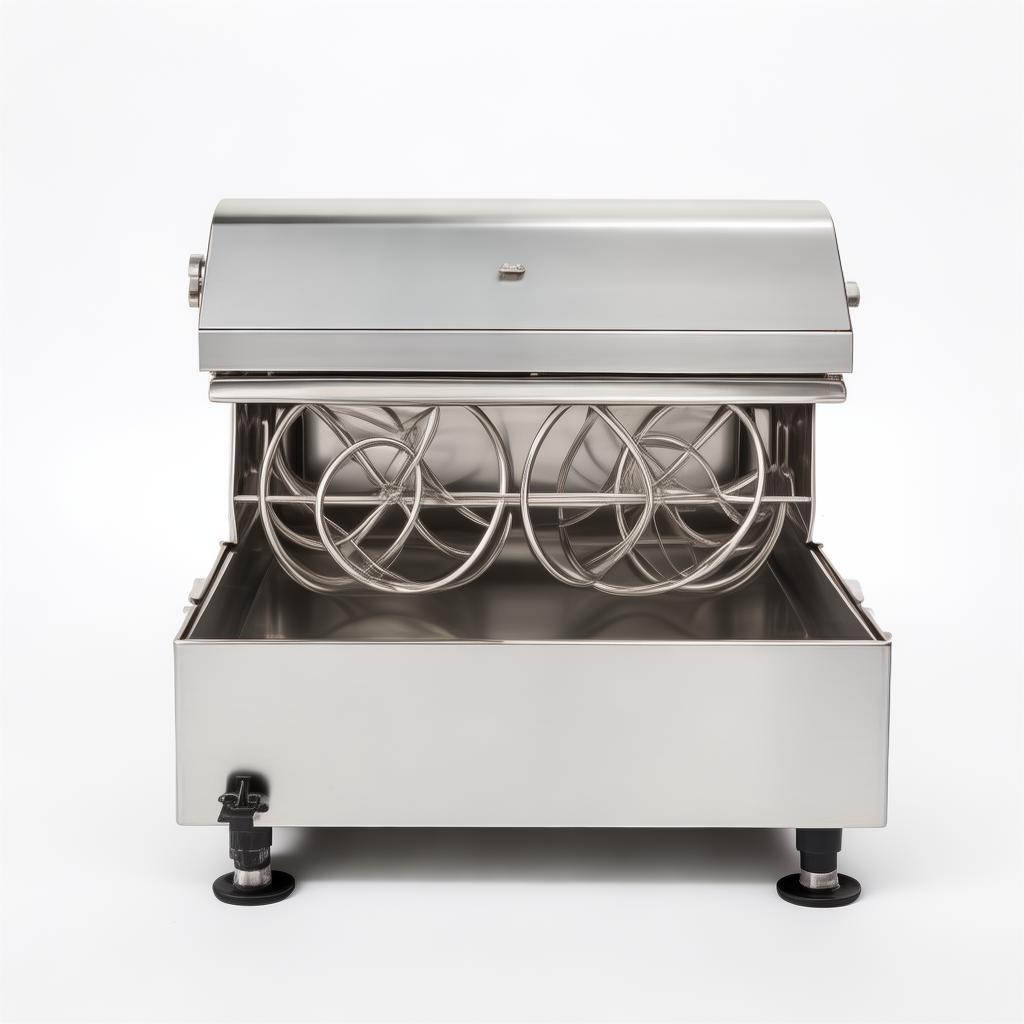
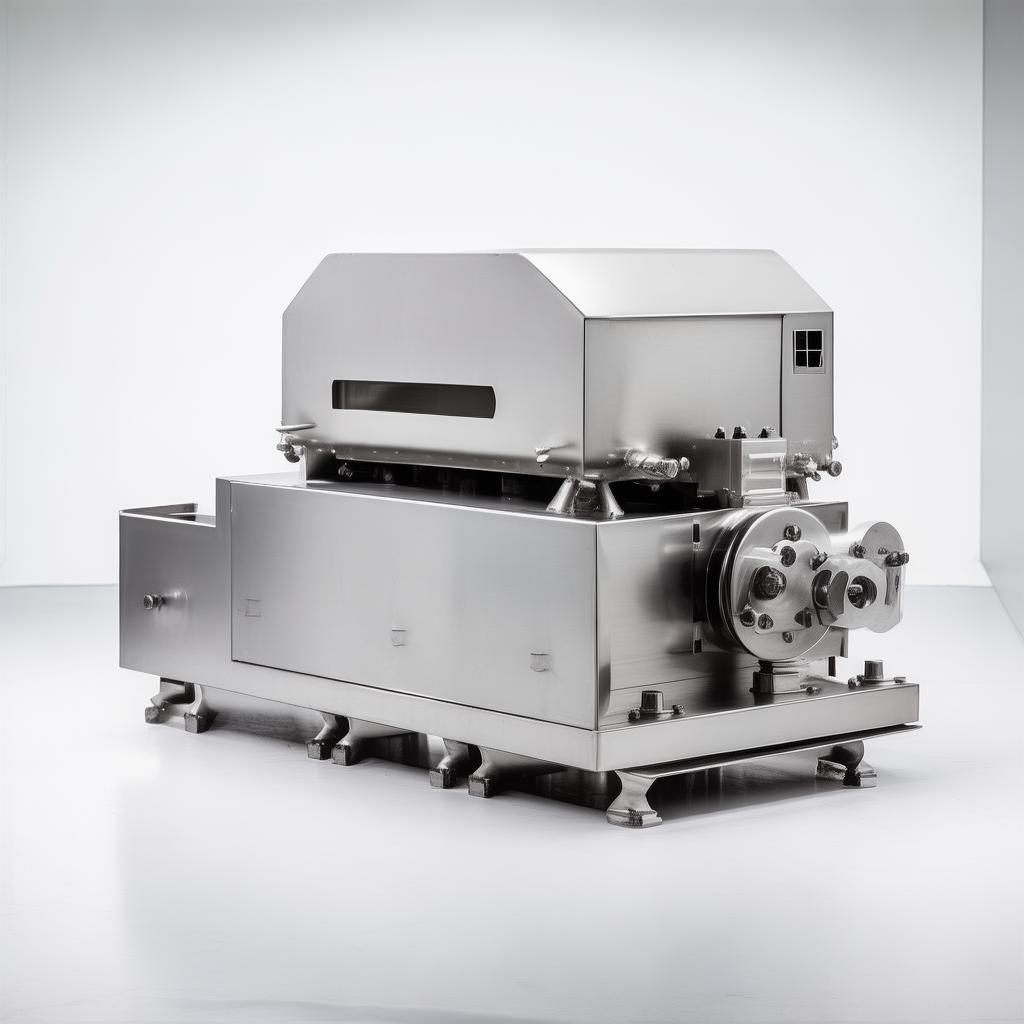
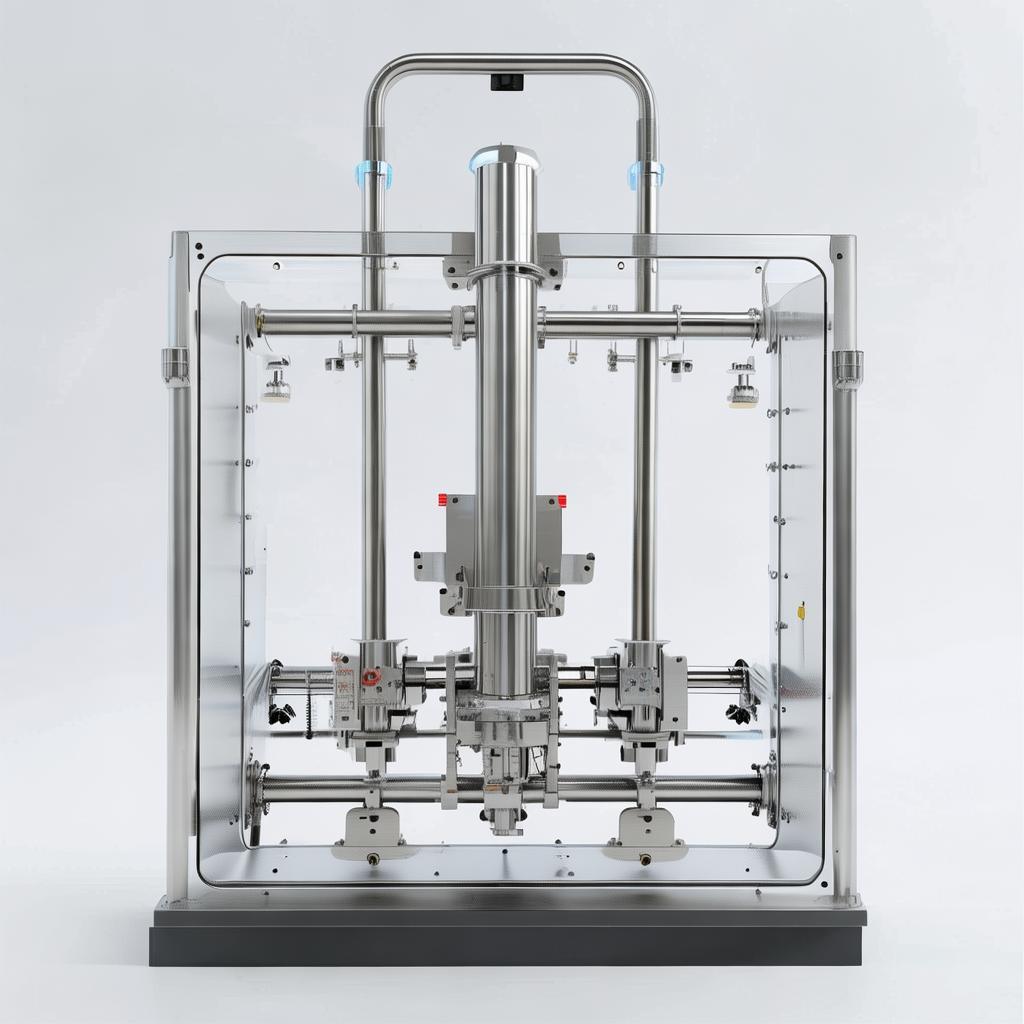
Stainless Steel Vacuum Mixers: Precision Blending for Superior Meat Product Quality
Engineered for Consistency, Efficiency, and Enhanced Product Shelf-Life

Table of Contents
- 1. The Critical Role of Vacuum Mixing in Modern Meat Processing
- 2. Addressing Common Challenges in Meat Blending
- 3. Unpacking the Advantages of Stainless Steel Vacuum Mixers
- 4. Technical Specifications: What Matters Most
- 5. Versatile Applications Across the Food Industry
- 6. Operational Realities: Installation & Maintenance
- 7. A Procurement Manager's Checklist
- 8. Our Manufacturing Expertise: 40 Years of Dedication
- 9. Quality Assurance & Certifications
- 10. What Our Clients Say
- 11. Frequently Asked Questions
- 12. Ready to Enhance Your Production?
1. The Critical Role of Vacuum Mixing in Modern Meat Processing
In today's competitive food processing landscape, achieving consistent product quality, extending shelf-life, and optimizing production efficiency are paramount. For manufacturers of sausages, deli meats, pet food, and a myriad of other processed meat products, the mixing stage is often where these goals are either realized or missed. The introduction of vacuum technology into the mixing process has been a significant advancement, directly addressing some of the most persistent challenges faced by the industry. At Hebei Yuanchang Food Mechanism & Technology Co., Ltd., we've dedicated over 40 years to perfecting the machinery that forms the backbone of these operations, and our stainless steel vacuum mixers represent a culmination of that experience.
The global meat processing equipment market is a robust sector, projected to reach significant figures. Reports suggest valuations around USD 11.29 billion in 2025, with projections extending to over USD 19.66 billion by 2033, showcasing consistent growth driven by rising demand for processed meats and increasing automation. (Source: SkyQuestt.com). This growth underscores the need for sophisticated equipment that can meet evolving consumer demands for convenience, quality, and safety. Traditional mixing methods, while functional, often struggle with issues like air incorporation, product oxidation, and inconsistent ingredient distribution. Air trapped within the meat matrix during mixing can lead to a host of problems: premature spoilage due to oxidation, a less desirable texture and appearance, and reduced binding capacity, which is critical for product integrity during cooking and slicing.
This is precisely where vacuum mixing technology offers a distinct advantage. By creating a low-pressure environment within the mixing vessel, these machines effectively draw out trapped air from the meat emulsion or mixture. This process has a cascading positive effect on the final product. Firstly, it significantly inhibits oxidation. Less oxygen means a slower rate of spoilage, which directly translates to a longer, more reliable shelf-life for your finished goods. This is a critical factor for distributors and retailers, reducing waste and ensuring product quality reaches the end consumer.
Secondly, the removal of air results in a denser, more uniform product. This improved homogeneity leads to a better texture, a more appealing visual presentation, and enhanced binding. For products like sausages, this means a tighter, more cohesive structure that slices cleanly without crumbling. For products like pet food, it can mean a more consistent kibble texture or a uniformly blended wet food. The improved binding capacity is also crucial for minimizing product loss during subsequent processing steps like cooking or smoking.
Furthermore, operating under vacuum can allow for lower mixing temperatures. This is vital when working with heat-sensitive ingredients or when striving to maintain the natural characteristics of the raw materials. The ability to mix effectively at slightly lower temperatures can preserve delicate flavors and prevent pre-cooking or denaturing of proteins, contributing to a superior final taste and quality. As the market for processed meat products continues its upward trajectory, expected to reach USD 1.33 trillion by 2035 with a CAGR of 6.03% (Source: PrecedenceResearch.com), investing in technology that guarantees quality and efficiency is no longer a luxury but a necessity. Our stainless steel vacuum mixers are designed to be that investment.
The material choice – stainless steel – is not merely for aesthetics; it's fundamental to hygiene and durability in food processing. Food-grade stainless steel offers excellent resistance to corrosion, is non-reactive with food products, and can withstand rigorous cleaning and sanitization protocols, which are non-negotiable in modern food safety standards. Our commitment at Hebei Yuanchang extends beyond just manufacturing; it's about providing robust, reliable solutions that empower your production line and safeguard your brand reputation. We understand the intricate demands of meat processing, from the initial grinding and emulsifying stages to the final filling and ripening, and our vacuum mixers are designed to seamlessly integrate and elevate these processes.
2. Addressing Common Challenges in Meat Blending
Procurement managers and operations directors often face a recurring set of challenges when it comes to the blending and mixing stage of meat product manufacturing. Identifying the right equipment isn't just about capacity; it's about solving tangible operational headaches.
- Inconsistent Product Texture: Lumps, uneven distribution of fat or spices, and a generally "chewy" or rubbery texture can plague batches. This often stems from inadequate mixing or air incorporation.
- Reduced Shelf-Life: Products spoiling faster than anticipated leads to increased waste, customer complaints, and a hit to your bottom line. Oxidation is a primary culprit here.
- Poor Binding and Product Integrity: Emulsions breaking, sausages crumbling during slicing, or formed products losing shape indicate poor binding, often exacerbated by air and improper mixing.
- Oxidation and Discoloration: Exposure to air during mixing can cause meat products to lose their desirable reddish-pink hue, turning greyish or brown prematurely, impacting consumer appeal.
- Difficulty Incorporating Ingredients: Achieving a truly homogeneous blend of meats, fats, spices, and additives can be challenging, especially with viscous or sticky mixtures.
- Labor-Intensive Cleaning: Equipment that is difficult to dismantle and clean thoroughly poses a risk to hygiene and consumes valuable production time.
These aren't minor inconveniences; they are critical factors that impact product quality, safety, profitability, and your brand's reputation. The market for meat processing equipment, including filling and massaging (for ripening) machines, is robust, projected to reach USD 15.04 billion by 2030 (Source: Grand View Research). This indicates a clear industry-wide demand for solutions that enhance these very processes. Our stainless steel vacuum mixers are engineered specifically to tackle these issues head-on, offering a more controlled, efficient, and effective blending solution.
3. Unpacking the Advantages of Stainless Steel Vacuum Mixers
Integrating a stainless steel vacuum mixer into your production line isn't just an equipment upgrade; it's a strategic move that delivers tangible benefits across multiple facets of your operation. The synergy of stainless steel construction and vacuum technology creates a powerful tool for premium product development.
Enhanced Product Quality
- Superior Texture: Uniformly blended ingredients with minimal air pockets result in a smoother, denser, and more desirable mouthfeel.
- Improved Binding: Ingredients are thoroughly mixed, leading to better protein extraction and emulsification for a more cohesive product structure that slices cleanly.
- Vibrant Color Retention: Reduced oxidation preserves the natural, appealing color of the meat, enhancing visual appeal and consumer trust.
Extended Shelf-Life
- Inhibition of Oxidation: The vacuum environment significantly slows down the oxidative process, delaying spoilage and extending the usable life of your products.
- Reduced Microbial Growth: While not a sterilizing process, removing air can create a less favorable environment for certain spoilage microbes.
Increased Production Efficiency
- Faster Blending Cycles: Optimized mixing paddles and vacuum action can often reduce overall mixing time compared to conventional methods.
- Reduced Product Loss: Better binding and consistent texture minimize waste during subsequent processing steps like stuffing, cooking, and slicing.
- Streamlined Operations: Reliable performance and ease of use contribute to smoother production flow.
Hygiene and Durability
- Food-Grade Stainless Steel: Provides excellent corrosion resistance, is easy to clean and sanitize, and meets stringent food safety regulations.
- Robust Construction: Built for demanding industrial environments, ensuring longevity and minimal downtime.
- Easy Maintenance: Designed for straightforward cleaning and routine servicing, keeping your operation running smoothly.
The ability to achieve a denser, more stable emulsion is critical. For example, in sausage production, a well-executed vacuum mix means less weepage during cooking and a firmer product that holds its shape. This translates directly to higher yields and a better consumer experience. As the meat processing equipment market continues its expansion, driven by demand for automation and efficiency (CAGR of 5.0% to USD 17.39 billion by 2034), prioritizing vacuum technology is a forward-thinking decision.
4. Technical Specifications: What Matters Most
Selecting the right vacuum mixer involves understanding the key technical parameters that influence performance, capacity, and suitability for your specific application. At Hebei Yuanchang, we offer a range of models, but the core engineering principles remain consistent, focusing on reliability and optimal mixing dynamics. Here's a breakdown of critical specifications:
| Specification | Description & Importance | Our Models Typically Offer |
|---|---|---|
| Bowl Capacity (Liters) | The total volume of the mixing bowl. Crucial for matching production batch sizes. Overfilling or underfilling can impact mixing efficiency. | Range from 50L to 2000L+ depending on model series. |
| Mixing Paddle Design | Paddles are designed to ensure thorough, uniform mixing without damaging the product. Different shapes (e.g., spiral, paddle, ribbon) are suited for different viscosities and product types. | Optimized, heavy-duty paddles for optimal ingredient distribution and emulsion formation. |
| Vacuum System | The pump capacity and efficiency of the vacuum system determine how quickly and effectively air is removed. Critical for shelf-life and texture. | High-efficiency vacuum pumps for rapid evacuation and sustained low pressure. |
| Motor Power (kW/HP) | Sufficient motor power is required to handle dense mixtures, especially during vacuum conditions. | Robust, industrial-grade motors with variable speed control options. |
| Materials of Construction | Food-grade stainless steel (e.g., 304, 316) for all product-contact surfaces is essential for hygiene and durability. | Premium food-grade stainless steel (SS304/SS316). |
| Control System | Simple, intuitive controls for mixing time, speed, and vacuum level are essential for operational ease. | User-friendly PLC control panels or manual controls depending on model. |
| Discharge Mechanism | Efficient and clean discharge is vital. Tilting bowls or specialized discharge chutes are common. | Automated or manual tilting, with options for different discharge heights. |
Industrial vacuum mixer industrial vacuum mixer stainless steel vacuum breaker
Consider your primary product lines: are you mixing fine emulsions for sausages, or more coarsely ground mixtures for pet food? Are you dealing with sticky batters or drier blends? Our engineering team can guide you on the optimal paddle configuration and bowl design for your specific needs. The investment in a vacuum mixer is significant, but the return in product quality and operational efficiency can be substantial. Reports indicate that automation in meat processing significantly drives market growth, and vacuum technology is a key component of this trend.
5. Versatile Applications Across the Food Industry
While our focus is on meat processing, the principles of vacuum mixing extend to various food applications where controlled blending and air removal are beneficial. The stainless steel construction ensures compliance with strict food-grade standards across the board.
Sausage & Cured Meats
Ideal for creating fine, homogeneous emulsions for hot dogs, frankfurters, salami, and other processed sausages. Crucial for tight binding, smooth texture, and preventing weepage.
Deli Meats & Loaves
Achieve uniform distribution of ingredients, superior binding, and a dense texture for products like ham loaves, bologna, and sliced deli meats.
Pet Food Production
Whether for wet food blends, kibble coatings, or meat-based treats, vacuum mixing ensures consistent ingredient incorporation and an appealing final product texture for both dry and wet pet foods.
Prepared Meals & Fillings
For meat-based fillings in pies, pasta, or ready-to-eat meals, vacuum mixing ensures even texture and ingredient distribution.
Fish Products
Incorporating fish mince, binders, and seasonings for products like fish cakes or sausages benefits from controlled mixing and air removal for improved texture and stability.
Specialty Ingredients
Applications involving blending of powders, pastes, and viscous liquids where air entrapment is a concern can also leverage this technology.
The ability to create reconstituted meat products also sees significant growth, with the market expected to surge dramatically. Such products rely heavily on efficient molding and pretreatment equipment, where a well-mixed base is crucial. (Source: Future Market Insights). Our vacuum mixers are foundational for achieving the desired consistency and binding required in these innovative food categories.
6. Operational Realities: Installation & Maintenance
While our stainless steel vacuum mixers are built for robust industrial use, a smooth integration and consistent performance rely on proper installation and a diligent maintenance schedule. We provide comprehensive manuals, but practical considerations are key.
Installation Considerations:
- Power Supply: Ensure your facility's electrical system can support the motor's power requirements. This is often a point overlooked during initial planning.
- Space & Accessibility: Allow adequate space around the mixer for operation, loading, unloading, and crucially, cleaning. Easy access to all service points is vital.
- Ventilation: The vacuum pump generates heat; ensure sufficient ventilation to prevent overheating and maintain optimal pump performance.
- Drainage: If the unit is floor-mounted, consider any potential spills or wash-down requirements that need to be managed.
- Connection Points: Ensure easy access for raw material loading and finished product discharge to downstream equipment.
Routine Maintenance for Longevity:
- Daily Cleaning: Thoroughly wash and sanitize all product-contact surfaces after each production run. Stainless steel is forgiving, but prompt cleaning prevents residue buildup.
- Lubrication: Regularly check and lubricate bearings and drive components as per the manual.
- Vacuum System Check: Inspect the vacuum pump, seals, and lines for leaks or wear. Ensure the vacuum filter is clean. This is critical for maintaining the vacuum effect.
- Paddle & Bowl Inspection: Check paddles for wear or damage. Inspect the bowl interior for any signs of corrosion or pitting, though unlikely with proper care.
- Electrical Connections: Periodically check electrical connections for tightness and any signs of wear.
Preventative maintenance is always more cost-effective than reactive repairs. For instance, ensuring vacuum pump seals are in good condition prevents inefficient operation and potential motor strain. Our long history in manufacturing means we’ve seen common issues, and our designs prioritize ease of maintenance. Contact us if you need advice on setting up a preventative maintenance schedule tailored to your usage.
7. A Procurement Manager's Checklist
Sourcing industrial equipment requires a systematic approach. When evaluating stainless steel vacuum mixers, here are key points to consider to ensure you make a sound investment that aligns with your production goals and budget:
Production Capacity Needs
What is your typical batch size? How many batches per shift/day? Ensure the mixer's stated capacity (and working capacity) aligns with your throughput requirements. Don't just look at the maximum bowl volume; consider the practical filling level for optimal mixing.
Material Suitability
Confirm that all product-contact parts are indeed food-grade stainless steel (e.g., SS304 or SS316). For particularly corrosive ingredients, SS316 is often preferred. Non-contact parts should also be robust and easy to clean.
Vacuum Performance
What is the achievable vacuum level (e.g., in mbar)? How quickly can it reach and maintain this level? This is crucial for effective air removal and shelf-life extension. Inquire about the pump type and its maintenance requirements.
Paddle Design & Mixing Action
Does the paddle design complement your product type? A spiral paddle is excellent for dense mixtures, while a more swept design might be better for lighter batters. Variable speed control is also a valuable feature.
Ease of Operation & Cleaning
Is the control panel intuitive? Can the machine be easily cleaned without specialized tools? Look for features like removable paddles and smooth interior surfaces. This directly impacts labor costs and hygiene compliance.
Supplier Reliability & Support
This is where our 40 years of experience come into play. What is the manufacturer's track record? Do they offer readily available spare parts and responsive technical support, especially for international clients? What are the warranty terms? Consider their export experience.
Customization Options
Do you have unique requirements? Many OEM/ODM factories, including ourselves, can offer modifications to standard designs. Discuss your specific needs early in the process.
Don't underestimate the importance of aftermarket support. A machine is only as good as the support it receives. We pride ourselves on providing comprehensive documentation and readily available spare parts to ensure your equipment operates flawlessly for years to come. We understand that procuring large machinery is a significant decision, and we aim to make that process as transparent and supportive as possible. Reach out to our sales team to discuss your specific needs and receive a detailed quotation.
8. Our Manufacturing Expertise: 40 Years of Dedication
At Hebei Yuanchang Food Mechanism & Technology Co., Ltd., our 40-year journey since 1986 has been one of continuous refinement and a deep commitment to the food processing industry. We are more than just a manufacturer; we are a team of experienced engineers, skilled technicians, and dedicated professionals who understand the nuances of creating reliable, high-performance machinery.

Our advanced CNC machining centers ensure precision components.
Our expansive facility, covering approximately 14,000 square meters, is home to a team of 80-100 dedicated employees. We integrate Research & Development, production, and sales under one roof, allowing for seamless project management and quality control from concept to delivery.
Our in-house machining workshop is a testament to our commitment to quality. Equipped with over 20 sets of advanced processing machinery—including lathes, milling machines, high-precision grinding machines, boring machines, plate shears, bending machines, and wire cutting equipment—we possess the capability to manufacture components to exacting standards. The introduction of 8 sets of Japanese Mazak CNC machining centers in 2012 was a significant leap, enabling us to undertake the production of high-standard, high-precision, and non-standard components in large volumes.
This vertical integration, particularly our ability to independently produce high-precision parts, is what allows us to offer unparalleled traceability and "worry-free" after-sales service. We don't rely on external suppliers for critical components, meaning we control quality at every step. This is crucial for critical machinery like vacuum mixers, where component integrity directly impacts performance and safety.
Our 40 years of experience mean we've seen virtually every challenge in meat processing equipment. This practical knowledge is embedded in our design process, ensuring our machines are not just technically advanced but also operationally sound and user-friendly. We focus on solutions for:
- Pretreatment Of Meat Products
- Meat Product Filling & Molding
- Ripening Process For Meat Products
- Auxiliary Items
Our OEM/ODM capabilities mean we can work with you to tailor solutions to your exact needs, whether it's a specific capacity, unique feature integration, or complete line design. When you partner with Hebei Yuanchang, you're partnering with decades of specialized knowledge and a commitment to manufacturing excellence.
9. Quality Assurance & Certifications
Trust and quality are non-negotiable in the food processing industry. At Hebei Yuanchang, our commitment to delivering safe, reliable, and high-performing equipment is backed by rigorous quality control processes and adherence to international standards.

ISO 9001 Certified Quality Management System
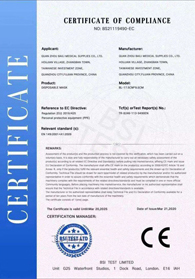
CE Marked for European Conformity

RoHS Compliant Materials

Food Grade Materials Compliance
While specific product certifications may vary based on market regulations and client requirements, our foundational manufacturing processes adhere to ISO 9001 standards, ensuring consistency and quality across all our product lines. For equipment destined for European markets, CE certification is standard. We utilize RoHS compliant materials, and all food-contact components are made from food-grade stainless steel, meeting requirements akin to FDA standards. This comprehensive approach to quality assurance provides our international clients with confidence in the safety and reliability of our equipment. For export markets, understanding and complying with local regulations is part of our service. We are experienced in preparing documentation for customs and regulatory bodies worldwide.
10. What Our Clients Say
Real-world feedback from clients using our stainless steel vacuum mixers across various applications provides the best insight into their performance and value.
"We switched to a vacuum mixer from Hebei Yuanchang about two years ago for our premium sausage line. The difference in texture and shelf-life was immediate. We're seeing less spoilage and a much more consistent product batch after batch. The export team was very helpful with shipping logistics."

Artisan Meat Co., USA
"Our pet food company required a mixer that could handle dense meat blends while ensuring ingredient uniformity and preventing oxidation for better palatability. Hebei Yuanchang's stainless steel vacuum mixer met all our criteria. The machine is robust, and the technical support for setup was excellent. Very pleased with the operational efficiency."

Premium Pet Foods Ltd., Canada
"We needed a reliable vacuum mixer for our deli meat processing line to improve product consistency and extend shelf life. The team at Hebei Yuanchang understood our needs, recommended the right model, and ensured timely delivery. The stainless steel construction makes cleaning a breeze. A solid investment for any serious processor."

Global Meats Inc., Mexico
"The custom modifications requested for our specific filling application were handled expertly. Hebei Yuanchang demonstrated true OEM/ODM capability. The vacuum mixer performs flawlessly, enhancing our product quality significantly. Their after-sales support is responsive, which is key for international clients."

Specialty Foods Europe
11. Frequently Asked Questions
We understand you might have specific questions about implementing vacuum mixing technology. Here are some common inquiries:
Q1: How long does a typical mixing cycle take in a vacuum mixer?
Mixing times vary based on batch size, product viscosity, and desired homogeneity, but generally range from 3 to 10 minutes. The vacuum process itself is also quick, often evacuating the bowl within 1-2 minutes depending on pump capacity.
Q2: What is the difference between a vacuum mixer and a standard industrial mixer?
The primary difference is the vacuum capability. Standard mixers operate at atmospheric pressure, allowing air to be incorporated. Vacuum mixers remove air during mixing, leading to improved texture, reduced oxidation, and extended shelf-life. This makes them superior for sensitive meat emulsions.
Q3: Can I use this mixer for products other than meat?
Yes, our stainless steel vacuum mixers are versatile. They are excellent for blending cheese, doughs, salads, or any food product where air incorporation is undesirable and uniform mixing is critical. Please consult us for specific applications.
Q4: What kind of maintenance is required for the vacuum pump?
Routine maintenance typically involves checking oil levels (if it's an oil-sealed pump), cleaning or replacing filters, and inspecting seals for wear. Specific requirements depend on the pump model and operating conditions. We provide detailed guidelines.
Q5: What are the lead times for delivery and installation support?
Lead times can vary based on order volume, customization, and current production schedules. Generally, standard models can be ready for shipment within 4-8 weeks. Installation support is available upon request, and we can provide detailed instructions for self-installation. We are experienced in managing international shipping and customs procedures.
Q6: Do you offer OEM/ODM services for vacuum mixers?
Absolutely. As an experienced OEM/ODM factory, we can customize our vacuum mixers to meet your specific capacity, functional, or integration needs. Let's discuss your project requirements.
12. Ready to Elevate Your Production with Superior Blending?
Don't let air entrapment compromise your product quality, texture, and shelf-life. A stainless steel vacuum mixer from Hebei Yuanchang is an investment in consistency, efficiency, and premium output.
We are here to help you find the perfect solution for your unique processing needs.