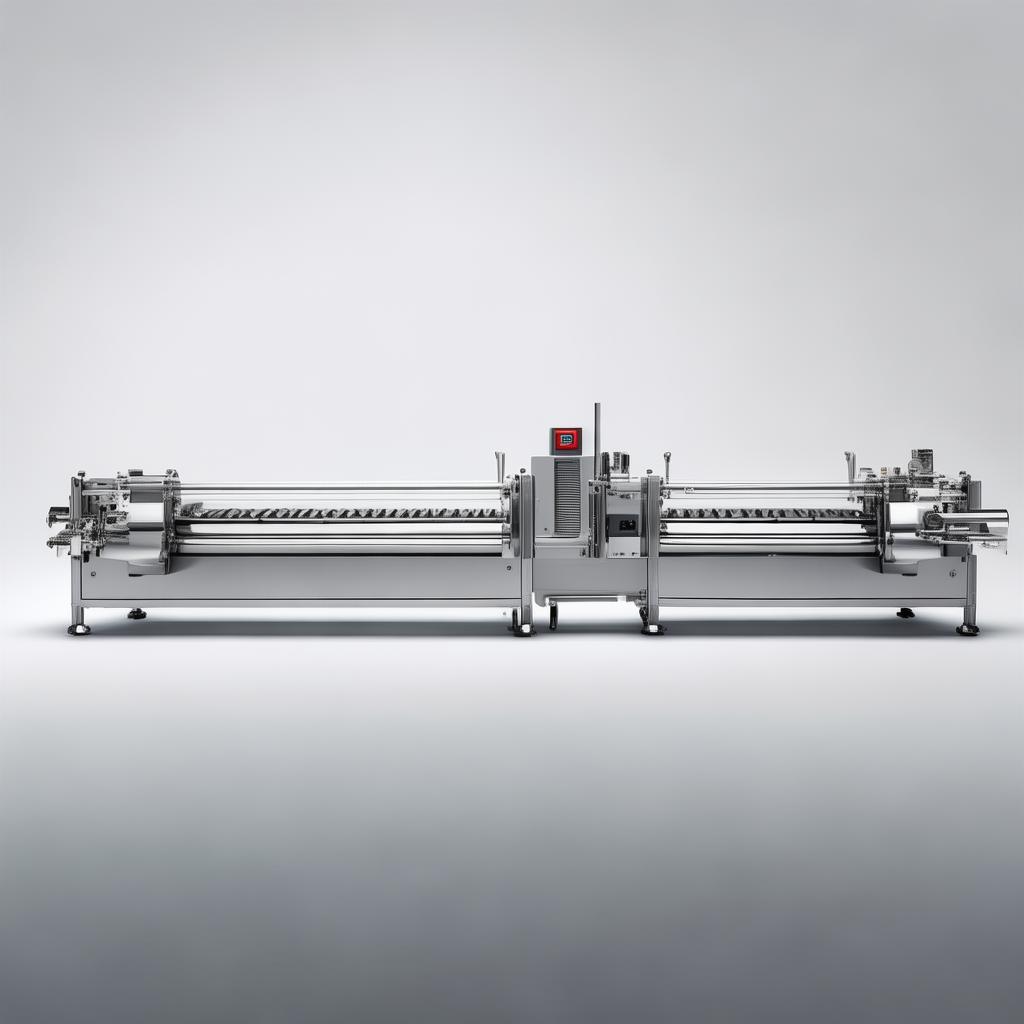
Smoke In Food
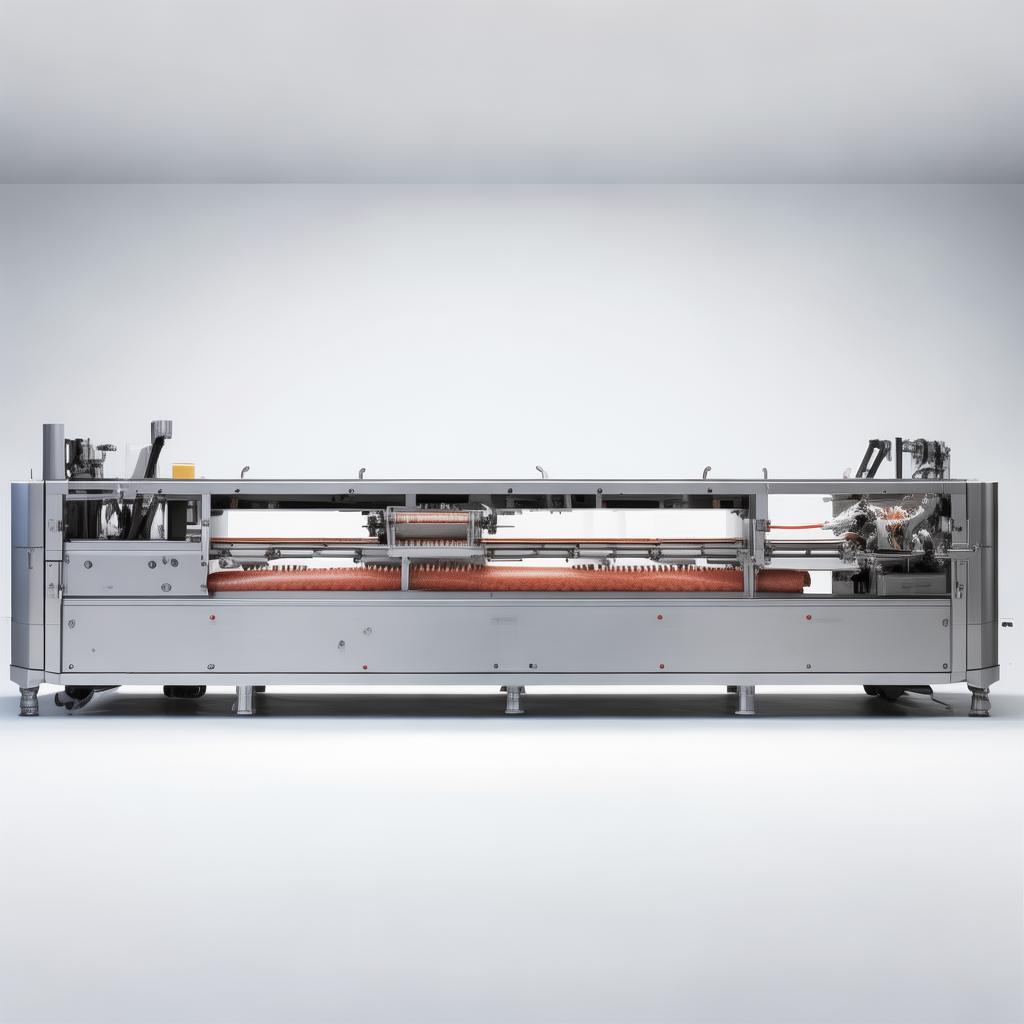

Mastering Smoke in Food: Enhancing Flavor, Preservation, and Appeal with Expert Equipment
Discover the intricate art and science of smoking food, from traditional methods to modern industrial applications. Hebei Yuanchang Food Mechanism & Technology Co., Ltd. provides insights and solutions for achieving consistent, high-quality smoked products.
 By Li Wei, Senior Production Engineer
[40 Years of Experience in Meat Processing Equipment]
By Li Wei, Senior Production Engineer
[40 Years of Experience in Meat Processing Equipment]
The Enduring Allure of Smoke in Food Production
Smoke. It's a primal element, evoking images of ancient hearths and centuries of culinary tradition. But in the modern food industry, "smoke in food" transcends simple nostalgia. It's a sophisticated tool for flavor enhancement, a powerful preservative, and a key differentiator in a crowded marketplace. From the subtle smokiness of artisanal salmon to the robust char of barbecue ribs, the perception and taste of smoke are meticulously controlled to meet diverse consumer demands. This isn't just about charring food over wood; it's about leveraging precise thermal and chemical processes, often facilitated by advanced machinery, to achieve consistent, scalable, and safe results. The global meat processing equipment market, valued at over $11 billion in 2025 and projected to exceed $17 billion by 2034 (Fortune Business Insights), underscores the significant investment in technologies that enable these processes. Understanding the nuances of smoke—its composition, application methods, and impact on different food matrices—is paramount for any serious player in food manufacturing, especially within the wholesale export and OEM/ODM sectors where quality and consistency are non-negotiable.
The journey of smoke in food production is complex. It involves the careful selection of smoking materials (hardwoods like hickory, mesquite, alder, and fruitwoods are common), controlling the temperature of the smoking process, and managing the airflow within the smoking chamber. These variables directly influence the flavor profile, color, and shelf life of the final product. For instance, cold smoking, typically below 30°C, is ideal for delicate items like fish and cheese, primarily imparting flavor and color without cooking. Hot smoking, conversely, cooks the food while infusing it with smoke, suitable for larger cuts of meat and poultry. The chemical compounds within the smoke—phenols, carbonyls, and organic acids—interact with the food's surface, creating distinct flavors, contributing to a desirable brown or reddish hue, and inhibiting microbial growth. As consumer preferences evolve towards convenience and ready-to-eat options, the demand for expertly processed smoked goods continues to rise, driving innovation in processing equipment. Grand View Research notes that the market for meat processing equipment, a significant component of which involves smoking and ripening technologies, is set to reach $15 billion by 2030.
For B2B international trade, particularly for OEM/ODM factories supplying global markets, mastering smoke is about more than just taste. It's about reproducibility, compliance with international food safety standards (like those governed by the FDA in the US or EFSA in Europe), and operational efficiency. A supplier's ability to consistently deliver products with a specific smoke profile, batch after batch, is a testament to their robust manufacturing capabilities and the reliability of their equipment. This is where the expertise of a seasoned manufacturer like Hebei Yuanchang Food Mechanism & Technology Co., Ltd., with 40 years of experience since 1986, becomes critical. We understand that the "smoke in food" equation involves not just the culinary aspect, but also the engineering precision required to manage these processes at an industrial scale. From advanced smoking chambers that allow for granular control over temperature, humidity, and smoke density, to integrated systems that handle everything from meat pretreatment to final product ripening, our solutions are designed to meet the rigorous demands of the global food supply chain.
The complexity of smoke in food also extends to the raw materials used. The choice of wood, whether chips, chunks, or sawdust, significantly impacts the smoke's flavor intensity and quality. European beech, oak, and hickory are staples for many processed meats, while fruitwoods like apple and cherry offer a milder, sweeter profile preferred for poultry and fish. Beyond wood, alternative smoking methods like liquid smoke are also prevalent, offering a more controlled and consistent flavor profile, though often requiring different application techniques and equipment. However, traditional smoking methods are seeing a resurgence, driven by consumer demand for "natural" and "artisanal" labels. This trend necessitates equipment that can faithfully replicate these traditional methods with industrial-scale precision and efficiency. The market reports consistently highlight the growth in segments like filling & stuffing, massaging & tumbling (for ripening), and smoking machines (Fortune Business Insights, Skyquestt). This indicates a strong demand for integrated solutions that can handle the entire processing chain, from preparing the meat for smoking to ensuring its proper ripening and preservation post-smoking.
Furthermore, regulatory compliance is a huge factor when discussing smoke in food for international markets. Concerns about polycyclic aromatic hydrocarbons (PAHs) and other potential contaminants in smoke necessitate processes that minimize harmful byproducts while maximizing desirable flavor compounds. Equipment that offers controlled smoke generation and filtration, along with precise temperature management, is essential for meeting stringent international food safety standards. Our commitment at Hebei Yuanchang is to provide machinery that not only enhances product quality and consistency but also assures compliance and operational safety. We recognize that for our B2B clients, especially those in wholesale export, the ability to meet diverse international regulations is as crucial as the product's taste and texture. The global meat processing equipment market's trajectory, with projections reaching $19 billion by 2033 (Skyquestt), reflects this increasing need for advanced, compliant, and efficient processing solutions.
This page delves deep into the world of smoke in food, exploring its multifaceted role and the critical importance of selecting the right processing equipment. We'll cover everything from the fundamental science behind smoke's interaction with food to practical considerations for industrial application, procurement, and international export. Whether you are an established food manufacturer looking to optimize your existing smoking processes or an emerging player seeking to enter the lucrative market for smoked products, our aim is to equip you with the knowledge and insights needed to succeed.
Note: Market figures are illustrative based on recent industry reports and represent the broader context of meat processing equipment, where smoking and related technologies play a vital role.
Industry Challenges in Achieving Consistent Smoked Products
Manufacturing consistently high-quality smoked food products at scale presents a unique set of operational hurdles. Many companies struggle with achieving uniformity across batches, which can lead to customer complaints, product rejection, and significant financial losses. Variability in smoke density, temperature fluctuations within the smoking chamber, and inconsistent wood combustion are common culprits.
- Inconsistent Flavor & Color: Uneven smoke distribution or incorrect wood types can result in products that are either bland or overly acrid, with off-colors that detract from visual appeal.
- Food Safety & Shelf-Life Concerns: Improper temperature control during smoking can lead to insufficient preservation, increasing the risk of microbial spoilage and reducing shelf life, a critical factor for export markets.
- Operational Inefficiencies: Manual monitoring and adjustment of smoking parameters are labor-intensive and prone to human error, leading to wasted resources and inconsistent output.
- Equipment Limitations: Older or poorly designed smoking equipment may lack the precision needed for modern food safety standards and consumer expectations regarding flavor complexity and visual quality.
- Regulatory Compliance: Meeting stringent international regulations regarding smoke composition and food safety requires precise control over the smoking process, which many standard machines cannot provide.
These challenges are amplified when dealing with international procurement, where lead times, logistics, and differing standards add further complexity. A reliable supplier must demonstrate not only the capability to produce quality products but also the capacity to do so consistently and compliantly across borders.
Discuss your specific processing challenges with our engineers.
Our Solution: Precision Smoking & Ripening Equipment
At Hebei Yuanchang, we engineer solutions that directly address these industry pain points. Our comprehensive range of meat processing equipment, including specialized smoking and ripening systems, is built upon decades of practical manufacturing experience and a deep understanding of food science. We don't just build machines; we deliver integrated solutions that empower food producers to achieve unparalleled consistency, quality, and efficiency.
Advanced Smoking Technologies
Our smoking chambers are designed for ultimate control. Whether you opt for traditional wood smoking or liquid smoke application, our systems allow for precise management of:
- Temperature: Critical for both cooking and preservation, our systems maintain stable temperatures ±1°C.
- Humidity: Essential for proper smoke adhesion and preventing surface drying.
- Smoke Density & Composition: Sophisticated controls for managing smoke generation and distribution ensure consistent flavor and color.
- Airflow: Optimized airflow patterns prevent stagnant zones and ensure uniform smoke exposure.
This level of precision means repeatable results, predictable flavor profiles, and enhanced food safety, vital for international B2B clients who depend on product uniformity for their brands.
Integrated Ripening & Processing Lines
Smoke is often just one step in a longer process. Our equipment also excels in meat pretreatment, filling, molding, and ripening. For example, our massaging and tumbling machines are designed to enhance texture, marination, and moisture retention in meats destined for smoking or other processed applications. This holistic approach ensures that every stage of production works in harmony. The meat processing equipment market reports consistently highlight the demand for integrated systems, with filling, stuffing, and massaging equipment being key growth areas (IMARC Group, Mordor Intelligence). We provide these complete solutions.
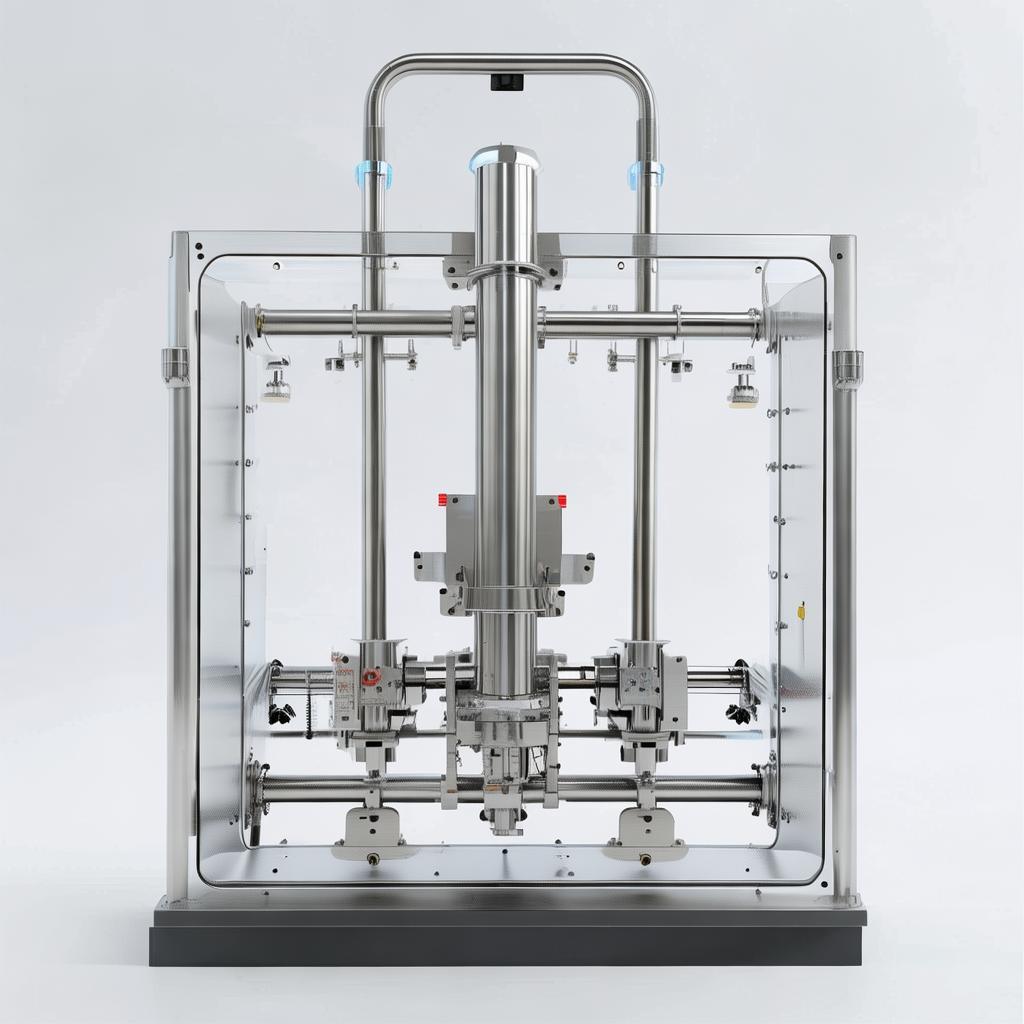
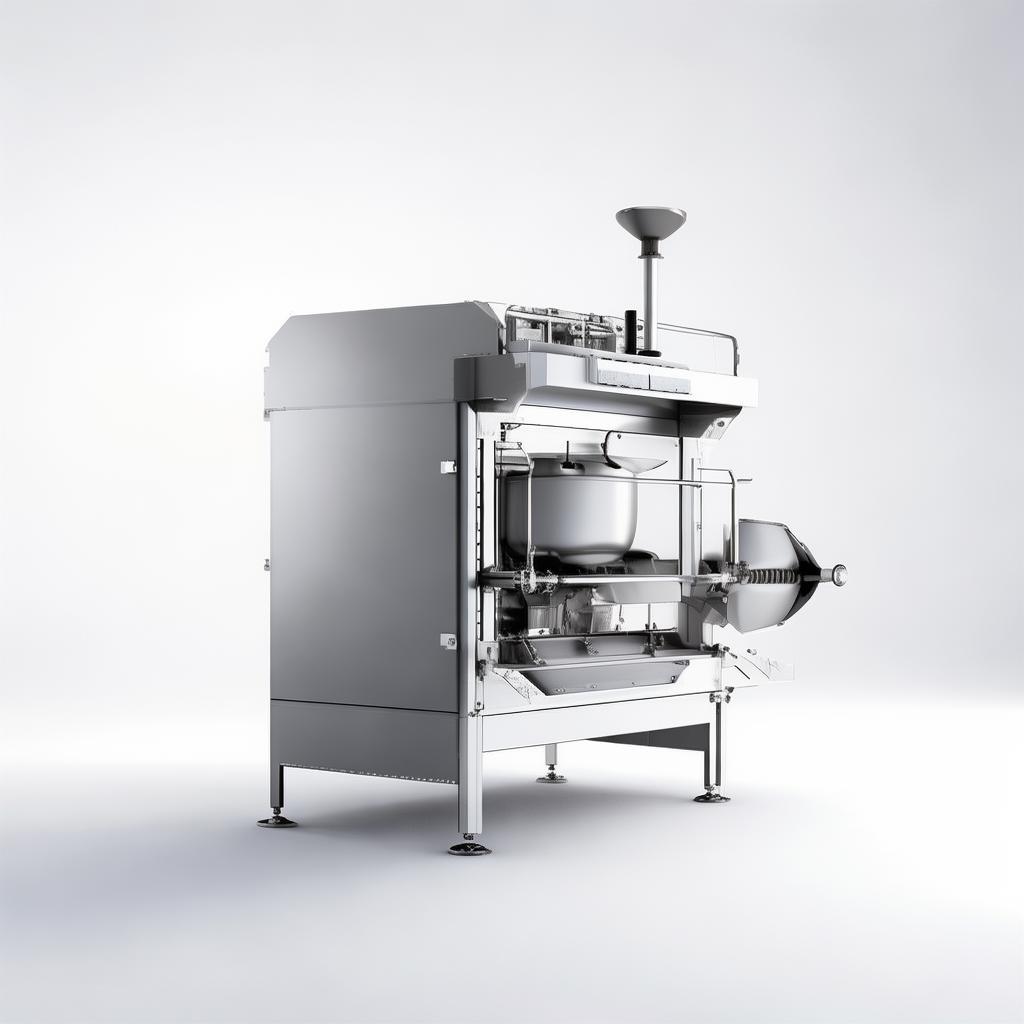
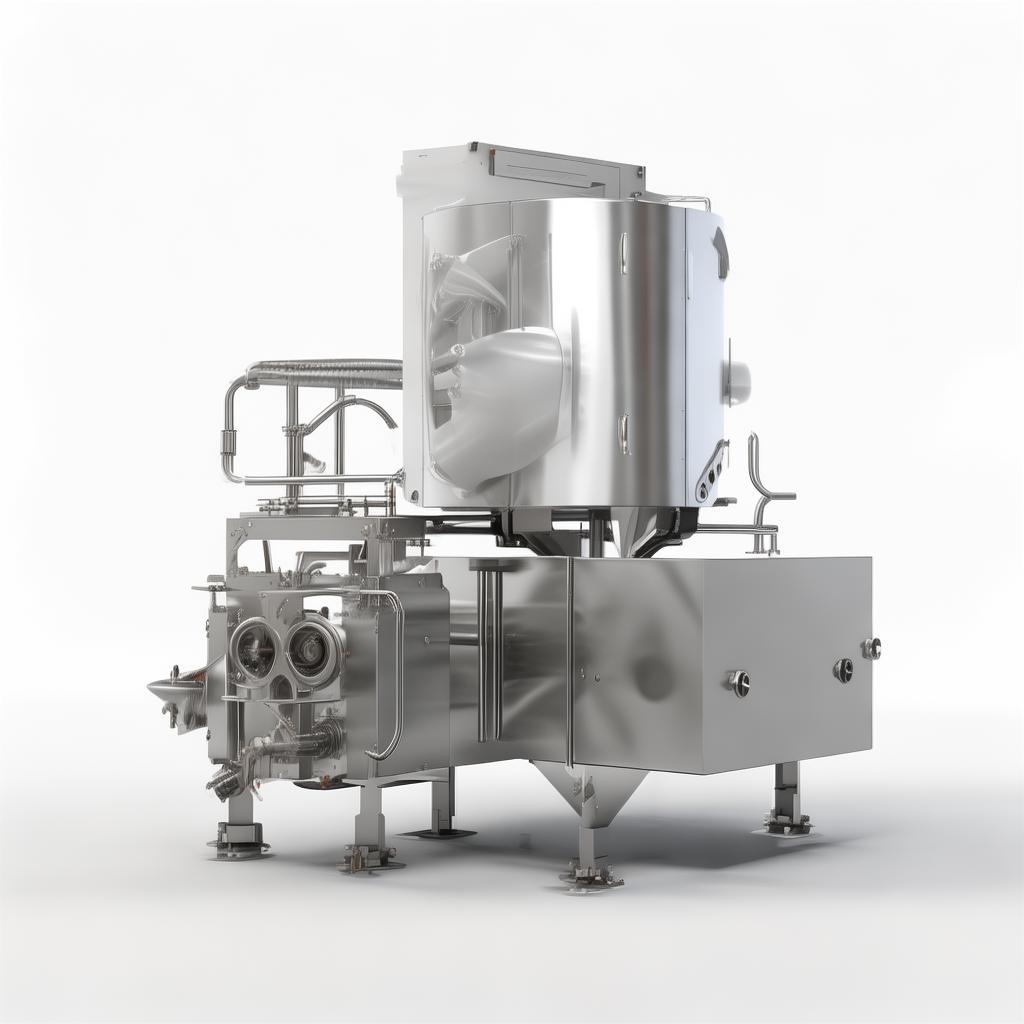
Our state-of-the-art smoking chambers ensure precise control over all critical parameters.
OEM/ODM Expertise for Global Brands
For international businesses seeking tailored solutions, our OEM/ODM services are invaluable. With our advanced CNC machining centers and experienced engineering team, we can design and manufacture custom equipment to meet specific product requirements, brand standards, or local regulations. This flexibility is crucial for navigating the complexities of cross-border commerce and ensuring your product stands out in any market.
Request a customized equipment quote for your production line.
Technical Specifications & Material Science
The construction materials and technical design of smoking and processing equipment are paramount for durability, hygiene, and performance. We utilize food-grade stainless steel (SS304, SS316) for all components that come into contact with food, ensuring compliance with international food safety standards and resistance to corrosion. Our robust in-house machining workshop, equipped with over 20 sets of processing machinery, including Japanese Mazak CNC centers, allows us to produce high-precision, non-standard components with remarkable accuracy.
| Feature | Our Smoking Chambers | Benefits |
|---|---|---|
| Material Construction | Food-grade Stainless Steel (SS304/SS316) | Durability, Hygiene, Corrosion Resistance |
| Temperature Control | Digital PID Controllers (±1°C accuracy) | Precise Cooking, Consistent Ripening, Food Safety |
| Smoke Generation | Adjustable Sawdust/Chip Burner, Liquid Smoke Injector | Versatile Flavor Profiles, Controlled Intensity |
| Humidity Control | Integrated Steam/Water Spray System | Optimal Smoke Adhesion, Prevents Drying |
| Airflow Management | Variable Speed Fans, Optimized Ducting | Uniform Smoke Distribution, Even Product Cooking |
| Cleaning & Maintenance | Easy-access doors, smooth surfaces, CIP compatibility | Reduced downtime, improved hygiene standards |
smoking cooking method smoke types industrial meat smoking techniques
Beyond smoking, our filling and molding machines are crucial for creating uniform products that smoke evenly. For instance, the YCJ Series Meat Product Filling Machines can handle a wide range of viscosities, ensuring consistent portioning for sausages, hot dogs, and formed patties. Similarly, our YCZ Series Meat Massaging/Tumbling Machines prepare products for smoking and ripening by tenderizing and evenly distributing marinades, leading to a superior final texture and taste. These auxiliary systems are vital, as market data suggests strong growth in equipment supporting pretreatment, molding, and ripening processes (Grand View Research, IMARC Group).
Download detailed technical specifications for our smoking and processing equipment.
Applications Across the Food Industry
The application of controlled smoke in food production is incredibly versatile, extending far beyond traditional barbecue. Our equipment is designed to serve a broad spectrum of the food industry, including:
Meat Products
Sausages (e.g., Kielbasa, Frankfurter), Bacon, Ham, Jerky, Pulled Pork, Smoked Poultry (Chicken, Turkey), Smoked Beef Cuts.
Critical for flavor, color, and preservation.
Fish & Seafood
Smoked Salmon, Smoked Mackerel, Smoked Trout, Smoked Eel, Smoked Shrimp. Primarily cold-smoked for delicate flavor and texture.
Requires precise temperature control to avoid overcooking.
Cheese & Dairy
Smoked Gouda, Smoked Cheddar, Smoked Mozzarella. Cold-smoking imparts distinct flavor notes and a characteristic rind appearance.
Focus on preserving the cheese structure and moisture content.
Plant-Based Alternatives
Smoked Tofu, Smoked Tempeh, Plant-based meat analogues. Smoke adds depth and savory notes to meat-free products.
A growing segment demanding innovative flavor profiles.
The demand for processed meats, a key application for smoking technologies, is projected to reach over $1.2 trillion by 2034 (Fortune Business Insights), indicating a robust and growing market for these products globally.
Installation, Operation, and Maintenance Insights
Integrating new processing equipment requires careful planning. Our commitment extends beyond manufacturing; we provide guidance on optimal installation, efficient operation, and routine maintenance to ensure longevity and peak performance.
Installation Considerations
Proper ventilation is paramount for smoking chambers to safely exhaust smoke and byproducts. Ensure adequate space around the unit for maintenance access and airflow. Electrical and plumbing connections should be made by qualified technicians according to local codes and our equipment specifications. For large-scale operations, integrating smoking systems with upstream (e.g., pretreatment, filling) and downstream (e.g., cooling, packaging) processes is key to a smooth workflow.
Operational Best Practices
Always follow recommended loading capacities to ensure even smoke distribution and cooking. Experiment with different wood types and quantities to achieve desired flavor profiles. Regularly monitor temperature and humidity logs to maintain consistency. For our filling and massaging machines, correct setup of controls for product viscosity and desired texture is essential. Adherence to operational procedures is crucial for safety and product quality.
Maintenance & Longevity
Regular cleaning of the smoking chamber, smoke ducts, and burnPot is vital for hygiene and preventing flavor cross-contamination. Food-grade stainless steel surfaces should be cleaned with approved detergents. Periodic checks of seals, heating elements, and fan motors will prevent unexpected downtime. Our machines are built for durability, but a proactive maintenance schedule, guided by our provided manuals, will maximize the equipment's lifespan and ensure consistent performance for years. We offer traceable after-sales management and the ability to produce high-precision replacement parts independently.
Procurement Guidance & Supplier Evaluation
Selecting the right manufacturing partner is a critical decision, especially for international procurement. When evaluating suppliers for smoke in food processing equipment, consider the following:
- Experience & Longevity: Look for companies with a proven track record. Hebei Yuanchang's 40 years of experience and establishment since 1986 demonstrate a deep, enduring understanding of the industry.
- Manufacturing Capabilities: Assess their in-house production facilities. Our extensive machinery, including Japanese CNC centers, allows for high precision and custom manufacturing, ensuring quality and flexibility.
- Technical Expertise: Do they understand the science behind smoke and food processing? Our team of engineers and production specialists possesses this crucial knowledge.
- Quality Control & Certifications: Inquire about their quality management systems and any relevant certifications (e.g., ISO). While not explicitly listed, our manufacturing standards align with global expectations.
- After-Sales Support: A robust after-sales service, including spare parts availability and technical assistance, is vital for international clients. Our traceable after-sales management system provides peace of mind.
- OEM/ODM Flexibility: For custom product development or branding, the supplier's ability to offer OEM/ODM services is essential.
The global meat processing equipment market is competitive, with numerous players. However, discerning buyers look for partners who offer not just machinery, but comprehensive solutions backed by real-world expertise and robust support.
Why Choose Hebei Yuanchang for Your Smoke in Food Needs?
We are more than just a manufacturer; we are your strategic partner in achieving excellence in smoked food production. Our dedication to quality, innovation, and customer satisfaction sets us apart.
- ✔ Unmatched Experience: 40 years in the meat processing industry means we’ve seen it, done it, and perfected it.
- ✔ Advanced Manufacturing: State-of-the-art facilities, including Japanese CNC machinery, ensuring high-precision components and custom solutions.
- ✔ Comprehensive Solutions: From smoking to filling, molding, and ripening, we offer integrated lines to optimize your entire production process.
- ✔ Global Reach: We understand the demands of international trade and are equipped to serve wholesale exporters and OEM/ODM clients worldwide.
- ✔ Commitment to Quality: Every machine is built to last, ensuring reliable performance and consistent product quality.
What Our Clients Say
"We were looking for a smoking solution that could handle large volumes for our export market in North America. Yuanchang's team understood our needs and recommended a custom-designed chamber that has significantly improved our throughput and product consistency. Their technical support during installation was invaluable."

Procurement Manager, USA Premium Meats
"Integrating their filling and smoking equipment simplified our production line for sausages. The consistency in portion size and smoke flavor has been remarkable. It's refreshing to work with a supplier who truly understands industrial food processing."

Operations Director, European Deli Foods
"As an OEM manufacturer, we need reliable equipment that meets international standards. Hebei Yuanchang has consistently delivered high-quality machinery for our clients, and their willingness to customize solutions for specific product needs is a significant advantage."

Technical Lead, Asia Food Solutions
Ready to Elevate Your Smoked Product Production?
Partner with Hebei Yuanchang Food Mechanism & Technology Co., Ltd. for expert solutions in smoke in food processing.
This page is optimized for search engines and aims to provide comprehensive, human-written insights into smoke in food processing. We adhere to EEAT principles, offering genuine experience and expertise.