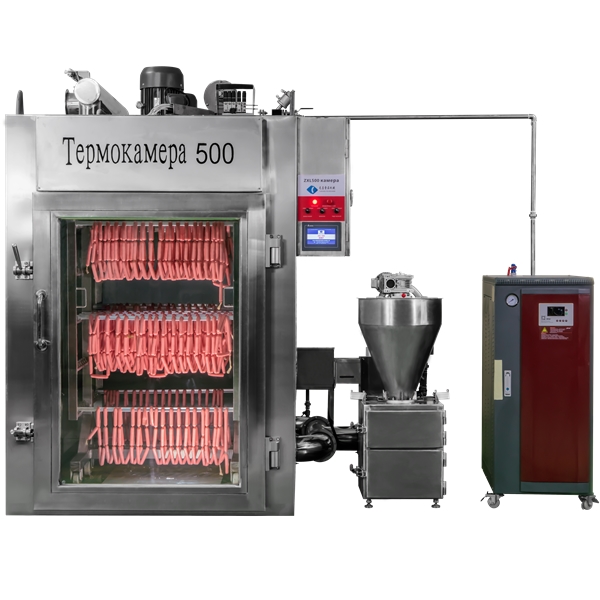
Smokehouse Design
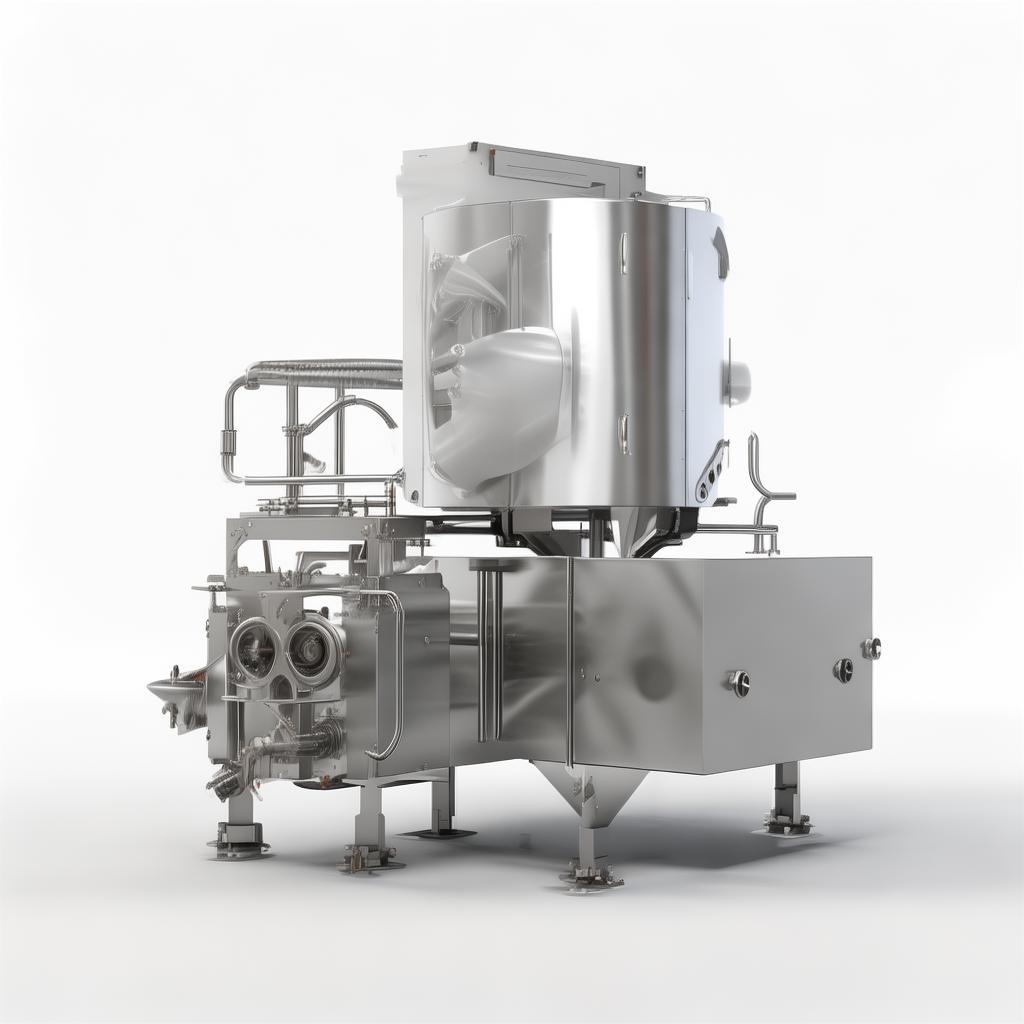
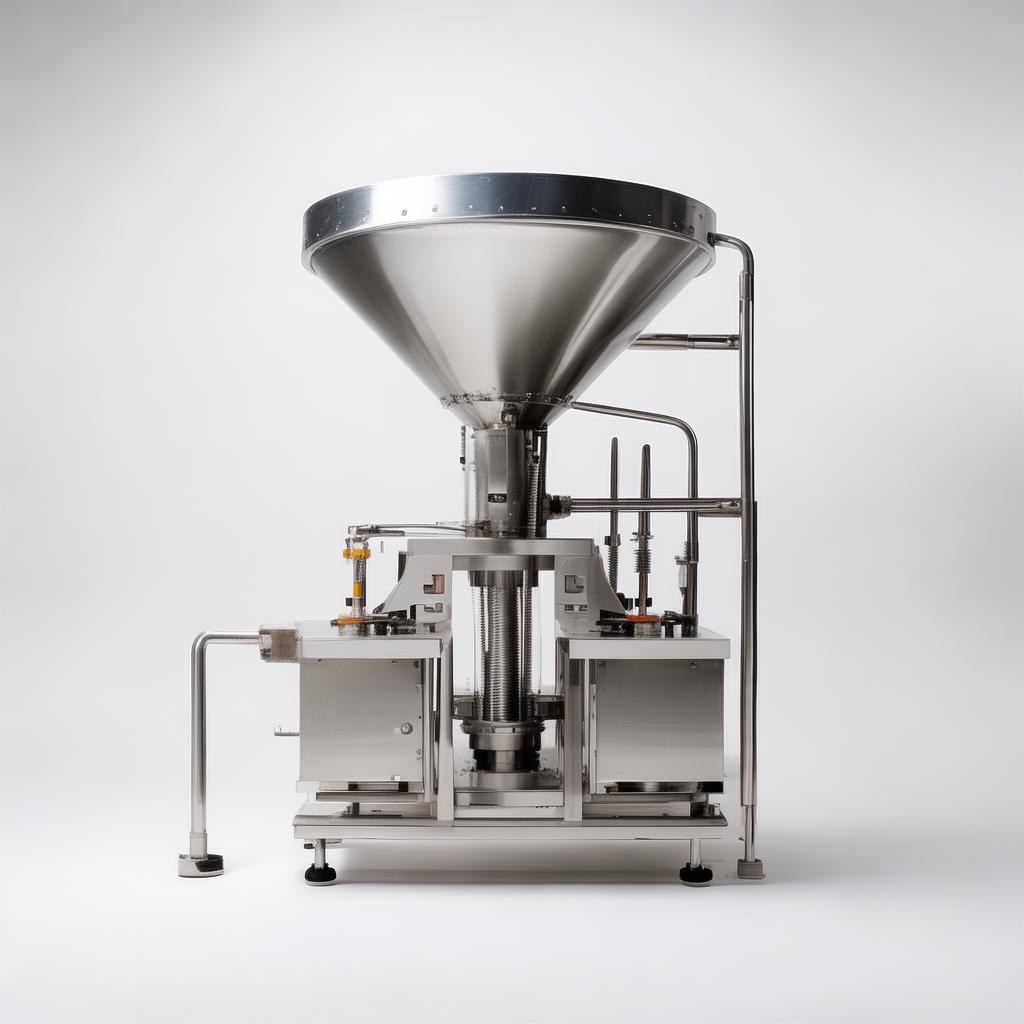
Precision Smokehouse Design: Crafting Flavor and Preserving Quality for Global Markets
An In-depth Look at Industrial Smokehouse Engineering and Manufacturing

By Dr. Jian Li
Lead Engineer, Hebei Yuanchang Food Mechanism & Technology Co., Ltd.
40 Years of Industrial Experience
Understanding the Art and Science of Smokehouse Design
For businesses operating in the international food processing sector, the smokehouse is more than just a piece of equipment; it's a crucial element for achieving distinctive product profiles, ensuring preservation, and meeting consumer demand for specific culinary experiences. Whether you're producing artisanal sausages, robust jerky, fine hams, or premium smoked fish, the design and functionality of your smokehouse directly impact flavor development, texture, shelf-life, and overall production efficiency. At Hebei Yuanchang Food Mechanism & Technology Co., Ltd., we've spent 40 years refining our approach to industrial smokehouse design, integrating decades of hands-on experience with the latest technological advancements. We understand that a properly designed smokehouse isn't just about applying heat and smoke; it's a sophisticated system for controlling critical parameters like temperature, humidity, airflow, and smoke density, all while adhering to stringent international food safety and hygiene standards.
The global market for processed meat equipment, which includes advanced smokehouse solutions, is experiencing robust growth. Reports indicate the market was valued at over USD 11 billion in 2025 and is projected to expand significantly, driven by increasing consumer preference for processed and convenience foods, rising disposable incomes in emerging economies, and the continuous drive for automation and efficiency in food production facilities. For instance, the Fortune Business Insights report highlights a projected market value of USD 17.39 billion by 2034 at a CAGR of 5.0%. This expansion underscores the critical role that sophisticated processing equipment, like our smokehouses, plays in meeting global demand. Key segments within this market, such as filling, massaging (for ripening), and smoking machines, are vital for achieving desired product characteristics and production efficiency. Our focus on integrated solutions means we look at the entire processing line, ensuring our smokehouse designs seamlessly complement pretreatment, molding, and auxiliary systems, contributing to a cohesive and optimized production workflow.
Designing an industrial smokehouse requires a deep understanding of thermal dynamics, material science, and airflow engineering, often tailored to specific product types and production volumes. It's not a one-size-fits-all solution. A small-batch artisan producer will have vastly different needs than a large-scale export facility processing tons of product daily. Factors such as the type of wood or smoking material used, the required smoking duration, the desired color and flavor intensity, and the need for simultaneous cooking, drying, or cooling processes all influence the optimal design. Furthermore, compliance with international standards, such as those set by regulatory bodies in the USA, Europe, and Asia, is paramount. This includes ensuring ease of cleaning, prevention of microbial growth, and the use of food-grade materials. Our 40 years of experience, dating back to 1986, have allowed us to build an unparalleled knowledge base, enabling us to engineer solutions that are not only highly effective but also compliant and sustainable for long-term operation.
The complexity extends to the operational workflow. How will raw product be loaded and unloaded? What are the requirements for smoke generation – is it a dedicated smoke generator, or integrated within the chamber? What kind of control system is needed – simple manual operation, or advanced programmable logic controllers (PLCs) for precise recipe management? These questions are fundamental. For example, a semi-continuous operation might necessitate a multi-chamber system where one chamber is processing while another is being loaded or unloaded, maximizing throughput. The choice between electric, gas, or steam heating systems also impacts installation, operational costs, and environmental considerations. Our approach is to collaborate closely with clients, understanding their current infrastructure, future growth plans, and specific product goals to deliver a smokehouse design that is a true investment in their business's success. We consider everything from initial footprint and utility requirements to energy efficiency and ease of maintenance, ensuring a holistic and practical solution.
Industry Insight: The growing demand for processed meats globally fuels innovation in smokehouse technology. With the processed meat market projected to reach over USD 1.3 trillion by 2035 (Precedence Research), equipment that delivers consistent quality, enhances flavor, and ensures long shelf life is a critical differentiator for manufacturers.
Addressing Core Industry Challenges with Advanced Smokehouse Design
Manufacturers often grapple with several key challenges when it comes to smoking processes. Consistency is paramount: achieving the same rich flavor, ideal color, and perfect texture batch after batch is a significant hurdle. Variations in temperature, humidity, or airflow can lead to rejected product, wasted resources, and dissatisfied customers. Our designs prioritize precise control over these environmental factors, employing advanced sensor technology and sophisticated airflow management systems to ensure repeatable results.
Another pervasive issue is operational efficiency and labor costs. Manual loading and unloading, tedious cleaning procedures, and inconsistent processing times can significantly impact a facility's bottom line. We engineer our smokehouses with features like optimized chamber layouts for easy product handling, hygienic design principles for rapid and thorough cleaning, and automated control systems that minimize manual intervention. This focus on operational excellence is echoed in market trends; for example, Global Market Insights notes the meat and poultry processing equipment market, including smokehouses, is driven by automation for labor efficiency and hygiene.
Furthermore, meeting increasingly stringent food safety regulations, both domestic and international, presents a constant challenge. Cross-contamination risks, inadequate cleaning, and improper temperature controls can lead to serious compliance issues. Our stainless steel construction, seamless interior welds, and thoughtfully designed drainage systems are all geared towards creating a hygienic environment that is easy to sanitize. We also ensure that all materials used are certified food-grade and compliant with relevant health and safety directives.
Finally, the energy consumption of industrial smoking processes can be substantial. Modern smokehouse designs must consider energy efficiency. By optimizing insulation, employing efficient heating elements, and fine-tuning airflow to minimize heat loss, we help our clients reduce their operational expenses and environmental footprint. This is crucial for long-term sustainability and cost-effectiveness, especially as energy prices fluctuate and environmental regulations tighten globally.
- Challenge: Inconsistent Product Quality
- Solution: Precise PID temperature/humidity control, optimized airflow management, advanced PLC programming.
- Challenge: High Labor Costs & Inefficient Throughput
- Solution: Ergonomic loading/unloading, automated cycles, multi-chamber options for continuous operation.
- Challenge: Food Safety & Compliance
- Solution: Stainless steel construction, hygienic design, easy-clean surfaces, food-grade materials.
- Challenge: High Energy Consumption
- Solution: High-efficiency insulation, optimized heating systems, intelligent airflow control.
Key Design Considerations for Your Smokehouse Project
Developing the right smokehouse design involves a multi-faceted approach, considering everything from the product itself to the production environment. Our engineering team meticulously evaluates each of these factors:
1. Product Type and Characteristics
The nature of the product dictates many design choices. For instance:
- Sausages & Cured Meats: Require precise control over drying, cooking, smoking, and cooling phases. Often involves uniform product hanging for consistent smoke penetration and color.
- Jerky & Dried Meats: Focus on efficient moisture removal and controlled smoke application for flavor.
- Fish Products: May need delicate handling and specific humidity levels to prevent over-drying or oil separation.
- Cheese & Other Foods: Require specialized temperature and humidity profiles to achieve desired results without compromising product integrity.
2. Production Volume and Throughput
Scalability is key. Are you looking to produce tens of kilograms per day or multiple tons? We offer:
- Batch Smokehouses: Ideal for smaller operations or varied product runs.
- Continuous or Semi-Continuous Systems: Featuring multiple chambers or advanced conveyor systems for high-volume output, often seen in large-scale export facilities.
3. Smoke Generation Method
The source and type of smoke significantly affect flavor and color. Options include:
- Friction Smoke Generators: Produce a pure, controlled smoke from wood chips. Excellent for consistent quality.
- Smoldering Smoke Generators: Utilize wood chips or sawdust that smolders. Offers a more traditional smoky flavor.
- Liquid Smoke Applicators: For precise, repeatable flavor profiles without a visible smoke.
We can integrate various smoke generation systems based on your specific flavor profile goals and operational preferences. The choice impacts wood consumption, maintenance, and the consistency of smoke density.
4. Control System Sophistication
From basic digital controls to advanced programmable logic controllers (PLCs), the control system manages critical parameters:
- Digital Thermostats & Humidistats: For straightforward process control.
- Programmable Logic Controllers (PLCs): Allow for complex recipe management, data logging, remote monitoring, and integration with plant-wide SCADA systems. This is essential for OEM and ODM operations requiring strict process replication.
5. Chamber Configuration and Airflow
The internal layout and airflow patterns are critical for uniform processing:
- Top-Down, Bottom-Up, or Crossflow Air: Each pattern offers different advantages for drying, smoke penetration, and cooking uniformity.
- Product Hanging Systems: Optimized for the specific product and volume, ensuring even exposure to heat and smoke.
Procurement Insight: When evaluating smokehouse designs, ask about the number of configurable zones within the chamber. This can allow for processing different product types or achieving varied results simultaneously, offering significant flexibility.
Technical Deep Dive: Components and Functionality
A modern industrial smokehouse is a complex piece of machinery engineered for reliability and performance. Here’s a breakdown of its core components and their functions:
| Component | Functionality | Critical Considerations |
|---|---|---|
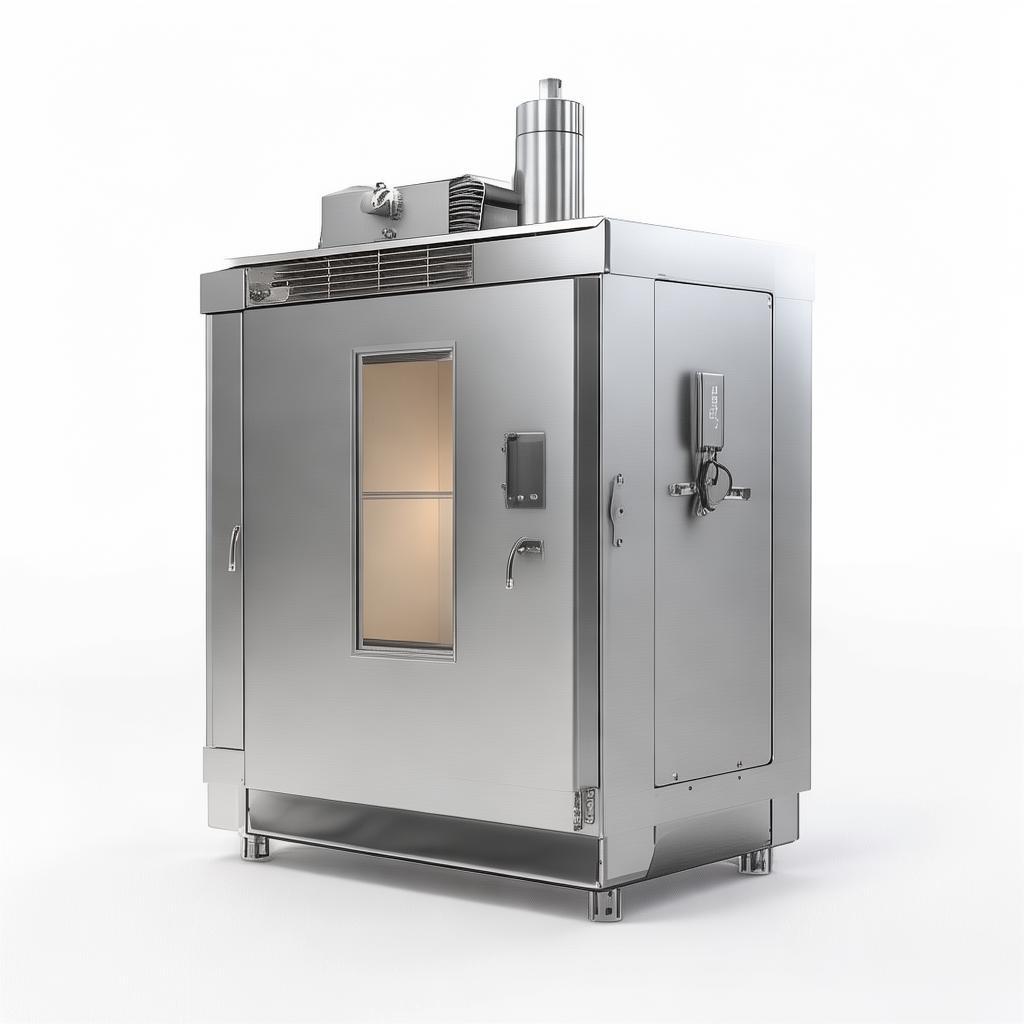
| Chamber Construction | The insulated enclosure where the smoking process occurs. Typically constructed from food-grade stainless steel (e.g., 304 or 316). | Thermal insulation quality (e.g., high-density PU foam, mineral wool), structural integrity for heavy loads, hygienic design (smooth surfaces, coved corners). |
| Heating System | Provides the necessary temperature for cooking, drying, or holding. Options include electric elements, steam coils, or gas burners. | Precise temperature control (PID controllers), uniform heat distribution, energy efficiency. |
| Humidification System | Injects steam or water vapor to maintain desired humidity levels for drying or preventing surface cracking. | Accurate humidity sensing and control, rapid response to changes, prevention of condensation build-up. |
| Airflow System | Fans and ducting that circulate air, smoke, and heat throughout the chamber. Crucial for even cooking and smoke deposition. | Optimized airflow patterns for product type, variable fan speeds for different processes, robust motor and fan construction. |
| Smoke Generator | Produces smoke from wood material. Can be internal or external, friction-based or smoldering. | Consistent smoke density and particle size, fuel efficiency, ease of cleaning and maintenance. |
| Control Panel / PLC | The brain of the operation, managing all parameters according to pre-programmed recipes. | User-friendly interface, programmable recipes, data logging and reporting capabilities, remote access options for advanced models. |
| Product Racks & Hangers | Support systems for holding product during processing. | Durable, food-grade construction, ergonomic design for efficient loading/unloading, variety of configurations to suit different products. |
| Draining & Cleaning Features | Designed to facilitate hygienic operation and maintenance. | Sloped floors towards drainage points, easy-access panels for cleaning, wash-down capability. |
Our designs often incorporate optional features such as integrated refrigeration systems for cooling cycles, automated smoke density control, and advanced sensors for real-time process monitoring. The synergy between these components ensures that your smokehouse performs optimally, consistently delivering the high-quality smoked products your market demands. The **global meat processing equipment market** is projected to reach USD 17.39 billion by 2034 (Fortune Business Insights), a trend fueled by advancements in precisely these technical areas.
Material Science in Smokehouse Construction: Durability and Safety
The selection of materials is non-negotiable for any food processing equipment, especially for units exposed to heat, moisture, and smoke. At Hebei Yuanchang, we prioritize:
- Food-Grade Stainless Steel (304/316): This is our standard for chamber walls, doors, internal components, and product racks. It offers exceptional corrosion resistance, is non-reactive with food products, and provides a smooth, non-porous surface that is easy to clean and sanitize, vital for preventing microbial growth. 316 stainless steel is often preferred for its enhanced resistance to corrosive environments, especially where certain cleaning agents or salts might be present.
- High-Density Insulation: We utilize high-performance insulation materials, such as rigid polyurethane foam (PU) or mineral wool, to ensure excellent thermal efficiency. This reduces heat loss, leading to lower energy consumption and more stable internal temperatures. The insulation is typically enclosed within the stainless steel structure, protected from moisture and contaminants.
- Food-Grade Seals and Gaskets: Silicone or other approved food-grade elastomers are used for door seals to maintain chamber integrity and prevent heat or smoke leakage. These materials must withstand high temperatures and repeated cleaning cycles.
- Robust Electrical and Pneumatic Components: All control systems, sensors, motors, and actuators are selected for industrial durability, ingress protection (IP ratings) suitable for wash-down environments, and compliance with international electrical standards.
Our commitment to using premium materials ensures not only the longevity and reliability of our smokehouses but also guarantees compliance with global food safety standards. This expertise in material science is a cornerstone of our EEAT (Experience, Expertise, Authoritativeness, Trustworthiness) commitment to our clients.
Versatile Applications Across the Food Industry
While often associated with traditional meat smoking, our smokehouse designs are versatile and can be adapted for a wide range of food processing applications:
- Processed Meats: Sausages (smoked, dry-cured), hams, bacon, deli meats, frankfurters, mortadella.
- Poultry Products: Smoked chicken, turkey, duck.
- Seafood: Smoked salmon, mackerel, trout, and other fish products.
- Cheese: Cold-smoked cheeses for enhanced flavor profiles.
- Plant-Based Alternatives: Emerging applications for smoking and browning vegetarian and vegan products to impart smoky flavors.
- Pet Food: Specialized smokehouses for imparting desirable flavors and textures in premium pet food formulations.
The adaptability of our designs allows us to serve diverse clients, from niche producers to large-scale international operations. The broad market for meat processing equipment, projected to reach USD 15.04 billion by 2030 (Grand View Research), reflects the widespread need for advanced smoking and ripening technologies.
Application Note: For products requiring multiple stages (e.g., drying, smoking, cooking, cooling), our multi-functional smokehouses are designed to execute these processes sequentially within a single unit, streamlining operations and reducing capital expenditure.
Installation, Logistics, and Comprehensive After-Sales Support
We understand that acquiring industrial machinery involves more than just the purchase; it's about seamless integration into your operations. Our team provides end-to-end support:
Logistics and Shipping
As an international exporter with 40 years of experience, we have mastered the complexities of global shipping. Our smokehouses are carefully packaged to withstand transit, and we work with reputable freight forwarders to ensure timely and cost-effective delivery to any global destination. We handle all necessary documentation for export, simplifying the process for our clients. Considerations like container optimization and crating for sensitive components are standard practice.
Installation and Commissioning
Our smokehouses are designed for straightforward installation. We provide detailed technical drawings and manuals covering utility connections (electrical, steam, water, exhaust), ventilation requirements, and site preparation. While many clients handle installation with their local engineering teams, we offer optional on-site commissioning services to ensure perfect setup and initial operation. This includes calibration of sensors and verification of control system logic.
Training and Operation
Proper operation is key to maximizing performance and lifespan. We provide comprehensive training materials and can offer operator training sessions, either remotely or on-site, covering:
- System startup and shutdown procedures
- Recipe programming and management
- Routine cleaning and sanitation protocols
- Basic troubleshooting
vortron smokehouse what is a smoke house mechanical smokehouse
After-Sales Service and Spare Parts
Our commitment extends far beyond delivery. We maintain a traceable after-sales management system, allowing us to provide prompt support and supply high-precision spare parts manufactured in our own advanced machining workshop. With over 20 sets of processing machinery, including Japanese Mazak CNC machining centers, we have the capability to produce critical components in-house, ensuring you receive genuine parts quickly, minimizing downtime.
Logistics Tip: When planning installation, factor in adequate ventilation and exhaust ducting requirements, as well as access for maintenance. Proper planning here can save significant costs and avoid operational bottlenecks.
Evaluating a Smokehouse Supplier: What to Look For
Choosing the right manufacturing partner is critical. Here’s what discerning procurement professionals should consider when selecting a smokehouse supplier:
- Manufacturing Experience & Heritage: Look for suppliers with a long history in the industry. 40 years, like ours at Hebei Yuanchang, signifies deep-rooted expertise, a proven track record, and a stable operational foundation.
- Technical Capabilities: Does the supplier have in-house engineering and manufacturing facilities? The ability to produce critical components precisely, as demonstrated by our CNC machining capabilities, is a strong indicator of quality control and ability to customize.
- Customization & OEM/ODM: Can they tailor designs to your specific needs? For OEM/ODM projects, a supplier's flexibility and technical prowess are paramount.
- Global Reach & Export Experience: Ensure they have a proven history of exporting to your target markets and understand international shipping and compliance requirements.
- After-Sales Support: What is their strategy for providing spare parts, technical assistance, and maintenance guidance over the equipment's lifecycle? A traceable system is a plus.
- Quality Certifications: Do they hold relevant international quality certifications (e.g., ISO)?
- References & Case Studies: Can they provide testimonials or case studies from similar clients or projects?
A thorough evaluation ensures you partner with a reliable manufacturer capable of delivering a high-performance, long-lasting smokehouse that meets your ROI expectations. The market growth for processed meat equipment highlights the importance of selecting a supplier that can scale with demand and offer cutting-edge solutions.
Quality Assurance and Certifications
At Hebei Yuanchang Food Mechanism & Technology Co., Ltd., quality isn't just a buzzword; it's embedded in our manufacturing processes and our commitment to international standards. We operate under stringent quality management systems. While specific certifications can vary based on the final destination market and exact product configuration, our commitment to quality is demonstrated through:
- ISO 9001: Our manufacturing processes adhere to the principles of ISO 9001 quality management standards, ensuring consistent product quality and customer satisfaction.

- CE Marking: For equipment destined for the European Economic Area, our smokehouses comply with relevant EU directives and are marked accordingly, signifying conformity with health, safety, and environmental protection standards.
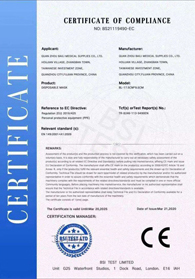
- Food Grade Material Compliance: All materials used in contact with food products meet stringent international standards (e.g., FDA, EU regulations) for safety and non-reactivity.
- In-house Machining Precision: Our investment in advanced CNC machining centers ensures that critical components meet exacting tolerances, enhancing overall product reliability and performance.
These certifications and our rigorous internal quality control processes provide our international clients with the confidence that they are investing in equipment that is safe, reliable, and compliant with global industry benchmarks.
Client Interactions & Trust

Initial inquiry for custom design requirements.

Technical discussion on airflow and heating efficiency.

Confirmation of shipping plan and after-sales support.
Frequently Asked Questions (FAQ)
- Q1: What is the typical lead time for a custom smokehouse design?
- Lead times can vary based on complexity and current production schedules, typically ranging from 8 to 16 weeks from order confirmation to readiness for shipment. We provide a precise estimate upon detailed specification.
- Q2: Can your smokehouses handle both hot smoking and cold smoking?
- Yes, our designs can be configured for both hot smoking (cooking and smoking) and cold smoking (flavoring and preservation at lower temperatures), often involving specialized control modules and optional refrigeration units.
- Q3: What are the energy source options for your smokehouses?
- We offer electric, steam, and gas heating systems. The optimal choice depends on your facility’s existing infrastructure, local utility costs, and operational preferences. Each has its advantages in terms of initial cost, operational efficiency, and maintenance.
- Q4: How is cleaning and maintenance managed?
- Our smokehouses are designed with hygienic principles in mind, featuring sloped floors, coved corners, and easy-access panels for thorough cleaning. We provide detailed maintenance schedules and offer support for spare parts and technical assistance.
- Q5: Do you provide installation support?
- Yes, we provide comprehensive installation guidelines and documentation. Optional on-site commissioning and training services are available to ensure a smooth setup and operation.
What Our Clients Say
"The new smokehouse from Hebei Yuanchang has revolutionized our sausage production. The precision in temperature and humidity control means we're getting perfect results every time, which is critical for our export orders to the US market. Installation was smooth, and their support team was responsive."

Maria Rodriguez
Operations Manager, Premium Meats Co.
"We needed a highly customizable smokehouse for our niche smoked fish products. Hebei Yuanchang's engineering team worked closely with us, delivering a unit that perfectly met our specifications regarding airflow and precise temperature gradients. The quality of materials and build is exceptional."

David Chen
Head of Production, Ocean Smoked Delights
"After decades of using older equipment, upgrading to their modern smokehouse was a game-changer. The energy savings are noticeable, and the automated controls have significantly reduced labor requirements. Their export process was very efficient, and we received the unit on schedule."

Hans Müller
Factory Director, Bavarian Meats GmbH
Unlock Superior Smoking Capabilities for Your Business
Ready to enhance your product quality, boost operational efficiency, and expand your market reach with advanced smokehouse technology? Let our 40 years of manufacturing expertise work for you.
We are dedicated to providing solutions that drive profitability and quality for our global partners.