What Is A Smoke House
What is a Smoke House? A Comprehensive Guide for Food Processors & Exporters
By Dr. Evelyn Reed, Senior Food Processing Consultant

What Exactly is a Smoke House?
At its core, a smoke house is a specialized piece of equipment designed to impart flavor, color, and preservation to food products, primarily meats, through the process of smoking. It's not merely an oven where you add wood chips. A true smoke house controls the environment – temperature, humidity, and smoke density – to achieve specific culinary outcomes and extend shelf life. This process, steeped in history from ancient preservation techniques to modern industrial food production, involves exposing food to controlled smoke, typically derived from burning hardwoods.
From a B2B perspective, especially for wholesale export and OEM/ODM operations, understanding the nuances of smoke houses is critical. These aren't commodity items; they are precision instruments that directly impact product quality, market appeal, and profitability. Whether you're producing artisanal sausages for a niche market or high-volume cured meats for international distribution, the choice and operation of your smoke house technology will be a defining factor. It's about more than just "smoking"; it's about applying controlled thermal and chemical processes to transform raw ingredients into value-added, shelf-stable, and desirable food items.
The global meat processing equipment market is substantial, reflecting the demand for these sophisticated machines. Reports indicate the market was valued at over USD 11 billion in 2025, projected to exceed USD 17 billion by 2034, with segments including smoking machines showing steady growth. This upward trend is fueled by increasing consumer demand for processed and convenience meats, coupled with the need for efficient, hygienic, and automated processing solutions in manufacturing facilities worldwide. 【Meat Processing Equipment Market Size, Share & Industry Analysis - Fortune Business Insights】
Think of a smoke house as a carefully engineered chamber where volatile compounds from burning wood interact with the food surface. This interaction does several things simultaneously: it introduces characteristic smoky aromas and flavors (like guaiacol and syringol), creates a desirable reddish-brown hue through the Maillard reaction and interaction with smoke constituents, and provides a degree of preservation. The smoke's components have antimicrobial and antioxidant properties, which help inhibit spoilage and rancidity, thereby extending the product's shelf life significantly compared to untreated items.
For export-oriented manufacturers, consistency is paramount. A modern industrial smoke house isn't about guesswork; it's about replicability. It allows for precise control over humidity (to prevent drying out or ensure desired texture), temperature (for cooking, drying, or cold smoking), and airflow. This level of control is essential when aiming for international markets where product standards and consumer expectations are high. It enables a manufacturer to meet specifications for flavor profiles, color consistency, and preservation efficacy time and time again, which is a cornerstone of building a reliable global brand.
The definition of "smoke house" can range from a simple backyard setup to a complex, multi-chamber industrial unit capable of processing tons of product. For B2B clients, we're typically discussing the latter – sophisticated systems that integrate advanced control technology, efficient smoke generation, and robust construction for continuous operation. These are not just boxes; they are integral parts of a larger food processing line, often working in conjunction with equipment for meat pretreatment, filling, molding, and ripening.
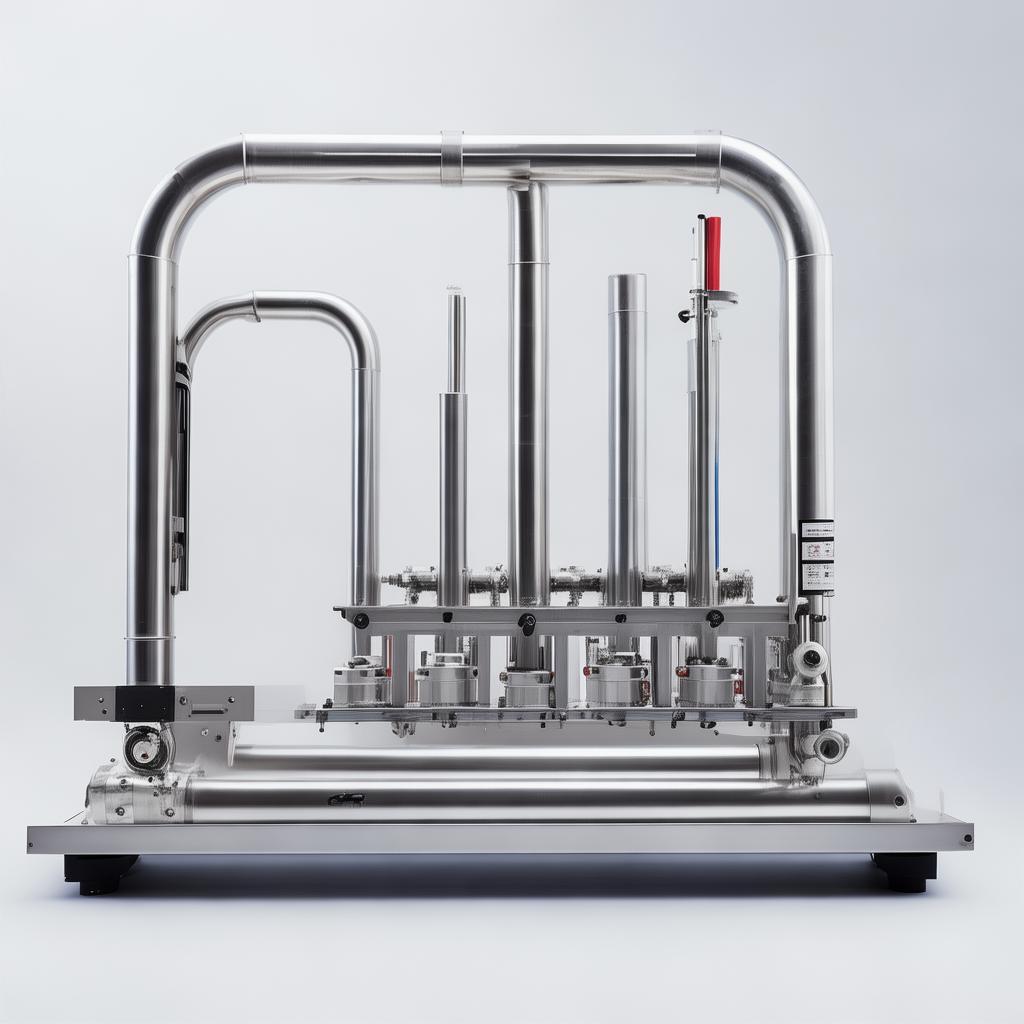
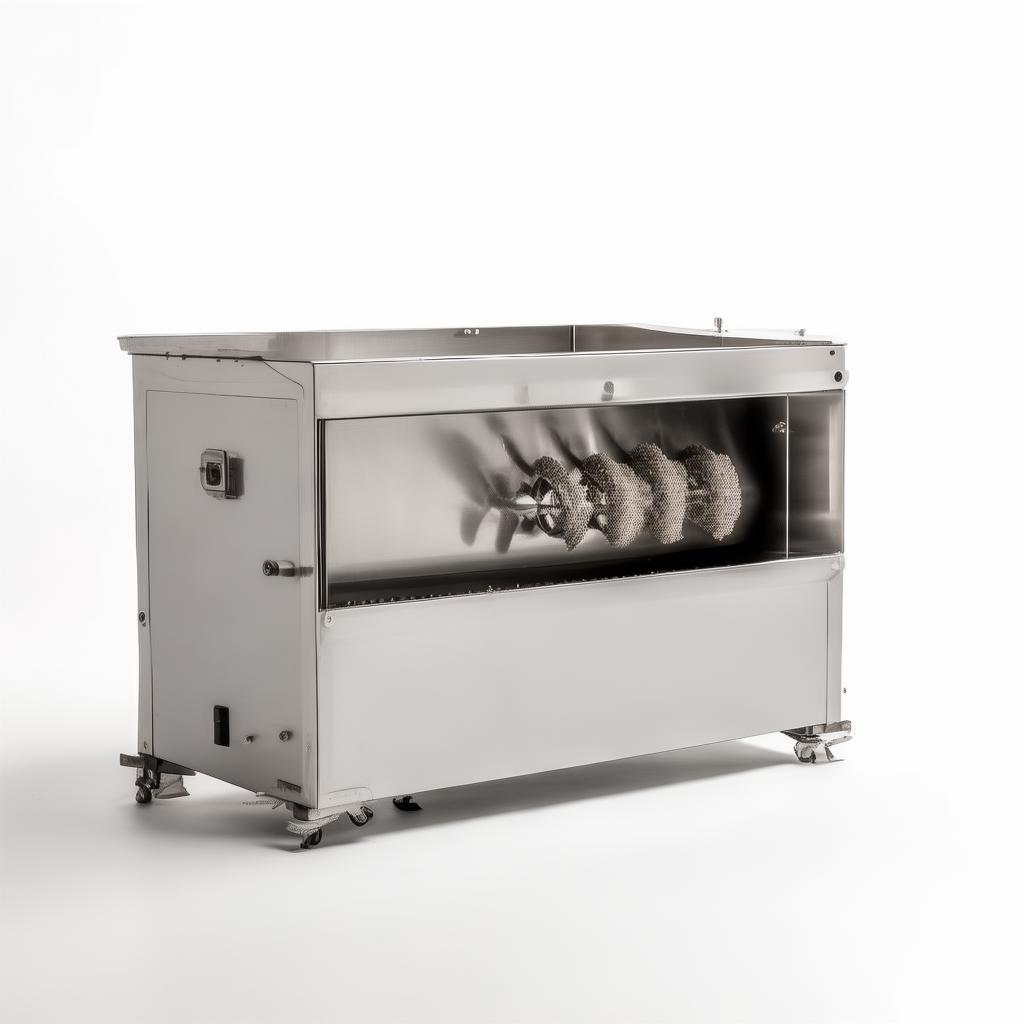
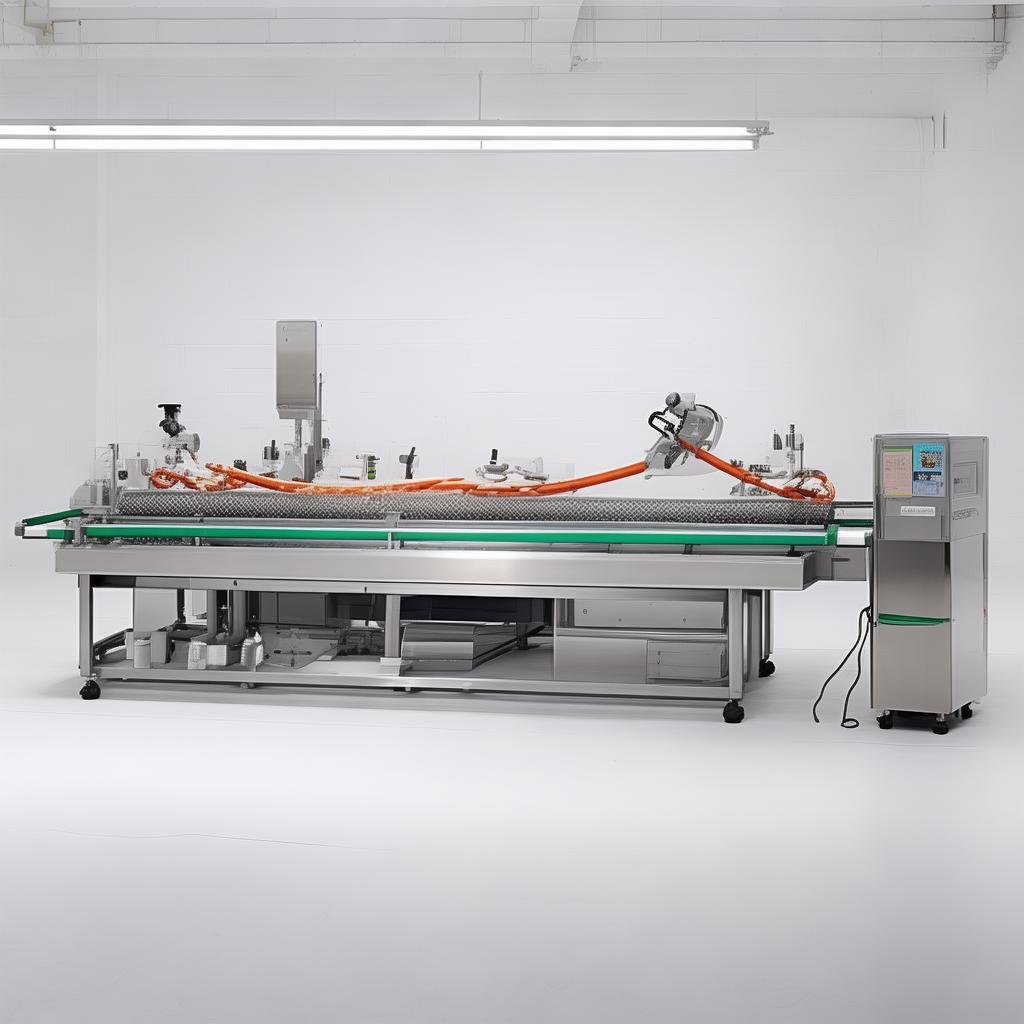
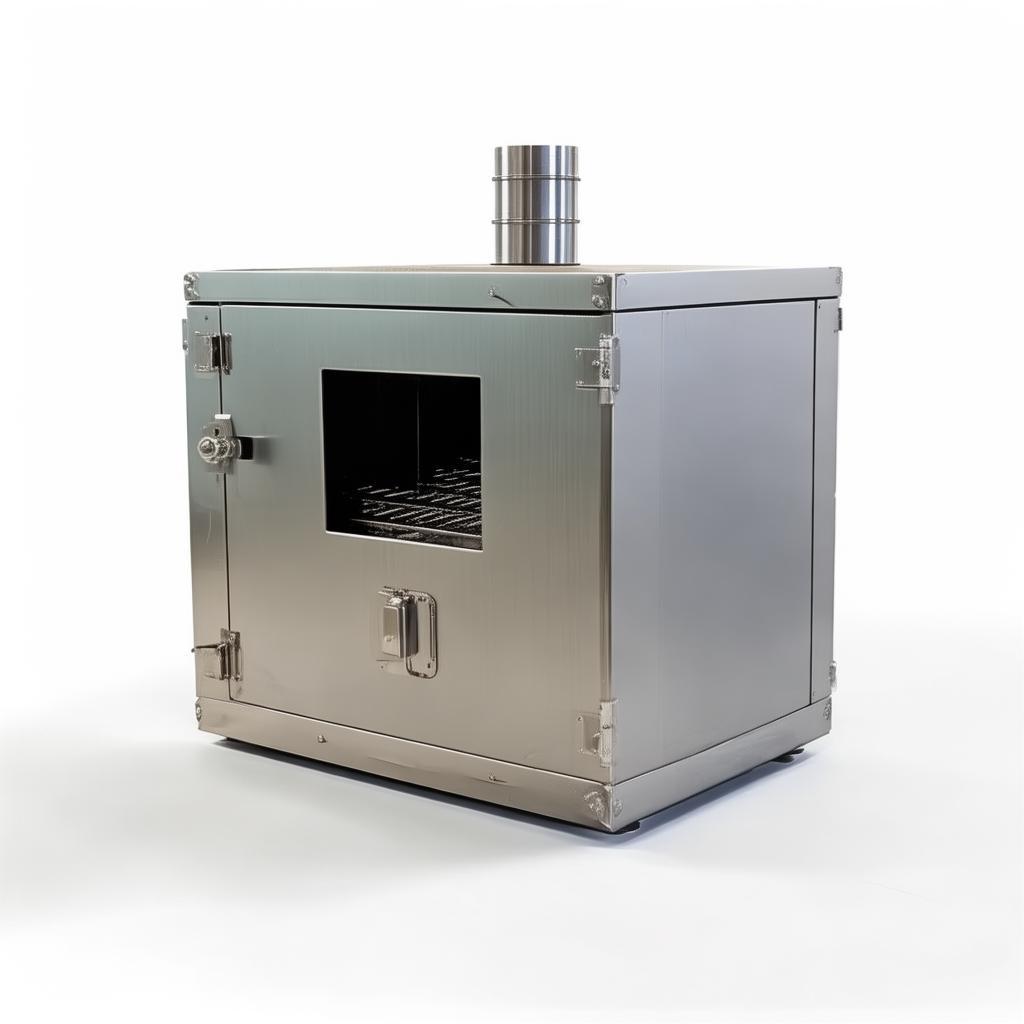
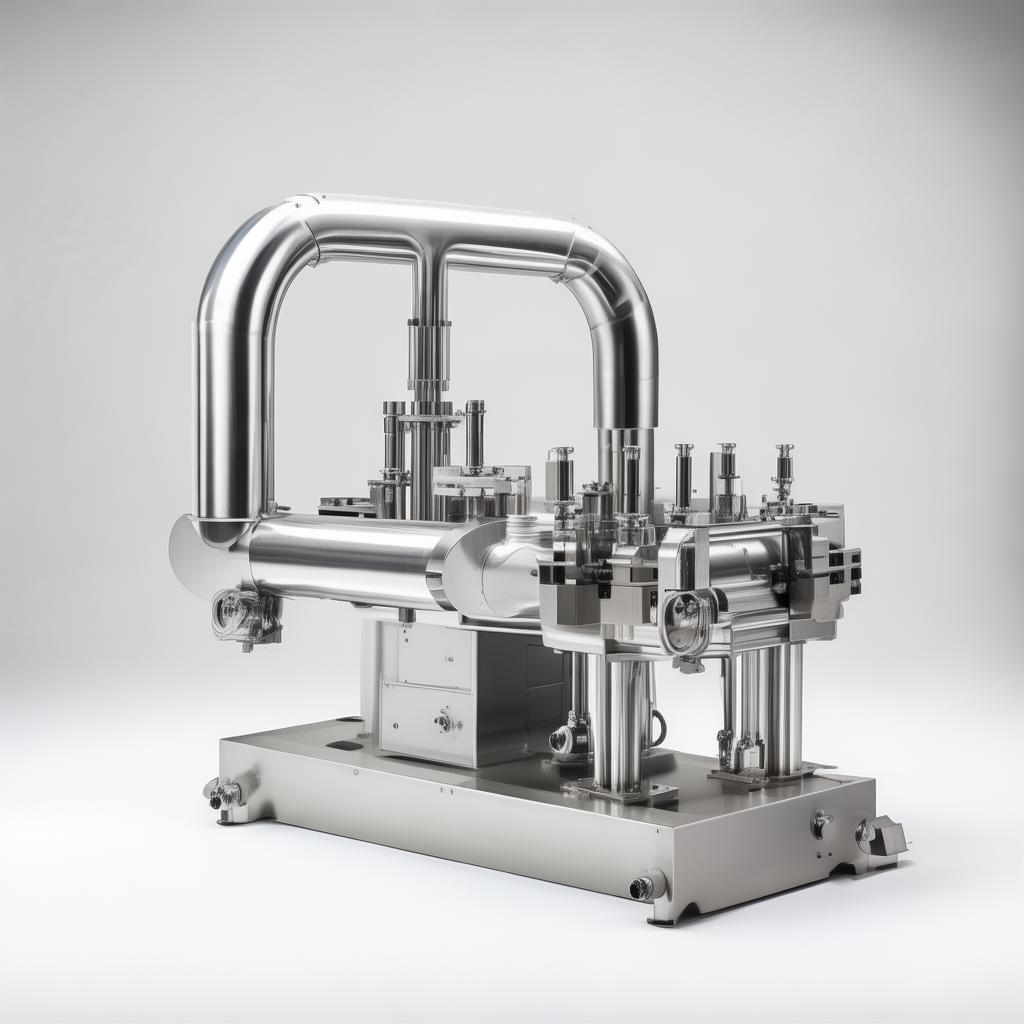
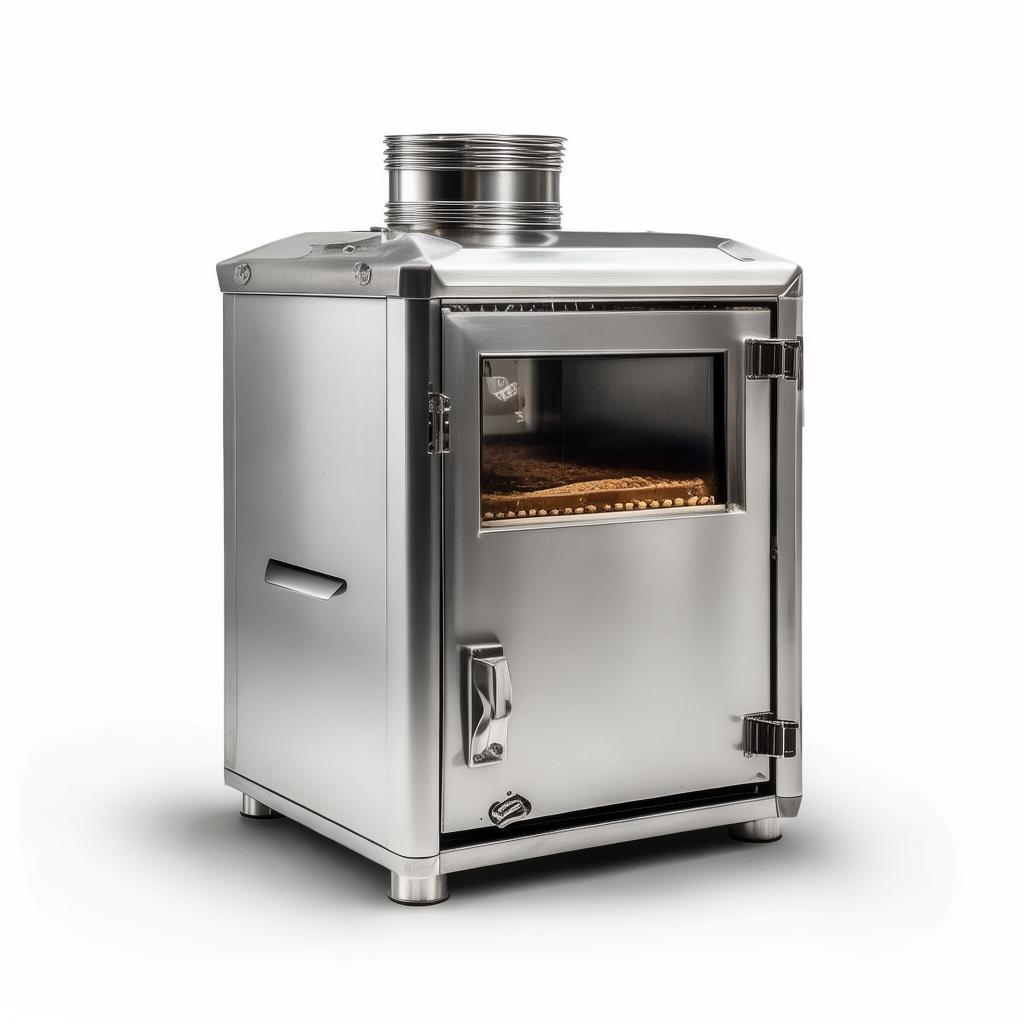
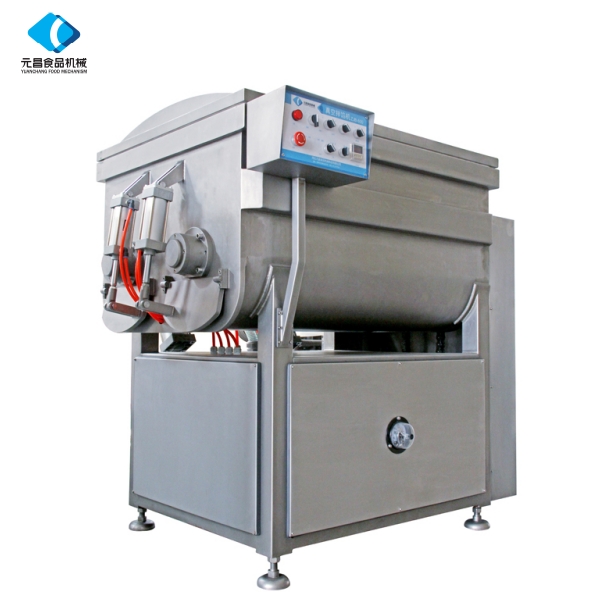
smoke house factory Smoking house smokehouse design
In essence, a smoke house is a crucial piece of food processing machinery that leverages controlled smoke exposure to enhance flavor, appearance, and preservation. Its design and operational capabilities are fundamental to producing high-quality, market-ready smoked goods, especially in the competitive international trade landscape. Understanding its function, types, and technical specifications is the first step for any serious player in the processed meat industry.
The growth in processed meat consumption globally, projected to reach over USD 1.25 trillion by 2034, underscores the importance of efficient and advanced processing technologies like smoke houses. 【Processed Meat Market Size, Share & Growth Report - Fortune Business Insights】
Navigating the Spectrum: Types of Smoke Houses
Not all smoke houses are created equal. For industrial applications, particularly for export-focused operations, differentiating between types is crucial for aligning equipment capabilities with specific product requirements and market demands. The fundamental distinctions often lie in the smoking method, the scale of operation, and the level of automation.
- Hot Smoke Houses: These operate at higher temperatures, typically between 52°C and 80°C (126°F and 176°F). The primary function here is to cook the food while simultaneously smoking it. This method is faster and imbues a strong smoky flavor and color. Products like smoked sausages, ham, and bacon are often processed this way. From an operational standpoint, hot smoking achieves a quicker turnaround and provides a cooked end-product, simplifying downstream processing or preparation for consumers.
- Cold Smoke Houses: In contrast, cold smoking occurs at much lower temperatures, usually below 32°C (90°F), and often even below 25°C (77°F). The goal of cold smoking is primarily for flavor and preservation without cooking the product. This technique is ideal for items like smoked salmon, certain cheeses, and dried meats where the texture and raw-like quality are desired. Achieving consistent low temperatures, especially in warmer climates, requires robust refrigeration and air circulation systems, a key consideration for manufacturers in diverse export markets.
- Smoke Generators (Indirect Smoking): Many modern industrial smoke houses employ separate smoke generators. These units produce smoke from various wood types (hardwoods like hickory, mesquite, oak, alder are common) and then pipe it into a separate cooking or ripening chamber. This approach offers superior control over smoke density, temperature, and flavor profile. It also keeps the smoking process independent of the cooking or drying phase, allowing for more precise recipe management. The ability to select specific wood types and control smoke intensity is a major advantage for achieving unique product signatures demanded by international consumers.
- All-in-One Systems: Integrated units that combine smoking, cooking, drying, and sometimes even chilling functionalities. These are highly versatile and common in large-scale processing plants. They offer programmability for complex sequences, optimizing different stages of the processing cycle within a single machine. This is where sophisticated PLC (Programmable Logic Controller) systems come into play, managing precise temperature ramps, humidity levels, smoke application durations, and airflow patterns.
- Continuous vs. Batch: Batch smoke houses are designed for distinct processing runs, suitable for smaller operations or variable product lines. Continuous smoke houses, on the other hand, are designed for high-volume, non-stop production, where products move through different zones of the chamber. For large export orders, continuous systems offer economies of scale and consistent output, though they represent a more significant capital investment.
When selecting a smoke house for export, particularly for clients in the USA, consider the regulatory landscape. For instance, USDA regulations often dictate specific temperature and time parameters for different smoking processes to ensure pathogen reduction. Your chosen equipment must reliably meet these standards. The flexibility to adapt to different international food safety requirements, such as HACCP principles, is a critical design consideration.
Industry analysis highlights that filling & stuffing, massaging (for ripening/tenderizing), cutting, grinding, and smoking machines are key segments within the meat processing equipment market, indicating a broad demand for various specialized units. 【Meat Processing Equipment Market Size, Share Report, 2030 - Grand View Research】
The Alchemy of Smoke: How Smoke Houses Operate
Understanding the operational mechanics of a smoke house reveals why precise engineering is so vital. It's a sophisticated interplay of heat, smoke, air, and time, managed through advanced control systems. At its heart, the process involves generating smoke and then directing it, along with controlled temperature and humidity, across the food product.
1. Smoke Generation: This is the foundational step. Typically, hardwoods are used (oak, hickory, mesquite, alder, fruitwoods). The wood is heated in a controlled manner to produce smoke. This can be achieved through:
- Friction/Rubbing: Specialized generators create smoke by rubbing wood pieces together.
- Burning: Wood chips or sawdust are burned under controlled oxygen levels.
- Pellets: Compressed wood pellets offer consistent burn rates.
2. Smoke Distribution: Once generated, the smoke is channeled into the processing chamber. Industrial units use fans and ducting to ensure even distribution, bathing the product uniformly. Airflow is critical for both smoke penetration and moisture management. Excessive smoke can lead to bitter flavors, while poor airflow can result in uneven coloration and insufficient preservation.
3. Temperature and Humidity Control: This is where the "house" aspect truly shines.
- Hot Smoking: Temperatures are high enough to cook the product, typically 52°C - 80°C. This accelerates cooking and imparts significant flavor.
- Cold Smoking: Temperatures are kept low (below 32°C), focusing on flavor and preservation without cooking. This requires advanced cooling systems.
- Humidity plays a role in drying the surface of the product, allowing smoke to adhere better, and in preventing over-drying or achieving desired texture.
4. Cooking/Drying/Curing: Depending on the process, the smoke house can perform various functions. It can cook food through convection and conduction, dry out moisture for preservation and texture development, or contribute to the curing process when salt and nitrites are also present. The duration of each stage is programmable.
5. Cleaning and Maintenance: For continuous operation and product safety, efficient cleaning cycles are essential. Industrial units often feature CIP (Clean-In-Place) systems or easy-access designs for manual cleaning. Regular maintenance of smoke generators, fans, heating elements, and control panels is vital to prevent downtime and ensure consistent performance.
The technological advancement in this field is significant. Take, for example, the precision required in automated systems. Many modern systems integrate with plant-wide SCADA (Supervisory Control And Data Acquisition) systems, allowing remote monitoring and control. This is invaluable for manufacturers operating multiple facilities or managing complex supply chains.
The demand for automation in meat processing is rising due to labor shortages and the need for enhanced hygiene and efficiency. This directly translates to more sophisticated control systems within smoke houses and other processing equipment. 【Meat Processing Equipment Market Size, Share, Report, 2030 - Grand View Research】
Beyond Flavor: The Core Advantages of Using a Smoke House
While the rich, complex flavors are often the first thing that comes to mind with smoked products, the benefits of using a smoke house extend far beyond mere taste. For businesses in the international food trade, these advantages translate directly into product quality, marketability, and operational efficiency.
Key Benefits:
- Enhanced Flavor and Aroma: This is the primary driver. Smoke introduces hundreds of volatile compounds that create unique, desirable flavor profiles and aromas that consumers actively seek. Different wood types can create distinct notes, allowing for product differentiation.
- Improved Preservation and Shelf Life: Smoke contains antimicrobial and antioxidant compounds. This natural preservation helps inhibit the growth of spoilage microorganisms and prevents oxidative rancidity, significantly extending the shelf life of products. This is a critical factor for export logistics, reducing spoilage during transit and in distribution channels.
- Appealing Coloration: The smoke process imparts a characteristic appetizing color – often a golden brown to deep reddish-brown. This visual appeal is a powerful marketing tool, signaling quality and traditional processing methods to consumers.
- Texture Modification: Depending on the smoking method (hot vs. cold) and parameters, a smoke house can influence product texture, from firming up muscle fibers to achieving a tender, flaky consistency.
- Value Addition: Smoking transforms basic meat products into premium goods with higher perceived value and market price. This is crucial for increasing profit margins in a competitive global market.
- Product Diversification: A smoke house allows manufacturers to diversify their product portfolio, offering a range of smoked meats, poultry, fish, and even cheeses, catering to varied consumer preferences and market segments.
- Meeting Market Demand: The demand for processed and smoked foods is robust globally. Investing in reliable smoking technology allows businesses to tap into this significant market. For example, the global processed meat market is projected to grow substantially, creating a continuous demand for such equipment. 【Processed Meat Market Size to Worth USD 1,330.45 Billion by 2035 - Precedence Research】
These benefits are amplified when using modern, high-precision industrial smoke houses. They ensure consistency, safety, and efficiency, which are non-negotiable for export operations aiming to build a reputable global brand. The ability to control smoke composition, temperature, and humidity precisely allows manufacturers to meet specific international standards and consumer expectations.
Versatile Applications: What Can You Smoke?
The term "smoke house" primarily brings to mind traditional smoked meats, but its applications are far broader, extending across various food categories. For manufacturers looking to innovate or expand their offerings, understanding this versatility is key.
1. Meats: This is the most common category.
- Pork: Bacon, ham, sausages (e.g., kielbasa, bratwurst), pulled pork, pork belly.
- Beef: Jerky, pastrami, corned beef, smoked ribs, beef sausages.
- Poultry: Smoked chicken (whole or parts), smoked turkey, smoked duck.
- Lamb: Smoked lamb legs or ribs.
2. Seafood: Cold smoking is predominant here.
- Fish: Smoked salmon (lox), smoked trout, smoked mackerel, smoked herring, smoked cod.
- Shellfish: Smoked oysters, smoked shrimp (less common but possible).
3. Dairy Products:
- Cheese: Smoked cheddar, gouda, mozzarella, and other semi-hard to hard cheeses. The porous nature of cheese requires careful humidity management.
4. Other Food Items:
- Vegetables: Smoked paprika, smoked mushrooms, smoked tofu (for vegan/vegetarian markets).
- Nuts & Spices: Certain nuts and spices can be cold-smoked for unique flavor profiles.
- Eggs: Smoked eggs, though less common in commercial settings.
For B2B clients in the international trade space, the opportunity lies in identifying niche markets or high-demand products in specific regions. For example, the demand for reconstituted and formed meat products, which heavily rely on molding and pretreatment equipment, is growing rapidly. 【Reconstituted Meat Market - Future Market Insights】 Utilizing a smoke house to add value to these formed products opens up new revenue streams.
Consider the logistical requirements. For export, products that have extended shelf lives due to smoking are highly desirable. This means that high-quality smoked products can command better pricing and are more resilient to the challenges of international shipping and distribution.
The meat processing equipment market, encompassing various specialized machines like smoking units, is projected for significant growth, driven by the expanding processed meat sector. 【Meat Processing Equipment Market Outlook 2026-2033 - Yahoo Finance】
Industrial Smoke House Specifications: What Matters for Large-Scale Operations
When you're moving beyond small-batch production and aiming for significant export volumes, the specifications of an industrial smoke house become paramount. These aren't just larger versions of domestic units; they are engineered for efficiency, durability, safety, and precise control on a grand scale.
1. Capacity & Throughput: This is the most obvious factor. Industrial units are rated by the number of trolleys/racks they can hold or the tonnage of product they can process per cycle. Consider your production targets and plan for scalability. A unit that seems large now might be insufficient within a few years if your export business grows rapidly.
2. Material Construction: High-grade stainless steel (e.g., 304 or 316L) is standard for food-grade applications. It offers corrosion resistance (crucial with smoke and salt), is easy to clean, and durable for continuous operation. Ensure all internal surfaces are smooth with no crevices where bacteria can harbor. Welds should be clean and polished.
3. Control System: This is where modern industrial units excel.
- Programmable Logic Controllers (PLCs): Allow for creating and saving multiple cooking/smoking programs. Each program defines precise temperature, humidity, smoke intensity, and airflow profiles for different products.
- Touchscreen Interfaces: Provide intuitive operation and real-time monitoring of all parameters.
- Data Logging: Essential for quality control, traceability, and compliance with food safety regulations (e.g., FSMA in the USA). The system should record process parameters for each batch.
- Remote Access: Increasingly common, allowing for remote monitoring or even adjustment by technical support or management.
4. Smoke Generation System: For large scale, efficiency and consistency are key.
- Multiple Smoke Generators: Some large units have more than one generator for even smoke distribution.
- Wood Selection Control: Ability to use sawdust, chips, or pellets, and sometimes automated systems for feeding.
- Smoke Filtering/Cooling: Advanced systems may offer options to filter particulates or cool the smoke for specific applications (e.g., cold smoking).
5. Heating and Cooling Systems: Robust electric, steam, or gas heating systems are common. For cold smoking, powerful refrigeration units are essential and must be sized correctly for the chamber volume and ambient conditions. Precision in temperature control, with minimal fluctuations, is vital.
6. Airflow and Humidity Control: High-capacity fans and adjustable dampers are necessary to ensure uniform smoke and temperature distribution and manage moisture levels effectively. Sensors for humidity are critical.
7. Safety Features: Emergency stops, over-temperature cutoffs, door interlocks, and compliance with relevant electrical and food safety standards (e.g., CE marking for European markets, UL certification for North America).
8. Energy Efficiency: Modern units are designed to optimize energy consumption, reducing operating costs. This includes effective insulation and efficient heating/cooling mechanisms.
9. Ease of Cleaning: As mentioned, this is crucial. Look for designs that facilitate quick and thorough cleaning, potentially with CIP options.
The global meat processing equipment market is expected to reach USD 15.04 billion by 2030, with automation and advanced control systems being key drivers of growth. 【Meat Processing Equipment Market Size, Share Report, 2030 - Grand View Research】
Procurement Pointers: Selecting Your Ideal Smoke House Supplier
Sourcing industrial processing equipment, especially for international trade, requires a strategic approach. It’s not just about finding the lowest price; it's about securing a reliable partner who can deliver quality, support, and a solution that fits your long-term business objectives. Here are key considerations when procuring a smoke house:
1. Define Your Needs Clearly:
- Product Portfolio: What specific products will you smoke? This dictates whether you need hot, cold, or multi-functional capabilities.
- Volume Requirements: How much product do you process per hour/day/week? This determines capacity needs.
- Automation Level: Do you require basic manual controls, or fully automated PLC systems with data logging?
- Space and Utilities: What are the dimensions of your facility, and what power, steam, or gas utilities are available?
- Budget: Establish a realistic budget, considering not just the initial purchase but also installation, training, and ongoing maintenance.
2. Evaluate Supplier Credentials:
- Experience & History: Look for manufacturers with a long track record, like ours at Hebei Yuanchang (since 1986), demonstrating stability and deep expertise. Over 40 years signifies significant accumulated knowledge in meat processing.
- Manufacturing Capabilities: Do they have their own in-house machining facilities with precision equipment (like Japanese Mazak CNC centers)? This is a strong indicator of quality control and ability to produce high-precision parts.
- Certifications: Ensure the manufacturer adheres to international quality standards (e.g., ISO). CE marking or UL listing is often required for export to specific regions.
- Client Testimonials & References: Seek out reviews and ask for references from companies in similar industries or regions.
- OEM/ODM Capabilities: If you need custom modifications or proprietary designs, a supplier’s willingness and ability to handle OEM/ODM projects are vital.
3. Understand the Technology:
- Control Systems: How advanced are they? Can they store recipes? Do they offer data logging for compliance?
- Smoke Generation: Is it efficient, consistent, and controllable in terms of density and type of wood?
- Heating/Cooling Efficiency: How quickly and precisely can they reach target temperatures?
- Maintenance Requirements: Are there readily available spare parts? Is the design conducive to easy maintenance and cleaning?
4. Logistics and Support:
- Shipping: Can they manage international shipping, including proper packaging and documentation? What are the typical lead times?
- Installation & Training: Will they provide on-site installation and operational training?
- After-Sales Service: What warranty is offered? How responsive is their technical support? A traceable after-sales management system is a huge plus.
Investing in the right smoke house is an investment in your product's quality and your brand's reputation on the global stage. Choosing a supplier with proven expertise, like Hebei Yuanchang, offers peace of mind and a foundation for long-term success.
Procurement Insight:
When assessing suppliers, always ask about their ability to provide replacement parts quickly. For a high-volume export facility, extended downtime due to a broken component can mean significant financial losses. A supplier with an independent, in-house parts production capability, like ours, offers a distinct advantage here.
Hebei Yuanchang: Engineering Excellence for Your Smoking Needs
At Hebei Yuanchang Food Mechanism & Technology Co., Ltd., we don't just build machines; we engineer solutions honed by decades of practical experience. Since 1986, our focus has been on providing robust, reliable, and high-performance meat processing equipment. Our expertise in complete production lines, including advanced ripening and auxiliary systems, positions us as a premier partner for international B2B clients seeking quality smoke houses and related machinery.
Our Strengths:
- 40 Years of Expertise: Our longevity is a testament to our commitment to quality and innovation in the food processing sector.
- Integrated R&D, Production & Sales: We manage the entire process, ensuring quality control from concept to delivery.
- State-of-the-Art Machining: Our facility boasts over 20 sets of processing machinery, including advanced Japanese Mazak CNC machining centers. This allows us to produce high-precision, non-standard components in large volumes – a critical factor for custom smoke house builds and critical part manufacturing.
- Traceable After-Sales Management: Our system ensures you receive reliable support and readily available spare parts. We pride ourselves on providing worry-free after-sales service.
- Comprehensive Product Lines: While smoke houses are a key component, we offer solutions for meat pretreatment, filling, molding, and ripening, allowing for integrated line development.
- Commitment to Quality: We operate with a strong focus on meeting international standards, ensuring our equipment is suitable for global markets.
We understand the pressures of international trade: the need for consistent quality, efficient production, and reliable delivery. Our factory, spanning 14,000 square meters with a dedicated team of 80-100 employees, is equipped to meet these demands. Whether you are looking for a standard industrial smoke house or a custom-engineered solution integrated into a larger processing line, Hebei Yuanchang has the technical capability and industry experience to deliver.

Precision manufacturing is at the heart of every piece of equipment we produce.
Client Testimonials: Real Results from Global Partners
Don't just take our word for it. Hear from businesses like yours who have integrated our processing solutions into their operations and seen tangible benefits.
"We were looking to expand our gourmet sausage line for the US market. The multi-functional smoke house from Hebei Yuanchang has been a game-changer. The consistency in smoking and cooking cycles allows us to meet strict USDA standards and produce a product that truly stands out. Their support during installation was excellent."

Artisan Meats Co., USA
"Exporting smoked salmon from Norway requires precise temperature control. The cold smoking unit we acquired from Yuanchang is incredibly accurate. It ensures product safety and that signature delicate flavor. Their team was very knowledgeable about international shipping and customs, making the process smooth."

Nordic Seafood Exports, Norway
"We needed a high-capacity smoking system for our growing jerky business targeting the Asian market. Hebei Yuanchang delivered a robust solution that has significantly increased our throughput while maintaining product quality. The after-sales support, particularly for spare parts, has been prompt and efficient, minimizing any production downtime."

Sunrise Snacks Japan
Frequently Asked Questions (FAQ)
We've compiled answers to some common inquiries about smoke houses and our services.
- Q: What is the difference between hot smoking and cold smoking?
- Hot smoking involves cooking the food at higher temperatures (52°C - 80°C) while smoking, suitable for products like sausages and ham. Cold smoking is done at lower temperatures (below 32°C) primarily for flavor and preservation without cooking, ideal for salmon and cheese.
- Q: Can your smoke houses be used for products other than meat?
- Yes, our industrial smoke houses are versatile. They can be used for smoking poultry, seafood, cheese, and even certain vegetables or plant-based alternatives, depending on the specific model and settings.
- Q: What types of wood are best for smoking?
- Popular choices include hardwoods like hickory, mesquite, oak, alder, and fruitwoods (apple, cherry). The choice of wood significantly impacts the flavor profile. We can advise on suitable wood types based on your target market and product.
- Q: How long does it take to install an industrial smoke house?
- Installation time varies based on the model's complexity and site readiness. A standard industrial unit might take 1-3 days for installation, followed by operational training. Our team will provide a precise timeline during the planning phase.
- Q: What are your typical lead times for international orders?
- Lead times typically range from 45 to 90 days from order confirmation, depending on the equipment's customization and our current production schedule. We prioritize clear communication regarding delivery timelines.
- Q: Do you offer customization (OEM/ODM) for smoke houses?
- Absolutely. With our advanced machining capabilities, we are well-equipped to undertake OEM/ODM projects, modifying existing designs or developing entirely new solutions to meet your specific operational or product requirements.
- Q: What kind of after-sales support do you provide?
- We offer comprehensive after-sales support, including installation assistance, operational training, a warranty on our equipment, and readily available spare parts. Our traceable management system ensures you receive timely and effective service.
Elevate Your Smoked Product Line with Precision Engineering
Ready to enhance your product quality, expand your market reach, and boost profitability with a state-of-the-art smoke house? Partner with Hebei Yuanchang, where decades of manufacturing expertise meet modern technological innovation.
Contact us today for a no-obligation consultation. Let's build your future in food processing, together.
Enhance Your Trust and Understanding
See how our solutions address your needs in real-time discussions.