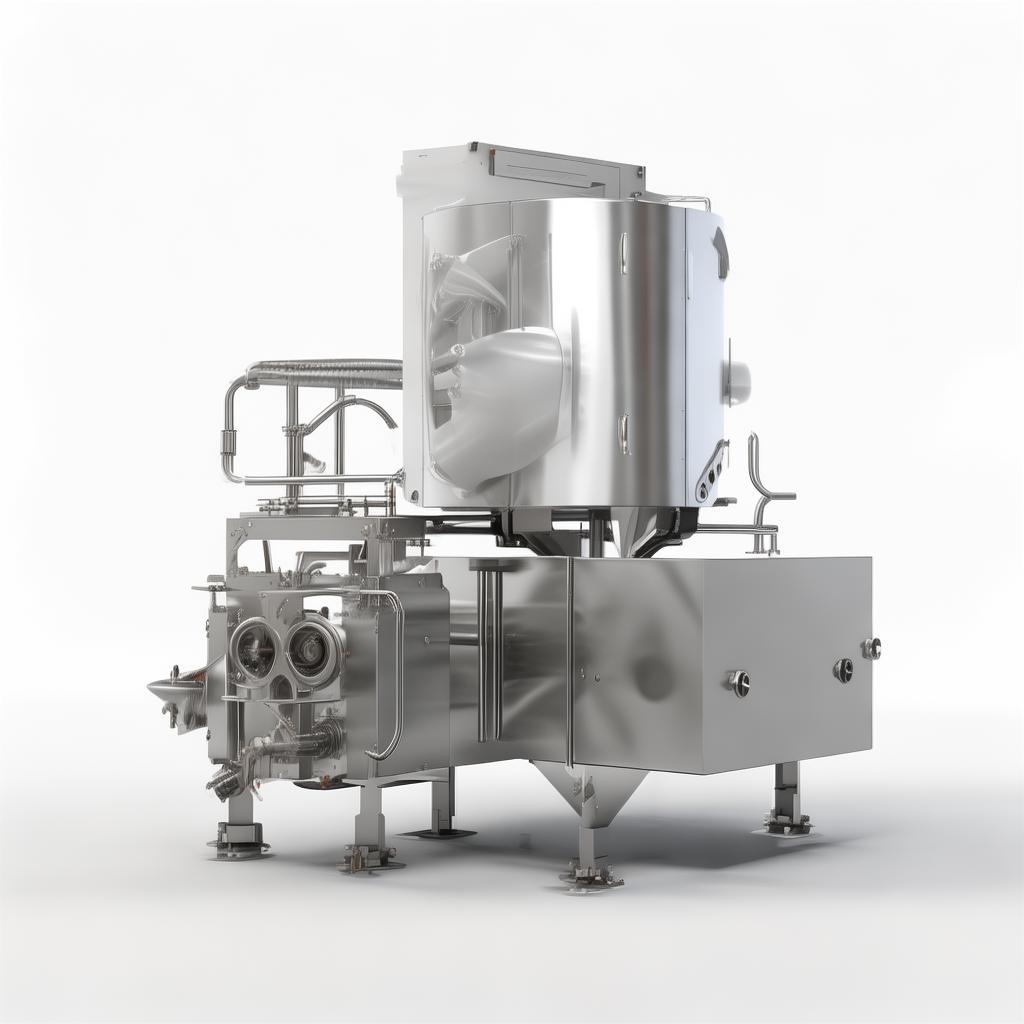
Smoke Types
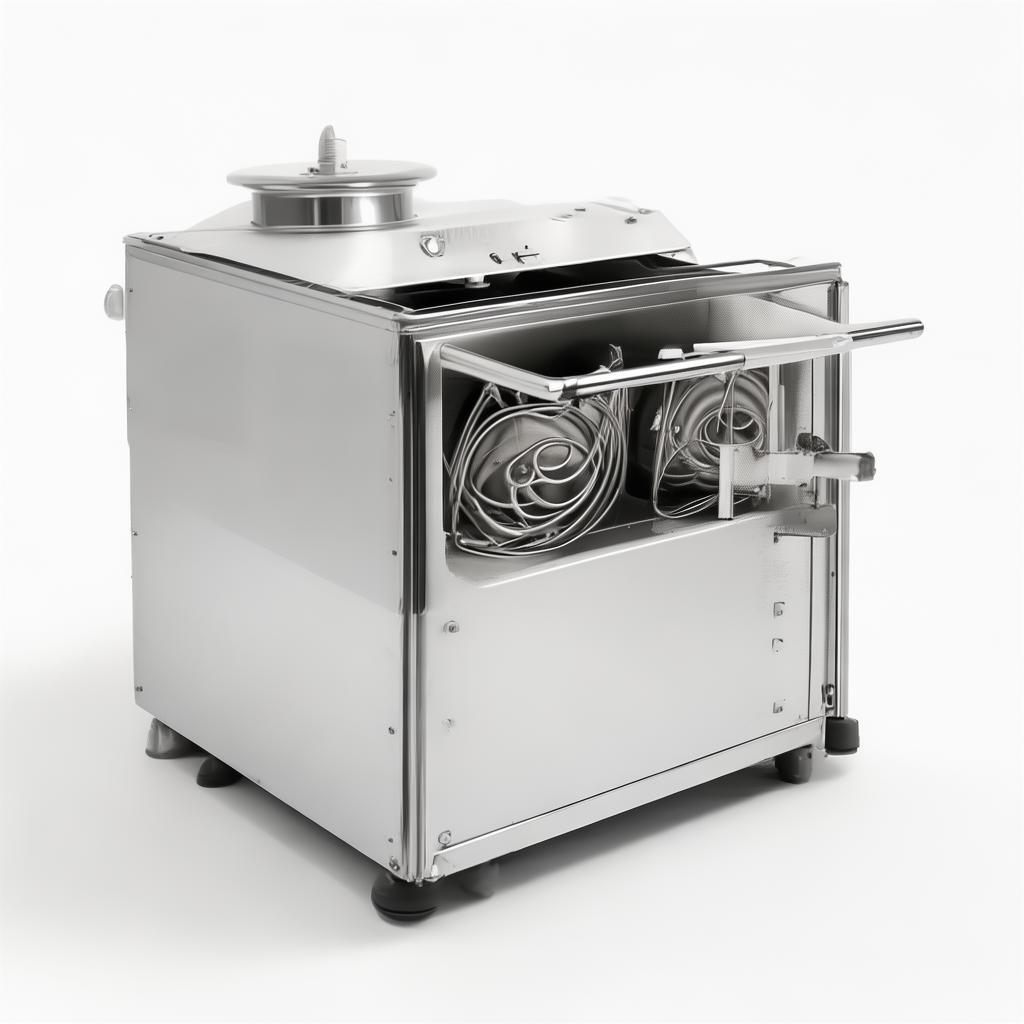
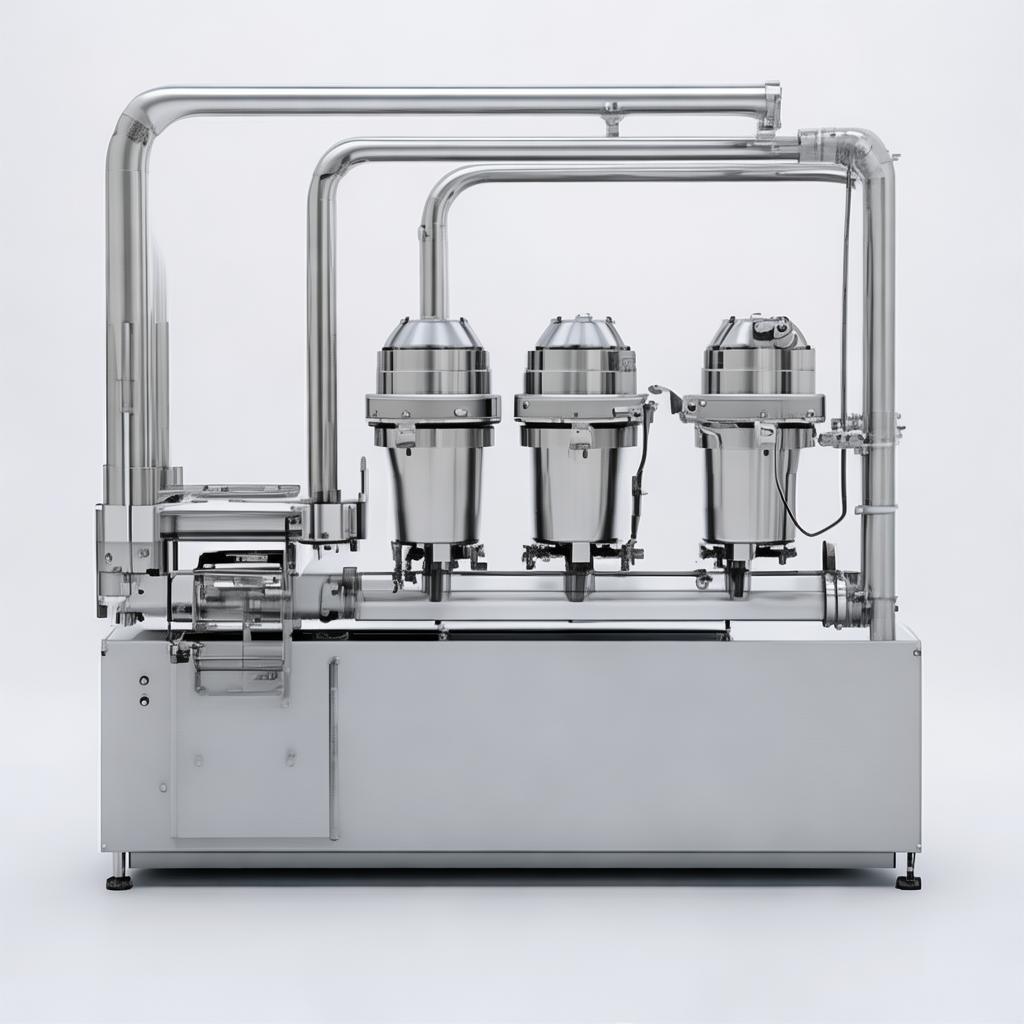
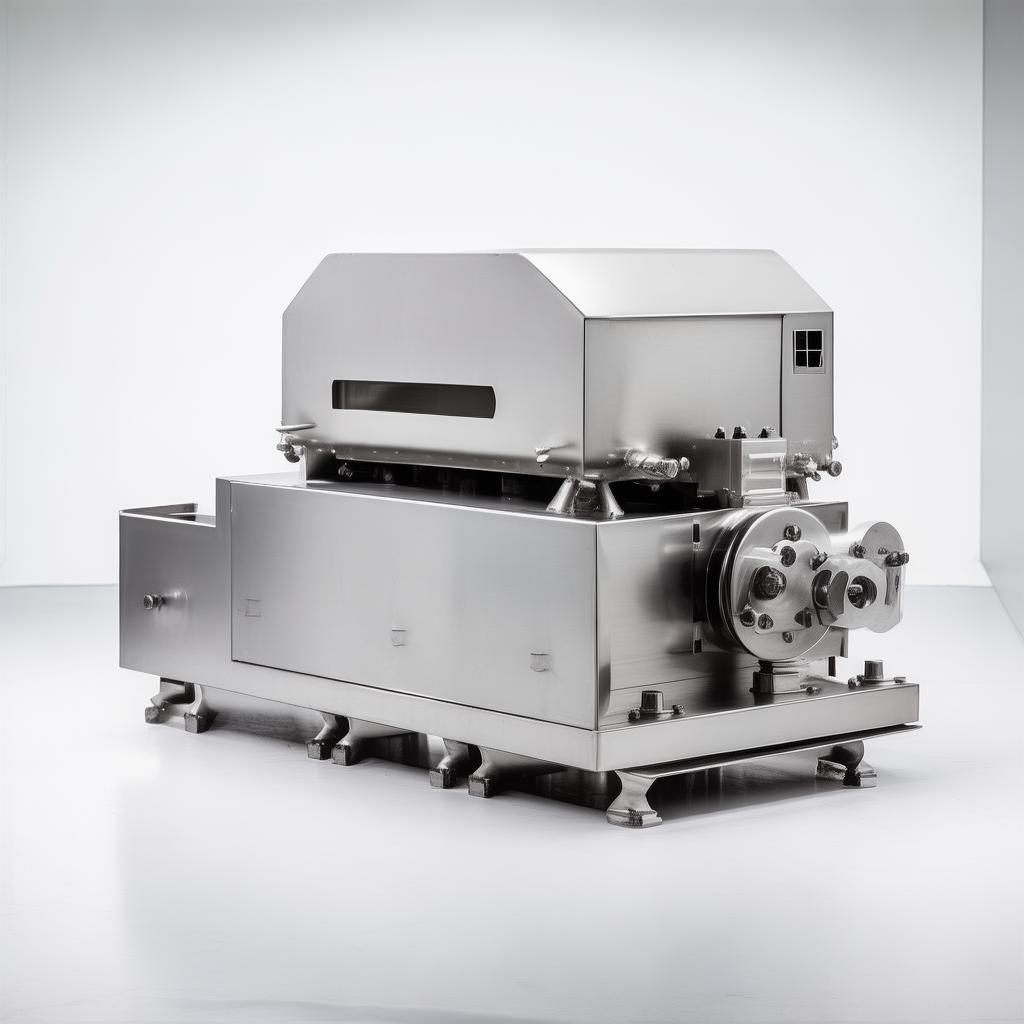
Mastering Meat Processing: A Deep Dive into Smoking Technologies for Superior Product Quality
By  Chen Wei, Senior Export Manager at Hebei Yuanchang Food Mechanism & Technology Co., Ltd.
Last Updated: October 26, 2023
The Art and Science of Smoke in Meat Processing
For centuries, smoking has been more than just a culinary technique; it's a preservation method deeply woven into the fabric of food production. In the modern B2B meat processing landscape, understanding the nuances of various smoke types isn't just about achieving a desirable flavor profile. It's about strategic product development, meeting evolving consumer demands for natural ingredients and extended shelf life, and optimizing operational efficiency. At Hebei Yuanchang Food Mechanism & Technology Co., Ltd., with our 40 years of experience since 1986 in meat processing equipment, we've seen firsthand how the right smoking approach can transform a product and a business.
The global meat processing equipment market, valued at over USD 11 billion and projected to climb significantly in the coming decade according to industry reports from Fortune Business Insights and Grand View Research, underscores the industry's robust growth. Within this dynamic market, specialized equipment like smoking machines plays a crucial role. The demand for processed meats, including sausages, cured hams, and smoked poultry, continues to rise, driven by convenience, global trade, and a growing middle class in regions like Asia-Pacific. This increased demand necessitates not only high-capacity production but also methods that enhance quality, safety, and appeal. Smoking directly addresses these needs, providing not only flavor but also contributing to antimicrobial properties and acting as an antioxidant, thereby extending product shelf life.
Our work at Hebei Yuanchang revolves around providing integrated solutions for meat processing. This includes pretreatment, filling, molding, and ripening processes. Smoking, often integrated as an auxiliary step, is a critical component for many finished meat products. Whether you're aiming for the rich, robust flavor of a traditional smoked sausage, the subtle aroma of a premium smoked ham, or the functional benefits of smoke compounds for preservation, the type of smoke and the method of application are paramount. It's a delicate balance of chemistry, physics, and artistry. Understanding the composition of smoke – the hundreds of volatile compounds derived from burning wood – and how these interact with meat proteins and fats under controlled conditions is key to consistent, high-quality output.
This guide is designed for purchasing managers, operations directors, and R&D specialists who are looking to deepen their understanding of meat smoking. We'll explore the different types of smoke, the various methods of application, and the critical equipment considerations that will ensure your investment yields maximum returns. We'll touch upon market trends, such as the increasing consumer preference for natural smoking methods and cleaner labels, and how advanced equipment can help achieve these goals while maintaining production efficiency. Consider this your operational primer on one of the oldest yet most relevant processing techniques in the meat industry.
The complexity arises from the numerous variables involved: the type of wood used, its moisture content, the combustion temperature, airflow, smoke density, and the duration and temperature of the smoking process itself. Each parameter influences the final product's color, aroma, flavor, texture, and microbiological stability. For instance, cold smoking differs vastly from hot smoking, each yielding distinct results and requiring specific equipment setups and operational protocols. Furthermore, the trend towards natural ingredients means that artificial smoke flavorings are increasingly being replaced by genuine smoke, placing a premium on traditional yet technologically advanced smoking systems. Our goal at Hebei Yuanchang is to equip you with the knowledge to navigate these complexities and make informed decisions for your processing plant.
We understand that selecting new processing equipment is a significant undertaking. It involves evaluating not just the initial cost but also the long-term operational costs, maintenance requirements, scalability, and integration with existing lines. The market for meat processing equipment is competitive, with various manufacturers offering solutions for every stage of production. Investing in reliable smoking technology means partnering with a supplier who understands your operational challenges and can provide robust, efficient, and compliant machinery. This is where our 40 years of hands-on experience and our advanced manufacturing capabilities, including Japanese Mazak CNC machining centers, come into play, ensuring we can deliver high-precision components and complete systems tailored to your needs.
This article aims to provide comprehensive insights into the world of meat smoking. We will delve into the chemical reactions that occur, the different smoke generation methods, and the technological advancements that have made smoking more controllable and efficient. Our aim is to move beyond theoretical knowledge and provide practical, actionable advice that reflects the realities of a busy processing plant.
The market reports also highlight the importance of auxiliary items and specialized equipment. Smoking machines fall squarely into this category, directly impacting the value proposition of products like sausages, bacon, ham, and even jerky. Consumers associate smoke with quality, tradition, and desirable sensory attributes. Therefore, mastering the smoking process is a strategic imperative for any meat processor looking to differentiate their offerings and capture market share.
We often see procurement managers weighing options between different smoking technologies. Understanding the 'smoke types' – not just the flavor profiles but the generation methods and their implications for product characteristics and operational requirements – is the first step in making the right choice.
Key Takeaways:
- Smoking offers flavor, preservation, and aesthetic benefits for meat products.
- Understanding smoke generation methods is crucial for product consistency.
- Equipment selection impacts efficiency, quality, and compliance.
- Market trends favor natural smoking methods and extended shelf life.
The "Why" Behind Smoking: Beyond Flavor
While the rich aroma and distinct flavor are often the first things that come to mind with smoked meats, the benefits extend far beyond sensory appeal. For B2B operations, these additional advantages translate directly into enhanced product value and market competitiveness.
Preservation: Historically, smoking was a primary method for preserving meat before refrigeration. The process dehydrates the surface of the meat and the smoke itself contains compounds, such as phenols and carbonyls, which have antimicrobial and antioxidant properties. This significantly inhibits the growth of spoilage microorganisms and oxidative rancidity, leading to a longer shelf life. This is invaluable for supply chain logistics and retail environments where product longevity is critical. Industry data suggests the processed meat market is experiencing substantial growth, and extended shelf life is a key factor enabling this expansion.
Antioxidant Properties: The smoke generated from burning wood contains phenolic compounds that act as potent antioxidants. These compounds help to stabilize fats within the meat, preventing the development of off-flavors and odors associated with oxidation. This is particularly important for fatty cuts of meat or products intended for longer storage periods.
Color Development: Smoking contributes to the characteristic color of many processed meats. Compounds like aldehydes in smoke react with myoglobin (the primary protein in meat responsible for color) to form stable, reddish-brown pigments. This visual appeal is a significant factor in consumer purchasing decisions, especially for products like smoked ham, bacon, and sausages. Achieving a consistent, appealing color is a key objective for many processors.
Texture Modification: The heat involved in hot smoking or the dehydration effects in cold smoking can alter the meat's texture. This can lead to a firmer bite, a more desirable chewiness, or a tender, succulent outcome depending on the process and product. This textural enhancement adds another layer of quality to the final product.
Unique Flavor Profiles: This is, of course, the most recognized benefit. Different types of wood produce different aromatic compounds. For instance, hickory lends a strong, savory flavor, while mesquite offers a bolder, more intense profile. Fruitwoods like apple or cherry impart a milder, sweeter note. This variety allows for immense creativity in product development, catering to diverse palates and market niches.
Consumer Preference for Natural Methods: Increasingly, consumers are seeking products perceived as "natural" and minimally processed. Genuine smoking, as opposed to artificial smoke flavorings, aligns with these preferences. This trend is a significant driver for processors to invest in advanced, natural smoking systems.
Operational Insight:
Integrating smoking into your production line often requires careful planning, especially concerning ventilation and fire safety protocols. Modern equipment is designed to manage these aspects efficiently.
Exploring Different Smoke Types & Methods
The term "smoke types" can refer to several things: the source of the smoke (e.g., wood types), the method of smoke generation, and the application process (e.g., hot vs. cold smoking). Each has distinct implications for the final product and the equipment required.
1. Cold Smoking
This method involves exposing meat to smoke at low temperatures, typically between 20°C and 30°C (68°F and 86°F). The primary goal here is flavor and preservation without significantly cooking the product. Cold smoking is often used for products like cured salmon, some types of ham, and traditional sausages where a firm texture and distinct smoky aroma are desired.
Operational Consideration: Because the meat is not cooked, strict adherence to food safety standards and pre-curing processes is essential to prevent the growth of pathogens. This method requires specialized smoke generators that can produce smoke without excessive heat.
2. Hot Smoking
Hot smoking occurs at higher temperatures, ranging from 55°C to 85°C (130°F to 185°F) or even higher, depending on the product. This method cooks the meat while simultaneously imparting smoke flavor, color, and preservative qualities. Products commonly produced through hot smoking include many varieties of sausages (like kielbasa or frankfurters), smoked chicken, and certain cuts of pork.
Operational Consideration: This method is more straightforward in terms of food safety as the heat significantly reduces microbial load. However, controlling temperature and humidity is critical to prevent drying out or overcooking the product, which can lead to a tough or crumbly texture.
3. Liquid Smoke vs. Natural Smoke
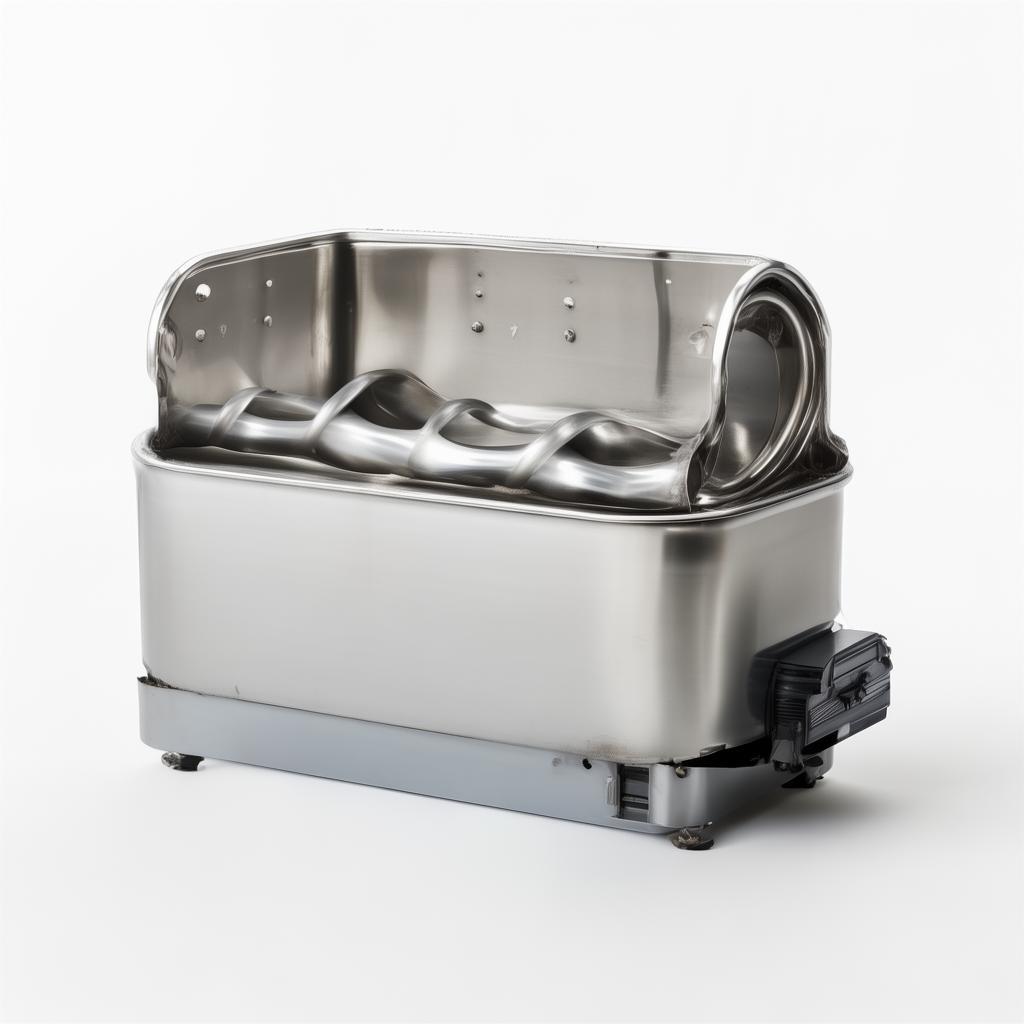
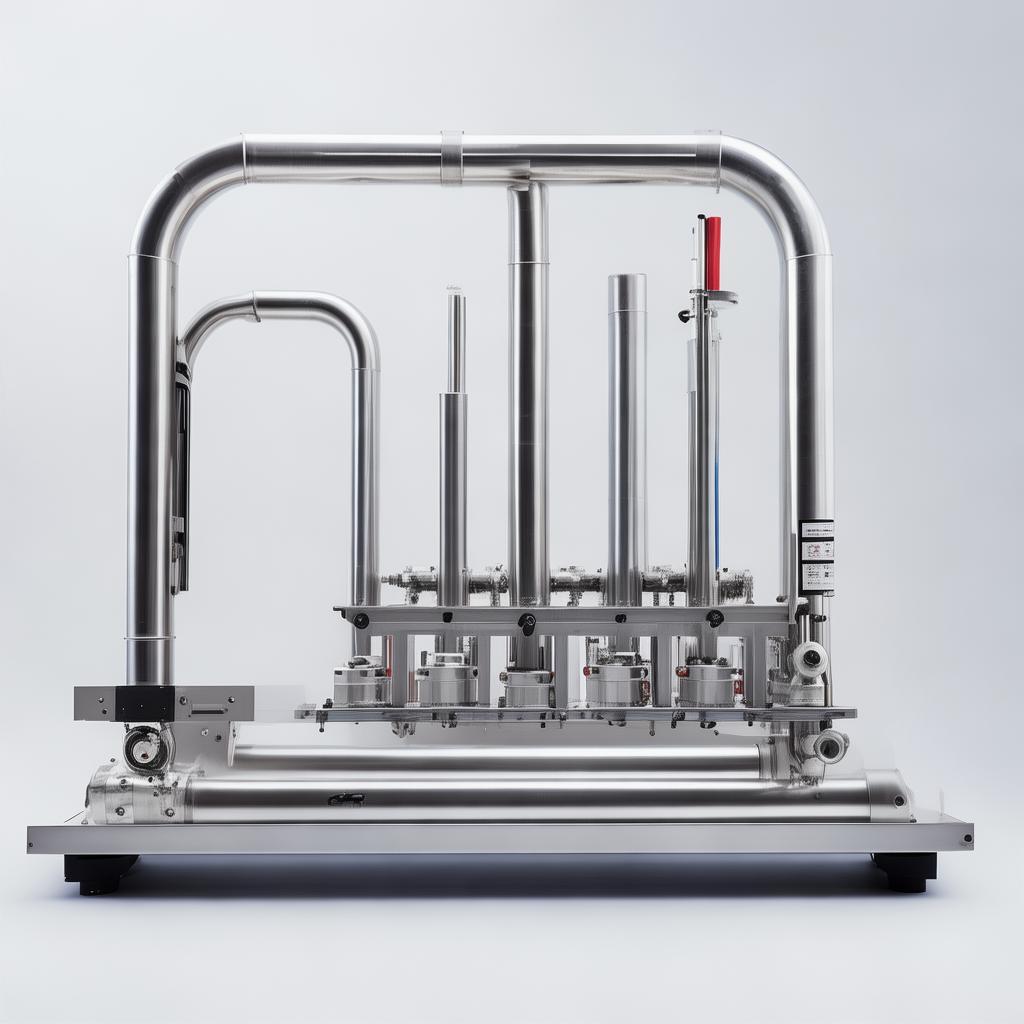
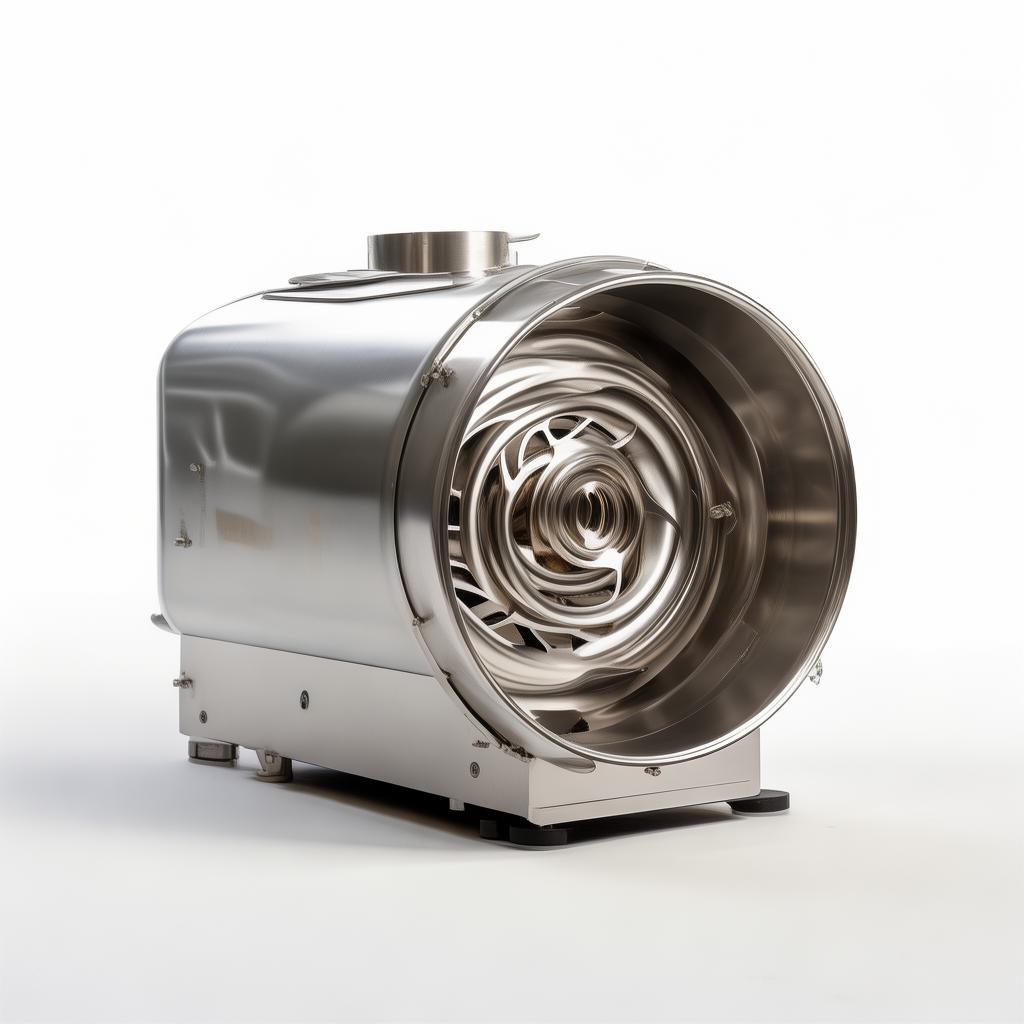
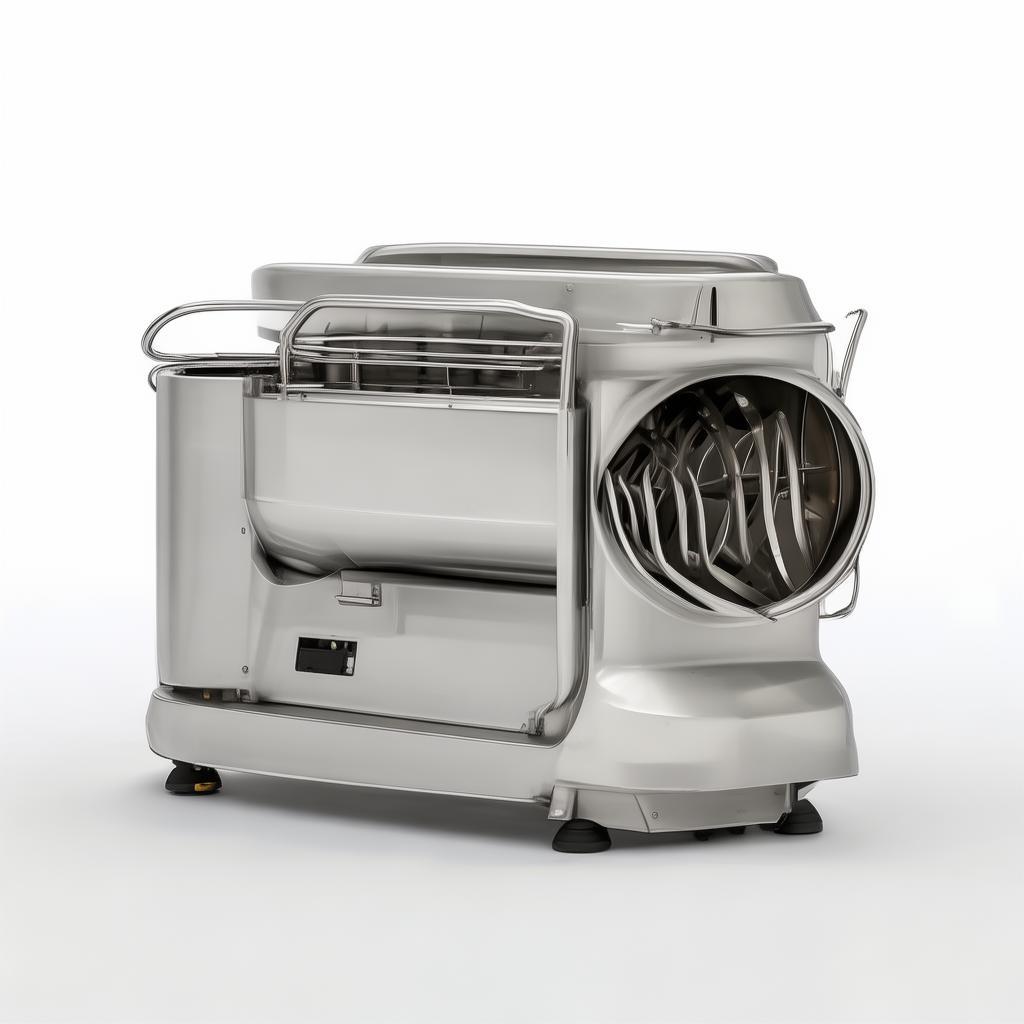
smoke stick smoke house smoker smoke rack
While not a "type" of smoke in terms of generation, the source is a critical distinction for B2B clients.
- Natural Smoke: Generated by burning wood chips, sawdust, or chunks. Offers complex flavor profiles and preservative qualities derived from hundreds of volatile compounds. This is the preferred method for premium products and aligns with clean-label trends.
- Liquid Smoke: Produced by condensing and purifying smoke. It provides a consistent flavor but can lack the complexity and additional benefits of natural smoke. Some liquid smoke products contain additives.
The market is increasingly shifting towards natural smoke due to consumer preference. This demand drives the need for advanced equipment capable of reliably generating and applying natural smoke.
4. Smoke Generation Methods
Even within natural smoking, there are variations in how smoke is produced:
| Method | Description | Considerations |
|---|---|---|
| Friction Smoke Generators | Smoke produced by the friction of wood against metal. Generates cool smoke with minimal combustion. | Ideal for cold smoking. Offers precise temperature control. Requires regular maintenance of friction surfaces. |
| Electricity Smoke Generators | Uses electricity to heat wood chips or sawdust, often in a controlled chamber. Can produce both cool and hot smoke. | Versatile, good temperature control. Can produce cleaner smoke. Higher initial equipment cost. |
| Wood-Fired Smokehouses | Traditional method where wood burns directly within or adjacent to the smoking chamber. | Authentic flavor, lower equipment cost. Less precise temperature and smoke control. Requires more skilled operation and robust ventilation. |
| Smoke Infusion Systems | Injecting smoke directly into a chamber or even into the product itself under controlled pressure. | Rapid flavor penetration. Can be used with a variety of smoke sources. Requires specialized equipment. |
The choice of smoke generation method directly influences the equipment design and operational requirements. For example, a facility focused on premium, naturally smoked products for export would likely opt for advanced electric or friction smoke generators to ensure precise control and clean smoke output.
Practical Warning: Regardless of the method, incomplete combustion can lead to high levels of polycyclic aromatic hydrocarbons (PAHs) which are undesirable. Modern equipment is designed to minimize this by controlling airflow and temperature. Always ensure your chosen equipment meets relevant food safety standards.
Key Equipment Considerations for Your Smoking Operation
Selecting the right smoking equipment is critical for achieving product consistency, operational efficiency, and profitability. It’s not just about the smoke generator; it's about the entire smoking chamber and its supporting systems.
1. Chamber Design and Capacity
Consider the volume of product you intend to process. Smoking chambers come in various sizes, from small batch units to large, industrial-scale systems. The internal layout, such as the placement of hanging rails or racks, affects airflow and smoke distribution. Uniform smoke exposure is key to even color and flavor development.
2. Temperature and Humidity Control
Precision is paramount. Modern systems offer sophisticated controls for both temperature and humidity. For hot smoking, accurate temperature control prevents overcooking. For cold smoking, maintaining low temperatures is vital for safety and desired outcomes. Humidity control is essential for proper dehydration and surface browning. Look for equipment with programmable logic controllers (PLCs) for repeatable results.
3. Airflow Management
Effective airflow ensures that smoke circulates evenly around the product and that any necessary exhaust gases are removed. Variable speed fans and strategically placed vents are features to look for. Proper airflow also aids in efficient drying or cooking processes.
4. Smoke Generation and Distribution
As discussed, the type of smoke generator is important. Beyond that, how the smoke is introduced into the chamber matters. Some systems use smoke pipes, while others have integrated smoke generation. The ability to control smoke density is also a significant advantage.
5. Material and Construction
Smoking environments can be corrosive due to smoke and high humidity. Stainless steel (e.g., SS304 or SS316) is the standard material for smoking chambers and components to ensure durability, hygiene, and resistance to corrosion. Ensure all welding and finishes are food-grade.
6. Cleaning and Maintenance
Ease of cleaning is a non-negotiable aspect in food processing. Look for designs with smooth surfaces, minimal crevices, and accessible components. CIP (Clean-In-Place) capabilities can significantly reduce downtime and labor costs. A robust after-sales service and readily available spare parts, like those we ensure with our in-house machining workshop, are crucial.
7. Energy Efficiency
Smoking equipment consumes energy for heating, cooling, and fan operation. Modern designs often incorporate energy-saving features, such as improved insulation and efficient heating elements. Considering the operational expenditure over the equipment's lifespan is a smart procurement strategy.
8. Safety Features
This includes over-temperature protection, emergency stop buttons, and proper electrical grounding. For wood-fired systems, fire suppression and spark arrestors are essential.
Buyer Insight:
When evaluating suppliers, ask about integration capabilities with your existing pre-treatment (e.g., curing, tumbling) and post-treatment (e.g., cooling, packaging) lines. A seamless workflow is vital for efficiency.
Real-World Applications: Where Smoking Shines
The versatility of smoking techniques allows them to be applied across a broad spectrum of meat products and processing scales.
Sausages and Cured Meats
From classic frankfurters and bratwurst to European-style smoked sausages like salami and kielbasa, smoking is integral. It contributes to the characteristic color, flavor, and preservation needed for these high-volume products. For these, consistency in hot smoking is key.
Bacon and Ham Products
The rich, savory flavor and distinctive aroma of bacon and many ham products are achieved through smoking. Cold smoking is often used for traditional cured hams, while hot smoking is common for bacon and various processed ham products. The process also aids in developing the appealing reddish-brown color.
Poultry Products
Smoked chicken, turkey, and duck are popular choices. Smoking can add a sophisticated layer of flavor and a visually appealing color to these leaner meats. Hot smoking is generally employed for poultry.
Fish and Seafood
While this guide focuses on meat, it's worth noting that smoking is equally vital for fish like salmon, mackerel, and trout, where cold smoking is predominantly used to impart flavor and preserve the delicate texture.
Specialty and Convenience Foods
Smoked cheese, smoked tofu, and even certain vegetarian products leverage smoking for flavor. For meat processors, this extends to products like smoked jerky or snack sticks, where a concentrated smoky flavor is a key selling point.
Market Trend:
The global processed meat market is projected to grow significantly, with convenience and value-added products driving demand. Smoking is a key technology for creating these desirable attributes.
Procurement Guide: Selecting the Right Smoking Solution
As a purchasing professional, your role is to secure reliable, cost-effective equipment that meets your production needs and quality standards. Here’s a structured approach to selecting a smoking system.
1. Define Your Needs
- Product Types: What specific products will you be smoking? (e.g., sausages, ham, poultry).
- Smoking Method: Cold, hot, or a combination?
- Capacity Requirements: How much product per hour/shift/day? Consider future expansion.
- Flavor Profile: What kind of smoke character are you aiming for? (e.g., mild fruitwood, strong hickory).
- Automation Level: Manual operation vs. fully automated process control.
2. Research Suppliers and Equipment
Identify manufacturers specializing in meat processing equipment. Look for those with a proven track record, strong technical support, and certifications relevant to your market (e.g., CE for Europe, UL for North America).
3. Evaluate Technical Specifications
Compare models based on:
- Material grade (SS304/316 is preferred)
- Control system (PLC, touch screen, manual)
- Temperature/humidity accuracy and range
- Smoke generation capacity and type
- Energy consumption
- Ease of cleaning (CIP compatibility)
- Dimensions and footprint
4. Consider Installation and Integration
Ensure the equipment can be installed in your facility and integrated with existing infrastructure (power, water, ventilation). Some suppliers offer installation services or detailed guidance.
5. After-Sales Support and Spares
This is crucial for long-term operational success. Inquire about:
- Warranty period and terms
- Availability of technical support (phone, online, on-site)
- Lead time for spare parts
- Training for your operators and maintenance staff
6. Total Cost of Ownership (TCO)
Look beyond the purchase price. Factor in energy costs, maintenance, consumables (wood, cleaning agents), labor, and potential downtime. A slightly higher initial investment in a more efficient or durable machine can lead to significant savings over its lifespan.
7. Request References and Case Studies
Reputable manufacturers will be able to provide references from clients in similar industries or with similar applications.
Procurement Warning:
Be wary of quotes that seem too good to be true. Understand exactly what is included – installation, training, spare parts kits, warranty. A low price can sometimes mean compromises on build quality or support.
Our Capabilities at Hebei Yuanchang
As a seasoned manufacturer with 40 years of experience since 1986, Hebei Yuanchang Food Mechanism & Technology Co., Ltd. offers a unique blend of tradition and cutting-edge technology. We understand that robust, reliable equipment is the backbone of any successful meat processing operation.
Our company operates across approximately 14,000 square meters with a dedicated team of 80-100 employees, integrating R&D, production, and sales. We specialize in complete meat processing lines, including pretreatment, filling, molding, and ripening processes, where smoking often plays a crucial auxiliary role.
Our Manufacturing Strengths:
- Extensive Experience: 40 years in the industry means we've encountered and solved almost every processing challenge.
- In-House Machining: Our workshop is equipped with over 20 sets of processing machinery, including advanced Japanese Mazak CNC machining centers. This allows us to produce high-precision, non-standard components independently, ensuring quality control and faster turnaround times for critical parts.
- Traceable After-Sales Management: We provide robust support, backed by our ability to manufacture replacement parts precisely.
- Customization: We can tailor equipment to meet specific production needs and integrate seamlessly with your existing lines.
- Quality Assurance: We adhere to strict quality control measures throughout the manufacturing process.
While we offer a comprehensive range of meat processing machinery, we understand the importance of specialized auxiliary equipment like smoking units. We partner with leading smoking equipment manufacturers and can advise on the best solutions that complement our core product lines, ensuring a holistic approach to your processing plant's needs. Our expertise isn't just in building machines; it's in understanding how each component contributes to the final product and the overall success of your operation.
We pride ourselves on building equipment that is not only technically superior but also operationally practical and durable, reflecting our deep understanding of the day-to-day demands of a food processing facility.

Buyer FAQs About Meat Smoking
Q1: How long does the smoking process typically take?
A1: Smoking times vary significantly based on the method (cold vs. hot), product type, size, desired intensity, and equipment. Cold smoking can take from several hours to days, while hot smoking might range from 1-4 hours for sausages to longer for larger cuts like ham.
Q2: What types of wood are best for smoking meat?
A2: Common choices include Hickory (strong, savory), Mesquite (intense, earthy), Oak (medium, versatile), Alder (mild, subtle, good for fish), and fruitwoods like Apple and Cherry (mild, sweet). The best choice depends on the meat and desired flavor profile. Avoid softwoods like pine or fir, as they can impart resinous or bitter flavors.
Q3: What are the main differences between cold and hot smoking equipment?
A3: Cold smoking equipment is designed to generate smoke at low temperatures (below 30°C) without significantly raising the internal product temperature. It often uses separate smoke generation units. Hot smoking equipment combines smoke generation with a heating element to cook the product while smoking, operating at higher temperatures (above 55°C).
Q4: How do I ensure food safety when smoking meat?
A4: For hot smoking, ensure the product reaches safe internal temperatures. For cold smoking, the meat must typically be cured beforehand to inhibit bacterial growth, as the low temperatures do not kill pathogens. Proper hygiene, equipment sanitation, and temperature monitoring are critical for both methods.
Q5: Can I use artificial smoke flavorings instead of natural smoke?
A5: Yes, but natural smoke offers complex flavors, preservative qualities, and appeals more to consumers seeking natural products. Artificial smoke flavorings can be more consistent and easier to handle but may lack the full sensory experience and natural preservation benefits. The trend is strongly leaning towards natural smoking.
What Our Clients Say

David Miller - Procurement Manager, USA
"We recently upgraded our sausage production line with new filling and molding machines from Hebei Yuanchang. The precision and reliability have significantly reduced downtime. Their support team was instrumental in ensuring a smooth installation and operation."
Reviewed: October 10, 2023

Sarah Jenkins - Operations Director, Canada
"The meat processing equipment from Hebei Yuanchang has been a game-changer for our ham production. Their ability to customize machines for our specific ripening processes saved us considerable time and labor. Their expertise is evident in the quality of their machinery."
Reviewed: September 25, 2023

Carlos Rodriguez - Food Technologist, Mexico
"We sourced a complete line for processed meats from Yuanchang. The pretreatment and filling machines perform exceptionally well. Their communication during the export process was clear and efficient, making international procurement straightforward."
Reviewed: August 18, 2023
Elevate Your Meat Processing with Expertly Engineered Solutions
Whether you're looking to optimize your smoking processes, enhance your filling and molding capabilities, or secure a reliable partner for your entire meat processing line, Hebei Yuanchang is here to help.
Talk to Our Experts
We are committed to providing industry-leading solutions and unparalleled support. Contact us today to discuss your specific needs or to learn more about how our equipment can benefit your operation.
Trustworthy Partnerships