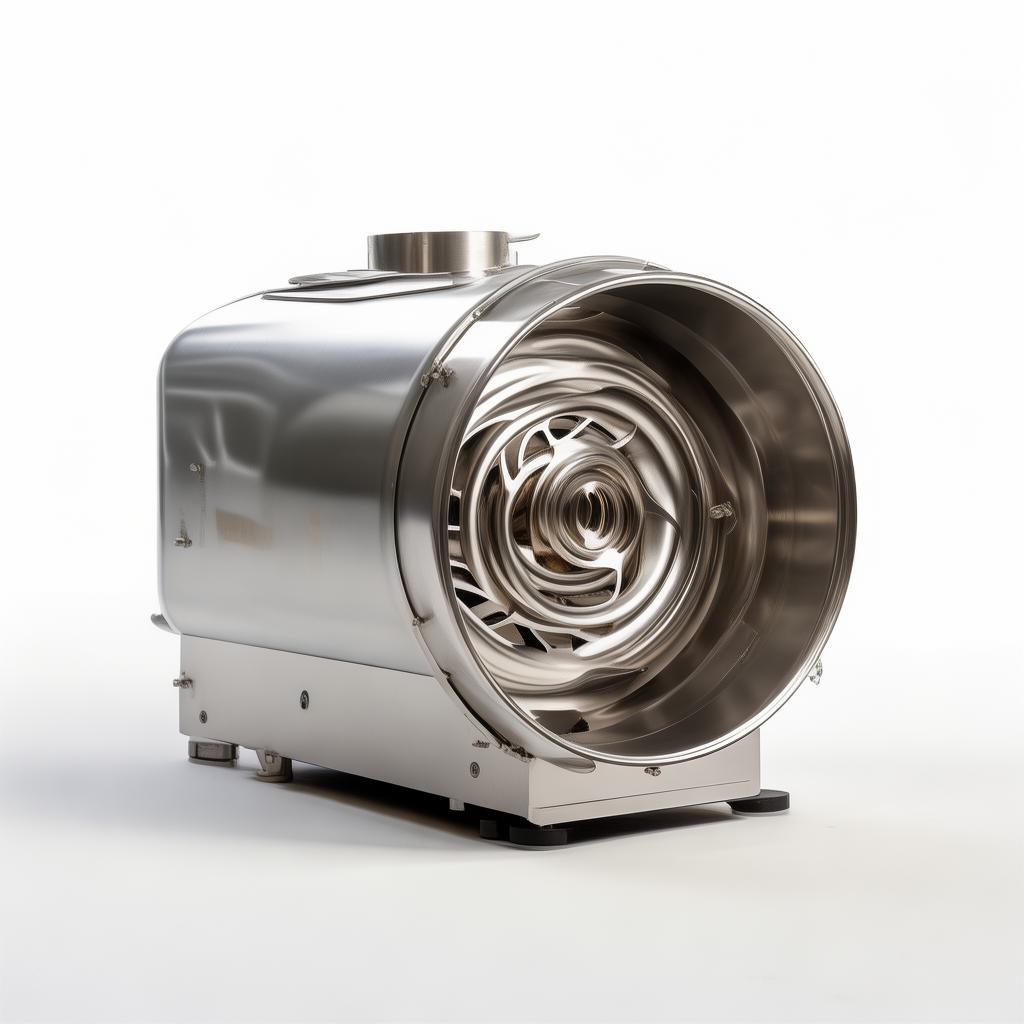
Small Vacuum Meat Tumbler
Unlock Superior Flavor and Texture: The Small Vacuum Meat Tumbler Explained
By:  Jian Li, Senior Export Manager at Hebei Yuanchang Food Mechanism & Technology Co., Ltd.
Published: October 26, 2023
Understanding the Small Vacuum Meat Tumbler
In the competitive landscape of processed meats, achieving that perfect balance of flavor penetration, tender texture, and consistent quality is paramount. For small to medium-sized operations, investing in advanced processing equipment can seem daunting, but it’s often the key to unlocking new levels of product appeal and market share. The small vacuum meat tumbler, a compact yet powerful piece of machinery, stands out as a critical tool for producers of sausages, jerky, marinades, and cured meat products. It’s not just about mixing; it’s about a controlled, scientific process that dramatically impacts the final product’s sensory attributes and shelf life.
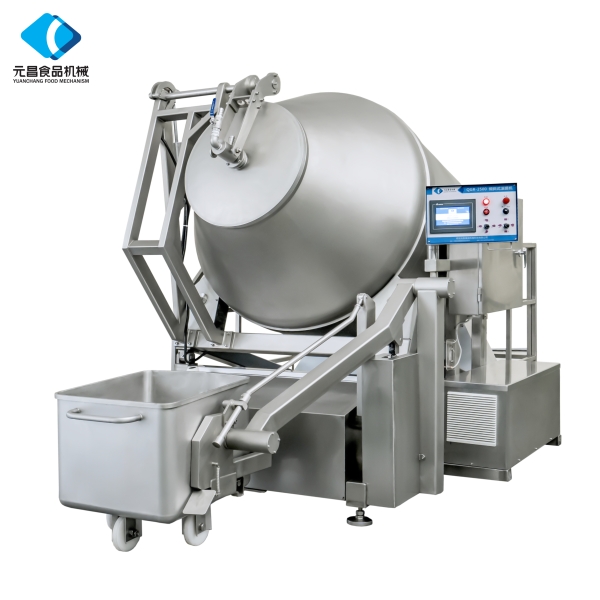
The core function of a vacuum meat tumbler is to gently tumble meat pieces under a vacuum. This unique combination of mechanical action and reduced atmospheric pressure is what sets it apart from simple mixing or marinating. The vacuum draws air out from between the meat fibers and cells. When this air is removed, it creates a more porous structure, allowing marinades, brines, and spices to be absorbed more deeply and evenly into the meat. Think of it like opening up microscopic pathways within the meat itself. This deep penetration is crucial for developing complex flavors that don’t just sit on the surface but are integrated throughout the product.
Furthermore, the tumbling action itself plays a vital role. It ensures that every piece of meat comes into contact with the marinade and the drum’s surface, promoting uniform coating and preventing clumps. In traditional methods, achieving this level of consistency might require extended soaking times, manual labor, or result in uneven flavor distribution, leading to inconsistencies from batch to batch. The vacuum tumbler automates and optimizes this process, delivering reliable results time after time.
The benefits extend beyond just flavor. The vacuum environment also helps to denature proteins on the surface of the meat, creating a slight tackiness. This tackiness is incredibly useful in downstream processes, particularly for forming products like sausages or shaping meatballs, as it helps bind the meat particles together more effectively. It also aids in retaining moisture, contributing to a juicier final product and reducing cooking losses. For items like jerky, this moisture retention is key to achieving the desired chewiness without dryness.
Considering the global meat processing equipment market, which was valued at approximately USD 11.29 billion in 2025 and projected to reach USD 17.39 billion by 2034 (Fortune Business Insights), there's a clear and growing demand for efficient, quality-enhancing machinery. Within this, segments like massaging and tumbling equipment for ripening and tenderizing are critical. Our small vacuum meat tumblers are designed to meet this demand, offering sophisticated processing capabilities in a footprint suitable for smaller facilities, R&D labs, or specialized product lines. They represent a significant step up from basic mixing, bringing professional-grade enhancement to your existing product portfolio.
The market for processed meat continues to expand significantly, with projected growth from USD 750.58 billion in 2026 to USD 1,253.77 billion by 2034, driven by convenience and flavor complexity. This growth directly fuels the need for equipment that can achieve these desirable characteristics efficiently. The small vacuum meat tumbler is precisely that piece of equipment, allowing producers to tap into this expanding market by delivering consistently superior products. Whether you're a butcher shop looking to enhance signature marinated cuts, a small-scale producer of artisanal jerky, or a co-packer specializing in seasoned meats, this machine offers a tangible competitive edge.
Common Challenges in Meat Processing: Why Traditional Methods Fall Short
Meat processors, especially those operating at a smaller scale or focusing on niche products, often face a recurring set of operational challenges. These aren't just minor inconveniences; they can directly impact product quality, production efficiency, and ultimately, profitability. Understanding these hurdles is the first step towards finding the right solution.
- Inconsistent Marination: Simply tossing meat with marinade rarely guarantees even flavor distribution. Some pieces get overloaded, others barely touched. This leads to a disjointed taste experience for the consumer.
- Tough Texture: Certain cuts of meat, especially poultry or leaner red meats, can be naturally tough. Relying on time alone to tenderize can be ineffective or lead to over-processing.
- Poor Moisture Retention: Many processing techniques can strip moisture from meat, resulting in dry, unappealing products and significant weight loss during cooking or smoking.
- Difficulty in Forming and Binding: For products like sausages, meatballs, or burgers, achieving good binding without excessive mechanical manipulation (which can damage texture) is a constant struggle.
- Labor Intensity: Manual marination and mixing are time-consuming and require dedicated staff, increasing operational costs and reducing throughput.
- Long Marination Times: Achieving acceptable flavor penetration can take hours or even overnight, tying up valuable production capacity and raw materials.
- Product Inconsistency: Batch-to-batch variation in flavor, texture, and yield is a common frustration, making quality control difficult and potentially leading to customer complaints.
These issues are not unique to one type of product. They plague producers of marinated chicken wings, seasoned beef jerky, brine-injected ham, and spiced pork shoulder. The global market for processed meat, estimated to reach USD 1.33 trillion by 2035 (Precedence Research), highlights a consumer demand for convenient, flavorful, and high-quality meat products. Meeting this demand requires more than just good recipes; it requires efficient, effective processing technology.
The need for equipment that can overcome these challenges is evident. Automation and intelligent processing are no longer luxuries but necessities. Our small vacuum meat tumblers are engineered precisely to address these pain points, offering a technologically advanced solution that delivers superior results with enhanced efficiency. They are designed for producers who are serious about quality and ready to optimize their operations.
The Mechanics Behind Enhanced Marination and Tenderization
At its heart, a vacuum meat tumbler is a controlled environment designed to optimize the interaction between meat and its marinades, brines, or dry rubs. The process is elegant in its simplicity but profound in its impact.
1. Vacuum Application: The cycle begins with the creation of a vacuum inside the rotating drum. This is not just a minor pressure drop; it’s a significant reduction in atmospheric pressure. This vacuum performs several critical functions:
- Air Expulsion: It draws air out from the interstitial spaces between muscle fibers and within the cells themselves.
- Cell Expansion: As air is removed, the negative pressure can cause muscle cells to slightly expand, creating more pathways for marinade ingress.
- Emulsification Aid: For certain recipes, the vacuum can help stabilize emulsions, ensuring a smoother, more homogeneous marinade.
2. Gentle Tumbling: While the vacuum is active, the drum rotates at a controlled speed. This gentle tumbling action ensures that every piece of meat is exposed to the marinade. Unlike aggressive mixing, tumbling preserves the integrity of the meat structure, preventing mushiness or grinding of the product. The rotation speed and duration are key variables that can be adjusted based on the type of meat and desired outcome.
3. Marinade Absorption: With the air evacuated, the marinade is drawn into the meat much more effectively. This deep penetration is the primary driver of enhanced flavor. It’s not just surface coating; it’s infusion. This process dramatically reduces the time required for effective marination compared to static soaking.
4. Protein Denaturation & Binding: The combination of vacuum and physical action causes a slight denaturation of surface proteins. This effect is particularly beneficial for forming applications. The slightly "sticky" surface helps meat pieces bind together more cohesively during subsequent molding or stuffing processes, leading to better product integrity and less shrinkage.
5. Moisture Retention & Tenderization: The vacuum environment helps to minimize moisture loss during the marination phase. Additionally, the gentle mechanical action, coupled with the deep absorption of moisture and tenderizing agents (if used), contributes to a noticeably more tender final product. This is especially valuable for tougher cuts or leaner meat types.
The result is a product that is more flavorful, juicier, tenderer, and better bound – all achieved in a fraction of the time and with greater consistency than traditional methods. This process is fundamental to the production of high-quality cured meats, marinated poultry, and seasoned jerky.

Visualizing the optimized marination process.
Tangible Advantages: How a Small Vacuum Meat Tumbler Boosts Your Business
Superior Flavor & Marination
Achieve deep, even flavor penetration that consumers crave. Marinades are infused, not just coated, resulting in more complex and satisfying taste profiles.
Enhanced Tenderness & Texture
Gently breaks down connective tissues, yielding noticeably more tender meat. Minimizes the risk of tough or dry finished products, improving mouthfeel.
Improved Binding & Yield
Surface protein denaturation aids in better binding for formed products, reducing crumbling. Optimized moisture retention can also lead to higher yields post-processing.
Reduced Processing Time
Significantly cuts down marination and tenderizing times compared to traditional methods, freeing up capacity and accelerating production cycles.
Consistent Quality
Automated, controlled process ensures repeatable results batch after batch, minimizing variability and simplifying quality control.
Labor & Cost Efficiency
Reduces manual labor requirements for marinating and mixing, leading to lower operational costs and improved overall efficiency.
Technical Specifications: Compact Powerhouse
Our small vacuum meat tumblers are designed for optimal performance in a compact footprint, making them ideal for a variety of processing environments. Understanding these specifications is key to selecting the right model for your production needs.
| Feature | Specification |
|---|---|
| Model Name | YC-VT50 (Example Model) |
| Capacity (kg/batch) | Approx. 50 kg (Varies with product density) |
| Drum Volume (L) | Approx. 80 L |
| Power Supply | 220V/50Hz/3 Phase (Customizable options available) |
| Motor Power | 1.5 kW |
| Vacuum Pump | Rotary Vane Type, high efficiency |
| Drum Material | Food-grade Stainless Steel (SUS304) |
| Rotation Speed (RPM) | Adjustable, typically 5-20 RPM |
| Timer Control | Integrated for tumling and vacuum duration |
| Dimensions (L x W x H) | Approx. 1200 x 700 x 1100 mm |
| Machine Weight | Approx. 250 kg |
| Safety Features | Emergency stop, safety interlocks |
commercial vacuum meat tumbler vacuum meat tumbler machine vacuum meat tumbling machine
Note: Specifications can be customized to meet specific client requirements. Please contact us for detailed configurations.
Versatile Applications Across the Meat Industry
The small vacuum meat tumbler is not a single-purpose machine. Its ability to enhance texture, flavor, and binding makes it invaluable for a wide array of meat products and processing needs. Whether you're producing high-volume goods or artisanal specialties, this equipment can elevate your offerings.
Marinated & Flavored Meats
Perfect for chicken, beef, pork, or lamb intended for grilling, roasting, or stir-frying. Achieves deep flavor infusion for products like pre-marinated steaks, chicken wings, or pork chops.
Jerky & Dried Meats
Enhances marinade penetration and tenderization for jerky production, leading to a more flavorful and satisfying chew. Helps achieve consistent moisture levels.
Sausage & Formed Products
Improves protein binding for sausages, meatballs, and burgers, creating a firmer texture and better structure. Reduces the need for excessive binding agents.
Cured & Smoked Meats
Facilitates even distribution of curing agents and spices for products like ham, bacon, and corned beef, contributing to consistent color and flavor development.
Pet Food Processing
Ideal for creating highly palatable and nutritious pet food products by ensuring thorough mixing and coating of ingredients and flavor enhancers.
Research & Development
A valuable tool for product developers and R&D departments to experiment with new flavor profiles, marinades, and processing techniques on a manageable scale.
Smart Procurement: What Buyers Need to Know Before You Buy
Sourcing industrial equipment requires careful consideration. As a buyer, you're not just purchasing a machine; you're investing in a solution that needs to integrate seamlessly into your operations and deliver a measurable return. Here’s what to focus on:
1. Production Volume & Scale:
Assess your typical batch sizes. While this page focuses on small vacuum meat tumblers (e.g., 50kg capacity), ensure the chosen model aligns with your current and projected throughput. Over-speccing can be inefficient, while under-speccing leads to bottlenecks.
2. Material Compatibility:
Confirm the materials used in construction. For food processing, food-grade stainless steel (like SUS304) is non-negotiable for drums and contact surfaces. This ensures hygiene, durability, and corrosion resistance. Cheaper alternatives can lead to contamination risks and premature wear.
3. Power & Utilities:
Verify the machine’s power requirements (voltage, phase, frequency) against your factory's available utilities. In many international markets, standardizing on 3-phase power is common for industrial machinery, but ensure your site can support it or inquire about single-phase options if applicable.
4. Vacuum System Performance:
The efficacy of the vacuum pump is crucial for deep marination. Inquire about the pump type (e.g., rotary vane) and its ability to achieve and maintain a sufficient vacuum level. A weak vacuum limits the tumbler's effectiveness.
5. Ease of Operation & Cleaning:
Look for intuitive control panels, adjustable speeds and timers, and a design that facilitates thorough cleaning. Sanitary design is paramount in food processing to prevent microbial growth and cross-contamination. Removable drums or wide access ports are significant advantages.
6. Supplier Reliability & Support:
This is where Hebei Yuanchang stands out. With 40 years of experience since 1986, we understand the demands of the food processing industry. We offer:
- Traceable After-Sales Management: Ensuring you get support when you need it.
- In-house Machining Capabilities: We produce high-precision parts ourselves, meaning faster repairs and access to genuine spare parts.
- Export Experience: Familiarity with international shipping, customs, and documentation.
7. OEM/ODM Capabilities:
If you have specific requirements, ask about customization. We can often modify designs to fit unique operational needs, product types, or space constraints. This flexibility is a hallmark of experienced manufacturers.
Don't just compare price tags; evaluate the total value proposition – build quality, performance, reliability, and after-sales support. This approach ensures you select equipment that enhances your business, not hinders it.
Our Manufacturing Prowess: The Foundation of Quality
At Hebei Yuanchang Food Mechanism & Technology Co., Ltd., our commitment to quality is deeply ingrained in our manufacturing process. With over 40 years of experience, dating back to 1986, we have cultivated a robust operational framework that ensures the reliability and performance of every piece of equipment we produce.

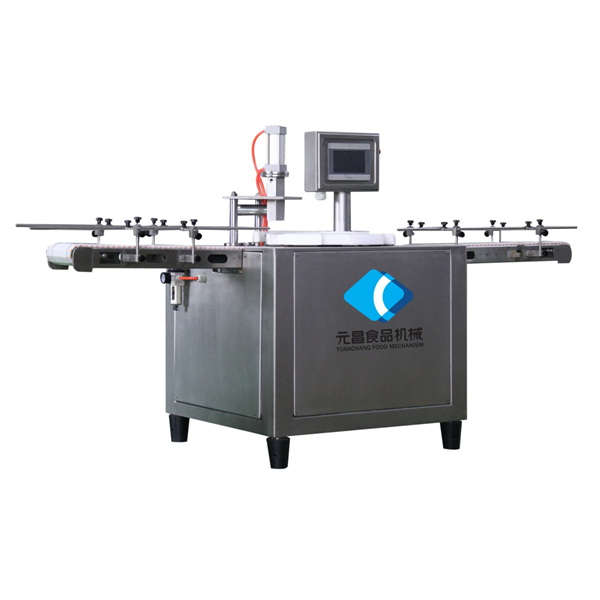
Our state-of-the-art machining workshop.
Spanning approximately 14,000 square meters and employing a dedicated team of 80-100 professionals, our facility is equipped for end-to-end production. We integrate Research & Development, production, and sales, allowing for tight quality control at every stage. Our in-house machining workshop is a testament to this commitment, housing over 20 sets of advanced processing machinery, including high-precision grinders, boring machines, and wire cutting equipment.
A significant milestone in our capability enhancement was the acquisition of 8 sets of Japanese Mazak CNC machining centers in 2012. This investment allows us to produce high-standard components with extreme precision, complex geometries, and tailored specifications, far exceeding the capabilities of standard manufacturing. This enables us to undertake custom orders and produce parts for specialized, high-volume applications with confidence.
Coupled with our traceable after-sales management system, this in-house precision manufacturing capability ensures that we can independently produce critical, high-precision parts. This not only guarantees the quality of our tumblers but also provides our customers with unparalleled peace of mind regarding long-term service and spare parts availability.
We specialize in complete production lines for meat processing, covering pretreatment, filling, molding, and ripening processes. Our expertise extends to auxiliary items, ensuring a holistic approach to your processing needs.
Commitment to Quality: Our Certifications
Quality assurance is not just a statement; it's backed by adherence to international standards. We ensure our equipment meets the stringent requirements of the global food industry.

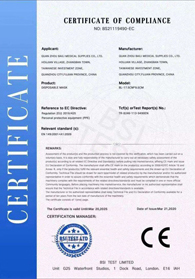


Our commitment to quality is demonstrated through compliance with rigorous international standards, ensuring safety, reliability, and global market acceptance.
What Our Clients Say

"We were struggling with uneven marination on our jerky. Since implementing their small tumbler, the flavor is consistent across every piece. The vacuum process made a huge difference. Delivery was efficient, and setup was straightforward."
- Sarah Chen, Owner, "Artisan Bites Jerky"
USA

"Our small-batch sausage production needed a boost in binding and texture. This tumbler has been a game-changer. The meat binds much better now, reducing breakage during cooking. The customer service was responsive to our technical queries."
- Mark Davis, Operations Manager, "Premium Pork Cuts Ltd."
Canada

"We needed a compact solution for testing new marinated chicken recipes. The capacity is perfect for our R&D phase, and the results are impressive – deep flavor, tender meat. We're already considering a larger unit for production."
- Dr. Anya Sharma, Food Scientist, "Global Flavors Inc."
Australia
Frequently Asked Questions
Q1: How much meat can I process in one batch?
Our small vacuum meat tumblers typically have capacities ranging from 20kg up to 100kg. The specific model (e.g., YC-VT50) indicates a nominal capacity, but actual batch size can vary based on the product's density and marinade volume. We recommend filling the drum to about 60-70% of its capacity for optimal tumbling action.
Q2: What is the typical processing time?
A standard marination cycle typically takes between 15 to 45 minutes. This includes vacuum application and tumbling time. The exact duration depends on the type of meat, the marinade's viscosity, desired flavor intensity, and specific product goals (e.g., tenderness vs. deep flavor infusion).
Q3: Do I need special training to operate this machine?
Our tumblers are designed for user-friendliness. Basic operation involves setting the timer for vacuum and tumbling. We provide comprehensive user manuals and can offer remote or on-site training upon request to ensure your team operates the equipment safely and efficiently.
Q4: What are the cleaning and maintenance requirements?
Regular cleaning after each use is essential for food safety. The stainless steel drum and internal components are designed for easy washdown. We provide detailed cleaning instructions. Routine maintenance involves checking seals, lubrication of moving parts, and periodic inspection of the vacuum pump, all of which are straightforward tasks with our robust design.
Q5: Can this machine handle dry rubs as well as liquid marinades?
Yes, absolutely. While vacuum tumblers excel with liquid marinades and brines, they are also highly effective for distributing dry rubs evenly. The tumbling action ensures thorough coating, and the vacuum can help adhere the rub to the meat surface more effectively.
Ready to Elevate Your Meat Products?
Discover how our small vacuum meat tumbler can transform your production. Get unparalleled flavor, texture, and efficiency.