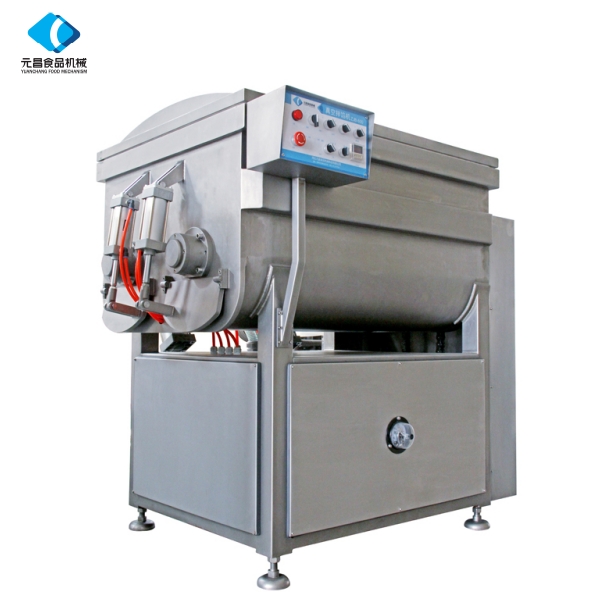
Vacuum Meat Tumbler Machine
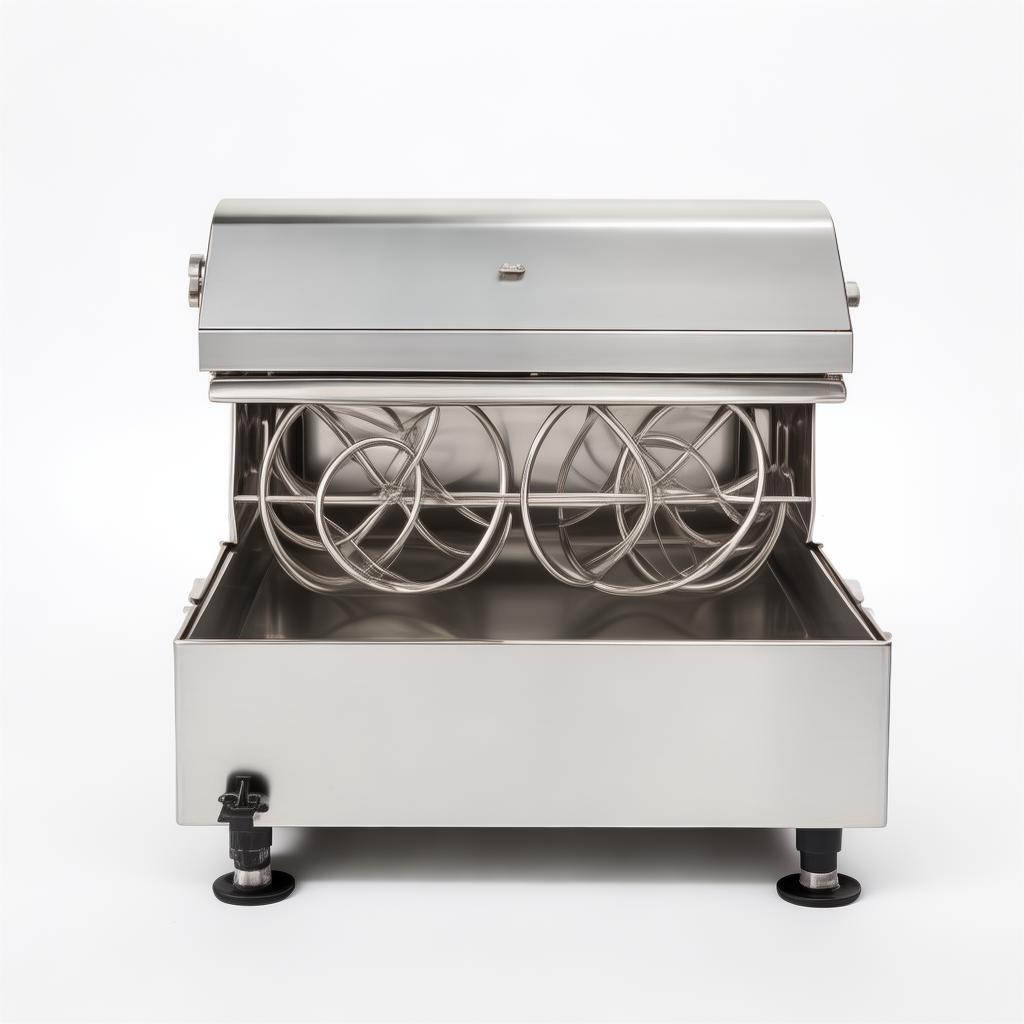
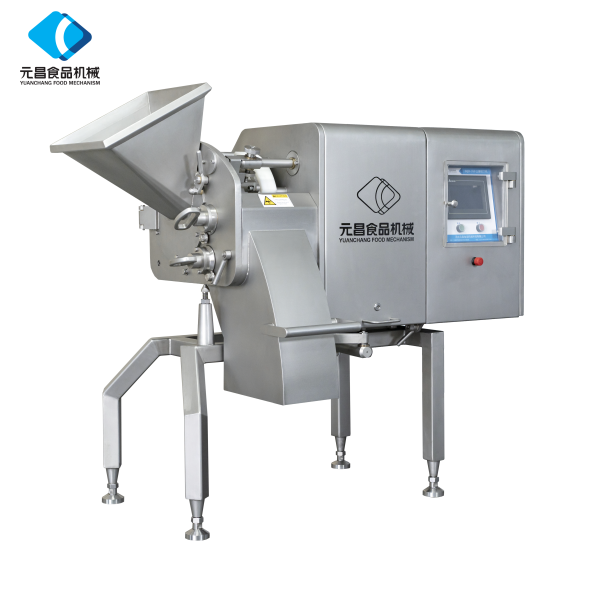
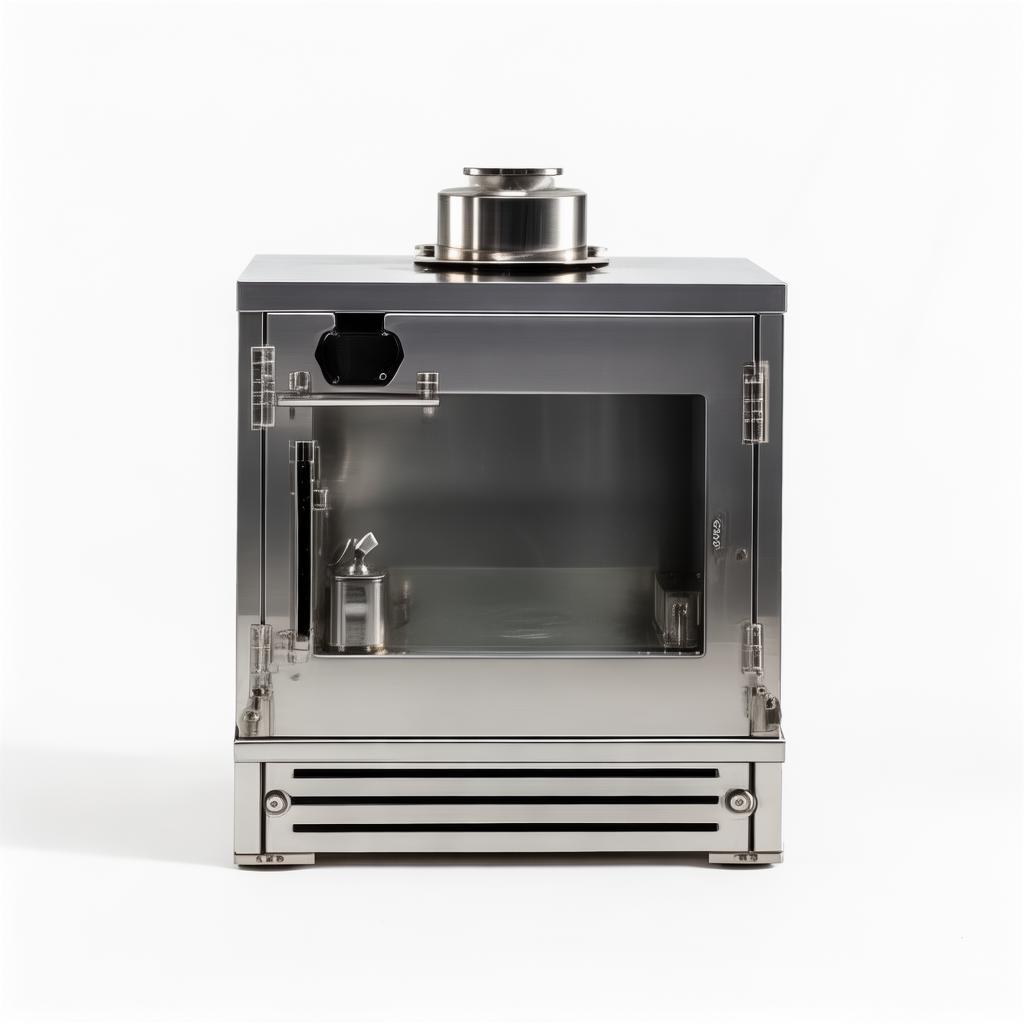
Vacuum Meat Tumbler Machine: Elevate Your Marination and Tenderization Process
Mastering the art of flavor infusion and texture enhancement for premium meat products.
 By Ethan Chen, Senior Export Manager at Hebei Yuanchang Food Mechanism & Technology Co., Ltd.
Unlocking Premium Meat Quality: The Role of Vacuum Tumbling
In the competitive landscape of the global food industry, delivering consistent quality, superior flavor, and desirable texture is paramount. For meat processors, achieving these goals often hinges on effective marination and tenderization techniques. Traditional methods can be time-consuming, labor-intensive, and sometimes yield inconsistent results. This is where the innovation of the vacuum meat tumbler machine fundamentally changes the game. It’s not just about mixing ingredients; it’s a sophisticated process designed to enhance meat product integrity, shelf-life, and overall consumer appeal.
The core function of a vacuum meat tumbler is to create a gentle, continuous tumbling action under a vacuum environment. This dual action works synergistically. The vacuum environment allows the marinade, spices, and curing agents to penetrate the meat fibers more rapidly and deeply. As the meat tumbles, its structure is subtly manipulated, creating micro-cavities that absorb the marinade efficiently. Simultaneously, the tumbling action helps to break down connective tissues, thereby tenderizing the meat and improving its juiciness and mouthfeel. This process is crucial for a wide array of meat products, from marinated poultry and pork chops to cured sausages and formed meat patties.
The demand for higher quality processed meats is on a steady rise. Market reports consistently highlight the growth in the processed meat sector, with projections indicating a significant expansion in the coming years. For instance, Fortune Business Insights projected the global meat processing equipment market to reach USD 17.39 billion by 2034, driven by the increasing demand for processed meats and the adoption of automation. Within this, equipment for massaging and tumbling, essential for ripening and tenderizing, plays a critical role.
Furthermore, Grand View Research noted that the global meat processing equipment market was valued at USD 11.28 billion in 2024. They specifically mention massaging systems for ripening as a high-growth area that supports consistent product quality and food safety compliance. This underscores the increasing importance of sophisticated equipment like vacuum tumblers in meeting stringent industry standards and consumer expectations. Our vacuum meat tumbler machines are engineered to meet these demands, offering a reliable and efficient solution for processors looking to elevate their product offerings.
The benefits extend beyond just taste and texture. The vacuum environment helps to reduce oxidation, which can lead to a longer shelf life and preserve the fresh, vibrant color of the meat. This is a significant advantage for exporters and retailers alike. Moreover, the enhanced marinade penetration means that processors can potentially use less marinade or achieve desired flavor profiles with shorter processing times, leading to operational efficiencies and cost savings. This is a critical consideration for businesses operating on tight margins or looking to scale up production without compromising on quality.
At Hebei Yuanchang, we understand that equipment is an investment. That's why our vacuum meat tumbler machines are designed with durability, ease of operation, and scalability in mind. We've spent decades refining our manufacturing processes and incorporating advanced engineering principles to create machinery that not only performs exceptionally but also stands the test of time in demanding industrial environments. Whether you're a small-scale artisanal producer or a large-scale international exporter, our range of vacuum tumblers can be tailored to meet your specific production needs.
We've observed firsthand how the right equipment can transform a processing line. In many cases, migrating from manual marination or less advanced tumbling methods to a sophisticated vacuum tumbler system has led to noticeable improvements in product consistency, reduced waste, and increased production throughput. It’s about leveraging technology to achieve repeatable excellence. The ability to precisely control tumbling speed, time, and vacuum level allows for unparalleled customization and optimization of the marination process for different meat types and product formulations. This level of control is what separates good products from exceptional ones.
Addressing Core Challenges in Meat Processing
The journey from raw meat to a finished, appealing product is fraught with potential challenges. Many processors grapple with issues that impact efficiency, quality, and profitability. Understanding these pain points is the first step in identifying the right solutions.
- Inconsistent Flavor and Texture: Manual marination or basic mixing often leads to uneven distribution of marinades and spices. This results in batches where some pieces are over-seasoned and others are bland, or textures that vary wildly within a single product line.
- Poor Marinade Penetration: Getting marinades deep into the meat fibers is crucial for flavor and tenderness. Without adequate pressure or agitation, marinades often just coat the surface, leading to a less satisfying product and potential spoilage issues.
- Long Processing Times: Traditional marination can take hours, or even overnight. This ties up valuable production time and floor space, impacting overall throughput and increasing operational costs.
- Meat Damage and Over-Processing: Aggressive mixing or rough handling can cause meat to break down, leading to mushy textures and reduced yield. It's a delicate balance between tenderizing and maintaining product integrity.
- Oxidation and Color Degradation: Exposure to air during processing can lead to oxidation, causing undesirable color changes and affecting the visual appeal of the final product. This is a particular concern for export markets where product appearance is critical.
- Limited Shelf Life: Inadequate marination or incomplete tenderization can sometimes impact the inherent stability of the meat product, leading to a shorter shelf life than desired.
- Labor Costs and Efficiency: Manual processes require significant labor input, which is increasingly expensive and difficult to manage. Automation is key to improving efficiency and reducing reliance on manual tasks.
- Hygiene and Food Safety Compliance: Ensuring strict hygiene standards throughout the processing chain is non-negotiable. Equipment must be designed for easy cleaning and minimal risk of contamination.
Addressing these challenges requires robust, intelligently designed equipment. The vacuum meat tumbler is specifically engineered to mitigate these issues, offering a scientifically backed approach to improving meat quality and processing efficiency.
Why Choose a Vacuum Meat Tumbler? Key Advantages
The benefits of integrating a vacuum meat tumbler into your processing line are substantial and directly address the common pain points faced by the industry. It's an investment that pays dividends in product quality, operational efficiency, and market competitiveness.
- Enhanced Marinade Penetration: The vacuum environment pulls air from the meat's interstitial spaces, allowing marinades to be drawn in much more effectively. This ensures deeper flavor infusion and more uniform seasoning.
- Improved Tenderness and Juiciness: The gentle tumbling action works to break down muscle fibers and connective tissues without damaging the meat's structure. This results in a more tender and significantly juicier end product.
- Reduced Processing Time: Compared to static marination, vacuum tumbling drastically cuts down the time required to achieve optimal flavor penetration and tenderization. We're talking hours, not days.
- Better Color Retention and Shelf Life: By minimizing exposure to oxygen during the process, oxidation is reduced. This helps maintain the natural color of the meat and can contribute to a longer, more stable shelf life.
- Consistent Product Quality: The controlled tumbling action and precise vacuum application ensure batch-to-batch consistency, eliminating variations in flavor and texture that plague less sophisticated methods.
- Increased Yield: Improved marinade absorption can lead to slight weight gains, and the tenderization process helps retain moisture, potentially increasing the overall yield of your finished products.
- Operational Efficiency and Labor Savings: Automation is key. A vacuum tumbler significantly reduces the need for manual handling and labor, freeing up your team for other critical tasks and lowering operational costs.
- Versatility for Various Meat Types: Our machines are adept at handling a wide range of meats – pork, beef, lamb, poultry, and even seafood – as well as different cuts and forms.
- User-Friendly Operation: Designed with the operator in mind, our tumblers feature intuitive control panels for easy setting of time, speed, and vacuum levels.
- Durable, Hygienic Construction: Built with high-grade stainless steel, our machines are designed for longevity, easy cleaning, and compliance with stringent food safety standards.
The market for processed meat is expanding, with projections indicating substantial growth. SkyQuest Technology estimates the market reaching USD 19.66 billion by 2033. This growth is fueled by rising demand for convenience foods and the industrialization of processing facilities, where efficient equipment like vacuum tumblers is indispensable.
Understanding the Technology: How it Works
The effectiveness of a vacuum meat tumbler lies in its integrated system, where mechanical action, controlled atmosphere, and precise timing work in concert. Let's break down the key components and operational principles:
1. The Vacuum Chamber: At its heart is the sealed, rotating drum. Before tumbling begins, air is evacuated from this chamber. This creates a low-pressure environment. The benefits of this vacuum are threefold:
- Marinade Absorption: Reduced external pressure allows the marinade to be drawn into the meat's cellular structure as it expands slightly. Think of it like a sponge soaking up liquid.
- Oxidation Prevention: With minimal oxygen present, the rate of oxidative spoilage and color degradation is significantly reduced.
- Gentle Tenderization: The vacuum can also aid in the breakdown of muscle fibers by creating osmotic pressure differences.
2. The Tumbling Action: The drum is designed to rotate, often with internal baffles or paddles. These features gently lift and cascade the meat. This constant, controlled movement ensures that:
- Every piece of meat comes into contact with the marinade.
- Connective tissues are gradually softened, enhancing tenderness without shredding the meat.
- The tumbling action can aid in mixing by-products or dry seasonings evenly.
Control over the drum's rotation speed and direction is crucial. Some models offer variable speed settings, allowing processors to adjust the intensity based on the meat type and desired outcome. Reversing the direction periodically can also help ensure more uniform mixing and prevent mashing.
3. Precision Control Systems: Modern vacuum tumblers are equipped with advanced control panels. These allow operators to precisely set parameters such as:
- Tumbling Time: From a few minutes to several hours, depending on the product.
- Rotation Speed: Ranging from slow, gentle cascades to more vigorous mixing.
- Vacuum Level: The degree of vacuum applied, impacting marinade absorption.
- Cycle Patterns: Some systems can be programmed for complex on/off, forward/reverse cycles.
This level of control is what enables processors to achieve highly specific results and replicate them consistently. It’s a far cry from guesswork.
4. Material and Hygiene Considerations: For industrial food processing, the materials of construction are critical. High-grade stainless steel (e.g., SUS304) is standard due to its corrosion resistance and ease of cleaning. The drum design often incorporates features for easy access, allowing for thorough cleaning and sanitation to meet HACCP and GMP standards. This is not an area to compromise on; equipment must be built for a food-safe environment.
The market for meat processing equipment is expanding, with reports like one from IMARC Group estimating it reaching USD 29.8 billion by 2034. This growth is supported by the adoption of advanced auxiliary systems like vacuum tumblers that enhance pretreatment and ripening processes.
Versatile Applications Across Meat Production
The vacuum meat tumbler machine is not a one-trick pony. Its ability to tenderize and infuse flavors makes it an indispensable tool across a broad spectrum of meat products and processing applications. Its versatility allows it to adapt to different product types and desired outcomes.
Marinated Meats: This is the most common application. Whether it's chicken wings, pork ribs, beef steaks, or lamb skewers, vacuum tumbling ensures that marinades penetrate deeply, delivering intense flavor and improving texture. This is critical for pre-packaged meals and restaurant-ready products.
Cured and Smoked Products: For items like bacon, ham, and various cured sausages, the vacuum tumbler efficiently distributes curing salts, sugars, and spices. The uniform penetration is vital for consistent flavor development, color development, and a longer shelf-life without compromising safety. The process aids in binding, which is essential for formed products.
Formed Products (Patties, Nuggets, Sausages): In the production of ground meat products, the vacuum tumbler can be used to mix ingredients evenly and improve the binding properties of the meat mixture. This leads to better cohesion, reduced shrinkage during cooking, and a more appealing final product. For mechanically tenderized or reformed products, it ensures uniform distribution of binders and flavorings.
Tenderization of Tougher Cuts: Cuts of meat that might otherwise be tough can be significantly improved through vacuum tumbling. The mechanical action and prolonged exposure to tenderizing agents or natural enzymes can break down connective tissues, making them suitable for a wider range of culinary applications and reducing waste.
Pre-portioned and Value-Added Products: In an era of convenience, pre-portioned and ready-to-cook meat products are in high demand. Vacuum tumblers are essential for ensuring these products are perfectly seasoned and tenderized, offering consumers a premium experience straight from the package.
Seafood Processing: While primarily associated with red meat and poultry, vacuum tumbling can also be applied to certain types of seafood, such as shrimp or firm fish fillets, to enhance marinade uptake and texture.
The Global Market Insights report on meat and poultry processing equipment highlights that filling, tenderizing, and massaging systems are critical for pretreatment and ripening. Vacuum tumblers are central to these processes, enhancing efficiency and product appeal across these diverse applications.
Technical Specifications at a Glance
We offer a range of vacuum meat tumbler models designed to suit various production capacities and operational needs. Below are typical specifications. Please contact us for detailed spec sheets on specific models or custom configurations.
| Feature | Model A (Compact) | Model B (Standard) | Model C (Large Capacity) |
|---|---|---|---|
| Capacity (kg) | 50 - 100 | 200 - 500 | 500 - 1500+ |
| Drum Material | SUS304 Stainless Steel | SUS304 Stainless Steel | SUS304 Stainless Steel |
| Vacuum System | High-efficiency vacuum pump | Industrial-grade vacuum pump | Heavy-duty vacuum system |
| Control Panel | Digital, Timer & Speed control | PLC with touch screen interface | Advanced PLC with HMI |
| Rotation Speed | Variable, 5-30 RPM | Variable, 3-25 RPM | Variable, 2-20 RPM |
| Tumbler Direction | Forward & Reverse | Forward, Reverse & Auto-Reverse | Programmable Multi-Direction |
| Power Supply | 380V/50Hz/3Ph (Customizable) | 380V/50Hz/3Ph (Customizable) | 380V/60Hz/3Ph (Customizable) |
| Dimensions (mm) | Approx. 1500x1000x1300 | Approx. 2000x1200x1500 | Approx. 2500x1500x1800 |
| Certifications | CE Marked | CE Marked | CE Marked |
vacuum meat tumbling machine meat vacuum tumbler manufacturers commercial vacuum meat tumbler
Note: Specifications are subject to change without prior notice. OEM/ODM options are available for specific requirements.
Hebei Yuanchang: Our Manufacturing Prowess
Established in 1986, Hebei Yuanchang Food Mechanism & Technology Co., Ltd. brings over four decades of dedicated experience to the food processing equipment industry. Our facility spans approximately 14,000 square meters, housing a skilled team of 80-100 professionals committed to R&D, production, and sales of high-quality meat processing machinery. We pride ourselves on our vertically integrated manufacturing capabilities, which are crucial for delivering reliable, precision-engineered equipment like our vacuum meat tumbler machines.

Our state-of-the-art machining workshop.
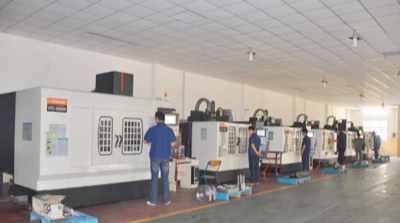
Japanese Mazak CNC centers for high precision.
Our in-house machining workshop is equipped with over 20 sets of advanced processing machinery, including lathes, milling machines, high-precision grinding machines, boring machines, plate shears, bending machines, and wire cutting equipment. This robust infrastructure allows us to meticulously control the quality of every component we produce.
A significant advancement in our capabilities came in 2012 with the acquisition of 8 sets of Japanese Mazak CNC machining centers. These state-of-the-art machines empower us to manufacture high-standard components with exceptional precision, even for large volumes and non-standard specifications. This means we can build vacuum tumblers that meet exacting industry requirements and client-specific needs, ensuring unparalleled accuracy and performance.
Coupled with our traceable after-sales management system, our in-house precision part production guarantees that any component requiring replacement can be sourced directly from us. This ensures peace of mind for our customers, knowing they receive genuine, high-quality parts backed by a reliable supply chain and expert support. We don't just build machines; we build lasting partnerships.
Our expertise covers complete production lines for meat products, including pretreatment, filling and molding, and ripening processes. This comprehensive understanding allows us to design vacuum tumblers that integrate seamlessly into your existing or new production workflows. We are committed to pushing the boundaries of food processing technology, providing solutions that are both innovative and practical.
Navigating the Procurement Process
Purchasing industrial machinery like a vacuum meat tumbler involves careful consideration. We aim to make this process as transparent and straightforward as possible for our international clients. Here’s a guide to help you through it.
1. Define Your Needs:
- Capacity: What is your daily or batch production volume? This will determine the size of the tumbler you require.
- Product Type: Are you processing whole cuts, cubes, ground meat, or sausages? Different products might benefit from specific drum designs or tumbling programs.
- Space & Utilities: Consider the physical space available and the power (voltage, phase) and water requirements for the machine.
- Automation Level: Do you need a basic timer-controlled unit, or a fully programmable PLC with an HMI for advanced cycle management?
2. Request for Quotation (RFQ):
Once you have a clear idea of your needs, reach out to us. We encourage you to use our contact details or dedicated RFQ form. Please provide as much detail as possible regarding your requirements, including:
- Specific machine model(s) or desired capacity.
- Any custom modifications needed (e.g., power supply, specific drum attachments).
- Intended application and product types.
- Target delivery port/location.
3. Quotation and Consultation:
We will respond promptly with a detailed quotation, including machine cost, FOB (Free On Board) or CIF (Cost, Insurance, Freight) pricing if requested, and estimated lead times. Our sales engineers are available to discuss your specific application and recommend the optimal solution. 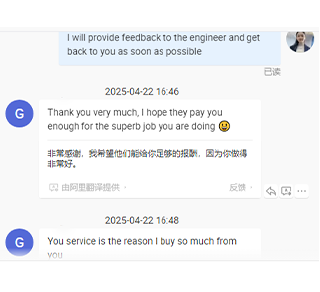 We believe in open communication to ensure you get exactly what you need.
4. Order Confirmation and Payment:
Upon agreement, we will issue a Proforma Invoice. Standard payment terms typically involve an upfront deposit (e.g., 30%) to commence production, with the balance due before shipment. We accept various international payment methods, including Telegraphic Transfer (T/T).
5. Production and Quality Control:
Our production team will work diligently to manufacture your machine within the agreed timeframe. We adhere to strict quality control protocols throughout the manufacturing process. You may request pre-shipment inspections or video calls to review the machine's status.
6. Shipping and Documentation:
Once the balance payment is received, we arrange for packaging and shipment. We provide all necessary export documentation, including the commercial invoice, packing list, bill of lading, and certificate of origin.  Our team has extensive experience managing international logistics to ensure a smooth transit.
7. After-Sales Support:
Our commitment doesn't end at delivery. We provide installation guidance, operational training, and ongoing technical support. Our traceable after-sales management system ensures you always have access to spare parts and expert advice.
Understanding procurement risks is vital. Factors like lead times, shipping costs, import duties, and after-sales support are critical. We strive for clarity on all these fronts, offering realistic timelines and robust support to mitigate potential issues.
Installation and Maintenance Essentials
Proper installation and routine maintenance are key to ensuring the longevity, optimal performance, and safety of your vacuum meat tumbler machine. While our machines are designed for robust operation, a little attention goes a long way.
Installation Considerations:
- Location: Place the machine on a stable, level floor capable of supporting its weight. Ensure adequate space around the unit for operation, cleaning, and maintenance access.
- Power Supply: Connect the machine to a correctly rated power source (voltage, phase, frequency) as specified on the machine's nameplate. Use a qualified electrician for all electrical connections. Ensure proper grounding for safety.
- Ventilation: The motor and vacuum pump require adequate ventilation to prevent overheating.
- Water Supply (if applicable): If your model includes a water connection for cleaning or cooling, ensure it's connected correctly and leak-free.
- Initial Run: Before processing food, conduct a test run with water or a small batch of product to verify all functions are operating correctly and that the vacuum seal is effective.
Routine Maintenance Schedule:
A well-defined maintenance schedule prevents unexpected downtime and costly repairs. Here’s a general guideline:
| Frequency | Task |
|---|---|
| After Each Use | Thorough cleaning of the drum, paddles, and exterior. Ensure all food residues are removed. Use approved food-grade sanitizers. |
| Daily (or Every 2-3 Uses) | Inspect the vacuum pump for oil levels (if applicable) and any signs of leakage. Check door seals for integrity. |
| Weekly | Lubricate moving parts (bearings, chains) as per manufacturer recommendations. Inspect electrical connections for signs of wear or corrosion. Check drive belts for tension and wear. |
| Monthly | Check all fasteners and bolts for tightness. Test safety interlocks (if any). Verify operation of the control panel and timers. |
| Quarterly/Annually | Service the vacuum pump (oil change, filter replacement). Inspect motor and gearbox. Professional check of electrical components. Replace worn seals or gaskets. |
Important Notes:
- Always disconnect power before performing any maintenance.
- Refer to your specific user manual for detailed instructions and recommended lubricants.
- Use only genuine replacement parts from Hebei Yuanchang to ensure compatibility and performance.
- If you encounter any issues or are unsure about a maintenance procedure, contact our technical support team.
Investing in a preventative maintenance program is far more cost-effective than dealing with emergency repairs and production downtime. It also ensures the food safety and quality standards your customers expect.
Global Logistics and Shipping
Exporting industrial equipment requires robust logistics planning. At Hebei Yuanchang, we have extensive experience shipping our vacuum meat tumbler machines to clients worldwide. Our goal is to ensure your equipment arrives safely, on time, and with all necessary documentation.
Packaging for International Transit:
Our machines are typically packed in sturdy wooden crates or on reinforced pallets, designed to withstand the rigors of international shipping. Protective materials are used to safeguard against moisture, dust, and physical impact during transit. For larger units, we can also arrange for container stuffing at our facility to ensure secure loading.
Shipping Options:
- Sea Freight (LCL/FCL): This is the most common and cost-effective method for large industrial machinery. We offer both Less than Container Load (LCL) for smaller shipments and Full Container Load (FCL) for larger orders or multiple machines.
- Air Freight: For urgent orders or smaller components, air freight can be a faster option, though it is significantly more expensive.
Incoterms and Quotations:
When you request a quotation, you can specify your preferred Incoterms (International Commercial Terms). Common options include:
- FOB (Free On Board): We deliver the goods on board the vessel at the port of origin. You are responsible for freight, insurance, and all costs from that point.
- CIF (Cost, Insurance, Freight): We cover the cost of the goods, insurance, and freight to the named destination port. You are responsible for unloading and import duties.
- DDP (Delivered Duty Paid): We handle all aspects, including shipping, insurance, customs clearance, and delivery to your door, with duties paid. This offers the most convenience but is typically the most expensive.
We can provide quotations for any of these terms. Please specify your preference.
Customs Clearance and Documentation:
We will provide a comprehensive set of export documents, including:
- Commercial Invoice
- Packing List
- Bill of Lading (for sea freight) or Air Waybill (for air freight)
- Certificate of Origin
- CE Certificate (if applicable)
- Other documents as required by your country's import regulations.
We work closely with freight forwarders to ensure all customs documentation is accurate and complete, minimizing potential delays at your port of entry. We advise clients to check their local import regulations and potential duties and taxes beforehand.
Lead Times:
Standard lead times for our vacuum meat tumblers typically range from 30 to 60 days, depending on the model and any custom modifications. This includes manufacturing, quality control, and preparation for shipment. Shipping times vary significantly by destination. We will provide estimated delivery times based on your location.
 Our logistics team is dedicated to providing smooth transit and clear communication throughout the shipping process.
Commitment to Quality: Certifications
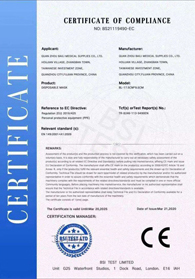
Quality and safety are non-negotiable in the food processing industry. At Hebei Yuanchang, our commitment to delivering reliable and safe equipment is reflected in our adherence to international standards and certifications. Our vacuum meat tumbler machines are designed and manufactured to meet rigorous requirements, ensuring they are suitable for demanding global markets.



CE Marking:
Many of our machines, including vacuum meat tumblers, are CE marked. This indicates conformity with health, safety, and environmental protection standards for products sold within the European Economic Area (EEA). It signifies that our equipment meets the essential requirements of relevant EU directives, allowing for seamless entry into European markets.
ISO 9001:
Our Quality Management System is certified under ISO 9001. This international standard ensures that we consistently provide products and services that meet customer and regulatory requirements. It encompasses our entire operational framework, from design and manufacturing to sales and customer service, guaranteeing a structured approach to quality assurance.
Material Compliance (e.g., RoHS):
We prioritize the use of safe and compliant materials in our machinery. For electrical components, compliance with directives like RoHS (Restriction of Hazardous Substances) ensures that our equipment avoids the use of specific hazardous materials above defined thresholds. This is particularly important for international markets that have strict regulations on material content.
Food Grade Standards:
The primary construction material for our vacuum tumblers is high-grade SUS304 stainless steel. This material is widely recognized and approved for food contact applications due to its excellent corrosion resistance and non-reactive properties. Our design principles also focus on smooth surfaces, minimal crevices, and easy cleanability to meet stringent food safety and hygiene standards (such as HACCP principles) expected by regulatory bodies like the FDA and equivalent international agencies.
These certifications and standards are not just badges; they represent our deep-seated commitment to delivering equipment that is reliable, safe, and compliant with the highest global benchmarks. When you choose Hebei Yuanchang, you are choosing a partner dedicated to quality and trust.
Frequently Asked Questions
The amount varies by product and desired intensity, but a general starting point is 10-15% of the meat's weight for dry rubs or 20-30% for liquid marinades. Our machines' efficiency means you can often achieve excellent results with less than traditional methods.
Vacuum tumblers are best used with chilled or tempered meat (typically above -4°C or 25°F). Tumbling fully frozen meat is not recommended as it can damage the machine and the meat structure.
After each use, empty the drum, rinse with warm water, and use a food-grade detergent and soft brush or sponge to clean all internal surfaces. Ensure all cleaning agents are thoroughly rinsed away. The drum and paddles are usually designed for easy access. We recommend a full wash-down at the end of each production day.
We typically provide detailed quotations within 24-48 business hours after receiving your inquiry, depending on the complexity and any specific custom requirements.
Yes, absolutely. We have extensive experience in customizing our meat processing equipment to meet unique client specifications. If you have particular design, size, or functional requirements, we are happy to work with you to develop an OEM/ODM solution.
Our standard warranty covers manufacturing defects for a period of 12 months from the date of shipment. Please refer to our warranty policy for full details.
What Our Clients Say

"The Yuanchang vacuum tumbler has been a game-changer for our cured meat production. Marinade penetration is exceptional, and we've seen a noticeable improvement in texture and color consistency. Their export process was smooth, and the machine arrived in perfect condition."
- Mark T., Operations Manager, USA
"We needed a reliable solution for tenderizing beef cuts for our restaurant supply chain. This vacuum tumbler exceeded our expectations. It's robust, easy to operate, and significantly reduces our processing time. Support from their export team was top-notch."
- Sofia R., Procurement Director, Canada
"The quality of build is impressive. We've been using their standard model for marinating chicken products for over a year now with minimal issues. Cleaning is straightforward, which is crucial for our HACCP compliance. We are considering another unit for our expansion."
- David L., Plant Manager, UK
"We are a growing OEM producer and needed a versatile tumbler for various clients. Hebei Yuanchang's team helped us select the right capacity and even discussed some minor customizations. The machine performs admirably, delivering consistent results for all our projects."
- Anya K., CEO, AustraliaReady to Enhance Your Meat Product Quality?
Discover how our vacuum meat tumbler machines can revolutionize your marination, tenderization, and overall product excellence.
We're here to answer your questions and discuss your specific project needs.