Seafood Processing Equipment Manufacturers
Precision Seafood Processing Equipment: Elevating Quality, Efficiency, and Global Reach

Written by Dr. Evelyn Reed, Senior Industrial Consultant & Procurement Advisor
Published: October 26, 2023
In the fast-paced global seafood industry, maintaining product integrity, optimizing operational throughput, and meeting stringent international standards are paramount. For processors looking to enhance their capabilities, the right equipment isn't just a purchase; it's a strategic investment in quality, safety, and market competitiveness. This guide delves into the core aspects of selecting and integrating advanced seafood processing machinery, focusing on how discerning buyers can navigate the complexities to secure solutions that deliver tangible ROI and long-term operational success. We'll explore the critical equipment categories, from primary processing to sophisticated value-added preparation, and highlight what seasoned professionals look for in a manufacturing partner.
Navigating the Currents: Key Challenges in Seafood Processing
The seafood processing landscape is dynamic and demanding. Buyers face a confluence of pressures: fluctuating raw material availability, the imperative for rapid chilling and freezing to preserve delicate textures and flavors, and the ever-watchful eye of regulatory bodies like the FDA, HACCP, and international equivalents. Yield optimization is another constant battle; every percentage point gained in recovering usable product translates directly to the bottom line. Furthermore, the shift towards convenience and value-added products—fillets, pre-portioned meals, marinated items—necessitates versatile equipment capable of precise handling and consistent results.
Operational efficiency is not just about speed; it's about minimizing downtime, reducing labor intensity where possible without compromising quality, and ensuring hygiene is built into every stage. Cross-contamination risks are significant in seafood, requiring equipment designed for easy cleaning and sanitization, often using food-grade stainless steel and seamless construction. For international markets, compliance with differing food safety regulations and packaging requirements adds another layer of complexity.
Consider the delicate nature of many seafood products. Unlike robust meats, fish and shellfish can easily be damaged during processing, leading to aesthetic defects and reduced market value. This demands machinery engineered with precision, gentle handling mechanisms, and adjustable parameters to accommodate a wide range of species and product forms.
The Foundation of Quality: Essential Seafood Processing Equipment Categories
A modern seafood processing operation relies on a suite of integrated machinery. Understanding the primary functions of each category is crucial for strategic procurement.
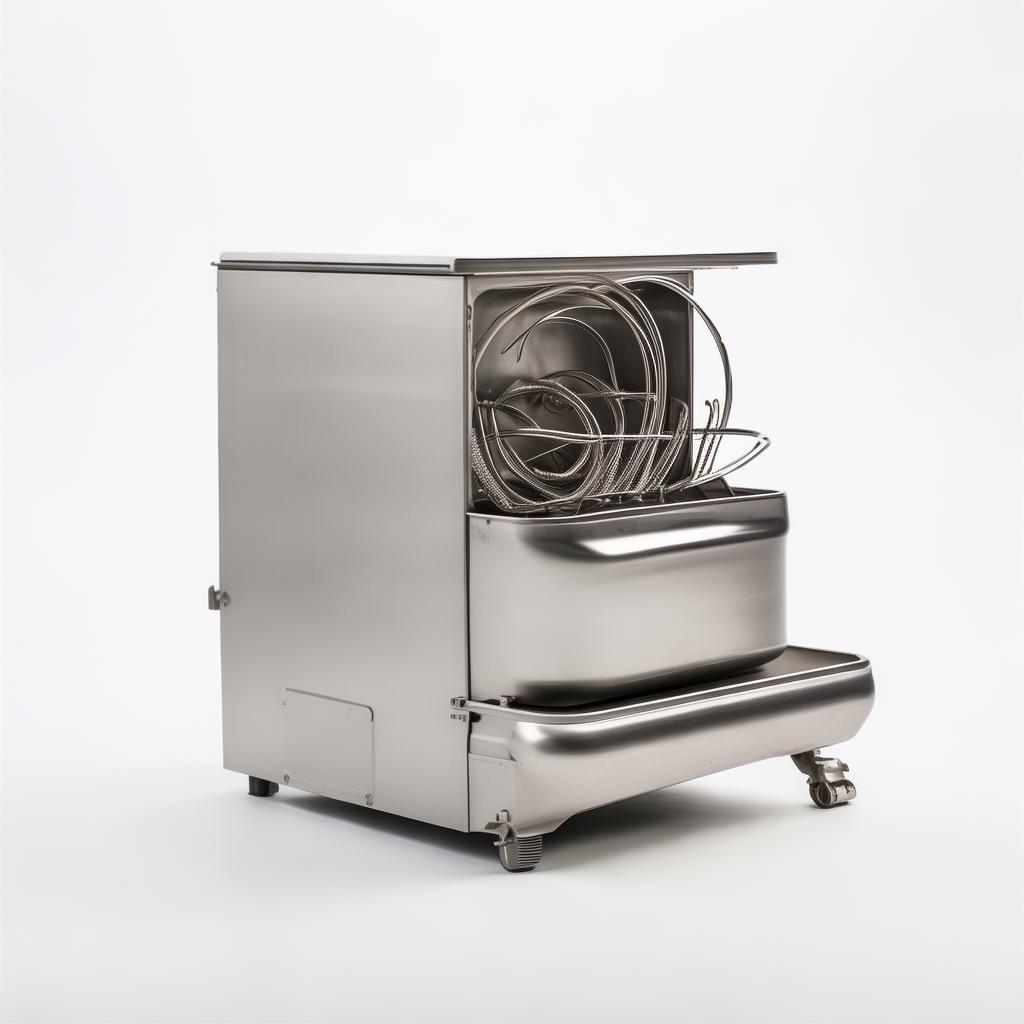
- Washing and Sorting Systems: Initial steps often involve efficient, high-volume washing to remove ice, debris, and surface contaminants. Automated sorting, whether by size, weight, or even visual defects, significantly enhances throughput and ensures product uniformity for downstream processing.
- Skinning and Filleting Machines: These are critical for transforming whole fish into valuable fillets. Precision skinners remove hides with minimal product loss, while automated filleting machines can process large volumes of specific species rapidly, ensuring consistent cut thickness and shape. The ability to handle different fish sizes and types on the same machine is a major advantage.
- Deboning and Flesh-Separating Equipment: Especially vital for smaller fish or certain types of shellfish, these machines efficiently separate edible flesh from bones, shells, and connective tissues. Advanced flesh separators can produce a finer texture, suitable for surimi, pastes, or formed products, while minimizing bone fragments.
- Portioning and Cutting Machines: For value-added processing, precise portion control is key. Waterjet cutters, band saws, and automated dicers allow for exact weight or size specifications, crucial for pre-portioned meals, retail packs, and food service clients.
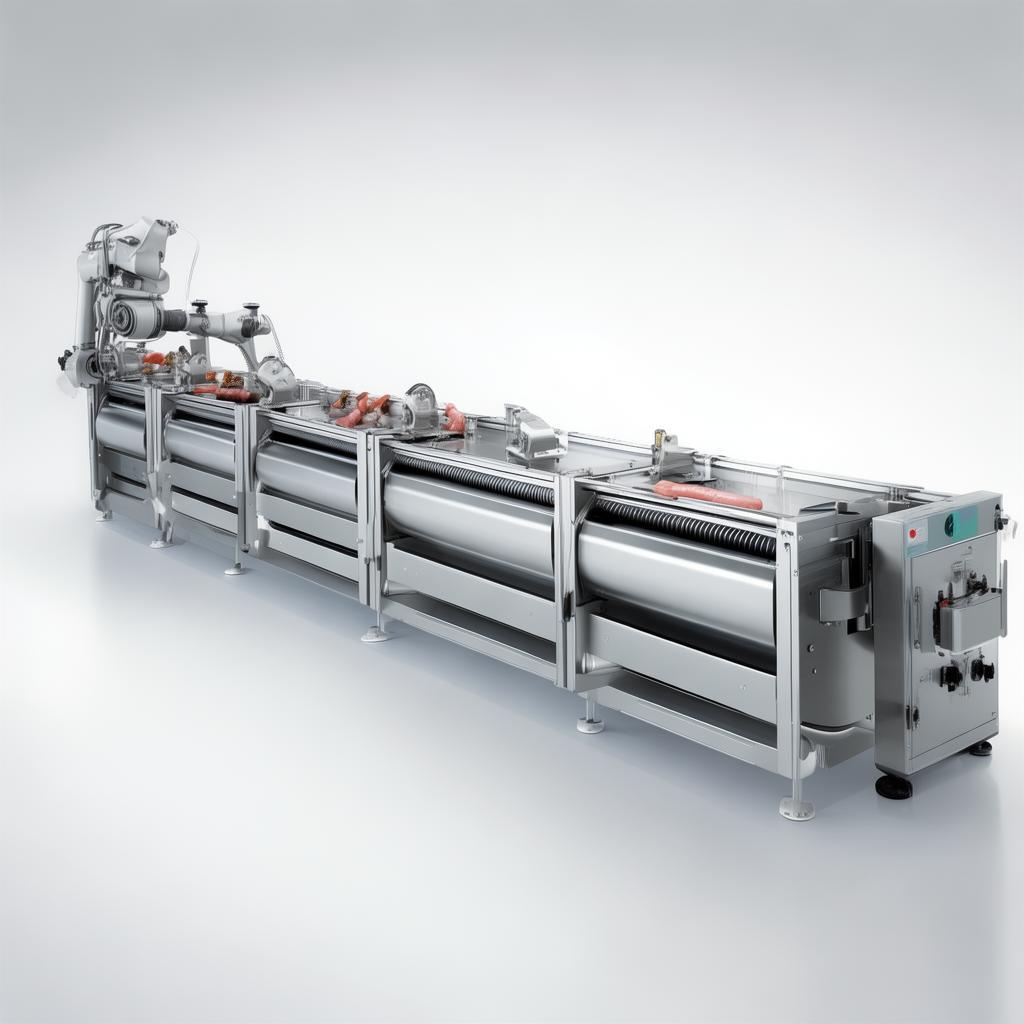
- Forming and Molding Equipment: This is where innovation truly shines, allowing processors to create diverse products like fish cakes, patties, nuggets, and surimi-based items. High-speed, high-pressure forming machines can achieve excellent product density and shape consistency, often integrating with filling and breading systems.
- Marinating and Tumbling Systems: To enhance flavor and texture, and to prepare products for specific culinary applications, marinating tumblers ensure even product coating and tenderization. Vacuum tumblers are particularly effective for improving moisture retention and shelf life.
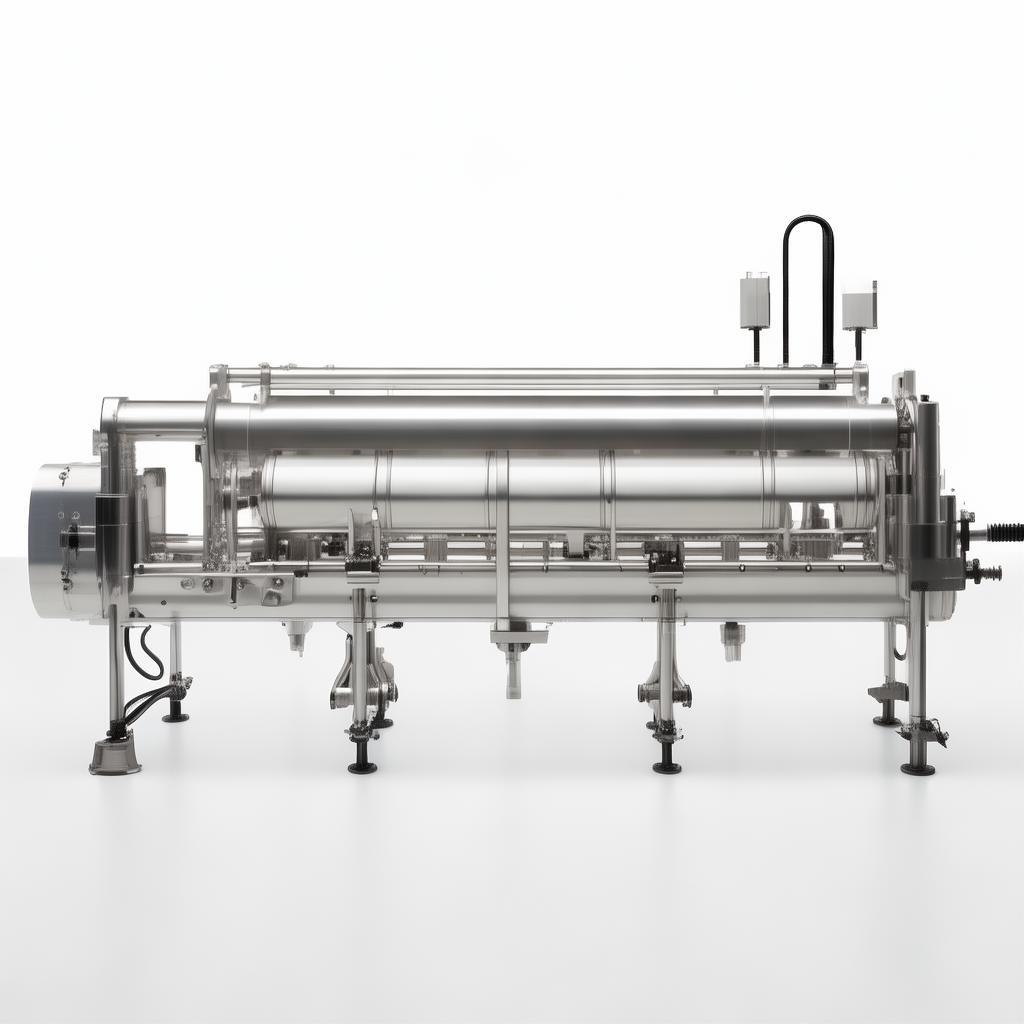
- Cooking, Smoking, and Pasteurizing Equipment: Depending on the final product, integrated cooking tunnels, specialized smokers, and pasteurization units are essential for safety, shelf-life extension, and developing specific taste profiles.
- Freezing and Chilling Systems: Rapid freezing (e.g., IQF - Individually Quick Freezing) and efficient chilling are paramount for preserving seafood quality. Technologies like blast freezers and cryogenic systems achieve fast temperature reduction, minimizing ice crystal formation and maintaining cellular integrity.
The Hebei Yuanchang Advantage: Engineering for Excellence
At Hebei Yuanchang Food Mechanism & Technology Co., Ltd., our 40 years of experience, dating back to 1986, have forged us into a specialized manufacturer of high-performance meat and pet food processing equipment, with a significant understanding of the principles applicable to seafood. While our core focus has historically been on meat, the underlying engineering challenges—precision, hygiene, efficiency, and robustness—are universal. We've leveraged our extensive knowledge in areas like filling and molding, ripening and tenderizing (massaging), and pretreatment to develop solutions that meet the rigorous demands of the global food processing industry, including seafood.
Our 14,000 square meter facility, operated by a dedicated team of 80-100 professionals, houses an advanced in-house machining workshop. Equipped with over 20 sets of state-of-the-art processing machinery, including high-precision grinding machines and specialized lathes, we ensure every component meets exacting standards. The integration of Japanese Mazak CNC machining centers since 2012 allows us to produce complex, high-tolerance parts for complete production lines, catering to both large volumes and unique, non-standard specifications. This in-house capability for manufacturing critical parts is a cornerstone of our traceable after-sales management system, offering clients unparalleled peace of mind.
Our Specialization & Your Advantage:
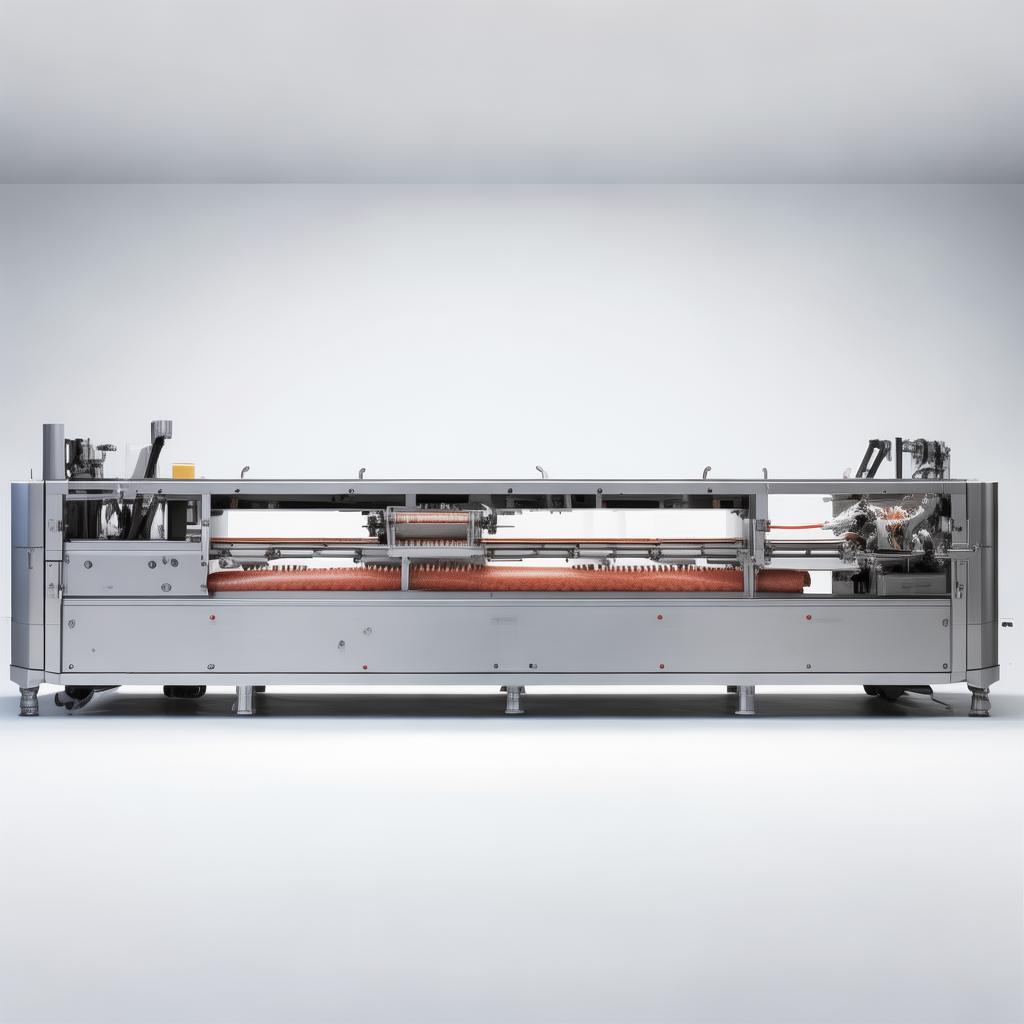
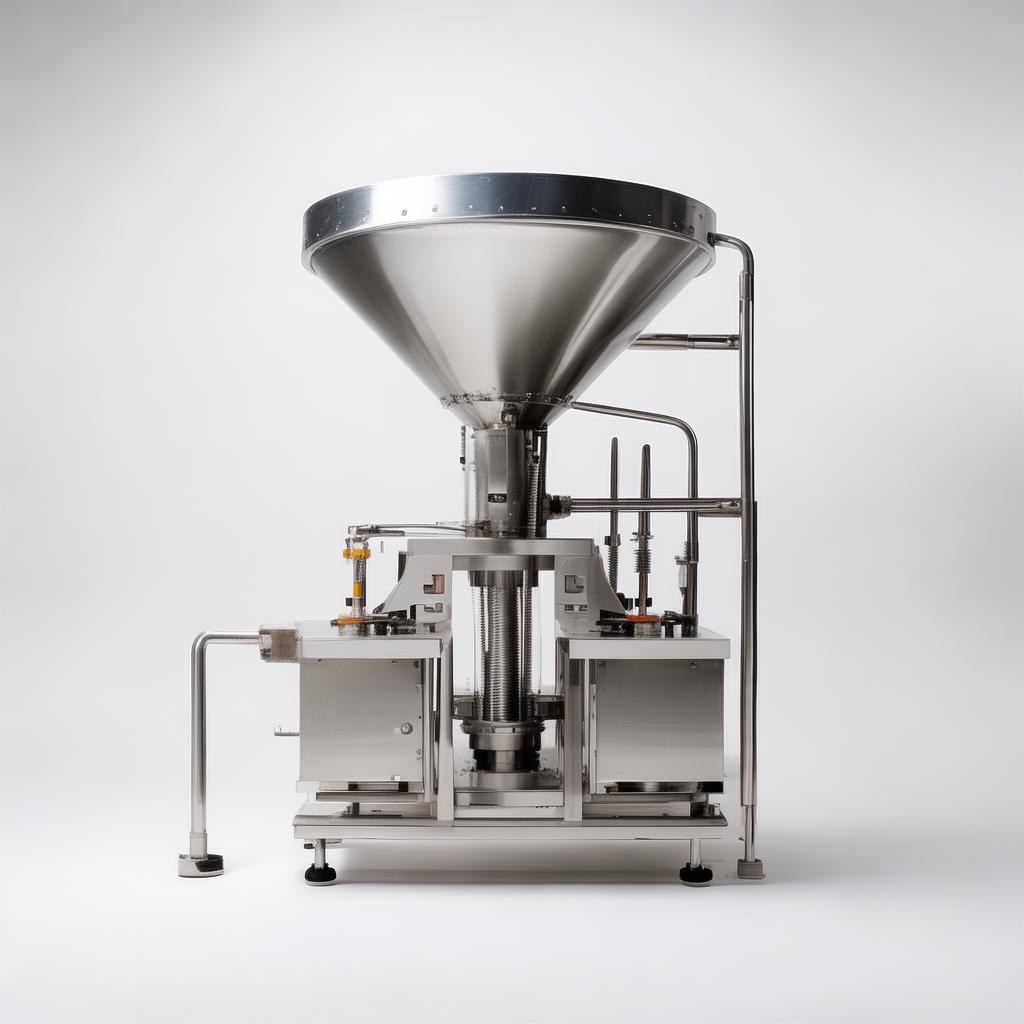
- Precision Filling & Molding: Adaptable systems for forming consistent seafood patties, cakes, and portions.
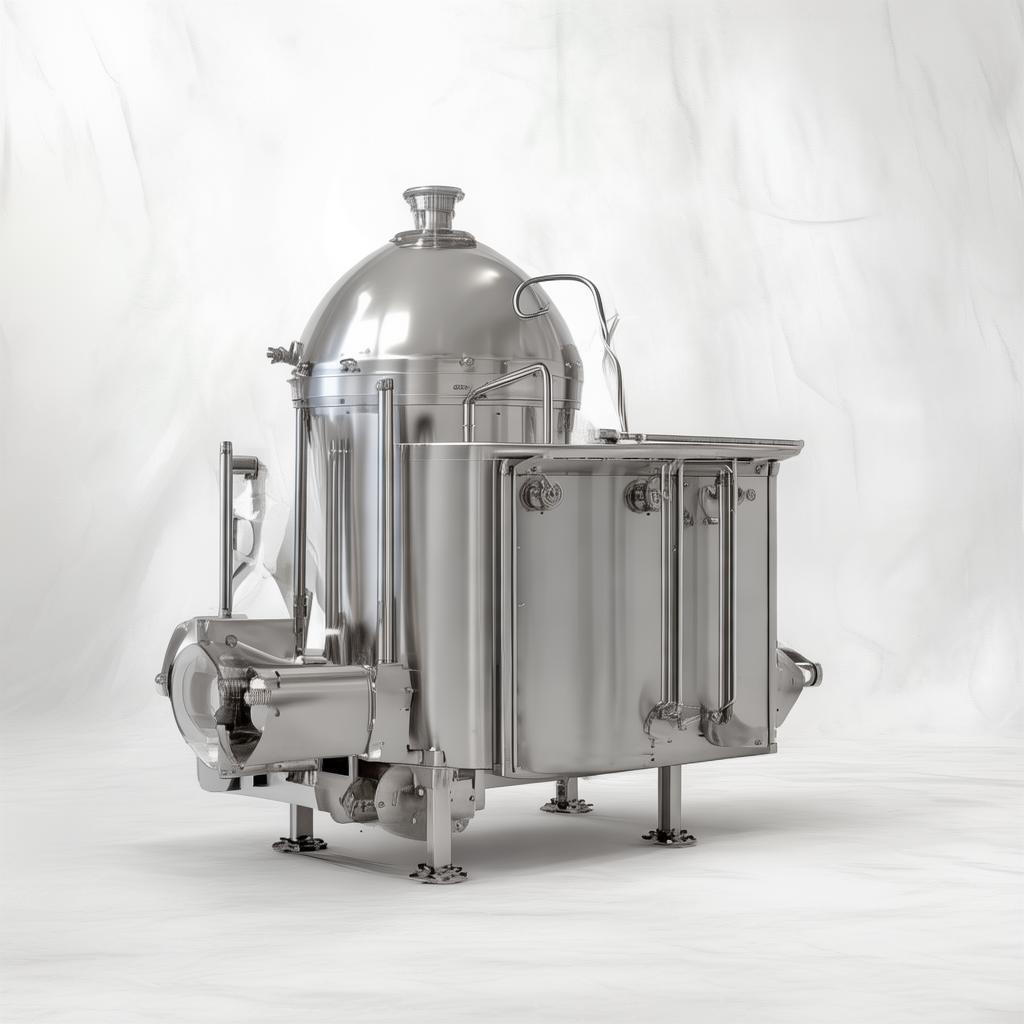
- Advanced Massaging/Tumbling: Enhances texture and moisture retention in fillets and certain seafood products, similar to our meat applications.
- Robust Pretreatment Solutions: Reliable equipment for initial handling and preparation phases.
- Custom Engineering: OEM/ODM capabilities to tailor solutions to your specific seafood species and product goals.
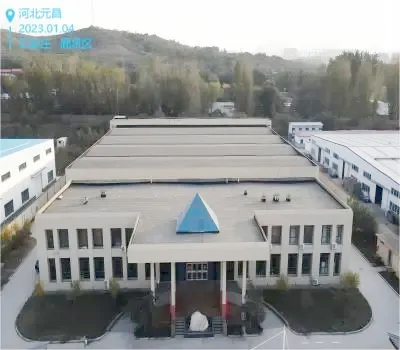 State-of-the-art machining capabilities at our Hebei facility.
"We believe in building machinery that lasts and performs. Our commitment to internal manufacturing of critical components ensures that when you invest in Yuanchang, you're investing in reliability that translates to less downtime and better product consistency for your seafood operations."
Technical Specifications and Material Considerations
When evaluating seafood processing equipment, the materials of construction are paramount. Food-grade stainless steel (e.g., 304 or 316L) is the industry standard due to its corrosion resistance, durability, and ease of sanitization. Welds should be smooth and continuous, avoiding crevices where bacteria can harbor.
Motors and electrical components must meet international safety standards (e.g., IP65 or higher for washdown environments). For skinning, filleting, and cutting machines, blade quality and adjustability are key performance indicators. Look for precise blade tensioning and easy replacement mechanisms.
For forming and molding equipment, the design of the dies and the ability to adjust pressure and speed are critical for achieving desired product density and appearance. The ease of changing molds to accommodate different shapes and sizes is a significant operational advantage.
Chilling and freezing equipment requires robust insulation and efficient refrigeration systems. For IQF systems, understanding the freezing tunnel design, airflow patterns, and belt material is important for achieving rapid and uniform freezing without product clumping.
Example: High-Precision Filling & Molding Machine Specifications
| Feature | Specification | Significance for Seafood |
|---|---|---|
| Material Construction | 304 Stainless Steel (Food Grade) | Corrosion resistance, hygiene, durability in wet environments. |
| Filling Volume Range | 5g - 200g (Adjustable) | Versatility for various portion sizes, from shrimp cakes to fish fillets. |
| Forming Speed | Up to 60-120 portions/min | High throughput to meet market demand. |
| Mold Change System | Quick-release, tool-less | Minimizes changeover time between different product types. |
| Control System | PLC with HMI Touchscreen | Precise control over filling, forming, and speed; easy recipe management. |
| Hygiene Design | IP65 rated, sanitary seals, easy-to-clean surfaces | Facilitates efficient cleaning and sanitation, crucial for seafood safety. |
processed seafood and seafood processing equipment market seafood machinery commercial fish processing equipment
Installation, Maintenance, and Logistics: Ensuring Operational Continuity
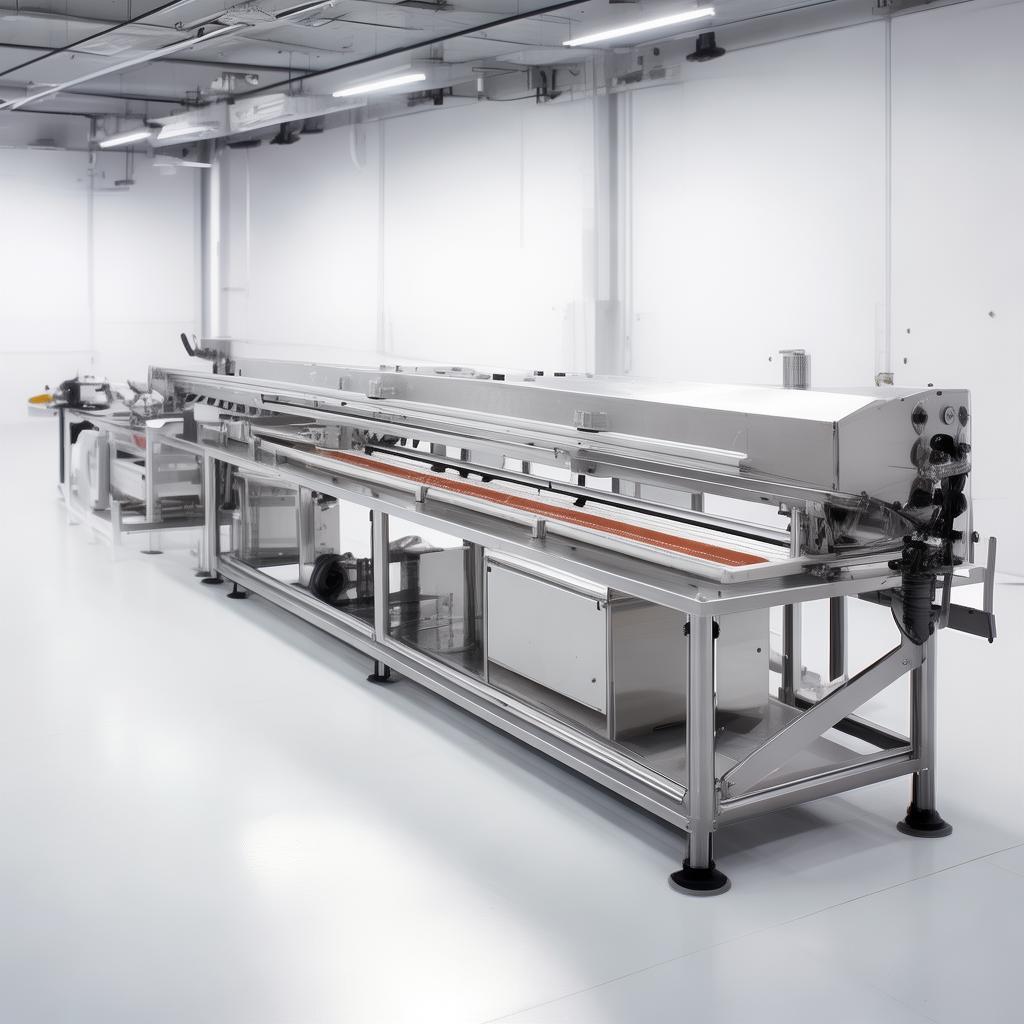
Proper installation is non-negotiable. Our engineering team works closely with clients to ensure seamless integration into existing or new processing lines. This includes providing detailed layout drawings, utility requirements, and, where specified, on-site supervision or training for your technical staff. For larger machinery, consider floor loading capacities and access for installation equipment.
Regular maintenance is key to maximizing equipment lifespan and minimizing unplanned downtime. We provide comprehensive operation and maintenance manuals, outlining lubrication schedules, parts inspection points, and recommended cleaning procedures. Our proactive approach to producing high-precision parts internally means that replacement components are readily available, reducing lead times and keeping your lines running.
Logistics for international shipments require careful planning. We have extensive experience shipping our machinery globally, utilizing robust export-grade crating and packaging to protect against damage during transit. We work with reputable freight forwarders to secure competitive shipping rates and ensure timely delivery, whether by sea or air. Understanding import duties, customs regulations, and local certifications in your target market is a critical part of the buyer's due diligence.
Practical Warning: Cutting corners on installation or skipping routine maintenance on sophisticated processing equipment can lead to premature component failure, product quality issues, and significant financial losses due to production stoppages. Always consult the manufacturer's guidelines and qualified personnel.
Procurement Guidance: Choosing the Right Partner
Selecting a manufacturer for critical processing equipment involves more than just comparing price tags. Here’s what seasoned buyers consider:
- Manufacturing Expertise & Experience: Look for a supplier with a proven track record and deep industry knowledge. 40 years, like ours at Hebei Yuanchang, signifies stability and accumulated wisdom.
- In-House Manufacturing Capabilities: Suppliers who control the production of critical components, especially high-precision parts, offer greater reliability and shorter lead times for replacements. Our investment in CNC machining centers is a testament to this.
- Customization & OEM/ODM Services: Your seafood processing needs are unique. Can the manufacturer adapt their standard designs or build entirely new solutions to fit your specific requirements?
- Quality Certifications: While we primarily focus on robust engineering and practical performance, adherence to international quality standards (e.g., ISO) is a good indicator of a structured manufacturing process.
- After-Sales Support & Spare Parts: Reliable access to technical support and readily available spare parts are crucial for minimizing downtime. A traceable management system for parts is a significant plus.
- References & Testimonials: Real-world feedback from other processors provides invaluable insights into performance and reliability.
Consider the total cost of ownership, not just the initial purchase price. Factors like energy consumption, maintenance costs, spare parts availability, and operational efficiency over the equipment's lifecycle are vital.
Procurement Risk Mitigation:
Always verify supplier credentials, request detailed technical proposals, and consider a factory visit if feasible. Clear communication regarding lead times, payment terms, and warranty conditions upfront can prevent disputes later.
Real-World Performance: What Our Clients Say

Pacific Catch Seafoods, USA
"We implemented Yuanchang's filling and molding machines for our breaded fish portions. The consistency in weight and shape has been excellent, significantly reducing manual adjustments and waste. Their engineering support, especially in adapting the mold for our specific product, was invaluable."

Oceanic Foods Export, Canada
"Yuanchang's ability to provide robust, high-capacity machinery was critical for our expansion. We were impressed with their precision machining capabilities, which translated to very reliable performance. Getting custom-designed parts for our specialized processing line was smooth and efficient."

Gulf Fisheries Co., UAE
"The massaging tumblers we received from Yuanchang have improved the texture and yield of our marinated shrimp products. They are robust, easy to clean, and their after-sales support has been responsive, which is vital for our continuous operations."
Frequently Asked Questions (FAQ)
Q1: Do you offer equipment specifically designed for seafood, or is it adapted from meat processing lines?
Q2: What is the typical lead time for your custom-engineered seafood processing equipment?
Q3: How does your company handle after-sales service and spare parts for international clients?
Q4: Can your machinery be integrated with existing processing lines?
Enhance Your Seafood Processing Operations Today
The global seafood market is competitive. Investing in advanced, reliable processing equipment is no longer a luxury but a necessity for maintaining quality, efficiency, and profitability. At Hebei Yuanchang, we combine 40 years of engineering experience with a commitment to precise manufacturing to deliver solutions that empower your business.
Ready to Elevate Your Processing Capabilities?
Let's discuss how our precision-engineered filling, molding, and tumbling systems can be tailored to your specific seafood product lines.