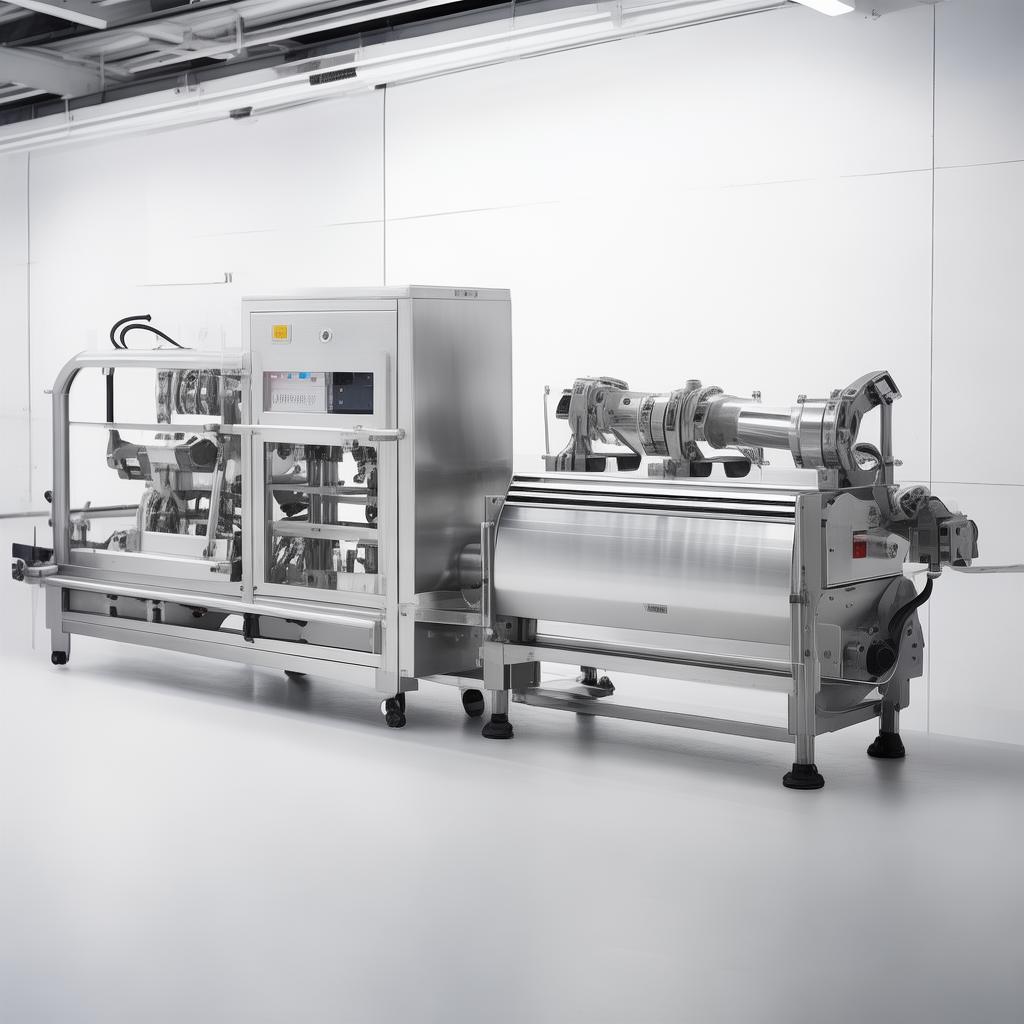
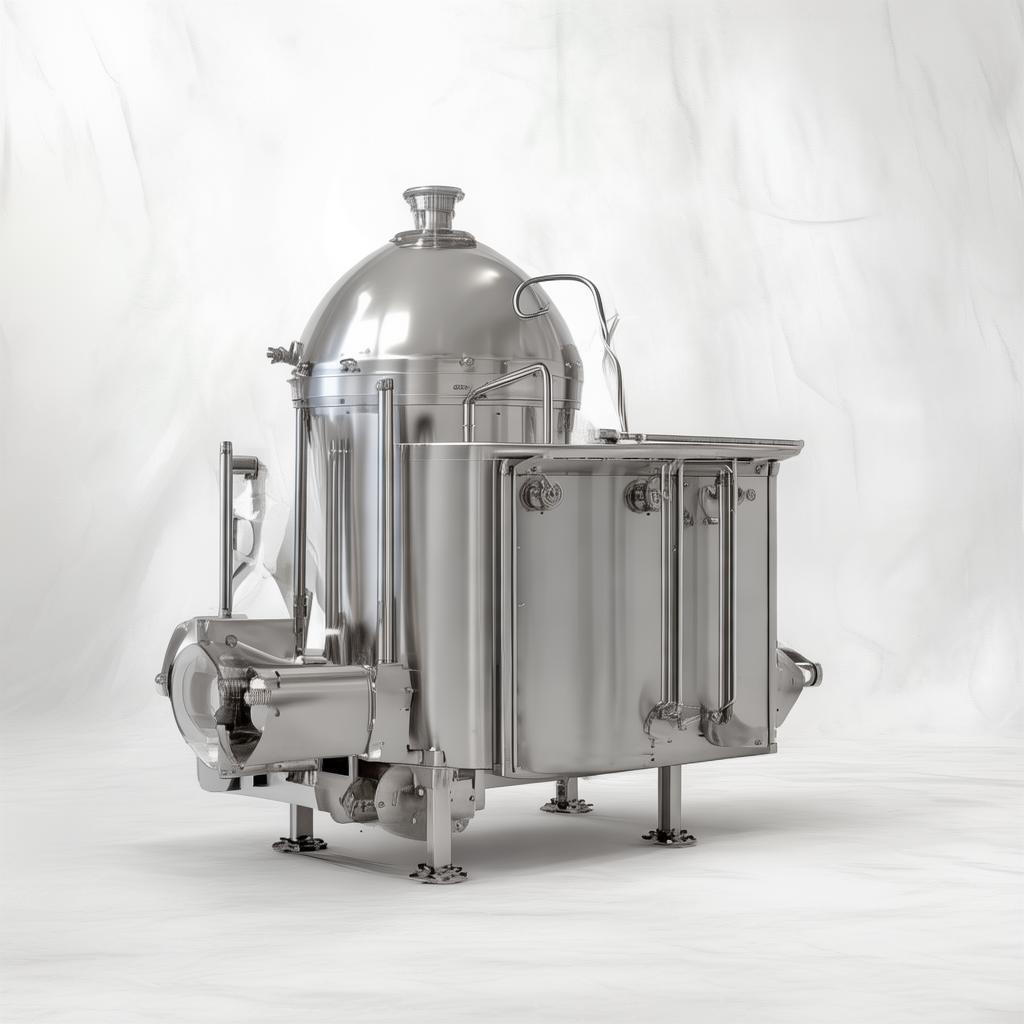
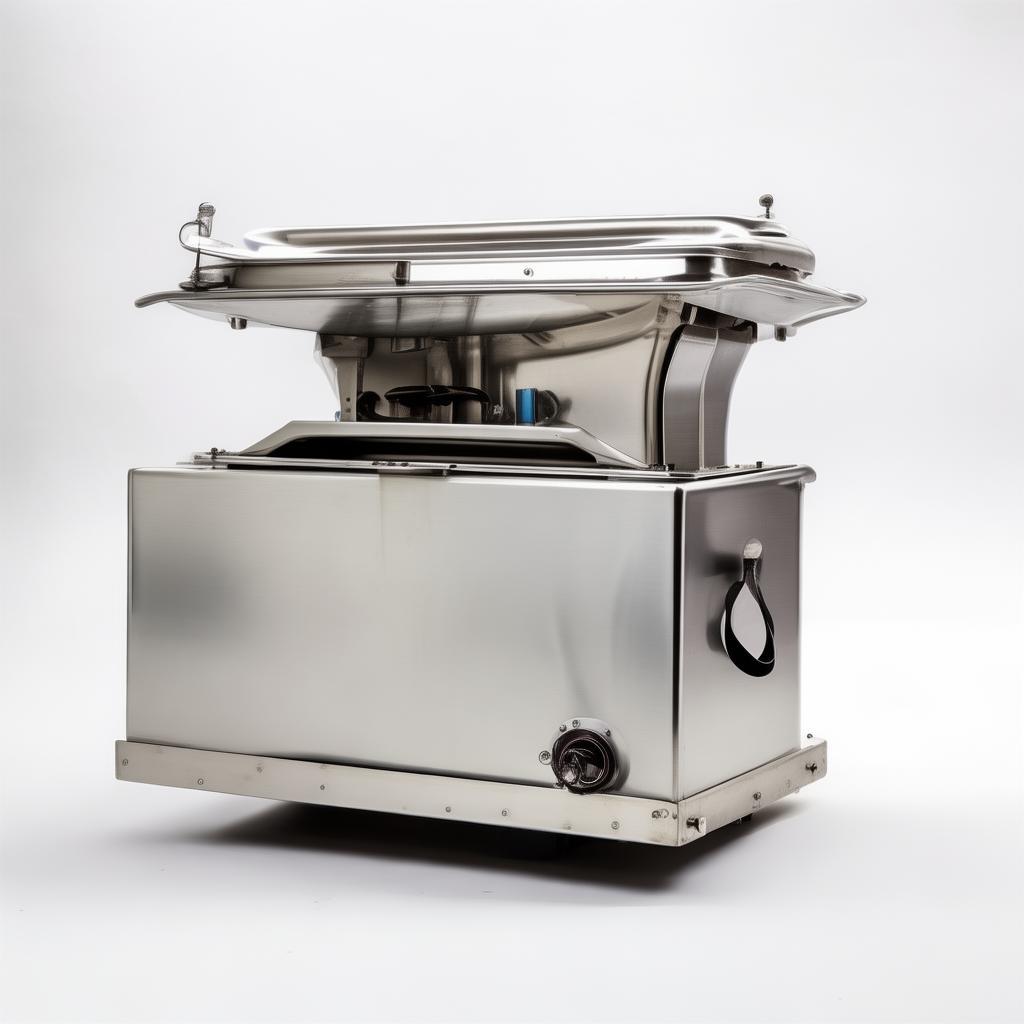
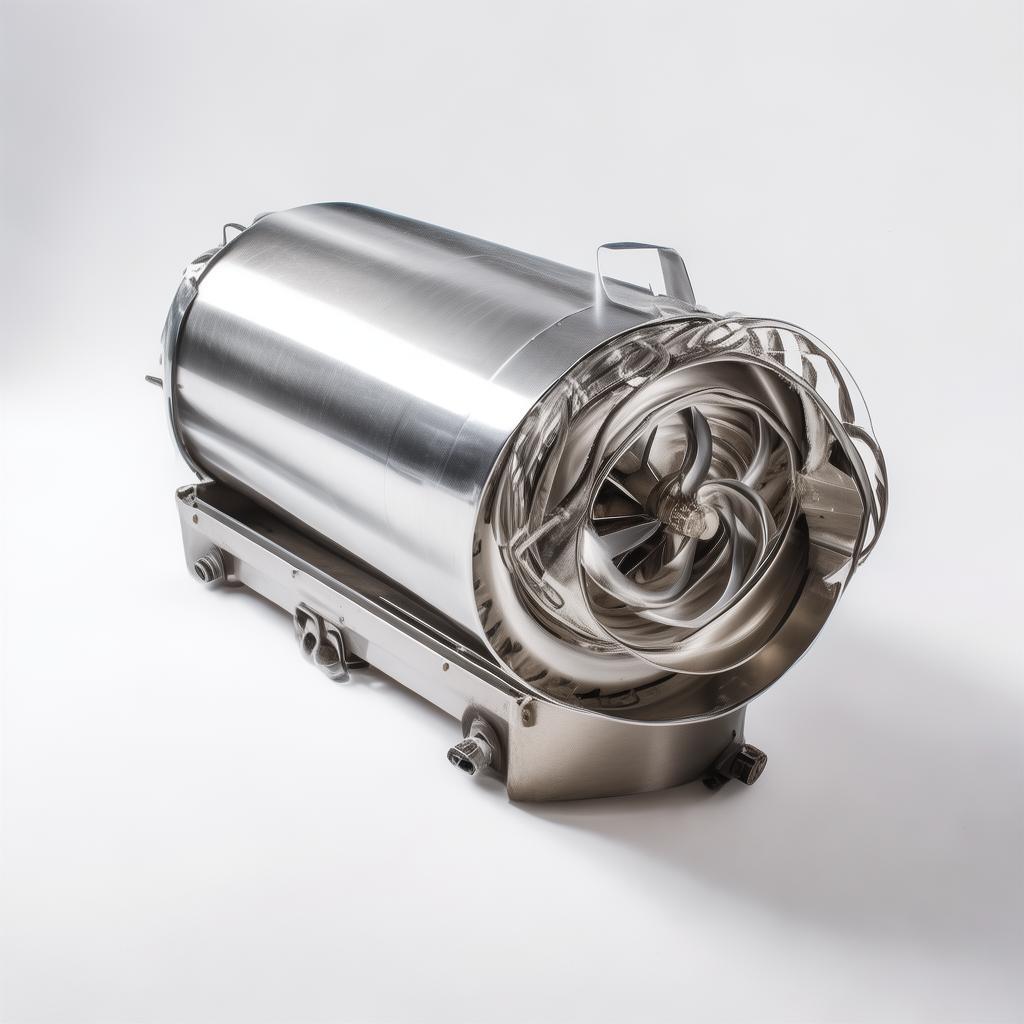
Seafood Machinery
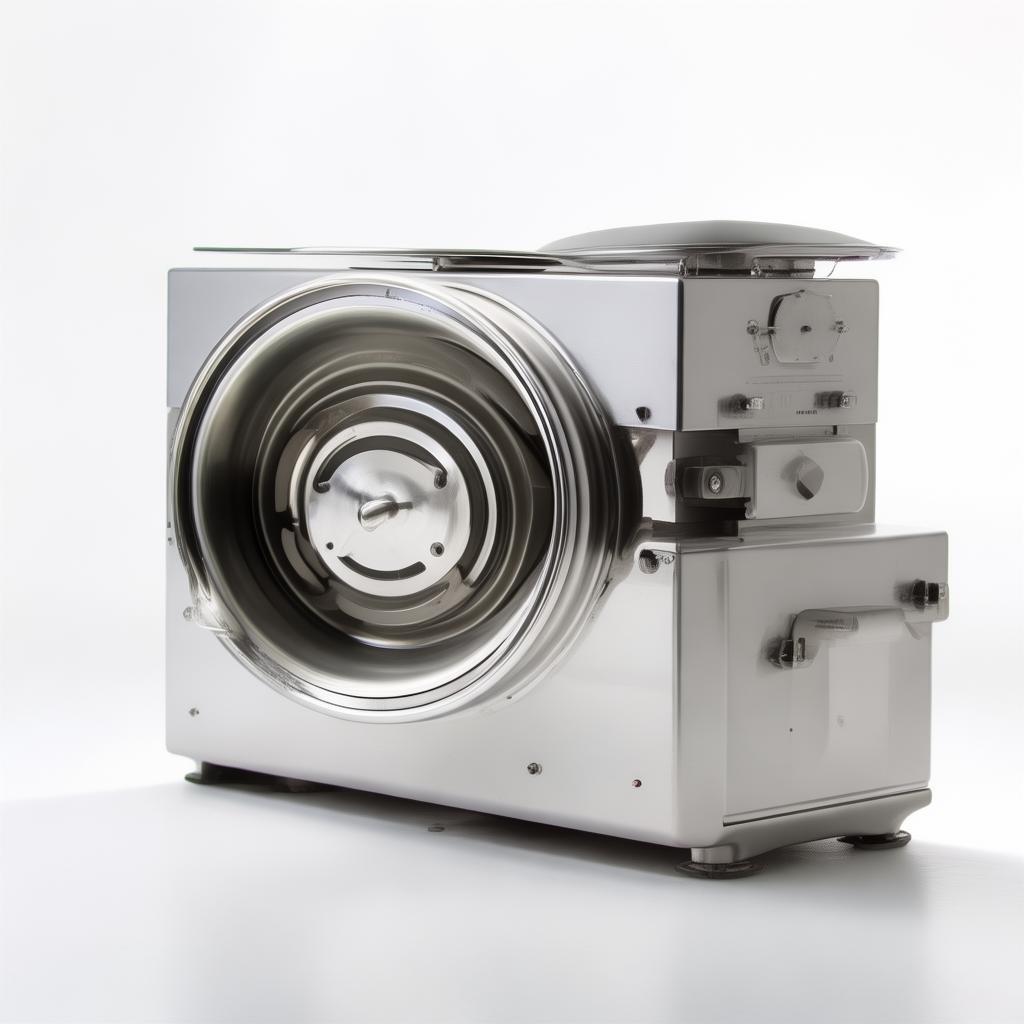
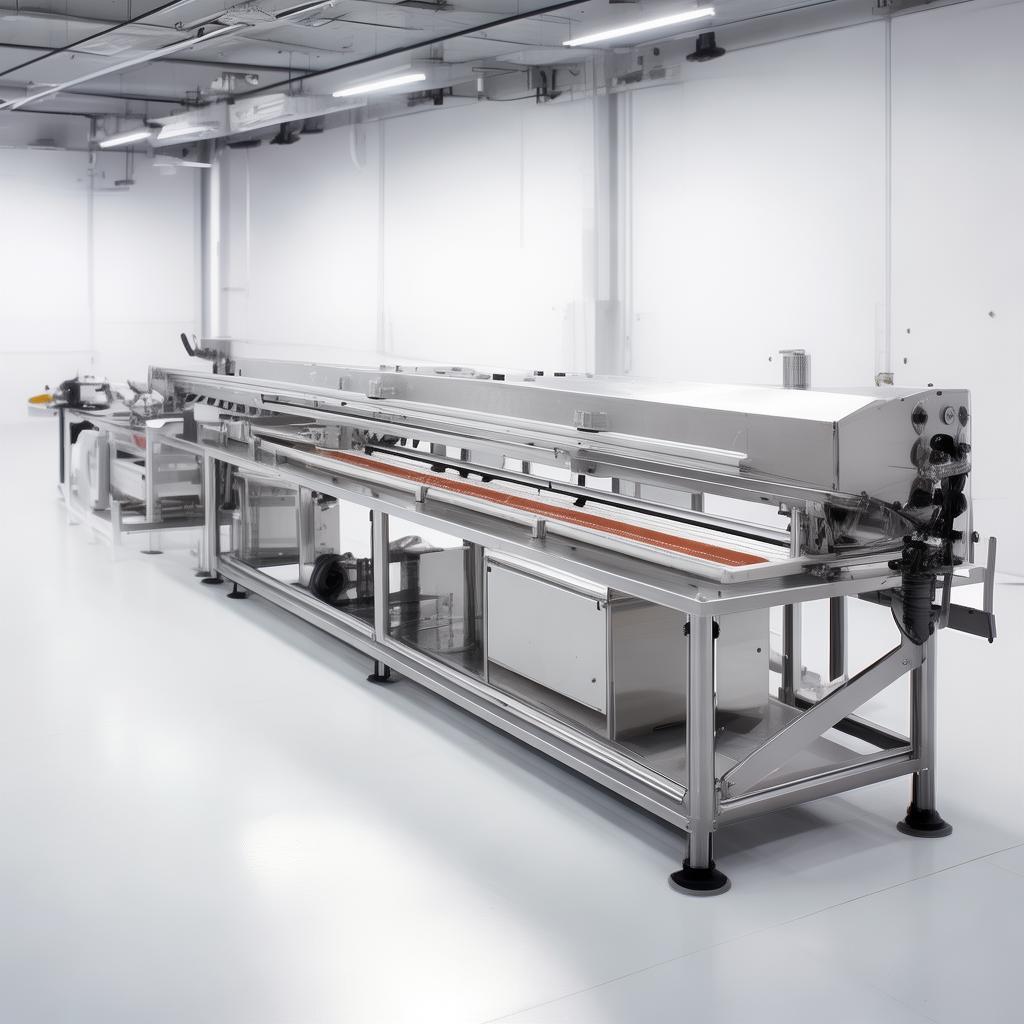
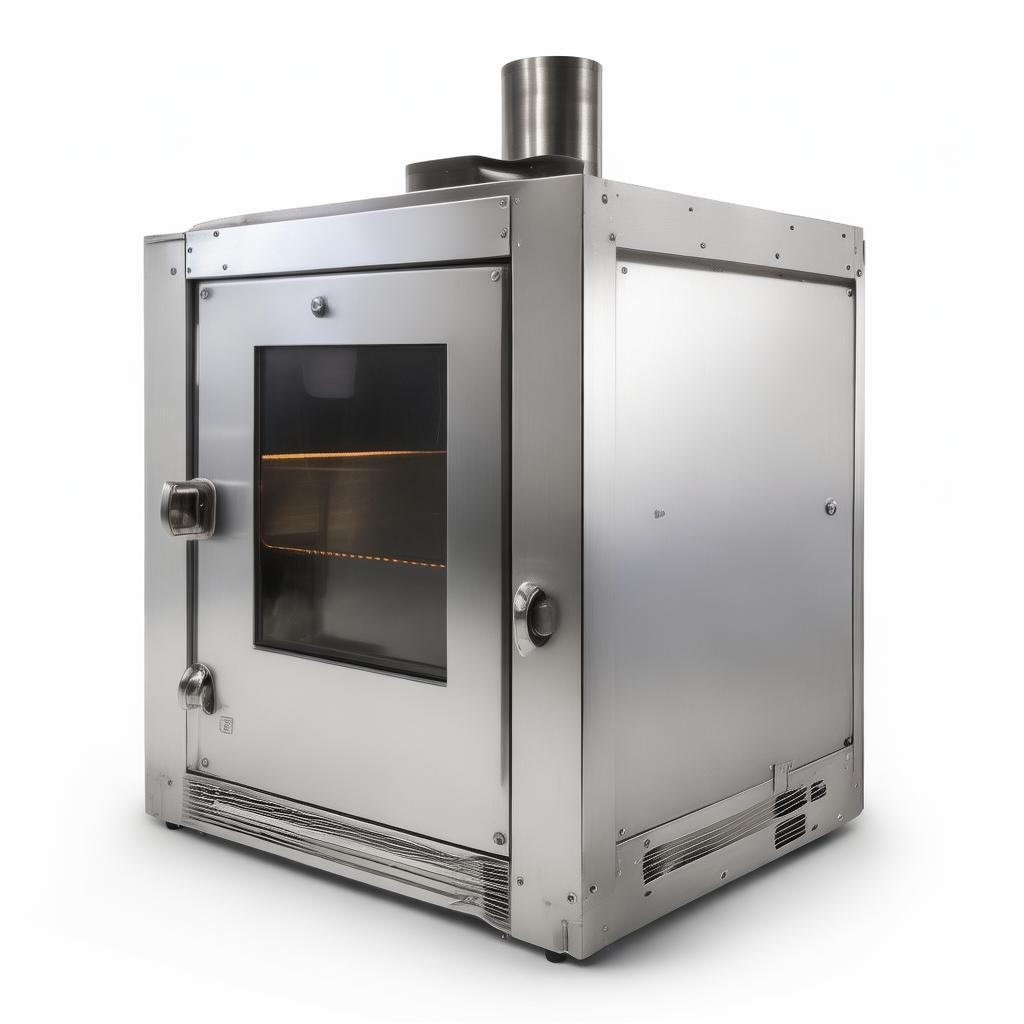
Seafood Machinery: Elevating Your Processing Operations for Global Markets
 Authored by: Zhang Wei, Senior Export Manager
October 26, 2023
In the intricate world of international seafood trade, efficiency, quality, and compliance are not just buzzwords; they are the bedrock of successful operations. From the moment your catch is brought ashore to the point it reaches the end consumer, every step in the processing chain demands precision and reliability. This is where advanced seafood machinery becomes indispensable. At Hebei Yuanchang, we understand the unique challenges faced by seafood processors aiming to meet the stringent demands of global markets. We've spent decades refining our understanding of food processing, particularly in meat applications, and have translated that expertise into robust solutions applicable to the seafood industry. This guide delves into why investing in the right seafood processing equipment is critical for your business's growth, market competitiveness, and long-term profitability. We'll cover the essential machinery types, critical considerations for selection, and how our own manufacturing prowess ensures you receive equipment that performs reliably, day in and day out. Whether you're involved in primary processing, value-added product development, or simply aiming to optimize your existing lines, understanding the landscape of modern seafood machinery is your first step towards operational excellence.
Industry Challenges & Your Operational Pain Points
The seafood industry operates under immense pressure. Global demand continues to rise, driven by factors like increased disposable income in emerging markets and a growing preference for healthy protein sources. This surge in demand, however, is met with significant operational hurdles. Shelf-life concerns are paramount; maintaining product integrity from catch to consumer requires rapid, efficient processing. Compliance with international food safety standards (like HACCP, ISO 22000, and FDA regulations) is non-negotiable, demanding equipment that ensures hygiene and minimizes contamination risks.
Labor shortages and rising labor costs in many key markets add another layer of complexity. Manual processing methods are often too slow and labor-intensive to keep pace with demand, while also increasing the risk of repetitive strain injuries and inconsistent product quality. Furthermore, the variability in raw material – different species, sizes, and conditions of fish and shellfish – requires flexible processing solutions. Your existing machinery might be struggling to adapt, leading to bottlenecks, increased waste, and higher operational expenditure.
Common pain points we hear from processors include:
- Inconsistent product sizing and weight, leading to pricing issues.
- High levels of product damage or spoilage during processing steps.
- Difficulty meeting stringent hygiene and sanitation requirements.
- Slow throughput hindering ability to fulfill large orders.
- Excessive waste of valuable raw material.
- Labor-intensive processes impacting operational efficiency and cost.
- Equipment breakdowns causing costly downtime.
- Challenges in scaling production to meet fluctuating market demand.
Addressing these challenges isn't just about upgrading equipment; it's about a strategic investment in your business's future. The right seafood machinery can transform these pain points into competitive advantages.
Essential Seafood Processing Machinery Explained
Modern seafood processing involves a range of specialized equipment designed for specific tasks. Understanding these core components is key to building an efficient workflow. While often associated with meat processing, the principles of filling, molding, ripening/tenderizing, and auxiliary support are directly applicable to many seafood products.
Pretreatment Equipment
This category covers initial preparation. Think washing and de-icing machines for whole fish, skinning machines for fillets, or shucking/opening machines for shellfish. Efficient pretreatment is crucial for product quality and downstream processing.
Filling & Molding Machinery
For products like fish cakes, sausages, or surimi-based items, precise portioning and forming are vital. While derived from meat applications, filling and molding machines (often utilizing vacuum stuffing principles) can be adapted for seafood. They ensure consistent weight, shape, and density, which is critical for consumer appeal and retail packaging. We leverage our extensive experience in meat product filling and molding here.
Ripening & Tenderizing Systems
While "ripening" might sound exclusive to meat, the concept applies to enhancing texture and flavor in certain seafood preparations, particularly those involving surimi or formed products. Our massaging machines, commonly used for meat marination and tenderization, can be adapted to evenly distribute ingredients, improve texture, and ensure consistency in seafood preparations. Mechanical tenderizers also play a role.
Auxiliary Processing Equipment
This broad category includes grinding machines for creating pastes or mince, cutting and slicing machines for portion control, and smoking equipment for preservation and flavor. Mixing machines are also essential for uniform blending of ingredients.
The global market for meat processing equipment, which shares many technological overlaps with seafood, was valued at approximately USD 11.29 billion in 2025 and is projected to reach USD 17.39 billion by 2034. This growth, driven by demand for processed foods and automation, highlights the increasing reliance on sophisticated machinery across the food sector.
Key Advantages of Modern Seafood Processing Equipment
Upgrading your seafood processing line with modern machinery isn't just about staying current; it's about achieving tangible operational improvements and boosting your bottom line.
Enhanced Product Quality & Consistency
Automated processes minimize human error. Machines ensure uniform cuts, precise filling weights, and consistent textures, leading to a superior, reliable product for your customers. This is vital for premium markets.
Increased Throughput & Efficiency
Modern equipment is designed for high-speed operation. Tasks that took hours manually can be completed in minutes, significantly increasing your production capacity and allowing you to handle larger volumes without compromising quality. This directly translates to fulfilling more orders and capturing greater market share.
Improved Food Safety & Hygiene
Equipment made from food-grade stainless steel (like 304 or 316L) with smooth surfaces and easy-to-clean designs is critical. Automation reduces manual handling, minimizing the risk of contamination and helping you meet stringent international food safety standards.
Reduced Waste & Optimized Yield
Precise cutting and handling by machinery lead to less material loss. Efficient filling and molding minimize over-portioning. This improved yield means more saleable product from the same amount of raw material, directly impacting profitability.
Lower Labor Costs & Skill Dependency
While skilled operators are still needed, advanced machinery automates complex tasks, reducing the reliance on highly specialized manual labor. This can significantly lower your labor expenditure and mitigate the impact of labor shortages.
Versatility for Product Development
Modern machines, especially filling and molding units, often offer interchangeable parts or adjustable settings, allowing you to experiment with new product formats, sizes, and textures without significant retooling. This agility is crucial in today's dynamic food market.
The global meat processing equipment market's growth, projected to reach USD 15.04 billion by 2030, underscores the industry's move towards automation for efficiency and quality. These trends are equally relevant for seafood processors.
Technical Deep Dive: What to Look For
Selecting the right seafood machinery involves a close examination of technical specifications and construction quality. This is where our 40 years of manufacturing experience since 1986 truly shines. We build equipment designed for the rigors of industrial food processing.
Material Construction: Always prioritize food-grade stainless steel. For most applications, 304 stainless steel offers excellent corrosion resistance. In highly corrosive environments (e.g., high salinity), 316L stainless steel is a superior choice. All contact surfaces should be smooth, free from crevices, and polished to facilitate thorough cleaning and prevent bacterial growth.
Motor and Drive Systems: Look for robust, industrial-grade motors with appropriate IP ratings (Ingress Protection) to withstand washdowns. Variable Frequency Drives (VFDs) are a significant advantage, allowing precise control over speed and torque, which is crucial for different product types and processing stages.
Hygiene and Cleanability (CIP/SIP): Designing for cleanability is paramount. Can components be easily accessed and dismantled for manual cleaning? Does the machine support Clean-In-Place (CIP) or Sterilize-In-Place (SIP) systems? This significantly impacts downtime and compliance.
Control Systems: Modern machines feature user-friendly control panels, often with touchscreens, offering pre-programmed recipes, adjustable parameters (speed, time, temperature), and diagnostic capabilities. PLC (Programmable Logic Controller) integration allows for advanced automation and integration into larger processing lines.
Safety Features: Emergency stop buttons, safety interlocks on doors and access panels, and overload protection are essential to protect operators and the machinery itself.
Capacity and Throughput: Ensure the machine's stated capacity (e.g., kg/hour, pieces/minute) aligns with your production targets. Consider peak demand scenarios.
| Parameter | Key Considerations | Impact on Seafood Processing |
|---|---|---|
| Material of Construction | 304/316L Stainless Steel, Food-Grade Polymers | Corrosion resistance, hygiene, durability, compliance |
| Power Supply | Voltage, Phase, Frequency (e.g., 380V/50Hz/3Phase) | Compatibility with your facility's electrical infrastructure |
| Control System | PLC, Touchscreen Interface, Pre-set Programs | Ease of operation, recipe management, automation integration |
| Dimensions & Footprint | Length, Width, Height | Space requirements, integration into existing lines |
| Throughput Rate | Units per hour/minute (e.g., pcs/min, kg/hr) | Production capacity, ability to meet demand |
| Cleaning & Maintenance | Ease of disassembly, CIP/SIP capability | Downtime reduction, hygiene compliance |
seafood processing equipment manufacturers fish handling equipment fish portion machine
Our in-house machining workshop, equipped with over 20 sets of processing machinery including Japanese Mazak CNC centers, allows us to produce high-standard components with exceptional precision. This capability is fundamental to delivering equipment that meets rigorous international specifications.
Diverse Applications in Seafood Processing
The versatility of modern processing equipment means it can be applied across a wide spectrum of seafood products, enhancing both traditional and innovative offerings.
Formed Seafood Products
Fish cakes, shrimp patties, crab cakes, and restructured seafood blocks. Filling and molding machines are perfect for creating consistent shapes and weights, crucial for products that need to cook uniformly.
Seafood Sausages & Hot Dogs
Utilizing expertise from meat processing, our vacuum stuffers and forming equipment can be adapted to produce high-quality seafood sausages, perfect for consumers seeking lighter protein options.
Surimi Processing
Surimi, a paste made from white fish, requires precise mixing, emulsifying, and sometimes molding to create products like imitation crab sticks. Our mixing and forming technologies are well-suited.
Portion Control Fillets & Steaks
While cutting machines handle this, the consistency achieved can be further enhanced by precise pretreatment and handling systems that ensure optimal presentation for subsequent processing or packaging.
Marinated & Marinated Seafood
Our massaging machines can ensure even distribution of marinades, brines, or coatings across seafood products, improving flavor penetration and consistency.
Value-Added Prepared Foods
From seafood salads to ready-to-cook meals, precise ingredient handling, mixing, and forming are key. Equipment that ensures quality and safety is paramount for these higher-value products.
Your Procurement Checklist: Making the Right Choice
Buying industrial machinery is a significant investment. It requires due diligence to ensure you select a supplier and a product that aligns with your operational needs and long-term goals. Don't rush this process; careful consideration upfront saves considerable trouble and expense down the line.
1. Define Your Specific Needs:
- What specific seafood products will you be processing?
- What is your target production volume (current and future)?
- What are your space constraints?
- What level of automation do you require?
- What are your budget parameters?
- What specific pain points are you trying to solve?
2. Evaluate Supplier Capabilities:
- Experience: How long has the manufacturer been in business? Do they have a proven track record in food processing, ideally with applications relevant to seafood? Our 40 years of experience since 1986 is a testament to our enduring commitment and accumulated knowledge.
- Manufacturing Quality: Visit their facility if possible. Assess their machining capabilities, quality control processes, and the materials they use. Our own advanced CNC machining centers speak to our precision manufacturing.
- Technical Support & After-Sales Service: This is CRITICAL. What kind of warranty is offered? Are spare parts readily available? What is the lead time for parts? Can they provide installation support and operator training? Do they have a traceable management system for after-sales service, as we do?
- Customization Options (OEM/ODM): Can they modify standard machines to fit your unique requirements or develop entirely new solutions (OEM/ODM)?
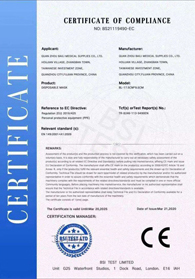
- Certifications: Does the equipment meet relevant international standards (e.g., CE for Europe, UL for North America, or other regional safety/hygiene standards)?
3. Understand the Total Cost of Ownership:
- Initial purchase price
- Installation and commissioning costs
- Training costs
- Energy consumption
- Maintenance and spare parts
- Downtime costs (factor in reliability)
Consider that the global processed meat market, which heavily influences seafood processing technology, is projected to reach USD 1,253.77 billion by 2034. This expansion indicates significant investment in processing infrastructure, and choosing the right equipment partner is key to capitalizing on this growth.
4. Request Demonstrations and References:
Don't hesitate to ask for video demonstrations or, if feasible, references from existing clients in your industry. Seeing the machine in action or hearing from a peer can be incredibly insightful.
Investing in the right seafood machinery is a strategic decision that impacts your production efficiency, product quality, and market competitiveness for years to come.
Our Manufacturing Edge: Hebei Yuanchang's Commitment
At Hebei Yuanchang, we bring over four decades of dedicated experience (since 1986) in designing and manufacturing food processing equipment. While our roots are in meat processing machinery, the precision engineering, robust construction, and understanding of hygiene principles we've honed are directly transferable and highly beneficial to seafood processing applications.
Our facility, covering approximately 14,000 square meters and employing 80-100 skilled professionals, is equipped to handle R&D, production, and sales integration. We don't just assemble; we engineer and manufacture. Our in-house machining workshop boasts over 20 sets of advanced processing machinery, including lathes, milling machines, high-precision grinders, boring machines, and wire cutting equipment.
The strategic investment in 8 sets of Japanese Mazak CNC machining centers in 2012 was a game-changer. It allows us to produce components with exceptional precision, meeting large volume, high-standard, and non-standard specification requirements. This capability means we can independently produce high-precision parts, guaranteeing consistent quality and enabling worry-free after-sales service.
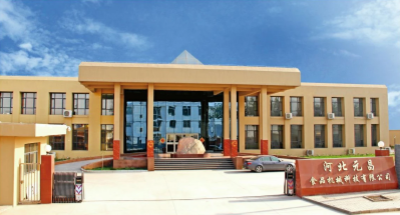
Our state-of-the-art manufacturing facility in Shijiazhuang.
We understand that reliability is non-negotiable in industrial processing. Our commitment to quality extends from material sourcing and component fabrication to final assembly and rigorous testing. This dedication ensures that when you choose Hebei Yuanchang, you are investing in equipment built for longevity, efficiency, and performance in demanding international markets. Our traceable after-sales management system further underscores our commitment to your long-term satisfaction.
Certifications we adhere to and can often facilitate include:



What Our Partners Say
Real feedback from businesses that have partnered with us. We believe in transparency and building lasting relationships based on trust and performance.

Procurement Manager, OceanFresh Foods (USA)
"We were looking to upgrade our shrimp patty forming line. The team at Hebei Yuanchang not only understood our technical requirements but also proposed a modified molding solution that significantly reduced product deformation and waste. Their attention to detail during manufacturing and the subsequent installation support were top-notch. We've seen a noticeable improvement in product consistency."

Operations Director, Pacific Catch Co. (Japan)
"Our primary need was for more efficient seafood sausage production. Hebei Yuanchang's expertise in meat stuffers proved invaluable. They adapted their filling machine with specific tooling for our delicate fish mixture. The machine operates reliably, and the consistent diameter and fill weight have streamlined our packaging process. Their after-sales support has been responsive."

Factory Manager, Nile Fish Processors (Egypt)
"We operate a large-scale processing plant and needed reliable auxiliary equipment for our fish paste products. The grinding and mixing machines from Yuanchang are robust and easy to operate. They have significantly increased our batch processing speed while ensuring a fine, uniform texture. Considering the challenging environment, their equipment's durability is impressive."
Frequently Asked Questions
- Q: Can your meat processing machines be used for seafood?
- A: Yes, absolutely. While our primary expertise is in meat processing, the core technologies—filling, molding, mixing, massaging (for texture/marination), and precise cutting—are highly applicable to many seafood products. We often adapt our designs, materials, and tooling to meet the specific requirements of fish and shellfish processing.
- Q: What is the typical lead time for a new machine?
- A: Lead times can vary depending on the complexity of the machine and our current production schedule. Typically, standard machines can range from 4 to 8 weeks. Custom-engineered solutions may require longer. We will provide a precise estimate upon order confirmation.
- Q: How do you handle international shipping and customs for seafood machinery?
- A: We have extensive experience exporting globally. We work with reliable freight forwarders, ensure proper packaging for transit (often including protective coatings and robust crating for machines), and provide all necessary documentation for customs clearance. We can ship FOB, CIF, or manage door-to-door logistics based on your preference. Container optimization is always a consideration to manage freight costs.
- Q: What kind of warranty do you offer?
- A: We offer a standard one-year warranty on manufacturing defects for our equipment. We also provide options for extended service agreements and ensure readily available spare parts to minimize any potential downtime. Our traceable after-sales management system means we track every service interaction.
- Q: Do you offer installation and training services?
- A: Yes. We can provide on-site installation supervision and comprehensive operator training to ensure you get the most out of your new machinery from day one. This service is often recommended to optimize setup and ensure proper operation.
Ready to Elevate Your Seafood Processing?
Don't let outdated or inefficient equipment hold your business back. Invest in reliability, quality, and efficiency with Hebei Yuanchang's advanced processing solutions.
Contact Us:
Phone: +86 15830991513 | Email: ycmeatmech@gmail.com | Address: Shijiazhuang, Hebei Province, China