Processed Seafood And Seafood Processing Equipment Market
Revolutionizing Seafood Processing: Advanced Equipment & Market Insights for Global Suppliers
Navigating the complexities of the modern seafood processing industry requires precision, efficiency, and the right technology. From initial handling to final packaging, your equipment dictates product quality, safety, and your market competitiveness.
The Evolving Landscape: Processed Seafood & Equipment Market Dynamics
The global demand for processed seafood is on a significant upward trajectory, fueled by evolving consumer preferences for convenience, longer shelf-life products, and an increasing awareness of the nutritional benefits of fish and shellfish. This surge isn't just about raw materials; it's about the sophisticated machinery and technology that transform these delicate catches into high-quality, market-ready goods. We're seeing a consistent expansion in the global meat processing equipment market, which, by extension, includes the specialized needs of the seafood sector. Market reports indicate a projected growth from approximately USD 11.2 billion in 2025 to over USD 17 billion by 2034, with a Compound Annual Growth Rate (CAGR) of around 5%. This steady increase highlights a robust demand for innovation and efficiency in how seafood is handled and processed.
Key drivers behind this expansion are multifaceted. Firstly, the rising global population and urbanization are pushing demand for convenient, ready-to-eat, or easily prepared food options. Processed seafood, from pre-marinated fillets to smoked varieties and formed seafood products, fits perfectly into this consumer lifestyle. Secondly, advancements in food safety and hygiene standards worldwide necessitate advanced processing equipment that minimizes human contact and ensures consistent quality control. Compliance with international regulations is non-negotiable for any serious player in the export market. Furthermore, the need to reduce labor costs and address labor shortages in many developed economies is a major catalyst for automation. Modern processing lines that integrate high-precision equipment can significantly improve throughput and reduce reliance on manual labor, thereby enhancing operational efficiency.
The Asia-Pacific region, in particular, is emerging as a significant growth engine. This is attributed to increasing disposable incomes, a growing middle class with a taste for diverse protein sources, and the ongoing industrialization of food processing facilities. As these markets mature, the demand for both basic and advanced seafood processing machinery, including filling, molding, and ripening (massaging) equipment, will undoubtedly escalate. We also observe strong trends in the processed meat market, which has reached significant valuations and continues to grow, driving parallel investments in equipment that can handle similar delicate protein structures – like seafood. Reports suggest this market could reach upwards of USD 1.2 trillion by 2034, underscoring the broader shift towards value-added protein products.
For equipment manufacturers and processors alike, understanding these market dynamics is crucial. The emphasis is shifting from simple machinery to integrated solutions that offer automation, precision, energy efficiency, and robust data logging capabilities for traceability. The North America meat, poultry, and seafood processing equipment market, for instance, is seeing substantial growth, driven by the need for advanced solutions in cutting, tenderizing, filling, and ripening processes. This interconnectedness of market trends – from meat to poultry and seafood – shows a universal drive towards optimizing protein processing. For example, the global food processing equipment market, encompassing all categories, is projected to reach over USD 129 billion by 2036, with the meat segment playing a substantial role.
As a supplier of high-quality processing equipment, Hebei Yuanchang Food Mechanism & Technology Co., Ltd. has been at the forefront of meeting these evolving demands for over 40 years. Our expertise, honed since 1986, spans the entire spectrum of food processing machinery, with a deep understanding of the specific challenges and opportunities within the seafood sector. We recognize that successful seafood processing hinges on selecting the right equipment for pretreatment, filling, molding, and ripening – ensuring consistency, safety, and optimal yield. The drive towards value-added products, including reconstituted and formed seafood, further amplifies the need for precise molding and filling technologies. This market segment alone is experiencing remarkable growth, projected to reach USD 36 billion by 2035, driven by innovative product development.



Essential Equipment for High-Quality Seafood Processing
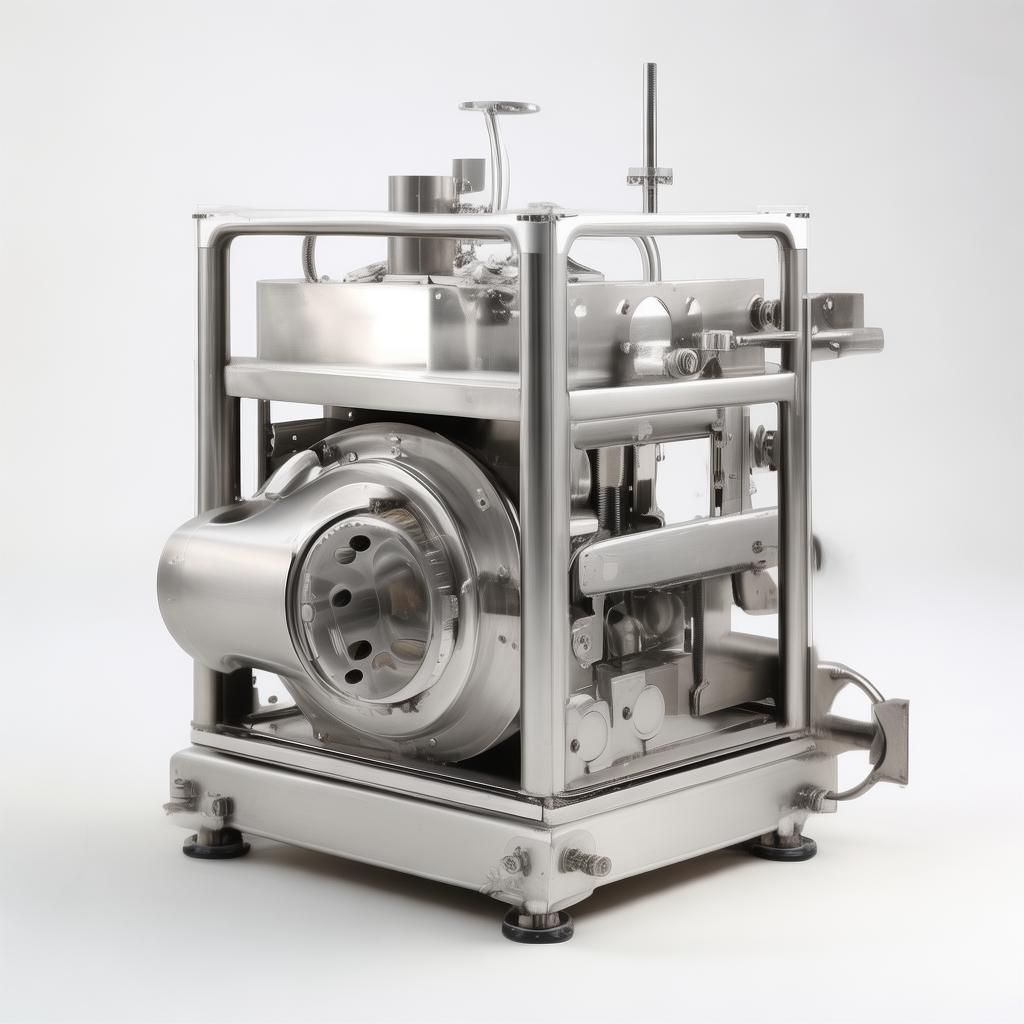
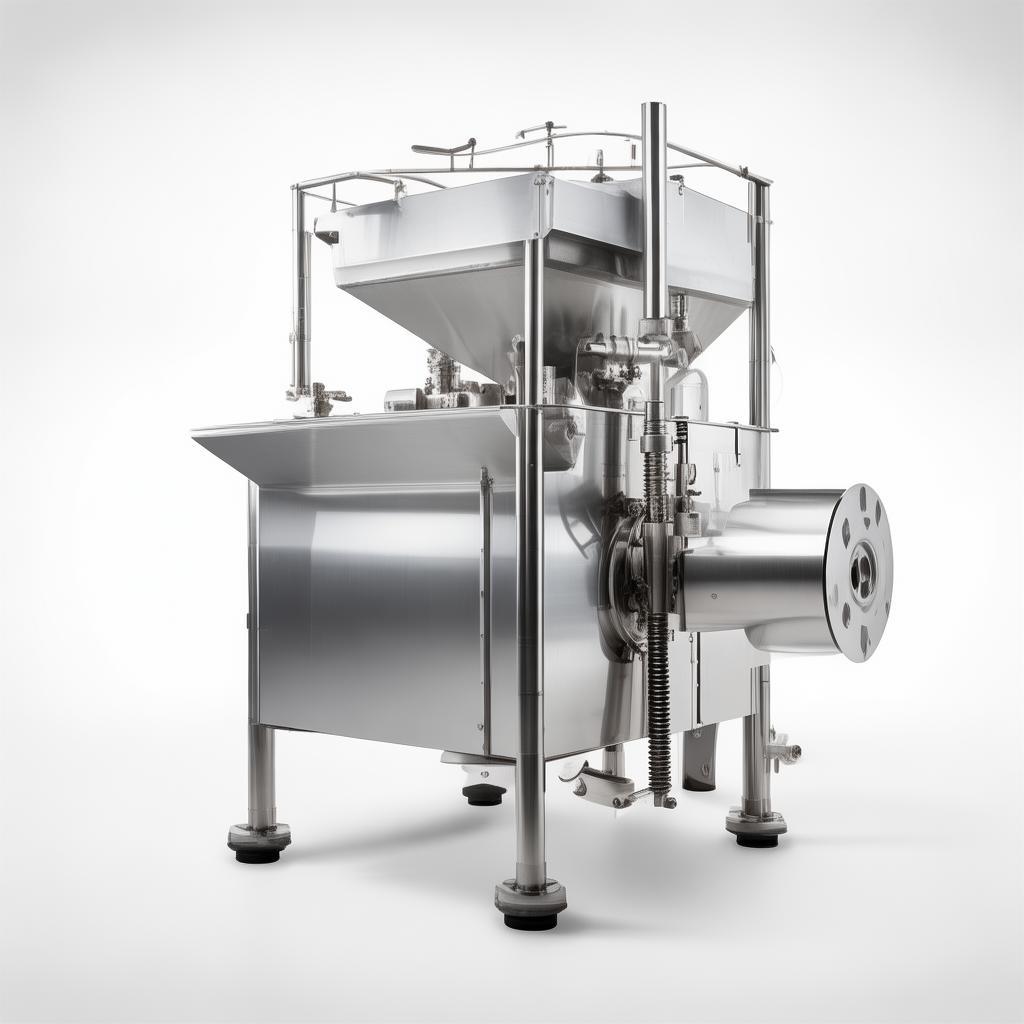
Effectively processing seafood requires specialized machinery designed to handle delicate textures and maintain strict hygiene standards. At Hebei Yuanchang, we provide a range of equipment that addresses the critical stages of seafood preparation, forming, and enhancement. Our focus is on delivering solutions that improve yield, product consistency, and operational efficiency for our global clients.
Pretreatment Machinery
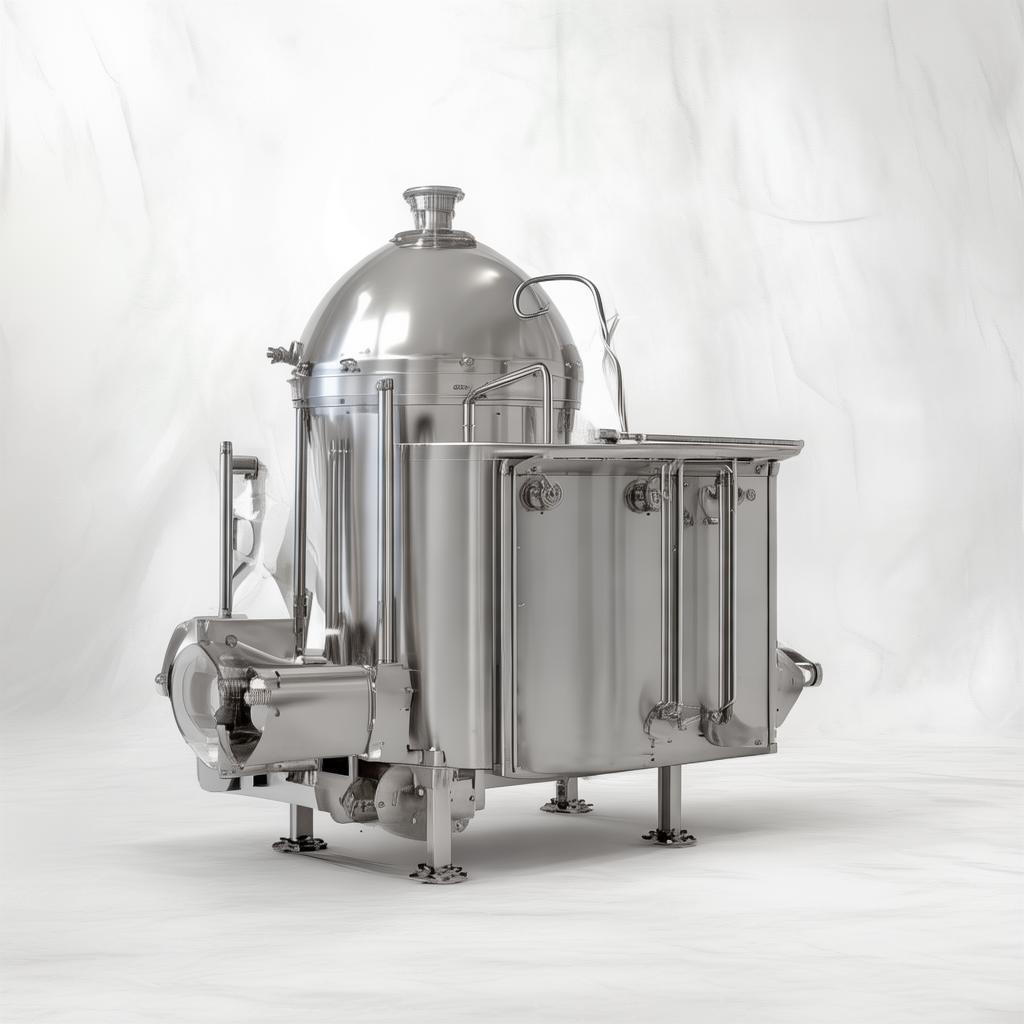
This stage is crucial for preparing raw seafood for further processing. Equipment includes advanced washers, graders, and initial portioning devices. For certain products, initial tenderizing or pre-cutting equipment might be necessary to achieve the desired texture or size before molding.
Filling & Molding Equipment
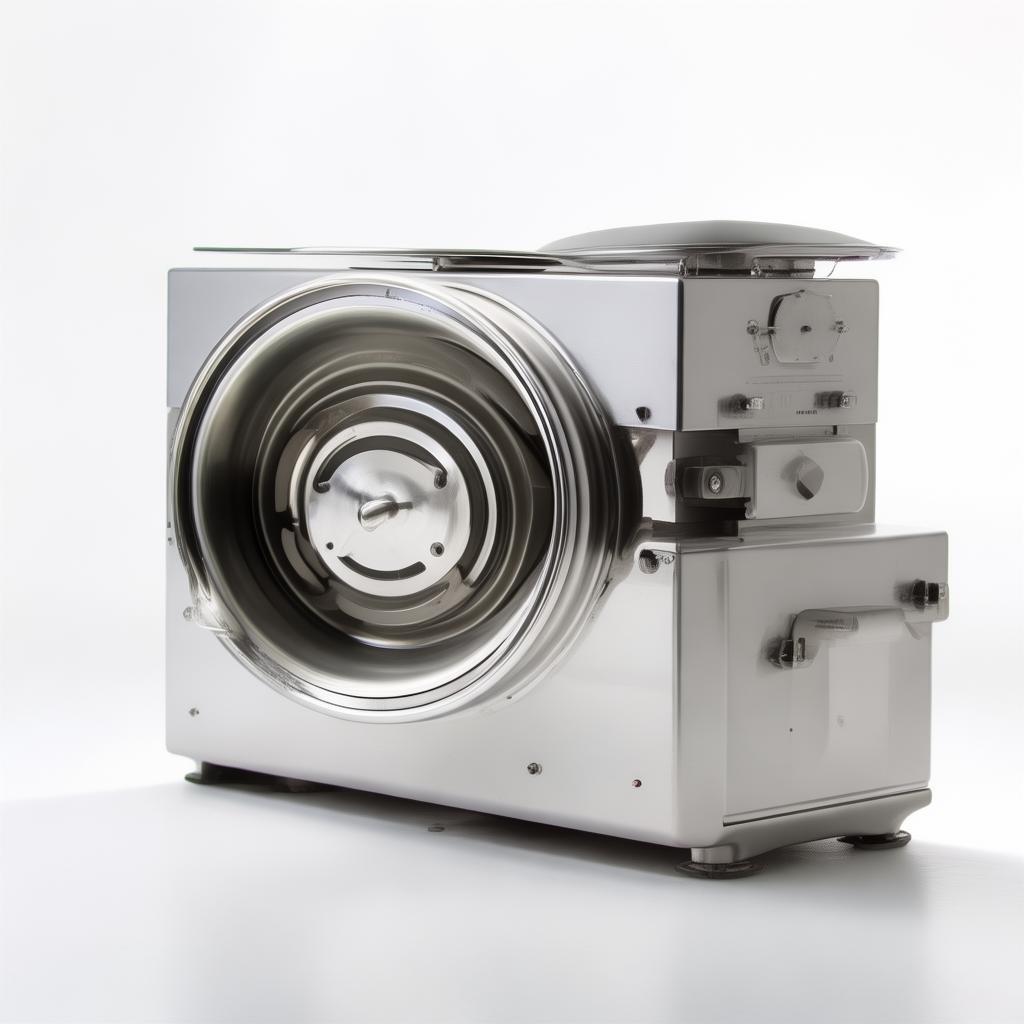
The heart of producing value-added seafood products like patties, nuggets, and formed fillets. Our filling and molding machines are designed for precision, allowing for consistent weight, shape, and density. We offer solutions for a wide range of viscosities and product types, ensuring minimal product damage.
Ripening & Massaging Systems
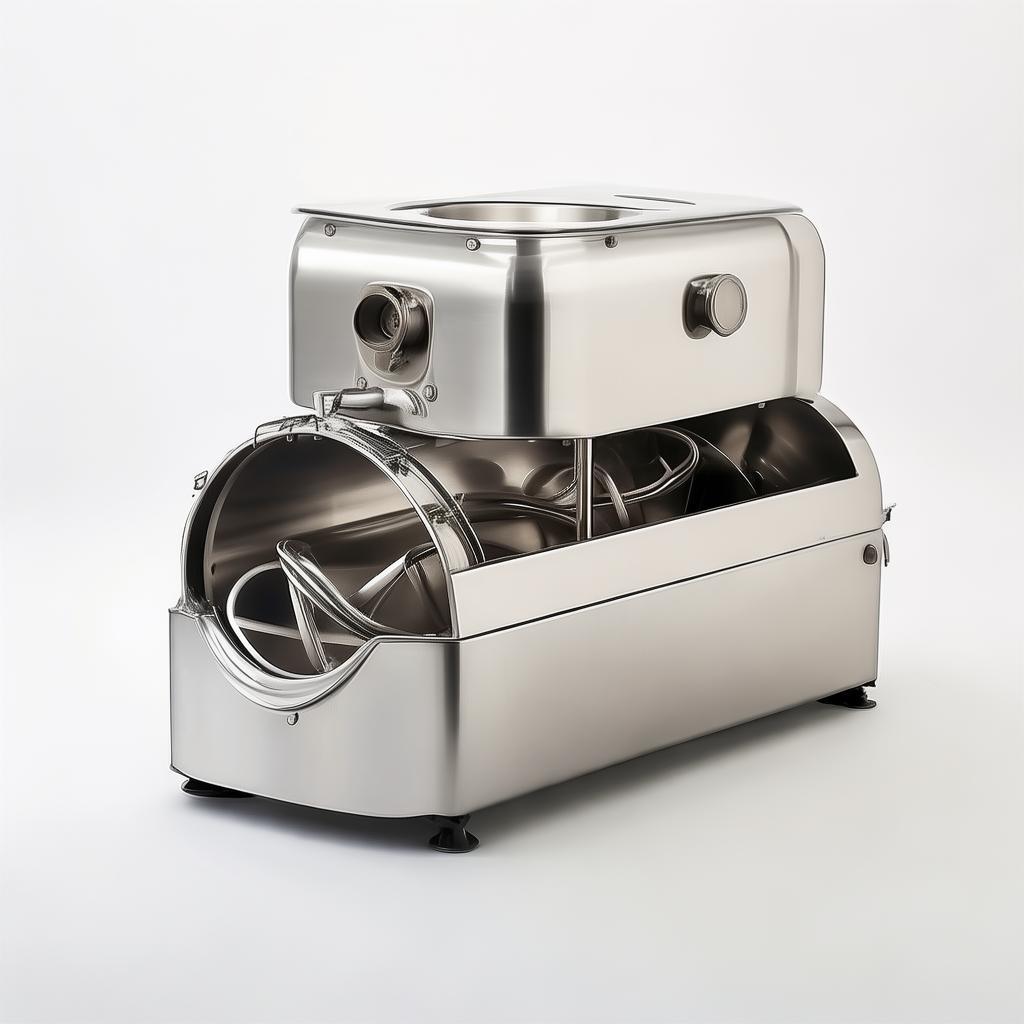
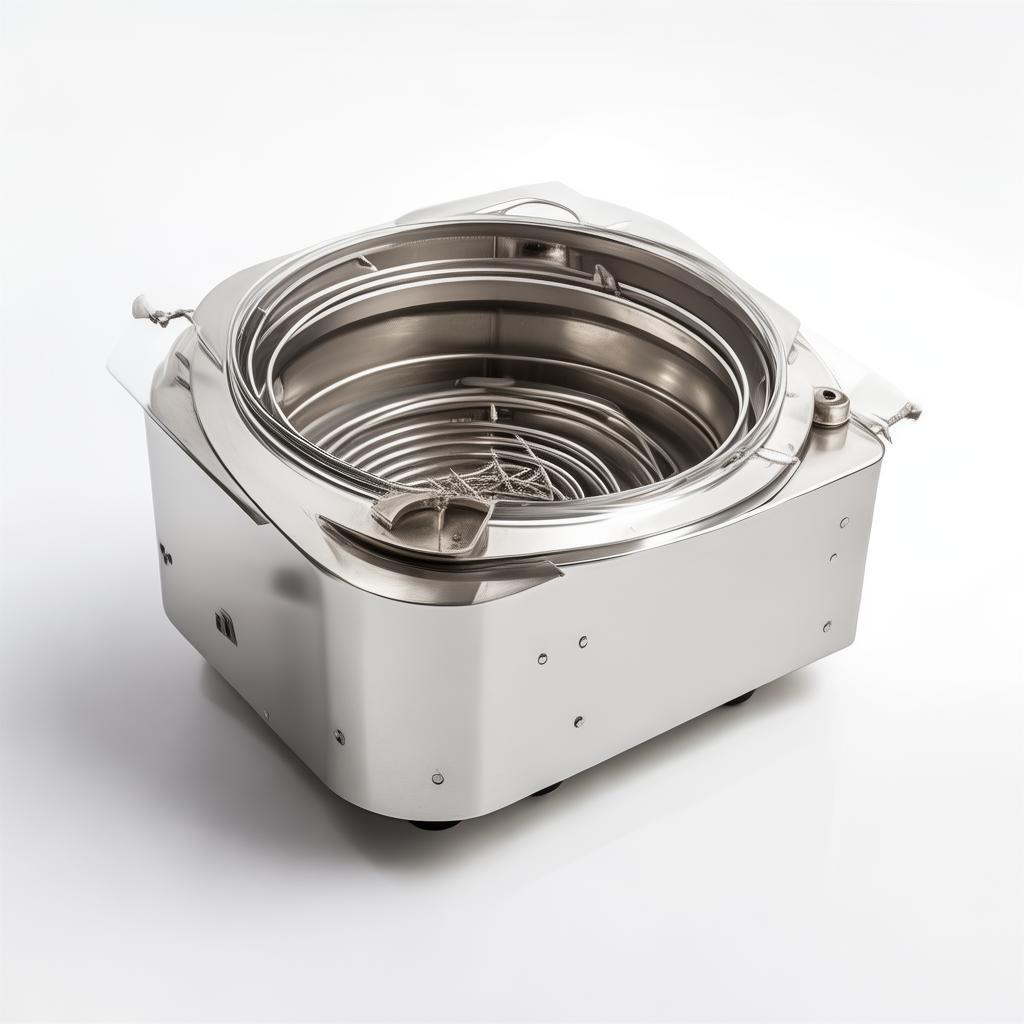
Essential for enhancing texture, flavor, and moisture retention in certain processed seafood items, akin to meat processing. Our massaging equipment gently tumbles ingredients, allowing marinades to penetrate effectively and promoting a tender final product. This is critical for products like smoked salmon or marinated shrimp.
Auxiliary & Packaging Equipment
This category includes smoking ovens, cutting machines, and high-efficiency packaging solutions that ensure product integrity and extend shelf life. Efficient auxiliary items are vital for completing the production line and meeting market demands for presentation and preservation.
When it comes to seafood, the sensitivity of the raw material requires machinery that is not only robust but also incredibly precise. For example, the filling & stuffing machines and massaging systems for ripening are highlighted as high-growth areas in market reports, supporting consistent product quality and food safety compliance – principles that are paramount in seafood.
Key Operational Advantages of Modern Processing Equipment
Investing in advanced seafood processing equipment is more than just an upgrade; it's a strategic move that delivers tangible operational benefits. For procurement managers and operations directors, understanding these advantages translates directly into improved profitability and market positioning.
- Enhanced Product Consistency & Quality: Precise control over parameters like filling weight, molding pressure, and massaging time ensures that every batch meets strict specifications. This is invaluable for brand reputation and customer satisfaction, especially in export markets where quality is paramount.
- Improved Yield & Reduced Waste: Advanced machinery minimizes product damage and optimizes material utilization. For delicate seafood, this means less breakdown and more sellable product from every pound of raw material. It directly impacts your cost of goods sold.
- Increased Throughput & Efficiency: Automation and optimized workflow reduce processing times, allowing you to handle larger volumes and meet surging market demands. This directly addresses the need for efficiency driven by automation adoption in the industry.
- Superior Hygiene & Food Safety Compliance: Modern designs feature easy-to-clean surfaces, hygienic materials (like stainless steel), and minimize hard-to-reach areas, drastically reducing the risk of contamination. This is critical for meeting stringent international food safety standards like HACCP, ISO 22000, or FDA regulations.
- Reduced Labor Costs & Operational Strain: Automation significantly reduces the need for manual intervention, alleviating pressure from labor shortages and lowering overall labor expenditure. This also leads to a safer working environment for your employees.
- Versatility & Adaptability: Many of our machines can be configured for a variety of seafood products and processing tasks, offering flexibility to adapt to changing market trends and product lines without requiring entirely new capital investments.
The drive for automation and hygiene compliance is consistently cited as a primary trend across multiple market reports. For instance, the meat and poultry processing equipment market, which closely parallels seafood in many technological aspects, is expected to reach USD 30.5 billion by 2035, underscoring the industry-wide investment in these areas.
Procurement Insight: When evaluating equipment, consider not just the upfront cost, but the total cost of ownership, including energy consumption, maintenance, spare parts availability, and potential throughput increases. An efficient machine often pays for itself through reduced waste and labor savings.
A Buyer's Guide: Selecting the Right Seafood Processing Equipment
Sourcing the right processing equipment is a critical decision for any seafood business aiming for international competitiveness. It's not just about buying a machine; it's about finding a partner that understands your operational needs and can deliver reliable, high-performance solutions.
Define Your Production Needs
Clearly identify the types of seafood products you intend to process (e.g., fillets, patties, smoked products, marinated items). This will dictate the specific machinery required—whether it's precise molding for uniform patties or gentle massaging for delicate marinated fish.
Evaluate Technical Specifications
Look for detailed specifications: capacity (kg/hour or pieces/minute), power requirements, dimensions, materials of construction (food-grade stainless steel is standard), ease of cleaning, and control system features (e.g., PLC control, digital displays).
Consider Automation Level & Integration
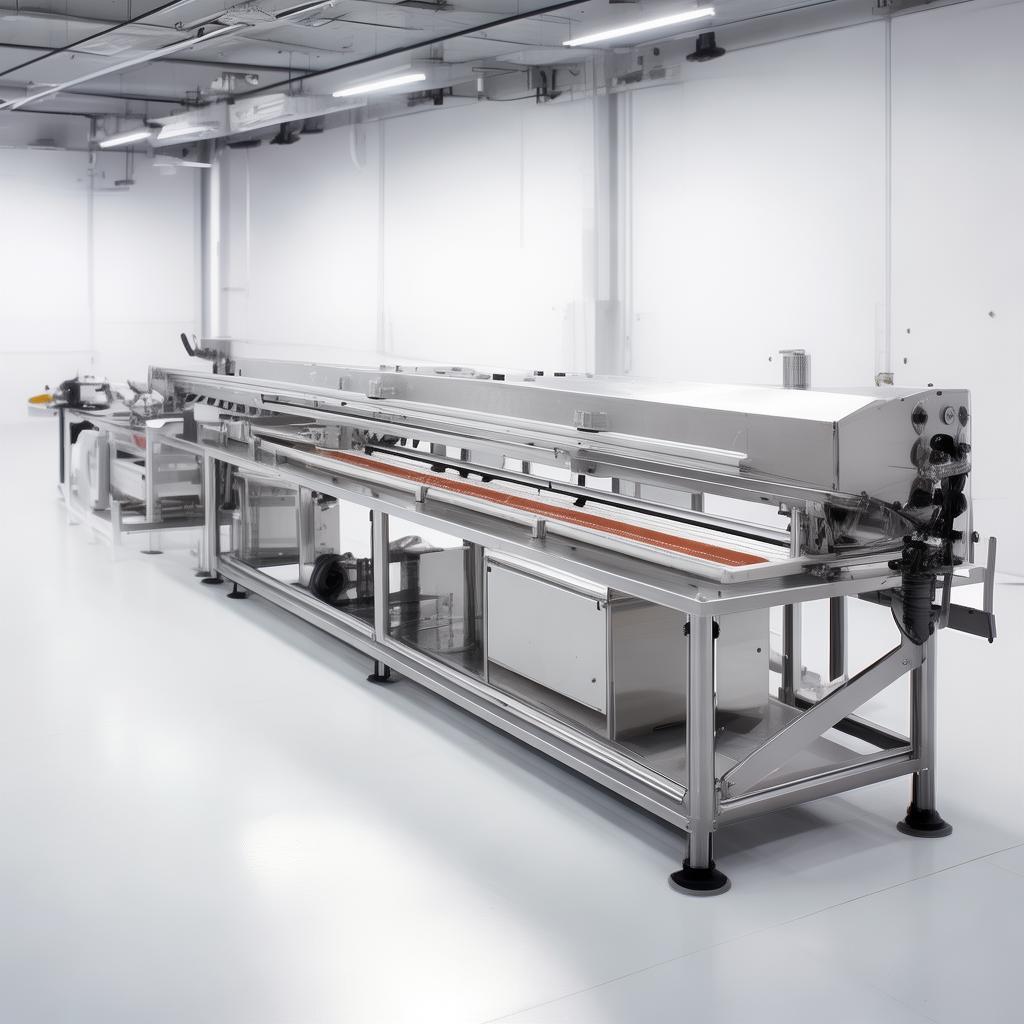
Do you need a standalone machine or a fully integrated line? Automation reduces manual labor and improves consistency, aligning with industry trends. Ensure the equipment can integrate smoothly with your existing or planned setup.
Assess Supplier Reliability & Support
This is paramount. Look for manufacturers with a proven track record, strong export experience, and readily available after-sales support, including spare parts and technical assistance. 40 years of experience like ours, coupled with advanced CNC capabilities for precision parts, offers significant peace of mind.
Beyond the Machine: Essential Considerations
- Installation & Commissioning: Factor in the logistics and cost of getting the equipment installed and running. Does the supplier offer this service? For large-scale operations, this can be a significant undertaking.
- Maintenance & Longevity: Understand the recommended maintenance schedule. High-quality construction and readily available spare parts (like those we can independently produce with our CNC centers) ensure a longer operational lifespan and minimize downtime.
- Customization (OEM/ODM): Many processors have unique requirements. A reputable supplier should offer OEM/ODM services to tailor machines to your specific needs, whether it's a custom mold size or integration with proprietary systems.
- Logistics & Shipping: For international buyers, understanding shipping costs, lead times, customs documentation, and packaging for transit is essential. We have extensive experience in managing international shipments efficiently.
The global meat processing equipment market reports consistently emphasize the importance of automation and the demand for specialized filling and molding equipment. These are principles directly applicable to seafood processing, where precision and hygiene are paramount. We are committed to providing not just machines, but complete solutions that align with these industry-wide advancements.
Hebei Yuanchang: Your Partner in Precision Food Processing
At Hebei Yuanchang Food Mechanism & Technology Co., Ltd., our 40 years of experience since 1986 are the bedrock of our commitment to quality and innovation. We are not just equipment suppliers; we are manufacturing specialists who understand the intricate demands of industrial food processing, including the delicate nature of seafood.
Extensive Experience
Since 1986, we've accumulated deep practical knowledge across complete production lines, ensuring our equipment is built on a foundation of real-world operational understanding.
Advanced Manufacturing
Our 14,000 sq meter facility houses over 20 sets of processing machinery. Crucially, since 2012, we've invested in 8 Japanese Mazak CNC machining centers, enabling the production of high-precision, non-standard components with exceptional accuracy.
In-House Component Production
This CNC capability allows us to manufacture high-precision parts independently. This means faster turnaround for custom components and reliable, traceable after-sales service – a significant advantage for international clients concerned about long lead times.
Dedicated R&D and Sales Team
With 80-100 dedicated employees, we integrate R&D, production, and sales, ensuring a streamlined process from concept to delivery and responsive support for your inquiries.
Our commitment to precision manufacturing, exemplified by our use of Japanese Mazak CNC machining centers, ensures that components requiring large volumes, high precision, and non-standard specifications are produced to the highest standards. This capability is crucial for delivering equipment that performs reliably in demanding industrial environments, whether for meat or seafood processing.
Quality Assurance: Certifications & Industry Standards
Adherence to international standards is non-negotiable in the global food processing industry, particularly for export markets. We ensure our equipment meets stringent quality and safety benchmarks.

ISO 9001 Compliant
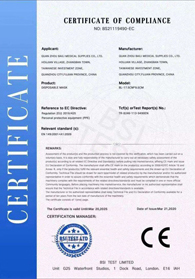
CE Marked

FDA Compliant Materials

RoHS Compliant
Our commitment to quality extends to using food-grade stainless steel and materials that comply with international health and safety regulations, ensuring your processed seafood is safe for consumption and meets the expectations of discerning global markets.
Frequently Asked Questions
Q1: What is the typical lead time for a standard filling and molding machine?
Lead times can vary based on current production schedules and customization requirements. Generally, for a standard machine, expect a lead time of 60-90 days from order confirmation. Complex custom orders may require additional time. We provide an estimated delivery timeline upon order placement.
Q2: Can your equipment handle different types of seafood, like fish fillets and shrimp?
Yes, our machines are designed for versatility. For example, our filling and molding equipment can be fitted with different molds and adjusted for various product consistencies. We offer technical consultation to ensure the machine is configured for your specific seafood types and desired final product forms.
seafood processing equipment manufacturers seafood machinery commercial fish processing equipment
Q3: What kind of after-sales support do you provide for international clients?
We offer comprehensive after-sales support, including installation guidance, operator training (often remote or on-site where feasible), and readily available spare parts. Our in-house precision machining allows us to produce critical components quickly, minimizing your downtime. We also provide remote diagnostics and troubleshooting.
Q4: How do your machines ensure hygiene and compliance with food safety standards?
Our equipment is constructed with food-grade stainless steel (e.g., SUS304), designed with smooth surfaces, minimal crevices, and easy disassembly for thorough cleaning. They are built to facilitate compliance with HACCP and other international food safety protocols, crucial for exporting processed seafood.
Q5: Can you provide solutions for both small-scale operations and large industrial plants?
Absolutely. We offer a range of equipment from compact units suitable for smaller processors or R&D, up to fully automated production lines designed for high-volume industrial output. Our ability to produce custom components also means we can scale solutions to fit diverse operational capacities.
What Our Clients Say
"We implemented Yuanchang's molding machine for our salmon patties last year. The consistency in weight and shape has been exceptional, significantly reducing customer complaints about product variation. The uptime has been excellent, and their after-sales support has been responsive."

"The massaging equipment we received has drastically improved the marination process for our smoked mackerel. The penetration is more even, and the texture is noticeably tender. We've seen a direct improvement in product quality and customer feedback since installation."

"We needed a customized filling solution for our shrimp-based products. Yuanchang's engineering team worked closely with us, delivering a machine that perfectly integrated into our line and met our specific output requirements. Their technical expertise and willingness to adapt were impressive."

Direct Communication & Support
Our commitment to clear, efficient communication ensures you get the information and support you need, when you need it.

Quick inquiry about product specifications.

Discussion on OEM capabilities.

Logistics and shipping query response.
Ready to Enhance Your Seafood Processing Operations?
Partner with a proven leader in industrial food processing technology. Let our 40 years of expertise work for you.