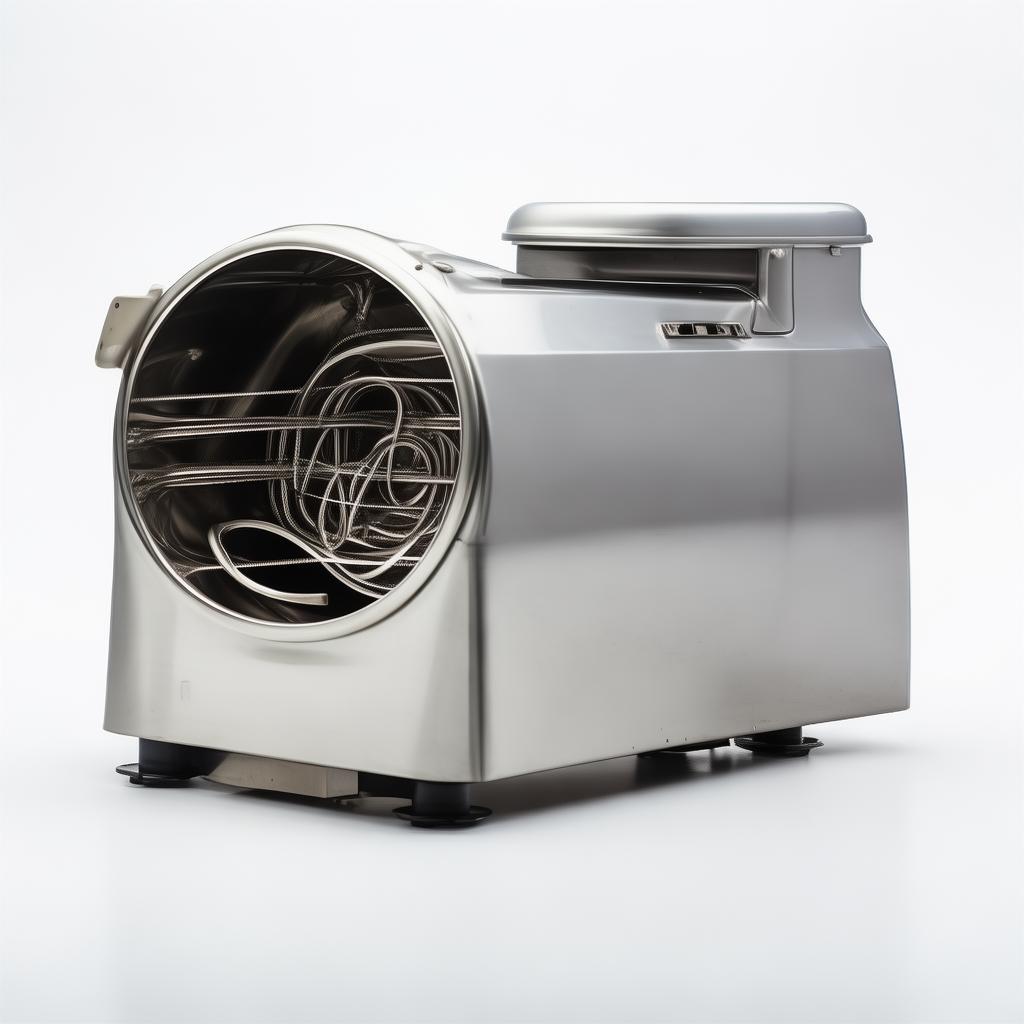
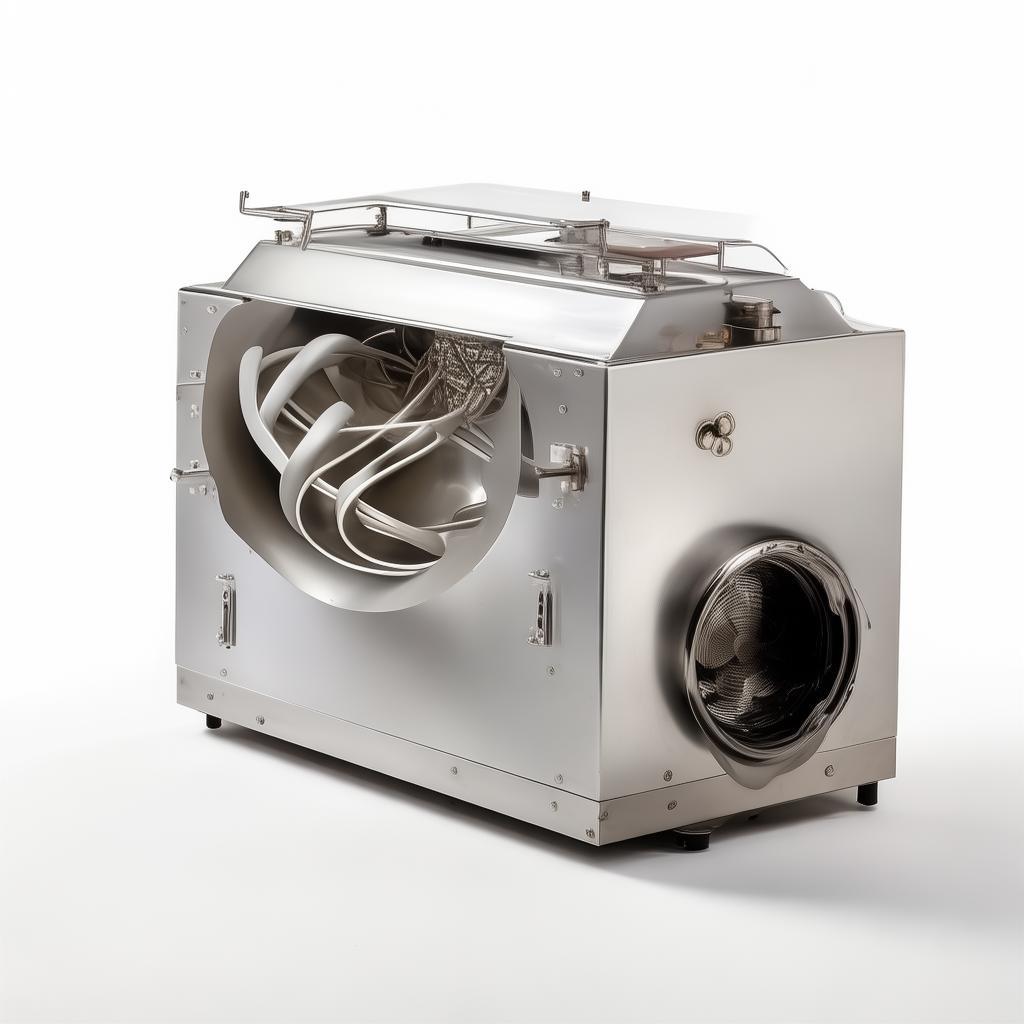
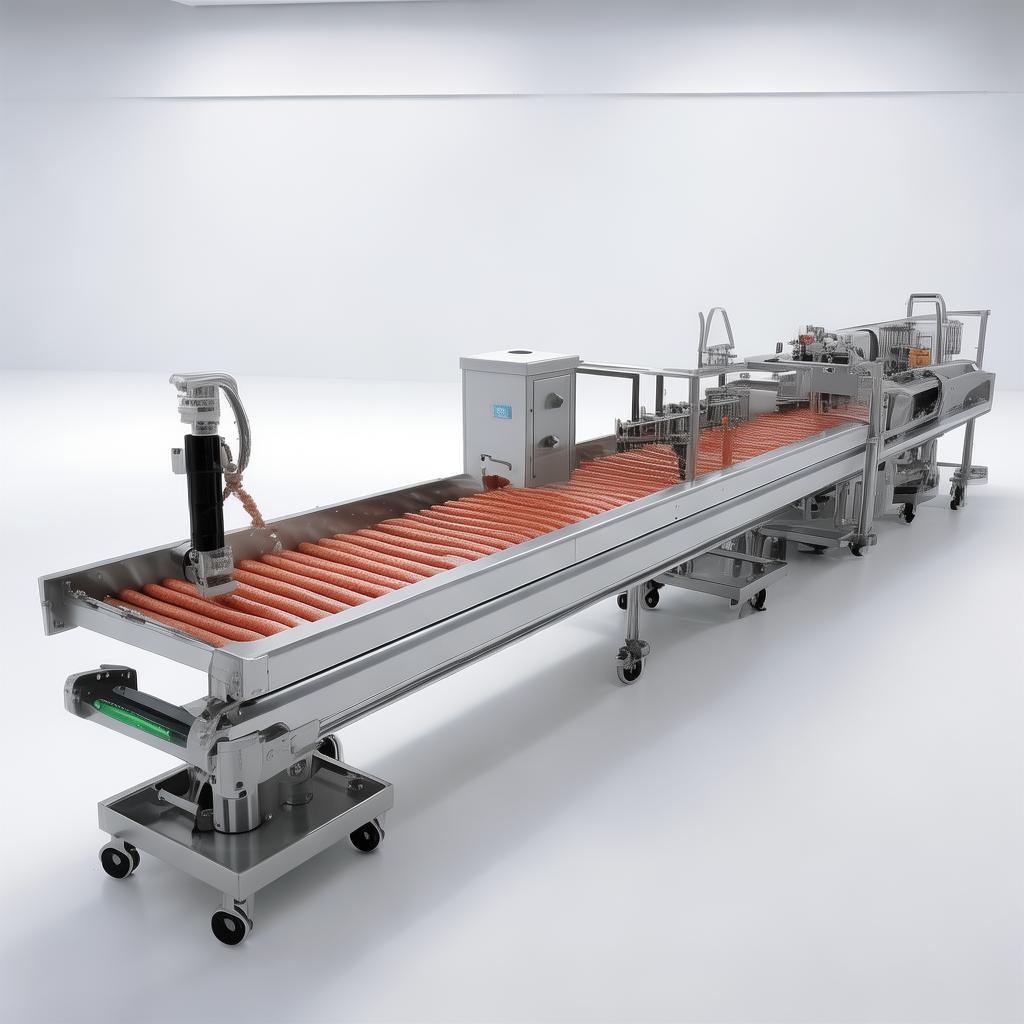
Rotary Vane Vacuum Pump
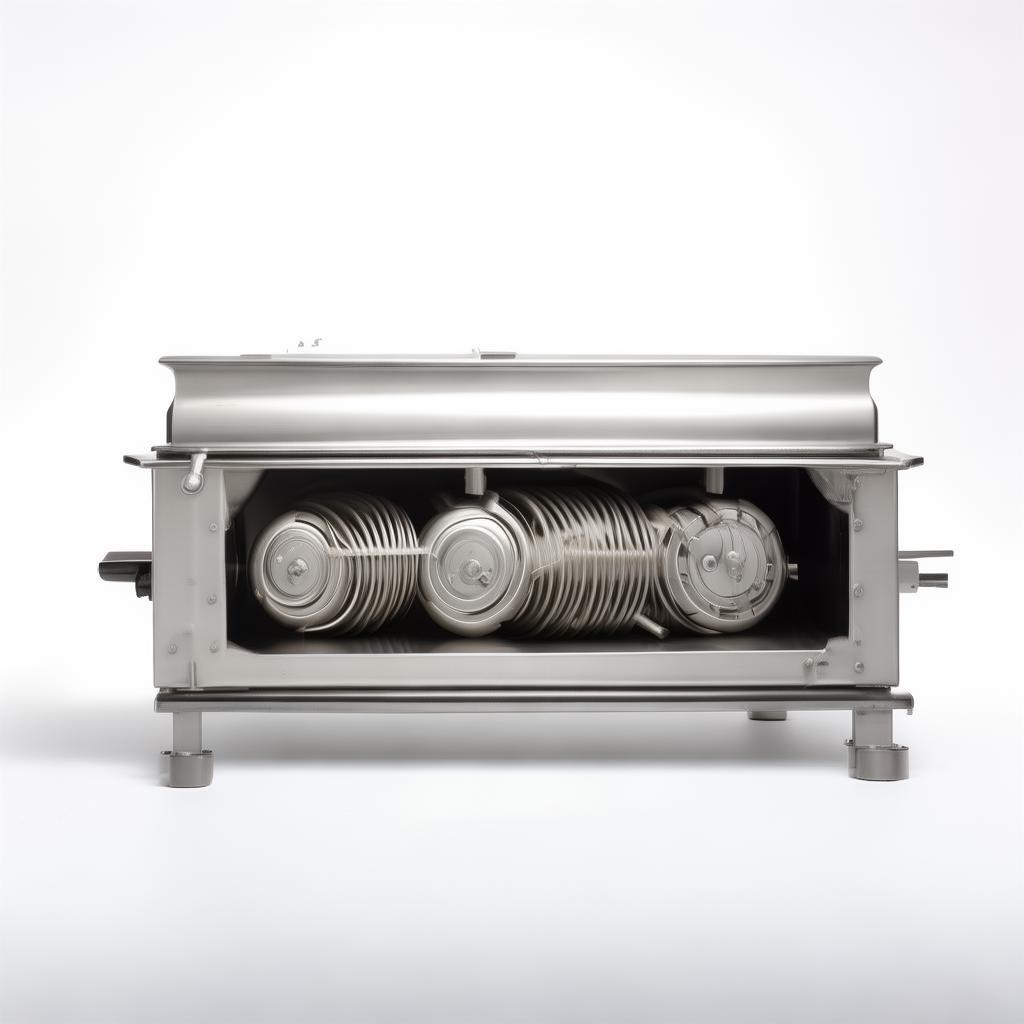
Rotary Vane Vacuum Pumps: The Workhorse of Industrial Vacuum Applications
Expert insights on selection, application, and supply chain for high-performance vacuum solutions.
 By: Alex Chen, Senior Industrial Systems Engineer
Understanding Rotary Vane Vacuum Pumps
In the complex world of industrial processing, maintaining consistent and reliable vacuum levels isn't just a feature—it's a fundamental requirement for efficiency, product quality, and operational safety. Among the myriad of vacuum generation technologies, the rotary vane vacuum pump stands out as a particularly robust and versatile solution, often the unsung hero in applications ranging from intricate electronics manufacturing to heavy-duty material handling and packaging. For decades, these pumps have been the go-to choice for engineers and procurement specialists alike, prized for their straightforward design, dependable performance, and the ability to achieve deep vacuum levels critical for many demanding processes.
The global market for meat processing equipment, a sector where precise vacuum control is paramount for product integrity and shelf-life, illustrates the broad utility of such technologies. Reports consistently highlight significant market growth, with projections suggesting the global meat processing equipment market will surpass $17 billion by 2034 according to Fortune Business Insights, growing at a CAGR of around 5.0%. This expansion is fueled by rising demand for processed meats, the critical need for automation to ensure hygiene and efficiency, and stringent food safety regulations. Within this landscape, equipment like filling, molding, and ripening machines all rely heavily on consistent vacuum, making pumps a foundational component. Similar dynamics are observed across industries such as aerospace for component testing, medical device manufacturing for sterilization and packaging, and even in the woodworking industry for clamping and lifting.
Choosing the right vacuum pump is a decision that impacts everything from production output to energy consumption and maintenance schedules. A rotary vane pump, in essence, operates by trapping a volume of gas within a sealed chamber and then reducing its volume, thereby increasing pressure and expelling it. This mechanical action, facilitated by precisely engineered vanes rotating within a housing, provides a continuous and smooth vacuum. They are particularly adept at handling a wide range of pressures, from rough vacuum down to the medium vacuum range, making them ideal for applications where a consistent, oil-sealed or oil-free vacuum is necessary. The technology, while mature, continues to evolve, with manufacturers like Hebei Yuanchang focusing on enhancing durability, energy efficiency, and reducing maintenance intervals to meet the ever-increasing demands of global industrial operations.
The operational nuances of these pumps mean they require careful consideration during the selection phase. Factors such as the required ultimate pressure, the gas load (volume of gas to be removed per unit time), the type of gas being handled (corrosive, flammable, or particulate-laden), and the environmental conditions play a crucial role. For instance, in applications involving solvent vapors or corrosive gases, specialized pump designs with appropriate seals and oil types are absolutely essential to prevent premature wear and ensure safety. The Hebei Yuanchang Food Mechanism & Technology Co., Ltd., with its extensive 40 years of experience since 1986, understands these critical distinctions. Our specialization, while rooted in food and meat processing machinery, has equipped us with a profound understanding of vacuum technology's universal application and the exacting standards required by international clients.
When procurement managers are evaluating vacuum pump options, they are typically looking for a balance between performance, reliability, cost of ownership, and supplier support. The rotary vane pump often hits this sweet spot. Its simple, direct mechanical principle means fewer complex control systems, translating to inherent reliability. Furthermore, the market size for meat processing equipment alone indicates a substantial need for vacuum solutions, with various reports projecting figures around USD 11-19 billion annually in recent years and steady growth ahead. This broad demand underscores the pump's widespread adoption and the established supply chains that support it. Our own capabilities, including an in-house machining workshop with over 20 sets of processing machinery and Japanese Mazak CNC machining centers, allow us to produce high-precision components essential for durable, high-performance vacuum pumps, ensuring that every unit leaving our facility meets rigorous international standards.
Selecting a rotary vane vacuum pump is often a pragmatic choice driven by proven performance. Unlike some newer technologies that might offer marginal gains in specific niches, rotary vane pumps provide a predictable and consistent vacuum across a broad operational spectrum. They are capable of achieving pressures down to 10-3 mbar or lower, depending on the design and oil type. This makes them suitable for a vast array of tasks including degassing, drying, material handling, pick-and-place systems, packaging, and numerous others where a stable, low-pressure environment is key. At Hebei Yuanchang, we leverage our deep manufacturing expertise to deliver pumps that are not only technically sound but also commercially viable, supported by a traceable after-sales management system that guarantees peace of mind for our international clientele. The integration of advanced components and rigorous quality control are cornerstones of our production philosophy, ensuring that your investment in our vacuum solutions translates directly into enhanced operational performance and reduced downtime.
Why Choose Rotary Vane? Key Advantages in Industrial Settings
When specifiers and buyers are scrutinizing vacuum pump technologies, the rotary vane pump consistently rises to the top for several compelling reasons. Its inherent design simplicity belies a powerful capability to generate reliable vacuum across a wide spectrum of industrial needs. This isn't just about theoretical performance; it's about practical, day-in, day-out operation in demanding environments.
- Proven Reliability: The core mechanism – rotating vanes in a cylinder – is mechanically straightforward. This minimizes potential points of failure compared to more complex systems. For operations where downtime is costly, this inherent robustness is invaluable.
- Deep Vacuum Attainment: Standard oil-sealed rotary vane pumps can achieve impressive vacuum levels, often down to 10-3 mbar. This is critical for applications like vacuum drying, degassing, and certain types of filtration where low pressures are paramount for process success.
- Versatility Across Gases: While care must be taken with aggressive media, these pumps can handle a variety of gases. The choice of pump oil is key here; different oils offer varying vapor pressures, lubrication properties, and resistance to chemical attack, allowing for customization to specific process gases.
- Continuous Operation: Designed for continuous duty, rotary vane pumps can operate for extended periods without overheating or performance degradation, provided they are correctly specified and maintained. This is a non-negotiable for many production lines.
- Cost-Effectiveness: For their performance capabilities, rotary vane pumps often present a highly competitive initial purchase price. When coupled with their expected longevity and reasonable maintenance costs, the total cost of ownership tends to be very favorable.
- Compact Footprint: Many models offer a good power-to-size ratio, meaning they can deliver substantial vacuum performance without requiring excessive space on the factory floor – a common constraint in established facilities.
- Established Support & Expertise: Due to their long history and widespread use, there is a deep well of knowledge and a mature supply chain for rotary vane pumps. This translates to readily available spare parts, servicing expertise, and a broad range of manufacturers and suppliers, like ourselves.
It’s worth noting that advancements in sealing technology and oil formulations have further enhanced the capabilities of rotary vane pumps, particularly in terms of oil-free operation (through specific designs like dry rotary vane pumps or pumps with advanced lubrication systems) and improved resistance to contamination. At Hebei Yuanchang, we integrate these modern advancements into our manufacturing process, ensuring our clients receive pumps that are not only robust but also incorporate the latest improvements for efficiency and longevity.
Technical Deep Dive: How They Work
The fundamental principle behind a rotary vane vacuum pump is surprisingly elegant. It’s a positive displacement mechanism, meaning it physically traps a volume of gas and reduces its volume, forcing it out. Let's break down the process:
The Core Components:
- Cylinder (Stator): A precisely machined housing that forms the outer chamber of the pump.
- Rotor: An off-center shaft rotating within the cylinder. This off-center mounting is crucial for creating varying volumes.
- Vanes: Typically two or more thin, spring-loaded blades that are fitted into slots in the rotor. These vanes slide in and out of the rotor slots.
- Inlet & Outlet Ports: Openings in the cylinder that connect to the vacuum system (inlet) and the exhaust (outlet).
- Pump Oil (for oil-sealed types): Crucial for lubrication, sealing internal clearances, and cooling.

Here’s how the cycle unfolds:
- Gas Intake: As the rotor turns, its off-center position causes the vanes to press outwards against the cylinder wall due to centrifugal force and spring loading. This creates a progressively expanding volume between the rotor, the cylinder wall, and the vanes, drawing gas in through the inlet port.
- Gas Compression: As the rotor continues to turn, the space between the rotor and the cylinder wall decreases on the opposite side of the inlet. The trapped gas is now compressed into a smaller volume.
- Gas Exhaust: Once compressed, the gas is pushed out through the outlet port. In oil-sealed pumps, the oil helps to seal the clearances between the vanes and the cylinder, and also acts as a lubricant and coolant.
- Continuous Cycle: This process repeats continuously as the rotor spins, drawing gas from the inlet and expelling it, thereby creating and maintaining the vacuum.
The type of pump oil used is critical for performance and longevity. Standard mineral oils are common, but for more demanding applications involving higher temperatures or specific chemical compatibility, synthetic oils, perfluoropolyether (PFPE) oils, or even specialized silicone oils may be specified. Our expertise at Hebei Yuanchang extends to advising on the appropriate oil selection based on your specific process media and operating conditions, ensuring optimal pump life and performance.
For applications requiring absolute oil-free operation – such as in food packaging, semiconductor manufacturing, or medical fields – dry rotary vane pumps are employed. These utilize materials like carbon graphite or PTFE for the vanes, which are self-lubricating and don't require oil in the pumping chamber. However, they typically operate at lower ultimate vacuum levels and may have shorter vane life compared to their oil-sealed counterparts, requiring careful application matching.
Where They Shine: Diverse Applications
The adaptability of rotary vane vacuum pumps makes them indispensable across a remarkable breadth of industries. Their ability to reliably achieve medium to deep vacuum levels, coupled with their robust construction, allows them to excel in tasks where precision, efficiency, and dependability are paramount.
Key Industry Sectors & Use Cases:
- Food & Beverage Processing: Vacuum packaging (MAP - Modified Atmosphere Packaging) to extend shelf life, vacuum degassing of liquids, filling and sealing operations, and even in some aspects of meat processing for deaeration. The processed meat market growth inherently drives demand for reliable auxiliary equipment like vacuum pumps.
- Packaging: Forming trays, sealing bags, and creating vacuum environments for sensitive products.
- Medical & Pharmaceutical: Vacuum drying of pharmaceuticals, sterilization processes (autoclaves), vacuum filtration, and packaging of medical devices. Oil-free variants are often preferred here.
- Woodworking & Furniture: Vacuum clamping systems for holding workpieces securely during machining or assembly, vacuum lifting for handling large panels.
- Aerospace & Automotive: Vacuum impregnation for casting porosity sealing, testing components under vacuum, degassing composite materials, and in vacuum coating processes.
- Printing: Holding paper flat and stable on printing beds.
- Laboratory: A wide range of applications including vacuum ovens, freeze dryers (lyophilizers), filtration, and rotary evaporators.
- Material Handling: Vacuum grippers for pick-and-place operations in automated systems.
- General Manufacturing: Degassing of resins and epoxies, vacuum forming of plastics.
The critical role these pumps play is often underscored when looking at industry trends. For instance, the meat and poultry processing equipment market is projected to reach USD 30.5 billion by 2035. Within this, the demand for automation and hygiene directly translates to a need for reliable vacuum solutions in packaging and forming processes. Similarly, the expanding processed meat market, valued at over USD 750 billion in 2026, relies heavily on vacuum technologies for product quality and preservation.
Choosing the correct pump for the application is vital. An undersized pump will struggle to meet vacuum requirements, leading to production delays or quality issues. Conversely, an oversized pump can be an unnecessary expense in terms of initial cost and energy consumption. Our experienced sales and engineering team at Hebei Yuanchang can guide you through this selection process, ensuring you get the optimal fit for your specific operational needs.
Key Specifications to Consider
When evaluating rotary vane vacuum pumps, particularly for international procurement, understanding the key technical specifications is crucial. These parameters dictate the pump's performance and suitability for your intended application. It's not just about the numbers; it's about what those numbers mean in real-world operation.
| Specification | Description & Importance | Considerations for Buyers |
|---|---|---|
| Ultimate Pressure | The lowest achievable pressure. Often measured in mbar (millibar), Torr, or Pascal (Pa). | Must be lower than the process requirement. Crucial for deep vacuum applications. Check if it's absolute or gauge pressure. |
| Pumping Speed (Flow Rate) | Volume of gas removed per unit of time at a specific pressure. Measured in m³/h, L/min, or CFM (Cubic Feet per Minute). | Must be sufficient to evacuate the system volume and handle any process gas load. Consider startup vacuum needs. |
| Motor Power | Electrical power consumed by the motor driving the pump. Measured in kW or HP. | Influences energy costs and determines the pump's capacity. Ensure compatibility with your site's power supply (voltage, phase, frequency). |
| Oil Capacity & Type | Amount of lubricant required and its specifications (mineral, synthetic, PFPE, etc.). | Affects maintenance intervals and compatibility with process gases. Verify oil type for aggressive media. |
| Noise Level | Sound emitted by the pump, usually in decibels (dB). | Important for workplace safety and environmental regulations. Consider sound enclosures if needed. |
| Port Size & Type | Connection size and standard (e.g., KF, flange, NPT). | Ensures easy integration with your existing vacuum lines and equipment. |
| Operating Temperature | Ambient temperature range within which the pump can safely operate. | Critical for installations in varied climate zones or near heat sources. |
dry rotary vane vacuum pump sliding vane rotary vacuum pump oil free rotary vane vacuum pump
When reviewing manufacturer specifications, pay close attention to the operating curves. These graphs illustrate how pumping speed varies with pressure. A pump’s performance is not constant across its entire vacuum range. Always ensure the pump can deliver the required flow rate at your specific operating pressure.
At Hebei Yuanchang, we provide detailed specification sheets for all our rotary vane vacuum pumps, often including performance curves and recommendations for oil types and maintenance schedules. We understand that procurement involves thorough due diligence, and we aim to equip you with all the necessary technical data to make an informed decision.
Procurement Intelligence: What Buyers Need to Know
Sourcing industrial equipment internationally requires a sharp eye for detail and an understanding of the nuances involved in cross-border trade. For rotary vane vacuum pumps, buyers often face a complex decision matrix balancing technical requirements with commercial realities. Here’s a breakdown of critical considerations for purchasing managers and procurement directors.
Key Procurement Factors:
- Supplier Reputation & Experience: Look beyond just the product. How long has the manufacturer been in business? Do they specialize in vacuum technology or offer it as a sideline? 40 years of experience, as we have at Hebei Yuanchang, signifies deep-rooted expertise and market understanding.
- Quality Control & Certifications: Ensure the manufacturer adheres to international quality standards (e.g., ISO). Certifications like CE mark are often mandatory for market access and demonstrate compliance. Ask for proof of their quality management systems.
- OEM/ODM Capabilities: If you require custom modifications or a branded solution, verify the supplier’s Original Equipment Manufacturer (OEM) and Original Design Manufacturer (ODM) capabilities. Can they adapt designs, integrate specific components, or produce to your exact specifications?
- Lead Times & Production Capacity: Understand the typical production lead times. This is critical for project planning and avoiding production bottlenecks. Factors like your order volume and the supplier’s current production schedule will impact this. Our advanced CNC machining allows us to handle large volumes and complex non-standard parts, optimizing lead times.
- Logistics & Shipping: Clarify Incoterms (e.g., FOB, CIF, DDP) and understand who is responsible for shipping, insurance, and customs clearance. Consider container optimization and transit times to your destination.
- After-Sales Support & Warranty: What is the warranty period? What is the process for handling claims or technical issues? A traceable after-sales management system is a significant advantage, ensuring accountability and efficient problem resolution.
- Total Cost of Ownership (TCO): Don't just focus on the initial price. Factor in energy consumption, maintenance costs, potential spare parts, and the expected lifespan of the pump. A slightly higher upfront cost for a more reliable, efficient unit often yields significant savings over time.
- Communication & Responsiveness: Effective communication is key in international trade. Can the supplier respond promptly to inquiries, provide clear documentation, and understand your technical and commercial requirements?

For instance, when sourcing equipment for the meat processing industry—a sector projected to grow significantly with demand for automation and hygiene—buyers must ensure their vacuum pump supplier understands the stringent food-grade requirements. This includes materials of construction, sealing capabilities, and ease of cleaning. As highlighted by market reports such as Market Research Future, automation and food safety are driving investment in technologies like filling and massaging equipment, all of which rely on vacuum. Our expertise at Hebei Yuanchang bridges this gap, offering solutions built with industrial robustness and a deep understanding of process integrity.
Pro Tip: Always request detailed datasheets, product manuals, and inquire about spare parts availability before finalizing a purchase. A proactive approach can prevent costly disruptions down the line.
Our Manufacturing Edge: Hebei Yuanchang's Capabilities
At Hebei Yuanchang Food Mechanism & Technology Co., Ltd., our 40 years of dedicated experience since 1986 have forged a manufacturing powerhouse. While our roots are in food processing machinery, the precision, durability, and operational knowledge required for those complex systems translate directly into the high-quality vacuum pumps we offer. We don't just assemble components; we engineer solutions built for the rigors of global industry.
What Sets Us Apart:
- Deep Industry Experience: 40 years means we've seen and solved countless manufacturing challenges. This accumulated wisdom is embedded in our product design and quality assurance.
- In-House Precision Machining: Our facility boasts over 20 sets of advanced processing machinery, including lathes, milling machines, grinding machines, and wire cutting equipment.
- State-of-the-Art CNC Technology: Since 2012, we've invested in 8 Japanese Mazak CNC machining centers. This capability is critical for producing high-volume, high-precision, and non-standard components essential for reliable vacuum pumps. This allows us independent control over part quality.
- Comprehensive Quality Control: From raw material inspection to final product testing, our rigorous QC processes ensure every pump meets stringent performance and durability standards.
- Integrated R&D, Production, and Sales: This vertical integration ensures seamless product development, efficient production, and responsive customer service.
- Traceable After-Sales Management: We provide worry-free after-sales service, backed by our ability to independently produce high-precision parts.
- Commitment to International Standards: We understand the requirements for global markets and ensure our products meet relevant certifications and performance benchmarks.

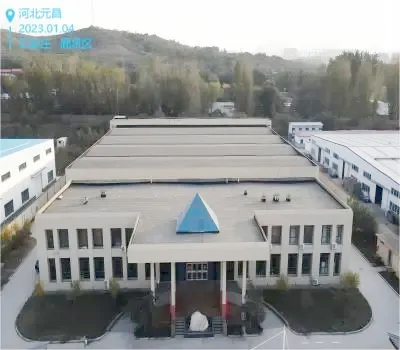
Our factory area spans approximately 14,000 square meters, and our dedicated team of 80-100 employees works collaboratively to deliver excellence. We are not just a supplier; we are a manufacturing partner committed to providing robust, high-performance vacuum solutions that integrate seamlessly into your operations. Whether you need a standard model or a custom-engineered solution, our capabilities are designed to meet and exceed your expectations.
Real-World Performance: What Our Clients Say
We pride ourselves on building lasting relationships with our clients, grounded in the reliability and performance of our industrial vacuum pumps. Here's what some of our partners have shared:
"We needed a reliable vacuum pump for our automated packaging line for specialty meats. The unit from Hebei Yuanchang has been running 24/7 for over a year with zero issues. The vacuum consistency is excellent, which is critical for our product’s shelf life."

Operations Manager, USA
"Sourcing high-quality industrial components from overseas can be a gamble. However, Hebei Yuanchang's rotary vane pump exceeded our expectations. The build quality is solid, and their technical support team was very helpful in selecting the right model for our degasing process. Delivery was also well within the estimated timeframe."

Procurement Specialist, Canada
"We integrated their pumps into our new woodworking vacuum clamping system. The consistent pull and reliability mean our operators can focus on precision work, not on pump issues. The ability to get detailed specs and responsive answers made the procurement process smooth."

Production Engineer, Mexico
We're proud to support industries ranging from critical food processing, as noted in market analyses like Grand View Research's projections, to advanced manufacturing sectors worldwide.
Your Questions Answered
With proper maintenance, including regular oil changes and filter replacements, an oil-sealed rotary vane vacuum pump can last anywhere from 10,000 to 20,000 operating hours, and often much longer. Dry rotary vane pumps may have a shorter vane life but eliminate oil contamination concerns.
This depends heavily on the application and the type of gas being pumped. For clean, dry air, an oil change every 3-6 months might suffice. However, if pumping wet vapors, dust, or corrosive gases, oil changes could be required weekly or even daily. Always consult the pump's manual and consider your specific operating conditions. Filter replacement frequency follows similar logic.
Yes, oil-sealed rotary vane pumps are generally tolerant of some moisture and vapors because the oil helps to mitigate corrosion and condensation. However, prolonged exposure to high levels of saturated vapors can degrade the oil and reduce pump performance. For significant moisture loads, consider pumps with gas ballast features or specialized vacuum systems.
Oil-sealed pumps use oil for lubrication, sealing, and cooling, allowing them to achieve deeper vacuum levels and generally offering longer service life. Dry rotary vane pumps use self-lubricating vanes (often carbon composite) and don't require oil in the pumping chamber, making them suitable for applications where oil contamination is unacceptable (e.g., medical, food packaging). Dry pumps typically have lower ultimate vacuum capabilities and may require more frequent vane replacement.
Selection involves considering your system's volume, the required vacuum level (ultimate pressure), and the rate at which gas needs to be removed (pumping speed). It's also crucial to account for any process-induced gas load or leaks. Consulting with our technical experts at Hebei Yuanchang is the most effective way to ensure you choose a pump that meets your specific needs without being oversized or undersized.
Ready to Enhance Your Process with Reliable Vacuum Solutions?
Leverage our 40 years of manufacturing expertise for your industrial vacuum needs. From standard models to custom OEM/ODM solutions, Hebei Yuanchang delivers performance you can trust.