Rotary Vacuum Filters
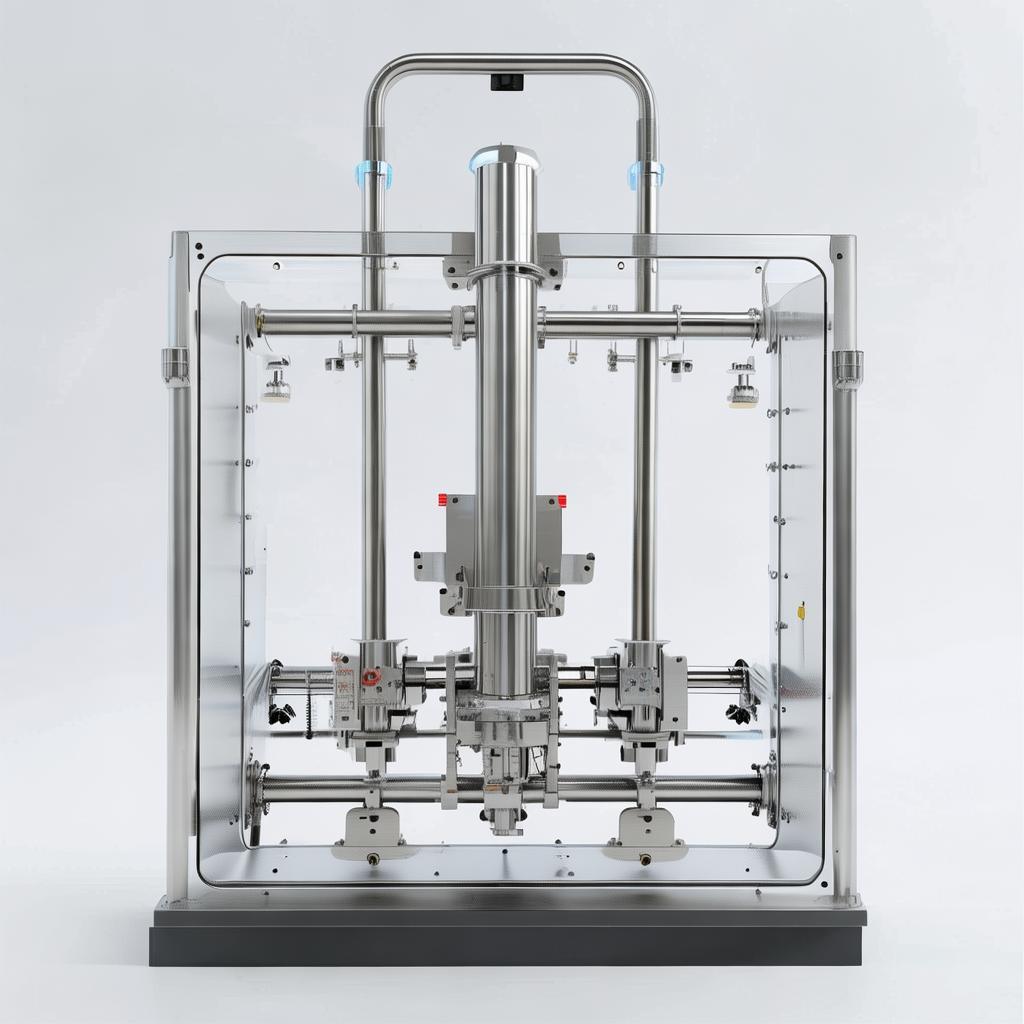
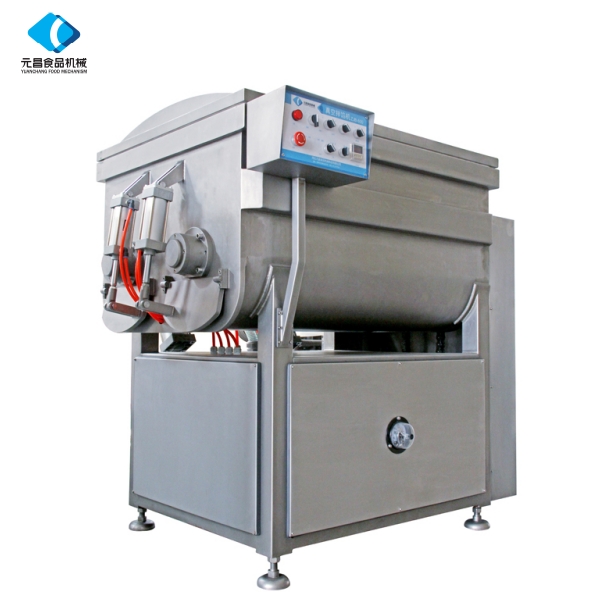
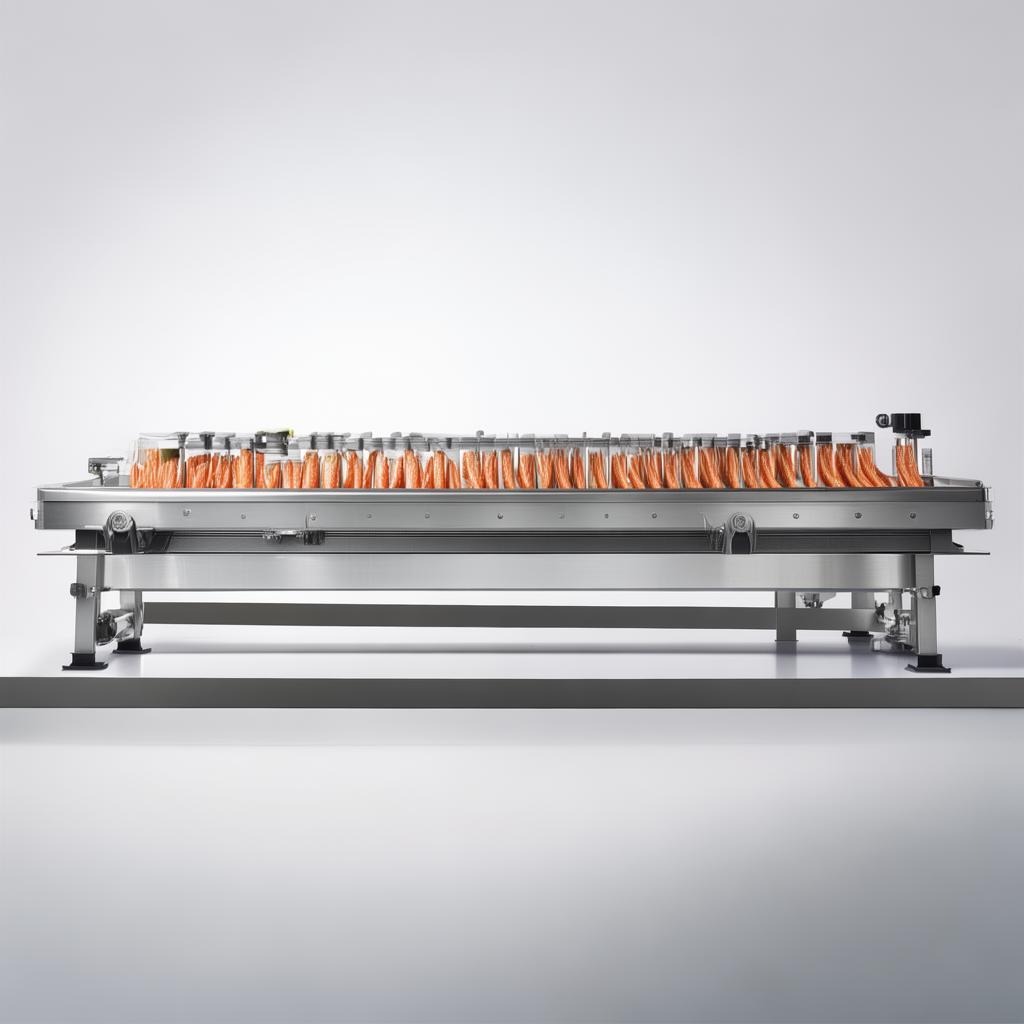

Rotary Vacuum Filters: Precision Filtration for Industrial Demands
Engineered for Efficiency, Reliability, and Purity in Critical Processes.
Explore Key Sections:
- The Core of Rotary Vacuum Filtration
- Addressing Industrial Filtration Challenges
- Understanding the Mechanism
- Why Choose Rotary Vacuum Filters?
- Versatile Applications Across Industries
- Technical Specifications & Customization
- Choosing the Right Manufacturing Partner
- Our Manufacturing Prowess
- Commitment to Quality: Certifications
- What Our Clients Say
- Frequently Asked Questions
- Take the Next Step
The Core of Rotary Vacuum Filtration: Precision in Every Cycle
In the intricate world of industrial processing, achieving consistent purity and separation is paramount. Whether you're dealing with slurries, chemical suspensions, or complex food production intermediates, the efficiency of your filtration system directly impacts product quality, operational costs, and downstream processes. Rotary vacuum filters, often overlooked in favor of more high-profile machinery, are the workhorses that quietly ensure these critical separation tasks are handled with precision and reliability.
These systems are engineered to handle large volumes of material, offering continuous operation and a remarkably dry filter cake, which significantly reduces waste and improves the recovery of valuable solids. For industries ranging from chemical manufacturing and pharmaceuticals to mining and food processing, a robust rotary vacuum filter isn't just an asset; it's an operational necessity. Understanding their capabilities, how they integrate into a production line, and selecting a manufacturer with genuine expertise is key to unlocking their full potential.
The global market for meat processing equipment alone, a sector where precise separation is crucial, was valued at approximately USD 11.2 billion in 2025 and is projected to expand significantly. This growth is fueled by increasing consumer demand for processed meats, a drive for automation to enhance hygiene and efficiency, and stricter food safety regulations. Within this landscape, filtration technologies like rotary vacuum filters play a vital role in the pretreatment, molding, and even ripening stages, ensuring product integrity and consistency. (Source: Fortune Business Insights, Meat Processing Equipment Market Analysis)
Consider a typical scenario in chemical production: separating fine precipitates from a mother liquor. Inefficient separation can lead to product contamination, reduced yield, and increased disposal costs for the liquid waste. A well-designed rotary vacuum filter tackles this head-on by creating a strong vacuum that draws liquid rapidly through the filter medium, leaving behind a concentrated, dewatered solid. This continuous, automated process minimizes manual intervention, reduces exposure to hazardous materials, and ensures a predictable output, a crucial factor when scaling production or meeting demanding delivery schedules.
The operational advantages extend beyond simple separation. The ability to achieve a low moisture content in the filter cake often means less energy is required for subsequent drying processes. Furthermore, the enclosed nature of many rotary vacuum filter designs helps to contain dust and vapors, contributing to a safer working environment and compliance with environmental standards. For international buyers, understanding these practical benefits is as important as understanding the technical specifications, as it directly impacts the ROI and operational footprint of the equipment.
The market for food processing machinery, which includes critical components like filtration systems, is substantial. Reports indicate this market could reach upwards of USD 109 billion by 2035. This vastness underscores the importance of specialized equipment. The drive towards convenience foods and the rise of reconstituted meat products, for example, heavily rely on precise molding and pretreatment, where efficient solid-liquid separation is a foundational step. (Source: MarketResearchFuture, Food Processing Machinery Market)
When sourcing such critical equipment, especially internationally, buyers are not just looking for a product; they are looking for a reliable partner. This means a supplier who understands the nuances of their specific application, can offer informed advice, and can guarantee the quality and consistency of the machinery. It's about building a relationship based on trust, technical competence, and a shared goal of operational excellence.
Addressing Industrial Filtration Challenges: Where Others Fall Short
Many production facilities grapple with persistent issues related to solid-liquid separation. Traditional filtration methods can be labor-intensive, inefficient, and prone to clogging, leading to significant downtime and increased operational costs. Are you facing challenges like:
- High cake moisture content: Requiring extensive and costly post-filtration drying.
- Batch processing limitations: Leading to production bottlenecks and inconsistent output.
- Manual labor requirements: Increasing operational expenses and posing safety risks.
- Filter medium blinding: Causing frequent shutdowns for cleaning or replacement.
- Product loss: Due to inefficient cake discharge or residual liquid.
- Environmental concerns: Regarding liquid waste disposal and fugitive emissions.
These aren't minor inconveniences; they are direct drains on profitability. For instance, in the fine chemicals sector, achieving high purity of recovered solids is critical for their resale value or use in subsequent synthesis steps. If the cake retains too much mother liquor, not only is there a yield loss, but the impurities carried over can compromise the quality of the final product. This is where the inherent advantages of rotary vacuum filtration come into play.
The demand for reliable separation technologies is a constant across various markets. For example, the processed meat market, projected to reach over USD 1.3 trillion by 2035, requires consistent product quality and efficient processing. Equipment that facilitates this, including advanced separation systems, is in high demand. The ability of rotary vacuum filters to handle diverse materials, from meat slurries to chemical precipitates, makes them a versatile solution for many demanding applications. (Source: Precedence Research, Processed Meat Market)
Think about the logistical challenges of exporting – space on a container, shipping costs, and import duties. A system that dewaters solids effectively not only reduces waste but can also decrease the overall volume and weight of materials being shipped, offering a tangible cost saving for international trade. This is a detail that often gets lost in purely technical discussions but is critical for procurement managers focused on the bottom line.
Understanding the Rotary Vacuum Filter Mechanism: A Continuous Cycle of Separation
The genius of the rotary vacuum filter lies in its continuous operation and efficient use of vacuum. Here’s a breakdown of how it achieves remarkable separation:
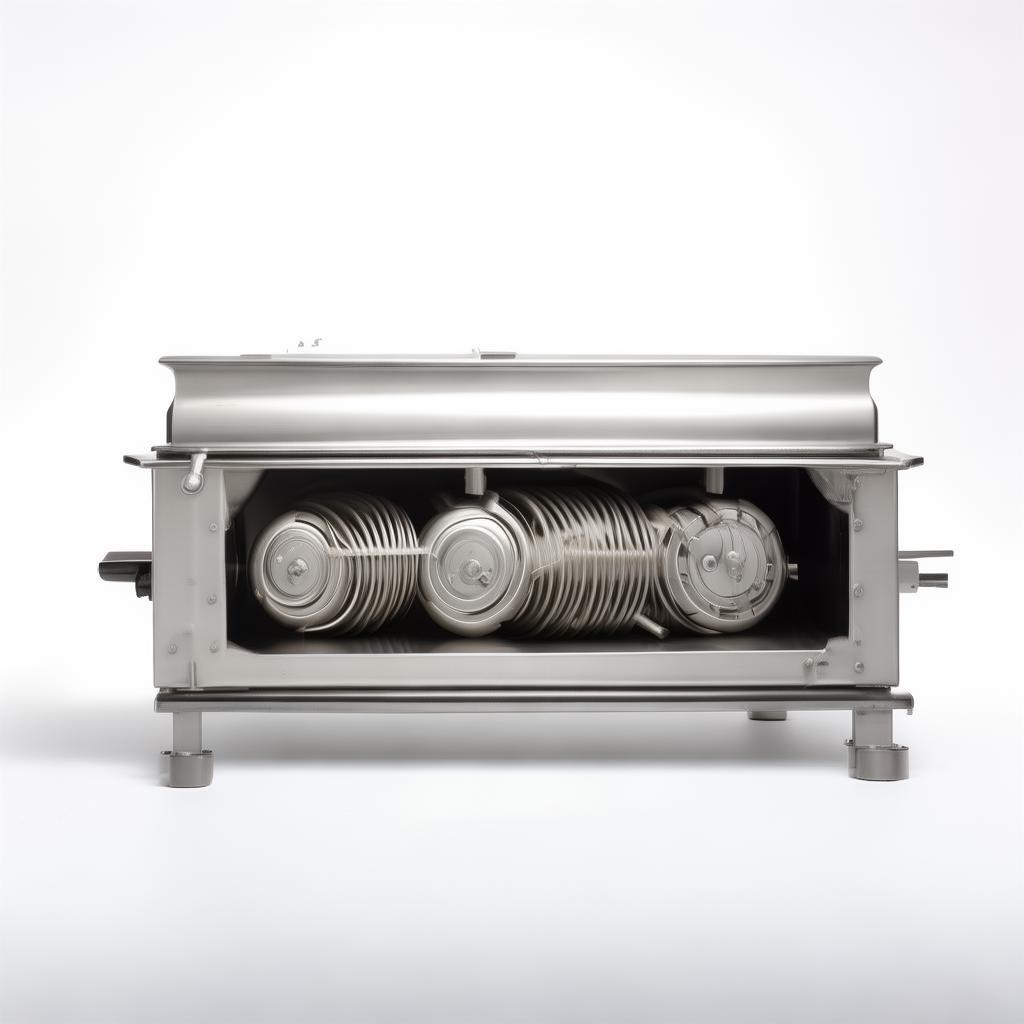
- Drum Rotation: The core of the system is a cylindrical drum, typically covered with a filter medium. This drum rotates slowly, usually driven by a gear system.
- Immersion and Filtration: A portion of the drum is submerged in the slurry or liquid to be filtered. As the drum rotates into the slurry, a vacuum is applied to the internal compartments of the drum. This vacuum draws the liquid through the filter medium, forming a cake of solids on the outer surface.
- Dewatering Zone: As the drum rotates out of the slurry, it enters a dewatering zone. Vacuum is maintained in these sections, drawing residual liquid from the cake and significantly reducing its moisture content. This is a critical step for achieving dry cakes.
- Cake Discharge: The drum then rotates to the discharge zone. Here, the vacuum is released, and a reverse flow of air or mechanical means (like a scraper knife) is used to dislodge the dewatered filter cake from the medium. The cake falls into a collection trough or conveyor below.
- Filter Cloth Washing: Some designs incorporate an automated spray wash system for the filter cloth as it rotates. This helps to maintain permeability and extend the life of the filter medium, preventing blinding.
The segmented nature of the drum allows for different zones (immersion, dewatering, discharge, washing) to operate simultaneously. This continuous process means that material is always being filtered, dewatered, and discharged, providing a high throughput capacity without interruption. The choice of filter medium is crucial and depends heavily on the particle size, chemical compatibility, and required flow rate of the specific application.
The application of vacuum is key. It’s this pressure differential that drives the filtration process. Properly sized vacuum pumps and a well-sealed system are essential for optimal performance. We've seen instances where inadequate vacuum capacity led to inefficient dewatering and production delays – a preventable issue with proper equipment specification and selection.
Consider the complexity of food processing. The "massaging" equipment used for ripening, for example, relies on consistent product texture. While not directly related to filtration, the principles of mechanical action and controlled environments are similar. Rotary vacuum filters apply controlled mechanical (cake discharge) and vacuum forces to achieve a specific outcome – a dry, separated solid.
Why Choose Rotary Vacuum Filters? Unlocking Operational Excellence
The selection of a rotary vacuum filter brings a host of advantages that can significantly enhance your operational efficiency and product quality:
- Continuous Operation: Unlike batch filters, rotary vacuum filters run 24/7, providing a steady flow of filtered product and filtrate. This is invaluable for high-volume production lines.
- High Dryness of Filter Cake: The dedicated dewatering zone allows for exceptionally low residual moisture in the filter cake, often significantly reducing or eliminating the need for subsequent drying steps. This translates to energy savings and faster processing.
- High Throughput Capacity: Designed for large volumes, these filters can process substantial quantities of material efficiently.
- Low Labor Requirements: The automated nature of the filtration, dewatering, and discharge cycles minimizes the need for manual intervention, freeing up staff for more critical tasks and reducing labor costs.
- Minimized Product Loss: Efficient cake discharge and effective vacuum sealing ensure maximum product recovery.
- Clean Operation: Enclosed designs help contain dust and vapors, promoting a safer and cleaner working environment and complying with environmental regulations.
- Versatility: Capable of handling a wide range of particle sizes and slurry concentrations.
- Reduced Filter Medium Wear: Automated washing systems and controlled discharge help prolong the life of the filter cloth.
These advantages are not theoretical. In practice, upgrading from a batch filtration system to a continuous rotary vacuum filter has often resulted in production capacity increases of 30% or more for our clients, alongside significant reductions in energy consumption for drying. This is the kind of tangible operational improvement that procurement decision-makers look for.
The international market for meat processing equipment highlights the demand for efficiency. With segments like filling & stuffing and massaging equipment seeing robust growth, the need for upstream and downstream systems that support these processes, like efficient filtration, is undeniable. Reliable separation directly impacts the quality and consistency of products from sausages to cured meats. (Source: Grand View Research, Meat Processing Equipment Market)
When considering international suppliers, remember that "low cost" can quickly become "high cost" if the equipment doesn't deliver on performance, reliability, or ease of maintenance. The upfront investment in a quality rotary vacuum filter from an experienced manufacturer pays dividends through reduced operating expenses, higher yields, and fewer production interruptions.
Versatile Applications Across Industries: Where Rotary Vacuum Filters Excel
The robust design and efficient operation of rotary vacuum filters make them indispensable in a wide array of industrial sectors:
Chemical Manufacturing
- Separation of catalysts
- Precipitate filtration
- Dewatering of intermediate products
- Purification of fine chemicals
Pharmaceuticals
- API (Active Pharmaceutical Ingredient) isolation
- Filtration of fermentation broths
- Dewatering of pharmaceutical intermediates
- Purity enhancement
Food & Beverage
- Dewatering of yeast
- Separation of edible oils
- Filtration of fruit pulps and juices
- Processing of starches and proteins
- Pretreatment stages in meat processing, separating water from finely ground meats or by-products.
Mining & Metallurgy
- Tailings dewatering
- Concentrate recovery
- Slag separation
- Filtration of mineral slurries
Environmental Applications
- Sludge dewatering from wastewater treatment
- Industrial effluent clarification
- Recovery of materials from waste streams
The global demand for processed meat highlights how critical efficient processing is. With the market size projected to reach USD 15.44 billion by 2035, technologies that ensure product quality and efficiency, such as those used in pretreatment and molding, are paramount. Rotary vacuum filters can play a role in separating excess moisture from meat components before they are formed into final products, ensuring the right texture and shelf life. (Source: Market Research Future, Meat Processing Equipment Market)
When evaluating options, consider the specific properties of your material. Is it sticky? Abrasive? Corrosive? The right filter medium, drum material, and discharge mechanism are crucial. Our experience spans across these diverse applications, allowing us to tailor solutions that meet unique operational needs.
Technical Specifications & Customization: Tailored for Your Process
Understanding the technical nuances of rotary vacuum filters is key to selecting the right unit. While specific configurations vary widely, here are common specifications and customization options:
| Specification | Details |
|---|---|
| Filtration Area | Variable, from a few square meters to over 100 m², depending on drum diameter and length. |
| Drum Diameter & Length | Customizable to match slurry volume and desired throughput. Common diameters range from 1m to 4m. |
| Drum Material | Stainless steel (304, 316L) is standard; other alloys available for corrosive environments. |
| Filter Medium | Various synthetic fabrics (polypropylene, polyester, nylon) or metal mesh, chosen for chemical resistance, particle retention, and flow rate. |
| Drive System | Gear motor, variable speed drive (VSD) for precise drum rotation control. |
| Vacuum System | Requires external vacuum pump (liquid ring, rotary vane). We can advise on sizing and integration. |
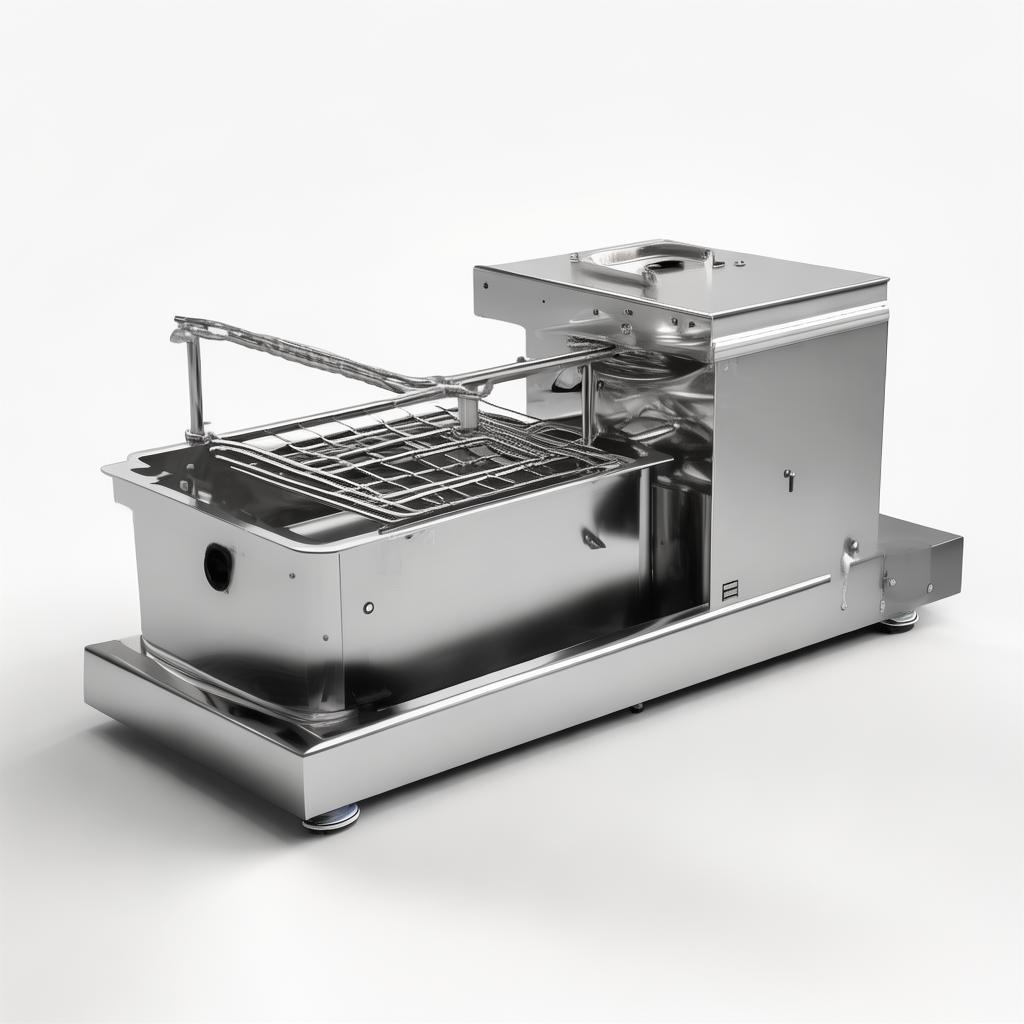
| Cake Discharge Mechanism | Adjustable scraper knife, roller discharge, or automated vibratory systems. Material of discharge components critical for wear resistance. |
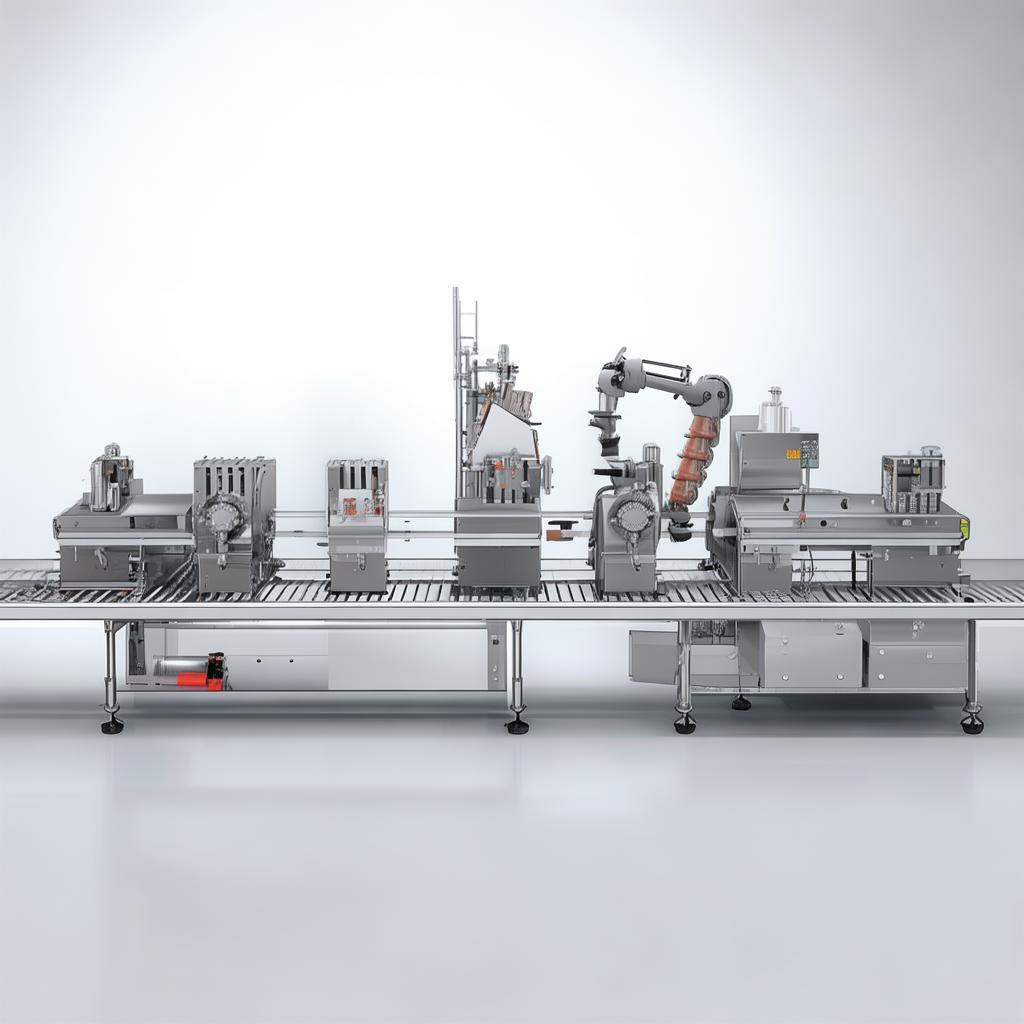
| Ancillary Equipment | Feed pumps, vacuum pumps, filtrate receivers, cake conveyors, wash water systems. |
vacuum suction filters inline vacuum pump filter filter vacuum pump
Customization is where true value lies. Based on your specific slurry characteristics (viscosity, pH, solids content, particle shape) and desired outcomes (cake dryness, filtrate clarity), we can tailor:
- The choice and mesh size of the filter medium.
- Drum materials and coatings for specific chemical or abrasive resistance.
- The design of the scraper knife or discharge system for optimal cake removal without damaging the filter cloth.
- Integration with your existing control systems (PLC, SCADA).
- Specialized configurations for high-temperature or high-pressure applications.
When discussing specifications with a supplier, be prepared to provide detailed information about your material. Rough estimates won't suffice for accurate sizing. It’s also wise to inquire about the lead time for critical spare parts, especially for overseas shipments. For example, the availability of replacement filter cloths can be a make-or-break factor during peak production seasons.
The meat processing equipment market is evolving, with a strong emphasis on automation and efficiency. Our CNC machining capabilities, including Japanese Mazak centers, allow us to produce high-precision components that are essential for the reliable operation of sophisticated filtration systems. This commitment to precision manufacturing ensures that our rotary vacuum filters meet the stringent demands of modern production lines.
Choosing the Right Manufacturing Partner: Beyond the Price Tag
Selecting a supplier for critical industrial equipment like rotary vacuum filters is a significant decision. It’s not just about purchasing a piece of machinery; it’s about securing a long-term operational partner. Here are key factors to consider:
- Manufacturing Experience: How long has the company been producing this type of equipment? Do they have a deep understanding of the underlying engineering principles? Look for manufacturers with a track record in your specific industry or similar applications.
- Technical Expertise & Customization: Can they offer tailored solutions? A one-size-fits-all approach rarely works in industrial filtration. Do they have engineers who can consult on your specific process needs?
- Quality Control & Materials: What materials are used? Are they sourced responsibly? What are their quality assurance processes during manufacturing? Check for certifications like ISO 9001.
- After-Sales Support & Spares: This is crucial, especially for international clients. What is their policy on spare parts availability, technical assistance, and troubleshooting? A traceable after-sales management system is a good sign.
- Logistics & Export Capability: Can they handle international shipping efficiently and compliantly? Understand their packaging standards and documentation processes.
- References & Testimonials: What do their existing clients say? Look for detailed case studies or direct testimonials.
For procurement directors, a supplier's ability to provide OEM/ODM services can be a significant advantage. It signifies a willingness to adapt designs, integrate proprietary elements, or even develop entirely new solutions based on your unique requirements. This level of partnership is often key to achieving a competitive edge.
When evaluating overseas manufacturers, pay close attention to their communication responsiveness. Clear, prompt, and technically accurate responses are indicative of a professional operation. We encourage potential clients to talk with our engineers to fully understand how our capabilities can meet their needs.
Our Manufacturing Prowess: Decades of Engineering Excellence
At Hebei Yuanchang Food Mechanism & Technology Co., Ltd., our foundation in manufacturing excellence spans over 40 years, beginning in 1986. While our expertise is widely recognized in meat processing machinery, the core principles of precision engineering, robust construction, and quality assurance are applied to all our equipment, including specialized industrial filtration solutions.
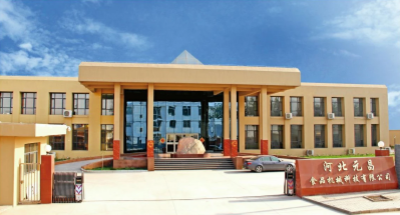
State-of-the-art machining capabilities ensure component precision.
In-House Precision Machining
Our 14,000 square meter facility houses over 20 sets of advanced processing machinery, including high-precision grinding machines, lathes, milling machines, and wire cutting equipment. This allows us to maintain stringent control over component quality and dimensional accuracy.
Advanced CNC Capabilities
Since 2012, we have invested in 8 sets of Japanese Mazak CNC machining centers. These high-precision machines enable us to produce complex, non-standard, and high-volume components with exceptional accuracy. This capability is vital for manufacturing critical parts of rotary vacuum filters that demand tight tolerances for optimal sealing and performance.
Our dedicated team of 80-100 skilled employees integrates R&D, production, and sales, ensuring a seamless workflow from design to delivery. This comprehensive approach, combined with our deep understanding of process engineering principles developed over four decades, positions us as a reliable partner for your rotary vacuum filter needs.
We understand that for international procurement, transparency and assurance of quality are paramount. Our ISO certification and commitment to traceability in after-sales management mean you can have confidence in the longevity and performance of our equipment. We don't just build machines; we build solutions backed by decades of hands-on industrial experience.
Commitment to Quality: Industry Standards and Certifications
Quality and compliance are non-negotiable in industrial manufacturing. At Hebei Yuanchang, our commitment to delivering reliable, safe, and high-performing equipment is underpinned by adherence to international standards and relevant certifications.

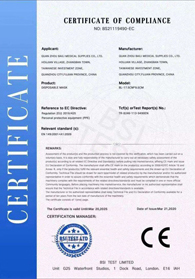
Our adherence to ISO 9001 quality management systems ensures that every stage of our production process, from design and material sourcing to manufacturing and final inspection, meets rigorous international standards. This systematic approach guarantees consistency, traceability, and continuous improvement across all our product lines.
For equipment destined for markets with specific safety and environmental regulations, such as Europe, compliance with standards like CE marking is essential. We ensure our rotary vacuum filters meet these requirements, facilitating smoother international trade and assuring clients of their safety and environmental performance.
The growing emphasis on sustainable manufacturing and product safety globally means that manufacturers who demonstrate compliance with standards like RoHS (Restriction of Hazardous Substances) are better positioned to serve international markets. We are committed to providing equipment that meets these evolving regulatory landscapes.
These certifications are not just badges; they represent our deep-rooted commitment to operational integrity and product excellence. They assure our clients that when they partner with Hebei Yuanchang, they are choosing a supplier dedicated to quality, reliability, and international compliance.
What Our Clients Say: Real-World Impact
We pride ourselves on building lasting partnerships with our clients. Here’s what some of them have experienced:

Johnathan Miller
Operations Manager, Chemical Solutions Inc.
"The rotary vacuum filter we received from Yuanchang has been a game-changer for our fine chemical precipitation process. We've seen a significant reduction in cake moisture, which has cut our drying costs by nearly 20%. The continuous operation has also boosted our throughput without needing additional staffing."

Sarah Chen
Procurement Director, BioPharma Solutions
"We needed a highly reliable filtration system for our API isolation. Yuanchang not only delivered a robust rotary vacuum filter but also provided excellent technical support during installation and startup. The precision of the build is evident, and it’s performing consistently, which is critical for GMP compliance."

Mark Jenkins
Plant Manager, AgriFeed Processors
"Integrating the rotary vacuum filter into our feed ingredient production line was straightforward. The automated discharge keeps things moving, and the dry cake output is impressive. It’s a solid piece of equipment that has definitely improved our process efficiency and reduced waste handling efforts."
Frequently Asked Questions (FAQ)
Q1: What is the typical maintenance schedule for a rotary vacuum filter?
Maintenance frequency depends on the application and operating conditions. Regular checks of the drive system, vacuum seals, scraper knife wear, and filter cloth condition are essential. We recommend daily visual inspections and scheduled preventative maintenance based on manufacturer guidelines and operational feedback. Filter cloth replacement is a common recurring task, and its frequency is directly related to the abrasiveness and chemistry of the slurry being filtered.
Q2: How do I choose the right filter medium?
Selecting the correct filter medium is critical for performance and longevity. Factors to consider include chemical compatibility with your slurry, required particle retention size (micron rating), flow rate capacity, temperature resistance, and cost. We work with clients to analyze their material and recommend the most suitable synthetic fabrics (polypropylene, polyester, nylon) or specialized media.
Q3: What is the expected lifespan of a rotary vacuum filter?
With proper operation, regular maintenance, and timely replacement of wear parts (like the filter cloth and scraper blade), a well-constructed rotary vacuum filter can last for many years, often 15-20 years or more. The robustness of the construction, quality of materials, and a good preventative maintenance program are key determinants.
Q4: Can these filters handle sticky or abrasive materials?
Yes, they can, but with specific considerations. For sticky materials, discharge mechanisms like roller discharge or vibratory systems might be more effective than a standard scraper knife. For abrasive materials, hardened wear parts for the scraper blade, robust drum construction, and appropriate filter media are necessary to prevent premature wear. Our engineering team can advise on modifications for challenging materials.
Q5: What about installation and integration into existing lines?
Installation typically involves setting the filter on a solid foundation, connecting it to the slurry feed, vacuum source, and filtrate discharge lines, and then connecting the power. We provide detailed installation manuals and can offer remote or on-site technical support. Integration with your existing PLC or control system can also be accommodated through appropriate electrical interface design.
Q6: How does Hebei Yuanchang's OEM/ODM capability apply to filtration equipment?
Our OEM/ODM services mean we can modify existing designs or develop bespoke rotary vacuum filter solutions to meet specific requirements. This could include adapting dimensions for space constraints, integrating proprietary components, or designing for unique material handling needs. We leverage our extensive manufacturing experience and advanced CNC capabilities to deliver customized filtration machinery.
Ready to Optimize Your Separation Process?
Don't let inefficient filtration impact your bottom line. Discover how Hebei Yuanchang's precision-engineered rotary vacuum filters can enhance your productivity, purity, and profitability.
Direct Communication for Your Project Needs
See how we handle inquiries and provide rapid, expert responses. Our team is ready to discuss your specific challenges.