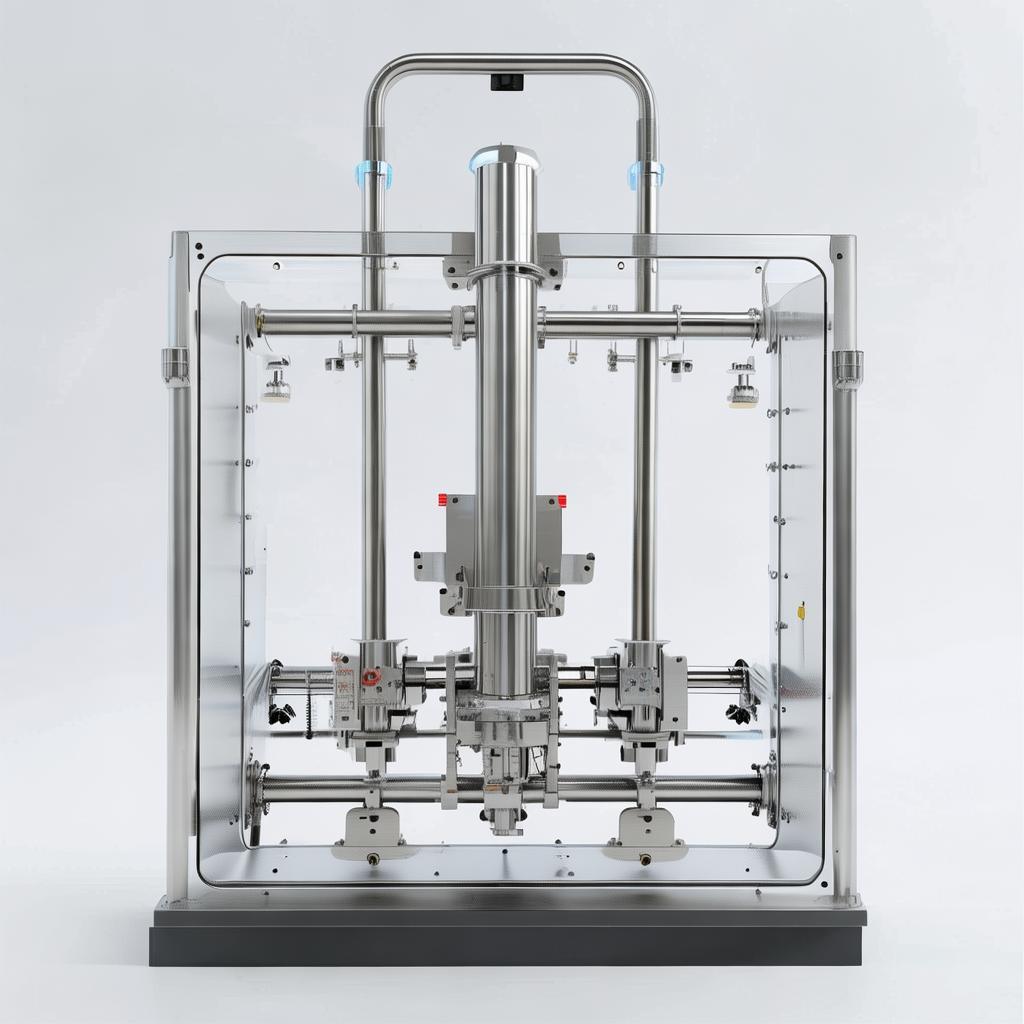
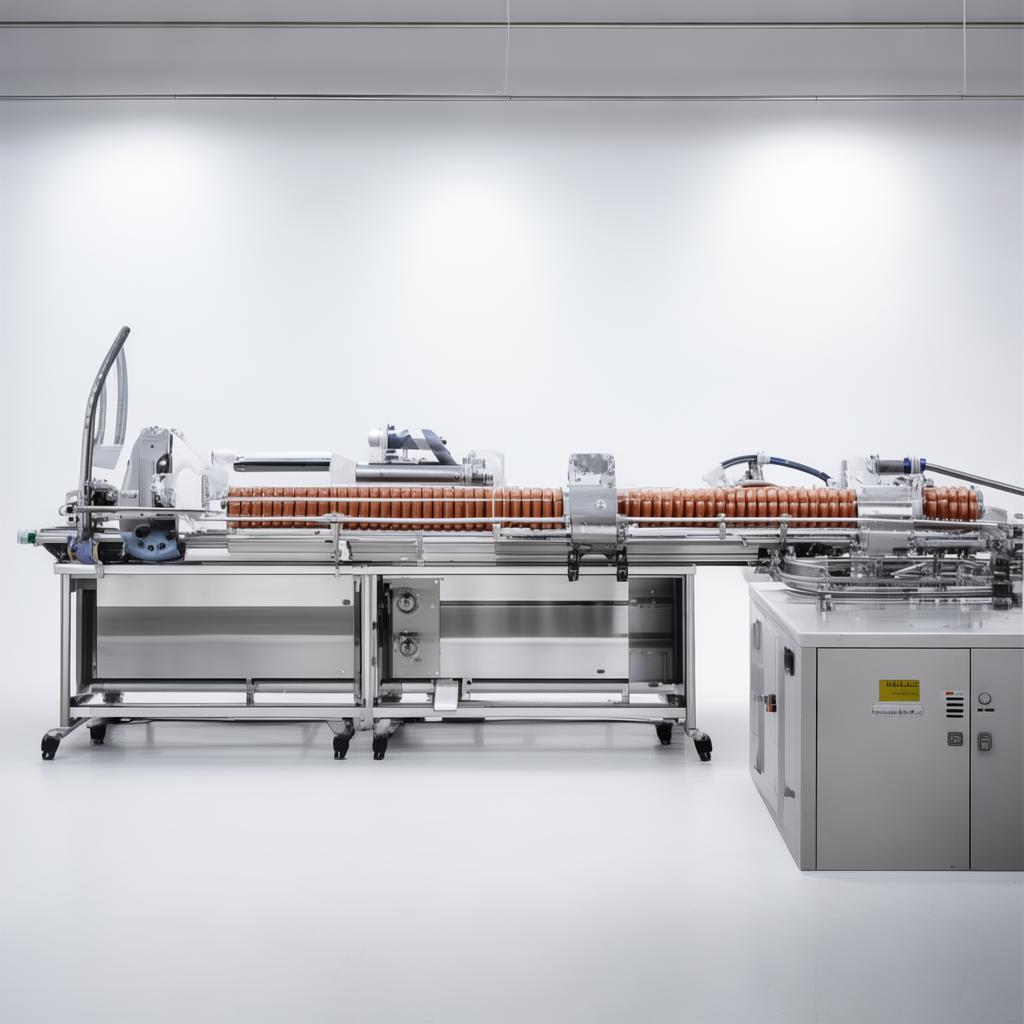
Retractable Conveyor System
Retractable Conveyor Systems: Maximizing Space and Efficiency in Modern Warehousing
Streamline your operations with intelligent, space-saving conveyor solutions designed for dynamic environments.
 By: Alex Chen, Senior Operations Consultant
Expert in Logistics Automation & B2B Supply Chain Solutions
The Evolving Landscape of Material Handling
In today's fast-paced industrial and logistics sectors, maximizing operational efficiency and minimizing footprint are paramount. Businesses are constantly seeking innovative solutions that can adapt to changing demands, optimize workflow, and reduce manual handling bottlenecks. This is where the retractable conveyor system emerges as a critical component in modern material handling strategies. Unlike traditional fixed conveyor lines that occupy valuable floor space permanently, retractable systems offer unparalleled flexibility, allowing them to be extended for use and then safely stored away when not needed. This ability to reclaim space is invaluable, particularly in facilities where every square meter counts – from bustling distribution centers and busy manufacturing floors to high-volume e-commerce fulfillment operations.
Consider the challenge faced by many warehouses: seasonal peaks in demand or fluctuating production schedules. A fixed conveyor line might be essential during peak times but becomes an impediment during lulls, hindering forklift traffic or requiring costly temporary relocation of goods. Retractable conveyors, often referred to as extendable or telescopic conveyors, are engineered to address these very issues. They can be rapidly deployed to bridge gaps in production or shipping lines, convey items precisely where they need to go, and then effortlessly retracted, freeing up pathways and increasing overall operational agility. This isn't just about saving space; it's about creating a more responsive, adaptable, and ultimately more profitable operational environment. The strategic deployment of such systems directly impacts throughput, reduces the risk of internal transit damage, and significantly lowers labor costs associated with manual sortation or movement.
The market for material handling equipment is dynamic, with a growing emphasis on automation and smart technologies. Reports consistently highlight the expanding global meat processing equipment market, projecting significant growth—for instance, the global meat processing equipment market was projected to reach USD 17.39 billion by 2034, with key segments including filling, massaging, and cutting machines. While our core expertise lies in meat processing machinery, the principles of efficient material flow and space optimization are universal across many industrial sectors. The demand for advanced, adaptable conveyor systems is a natural extension of these trends, supporting everything from raw material intake to finished product packaging and distribution. This article will delve into the technical nuances, operational benefits, and strategic advantages of retractable conveyor systems, specifically for B2B import and export operations seeking to enhance their material handling capabilities.
For businesses involved in international trade, particularly those handling bulk goods, components, or finished products, the ability to rapidly reconfigure internal logistics is a competitive advantage. Imagine a scenario at a portside warehouse or a factory receiving international shipments: goods need to be unloaded from containers, sorted, and moved to temporary storage or production lines. A retractable conveyor can extend directly from a loading bay into the facility, minimizing exposure to the elements and reducing the need for extensive on-site vehicle movement. Similarly, on the outbound side, it can facilitate rapid loading onto trucks or into consolidation areas. The integration of such systems is not just about hardware; it’s about optimizing the entire logistics chain, from the point of entry to the point of dispatch.
We understand that procurement decisions in B2B environments are driven by ROI, reliability, and long-term operational value. A retractable conveyor system isn't a simple purchase; it's an investment in efficiency, space utilization, and workforce safety. Our aim is to provide a comprehensive understanding of how these systems function, the types available, and the key considerations for selecting the right solution for your specific operational needs. Whether you're a purchasing manager, operations director, or a consulting engineer, this guide will equip you with the knowledge to make an informed decision.
The Core Problem: Space Constraints vs. Throughput Demands
Many industrial facilities operate under the dual pressures of needing high throughput and having limited physical space. This is a perpetual challenge, especially in established manufacturing plants or urban logistics hubs where expansion is difficult or prohibitively expensive. Traditional conveyor systems, while effective for continuous flow, can permanently bisect work areas, create traffic hazards for forklifts and personnel, and limit the flexibility to reconfigure layouts for different product runs or operational phases.
Think about a typical packing station in a distribution center. When order volumes surge, you might need multiple packing lines. A fixed conveyor might feed one line, but what about the others? Do you bring in manual carts? Does an expensive, fixed conveyor sit idle for the rest of the year? This is where the strategic advantage of a retractable system becomes clear. It can be deployed precisely when and where needed, extending its reach to multiple packing stations sequentially or serving a dynamic primary line that shifts focus based on daily order profiles. The ability to "park" the conveyor out of the way means that the same floor space can serve multiple purposes throughout the day or week.
Furthermore, safety is a non-negotiable aspect of modern operations. Fixed conveyor routes can sometimes create blind spots or pinch points. A retractable system, when stored, significantly reduces these hazards. When deployed, its controlled movement and clear operational zones enhance safety protocols. This dual benefit—space optimization and improved safety—often translates directly into reduced insurance premiums and fewer workplace incidents, contributing to a stronger bottom line.
Introducing the Retractable Conveyor System: Flexibility in Motion
A retractable conveyor system, often called an extendable conveyor or telescopic conveyor, is a modular material handling solution designed to increase or decrease its length. The core mechanism typically involves one or more conveyor sections that slide within or alongside each other. This allows the total length of the conveyor to be adjusted dynamically.
These systems are most commonly belt or roller conveyors. Roller conveyors are ideal for moving boxes, totes, and irregular items, while belt conveyors are suited for lighter packages, individual items, or bulk materials that need a continuous, smooth surface. The "retractable" feature is usually powered by an electric motor that drives a mechanism (like a chain or hydraulic system) to extend or retract the conveyor sections. Manual adjustment is also an option for lighter-duty models, offering a more cost-effective solution where speed of adjustment is less critical.
The strategic advantages are significant:
- Space Efficiency: The primary benefit. When retracted, it occupies a fraction of its extended length, allowing for clear pathways and flexible use of floor space.
- Increased Throughput: Bridges gaps between production lines, loading docks, and sorting areas, reducing manual handling and speeding up product movement.
- Adaptability: Easily reconfigured to suit different product sizes, order volumes, or operational layouts. Ideal for seasonal demands or multi-product lines.
- Ergonomics & Safety: Reduces the need for workers to physically move heavy items over long distances, minimizing strain and potential injuries. When retracted, it also removes a potential obstacle.
- Reduced Damage: Smooth, consistent transfer of goods minimizes the risk of drops or impacts often associated with manual handling or less sophisticated conveyor setups.
The technology behind these systems is robust. For powered units, the drive motors are typically durable industrial-grade components designed for frequent use. Safety features such as emergency stop buttons, guards, and load-sensing mechanisms are often integrated. Understanding the load capacity, belt speed, and overall dimensions (both extended and retracted) is crucial for selecting a system that meets your operational requirements without compromising safety or efficiency. Many are designed for standard container loading, simplifying international shipping logistics.
Key Features and Technical Considerations
When evaluating retractable conveyor systems, several technical aspects warrant close attention:
Types of Retractable Conveyors
- Powered Extendable Conveyors: These are the most common for industrial use. An electric motor and gearbox drive a system of chains or gears to extend and retract the conveyor sections smoothly. They offer consistent speed and reliable performance for higher throughput applications.
- Manual Extendable Conveyors: A more budget-friendly option, these rely on a simple, often spring-loaded or counter-balanced, mechanism for adjustment. They are best suited for lighter loads and less frequent adjustments.
- Gravity Roller Conveyors (Retractable): While less common for truly "powered" retraction, some gravity roller systems can be manually or semi-automatically adjusted to change their length or angle, offering a simpler solution for gravity-fed systems.
Crucial Specifications
Selecting the right system hinges on understanding these parameters:
| Specification | Considerations for Retractable Systems |
|---|---|
| Extended Length | How far does it need to reach? Ensure it covers the entire required distance, including overlap for stable transfers. |
| Retracted Length | Crucial for space-saving. This dictates how much floor space is freed up. |
| Load Capacity | Per linear foot or per foot section. Must accommodate your heaviest items. Consider dynamic vs. static load ratings. |
| Conveyor Width | Must be wider than your typical product to prevent overhang and instability. |
| Belt/Roller Material | Durable rubber for belts, steel or polyurethane for rollers. Consider specific requirements like food-grade or anti-static materials. |
| Motor Power & Voltage | Ensure compatibility with your facility's power supply and sufficient power for smooth operation under load. |
| Speed Control (VFD) | Variable Frequency Drives allow for adjustable belt speeds, crucial for matching different operational paces or items. |
| Adjustable Height/Legs | Essential for ensuring a smooth, consistent slope or level transfer between the conveyor and other equipment/areas. |
| Casters/Wheels | For powered models, heavy-duty casters are needed for easy maneuverability when repositioning. Locking casters are a must for safety. |
Operational Integration & Control
How does the conveyor integrate into your existing workflow? Consider:
- Interfacing with other equipment: Can it seamlessly connect to sorters, packaging machines, or other conveyors?
- Control Systems: Does it require a standalone control panel, or can it be integrated into a larger PLC system? Are simple start/stop buttons sufficient, or are more complex logic controls needed?
- Power requirements: Compatibility with existing electrical infrastructure.
Applications: Where Retractable Conveyors Shine
The versatility of retractable conveyors makes them suitable for a wide array of industries and applications:
Warehousing & Distribution Centers
Ideal for loading and unloading trucks, bridging gaps between receiving and storage, or connecting different zones within a large facility. They can extend directly into trailers to speed up unloading or reach deep into storage racks.
Manufacturing & Assembly Lines
Connect workstations, move partially finished goods between stages, or facilitate rapid transfer of finished products to packaging or shipping. Crucial for lean manufacturing environments where space is at a premium.
E-commerce Fulfillment
Essential for handling the high volume and variable order sizes. Can be used to extend from sorting areas to packing stations, or from packing to dispatch zones, allowing floor space to be cleared quickly for picking operations.
Shipping & Logistics Hubs
Facilitate rapid loading and unloading of containers and trucks. Reduces the need for extensive forklift traffic in staging areas, improving safety and operational flow.
Food Processing (Auxiliary Use)
While our core is specialized meat processing, retractable conveyors can serve as auxiliary systems for moving packaged goods from filling/molding lines to ripening chambers or dispatch, particularly in facilities where space is at a premium.
Automotive & Aerospace
Transporting parts, sub-assemblies, or finished goods within complex manufacturing environments, where flexibility is key to production line changes.
Procurement Insights: What to Ask Your Supplier
When sourcing retractable conveyor systems, especially for international B2B transactions, diligent inquiry is essential. Don't just look at the price tag; consider the total cost of ownership and the supplier's reliability.
- Lead Times: What is the typical production and delivery timeline? For international orders, factor in shipping and customs. We pride ourselves on traceable after-sales management which begins with realistic delivery estimates.
- Warranty & Support: What is the warranty period? What kind of after-sales support is available, especially for international clients? Can they provide spare parts quickly? Our in-house machining capabilities for high-precision parts mean we can often expedite critical component replacements.
- Customization Options: Can the system be adapted to specific voltage requirements, conveyor speeds, or dimensions? While standard models exist, minor modifications can sometimes yield significant operational benefits.
- Installation & Training: Is installation included or recommended? What level of operator training is provided? Some systems are plug-and-play; others require professional setup.
- Compliance & Certifications: Does the system meet relevant safety standards (e.g., CE for Europe)? For specific industries, certifications like FDA compliance for food contact surfaces might be necessary.
- Material Quality: Request details on the materials used for the frame, belt/rollers, and drive components. Longevity is directly tied to material durability.
When procuring from a factory like ours, with over 40 years of experience since 1986 and in-house CNC machining capabilities, you gain direct access to manufacturing expertise. This often translates to better quality control, more competitive pricing, and expedited customization for your specific needs.
Installation & Maintenance: Keeping Operations Smooth
Proper installation and routine maintenance are key to the longevity and reliable performance of any retractable conveyor system. While many systems are designed for straightforward setup, professional installation is often recommended to ensure optimal alignment and integration with existing infrastructure.
Installation Considerations
- Floor Stability: The conveyor's footprint, especially when extended, requires a stable, level floor. Ensure no cracks or significant unevenness.
- Power Connection: Professional electrical hookup is vital. Ensure proper grounding and circuit protection.
- Alignment: Crucial for smooth operation. The conveyor must be aligned with the infeed and outfeed points to prevent product jams or damage. Adjustable legs help achieve this.
- Clearance: Ensure adequate space is available not only for the conveyor in its extended state but also for maintenance access and movement of personnel or other equipment around it. Check clearances for the retraction mechanism as well.
Routine Maintenance Schedule
A proactive maintenance approach prevents costly downtime:
- Daily Checks: Visually inspect for any loose parts, debris, or unusual noises. Test emergency stop buttons.
-
Weekly Checks:
- Clean belts and rollers.
- Check belt tension (if applicable) and alignment.
- Inspect casters for wear and proper function.
- Ensure all guards are in place.
-
Monthly Checks:
- Lubricate moving parts (drive chains, extension rails) as per manufacturer's recommendations.
- Check electrical connections for tightness.
- Inspect the retraction mechanism for smooth operation.
- Annual Servicing: A more thorough inspection by a qualified technician may be recommended, checking drive components, motor, and control systems.
At Hebei Yuanchang Food Mechanism & Technology Co., Ltd., our commitment extends beyond production. With our traceable after-sales management system, we ensure that support is available, minimizing your operational risks. Our 40 years of experience since 1986 mean we understand the critical nature of reliable equipment.
Why Choose Hebei Yuanchang for Your Material Handling Needs?
As a seasoned manufacturer with extensive experience in industrial machinery, Hebei Yuanchang Food Mechanism & Technology Co., Ltd. offers more than just products; we offer solutions backed by decades of practical engineering and global export knowledge.
Our facility, spanning approximately 14,000 square meters and employing 80-100 dedicated professionals, is equipped with over 20 sets of advanced processing machinery, including high-precision grinding machines and wire cutting equipment. Since 2012, our investment in Japanese Mazak CNC machining centers has empowered us to produce components requiring high volumes, extreme precision, and non-standard specifications. This in-house capability for producing high-precision parts independently ensures superior quality and facilitates worry-free after-sales service, a critical factor for international buyers. While our specialization is in meat processing equipment—covering pretreatment, filling, molding, and ripening processes—the principles of robust engineering, material science, and reliable automation are universal. We apply this rigorous approach to all our manufactured solutions, including the integration of adaptable material handling components.
We understand the complexities of international trade. Our team has experience navigating export regulations, optimizing container loading for cost-effectiveness, and ensuring timely delivery to global destinations. We are committed to providing equipment that not only meets but exceeds expectations for durability, efficiency, and return on investment. For your retractable conveyor system needs, partnering with us means:
- Factory-Direct Pricing: Eliminate intermediary markups and secure competitive rates.
- Guaranteed Quality: Rigorous quality control processes and adherence to high manufacturing standards.
- Export Expertise: Seamless international shipping and logistics support.
- Long-Term Support: A commitment to after-sales service and spare parts availability, backed by our internal manufacturing capabilities.
- 40 Years of Proven Reliability: A heritage of engineering excellence since 1986.
Ready to optimize your operations? Let's discuss how a retractable conveyor system can transform your workflow.
Request Factory Pricing & ConsultationFrequently Asked Questions
1. What is the typical lead time for a retractable conveyor system?
Lead times can vary significantly based on the complexity of the system, customization requirements, and current production schedules. Standard models might be available within 4-6 weeks, while custom solutions could take 8-12 weeks or longer. International shipping and customs clearance will add to this duration. We provide detailed timelines upon receiving your specific requirements.
2. Can these conveyors handle diverse product types and weights?
Yes, retractable conveyors are designed for flexibility. Load capacities range from light-duty for small packages to heavy-duty for large boxes or even bulk materials. We offer different belt types, roller materials (steel, polyurethane), and frame constructions to match your specific product profiles and weight requirements.
3. What are the power requirements for a powered retractable conveyor?
Most powered systems operate on standard industrial voltages (e.g., 220V/380V/440V, 3-phase, 50/60Hz). It's crucial to confirm your facility's available power and match it with the conveyor's specifications. We can often accommodate different voltage requirements through transformers or custom motor configurations.
4. Is installation complex? What support do you offer?
Installation complexity depends on the model. Basic units with casters might be plug-and-play. Larger, integrated systems may require professional installation to ensure proper alignment and electrical hookup. We provide detailed installation manuals and can offer consultation or recommend certified installers for international projects.
5. How do these systems handle inclines or declines?
Retractable conveyors can be configured with adjustable legs to create inclines or declines, essential for transferring items between different floor levels or managing gravity flow. The degree of incline is limited by the conveyor's design and the product's ability to remain stable on the surface.
6. What maintenance is required for a retractable conveyor?
hopper conveyor system product conveyor vacuum conveyor system
Routine maintenance includes cleaning, inspecting for wear on belts/rollers, lubricating moving parts (like the extension mechanism and drive chains), and checking electrical connections. Regular checks prevent premature wear and ensure reliable operation. We provide detailed maintenance guides for all our equipment.
Customer Testimonials

Logistics Manager, Apex Distribution
"We were struggling with bottlenecks during peak season, especially in our loading bays. The retractable conveyors we sourced from Yuanchang have been a game-changer. They extend right into the trucks, speeding up unloading dramatically and reclaiming valuable floor space the rest of the year. Installation was straightforward, and the support has been excellent."

Operations Director, Sterling Manufacturing
"Our assembly line needed more flexibility. The retractable conveyor system allows us to move components between stations without permanently dedicating floor space. When we switch production lines, we can retract the conveyor and reconfigure the layout easily. It's robust, reliable, and has improved our workflow efficiency significantly."

Warehouse Supervisor, Global E-commerce
"We needed a quick solution to connect our sorting area to packing stations, especially during Q4. The extendable roller conveyor we got from Yuanchang arrived on time and was relatively easy to set up. The ability to retract it after hours means our night shift can use the space for staging. Highly recommended for any busy e-commerce fulfillment center."
Ready to Enhance Your Operational Agility?
Don't let space limitations hinder your productivity. A retractable conveyor system offers a smart, flexible solution for modern material handling challenges.