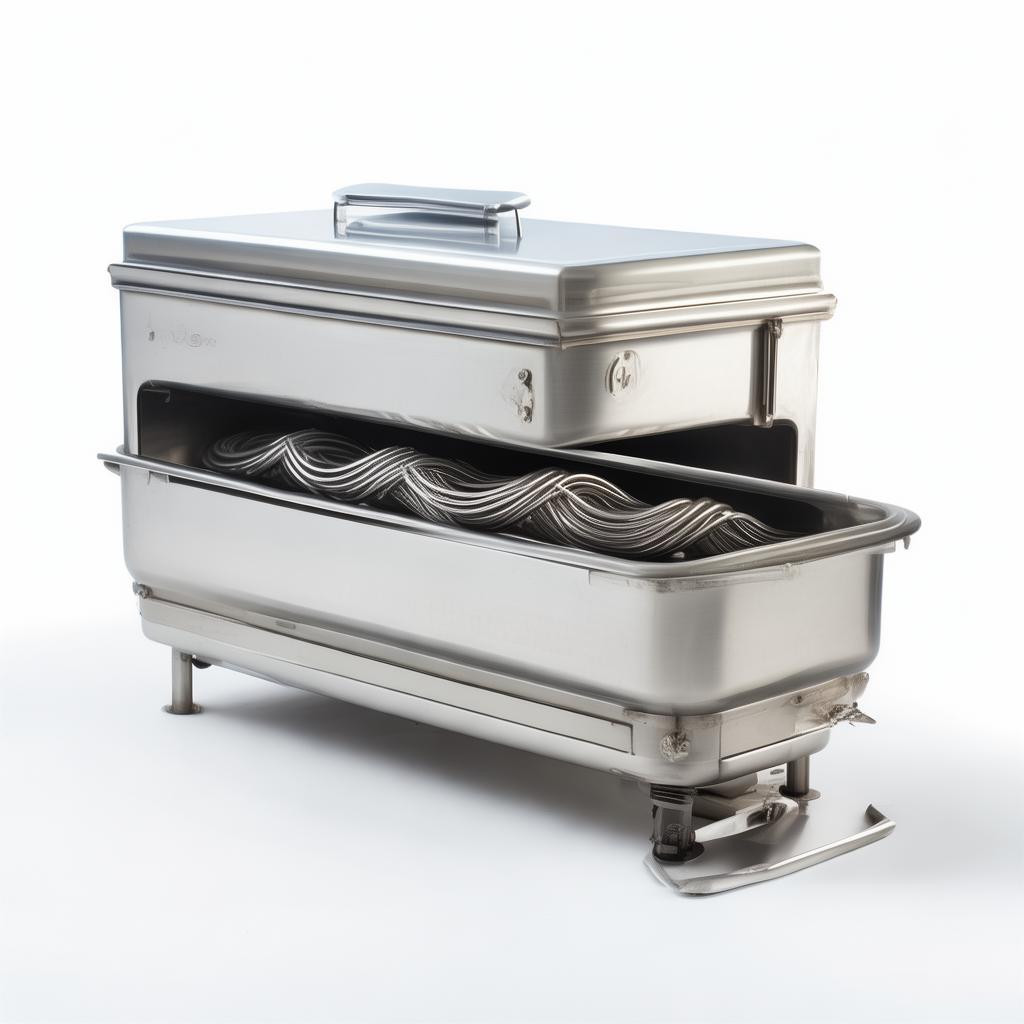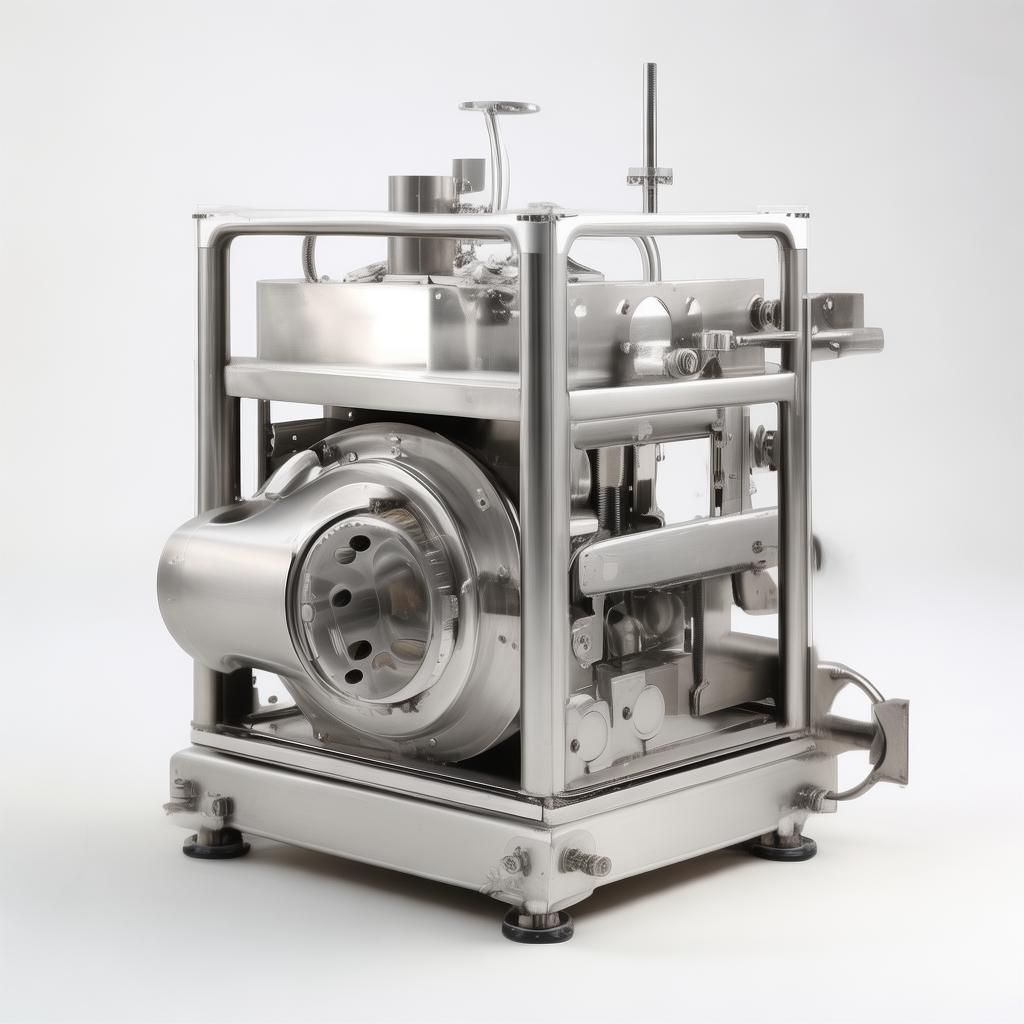
Product Conveyor
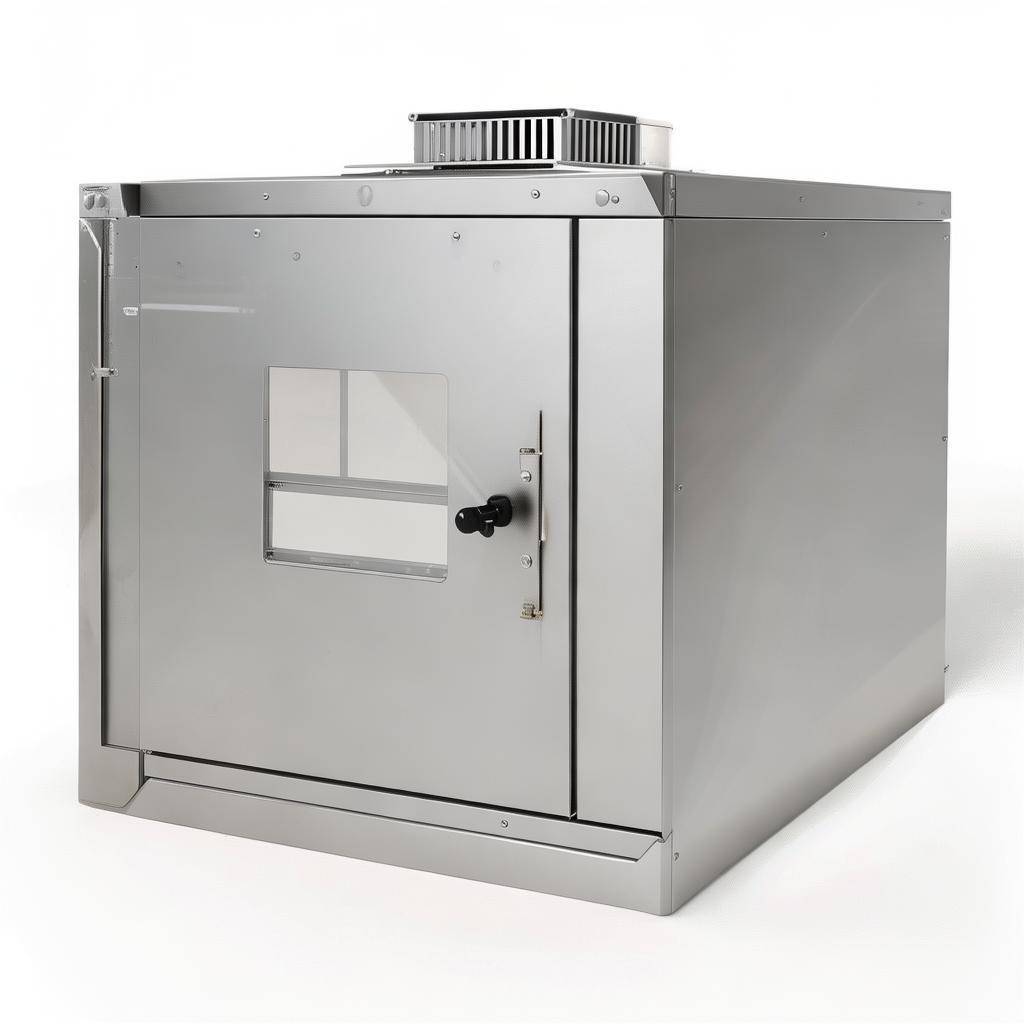
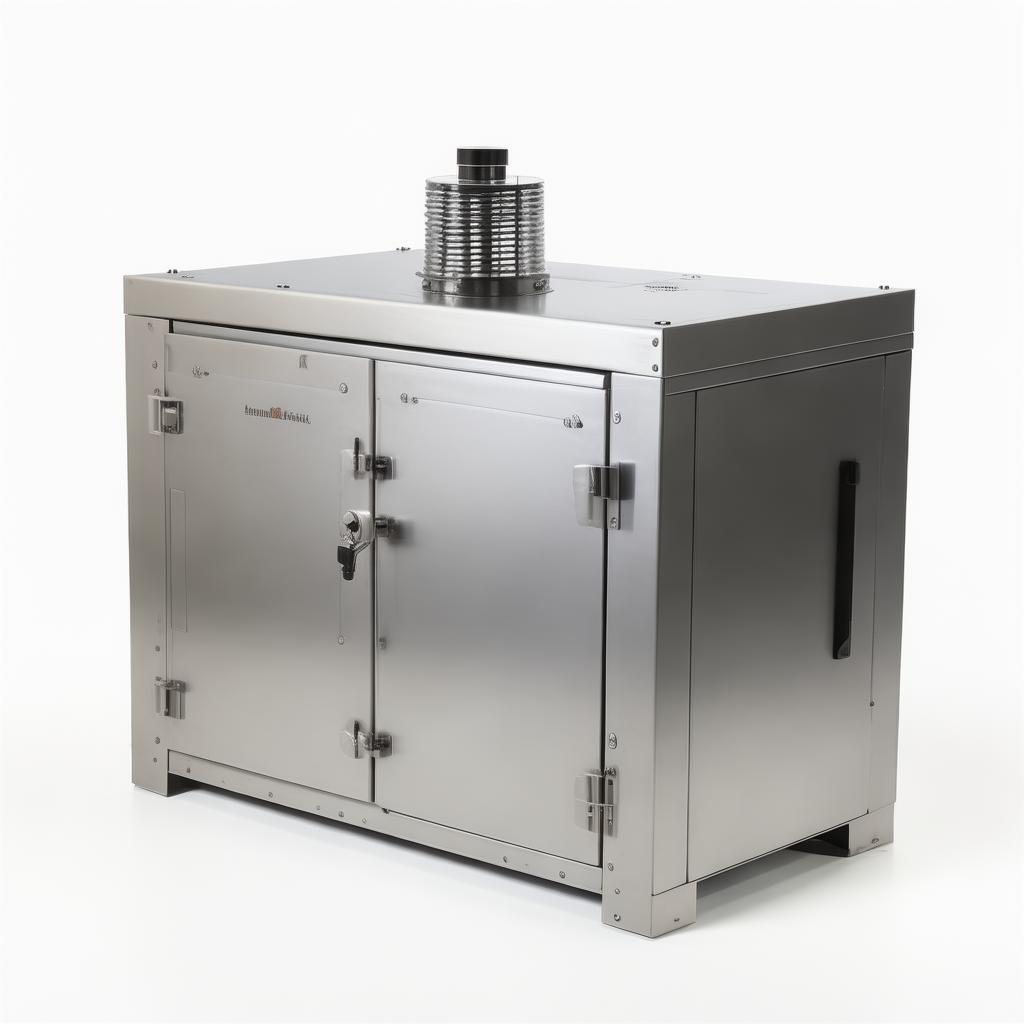
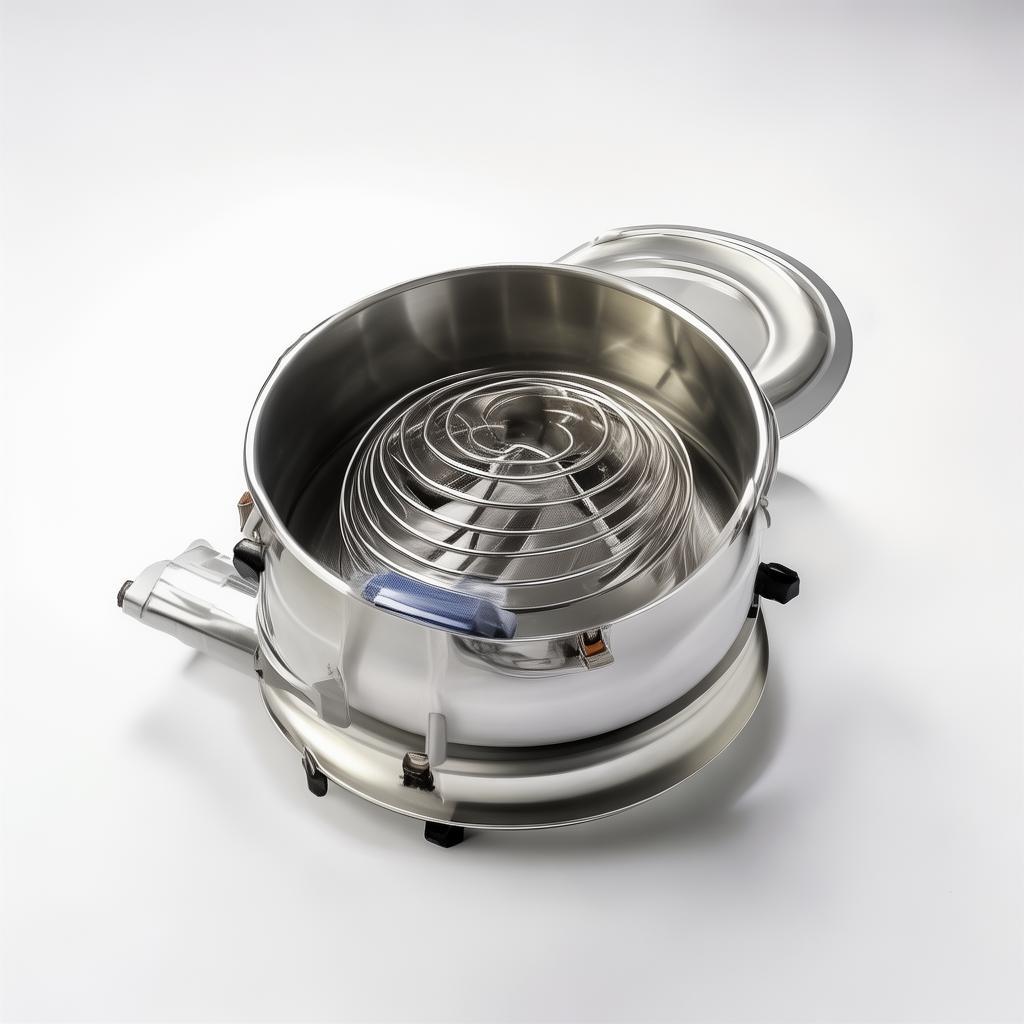

Precision Conveyor Systems for Enhanced Meat Processing Efficiency
Streamline Your Production Lines with Robust, Reliable, and Food-Grade Conveying Solutions
The Unsung Hero of Modern Food Processing: Why Your Conveyor System Matters More Than You Think
In the complex, high-stakes world of meat processing, every component of your production line plays a critical role. From the initial butchering and pretreatment to the final packaging and dispatch, efficiency, hygiene, and product integrity are paramount. Yet, often overlooked amidst the sophisticated machinery for filling, molding, or ripening, is the humble conveyor system. It’s the circulatory system of your operation, silently moving product from one stage to the next. A well-designed conveyor isn't just about transport; it's about optimizing throughput, minimizing manual handling, ensuring sanitary conditions, and ultimately, safeguarding your bottom line. Without a reliable conveying solution, even the most advanced processing equipment can grind to a halt, leading to costly downtime, increased labor demands, and potential contamination risks.
We've seen firsthand how a subpar conveyor can become a bottleneck. Imagine a critical batch of marinated meat sitting idle, risking spoilage, because the belt snagged or the motor sputtered. Or consider the increased risk of cross-contamination when a conveyor belt material isn't up to food-grade standards, difficult to clean, or prone to shedding. These aren't hypothetical scenarios; they are operational realities that can significantly impact profitability and brand reputation. The global meat processing equipment market, valued at over USD 11 billion and projected to surpass USD 17 billion by 2034 (Fortune Business Insights), underscores the immense scale and critical nature of this industry. Within this vast landscape, the demand for robust, automated solutions, including efficient material handling via conveyors, is steadily rising. This growth is propelled by factors such as increasing consumer demand for processed and convenience meats, the drive for enhanced hygiene and food safety compliance, and the ongoing push for automation to address labor shortages and improve operational efficiency.
At Hebei Yuanchang Food Mechanism & Technology Co., Ltd., with our 40 years of experience since 1986, we understand that the backbone of any efficient meat processing operation is its material flow. Our focus on complete production lines for meat and pet food processing has given us deep insights into the nuanced requirements of conveying systems. We don't just build machines; we engineer integrated solutions. Whether you're involved in the pretreatment of meat products, filling and molding sausages, or the critical ripening process that requires delicate handling, the right conveyor is indispensable. It needs to be durable, easy to sanitize, compliant with stringent food safety regulations (like those mandated by the FDA or EU standards), and designed to integrate seamlessly with your existing or new machinery. This is where our expertise in developing high-precision components, leveraging advanced CNC machining, and maintaining traceable after-sales support becomes invaluable for our international clients.
The complexity of modern food production often means dealing with a diverse range of products, each with its own handling requirements. From bulk raw materials to delicate, formed products, your conveyor needs to be adaptable. It must handle varying temperatures, moisture levels, and physical stresses without compromising product quality or operational safety. The need for specialized equipment is further highlighted by market trends focusing on processed and ready-to-eat meals. Reports indicate the processed meat market is set to reach over USD 1.2 trillion by 2034 (Fortune Business Insights), a testament to evolving consumer preferences that directly translate into demand for specialized processing and handling equipment. For an export manager or procurement director, selecting the right conveyor system is not merely a purchasing decision; it’s a strategic investment in your production capacity, quality control, and long-term operational resilience. It requires a supplier who understands not just the mechanics, but the entire workflow and the global regulatory landscape.
This guide delves into the critical aspects of selecting, implementing, and maintaining conveyor systems specifically tailored for the meat processing industry. We'll explore the technical considerations, the material choices that impact hygiene and durability, the logistical challenges of international shipping, and how to partner with a manufacturer that truly understands your operational needs. Our goal is to equip you with the knowledge to make an informed decision that enhances your production line's performance and contributes to your business's success. Let’s break down what makes a conveyor system truly effective in a demanding food processing environment.
Navigating the Operational Hurdles: Common Pain Points in Meat Processing Conveying
Many facilities grapple with similar challenges when it comes to their conveying setups. Identifying these pain points is the first step toward finding a robust solution. We often hear about:
- Hygiene and Sanitation Compliance: This is non-negotiable in food processing. Difficult-to-clean designs, crevices where product can lodge, and non-food-grade materials are constant risks. A report by Grand View Research notes that strict food safety standards are a key driver for automation and equipment upgrades in this sector.
- Product Degradation and Contamination: Conveyors that cause excessive product jostling, abrasion, or contamination (e.g., from wear and tear, or material shedding) can lead to significant product loss and quality issues.
- Downtime and Maintenance Costs: Frequent belt breaks, motor failures, or complex cleaning procedures eat into production time and increase operational expenses. The meat processing equipment market is increasingly valuing reliability and ease of maintenance.
- Inconsistent Throughput: Bottlenecks caused by under-spec'd or poorly integrated conveyors disrupt the entire line's efficiency, directly impacting output volumes and delivery schedules.
- Labor Intensity: Manual loading/unloading onto or off conveyors, or extensive manual cleaning, adds to labor costs and introduces human error.
- Integration Challenges: Retrofitting a conveyor that doesn't quite fit or communicate with adjacent machinery can create operational headaches and inefficiencies.
Addressing these issues requires a supplier who can offer more than just a generic belt-and-motor setup. It demands an understanding of the specific demands of handling meat products – whether raw, marinated, formed, or cooked.
The Hebei Yuanchang Advantage: Engineering for Excellence in Conveying
Our conveyor systems are designed from the ground up to tackle these challenges head-on. We leverage our extensive manufacturing capabilities and 40 years of experience to deliver solutions that are:
- Food-Grade & Hygienic by Design: Utilizing materials like high-density polyethylene (HDPE) and food-safe stainless steel, our conveyors feature smooth surfaces, minimal crevices, and easy-to-disassemble components for thorough cleaning. This adheres to global standards and supports your HACCP and GMP initiatives.
- Durable and Reliable: Built with robust components and precision engineering from our in-house machining workshop, including Japanese Mazak CNC centers for high-precision parts, our systems are designed for continuous operation with minimal wear. This reduces unexpected downtime, a crucial factor in the USD 11.28 billion meat processing equipment market (Grand View Research).
- Optimized for Product Integrity: We design conveyor profiles and belt types (e.g., modular plastic belts, flat belts) that minimize product damage during transit. Whether it's delicate formed patties or bulk cuts, we have a solution.
- Efficient and Scalable: Our systems are engineered for optimal throughput, integrating smoothly with upstream and downstream equipment. We offer solutions that can be scaled to meet growing production demands, supporting operations from small batch to large-volume export.
- Easy to Maintain: With a focus on accessible components and simplified designs, routine maintenance and cleaning are straightforward, reducing operational burden and extending equipment lifespan. Our traceable after-sales management system ensures parts availability.
We understand that selecting the right conveyor is about more than just its specifications; it's about how it fits into your overall production strategy. Our team works closely with clients to understand their specific product, throughput targets, and facility layout.
Technical Deep Dive: Materials, Design, and Customization
The core of a superior conveyor lies in its technical construction. Here's what sets our solutions apart:
Material Selection: Food Safety First
Material choice is critical for hygiene and longevity. We primarily utilize:
- Food-Grade Stainless Steel (e.g., 304, 316): For frames, support structures, and drive components. Offers excellent corrosion resistance, durability, and is easy to sanitize. Essential for washdown environments.
- High-Density Polyethylene (HDPE) / Polypropylene (PP): Commonly used for belts, guides, and wear strips. These materials are food-safe, low-friction, resistant to moisture and cleaning chemicals, and can be engineered for specific applications (e.g., temperature resistance).
- Food-Grade Polymers: For specialized belt types (e.g., modular belts) that offer flexibility in width, length, and surface features.
retractable conveyor system conveyor manufacturers ontario hopper conveyor system
Conveyor Types and Configurations
We offer a range of conveyor types to suit diverse processing needs:
| Conveyor Type | Key Features | Typical Applications |
|---|---|---|
| Flat Belt Conveyors | Versatile, smooth transfer, various belt materials (PVC, PU, modular). | Product transfer, sorting, infeed/outfeed for packaging. |
| Modular Belt Conveyors | Durable, easy to repair, wide range of belt surfaces, good for inclines/declines. | Bulk material handling, cooling tunnels, packaging lines. |
| Wire Mesh Conveyors | Excellent drainage, high-temperature resistance, allows airflow. | Cooling, cooking, frying, draining applications. |
| Slat Conveyors | Heavy-duty, stable platform, good for sharp turns or heavy items. | Bulk product movement, assembly lines. |
| Bucket Elevators | Vertical transport of bulk materials. | Infeeding raw materials, spices. |
Customization and Integration Capabilities
Every production line is unique. We specialize in bespoke solutions:
- Tailored Dimensions: Length, width, and height configured to fit your facility and product flow.
- Variable Speed Drives (VSDs): Allow precise control over product speed for different stages, from gentle filling to rapid transfer.
- Specialized Belting: Including cleated belts for inclines, perforated belts for drainage, or belts with specific surface textures for grip.
- Integrated Sensors and Controls: For automated start/stop, product detection, or feedback loops with other machinery.
- Optional Features: Belt scrapers, washdown motors, specific electrical certifications (CE, UL).
Our 40 years of experience mean we can anticipate integration needs, ensuring smooth compatibility with your filling, molding, and ripening equipment. The meat processing equipment market's growth, projected at a CAGR of 5-7% across various reports, highlights the increasing investment in such integrated systems.
Application Scenarios: Where Our Conveyors Excel
Our conveyor systems are integral to various stages of meat processing:
- Pretreatment & Raw Material Handling: Moving cuts of meat from deboning to trimming, marinating, or tumbling stations. Robust flat or slat conveyors are often used here.
- Filling & Molding Lines: Infeed and outfeed conveyors for sausage stuffers, patty formers, and meatball machines. Precise speed control is vital to prevent product distortion. Modular belts are common for hygiene and flexibility.
- Ripening & Maturing Processes: Gentle product transfer into and out of tumblers or maturation chambers. Conveyors in these areas often require specific belt surfaces to avoid sticking and maintain product shape.
- Cooling & Freezing Tunnels: Using specialized belts (e.g., wire mesh, perforated modular) that allow for efficient airflow and drainage during cooling or freezing processes.
- Packaging Infeed & Outfeed: Transferring finished products to filling machines, sealing machines, or robotic pick-and-place systems. Accuracy and timing are paramount.
- Sorting & Inspection Lines: Automated systems can use conveyors to present products for visual inspection or sort them based on size or weight.
The demand for automation and efficiency across these stages is a constant driver in the industry. For instance, the processed meat market's expansion into convenience items means more reliance on high-volume, consistent production facilitated by efficient conveying.
Installation, Maintenance, and Logistics: Ensuring a Smooth Transition
Getting a new conveyor system operational and keeping it that way involves more than just the purchase.
Installation Considerations
Proper installation is key to optimal performance and longevity. Our systems are designed for ease of setup:
- Modular Design: Many of our conveyors are modular, allowing for simpler transport and assembly on-site.
- Clear Documentation: We provide comprehensive installation manuals and diagrams.
- International Support: While on-site installation might require local technicians, our team is available for remote guidance and support.
- Power Requirements: We ensure electrical components are compatible with international standards (e.g., 220V/380V, 50/60Hz) or can be customized.
Routine Maintenance & Longevity
Proactive maintenance prevents costly breakdowns:
- Daily Cleaning: Crucial for hygiene. Our designs facilitate quick washdowns.
- Belt Tensioning: Regularly check and adjust belt tension for optimal performance and to prevent premature wear.
- Lubrication: As per manufacturer recommendations for drive components.
- Component Checks: Inspecting motors, bearings, and wear strips for signs of wear.
We provide spare parts and technical support to ensure your conveyor operates reliably for years. Our traceable after-sales management system means we know your equipment and can quickly supply necessary parts.
Logistics and International Shipping
Exporting machinery requires careful planning:
- Container Optimization: We design systems that can be efficiently packed into standard shipping containers (20ft, 40ft) to minimize freight costs.
- Protective Packaging: Ensuring machinery is well-protected against transit damage, moisture, and environmental factors.
- Documentation: Providing all necessary export/import documentation, including customs declarations and certificates of origin.
- Shipping Partners: We work with experienced freight forwarders to ensure timely and cost-effective delivery to your port of choice.
Global demand for efficient food processing equipment is high, with markets like Asia-Pacific showing significant growth. Understanding international logistics is a core part of our export service.
Procurement Guidance: Selecting the Right Partner
Choosing a supplier for critical processing equipment like conveyors is a decision with long-term implications. Here’s what buyers should look for:
- Manufacturing Experience: Look for a supplier with a proven track record, ideally with decades of experience. Our 40 years in business speaks to our stability and expertise.
- In-House Production Capabilities: A supplier with their own machining workshop (like ours with over 20 sets of machinery, including CNC centers) can ensure quality control, customization, and faster turnaround times for precision parts.
- Industry Specialization: Does the supplier understand the nuances of food processing, particularly meat? This includes knowledge of hygiene standards, material compatibility, and common operational workflows.
- After-Sales Support: Reliable access to spare parts, technical assistance, and troubleshooting is critical for minimizing downtime. Our traceable after-sales system is designed for this.
- Certifications and Compliance: Ensure the supplier adheres to relevant international standards (e.g., CE for European markets).
- Export Experience: A supplier familiar with international shipping, customs, and documentation will streamline the procurement process.
When evaluating suppliers, don't hesitate to ask for references, view case studies, and understand their production processes. A strong partnership built on trust and technical competence is essential. The global meat processing equipment market is competitive, but focusing on these key indicators will help you find a reliable partner like Hebei Yuanchang.
OEM/ODM Capabilities
For businesses looking for unique solutions or to integrate our technology into their own product lines, our OEM (Original Equipment Manufacturer) and ODM (Original Design Manufacturer) services are ideal. We can manufacture components or complete conveyor systems to your specifications (OEM) or collaborate on design and manufacturing for a fully customized product (ODM). This allows for greater flexibility and proprietary product development.
Our Commitment: Quality, Reliability, and Partnership
Hebei Yuanchang Food Mechanism & Technology Co., Ltd. is more than just a manufacturer; we are your strategic partner in optimizing your meat processing operations. Our extensive experience, advanced manufacturing capabilities, and unwavering commitment to quality ensure that you receive conveyor systems built for performance, durability, and compliance.
- 40 Years of Expertise (Since 1986): Deep industry knowledge built over four decades.
- 14,000 Sq Meter Facility: State-of-the-art production and R&D.
- 80-100 Skilled Employees: A dedicated team of professionals.
- Advanced Machining: Over 20 sets of processing machinery, including Japanese Mazak CNC centers.
- Traceable After-Sales: Ensuring ongoing support and parts availability.
We understand the global nature of your business and are equipped to support international clients with export-ready solutions and efficient logistics.
Certifications & Standards
Our commitment to quality is reflected in our adherence to international standards. While specific certifications may vary based on the exact product and target market, we design and manufacture to meet rigorous industry requirements, ensuring our machinery is suitable for export to regions requiring compliance with standards such as:
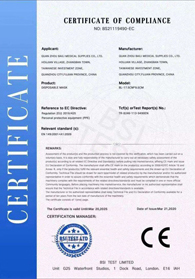

We are dedicated to providing equipment that not only meets but exceeds your expectations for performance, safety, and durability.
Real Voices from the Industry: Client Testimonials
Hear what our clients have to say about their experience with our conveyor systems and our partnership:

Operations Manager, North American Food Co.
"We were struggling with consistent throughput on our sausage line. The custom flat belt conveyor from Hebei Yuanchang was a game-changer. It integrated perfectly with our existing stuffer and wrapper, reducing jams by nearly 80% and allowing us to hit our daily targets reliably. Their understanding of export logistics was also impressive."

Procurement Director, European Meat Processors
"Hygiene is our top priority. We needed a conveyor system that was not only efficient but also incredibly easy to clean. Hebei Yuanchang delivered a modular belt system with FDA-compliant materials that has significantly simplified our sanitation process. The technical support during the specification phase was invaluable."

Plant Engineer, Asian Seafood & Meat Inc.
"The durability of the stainless steel frame and the precision of the drive system on our new conveyor have exceeded expectations. We've reduced maintenance call-outs by nearly 40% since installation. Hebei Yuanchang's ability to provide custom-engineered solutions for our specific product handling was critical."
Frequently Asked Questions (FAQ)
A: Lead times can vary based on complexity and customization. Generally, from order confirmation to shipment, it can range from 6 to 12 weeks. We strive for efficiency without compromising quality, leveraging our robust manufacturing setup.
A: While we provide comprehensive documentation and remote technical support for installation, on-site installation services are typically handled by local partners or your in-house team. We can advise on the best approach for your specific location.
A: Yes. We select appropriate materials and motor specifications for your operating temperature range. For extreme cold or heat, specialized belts and stainless steel grades (like 316) might be recommended.
A: The best way is to contact us directly via email or phone. Please provide as much detail as possible about your application, including product type, desired throughput, dimensions, and any specific features required. We will then assign an engineer to work with you.
A: We offer a standard warranty on our equipment, typically covering manufacturing defects. Specific terms and duration are detailed in our sales contracts.
Ready to Optimize Your Production Line?
Invest in a conveyor system that drives efficiency, ensures hygiene, and supports your growth. Partner with Hebei Yuanchang for reliable, high-performance solutions.