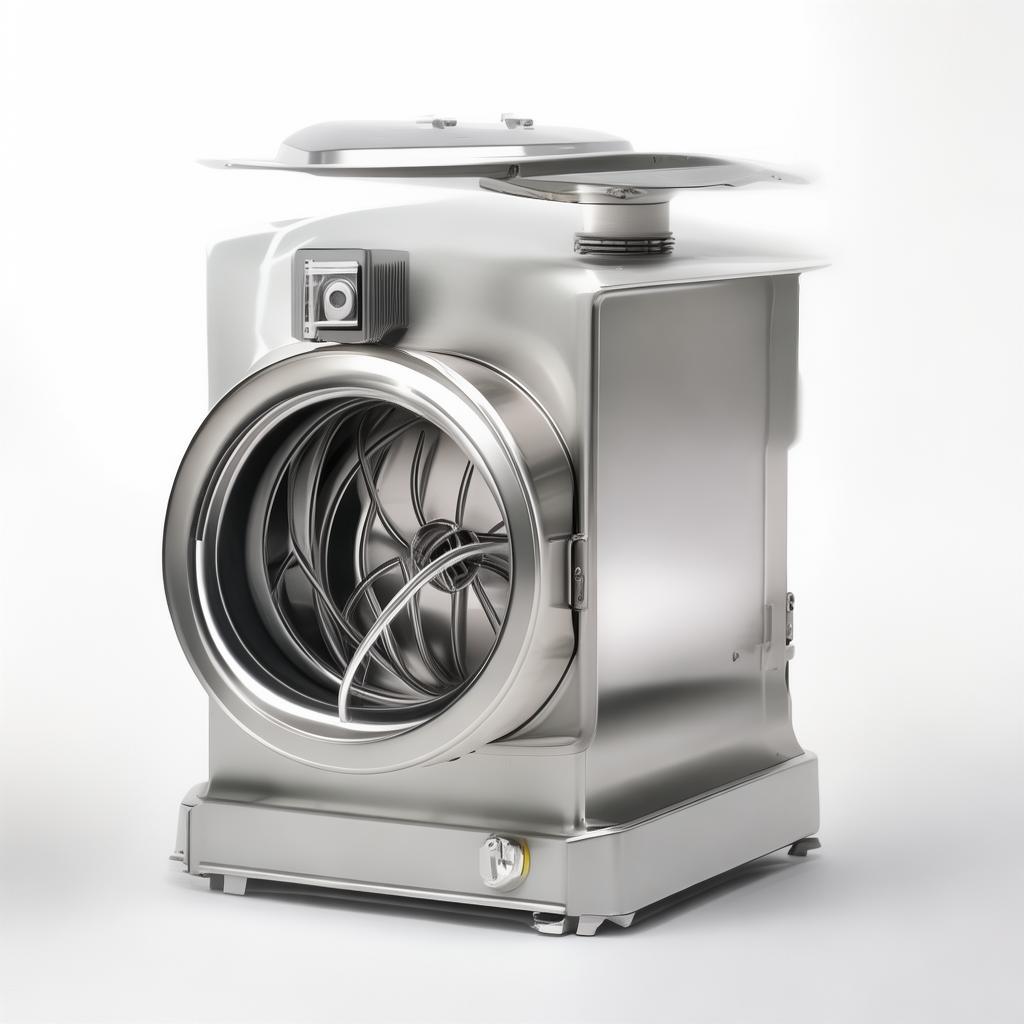
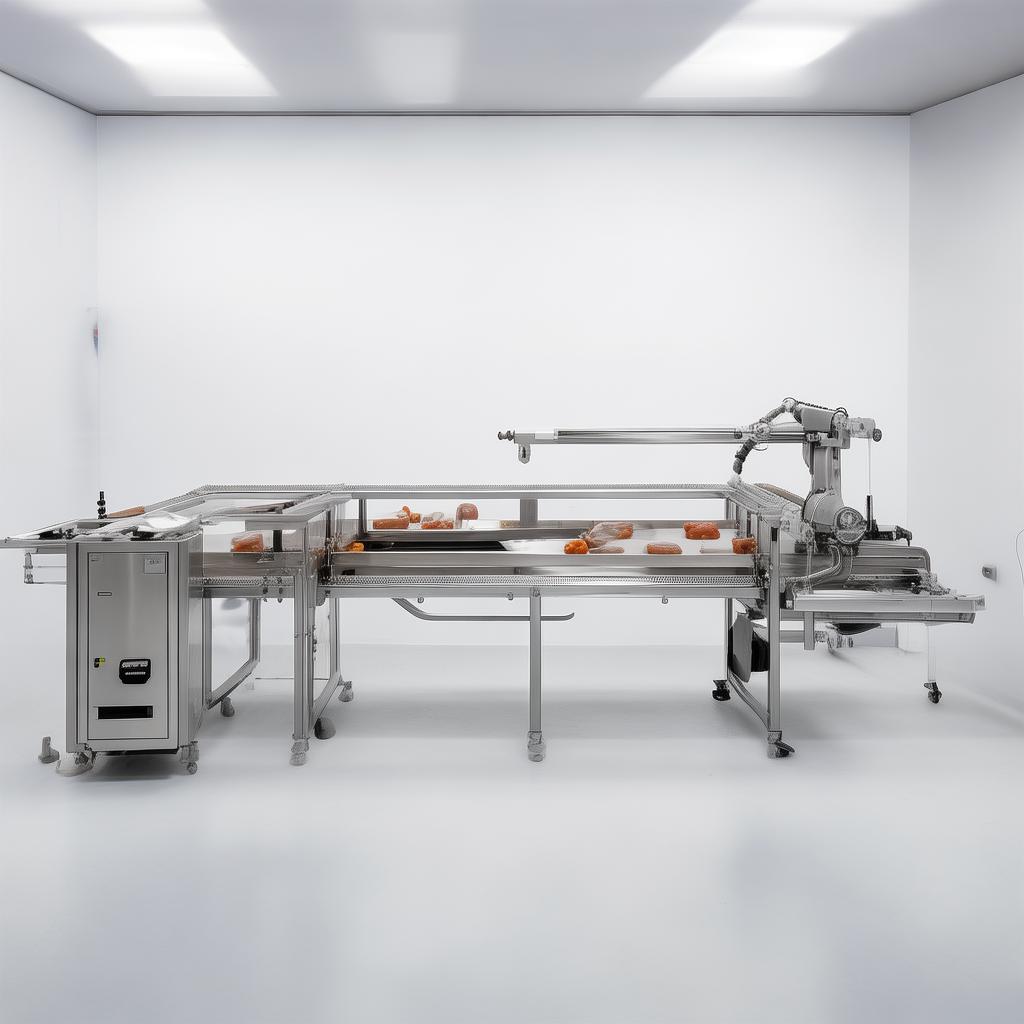
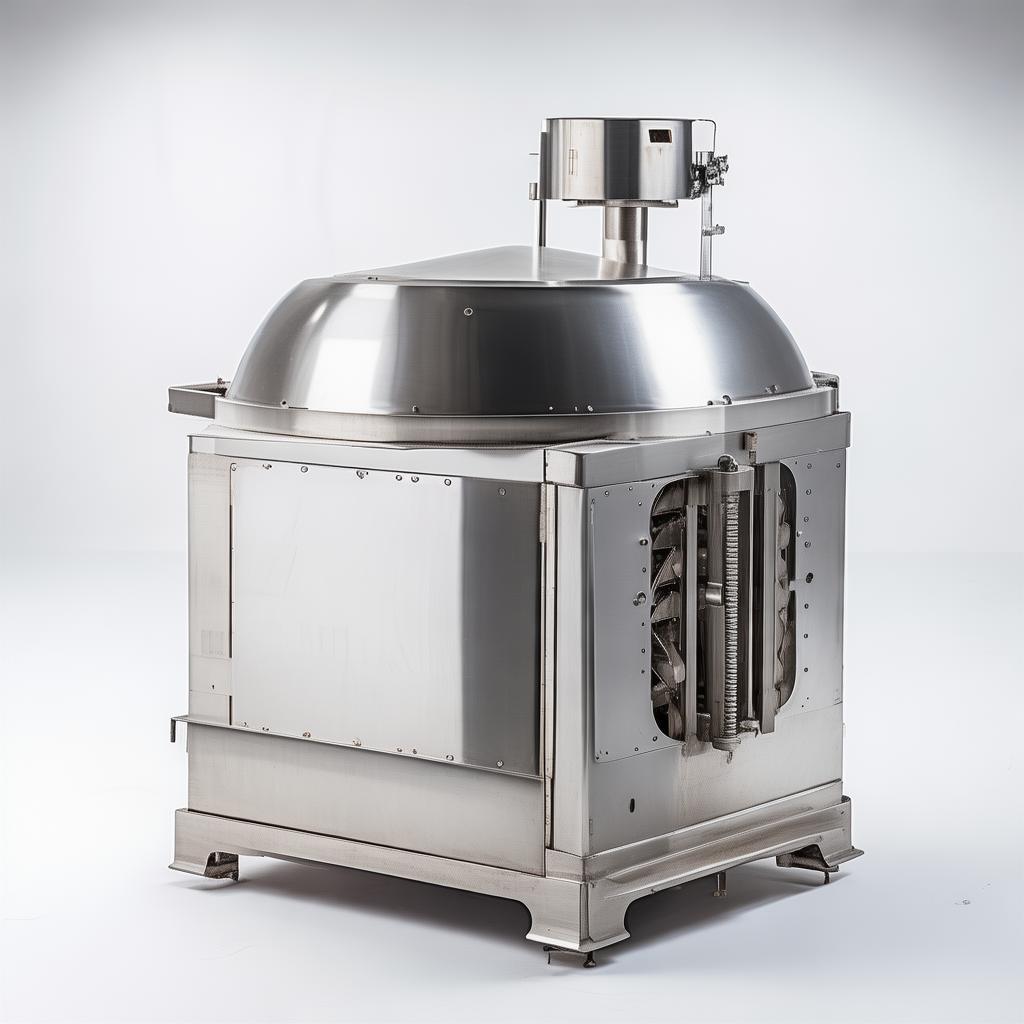
Pvd Vacuum Coating
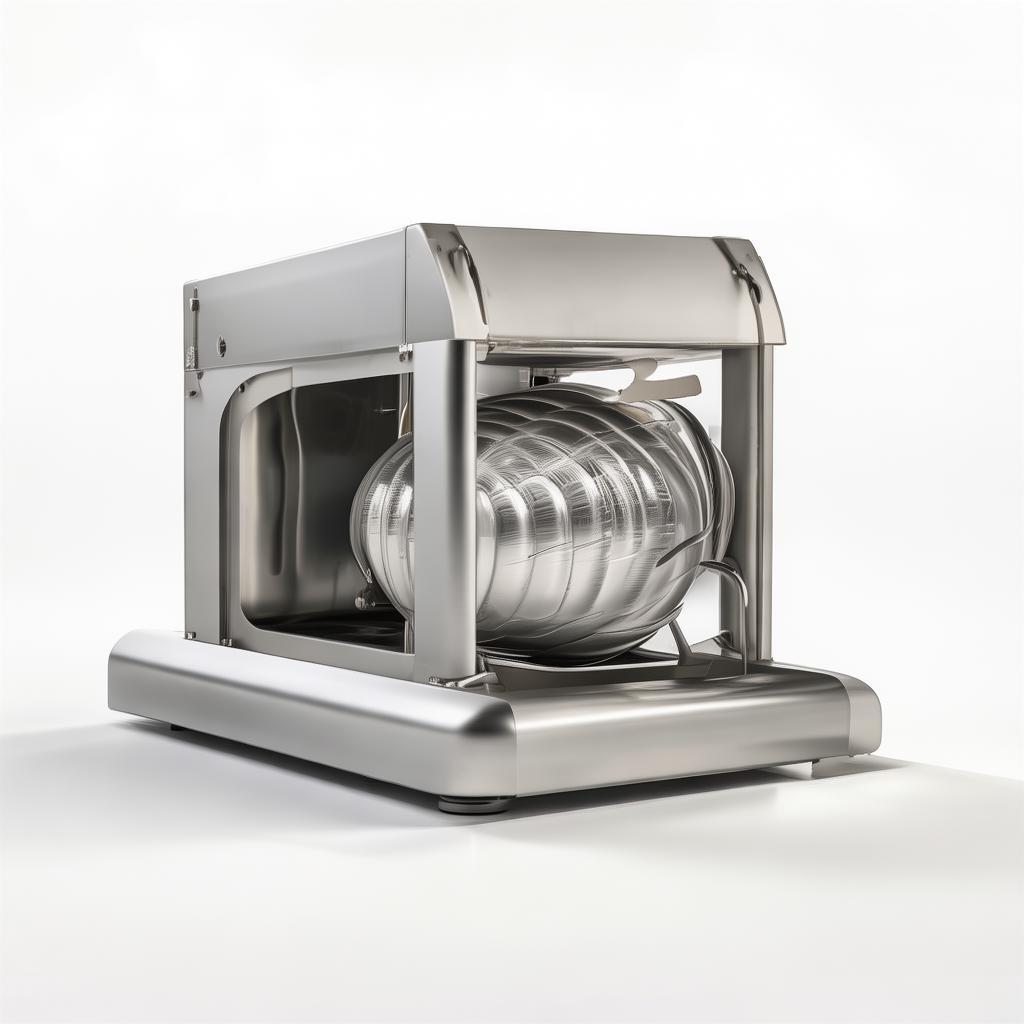
PVD Vacuum Coating: Precision Finishes for Industrial Demands
Unlock Superior Durability, Aesthetics, and Performance with Advanced Thin Film Technology.

By: Alex Chen, Lead Engineer
Hebei Yuanchang Food Mechanism & Technology Co., Ltd.
The Edge of PVD: Enhancing Components Through Vacuum Deposition
In the demanding world of industrial manufacturing and international trade, the performance and longevity of components are paramount. Whether you're developing high-precision machinery, intricate electronic devices, or specialized hardware for global markets, the surface finish plays a critical role that often goes overlooked until an issue arises. This is where Physical Vapor Deposition (PVD) vacuum coating emerges as a vital technology. It's not just about adding a layer of color; PVD is a sophisticated process that imbues materials with enhanced physical properties, offering a competitive edge in sectors ranging from aerospace and automotive to medical devices and consumer electronics.
At Hebei Yuanchang, our 40 years of experience since 1986, primarily in sophisticated meat processing equipment, have ingrained in us a deep appreciation for precision engineering and material science. This foundation, coupled with our significant investment in advanced manufacturing capabilities, including Japanese Mazak CNC machining centers, allows us to understand and implement high-standard, high-precision component finishing. While our core business is in food machinery, the underlying principles of durability, hygiene, and performance translate directly to the challenges faced by industries utilizing PVD coating. We recognize that many of our clients require components that can withstand harsh environments, resist wear, and maintain their integrity over extended operational lifecycles. PVD vacuum coating is precisely the solution that addresses these critical requirements.
Search for "PVD vacuum coating" often signals a need for solutions beyond conventional plating or painting. Buyers are typically looking for superior adhesion, a wider range of customizable finishes, and performance characteristics that traditional methods simply cannot achieve. They might be experiencing issues with corrosion, abrasion, galling, or simply seeking to differentiate their products with a premium aesthetic. The intent is rarely superficial; it's rooted in improving product reliability, reducing warranty claims, enhancing market appeal, and ultimately, boosting their bottom line through better product performance and a stronger brand reputation. This is where our expertise in applying advanced finishing techniques, informed by our manufacturing background, becomes invaluable.
The process itself, while technically complex, can be understood as a method of depositing thin films of material onto a substrate under vacuum. This controlled environment prevents contamination and allows for precise control over film thickness and composition. Unlike electroplating, PVD does not involve the use of hazardous wet chemicals, making it a more environmentally conscious choice for many applications. Furthermore, the sputtered or evaporated materials can range from pure metals like titanium and chromium to complex ceramic compounds and alloys, offering an immense palette for achieving specific functional and decorative properties. We view PVD not just as a service, but as an integral part of the product lifecycle, ensuring that the components leaving our facility, or those we help finish, meet the highest international standards for quality and performance. Our deep understanding of material interaction and stress mitigation, honed through decades of machinery production, provides us with a unique perspective on how PVD coatings truly perform in real-world industrial settings. This isn't guesswork; it's applied engineering.
For businesses operating in competitive international markets, sourcing reliable finishing solutions is critical. Import and export processes demand robust components that can withstand transit, varying environmental conditions, and stringent quality checks upon arrival. PVD coatings provide that much-needed resilience. For instance, a component treated with a PVD titanium nitride (TiN) coating might exhibit increased hardness and wear resistance, extending its service life by a factor of two or more compared to an untreated part. Similarly, a decorative PVD chrome or PVD black coating can offer superior scratch resistance and a consistent, high-quality appearance that resists tarnishing, crucial for high-value consumer goods or architectural hardware. The investment in PVD is an investment in product integrity and customer satisfaction, reducing the risks associated with component failure and enhancing brand perception.
The underlying intention behind seeking PVD vacuum coating is often a desire to solve specific material challenges. Are your cutting tools dulling too quickly? Is your hardware susceptible to corrosion in humid environments? Do your components need to withstand higher operating temperatures? PVD offers tailored answers. We understand the procurement decision workflows for industrial buyers – they are risk-averse, ROI-focused, and require technical assurance. Presenting clear advantages, backed by demonstrable performance metrics and a traceable manufacturing process, is key. This landing page is designed to provide precisely that clarity, showcasing how our capabilities in advanced finishing, informed by our extensive engineering and manufacturing experience, can elevate your products.
Key Benefits of PVD Vacuum Coating
- Enhanced Wear Resistance: PVD coatings are exceptionally hard, significantly extending the lifespan of treated components by resisting abrasion and erosion. This is vital for parts in constant motion or under high stress.
- Superior Corrosion Protection: Many PVD finishes act as an effective barrier against corrosive elements, crucial for components exposed to moisture, chemicals, or saltwater environments.
- Aesthetic Versatility: Beyond functional benefits, PVD offers a wide spectrum of decorative finishes, from brilliant gold and deep black to brushed stainless steel, allowing for premium product presentation.
- Biocompatibility & Inertness: Certain PVD coatings, like titanium nitride, are biocompatible and inert, making them suitable for medical implants, surgical instruments, and food-contact applications.
- Reduced Friction: Low coefficient of friction properties in some PVD coatings minimize surface drag, improving efficiency in moving parts and reducing heat generation.
- Environmentally Friendly Process: PVD is a dry process that avoids the use of hazardous chemicals, aligning with increasing environmental regulations and corporate sustainability goals.
Understanding the PVD Process: Beyond Surface Deep
The effectiveness of PVD lies in its controlled deposition process. It's a far cry from simple dipping or spraying. Imagine creating a thin film, atom by atom, onto your substrate in a near-perfect vacuum. This controlled environment is key. It prevents atmospheric gases from interfering, ensuring the deposited film is pure and uniform.
Broadly, PVD encompasses several techniques, each suited for different materials and applications:
1. Sputtering Deposition:
This is perhaps the most common method. A target material (the source of the coating) is bombarded with ions (usually Argon) in a vacuum chamber. This collision knocks atoms off the target, which then travel and deposit onto the substrate. Think of it like sandblasting a target and catching the resulting "dust" on your product. This method is excellent for depositing metals, alloys, and even some ceramic materials with great control over film composition.
Operational Insight: Sputtering allows for very dense, adherent films. Controlling the gas pressure and power supplied to the target is critical for film properties. We monitor these parameters closely to ensure consistent quality, crucial for components expected to endure millions of cycles.
2. Evaporation Deposition:
In this process, the coating material is heated in a vacuum until it evaporates. The vapor then travels and condenses onto the cooler substrate. This is often used for depositing pure metals like aluminum or gold. It's a simpler process but can be harder to control the film composition for alloys.
Logistics Consideration: While efficient for certain materials, ensuring even deposition across large or complex geometries can require careful fixturing of parts. Our engineering team considers part geometry early to prevent shadowing effects.
3. Arc Vapor Deposition (PVD-ARC):
This technique uses an electric arc to vaporize the target material. It's known for producing highly ionized vapor, which leads to very dense and adherent coatings at high deposition rates. It's particularly effective for depositing hard coatings like titanium nitride (TiN), chromium nitride (CrN), and titanium aluminum nitride (TiAlN).
Technical Depth: The high plasma density in arc PVD leads to lower substrate temperatures compared to some sputtering methods, which can be advantageous for heat-sensitive materials. This is a key advantage for coating tool steels and certain alloys.
The choice of method, base material, and specific gas chemistry within the vacuum chamber dictates the final properties of the PVD coating. Understanding these nuances is what separates a superficial finish from a high-performance engineering solution.
Applications: Where PVD Shines
The versatility of PVD vacuum coating means it finds application across a vast array of industries. Its ability to enhance both the functional and aesthetic aspects of materials makes it indispensable for modern manufacturing. Here are some key sectors where PVD is making a significant impact:
1. Aerospace & Defense:
Components require extreme durability, resistance to wear, and protection against harsh environmental conditions. PVD coatings are used on engine parts, landing gear, fasteners, and specialized tools for enhanced performance and longevity.
Procurement Insight: For aerospace suppliers, meeting stringent specifications like MIL-STD is non-negotiable. PVD coatings can help achieve certifications and ensure reliability under extreme operational stresses.
2. Automotive Industry:
From engine components needing wear resistance and reduced friction (e.g., piston rings, valve trains) to decorative trim offering lasting shine and scratch resistance, PVD plays a dual role. It contributes to fuel efficiency, extended component life, and premium vehicle aesthetics.
3. Medical Devices & Implants:
The biocompatibility and inert nature of PVD coatings like TiN or CrN make them ideal for surgical instruments (enhanced hardness, reduced friction for smoother procedures), orthopedic implants (improved wear resistance, bio-inertness), and diagnostic equipment. Compliance with FDA and ISO standards is paramount here.
Technical Note: Sterilization compatibility is a key consideration for medical PVD. Most common PVD coatings are designed to withstand various sterilization methods without degradation.
4. Electronics & Semiconductor Manufacturing:
PVD is used to deposit conductive layers, passivation layers, and wear-resistant coatings on components like connectors, switches, and semiconductor manufacturing equipment parts. Precise thin-film deposition is critical for device performance and reliability.
5. Industrial Tools & Machinery:
Cutting tools, molds, dies, and high-wear machine parts benefit immensely from PVD coatings. Increased hardness, reduced friction, and thermal barrier properties lead to longer tool life, higher processing speeds, and improved surface finishes on manufactured parts.
Experience Echo: We've seen firsthand how a well-coated cutting tool can outlast an uncoated one by several multiples. This translates directly to reduced downtime and lower tooling costs for manufacturers.
6. Architecture & Consumer Goods:
Decorative PVD coatings in finishes like brass, gold, rose gold, and black are widely used for faucets, door hardware, lighting fixtures, jewelry, and watch cases. These coatings offer exceptional scratch resistance, tarnish-free performance, and consistent aesthetic appeal that traditional plating can struggle to match.
PVD vs. Other Finishing Methods: A Comparative Look
When evaluating surface finishing options, understanding the trade-offs is essential for making an informed procurement decision. PVD vacuum coating offers distinct advantages over more traditional methods like electroplating, anodizing, and powder coating.
| Feature | PVD Vacuum Coating | Electroplating (e.g., Chrome, Nickel) | Anodizing (for Aluminum) | Powder Coating |
|---|---|---|---|---|
| Environmental Impact | Low (Dry process, no hazardous chemicals) | Moderate to High (Uses wet chemicals, can produce waste) | Low to Moderate (Uses acids, electrolysis) | Low (Powder is applied electrostatically, cured) |
| Film Adhesion & Uniformity | Excellent; highly uniform even on complex shapes | Good, but can have issues with uniformity on intricate geometries and edge buildup | Excellent; becomes integral to the substrate | Good; can be challenging for complex shapes and sharp edges |
| Hardness & Wear Resistance | Very High (e.g., TiN, CrN coatings) | Moderate (Chrome is hard, but often thicker and less adherent than PVD) | Moderate to High (Dependent on anodizing type) | Moderate (Can be brittle) |
| Aesthetic Range | Extremely Wide (Metals, alloys, vibrant colors, iridescent effects) | Limited (Chrome, Nickel, Brass look; potential for yellowing) | Limited (Clear, black, bronze, limited colors) | Very Wide (Virtually any color, matte to gloss) |
| Corrosion Resistance | Excellent (Forms a dense barrier) | Good, but porosity can be an issue | Good (Creates a passive oxide layer) | Good, but integrity depends on coating continuity |
| Cost Considerations | Higher initial cost, but lower total cost of ownership due to lifespan | Generally lower initial cost | Moderate | Generally lower initial cost |
| Substrate Compatibility | Wide range of metals, plastics, ceramics | Metals, some plastics | Aluminum only | Metals, some plastics |
vacuum coating equipment vacuum laminator professional vacuum packaging
Choosing PVD isn't always about the lowest upfront price. It's about selecting the method that delivers the required performance, durability, and aesthetic over the product's lifecycle. For components that demand superior performance and longevity, the ROI of PVD is often compelling, justifying its position as a premium finishing solution.
Technical Specifications: What to Expect
When specifying PVD vacuum coating for your components, several key technical parameters are critical. Understanding these will help ensure you receive a coating precisely tailored to your application's needs. Our team is adept at guiding you through this process, leveraging our engineering expertise.
Coating Thickness:
Typically ranges from 0.5 to 5 microns (µm). The exact thickness depends on the desired properties (e.g., wear resistance, color intensity) and the substrate material.
Buyer Alert: Thicker coatings aren't always better. Excessive thickness can lead to brittleness or affect the dimensional accuracy of precision components. We calibrate for optimal thickness based on your application.
Hardness:
Measured on the Vickers or Knoop scale. For instance, TiN coatings can reach 2000-2500 HV, significantly harder than many base metals.
Deposition Temperature:
Varies by PVD method, generally ranging from 150°C to 500°C. This is crucial for substrate compatibility; lower temperature processes are available for sensitive materials.
Adhesion Testing:
Methods include scratch testing and tape tests to ensure the coating remains bonded to the substrate under operational stress.
Common PVD Coatings & Their Properties:
- Titanium Nitride (TiN): Gold color, excellent hardness, wear resistance, low friction. Widely used for cutting tools, molds.
- Chromium Nitride (CrN): Silver/grey color, high hardness, excellent corrosion resistance, good thermal stability. Suitable for stamping dies, automotive parts.
- Titanium Aluminum Nitride (TiAlN): Dark grey/purple, excels in high-temperature applications and oxidative wear. Ideal for high-speed machining.
- Zirconium Nitride (ZrN): Yellow/gold color, good biocompatibility, higher melting point than TiN. Used in medical and decorative applications.
- Diamond-Like Carbon (DLC): Ranges from black to transparent, extremely low friction, very high hardness. For automotive components, high-wear parts, sports equipment.
Our commitment is to provide you with detailed specifications and test results for every batch of coated components, ensuring full traceability and confidence in performance.
Procurement Guidance: Sourcing PVD Coating Services
As a buyer, navigating the PVD vacuum coating market requires careful consideration. Not all providers are created equal, and the right partner is crucial for consistent quality and reliable delivery. Here are key factors to evaluate:
1. Experience & Expertise:
Look for suppliers with a proven track record in your specific industry or for similar applications. Decades of experience, like ours at Hebei Yuanchang, mean a deep understanding of material science, process control, and problem-solving.
Industry Observation: Many suppliers may offer PVD, but few possess the engineering depth to truly optimize the process for challenging applications. Ask about their material science background and engineering support.
2. Equipment & Technology:
State-of-the-art vacuum coating equipment, including advanced sputtering or arc deposition systems, is essential for achieving high-quality, reproducible results. High-precision CNC capabilities, like our Mazak centers, are also indicative of a commitment to quality control.
3. Quality Control & Certifications:
What quality assurance measures are in place? Do they perform in-house testing (hardness, adhesion)? Do they hold relevant certifications (ISO 9001)? This demonstrates a commitment to consistent standards.
4. Turnaround Time & Capacity:
Can they meet your production schedules? Assess their capacity for your projected volumes, especially for international shipments where lead times are critical. A robust supply chain management system is a good sign.
Logistics Warning: Always factor in international shipping times, customs clearance, and potential delays. A supplier with established export experience can streamline this process.
5. OEM/ODM Capabilities:
If you require custom coating solutions or development for new applications, inquire about their OEM/ODM services. This involves close collaboration with their engineering team.
We understand that selecting a PVD coating provider is a significant decision. Our 40 years in manufacturing, combined with our investment in advanced technologies, positions us as a partner capable of delivering not just a coating, but a comprehensive solution.
Ready to Elevate Your Product's Performance?
Discover how our advanced PVD vacuum coating solutions, backed by decades of industrial manufacturing expertise, can provide the durability, aesthetics, and functional enhancements your components demand.
Customer Experiences: Real-World Impact

"We were struggling with premature wear on critical components in our automated packaging lines. The PVD coating we received from Hebei Yuanchang has dramatically extended their lifespan, cutting downtime by nearly 30% and saving us a substantial amount on replacement parts. The black nitride finish also looks incredibly professional."
— Mark Jenkins, Operations Manager, US Food Packaging Inc.
"As a supplier for the medical device industry, component reliability is everything. We needed a biocompatible coating with superior scratch resistance for surgical instruments. Hebei Yuanchang provided a CrN PVD coating that not only met our strict ISO standards but also enhanced the instruments' tactile feel. Their technical team was invaluable in specifying the right parameters."
— Sarah Lee, Procurement Specialist, MedTech Solutions Co.
"We were looking to upgrade the aesthetic and durability of our high-end hardware line for export to Europe. The decorative PVD finishes (like their brushed brass effect) are simply stunning and incredibly resistant to tarnishing. Customer feedback has been overwhelmingly positive, and our return rates have dropped significantly."
— David Chen, Director of Product Development, Premium Home Fittings Ltd.Get in Touch
We're here to answer your questions and discuss your specific PVD vacuum coating needs. Reach out to our expert team for a personalized consultation.
Contact Information:
Phone: +86 15830991513
Email: ycmeatmech@gmail.com
Address: Shijiazhuang, Hebei Province, China
Send Us a Message:
Hebei Yuanchang Food Mechanism & Technology Co., Ltd. – Leveraging 40 years of industrial manufacturing expertise to provide advanced finishing solutions.
© 2026 Hebei Yuanchang. All rights reserved.