Vacuum Coating Equipment
Advanced Vacuum Coating Equipment: Precision, Durability, and Efficiency for Industrial Excellence
By  David Chen, Senior Export Manager
Navigating the Complexities of Modern Surface Finishing
In today's competitive industrial landscape, the performance and longevity of manufactured goods hinge significantly on the quality of their surface treatments. For critical components across aerospace, automotive, electronics, medical devices, and decorative applications, achieving precise, uniform, and durable coatings is no longer a luxury – it's a fundamental requirement. This is where advanced vacuum coating equipment takes center stage, offering unparalleled control and superior results compared to traditional methods.
However, the journey to selecting and implementing the right vacuum coating solution can be fraught with challenges. Procurement managers and technical engineers often grapple with understanding the intricate differences between PVD (Physical Vapor Deposition), CVD (Chemical Vapor Deposition), sputtering, evaporation, and ion plating techniques. They face the crucial decision of balancing upfront investment against long-term operational efficiency, throughput, and coating quality. Furthermore, ensuring compliance with international standards, managing lead times for custom configurations, and integrating new equipment into existing production lines are operational realities that demand seasoned expertise.
At Hebei Yuanchang, we understand these procurement hurdles. With decades of experience (since 1986!) in precision machinery manufacturing, including sophisticated processing and molding equipment, we've developed a deep appreciation for the exacting demands of high-performance coatings. Our journey began with essential food processing machinery, but the core principles of precision engineering, robust construction, and reliable performance have always been paramount. This foundation has enabled us to expand our expertise into areas requiring absolute accuracy and repeatability, such as the advanced surface finishing solutions provided by our vacuum coating equipment.
The global demand for sophisticated surface treatments is a direct response to escalating product performance expectations and the drive for enhanced durability and aesthetic appeal. As industries push the boundaries of material science and component design, the role of specialized coatings becomes increasingly critical. For example, in the automotive sector, coatings enhance wear resistance and reduce friction for engine parts, while also providing corrosion protection and a premium finish for trim. In electronics, thin film coatings are vital for conductivity, insulation, and protection against environmental factors. The medical field relies on biocompatible and antimicrobial coatings for implants and instruments. This broad spectrum of applications underscores the transformative power of vacuum coating technology.
This isn't just about applying a layer of material; it's about engineering a surface property. It's about adding value that directly impacts product lifespan, functionality, and market competitiveness. For a purchasing manager, the decision to invest in vacuum coating equipment is strategic. It's about selecting a partner who can deliver not only the machinery but also the technical support, process knowledge, and reliability that ensures a smooth integration and consistent output. It’s about mitigating risks associated with complex technology and ensuring a tangible return on investment through improved product quality and reduced field failures.
Choosing the right vacuum coating equipment means looking beyond the glossy brochures. It requires understanding the nuances of vacuum levels, gas introduction, plasma generation, substrate heating, and the specific deposition processes tailored to your materials and application requirements. Whether you are looking for robust PVD systems for hard coatings, intricate sputtering machines for optical films, or efficient evaporation units for metallization, the technical specifications, build quality, and manufacturer's support are paramount. We recognize that in international trade, transparency, clear communication, and dependable after-sales service are just as critical as the equipment itself.
Our commitment at Hebei Yuanchang is to bridge this gap. We leverage our extensive experience in precision machining – a testament to our over 20 sets of advanced processing machines including Japanese Mazak CNC machining centers – to construct vacuum coating equipment that meets stringent performance criteria. This in-house capability allows us to control the quality of every critical component, ensuring the high precision and reliability demanded by your sophisticated coating processes. We aim to be more than just a supplier; we strive to be a strategic partner, offering insights born from years of hands-on manufacturing and international export experience.
The market itself is dynamic. Reports consistently highlight the growth in the broader food processing equipment market, with segments like filling and molding seeing significant expansion. While seemingly unrelated, the underlying principles of precision engineering, automation, and delivering reliable operational performance are universal. Our 40 years in meat processing equipment have honed our understanding of what it takes to build machinery that endures and performs consistently under demanding industrial conditions. This deep-rooted expertise is now channeled into our vacuum coating solutions, ensuring they are built for endurance and efficiency.
Consider the implications for your supply chain. Selecting an equipment provider with a proven track record in international logistics and a robust after-sales management system, like ours, can significantly reduce lead times, minimize import complications, and ensure you receive ongoing support. This is especially critical when dealing with complex machinery like vacuum coaters, where installation, commissioning, and operator training are vital for optimal performance. Our aim is to demystify the process and provide a clear, reliable path to acquiring world-class coating technology.
Understanding the Core Technologies: PVD, Sputtering, and Evaporation
The landscape of vacuum coating encompasses several key technologies, each suited for different applications and material requirements. Understanding these distinctions is the first step in identifying the optimal solution for your manufacturing needs.
Physical Vapor Deposition (PVD)
PVD is a broad term encompassing several processes where a solid material is vaporized in a vacuum and deposited onto a substrate. It's highly versatile, allowing for a wide range of coating materials, from metals and alloys to ceramics and nitrides. PVD coatings are known for their hardness, wear resistance, and decorative finishes.
- Magnetron Sputtering: This is one of the most common PVD techniques. It involves bombarding a target material (the source of the coating) with ions (usually argon). This collision "splutters" atoms from the target, which then travel and deposit onto the substrate. It's excellent for depositing a wide array of materials, including metals, alloys, and dielectric films, offering good control over film thickness and uniformity. Many optical coatings and wear-resistant layers are applied this way.
- Evaporation: In this method, the coating material is heated in a vacuum until it vaporizes. The vapor then condenses onto the cooler substrate. Thermal evaporation uses resistive heating, while electron beam evaporation uses a high-energy electron beam for vaporization. This technique is efficient for depositing pure metals and some alloys, often used for reflective coatings, conductive layers, and decorative finishes.
- Arc Evaporation (Cathodic Arc Deposition): Similar to sputtering, but uses a high-current electrical arc to vaporize the target material. It produces a dense, hard coating with high deposition rates. Often used for very hard, wear-resistant coatings like TiN (Titanium Nitride) and CrN (Chromium Nitride).
Chemical Vapor Deposition (CVD)
CVD involves chemical reactions of precursor gases in a vacuum or controlled atmosphere, leading to the deposition of a solid material onto a heated substrate. While often performed at higher temperatures and pressures than PVD, it can produce exceptionally dense, conformal, and pure coatings. Diamond-like Carbon (DLC) and silicon carbide (SiC) coatings are common CVD applications.
Choosing between these methods depends heavily on the desired coating properties, substrate material, production volume, and cost considerations. For instance, a procurement manager evaluating solutions for automotive engine components might prioritize PVD sputtering for its hardness and wear resistance, while a producer of high-end decorative watch casings might opt for PVD evaporation for its bright metallic finishes.
Key Applications Driving Demand for Vacuum Coating
The versatility of vacuum coating technology translates into its widespread adoption across numerous industries. Understanding these applications can help pinpoint how our equipment can serve your specific needs.
| Industry | Common Applications | Coating Benefits |
|---|---|---|
| Automotive | Engine parts (pistons, valves), gears, bearings, decorative trim, headlights | Reduced friction, enhanced wear resistance, corrosion protection, aesthetic appeal |
| Electronics | Semiconductor components, PCBs, connectors, displays, EMI shielding | Electrical conductivity, insulation, corrosion resistance, signal integrity |
| Aerospace | Turbine blades, fasteners, landing gear components, satellite optics | High-temperature resistance, erosion protection, wear resistance, reduced thermal emissivity |
| Medical Devices | Surgical instruments, implants, diagnostic tools, prosthetics | Biocompatibility, antimicrobial properties, lubricity, wear resistance, corrosion resistance |
| Tooling & Industrial | Cutting tools, molds, dies, punches, stamping tools | Extreme hardness, increased tool life, reduced coefficient of friction, improved surface finish |
| Decorative | Jewelry, watches, consumer electronics casings, hardware, architectural elements | Vibrant colors, metallic finishes, scratch resistance, tarnish resistance |
The drive for improved performance and extended product lifecycles is a constant across these sectors. As reported, the global meat processing equipment market is growing, with increasing demand for automation and efficiency. This parallels the vacuum coating industry's own evolution towards higher throughput and more sophisticated process controls. Our engineering ethos, honed over decades in demanding manufacturing environments, ensures our vacuum coating equipment is built to meet these cross-industry demands for precision and reliability.
Hebei Yuanchang Vacuum Coating Equipment: Engineered for Performance
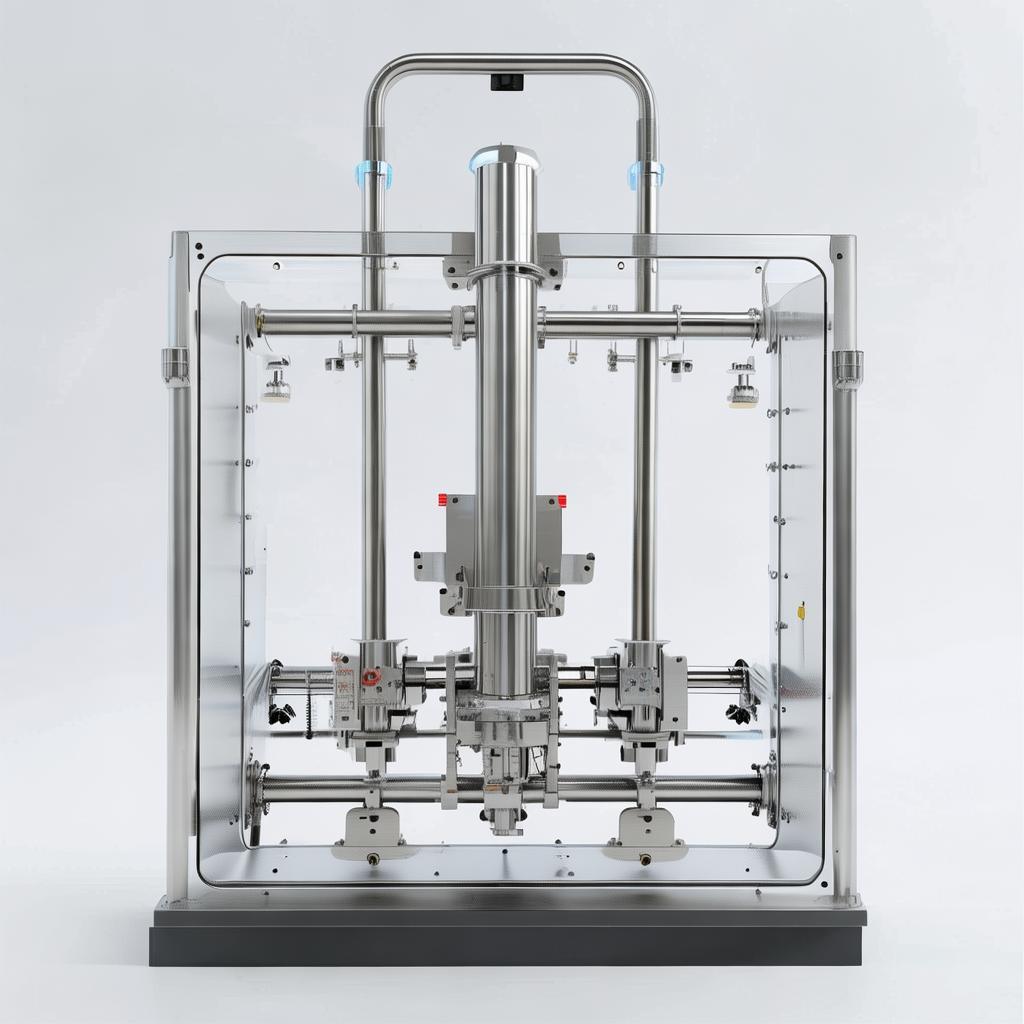
Our vacuum coating equipment is designed with the international B2B buyer in mind, focusing on robust construction, advanced control systems, and operational efficiency. We integrate decades of precision manufacturing experience – including our significant investment in Japanese Mazak CNC machining centers – into every unit.
Key Advantages:
- Precision Engineering: Built to exacting standards, ensuring consistent vacuum levels, stable plasma, and precise coating deposition.
- Robust Construction: Utilizes high-quality materials and proven fabrication techniques for maximum durability and minimal downtime, even in demanding industrial settings. Our in-house machining workshop, equipped with over 20 sets of processing machinery, guarantees component integrity.
- Advanced Control Systems: Intuitive PLC (Programmable Logic Controller) interfaces allow for easy recipe management, process monitoring, and automation, reducing operator error and improving repeatability.
- Versatile Configurations: We offer solutions tailored to various PVD processes including magnetron sputtering, arc evaporation, and thermal/electron beam evaporation, accommodating a wide range of coating materials and substrate types.
- Scalable Throughput: Chamber sizes and loading capacities can be customized to match your production volume requirements, from R&D labs to high-volume manufacturing lines.
- Energy Efficiency: Designed to optimize energy consumption without compromising coating quality or deposition rates.
- Global Compliance: Equipment designed with international safety and operational standards in mind, facilitating easier integration into global supply chains.
As an example of our commitment to quality, consider our deep understanding of material handling and molding in the meat processing industry. The same precision required to create perfectly formed sausages or tenderize meat uniformly is applied to the intricate mechanics of our vacuum coating systems – ensuring each component interacts flawlessly for optimal performance.
Technical Specifications: A Closer Look
While specific configurations vary based on application needs, our standard vacuum coating equipment series offers a robust baseline. Below are typical specifications. We encourage direct consultation for customized solutions.
| Feature | Specification Range | Notes |
|---|---|---|
| Coating Process | PVD (Magnetron Sputtering, Arc Evaporation), Thermal Evaporation, E-beam Evaporation | Configurable based on application |
| Ultimate Vacuum Level | 1.0 x 10^-3 Pa to 1.0 x 10^-6 Pa | Achieved via turbo molecular pumps and diffusion/rotary pumps |
| Chamber Material | High-grade Stainless Steel (e.g., SUS304/316) | Durable and easy to clean |
| Substrate Fixturing | Rotary, Planetary, Static | Ensures uniform coating coverage |
| Heating System | Up to 400°C (optional higher) | For improved coating adhesion and properties |
| Gas Control | Mass Flow Controllers (MFCs) | Precise control of reactive gases (N2, O2, Ar, etc.) |
| Control System | PLC with HMI Touchscreen | Programmable recipes, data logging, diagnostics |
vacuum packaging equipment vacuum deposition equipment vacuum machine packaging
Procurement Guidance: What to Look For
Navigating the purchase of industrial equipment, especially from international suppliers, requires a structured approach. Based on our 40 years of manufacturing and export experience, here are key considerations:
Supplier Reliability and Expertise
- Manufacturing History: Look for manufacturers with a long-standing presence and a proven track record, like Hebei Yuanchang's since 1986. This indicates stability and accumulated expertise.
- In-house Capabilities: Suppliers with extensive in-house machining and fabrication facilities (e.g., our 20+ CNC machines) can ensure higher quality control and quicker turnaround for custom parts.
- Technical Support: Ensure the supplier offers comprehensive pre-sales consultation, installation guidance, operator training, and reliable after-sales service. A traceable management system is crucial.
- Certifications: While specific certifications for vacuum coating equipment can vary, look for ISO certifications for the manufacturer's quality management systems.
Equipment Specifics
- Process Suitability: Does the equipment precisely match your intended coating materials, substrate types, and desired coating properties?
- Throughput and Cycle Time: Evaluate chamber size, loading capacity, pumping speed, and deposition rates against your production targets.
- System Control: The ease of use and flexibility of the PLC/HMI system for managing recipes and monitoring processes.
- Vacuum Performance: Verify the ultimate vacuum levels achievable and the pump configuration.
Logistics and After-Sales
- Shipping & Installation: Understand lead times, packaging methods (e.g., container loading optimization), shipping costs, and whether installation and commissioning services are available.
- Warranty & Maintenance: Clearly defined warranty periods and accessible spare parts are essential for minimizing operational disruptions.
- Communication: Establish clear communication channels and points of contact for any post-purchase inquiries or support needs.
Investing in robust machinery is a long-term decision. Our aim is to provide the transparency and support necessary to make that decision with confidence. We’ve built our reputation on providing reliable solutions, a principle that has guided us since our inception in 1986.
Reducing Risk: Our Commitment to You
We understand that international procurement can involve perceived risks. Hebei Yuanchang is committed to mitigating these through:
Our 40-year legacy is built on trust and delivering consistent value. We apply the same dedication that makes our meat processing equipment a reliable choice to our vacuum coating solutions.
Customer Insights: Real-World Experiences
"We were looking for a sputtering system for decorative coatings on watch components. Hebei Yuanchang provided a highly customized solution that exceeded our expectations in terms of finish quality and deposition rate. Their technical team was incredibly helpful during the selection process."
-  Mark T., Operations Manager, Switzerland
"The PVD coating equipment we sourced from Yuanchang for our automotive parts has significantly improved wear resistance. Installation was straightforward, and their support team provided excellent training for our engineers. The reliability has been top-notch, minimizing our production disruptions."
-  Sarah K., Procurement Director, USA
"As a distributor, we need reliable equipment partners. Hebei Yuanchang's vacuum coaters are well-built, and their export process is efficient. The consistent quality and their responsiveness to our client inquiries have made them a valuable supplier for our portfolio."
-  Rajesh P., B2B Distributor, India
Ready to Enhance Your Product Performance?
Explore how our advanced vacuum coating equipment can revolutionize your surface finishing processes. We offer tailored solutions designed for precision, durability, and efficiency.