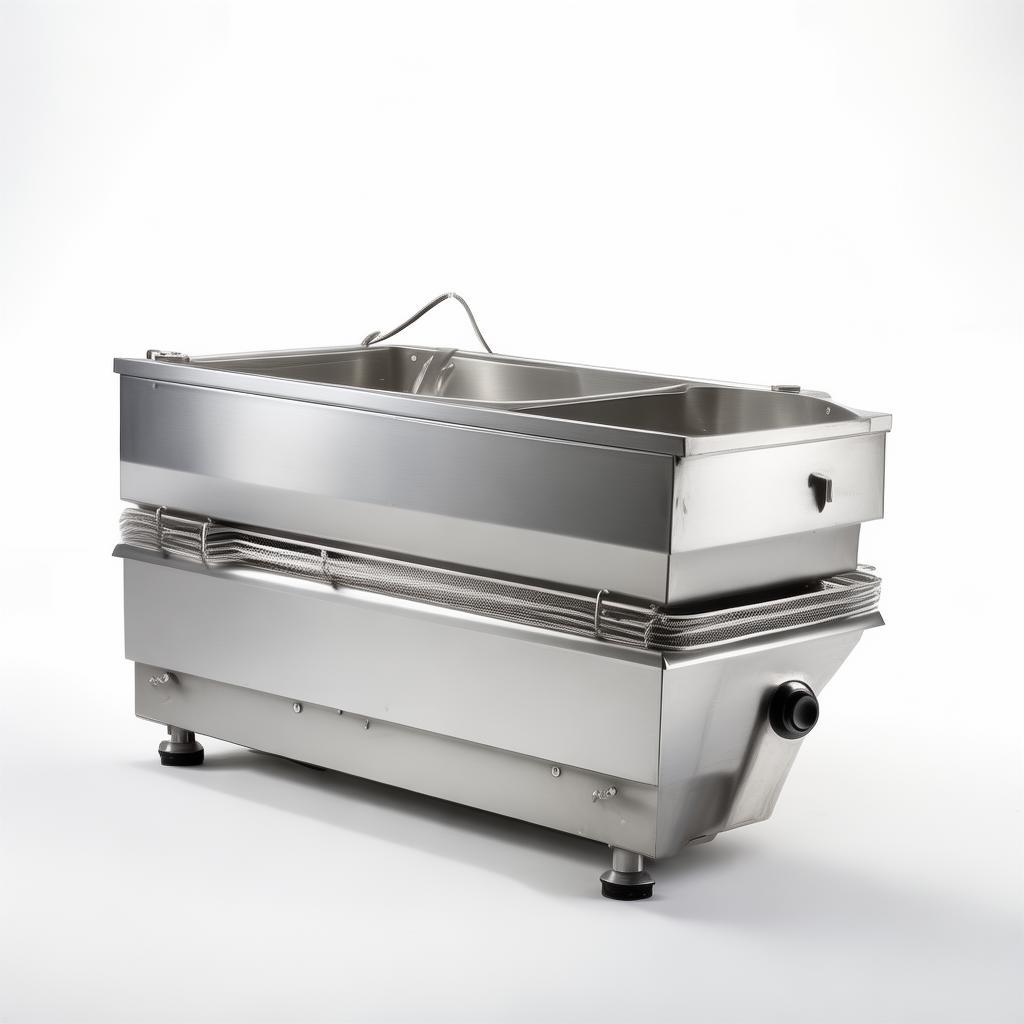
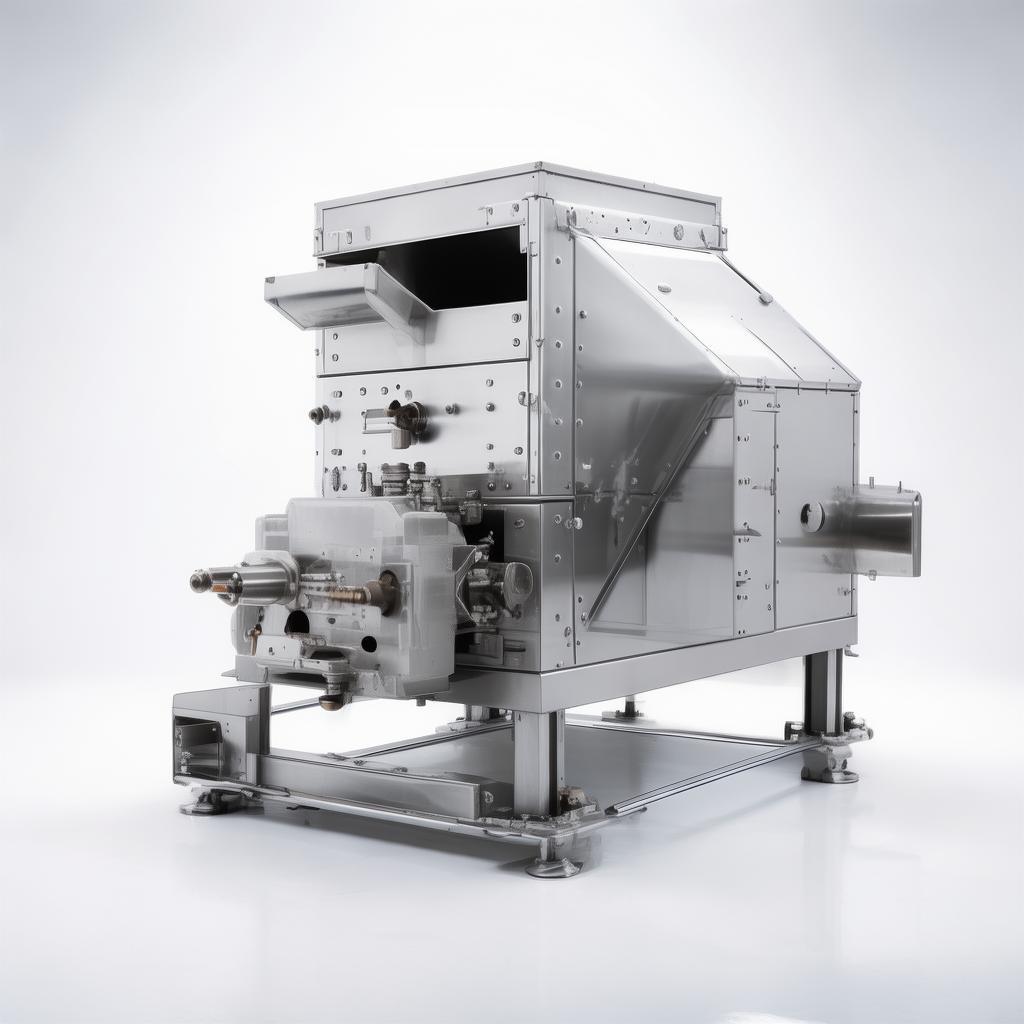
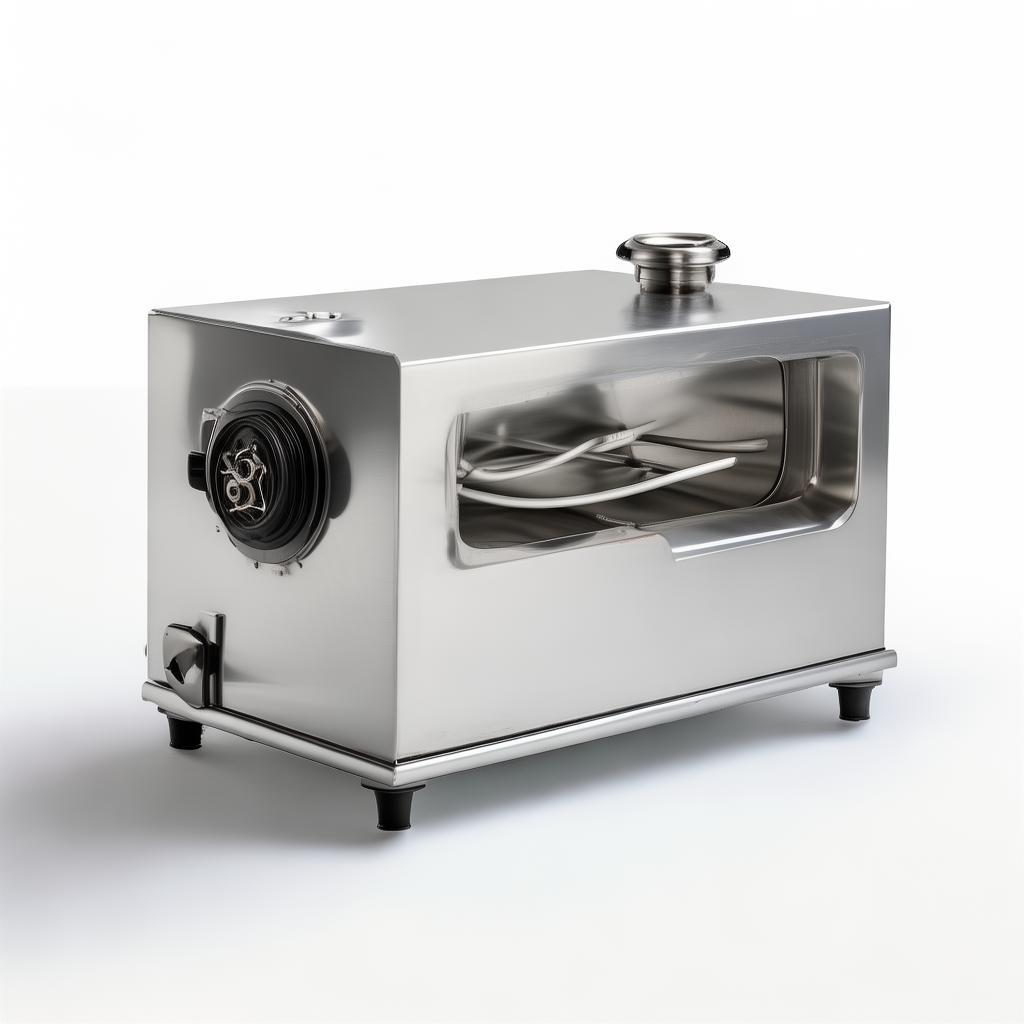
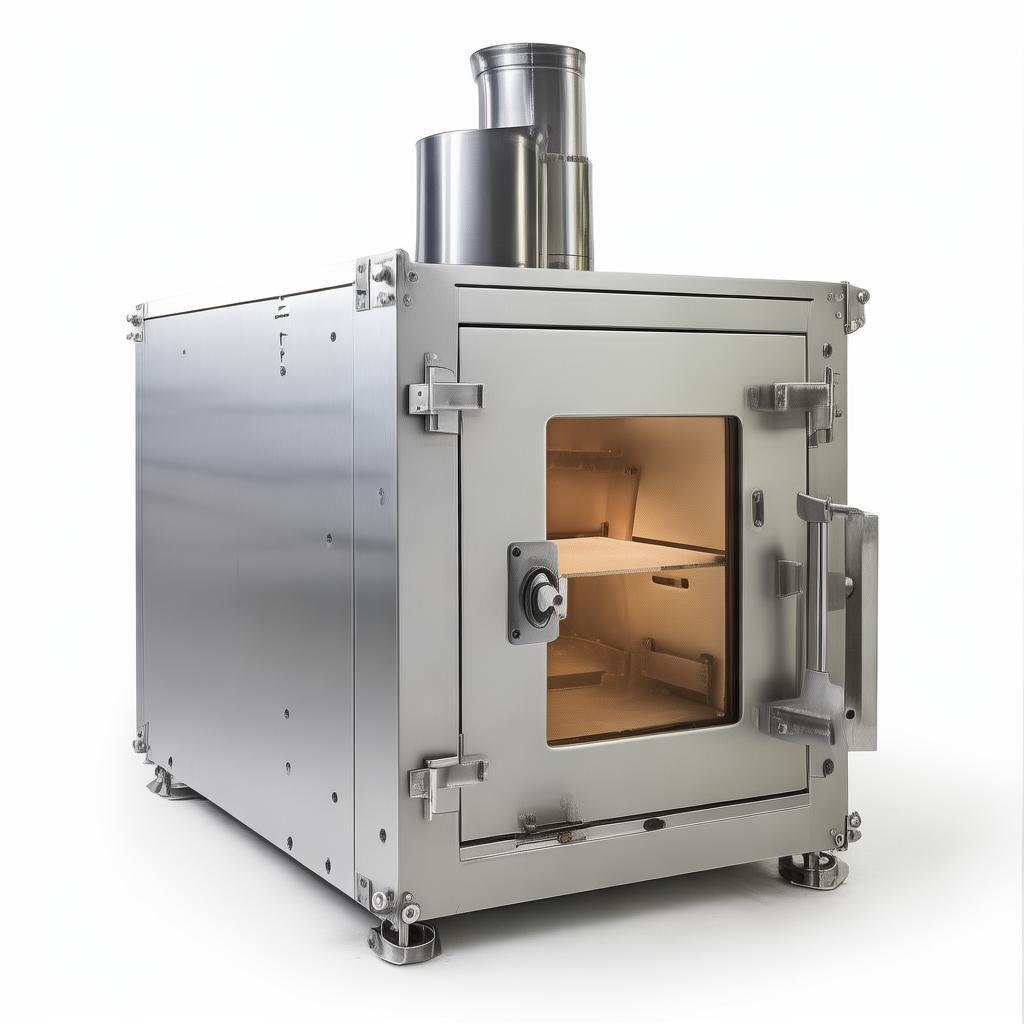
Planetary Mixer Industrial
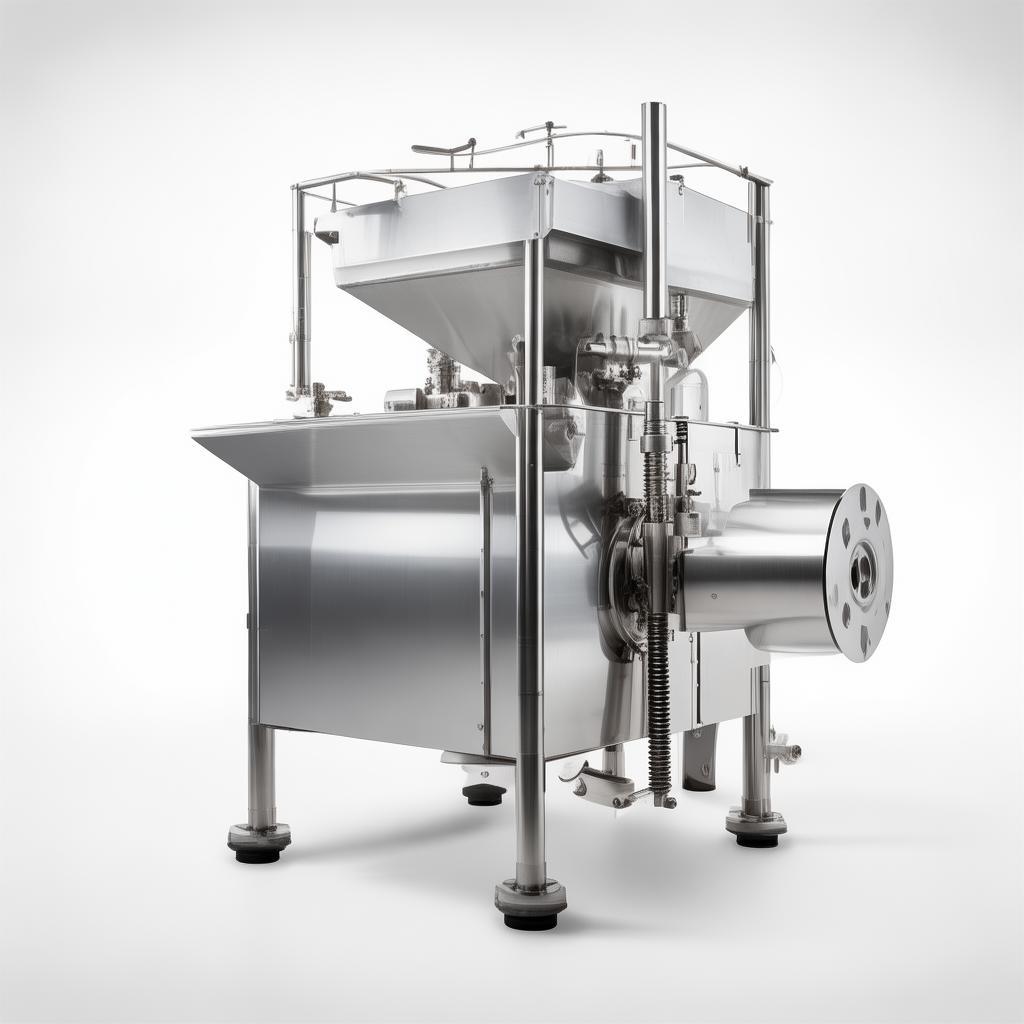
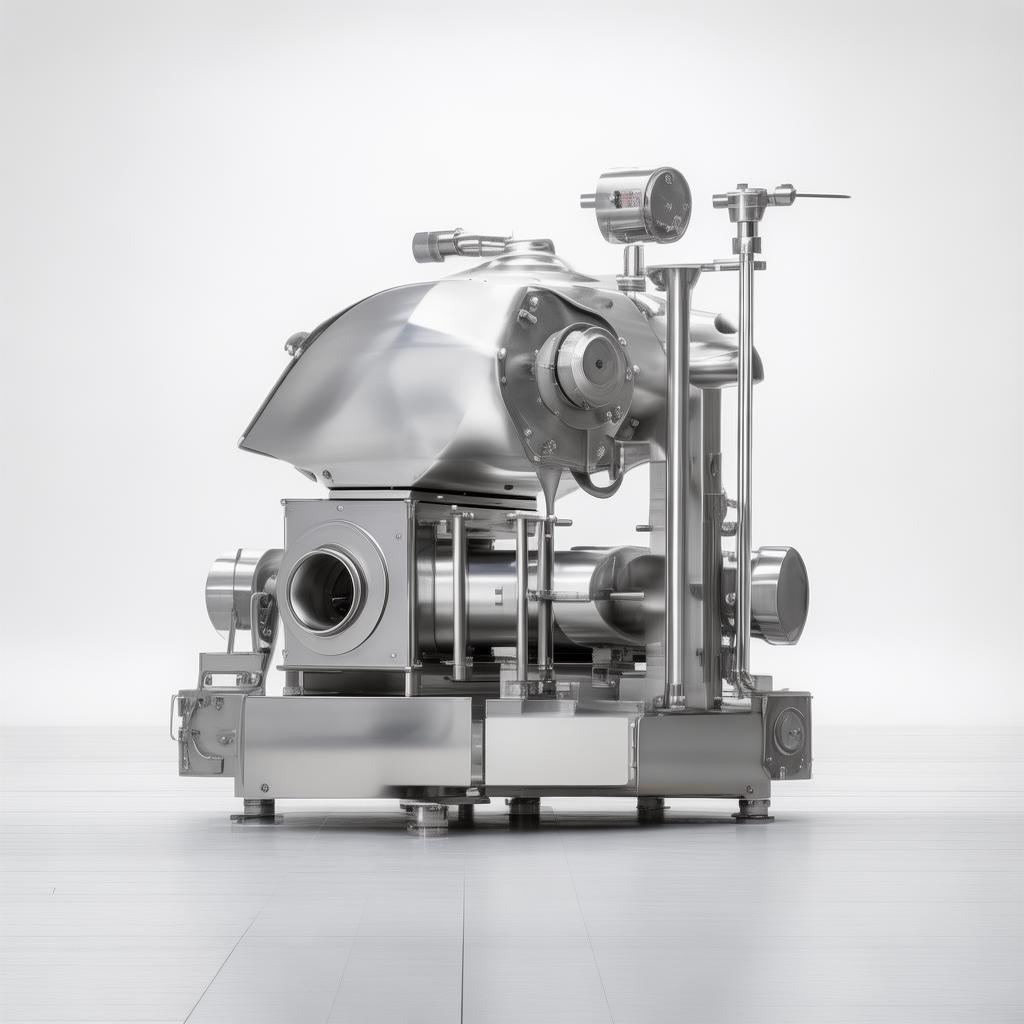
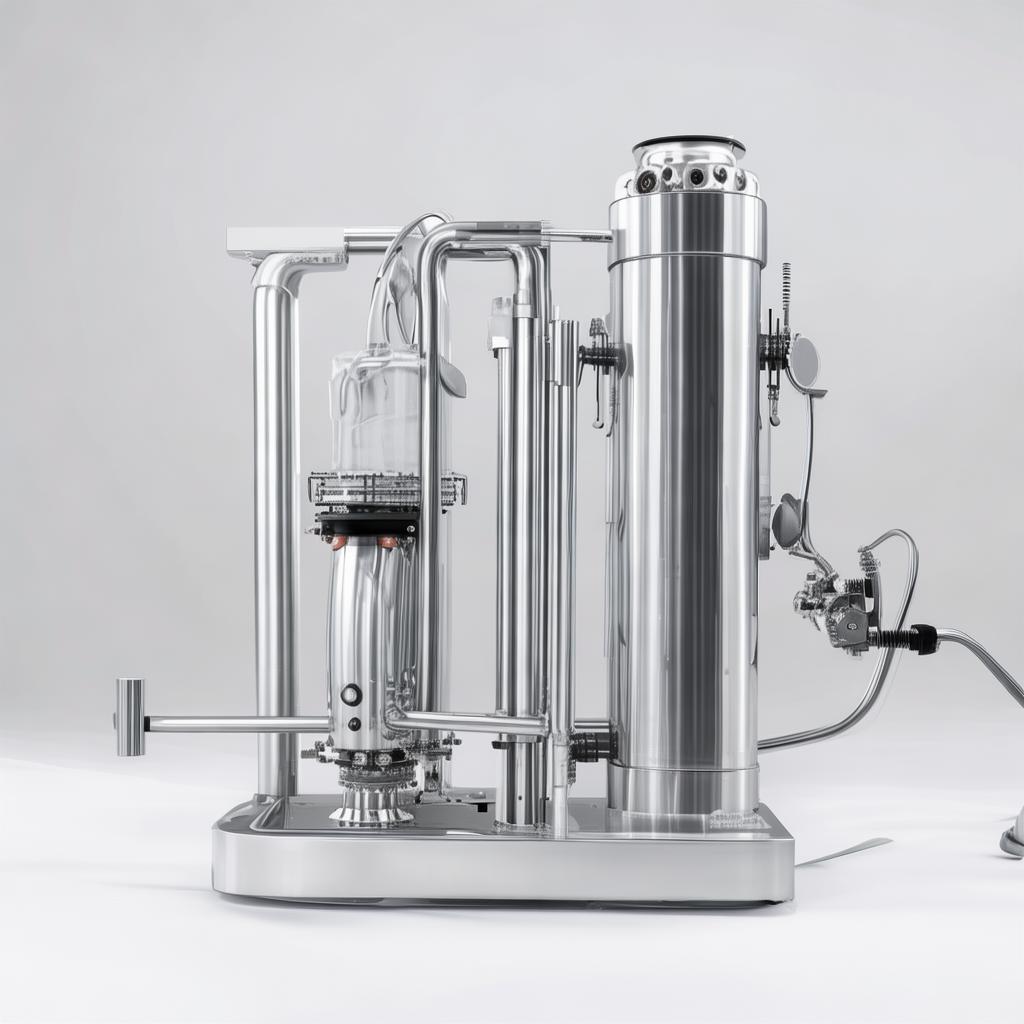
Industrial Planetary Mixers: Precision Blending for Demanding Applications
Engineered for Efficiency, Reliability, and Consistent Quality in Food & Industrial Processing
 By: [Export Manager Name], Hebei Yuanchang Food Mechanism & Technology Co., Ltd.
Table of Contents
- Introduction: The Core of Your Blending Operations
- Navigating the Challenges in High-Volume Mixing
- Why Choose a Planetary Mixer for Industrial Demands?
- Understanding the Mechanics: Key Components
- Versatile Applications Across Industries
- Beyond Blending: Material Handling and Load Capacity
- Technical Specifications: Tailoring to Your Needs
- Our Manufacturing Prowess: 40 Years of Experience
- OEM/ODM Capabilities: Custom Solutions
- Commitment to Quality: Certifications and Standards
- A Buyer's Guide: Selecting Your Industrial Planetary Mixer
- Installation, Operation, and Maintenance Insights
- Global Logistics and Shipping
- What Our Clients Say
- Frequently Asked Questions
- Ready to Elevate Your Production?
Introduction: The Core of Your Blending Operations
In the complex landscape of industrial manufacturing, particularly within food processing, pharmaceuticals, and chemical production, the ability to achieve uniform, consistent, and efficient mixing is paramount. The industrial planetary mixer stands as a cornerstone technology for operations demanding precision and high throughput. Unlike simpler agitator mixers, the planetary design ensures that every particle within the batch is thoroughly incorporated, eliminating dead zones and guaranteeing homogeneity. This is crucial for product integrity, from ensuring consistent texture in doughs and batters to uniform dispersion of active ingredients in pharmaceutical or chemical formulations. The global meat processing equipment market, which includes vital mixing and molding machinery, was valued at approximately USD 11.29 billion in 2025 and is projected to expand significantly, highlighting the continuous demand for robust processing solutions. Our 40 years of experience, dating back to 1986, have cemented our understanding of these critical needs, allowing us to engineer machinery that not only meets but exceeds industry expectations.
The drive for processed meats, convenience foods, and precisely formulated industrial products fuels the growth of this sector. Reports suggest the meat processing equipment market could reach over USD 17 billion by 2034, with a CAGR around 5.0% (Fortune Business Insights). This growth is intrinsically linked to the adoption of advanced machinery that can handle larger volumes, ensure stricter hygiene standards, and deliver repeatable results. Planetary mixers, with their intricate gear systems and orbiting agitators, are perfectly suited for these demands. They tackle challenges ranging from viscous doughs and sticky fillings to delicate emulsions and shear-sensitive compounds. For procurement managers and operations directors, selecting the right planetary mixer isn't just about acquiring a piece of equipment; it's about investing in the reliability, quality, and efficiency that underpin their entire production line. The market itself is dynamic, with segments like filling and stuffing equipment and massaging (for ripening/tenderizing) machines showing strong growth, underscoring the importance of integrated processing solutions where effective mixing is a prerequisite.
Our commitment at Hebei Yuanchang Food Mechanism & Technology Co., Ltd. extends beyond just manufacturing. We understand the operational realities. We've seen firsthand how an ill-suited mixer can lead to inconsistent batches, increased waste, and prolonged downtime. This is why our industrial planetary mixers are designed with robustness, ease of cleaning, and long-term operational efficiency in mind. Whether you're involved in large-scale bakery operations, confectioneries, pet food production, or even specialized industrial applications like sealants or adhesives, the principles of effective mixing remain the same. The complexity of the materials you handle will dictate the specific configuration and capacity required, but the fundamental advantage of the planetary action—its ability to thoroughly blend even the most challenging ingredients—remains constant. We leverage our extensive in-house machining capabilities, including Japanese Mazak CNC centers, to produce high-precision components, ensuring that the heart of your operation beats with unwavering accuracy and durability, year after year.
The demand for ready-to-eat meals and convenience products continues to shape the food processing landscape, requiring equipment that can efficiently handle molding and ripening processes—often preceded by precise mixing. Market research indicates that the processed meat market alone is projected to grow substantially, driving the need for sophisticated machinery. Investing in a high-quality industrial planetary mixer is a strategic decision that impacts product quality, production speed, and ultimately, profitability. It's about ensuring that your end product consistently meets consumer expectations and regulatory standards. This page aims to provide a comprehensive overview, from the core technology to practical considerations for procurement and operation, so you can make an informed choice that aligns with your business objectives.
Navigating the Challenges in High-Volume Mixing
Industrial-scale mixing presents a unique set of challenges that typical laboratory or small-batch equipment simply cannot address. One of the most persistent issues is achieving true homogeneity in large volumes, especially with viscous or dense materials. Ingredients often have different densities and viscosities, leading to stratification or uneven distribution if the mixing action is insufficient. This is particularly problematic in food production where variations in fat distribution in meat emulsions or uneven leavening in batters can significantly impact the final product's quality and safety. For instance, inadequate mixing in sausage production can lead to inconsistent fat rendering, affecting both taste and texture.
Labor shortages and the increasing emphasis on food safety and hygiene are also major drivers pushing for more automated and efficient processing solutions. Manual mixing is not only labor-intensive but also introduces a higher risk of contamination and inconsistency. The global meat processing equipment market's growth, projected to exceed USD 15 billion by 2030 (Grand View Research), reflects this trend towards automation. Factories need machinery that can operate continuously, reliably, and with minimal human intervention, while also being easy to clean and maintain to meet stringent regulatory requirements like HACCP or GMP.
Another significant operational hurdle is managing the sheer physical demands of the process. High-viscosity materials exert considerable force on mixing equipment. Without robust engineering and a powerful drive system, mixers can overheat, stall, or suffer premature wear. This translates directly into increased maintenance costs and costly production downtime. Furthermore, the energy consumption of large industrial mixers can be a substantial operating expense. Finding a balance between powerful mixing action and energy efficiency is a constant consideration for operations managers aiming to optimize their cost structure.
The variety of textures and consistencies required across different product lines adds another layer of complexity. A mixer optimized for a light, airy batter might struggle with a dense, sticky dough or a chunky meat mixture. This necessitates versatile equipment that can adapt to different batch formulations, often requiring adjustable speeds, different agitator designs, or specialized bowl configurations. The pressure to innovate and introduce new product variations also means that processing lines need flexibility. The equipment must be capable of handling a range of raw materials and producing diverse end products without requiring complete overhauls.
Why Choose a Planetary Mixer for Industrial Demands?
The unique planetary mixing action is what sets these machines apart and makes them ideal for demanding industrial applications. In a planetary mixer, the agitator(s) rotate on their own axis while simultaneously revolving around the center of the mixing bowl. This dual motion ensures that the entire contents of the bowl are continuously and thoroughly mixed, regardless of viscosity or density. Unlike simple rotary mixers that may leave unmixed pockets, the planetary system systematically scrapes and incorporates all ingredients, guaranteeing uniform distribution of everything from fine powders to chunky solids.
This inherent efficiency translates into several key benefits for industrial processors:
- Unparalleled Consistency: Every batch processed in a planetary mixer exhibits remarkable uniformity. This is critical for applications where precise ingredient ratios are vital, such as in pharmaceuticals, specialized food products, or industrial adhesives. For instance, in meat processing, consistent fat and spice distribution ensures a superior final product, supporting the growing processed meat market which demands high standards.
- Versatility for Diverse Materials: Planetary mixers can handle an extensive range of materials, from light batters and creams to heavy doughs, pastes, and slurries. The robust drive systems and customizable agitator designs allow them to effectively process everything from delicate emulsions to highly viscous compounds.
- Enhanced Efficiency and Reduced Mixing Times: The thorough mixing action means that desired results are often achieved faster than with other mixer types. This increases throughput and allows for higher production volumes within a given timeframe.
- Improved Product Quality and Texture: By ensuring complete hydration and dispersion, planetary mixers can significantly improve the final product's texture, mouthfeel, and overall quality. This is especially important in bakery, confectionery, and meat product manufacturing where texture is a key consumer attribute.
- Robust Construction for Industrial Use: Industrial planetary mixers are built to withstand the rigors of continuous, heavy-duty operation. Heavy gauge stainless steel construction, powerful motors, and durable gearboxes are standard, ensuring longevity and minimizing maintenance requirements.
Consider the market trends: the demand for processed meat continues to rise, with the global market projected to reach over USD 1.3 trillion by 2035 (Precedence Research). This necessitates equipment that can produce consistent, high-quality products efficiently. Planetary mixers are integral to this, enabling the precise blending required for sausages, pâtés, and other formed meat products. Their ability to handle high loads and ensure uniform ingredient distribution makes them indispensable.
Understanding the Mechanics: Key Components
At its heart, a planetary mixer's effectiveness lies in its sophisticated mechanical design. The core components work in concert to achieve the thorough mixing action:
The Bowl: Typically constructed from heavy-duty stainless steel (often 304 or 316 grade for food safety), the bowl is stationary during operation. Its size and shape are critical for the specific application and batch volume. Removable bowls are common for ease of cleaning and material transfer.
The Agitator(s): This is the primary mixing tool. In a planetary mixer, one or more agitators rotate on their own vertical (or sometimes horizontal) axis while this axis itself orbits around the central axis of the bowl. Agitator designs are highly variable and tailored to the material being mixed:
- Beaters/Paddles: Standard for general-purpose mixing, they have a broad surface area to scrape the bowl and effectively blend batters, doughs, and creams.
- Dough Hooks: Designed for heavy doughs, these spiral-shaped tools knead and pull the dough, mimicking traditional hand-kneading for gluten development.
- Whisks/Wire Whips: Used for aerating ingredients like egg whites or cream, introducing air for lighter textures.
- Specialty Tools: For very viscous materials or specific applications, custom-designed tools might be employed, such as spatula-style agitators or helical blades.
The Drive System: This is the powerhouse of the mixer. It comprises a motor (electric, often with variable speed control) connected to a gearbox. The gearbox reduces the motor's high RPM to lower, high-torque speeds required for effective mixing and ensures the precise, synchronized movement of the agitator(s) and their orbital path. Gearboxes in industrial units are built for durability, often using hardened steel components to withstand continuous heavy loads, which is a critical factor in applications like dense dough mixing or high-viscosity paste blending.
Planetary Gear Mechanism: This intricate system of gears is responsible for the simultaneous rotation of the agitator on its axis and its orbit around the bowl. It's the defining feature of the planetary mixer, ensuring thorough coverage and ingredient incorporation. Precision manufacturing of these gears is vital for smooth operation, longevity, and consistent performance.
Our engineering team focuses on optimizing these components. For instance, we employ robust gear reducers designed for continuous duty and select high-efficiency motors to manage power consumption. The choice of stainless steel for bowls and agitators is always mindful of food-grade standards (like FDA or EU directives) and corrosion resistance, ensuring hygiene and product safety.
Versatile Applications Across Industries
The industrial planetary mixer is a workhorse in a multitude of sectors due to its adaptability and efficacy. While often associated with the food industry, its capabilities extend far beyond. The demand for processed and convenience meats, for example, heavily relies on precise mixing for texture and flavor profiles, making planetary mixers essential for producing sausages, pâtés, and meat fillings.
Here are some primary application areas:
- Bakery: Mixing bread doughs, cakes, pastries, cookies, pizza dough, and various fillings and frostings. The ability to handle heavy doughs and aerate light batters is crucial.
- Confectionery: Blending candies, chocolates, chewing gum bases, caramels, and nougats. Achieving uniform dispersion of flavors, colors, and inclusions is key here.
- Dairy: Producing cheeses, yogurts, ice cream mixes, and butter. Homogenizing fats and solids is vital for texture and consistency.
- Meat Processing: Blending ground meats with spices, binders, and other ingredients for sausages, burgers, deli meats, and pet food. Consistent fat distribution and emulsification are critical. The market for pet food processing equipment is also seeing innovation in mixing technologies.
- Pharmaceuticals: Mixing powders, creams, ointments, and suspensions where precise ingredient dispersion is essential for efficacy and safety. Compliance with GMP standards is paramount.
- Chemical Industry: Blending sealants, adhesives, paints, coatings, inks, and cosmetics. Many of these require mixing viscous materials with particulate fillers or pigments.
- Other Specialty Foods: Including prepared meals, sauces, dips, dressings, and spreads.
The global market for food processing equipment, including mixers, is robust, with reports indicating consistent growth driven by demand for processed foods and automation. For instance, the meat processing equipment market alone is a significant contributor, with filling and molding equipment playing a crucial role—and effective mixing is the prerequisite. Our extensive experience allows us to guide clients toward the specific mixer configurations best suited for their unique applications, ensuring optimal performance and product quality across these diverse industries.
Beyond Blending: Material Handling and Load Capacity
When specifying an industrial planetary mixer, understanding the material's properties and the required batch size is as critical as the mixing action itself. High-viscosity materials, such as dense bread doughs or thick pastes, exert significant drag on the agitator. This demands a mixer with a sufficiently powerful motor and a robust gearbox designed to handle high torque loads continuously without overheating or failing. Our manufacturing process emphasizes using heavy-duty components, including industrial-grade motors and hardened steel gears, to ensure these mixers can reliably process even the most challenging materials.
The volume of material to be processed dictates the bowl capacity and the overall footprint of the mixer. We offer a range of capacities, from smaller industrial units suitable for pilot plants or specialty production to massive mixers capable of handling thousands of liters in high-volume food production facilities. Proper sizing is essential for efficiency. An undersized mixer will be overloaded, leading to premature wear and poor mixing quality, while an oversized mixer can lead to inefficient energy use and difficulty in achieving thorough mixing of smaller batches.
Consider the physical handling of materials. Our industrial mixers are designed with operator convenience and safety in mind. Features like stable, reinforced bases, secure bowl locking mechanisms, and sometimes even integrated bowl lifting or tilting systems (for larger units) facilitate the loading of raw ingredients and the discharge of the mixed product. For food applications, ease of cleaning is paramount. The design typically allows for easy access to all parts of the bowl and agitator, and the use of sanitary stainless steel finishes minimizes the risk of cross-contamination. This attention to detail in material handling and structural integrity is a testament to our decades of manufacturing experience.
The sheer weight of ingredients and the mixing forces involved mean that the structural integrity of the entire machine is vital. Our mixers are built on heavy-duty frames, often welded steel, designed to absorb vibration and maintain stability even under extreme operating conditions. This robust construction is not just about durability; it’s also about ensuring the safety of personnel and the consistency of the mixing process, preventing excessive movement or tipping.
Technical Specifications: Tailoring to Your Needs
Selecting the right industrial planetary mixer hinges on a clear understanding of your specific production requirements. While standard models offer excellent performance, customization is often key to achieving optimal efficiency. Here are the key technical specifications to consider:
| Specification | Description & Considerations | Our Solutions |
|---|---|---|
| Bowl Capacity | From small pilot batches (e.g., 20L) to large industrial batches (e.g., 500L+). Crucial for matching production volume. | Wide range available; custom sizing upon request. |
| Motor Power | Measured in kW or HP. Determines the mixer's ability to handle viscous materials and maintain speed under load. Critical for doughs, pastes. | Industrial-grade motors, sized for specific applications and torque requirements. |
| Agitator Speed (RPM) | Variable speed control is highly desirable for different product types. High RPM for aeration, lower RPM for heavy mixing. | Equipped with reliable variable frequency drives (VFDs) for precise speed control. |
| Materials of Construction | For food/pharma: Food-grade Stainless Steel (304/316L). For other industries, carbon steel or specialized coatings may apply. | Standard food-grade stainless steel; options for specific alloys or coatings available. |
| Bowl Type | Fixed, removable, jacketed (for heating/cooling), or vacuum-capable. | Options for removable bowls, jacketed bowls, and custom configurations. |
| Agitator Design | Dough hook, beater, whisk, or custom designs based on application (e.g., meat grinding requires specific tooling). | Wide selection of standard agitators; custom design and fabrication services. |
| Control System | Basic manual controls vs. advanced PLC systems with touchscreen interfaces, pre-programmed recipes, and data logging. | Options range from robust manual controls to fully integrated PLC systems. |
industrial planetary mixer planetary mixer uses Planetary dough mixer
Example Specification Scenario: A client producing dense meat sausages might require a mixer with at least a 300L capacity, a powerful 15kW motor, low-speed torque-focused operation (20-50 RPM planetary, 40-100 RPM agitator), food-grade stainless steel construction, and a robust dough hook or specialized paddle agitator.
Our Manufacturing Prowess: 40 Years of Experience
At Hebei Yuanchang Food Mechanism & Technology Co., Ltd., our 40-year legacy since 1986 is not just a number; it's a foundation built on continuous learning, innovation, and an unwavering commitment to quality. We operate from a substantial facility of approximately 14,000 square meters, housing a dedicated team of 80-100 skilled professionals. This allows us to integrate research and development, production, and sales seamlessly, offering complete production line solutions, not just individual machines.
Our in-house machining workshop is the bedrock of our manufacturing capability. Equipped with over 20 sets of advanced processing machinery—including lathes, milling machines, high-precision grinding machines, boring machines, plate shears, bending machines, and wire cutting equipment—we possess the ability to produce intricate parts with exceptional accuracy. This self-sufficiency is critical for quality control and timely delivery.
A significant milestone in our technological advancement was the acquisition of 8 sets of Japanese Mazak CNC machining centers in 2012. These state-of-the-art machines empower us to undertake the production of components that demand large volumes, ultra-high precision, and non-standard specifications. This capability is particularly vital for industrial planetary mixers, where gearbox components, planetary gears, and agitator shafts require exacting tolerances for smooth operation, durability, and reliable performance under heavy loads. By producing these critical parts in-house, we eliminate reliance on external suppliers for high-precision elements, ensuring consistent quality and the ability to offer bespoke solutions.
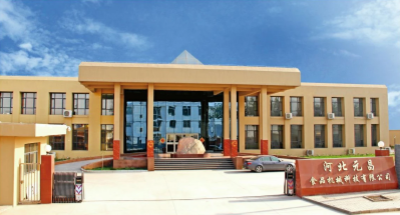
Our advanced machining workshop ensures precision component manufacturing.
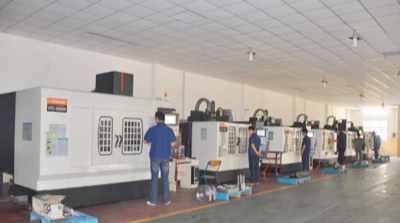
Japanese Mazak CNC centers enable high-precision, large-volume production.
Our dedication to quality extends to our after-sales management system, which is fully traceable. This means we can independently produce high-precision replacement parts for our machinery, ensuring that your equipment remains operational for its entire lifespan with minimal downtime. This comprehensive approach, from design and precision manufacturing to ongoing support, is what defines Hebei Yuanchang.
OEM/ODM Capabilities: Custom Solutions
We recognize that a one-size-fits-all approach rarely works in industrial manufacturing. Many of our international clients require specific configurations, capacities, or integration with existing production lines. That's why Hebei Yuanchang offers robust Original Equipment Manufacturer (OEM) and Original Design Manufacturer (ODM) services for our industrial planetary mixers.
OEM (Original Equipment Manufacturer): If you have a detailed design or specific technical requirements, we can manufacture mixers to your exact specifications. This is ideal for larger distributors or companies looking to brand our proven technology under their own label. We ensure that all production adheres strictly to your provided blueprints and quality standards.
ODM (Original Design Manufacturer): For clients who need a tailored solution but may not have detailed engineering plans, our ODM service comes into play. Our experienced engineering team will collaborate with you to understand your unique processing needs, material characteristics, and operational environment. Based on this consultation, we can design and develop a custom planetary mixer that precisely meets your requirements. This includes everything from adapting bowl sizes and agitator designs to integrating specialized controls or material handling features.
Our advanced CNC machining capabilities and extensive manufacturing experience make us an ideal partner for OEM/ODM projects. We can handle the production of complex, high-precision components that are crucial for specialized mixer designs. Whether you need a mixer with enhanced vacuum capabilities for specific chemical processes, a specialized agitator for a novel food product, or a complete integration into an automated production line, our team is equipped to deliver.
Partnering with us for OEM/ODM needs means leveraging our 40 years of manufacturing expertise, our state-of-the-art facilities, and our commitment to producing reliable, high-performance machinery. We ensure a smooth process from concept to final product, backed by our comprehensive after-sales support and spare parts availability.
Commitment to Quality: Certifications and Standards
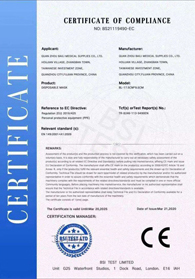
Quality and compliance are not afterthoughts at Hebei Yuanchang; they are integral to our design and manufacturing philosophy. For international trade, understanding and adhering to various industry standards and certifications is non-negotiable. Our commitment to robust manufacturing practices ensures that our industrial planetary mixers meet stringent quality benchmarks required by global markets.
We prioritize the use of materials that comply with international food safety regulations. For our food and pharmaceutical industry clients, this typically means utilizing food-grade stainless steel (e.g., SUS304, SUS316L) that meets standards such as:
- FDA (Food and Drug Administration) Standards: Ensuring that materials in contact with food are safe for consumption.
- EU Directives: Compliance with regulations like EC 1935/2004 on materials and articles intended to come into contact with food.
- RoHS Compliance: For electrical components, ensuring that hazardous substances are restricted.
While specific certifications can vary based on the final destination and application, our manufacturing processes are geared towards enabling our clients to meet their regional compliance needs. We can provide documentation and material traceability to support your import and certification processes.
Our internal quality control system is rigorous. It encompasses:
- Material Inspection: Verifying the quality and grade of all incoming raw materials.
- In-Process Quality Checks: Monitoring critical dimensions and assembly steps throughout production.
- Final Performance Testing: Ensuring each mixer meets its specified performance parameters before shipment.
Our 40 years of experience have taught us that investing in quality upfront drastically reduces issues down the line. By adhering to best practices in design and manufacturing, we aim to provide machinery that is not only efficient and reliable but also compliant with the expectations of discerning international buyers.



A Buyer's Guide: Selecting Your Industrial Planetary Mixer
Procuring industrial equipment is a significant investment, and selecting the right planetary mixer requires careful consideration beyond just horsepower and bowl size. Here’s a practical guide to help purchasing managers and operations directors make an informed decision:
- Define Your Application and Materials: What exactly will you be mixing? Understand the viscosity, density, abrasiveness, and shear sensitivity of your primary ingredients. This dictates the required mixing action, power, and agitator design. For example, dense doughs need high torque at low speeds, while aerated creams need higher speeds.
- Determine Batch Size and Throughput: Calculate your typical batch volume and desired production rate. Consider peak production demands. Ensure the mixer's capacity and speed are sufficient to meet your output targets without compromising quality or risking equipment strain.
- Assess Material Handling and Cleaning Requirements: How will ingredients be loaded? How will the finished product be discharged? For food and pharmaceutical applications, the ease and thoroughness of cleaning are critical. Look for designs with removable parts, sanitary finishes, and minimal crevices.
- Evaluate Power and Drive System: Ensure the motor power and gearbox are robust enough for your most demanding application. Variable speed control is a major advantage for versatility. Consider the electrical requirements for your facility.
- Investigate Build Quality and Materials: For industrial use, durability is key. Look for heavy-gauge stainless steel construction, strong welds, and reliable gear mechanisms. This impacts longevity and maintenance costs.
- Consider Control Systems and Automation: Do you need simple manual controls, or do you require programmable recipes, timers, or integration with a larger SCADA system? Advanced controls can improve consistency and efficiency.
- Supplier Reliability and Support: This is crucial for international procurement. Look for suppliers with a proven track record, clear communication, transparent pricing, and reliable after-sales support, including spare parts availability and technical assistance. Our 40-year history and robust in-house manufacturing provide this assurance.
- Certifications and Compliance: Ensure the mixer can meet the regulatory standards of your target market (e.g., CE for Europe, UL for North America, FDA compliance for food-grade applications).
By systematically addressing these points, you can confidently select an industrial planetary mixer that aligns with your operational needs, budget, and long-term strategic goals. Remember that the lowest initial cost doesn't always translate to the best long-term value; reliability and performance are paramount.
Installation, Operation, and Maintenance Insights
Proper installation and routine maintenance are vital for maximizing the lifespan and performance of your industrial planetary mixer. While our machines are built for durability, neglecting these aspects can lead to premature wear and unexpected downtime.
Installation:
- Location: The mixer should be placed on a solid, level surface capable of supporting its weight and the dynamic loads during operation. Ensure adequate ventilation around the motor and gearbox.
- Electrical Connections: All electrical connections must be made by qualified personnel according to local codes and the specifications provided in the user manual. Proper grounding is essential for safety. Ensure your power supply voltage and phase match the mixer's requirements.
- Initial Check: Before the first run, check that all parts are securely fastened, the bowl is properly seated, and the agitator is correctly installed.
Operation:
- Gradual Speed Increase: For viscous materials, start the mixer at a low speed and gradually increase to the desired setting to prevent motor strain.
- Do Not Overload: Adhere to the manufacturer's recommended batch capacity. Overloading can damage the motor, gearbox, and other components.
- Monitor Performance: Listen for unusual noises or vibrations. Observe motor temperature. Promptly address any anomalies.
- Safe Ingredient Loading: Avoid dropping heavy objects into the bowl when the mixer is running. Use appropriate loading mechanisms for large quantities.
Maintenance:
- Daily: Visually inspect the mixer for any signs of wear or damage. Clean the bowl, agitator, and external surfaces thoroughly, especially in food applications.
- Weekly/Monthly: Check lubrication levels for the gearbox and any moving parts as per the manual. Inspect belts for tension and wear. Test safety guards and emergency stop functions.
- Annually: A more thorough inspection by a qualified technician is recommended. This might include checking motor brushes, gearbox wear, and electrical connections.
- Spare Parts: Keep critical spare parts on hand, such as agitators, seals, or belts, especially if you operate in a remote location or require continuous production. Our traceability system ensures we can quickly supply the correct parts.
Following these guidelines will ensure your industrial planetary mixer operates efficiently, safely, and reliably, contributing positively to your production goals.
Global Logistics and Shipping
For our international clients, efficient and reliable logistics are as critical as the quality of the machinery itself. Hebei Yuanchang Food Mechanism & Technology Co., Ltd. has extensive experience in exporting industrial planetary mixers worldwide. We understand the complexities involved in cross-border commerce and strive to make the shipping process as smooth and transparent as possible.
Our logistics team works closely with reputable freight forwarders specializing in industrial equipment. We manage the entire shipping process, from secure packaging and documentation to coordinating with carriers and tracking shipments. Our factory is strategically located, providing good access to major ports in China, which helps in optimizing transit times and costs.
Key considerations in our logistics process include:
- Secure Packaging: Industrial mixers are substantial pieces of equipment. We use robust packaging, including reinforced crates and protective wrapping, to ensure the machinery arrives at your facility in pristine condition, regardless of the transit distance or method. This often involves crating the mixer and bowl separately for maximum protection.
- Documentation: We meticulously prepare all necessary export documentation, including commercial invoices, packing lists, certificates of origin, and bills of lading, to facilitate customs clearance in the destination country.
- Shipping Options: We offer various shipping options, including sea freight (FCL - Full Container Load or LCL - Less than Container Load) and air freight for urgent requirements. We can also work with your preferred logistics partners if you have established relationships.
- Lead Times: Production lead times can vary depending on the model and any customization required. We provide realistic lead time estimates and keep clients informed throughout the manufacturing and shipping process. For standard models, lead times are typically shorter than for bespoke designs.
- Import Duties and Taxes: We advise clients to familiarize themselves with their country's import regulations, duties, and taxes, as these are typically the responsibility of the importer.
Our goal is to deliver your industrial planetary mixer safely, on time, and cost-effectively. We leverage our manufacturing expertise and logistical experience to ensure a seamless transaction for our global clientele.
What Our Clients Say

Operations Manager, USA Bakery Chain
"We upgraded our main production line with two of Yuanchang's 300L planetary mixers. The consistency in our doughs is remarkable compared to our old machines. Setup was straightforward, and the support we received during the ordering process was excellent. They handle our dense sourdoughs with ease."

Procurement Director, South American Meat Processor
"Yuanchang's custom planetary mixer for our specialized sausage filling was exactly what we needed. The precision in blending spices and meat emulsion is crucial for our quality control. Their willingness to work with our specific design requirements and ensure food-grade standards made them the ideal partner."

Plant Manager, European Chemical Manufacturer
"We use their industrial planetary mixer for a high-viscosity adhesive formulation. The machine has proven incredibly reliable, handling continuous batches with consistent mixing. The after-sales support for spare parts shipment to Europe was prompt and efficient. A solid piece of industrial equipment."
Frequently Asked Questions
A: The planetary action ensures that the agitator(s) rotate on their own axis while also orbiting the bowl. This dual motion guarantees that all ingredients are thoroughly mixed, eliminating unmixed areas and achieving greater homogeneity compared to standard mixers where the agitator might only move in a fixed pattern.
A: Yes. Our industrial models are built with heavy-duty motors and robust gearboxes designed to provide high torque, essential for processing dense materials like bread doughs, certain confectionery items, or thick pastes. We select the appropriate motor power and agitator design based on your specific material.
A: Lead times can vary depending on the model's complexity and customization. For standard models, lead times typically range from 4 to 8 weeks. For highly customized or OEM/ODM projects, this can extend further. We provide precise lead time estimates upon order confirmation.
A: While we provide comprehensive user manuals and remote technical support for installation and operation, on-site installation and training services can be arranged upon request and may incur additional costs, depending on your location.
A: Our industrial planetary mixers typically come with a standard warranty covering manufacturing defects. Specific warranty periods and terms are detailed in our sales agreements and product documentation. Our robust construction and in-house parts production mean we can support your equipment long after the warranty period.
Ready to Elevate Your Production with Precision Blending?
Discover how a Hebei Yuanchang industrial planetary mixer can transform your operations. Get a tailored quote and discuss your specific application needs with our expert team.
Call us: +86 15830991513 | Email: ycmeatmech@gmail.com
Hebei Yuanchang Food Mechanism & Technology Co., Ltd. | Shijiazhuang, Hebei Province, China | © 2024 All Rights Reserved.
Customer Interactions & Trust
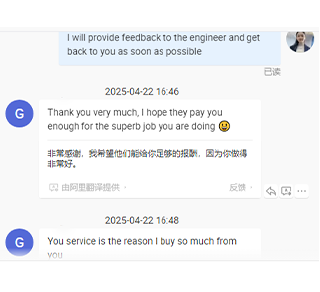
Inquiry for custom agitator design.

Logistics coordination for Europe.

Technical clarification on motor specs.