Types Of Mixers In Food Industry
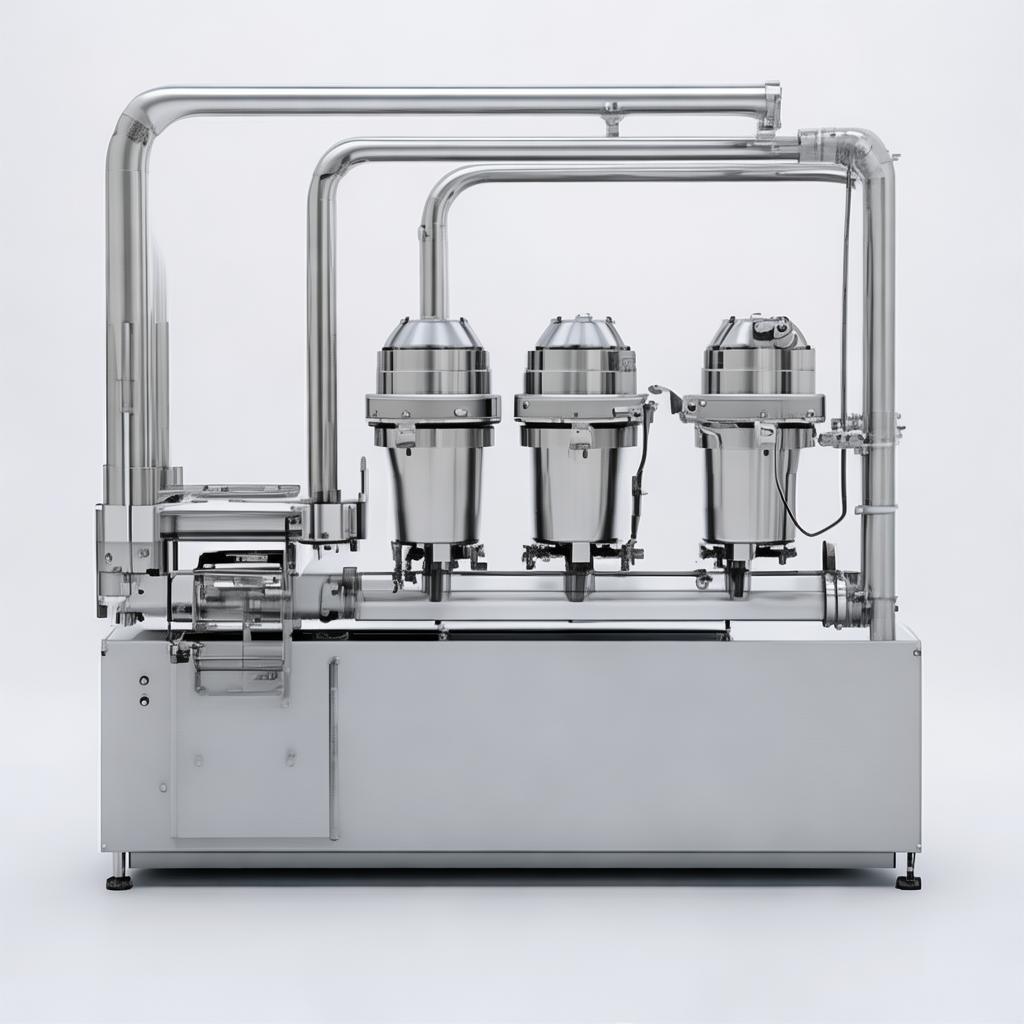
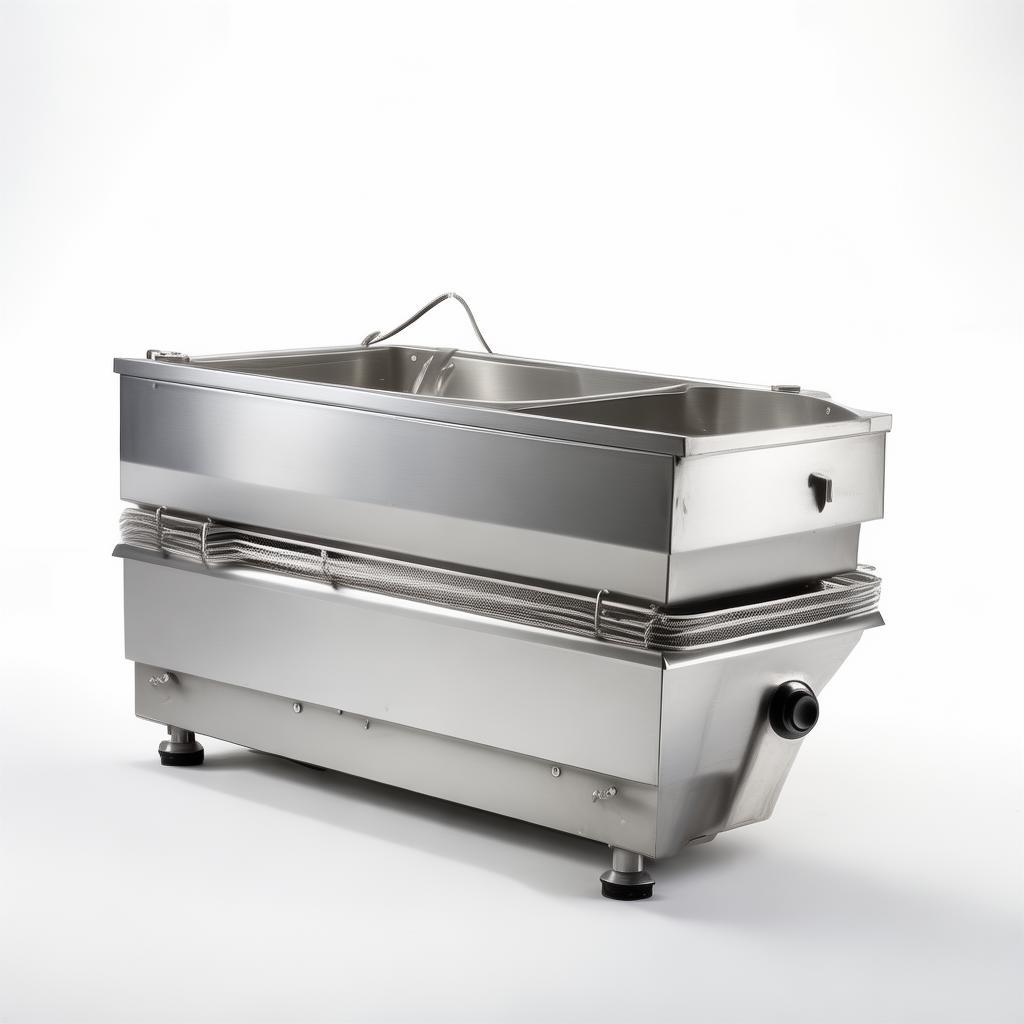
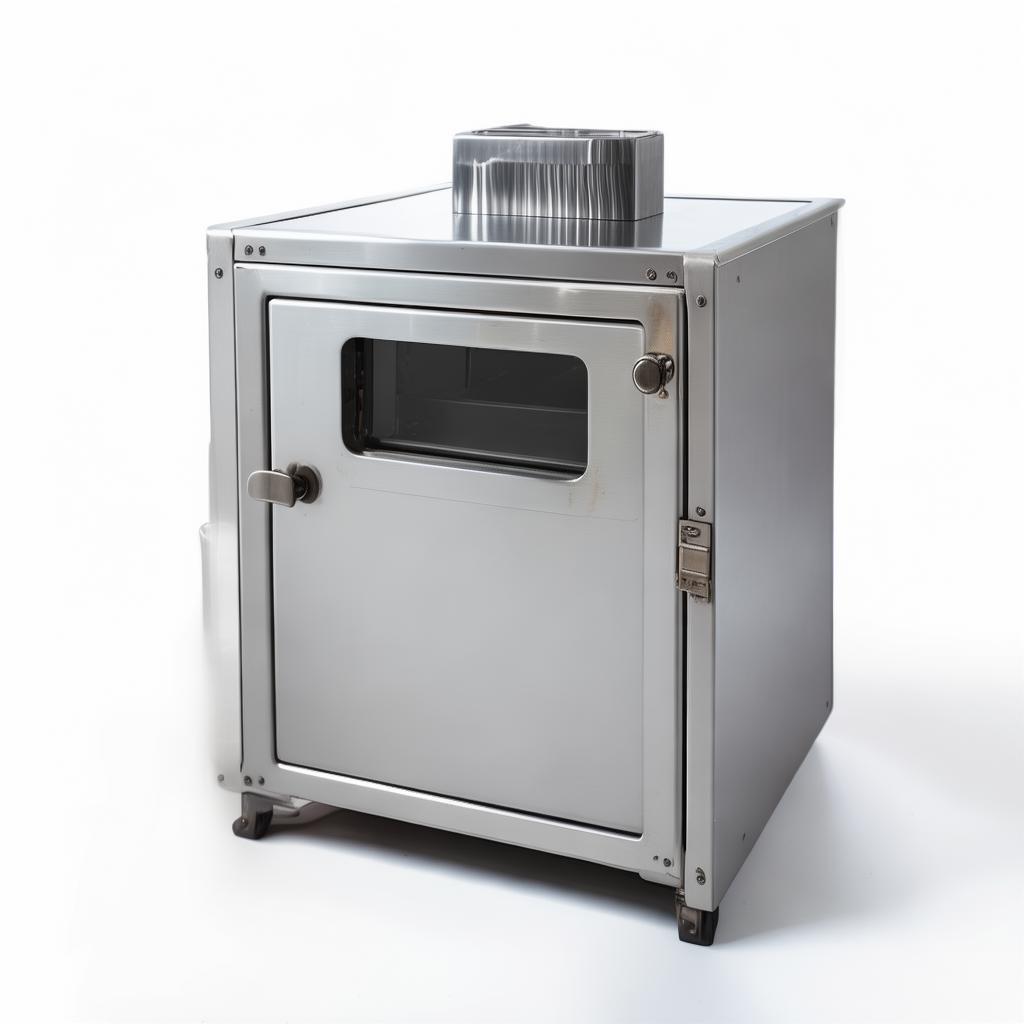
The Modern Food Industry Mixer: Beyond Simple Blending
Exploring the critical role of diverse mixer types in achieving consistency, quality, and efficiency in food production.

Authored by: David Chen, Senior Export Manager at Hebei Yuanchang Food Mechanism & Technology Co., Ltd.
[Published: October 26, 2023]
Navigating the Complex World of Food Mixing: More Than Meets the Eye
In the intricate landscape of food manufacturing, few pieces of equipment are as universally essential, yet as profoundly diverse, as the mixer. When you think about "types of mixers in the food industry," it's easy to conjure images of simple countertop blenders. However, the reality on an industrial scale is far more complex and critical. From the initial blending of raw ingredients for sausages and patés to the final incorporation of flavors and textures in convenience meals and baked goods, the right mixer isn't just a piece of machinery; it's a cornerstone of product quality, process efficiency, and ultimately, profitability. The global meat processing equipment market alone was valued at over USD 11 billion in 2025 and is projected to grow significantly, with filling, stuffing, and processing equipment forming a substantial part of this. [1] This highlights the sheer scale and importance of machinery designed for ingredient integration and manipulation.
Choosing the correct mixer type is a decision that impacts everything from the homogeneity of your product to its shelf-life, and even the operational costs of your facility. Are you looking to thoroughly combine dry powders with minimal aeration? Do you need to emulsify liquids, creating stable mixtures that won't separate? Or perhaps you're tasked with gently folding delicate ingredients without compromising their structure? Each of these scenarios, and many more, demands a specific type of mixing technology. Our experience at Hebei Yuanchang, with over 40 years in specialized food mechanism development, has shown us that a one-size-fits-all approach to mixing simply doesn't work. We've seen facilities struggle with inconsistent product texture, premature spoilage, and even equipment damage because the wrong mixer was specified for the job. It’s a costly mistake, both in terms of wasted product and potential downtime.
The food industry’s demand for processed and convenience foods continues to rise globally. Market reports indicate the processed meat market is expected to reach over $1.2 trillion by 2034, a testament to consumers’ evolving eating habits. [2] This surge directly translates into an increased need for sophisticated mixing and processing equipment capable of handling diverse formulations and ensuring product consistency at high volumes. Furthermore, stringent food safety regulations, the drive for automation to improve hygiene and labor efficiency, and the expansion of processing capabilities in regions like the Asia-Pacific are all pushing manufacturers to invest in advanced, specialized mixing solutions. Simply put, the mixer is no longer just a utilitarian component; it's a strategic asset.
This article aims to demystify the various types of mixers essential for modern food production. We’ll delve into their specific functionalities, ideal applications, and the critical considerations you should weigh when selecting the right equipment for your unique operational needs. Whether you’re involved in meat processing, dairy, bakery, confectionery, or beverage production, understanding these distinctions is paramount for optimizing your production lines. We’ll cover everything from high-shear mixers that create stable emulsions to gentle ribbon blenders designed for delicate powders, and the vacuum mixers that are crucial for preventing oxidation and extending shelf life in sensitive products. This isn't just about buying a machine; it's about investing in a solution that elevates your product’s quality and your business’s competitiveness.
Key Mixer Types in Industrial Food Production
The variety of mixers available for the food industry is vast, each engineered for specific material properties, desired outcomes, and production scales. Here’s a breakdown of some of the most prevalent types:
Planetary Mixers
These are workhorses in many bakeries and for dough preparation. A central agitator rotates on its own axis while also revolving around the bowl, ensuring thorough mixing of viscous products like doughs, batters, and mashed potatoes. They excel at incorporating ingredients evenly without excessive aeration.
- Applications: Doughs, batters, icings, purées, whipped creams.
- Key Feature: Comprehensive mixing action.
Ribbon Blenders
Commonly used for dry ingredients, powders, and granules, ribbon blenders feature helical ribbons that move materials in opposite directions, creating a tumbling and blending action. They are excellent for achieving homogenous mixtures of powders with different densities and particle sizes, often with minimal degradation.
- Applications: Dry mixes, spices, flour blends, powdered supplements, coffee grounds.
- Key Feature: Gentle but thorough blending of dry components.
Vacuum Mixers
These mixers operate under vacuum, which is crucial for preventing oxidation and the incorporation of air. This is vital for products like meat emulsions, purées, and some dairy products where air can lead to discoloration, off-flavors, or reduced shelf life. They ensure a dense, consistent texture.
- Applications: Meat emulsions, patés, sauces, dips, ice cream bases, mayonnaise.
- Key Feature: Air removal for enhanced product quality and shelf-life.
High-Shear Mixers
Designed for creating stable emulsions and dispersions, high-shear mixers utilize a rotor-stator system to generate intense mechanical and hydraulic shear. They are indispensable for products requiring very fine particle size reduction and intimate blending of immiscible liquids, like salad dressings or lotions.
- Applications: Emulsions, dispersions, sauces, dressings, infant formulas, cosmetic creams.
- Key Feature: Intense shear for stable emulsions and fine particle size.
Continuous Mixers
Unlike batch mixers, continuous mixers process ingredients as they are fed into the system, operating without interruption. This is ideal for high-volume production lines where consistent ingredient flow and mixing are required, such as in cereal production or large-scale dough making.
- Applications: Large-scale bread production, cereals, snacks, processed meats.
- Key Feature: Uninterrupted, high-volume processing.
Paddle Mixers
These mixers employ various paddle designs that agitate materials, often suitable for both wet and dry applications. They can be configured for gentle blending or more vigorous mixing, making them versatile for products ranging from bulk powders to pastes and even some cooked food products.
- Applications: Powders, granules, pastes, cooked foods, animal feed.
- Key Feature: Versatile agitation for various consistencies.
The Core Functions: Why Mixing is Paramount
The role of mixers extends far beyond simply combining ingredients. In the food industry, effective mixing is fundamental to:
- Product Uniformity & Consistency: Ensuring that every batch, and indeed every serving, has the same taste, texture, and appearance. This is non-negotiable for brand reputation and consumer trust. For products like processed meats, consistent emulsion is key. [3]
- Ingredient Integration: Properly dispersing flavors, colors, preservatives, and functional ingredients throughout the product matrix. This ensures optimal performance and sensory appeal.
- Texture Development: Developing specific textures, such as aeration in cakes, smoothness in sauces, or chewiness in doughs, through controlled mixing processes.
- Shelf-Life Extension: By preventing oxidation (via vacuum mixing) or creating stable emulsions, mixers contribute significantly to product longevity and reducing spoilage.
- Process Efficiency: Optimizing batch times, reducing manual labor, and ensuring predictable ingredient handling, which directly impacts operational costs.
food industry mixers food mixer industry food processing mixers
Consider the production of sausages. A poorly mixed emulsion can lead to fat separation during cooking, a 'grainy' texture, and a reduced shelf life. The choice between a high-shear emulsifying mixer and a more gentle vacuum mixer for the final grind and mix can be the difference between a premium product and one that fails quality control. The market for meat processing equipment underscores the demand for precision, with filling and stuffing machines being critical components in sausage production.
Technical Considerations for Procurement Managers
When evaluating mixers for your facility, several technical and operational factors demand close attention. Procurement managers and engineers often focus on:
Capacity & Throughput
Does the mixer's batch size or continuous flow rate align with your production demands? Over-sizing can lead to inefficiency, while under-sizing creates bottlenecks. We often see smaller batches being processed inefficiently in oversized mixers, or vice-versa.
Material Compatibility & Construction
Stainless steel (e.g., 304 or 316L) is standard for food contact surfaces due to its hygiene, corrosion resistance, and durability. Seals and bearings must also be food-grade and robust enough for the product being processed.
Motor Power & Agitation Speed
Viscous products require higher torque and potentially slower speeds, while lighter products might benefit from higher agitation speeds. Variable Frequency Drives (VFDs) are critical for flexibility.
Cleaning & Maintenance (CIP/SIP)
Ease of cleaning is paramount for food safety. Look for designs that minimize crevices, are compatible with Clean-In-Place (CIP) systems, and allow for straightforward disassembly of agitators and seals.
Safety Features
Interlocks on access doors, overload protection for motors, and emergency stops are standard safety requirements that should never be overlooked.
Control Systems
Programmable Logic Controllers (PLCs) allow for precise control over mixing times, speeds, and sequences, ensuring batch repeatability. Integration with your plant's SCADA system is often a requirement.
For example, when specifying a vacuum mixer for meat processing, you'll need to consider the vacuum level achievable, the motor's ability to handle dense meat mixes, and the ease with which the mixing chamber can be sanitized between batches – a critical hygiene consideration given the high risk associated with meat products.
Case Study Snippet: Enhancing Sausage Production
A mid-sized European producer of premium sausages faced challenges with inconsistent fat distribution and premature spoilage in their signature product. Their existing mixing setup, while functional, was incorporating too much air and not achieving the fine, stable emulsion required. After consulting with our technical team, they opted for a Hebei Yuanchang vacuum mixer specifically designed for meat emulsions. The new system allowed for precise temperature control during mixing, effective vacuum sealing to prevent oxidation, and a robust paddle design to ensure uniform blending of the meat, fat, and spices. The result? A marked improvement in product texture, a significant reduction in spoilage rates, and extended shelf life, leading to better market reception and reduced waste.
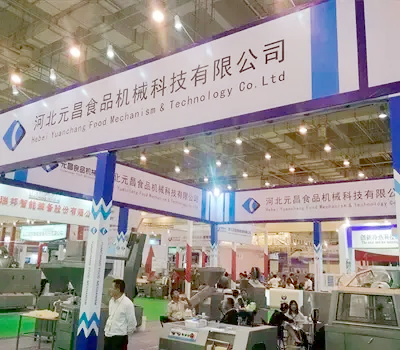
Partnering for Precision: Why Choose Hebei Yuanchang?
At Hebei Yuanchang Food Mechanism & Technology Co., Ltd., our 40 years of experience since 1986 aren't just a number; they represent decades of practical engineering, problem-solving, and deep understanding of the food processing industry. We integrate R&D, production, and sales, focusing on providing robust, reliable solutions.
- Manufacturing Excellence: Our 14,000 sq meter facility houses over 20 sets of advanced machining equipment, including Japanese Mazak CNC centers. This allows us to produce high-precision, non-standard components entirely in-house, ensuring quality control from start to finish.
- Customization Capabilities (OEM/ODM): We understand that off-the-shelf solutions don't always fit. We excel in developing custom mixer configurations to meet unique product requirements and operational constraints.
- Traceable After-Sales Service: Our integrated system ensures you receive comprehensive support, from initial setup to long-term maintenance. We stand by the durability and performance of our machinery.
- Global Export Experience: We have extensive experience supplying equipment to international markets, understanding the logistics, compliance, and support needs of global clients.
The demand for advanced food processing equipment is driven by trends like the rising popularity of processed meats and the need for automation to ensure hygiene and efficiency. [4] We are positioned to meet these evolving needs with reliable, high-performance mixing solutions.
Frequently Asked Questions (FAQ)
Q1: What is the most significant factor when choosing a food mixer?
The most critical factor is the type of product you are processing and the desired outcome (e.g., emulsion, dry blend, dough). This dictates the necessary mixing action, shear level, and operational environment (e.g., vacuum).
Q2: Can your mixers handle high-viscosity products like thick pastes?
Yes, we offer various mixer designs, including heavy-duty planetary and paddle mixers, specifically engineered with powerful motors and robust agitators to effectively process high-viscosity materials. Our technical team can assess your specific paste formulation.
Q3: What is the typical lead time for a custom mixer?
Lead times vary based on complexity, material availability, and our current production schedule. Generally, custom orders can range from 8 to 16 weeks from design finalization to shipment. We strive for transparency on project timelines.
Q4: Do your mixers meet international food safety standards?
Absolutely. Our equipment is constructed with food-grade materials (typically SS304/316L) and designed to comply with international standards for hygiene and safety, such as CE certification. Documentation can be provided upon request. 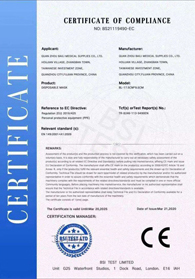

Q5: How do I determine the right capacity for my production volume?
Our sales and engineering teams work closely with clients to understand their production goals, batch frequencies, and product characteristics. We utilize process calculations and historical data to recommend the most efficient capacity, often suggesting a slight buffer for peak demands.
Real Feedback from Our Partners

Operations Manager, TexMex Foods
"We struggled to get a consistent texture in our salsa base. The Hebei Yuanchang high-shear mixer has been a game-changer. It emulsifies perfectly, and the integration was smoother than we expected. Their export support team was also very helpful with customs paperwork."

Procurement Lead, Japan Premium Meats
"The vacuum mixer supplied by Yuanchang for our smoked sausage line is exceptional. It maintains product integrity and prevents oxidation, which was a constant issue. The build quality is solid, and after-sales support has been responsive."

Head Baker, The Great American Bakery
"We invested in their planetary mixer for our commercial bread dough. The consistency it achieves across large batches is remarkable, saving us significant labor. It's a reliable piece of kit that has definitely improved our product quality."
Ready to Optimize Your Mixing Process?
Don't let suboptimal mixing compromise your product quality or operational efficiency. Our expert team at Hebei Yuanchang is ready to help you select or design the ideal mixer solution for your food processing needs.
Hebei Yuanchang Food Mechanism & Technology Co., Ltd. | Shijiazhuang, Hebei Province, China | Phone: +86 15830991513 | E-mail: ycmeatmech@gmail.com
© 2023 Hebei Yuanchang. All rights reserved. | Contact Us
Connect with Us
Have a specific question about your mixing needs? Let's talk.