Planetary Mixer Uses
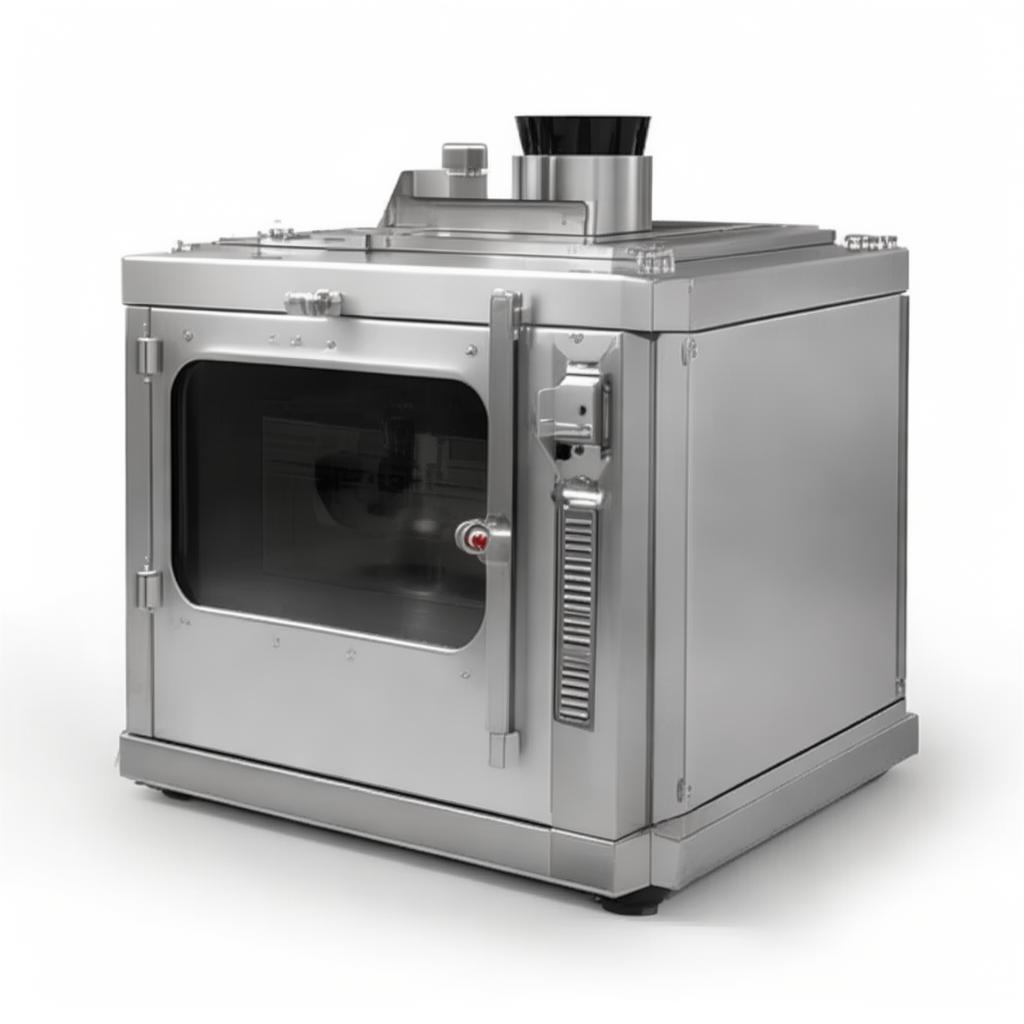
Mastering Meat Processing: Essential Uses and Applications of Planetary Mixers
 By Alex Chen, Senior Production Engineer
Hebei Yuanchang Food Mechanism & Technology Co., Ltd.
Understanding Planetary Mixers in Meat Processing
In the intricate world of meat processing, achieving homogenous mixtures is not just a matter of preference; it's a fundamental requirement for product quality, safety, and consistency. Whether you're producing sausages, burgers, deli meats, pet food, or ready-to-eat meals, the blending process is where raw ingredients transform into a culinary product ready for further processing or packaging. For decades, manufacturers have relied on various mixing technologies, but the planetary mixer has carved out a significant niche, particularly for applications demanding precision, efficiency, and gentle yet thorough mixing.
The core principle behind a planetary mixer is elegantly simple yet highly effective. Imagine a traditional stand mixer, but scaled up for industrial demands and with a design that ensures every particle of the mix is reached. The mixing arm (often a paddle or hook design) rotates on its own axis while simultaneously revolving around the inside of the mixing bowl. This dual motion, much like the orbit of a planet, guarantees that even dense or viscous materials are uniformly incorporated without dead zones. For meat processing, this means fats, proteins, spices, binders, and other additives are distributed evenly, leading to superior texture, flavor, and stability in the final product.
The global meat processing equipment market is a robust sector, projected to reach USD 17.39 billion by 2034 from USD 11.29 billion in 2025, with a CAGR of 5.0%. (Source: Fortune Business Insights) This growth is underpinned by several factors: a surging demand for processed meat products driven by evolving consumer lifestyles and a preference for convenience, increasing adoption of automation to enhance hygiene and labor efficiency, and the continuous reinforcement of stringent food safety standards worldwide. Within this expanding market, equipment that directly impacts product quality and production efficiency, like effective mixers, plays a crucial role. Planetary mixers, with their inherent design advantages, are well-positioned to meet these evolving industry needs. They are particularly vital for achieving specific textural profiles and ensuring that ingredients like curing salts or allergens are not just superficially mixed but fully integrated into the meat matrix.
Consider the challenges faced by a meat processor specializing in high-quality sausages. Achieving the right fat-to-lean ratio, ensuring uniform distribution of spices and emulsifiers, and preventing excessive heat buildup during mixing are all critical. An inefficient mixer might lead to pockets of fat, inconsistent grind texture, or uneven seasoning, resulting in a product that fails quality control or disappoints consumers. This is precisely where the planetary mixer's unique orbital action shines. It provides a continuous, sweeping motion that coats all ingredients thoroughly, leading to a more cohesive and consistent emulsion. This is especially important when dealing with different meat cuts or when incorporating liquid ingredients, as it helps create a stable, homogenous mass that will hold its structure during subsequent forming and cooking stages.
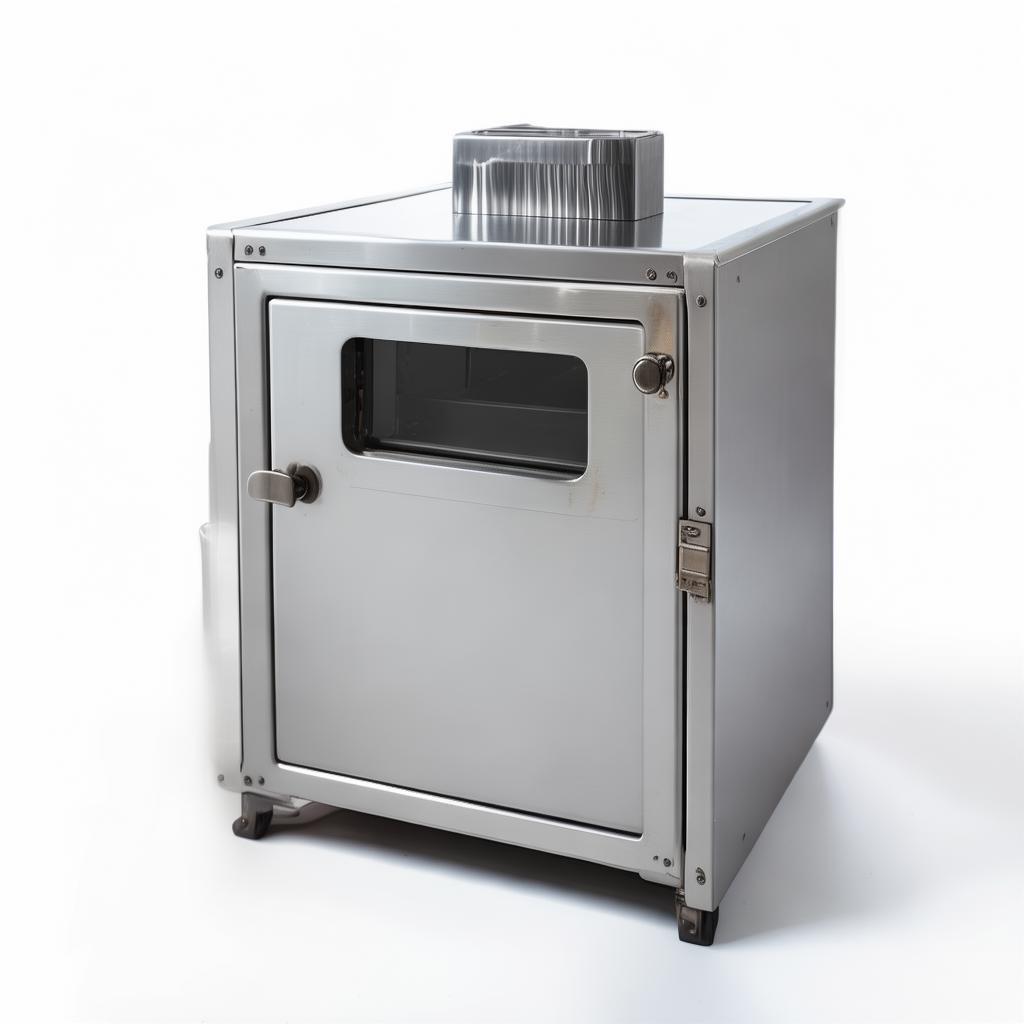
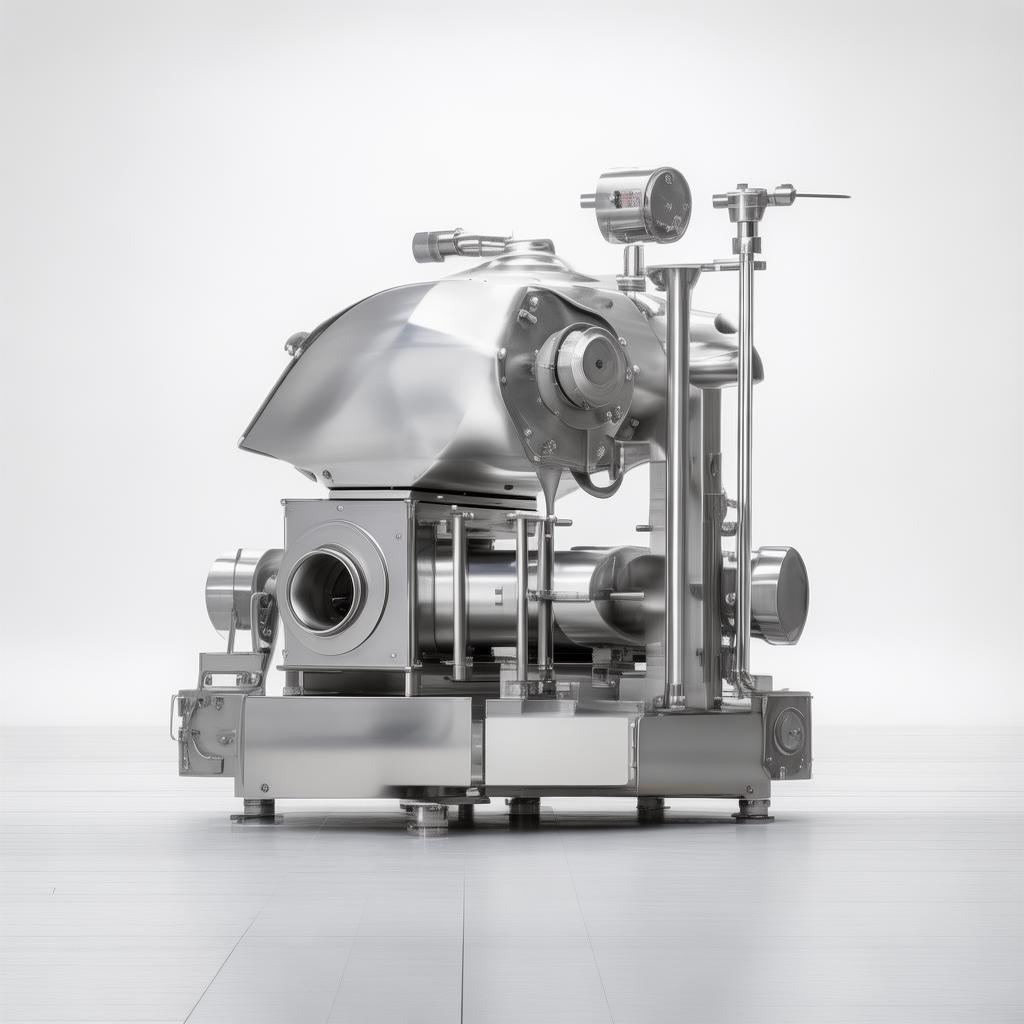
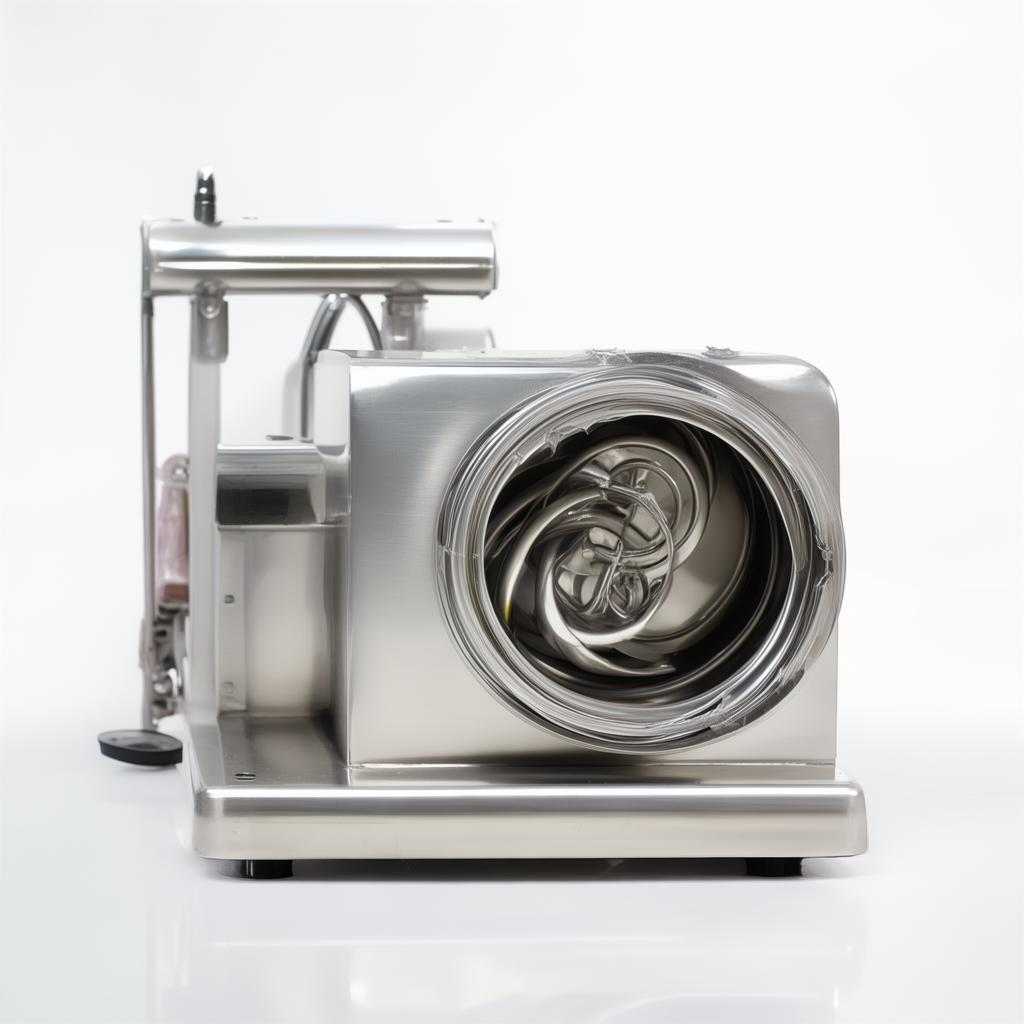
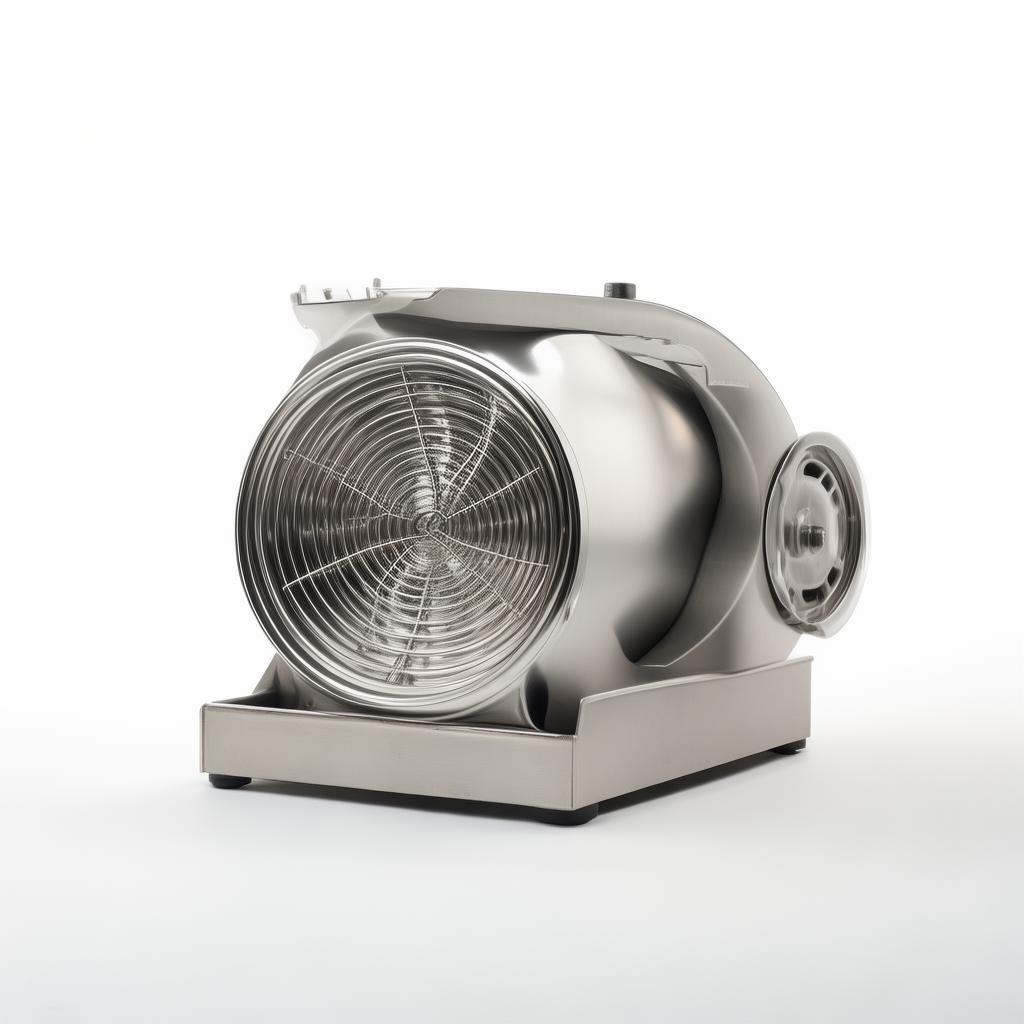
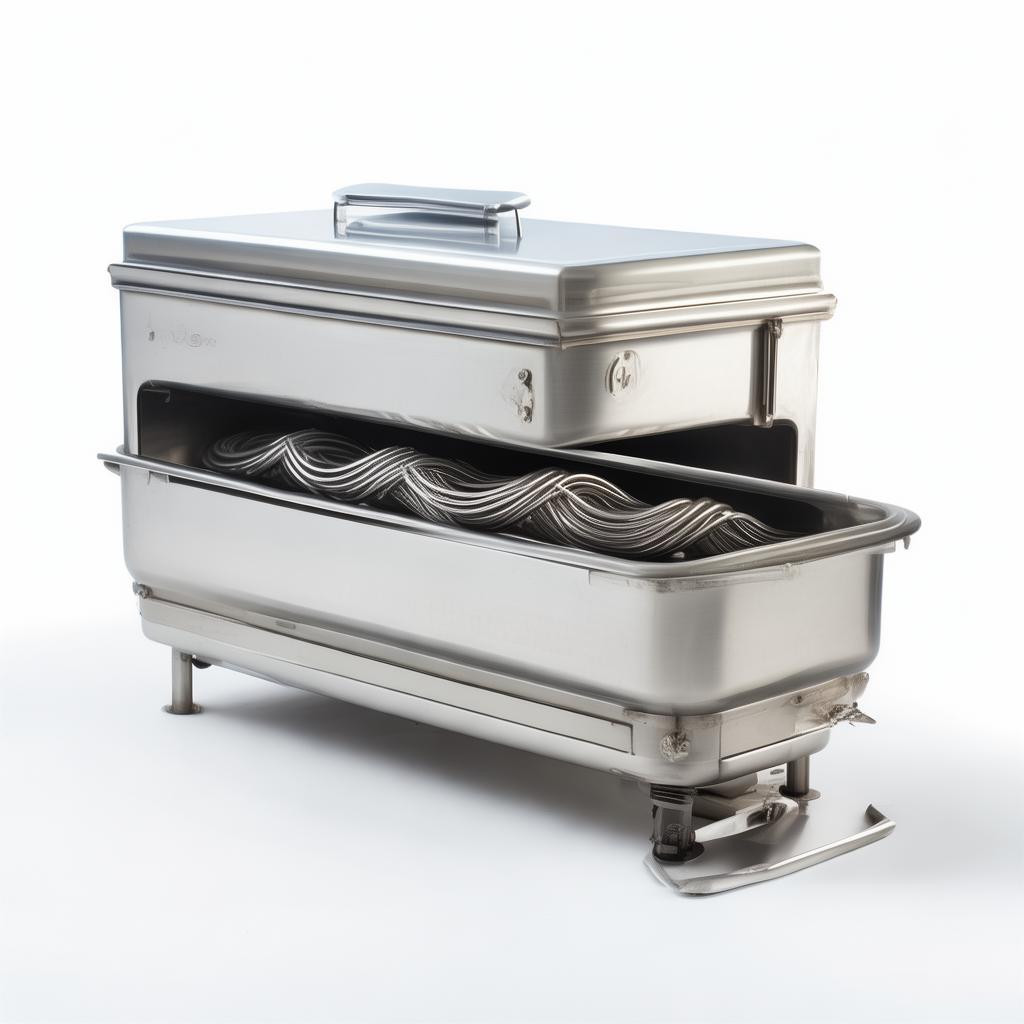
planetary mixer industrial industrial planetary mixer Planetary dough mixer
Beyond sausages, think about the production of formed meat products like burgers or meatloaf. The binding properties of the meat proteins need to be activated and uniformly distributed. The gentle yet thorough mixing action of a planetary mixer helps to develop these protein bonds without overworking the meat, which could otherwise lead to a tough or rubbery texture. For pet food manufacturers, consistency in kibble composition, ensuring an even spread of vitamins, minerals, and flavor enhancers throughout the meat base, is paramount for nutritional value and palatability. The ability of planetary mixers to handle varying batch sizes and viscosities, from relatively dry mixes to highly hydrated pastes, makes them versatile workhorses.
Our 40 years of experience at Hebei Yuanchang have shown us that the right mixing equipment isn't just about blending; it's about enabling a spectrum of possibilities for product development and quality assurance. From creating delicate meat emulsions for charcuterie to robust mixes for savory snacks, the planetary mixer offers a level of control and uniformity that simpler machines struggle to match. It’s an investment in product integrity. The mechanical action is designed to efficiently blend ingredients while minimizing shear that could compromise protein structure or generate unwanted heat, a common concern when mixing larger batches at higher speeds. This careful balance is what distinguishes industrial planetary mixers for demanding applications.
Furthermore, the operational efficiency of these machines is a significant consideration for any production facility. Reduced mixing times, easier cleaning protocols due to thoughtful design, and the inherent durability of robust industrial construction contribute to lower operational costs and higher throughput. When evaluating mixing solutions, it's essential to consider not just the initial purchase price but also the long-term benefits in terms of product yield, reduced waste, and labor savings. The planetary mixer often proves its value through these cumulative advantages, especially when dealing with high-volume production or complex formulations.
The global meat processing equipment market is expected to reach USD 15.04 billion by 2030. (Source: Grand View Research) This indicates a sustained demand for specialized machinery that optimizes output and quality. Planetary mixers are a key component in many of these optimized production lines. Their versatility allows them to be integrated into various processing steps, from initial ingredient blending to final product preparation before packaging. Understanding their specific applications and benefits is crucial for any processor looking to enhance their operations.
In essence, the planetary mixer isn't just another piece of equipment; it's a critical component in the value chain of numerous meat products. Its sophisticated mixing action translates directly into tangible benefits: enhanced product consistency, improved texture, efficient ingredient incorporation, and ultimately, greater customer satisfaction and market competitiveness. This page delves into the specific uses, advantages, and considerations when selecting and implementing planetary mixers for demanding meat processing tasks.
Common Challenges in Meat Mixing You Might Be Facing
Many processors grapple with consistent quality, especially as production volumes scale. Here are some common hurdles that a well-chosen planetary mixer can help overcome:
- Inconsistent Ingredient Distribution: Hot spots of fat or seasoning, uneven water absorption, leading to variations in taste, texture, and cooking performance across batches.
- Texture Issues: Overworking meat can lead to toughness, while inadequate mixing results in a crumbly or unappetizing texture. Achieving the desired emulsion or binding is often a challenge.
- Heat Generation: Friction during mixing can raise the temperature of the meat mix, negatively impacting protein structure, microbial stability, and overall product quality, especially in warmer climates or with high-speed mixing.
- Product Yield and Waste: Inefficient mixing can lead to ingredient loss or necessitate longer processing times, reducing overall yield and increasing operational costs.
- Difficulties with Viscous or Dense Materials: Some meat formulations, especially those with high protein or fat content, can be challenging to mix thoroughly with standard equipment.
- Cross-Contamination & Cleaning: Complex mixing chambers can be difficult to clean thoroughly, posing a risk for cross-contamination between batches or product runs.
These issues are not just operational nuisances; they directly impact profitability and brand reputation.
Key Planetary Mixer Applications in Meat Processing
The adaptability of planetary mixers makes them indispensable across a wide range of meat processing applications. Their ability to achieve precise and homogenous mixing is critical for product integrity.
1. Sausage and Cured Meat Emulsions
This is arguably the most common application. Planetary mixers excel at creating fine, stable emulsions for products like frankfurters, bologna, and pates. They ensure uniform distribution of fat, lean meat, water, curing agents, and spices, preventing fat separation during cooking and yielding a smooth, consistent texture. The gentle mixing action helps maintain the desired protein structure without excessive heat generation.
2. Formed Meat Products
For products such as burgers, meatballs, meatloaf, and nuggets, the planetary mixer is used to thoroughly combine the meat with binders, seasonings, and other ingredients. This ensures consistent flavor and texture throughout the product. Proper mixing develops the necessary protein adhesion for products to hold their shape during cooking and handling.
3. Pet Food Manufacturing
In pet food production, achieving a homogeneous mixture of meat, grains, vegetables, vitamins, and minerals is vital for nutritional balance and palatability. Planetary mixers are employed to ensure that every portion of the feed receives the correct supplement profile, contributing to the overall health and appeal of the pet food. The capacity to handle both wet and dry formulations is a significant advantage here.
4. Marinades and Tenderization
While not their primary function, some planetary mixers can be adapted for blending marinades or incorporating tenderizing agents. The thorough mixing ensures even coating and distribution of marinades, enhancing flavor penetration and product consistency.
5. Speciality Meat Products
This includes products like meat pastes, pâtés, terrines, and even certain types of jerky where precise ingredient incorporation is key to texture and shelf-life. The ability to control mixing intensity is crucial for developing the specific mouthfeel and structure required for these niche products.
The global demand for processed meat products continues to climb, with market projections indicating significant growth. For instance, the processed meat market is expected to reach USD 1,330.45 billion by 2035. (Source: Precedence Research) This sustained demand fuels the need for reliable, high-performance mixing equipment that can consistently deliver quality.
Why Choose a Planetary Mixer for Your Meat Processing Needs?
The decision to invest in specific processing equipment hinges on tangible benefits. Planetary mixers offer a compelling case for meat processors aiming for superior quality and operational efficiency.
1. Unmatched Homogeneity
The signature orbital mixing action ensures that every part of the batch is consistently processed. This eliminates localized concentrations of ingredients, leading to uniform flavor, texture, and color throughout the product. For products like emulsified sausages, this is non-negotiable.
2. Gentle Yet Effective Mixing
Compared to high-shear mixers, planetary action is gentler. This is crucial for meat processing, where overworking the proteins can lead to toughness and a less desirable texture. It allows for efficient blending while preserving the natural structure of the meat.
3. Reduced Heat Buildup
The continuous, sweeping motion of the planetary mixer distributes frictional heat more evenly across the batch, and often at a lower intensity than other mixing methods. This is vital for maintaining low temperatures, especially for sensitive ingredients, helping to preserve product quality and extend shelf life.
4. Versatility and Adaptability
With various tool attachments (paddles, hooks, dough arms) and the ability to handle different batch sizes and viscosities, a single planetary mixer can often serve multiple product lines within a facility. This makes them a cost-effective and flexible solution.
5. Ease of Operation and Cleaning
Modern industrial planetary mixers are designed with user-friendliness and hygiene in mind. Removable bowls and tools, smooth interior surfaces, and robust sealing minimize cleaning time and effort, which is a significant advantage in food processing environments where rapid turnarounds and strict sanitation are paramount.
6. Enhanced Product Yield
By ensuring all ingredients are thoroughly incorporated and minimizing waste during mixing, planetary mixers contribute to better overall product yield. This translates directly into improved profitability.
The meat processing equipment market as a whole is seeing robust growth, with projections indicating it will reach USD 19.11 billion by 2035. (Source: Precedence Research) This suggests a sustained demand for equipment that delivers on quality and efficiency, making the advantages of planetary mixers even more relevant.
Technical Specifications for Industrial Planetary Mixers
When selecting an industrial planetary mixer, several technical specifications are critical for ensuring it meets your production demands. At Hebei Yuanchang, we focus on robust construction and reliable performance.
| Specification | Details | Importance for Meat Processing |
|---|---|---|
| Bowl Capacity | Ranges from 50L to over 1000L (e.g., 100L, 200L, 500L options) | Crucial for matching batch size to production volume and product type. |
| Motor Power | e.g., 3.0kW, 5.5kW, 7.5kW (variable speed options available) | Determines the mixer's ability to handle dense or high-viscosity meat masses without bogging down. |
| Materials of Construction | Food-grade stainless steel (SS304, SS316) for bowls, agitators, and contact parts. | Ensures hygiene, corrosion resistance, durability, and compliance with food safety standards. |
| Agitator Speed Control | Variable Frequency Drive (VFD) for precise speed adjustment. | Allows for optimization of mixing intensity for different products (e.g., slower for emulsion, faster for incorporation). |
| Safety Features | Bowl guard interlocks, emergency stop buttons, overload protection. | Essential for operator safety and preventing equipment damage. |
| Hygiene Design | Seamless welds, rounded corners, easy-to-disassemble components. | Facilitates thorough cleaning and sanitization, minimizing microbial risks. |
| Power Supply | 3-phase, 380V/50Hz (customizable for international markets) | Ensures compatibility with your plant's electrical infrastructure. |
Our machines are built to withstand the rigors of continuous operation. We also offer customization options to tailor specifications to your unique processing requirements.
Procurement Insights & Our Factory Strength
Selecting the right supplier for industrial equipment is as critical as selecting the right equipment itself. For meat processors, reliability, after-sales support, and proven manufacturing capability are paramount.
Hebei Yuanchang's Manufacturing Prowess
With 40 years of experience since 1986, Hebei Yuanchang Food Mechanism & Technology Co., Ltd. is not a newcomer. We operate from a 14,000 square meter facility, employing 80-100 dedicated professionals. Our strength lies in our vertically integrated approach: R&D, production, and sales are all under one roof.
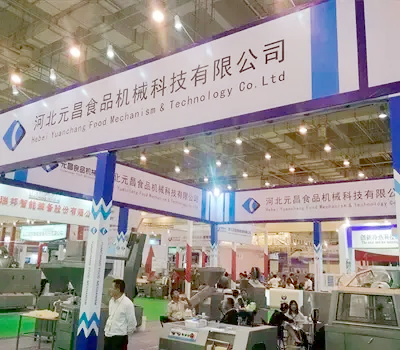
Our in-house machining workshop is equipped with over 20 sets of advanced processing machinery, including lathes, milling machines, and high-precision grinding equipment. The strategic introduction of 8 sets of Japanese Mazak CNC machining centers in 2012 significantly enhanced our capability to produce high-standard, non-standard components with exceptional precision. This allows us to control every critical part of our mixers, ensuring unparalleled quality and enabling us to offer truly worry-free after-sales service.
Key Procurement Considerations
- Supplier Experience: Look for manufacturers with a long history in food machinery, especially meat processing. Our 40-year track record speaks for itself.
- Manufacturing Capabilities: Can they produce critical components in-house? Our CNC capabilities ensure precision and control over quality.
- Material Quality: Ensure all food-contact surfaces are high-grade stainless steel (SS304 or SS316) compliant with international standards.
- After-Sales Support: What is their process for spare parts, technical assistance, and maintenance? Our traceable system ensures rapid response.
- Certifications: While not always mandatory for every market, CE or similar certifications indicate adherence to safety and quality standards. We can provide documentation upon request.
- Customization: Can they modify designs to fit your specific production line or product needs?
We understand that procuring industrial equipment is a significant investment. That's why we prioritize transparency and robust engineering.
Frequently Asked Questions About Planetary Mixers
What is the primary advantage of a planetary mixer over a ribbon blender for meat processing?
While ribbon blenders are excellent for powders and granular materials, planetary mixers offer superior homogeneity for viscous and paste-like products like meat masses. The orbital action of the planetary mixer ensures more thorough incorporation of ingredients and prevents the formation of "dead zones" often found in ribbon blenders, leading to more consistent product quality.
Can planetary mixers handle frozen meat pieces?
Generally, planetary mixers are designed for mixing thawed or partially thawed meat. Mixing large, frozen blocks can put excessive strain on the motor and agitator. Pre-grinding or chopping frozen meat into smaller pieces is recommended before introducing it into the mixer to prevent damage and ensure efficient mixing.
How do I determine the correct bowl capacity for my needs?
This depends on your production batch size and the density of your product. A general guideline is to aim for a fill level of 40-60% of the bowl's total volume to allow for adequate mixing space and prevent overflow. We recommend consulting with our engineers who can assess your specific product formulation and desired output volume.
What kind of maintenance is typically required?
Regular maintenance includes cleaning after each use, inspecting agitator wear, checking gearbox oil levels, and lubricating moving parts as per the operation manual. Our robust design minimizes complex maintenance, and we provide detailed manuals and support for our clients.
Can these mixers be used for non-meat products?
Yes, planetary mixers are highly versatile and are used across various food industries for doughs, batters, fillings, confectionery, and more. For food processing, our machines are constructed with food-grade materials and designed for easy cleaning to prevent cross-contamination.
What Our Clients Say
"We've been using Yuanchang's 200L planetary mixer for our premium sausage line for over two years now. The consistency we get is outstanding. Fat distribution is perfect every time, and we've seen a noticeable improvement in product texture and reduced batch variation. Their support team was also very helpful during the setup phase."

Production Manager, 'Prime Cuts Meats' (USA)
"As a pet food manufacturer, consistent nutrient distribution is critical. The planetary mixer from Hebei Yuanchang has been a game-changer. It handles our dense meat and additive blends efficiently, ensuring every pellet has the right mix. Cleaning is straightforward, which is a huge plus in our high-volume operation."

Operations Lead, 'Happy Paws Nutrition' (Canada)
"We needed a robust mixer for our burger patty production. The Yuanchang team understood our need for a balance between binding the meat and avoiding toughness. Their 500L mixer delivers excellent uniformity, and the variable speed control is invaluable. The build quality is solid, feels like it's built to last."

Plant Manager, 'Gourmet Burgers Inc.' (Australia)
Ready to Elevate Your Meat Processing?
Achieve unparalleled consistency, quality, and efficiency in your meat product manufacturing. Let our expertise guide you to the perfect planetary mixer solution.
Chat with Us for Instant Support: