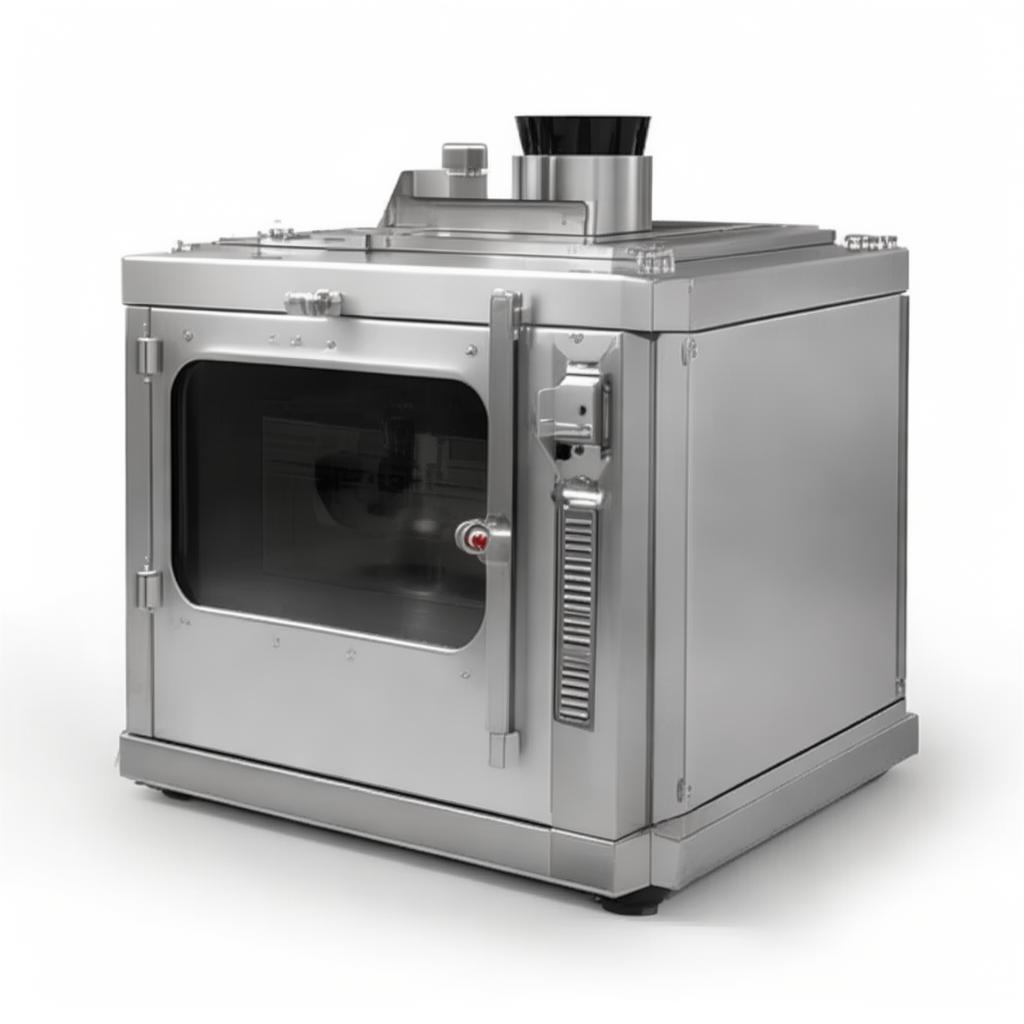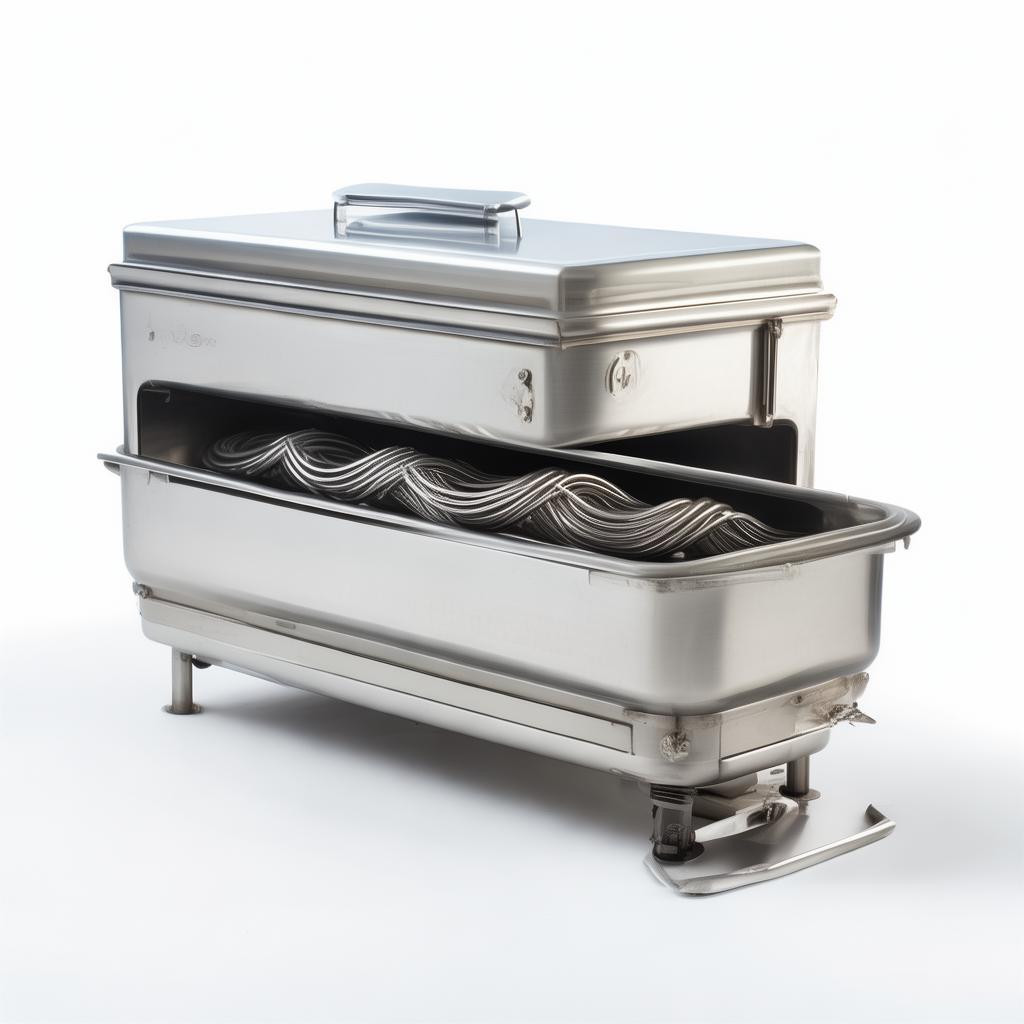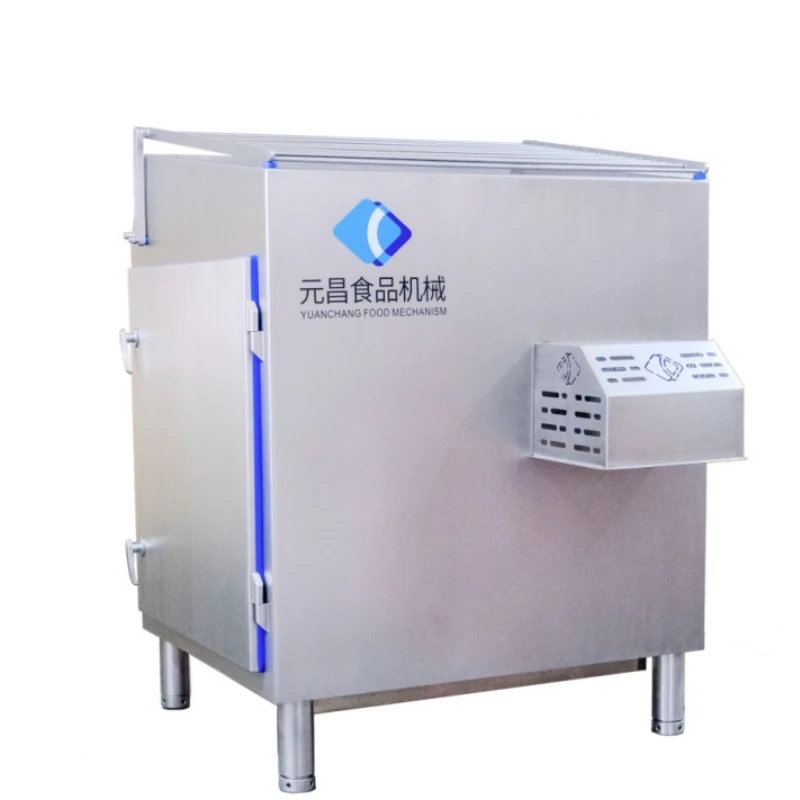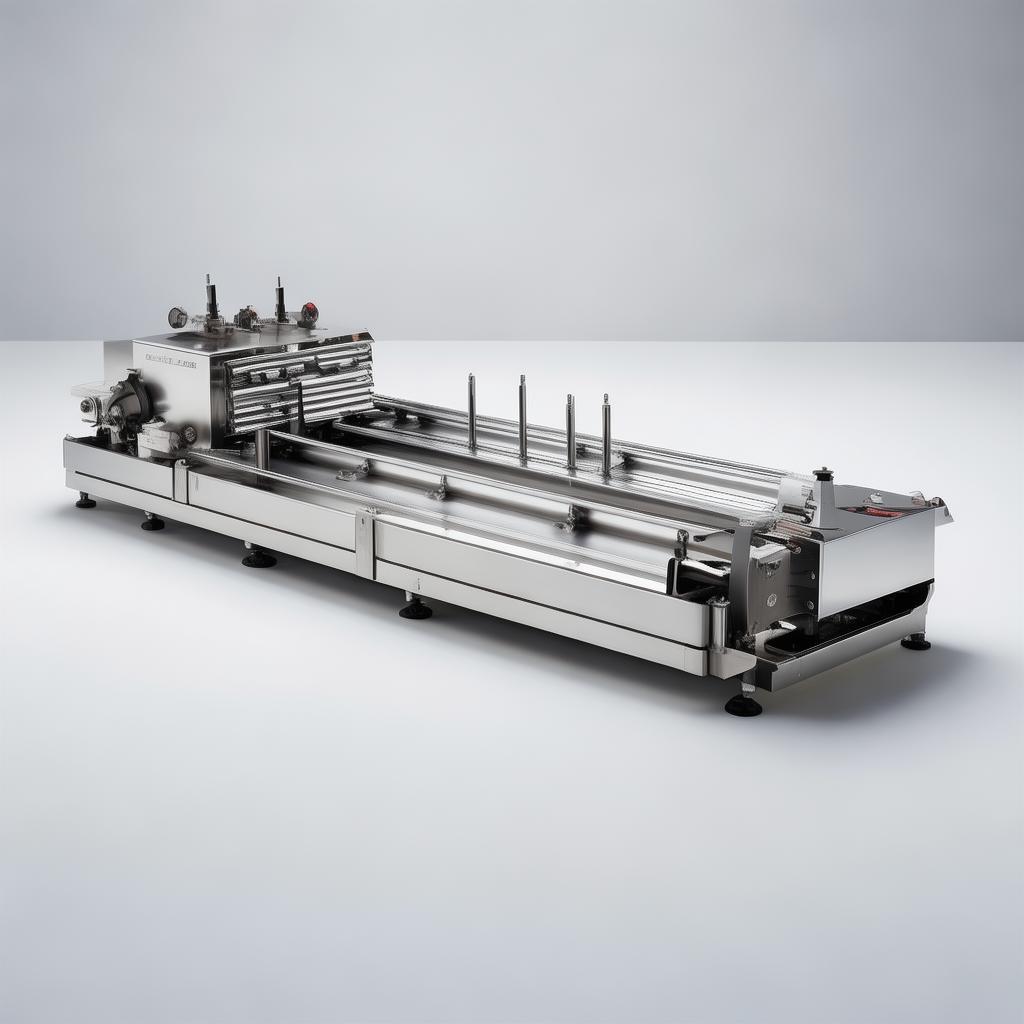
Paddle Blenders
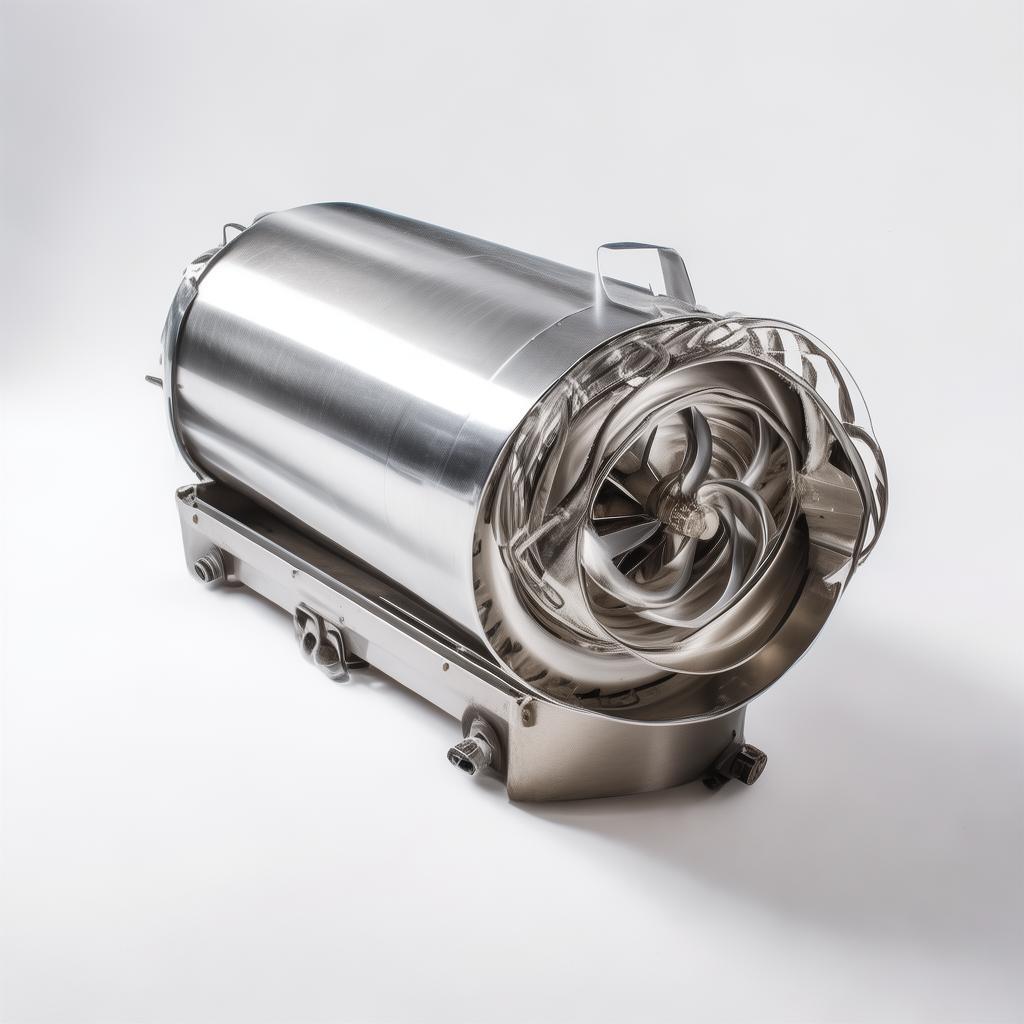
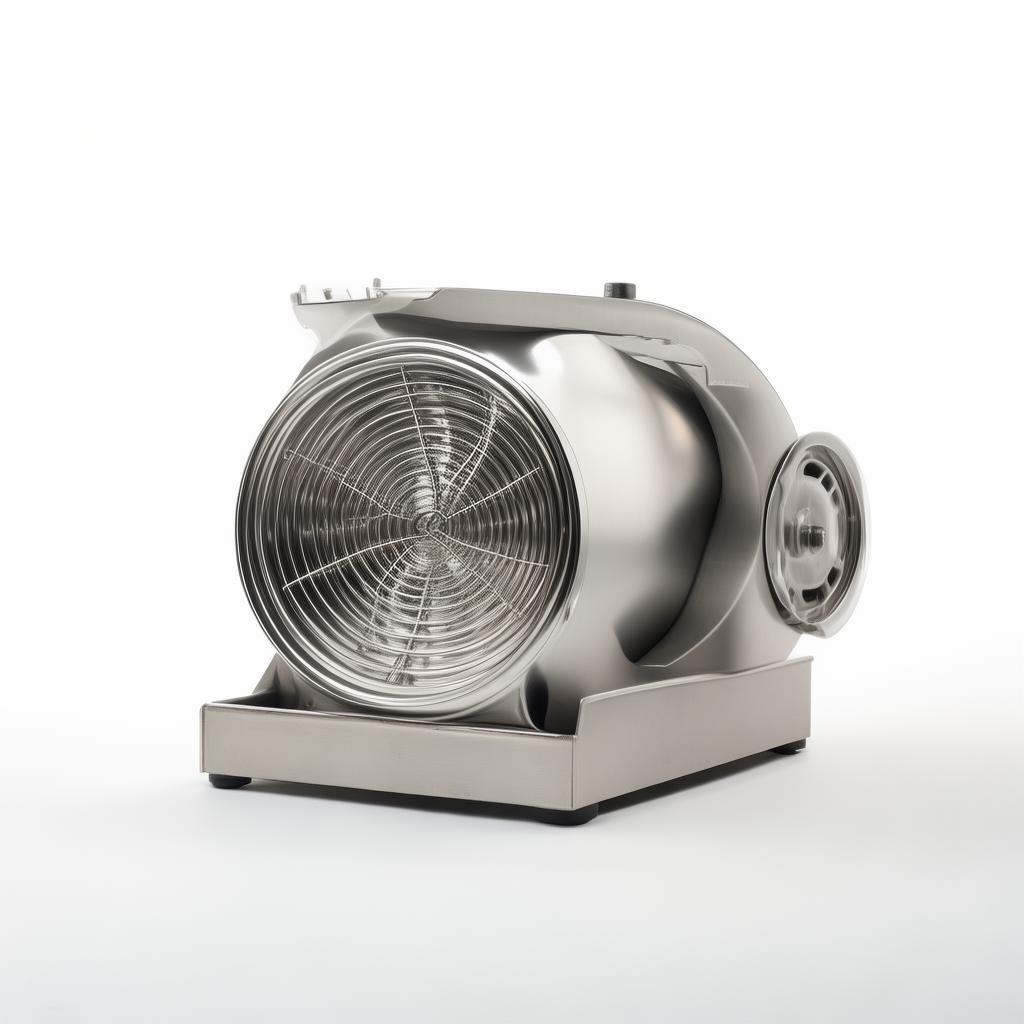
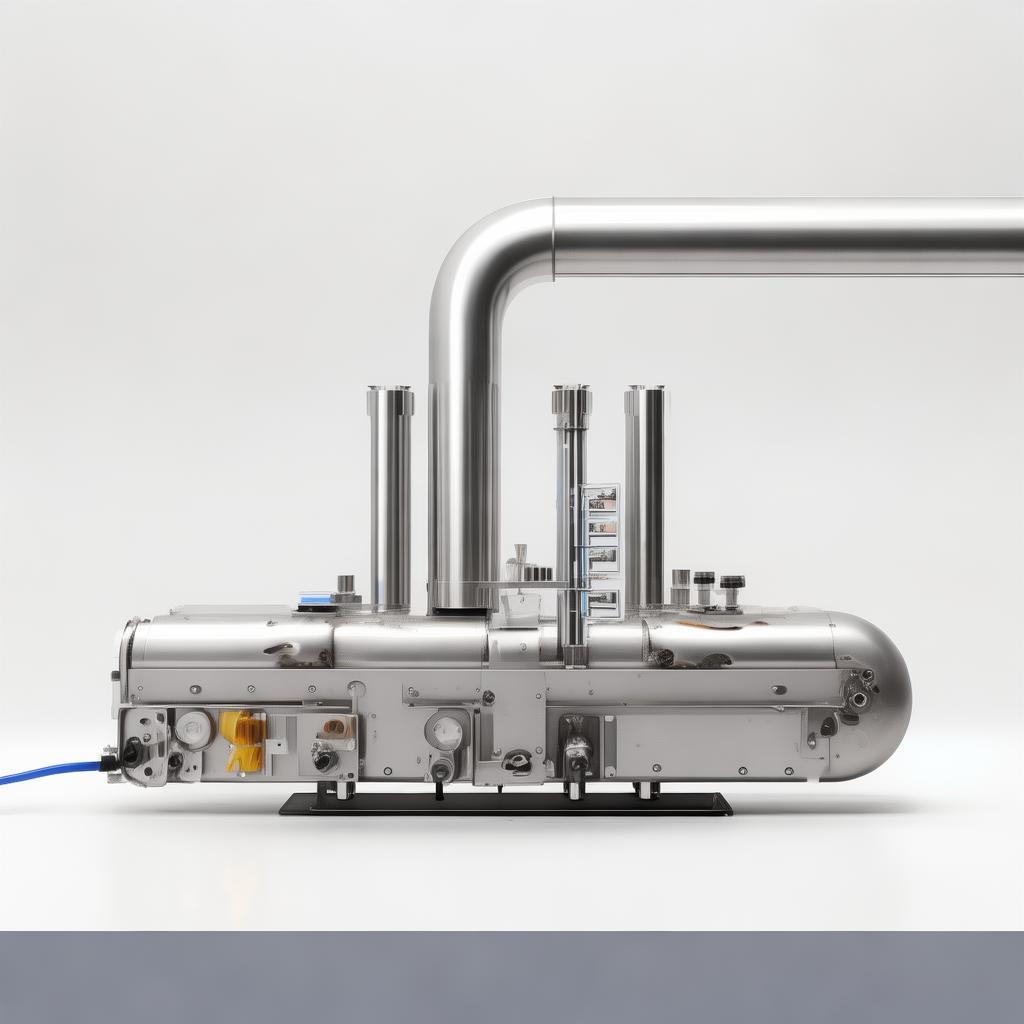
Mastering Meat Processing: Precision Paddle Blenders for Superior Texture and Consistency
By Li Wei, Senior Production Engineer at Hebei Yuanchang Food Mechanism & Technology Co., Ltd.

Introduction: The Unsung Heroes of Meat Product Quality
In the demanding world of meat processing, achieving consistent quality, optimal texture, and extended shelf life isn't just about having the right cuts or the most advanced cooking techniques. It hinges, critically, on the foundational steps. Among these, the blending process stands out as a crucial, yet often underestimated, stage. This is where raw ingredients transform from disparate elements into a cohesive, homogeneous mass, ready for the next steps in your production line – be it filling, molding, smoking, or ripening. Our focus today is on a particular piece of equipment that embodies this essential function: the paddle blender.
While the term "blender" might conjure images of kitchen appliances, in industrial settings, particularly within the meat industry, paddle blenders are robust, precision-engineered machines. They are designed to handle large volumes, tough materials, and the rigorous demands of continuous operation. Their primary role is to uniformly mix meat particles, fats, spices, and other additives, ensuring that every batch meets precise specifications. This uniformity is not a mere aesthetic concern; it directly impacts the final product's taste, mouthfeel, cooking performance, and overall stability.
The global meat processing equipment market is substantial, reflecting the vastness of the industry. Reports indicate this market was valued at approximately USD 11.29 billion in 2025 and is projected to reach USD 17.39 billion by 2034, growing at a CAGR of around 5.0%. Key segments, including filling, massaging, cutting, and grinding machines, highlight the specialized nature of this sector. Within this landscape, machines that handle the crucial pretreatment and molding stages, like our paddle blenders, are fundamental. The demand for processed and ready-to-eat meats, coupled with increasing automation for hygiene and labor efficiency, further underscores the importance of reliable blending technology. As reported by Fortune Business Insights, growth is significantly influenced by the expansion in Asia-Pacific, where industrialization of processing facilities is accelerating.
Consider the challenges faced by operations managers and procurement directors: inconsistent product texture leading to customer complaints, uneven fat distribution causing cooking variations, or insufficient mixing that compromises shelf life. These aren't minor glitches; they translate directly into lost revenue, increased waste, and damaged brand reputation. A well-chosen paddle blender is your first line of defense against these operational headaches. It's an investment in consistency, quality, and efficiency that pays dividends across your entire production chain.
At Hebei Yuanchang, with our 40 years of experience since 1986, we've seen firsthand how the right equipment can redefine product quality. We understand that a paddle blender isn't just a piece of metal; it's an integral component that influences everything from the initial grind to the final packaged product. It’s about mastering the homogenization process, ensuring that seasonings are perfectly dispersed, fats are evenly distributed, and the final mixture achieves the exact desired consistency for downstream applications like sausage filling or paté formation.
This document delves into the critical aspects of selecting, operating, and understanding the value of industrial paddle blenders. We'll explore their technical nuances, the advantages they offer over less sophisticated mixing methods, and why partnering with a manufacturer that prioritizes precision engineering and robust construction is paramount. We aim to provide you with the operational knowledge and procurement insights needed to make an informed decision, ensuring your investment in blending technology yields optimal results for years to come.
The market for processed meat itself is projected to reach staggering figures, with some forecasts placing it beyond USD 1.25 trillion by 2034. This growth is intrinsically linked to the demand for efficient and high-quality processing equipment. As Grand View Research notes, segments like filling and stuffing machines, alongside massaging systems for ripening, are high-growth areas. Paddle blenders are often the precursor to these processes, setting the stage for superior product development and efficient throughput. They are essential for creating everything from finely ground emulsified products to coarser mixtures for formed items.
We'll also touch upon practical considerations such as material selection, hygiene standards (crucial for any food-grade equipment), and the logistical aspects of integrating these machines into existing or new production lines. This isn't just about specifications; it's about understanding how a paddle blender contributes to your operational success and your bottom line. Let's explore how this vital piece of machinery can elevate your meat processing capabilities.
Addressing Industry Challenges in Meat Blending
The pursuit of perfect meat product consistency often hits several snags. Many processors struggle with:
- Inconsistent Mixing: Traditional methods or sub-par equipment can lead to uneven distribution of fat, protein, and seasonings. This impacts texture, flavor, and cooking uniformity, often resulting in batches that don't meet quality standards. This is a persistent issue, especially when handling varying raw material consistencies.
- Product Degradation: Over-handling or excessive shear force during mixing can damage meat proteins, leading to a less desirable texture and potentially reducing the product's binding capabilities. Efficient blending minimizes this risk.
- Efficiency Bottlenecks: Slow mixing times or labor-intensive loading/unloading processes create bottlenecks, slowing down the entire production line and increasing operational costs. A well-designed paddle blender streamlines this step significantly.
- Hygiene Concerns: Crevices, difficult-to-clean parts, and materials that are prone to bacterial growth can compromise food safety. Industrial paddle blenders must be designed with easy-to-clean surfaces and food-grade materials.
- Material Incompatibility: Some mixing systems are not robust enough for certain meat products, leading to wear and tear, frequent breakdowns, and costly downtime. The design must account for the viscosity and particle size of the materials being processed.
The Processed Meat Market is expected to reach USD 1.33 trillion by 2035, according to Precedence Research. This massive market relies on machinery that can deliver reliably, batch after batch. Without effective pretreatment and consistent molding capabilities, processors risk falling behind in a competitive landscape driven by consumer demand for both convenience and quality.
The Superiority of Paddle Blenders: Key Advantages
When precisely engineered, paddle blenders offer distinct advantages that address the common challenges in meat processing:
Uniform Homogenization
The gentle yet thorough action of rotating paddles ensures all ingredients, from fine powders to coarse meat chunks, are evenly distributed. This results in a consistent product texture and flavor profile across the entire batch.
Minimized Product Damage
Unlike high-shear mixers, paddle blenders operate at lower speeds with minimal impact on meat fibers. This preserves the natural structure, leading to better water-holding capacity and improved final product texture.
High Throughput Efficiency
Designed for industrial scale, these blenders can process large volumes efficiently. Their robust build allows for continuous operation, minimizing downtime and maximizing output, a critical factor in high-volume production lines.
Enhanced Hygiene Standards
Our designs feature smooth surfaces, minimal crevices, and easy-access components. Utilizing food-grade stainless steel ensures compliance with stringent hygiene regulations and simplifies cleaning and sanitation protocols.
Adaptability
Paddle blenders are versatile. They can effectively mix a wide range of meat products, from raw grinds to pre-cooked ingredients, and can incorporate various additives like starches, binders, and flavor enhancers.
Durability and Longevity
Constructed with high-quality materials and precision engineering, our paddle blenders are built for demanding industrial environments, ensuring a long service life and reliable performance. We stand by the quality of our construction.
How Paddle Blenders Work: The Engineering Behind the Blend
At its core, a paddle blender operates through the mechanical action of rotating paddles within a mixing trough or barrel. The design of these paddles and their movement is crucial for achieving effective mixing.
The typical setup involves a U-shaped trough or a cylindrical barrel. Within this vessel, one or more shafts are fitted with paddles. These paddles are usually angled or curved to gently lift, fold, and tumble the ingredients. As the paddles rotate, they continuously move the material along the trough, ensuring thorough mixing and preventing dead spots where ingredients might remain unblended.
We often see two main configurations:
- Single Shaft Paddle Mixers: These are simpler, often used for less demanding applications or smaller batches. The single shaft with its array of paddles ensures material movement within the trough.
- Twin Shaft Paddle Mixers: These offer more vigorous and rapid mixing. The counter-rotating shafts and paddles create a turbulent yet controlled mixing action, ideal for larger volumes and tougher materials, ensuring even distribution of even dense ingredients.
The speed of rotation is carefully calibrated. Too fast, and you risk protein denaturation and product damage. Too slow, and the mixing becomes inefficient, leading to longer batch times. The angle and shape of the paddles are also critical. They are designed to maximize the mixing action while minimizing shear force. For instance, broad, flat paddles might be suited for light powders, while more angled, shovel-like paddles are better for dense meat masses.
Consider the material properties. A high-fat content mixture behaves differently than a lean one. Our engineers account for this by adjusting paddle design and operating parameters. The goal is always to achieve a homogeneous blend without compromising the inherent structure and quality of the meat. This level of detail is what separates industrial-grade equipment from less sophisticated alternatives.
Furthermore, the loading and unloading mechanisms are designed for efficiency and hygiene. Many of our models incorporate features like large hoppers for easy loading and discharge gates that ensure complete emptying of the batch, minimizing residual product and simplifying cleaning. This operational ease is a key consideration for any plant manager aiming to optimize workflow.
Technical Specifications: Finding the Right Fit
Selecting the correct paddle blender hinges on understanding your specific production needs. Here are key specifications to consider:
| Specification | Key Considerations | Hebei Yuanchang Focus |
|---|---|---|
| Capacity (Volume/Batch Size) | Matched to your daily/hourly output requirements. Over- or under-sizing can lead to inefficiency or compromised mixing quality. | Available in ranges from 50L to 5000L+, catering to diverse operational scales. |
| Motor Power & Type | Needs to handle the density and viscosity of your product mix. Standard industrial motors or variable frequency drives (VFDs) for speed control. | Robust, energy-efficient motors with options for VFDs for precise speed adjustment. |
| Materials of Construction | Food-grade stainless steel (e.g., 304, 316) is essential for hygiene and corrosion resistance. | High-grade SS304 or SS316L construction for all product-contact surfaces. |
| Paddle Design | Angled, helical, or straight paddles; single or twin shaft configurations impact mixing dynamics. | Customizable paddle designs to suit specific product textures and mixing needs. |
| Dimensions & Footprint | Must fit within your existing or planned facility layout, considering maintenance access. | Compact designs with consideration for space optimization and accessibility. |
| Power Requirements | Standard industrial voltages (e.g., 380V/50Hz/3Ph in many regions). Confirm compatibility. | Configurable to meet international voltage and frequency standards. |
| Cleaning & Maintenance Features | Ease of access for cleaning, sealed bearings, removable paddles. | Hinged lids, quick-release paddles, and polished internal surfaces for rapid sanitation. |
paddle mixers industrial paddle mixer ribbon blender mixer
When evaluating options, always ask about lead times for delivery and installation, as well as the availability of spare parts. Our 40 years of experience have taught us that reliability and prompt support are as crucial as the initial machine performance. We can provide detailed technical drawings and even arrange for virtual factory tours to showcase our capabilities.
Versatile Applications in Meat Processing
The utility of a high-quality paddle blender extends across a wide spectrum of meat products. Its ability to achieve uniform mixing makes it indispensable for:
Sausage Production
Essential for creating homogenous mixtures of meat, fat, water, and seasonings, ensuring consistent flavor and texture in everything from fine-wurst to coarse breakfast sausages. This sets the foundation for effective filling.
Paté and Terrine Manufacturing
Achieves the smooth, emulsified texture required for these products, ensuring all ingredients, including liver, fats, and spices, are perfectly integrated.
Formed Meat Products
Ideal for creating uniform blends for products like meatloaf, burgers, and nuggets, where consistent texture and binding are paramount for quality and handling.
Pre-cooked Meal Components
Mixing ingredients for ready-to-eat meals, where consistency and stability are key for shelf life and consumer appeal.
Pet Food Production
Homogenizing meat, grains, and additives for high-quality pet food formulations, ensuring balanced nutrition and palatability.
Marinades and Seasoning Blends
Evenly distributing marinades, cure agents, or complex spice blends into meat products for consistent flavor penetration.
The Global Meat Processing Equipment Market is expected to grow substantially, with areas like filling, tenderizing, and smoking machines being critical. Our paddle blenders are often the first step in the value chain, ensuring that the material entering these downstream processes is perfectly prepared. A well-mixed product is easier to fill, molds better, and ripens more uniformly, leading to overall production efficiencies. For example, IMARC Group estimates the market will reach USD 29.8 billion by 2034, highlighting continuous investment in advanced processing solutions.
Procurement Essentials: What to Look For
Buying industrial equipment is a significant decision. As experienced suppliers, we advise procurement managers and operations directors to consider the following:
Supplier Reputation & Experience
Look for manufacturers with a proven track record in the food processing industry, especially meat. 40 years, like ours at Hebei Yuanchang, signifies deep practical knowledge and a commitment to quality.
Build Quality & Materials
Inspect the welding, finishes, and material certifications. Food-grade stainless steel (SS304/316L) is non-negotiable for product contact surfaces to prevent corrosion and bacterial adhesion.
Ease of Maintenance & Cleaning
Ask about accessibility for cleaning, sealed bearings, and the availability of spare parts. Downtime is costly; efficient maintenance is key. We offer a traceable after-sales management system.
Customization Options
Does the manufacturer offer customization for paddle design, capacity, or specific features to meet unique processing needs? We utilize Japanese Mazak CNC centers for high-precision, non-standard components.
After-Sales Support & Warranty
Understand the warranty terms and the availability of technical support, spare parts, and potential on-site assistance. Our independent production of high-precision parts ensures worry-free service.
Compliance and Certifications
Ensure the equipment meets relevant international standards for food safety and electrical safety (e.g., CE where applicable). While specific certifications vary, adherence to industry best practices is vital.
A common procurement mistake is focusing solely on the initial purchase price. Remember to calculate the total cost of ownership, including energy consumption, maintenance, potential downtime, and the lifespan of the equipment. Investing in a higher-quality machine upfront often results in significant long-term savings and operational stability.
Our Manufacturing Strength: Hebei Yuanchang's Edge
At Hebei Yuanchang Food Mechanism & Technology Co., Ltd., our 40 years of dedicated experience since 1986 have shaped us into a leading manufacturer of meat processing equipment. We pride ourselves on integrating research, development, production, and sales under one roof, ensuring complete control over quality and innovation.
Our facility spans approximately 14,000 square meters, housing a team of 80-100 skilled professionals. Our in-house machining workshop is the heart of our precision manufacturing, equipped with over 20 sets of advanced processing machinery. This includes:
- Lathes and Milling Machines for precision shaping.
- High-Precision Grinding Machines for superior surface finishes.
- Boring Machines for accurate internal diameters.
- Plate Shears and Bending Machines for fabrication.
- Wire Cutting Equipment for intricate component creation.
A significant milestone was our investment in 8 Japanese Mazak CNC machining centers in 2012. This capability allows us to independently produce high-standard, high-precision components, including those with non-standard specifications and requiring large volumes. This internal capacity for producing critical parts is what underpins our reliable after-sales service.
We specialize in complete production lines, encompassing pretreatment, filling and molding, and ripening processes. Our paddle blenders are a vital part of this ecosystem, engineered to meet the rigorous demands of the modern meat processing industry. When you choose Hebei Yuanchang, you're partnering with a factory that values quality, precision, and customer satisfaction above all else.
We adhere to strict quality control measures at every stage of production, from raw material sourcing to final assembly and testing. This meticulous approach ensures that every piece of equipment leaving our factory performs reliably and efficiently, reducing the risk of operational failures for our clients. Our commitment is to provide machinery that not only meets but exceeds industry expectations.
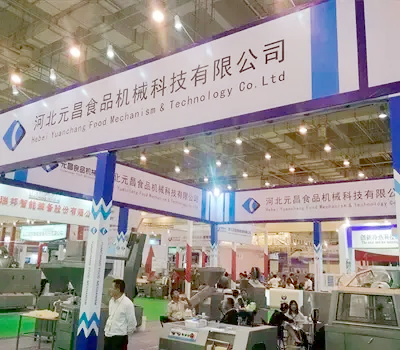
Our state-of-the-art manufacturing facility, equipped for precision component production.
Client Testimonials: Real-World Impact
Hear from our satisfied clients about how our paddle blenders have transformed their operations:
"The consistency we've achieved since installing the twin-shaft paddle blender from Hebei Yuanchang has been remarkable. Our sausage filling process is smoother, and the final product texture is exactly what we aimed for. Clean-up is also surprisingly straightforward."

American Meats Co.
"We were struggling with batch-to-batch variation in our paté production. Hebei Yuanchang's paddle blender solved that. The precision in mixing fat and liver is excellent, and it handles the delicate ingredients without degrading them. A solid investment."

Gourmet Food Processors
"The team at Hebei Yuanchang was very helpful in recommending the right size and configuration for our needs. The blender is robust, performs exactly as specified, and the communication throughout the export process was excellent. Highly recommend for international buyers."

Asia Foods International
"We needed a reliable solution for mixing our meatball mix. The paddle blender from Yuanchang provides uniform distribution of binders and spices, which is critical for product integrity and cooking. The construction quality is evident; this machine is built to last."

Prime Cuts Butchery
Frequently Asked Questions (FAQ)
- Q: What is the typical batch cycle time for your paddle blenders?
- A: Batch cycle times vary depending on the product's viscosity, density, and the required degree of mixing. Generally, for meat products, it ranges from 3 to 15 minutes per batch. We can provide more precise estimates based on your specific product formulation.
- Q: Can your paddle blenders handle frozen meat chunks?
- A: While primarily designed for fresh or chilled meat, some models can handle moderately frozen ingredients. However, for heavily frozen meat, pre-grinding or tempering is usually recommended to prevent excessive strain on the equipment and ensure optimal mixing.
- Q: What are the main differences between single-shaft and twin-shaft paddle blenders?
- A: Twin-shaft paddle blenders offer more intensive and faster mixing due to the counter-rotating action of the paddles, making them ideal for larger volumes and denser materials. Single-shaft models are generally simpler and sufficient for lighter-duty applications or smaller batches.
- Q: How do I ensure proper cleaning and sanitation of the equipment?
- A: Our paddle blenders are designed for easy cleaning with accessible internal surfaces and often removable paddles. We recommend a daily cleaning protocol involving rinsing, detergent wash, and sanitization, followed by thorough drying. Detailed cleaning instructions are provided with each machine.
- Q: What is the warranty period for your paddle blenders?
- A: We typically offer a comprehensive warranty covering manufacturing defects. Specific terms and durations can vary, and we encourage you to discuss this with our sales team to understand the full scope of our coverage.
Ready to Elevate Your Meat Processing Production?
Don't let inconsistent blending compromise your product quality and operational efficiency. Discover how a precision-engineered paddle blender from Hebei Yuanchang can be the solution you need.
Key Industry Insights Referenced:
- Meat Processing Equipment Market size & share reports from Fortune Business Insights, Grand View Research, SkyQuestt, IMARC Group, Yahoo Finance, Precedence Research, Market Research Future, Mordor Intelligence, and Future Market Insights indicate robust growth driven by processed meat demand and automation. (Approx. USD 11-19 billion market size for processing equipment, with CAGR of 4.8%-8.1% projected.)
- Processed meat market projections by Precedence Research and Fortune Business Insights show significant expansion, reaching over USD 1.25 trillion by 2034, directly influencing demand for core processing machinery.
- Automation, hygiene standards, and emerging markets (especially Asia-Pacific) are consistently cited as major growth drivers across multiple reports.
- Filling, molding, tenderizing, and ripening (massaging) equipment are frequently highlighted as critical and high-growth segments within the broader machinery market.