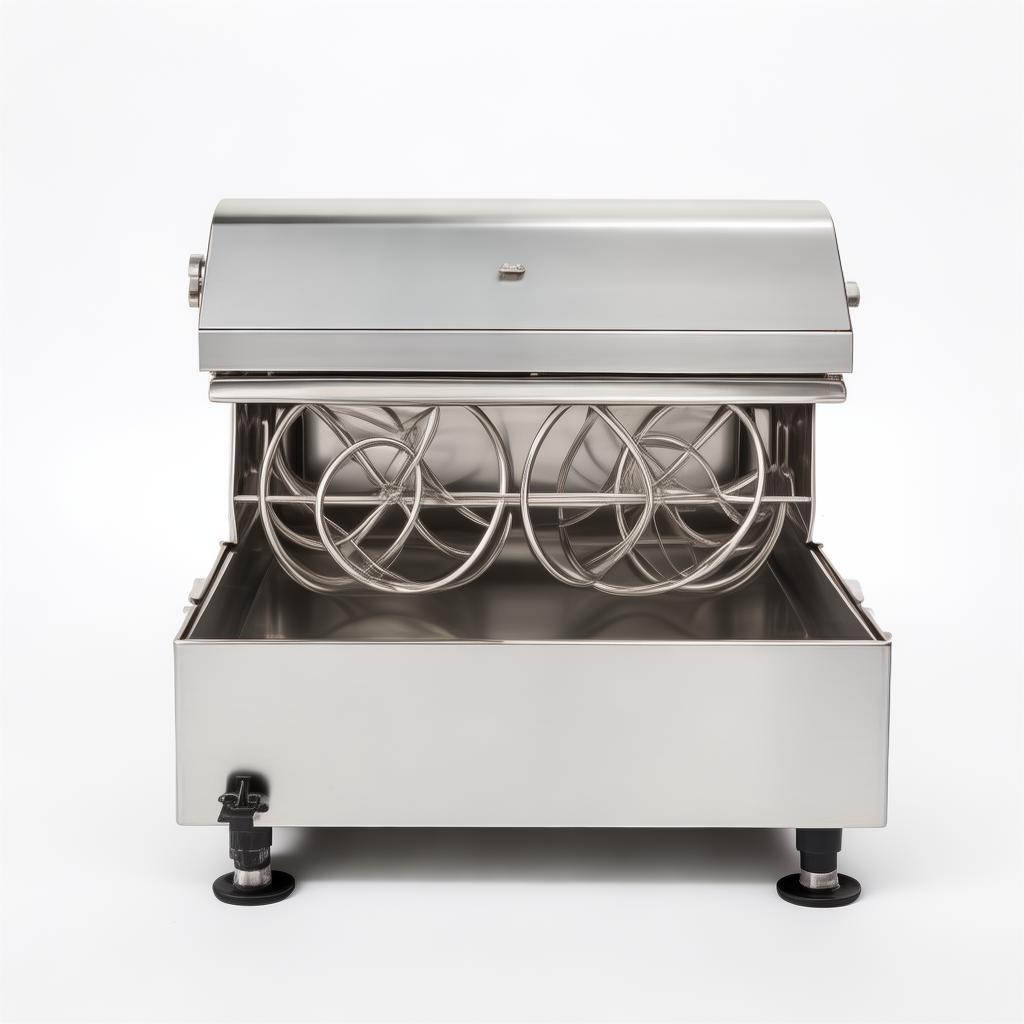
Meat Tumbler
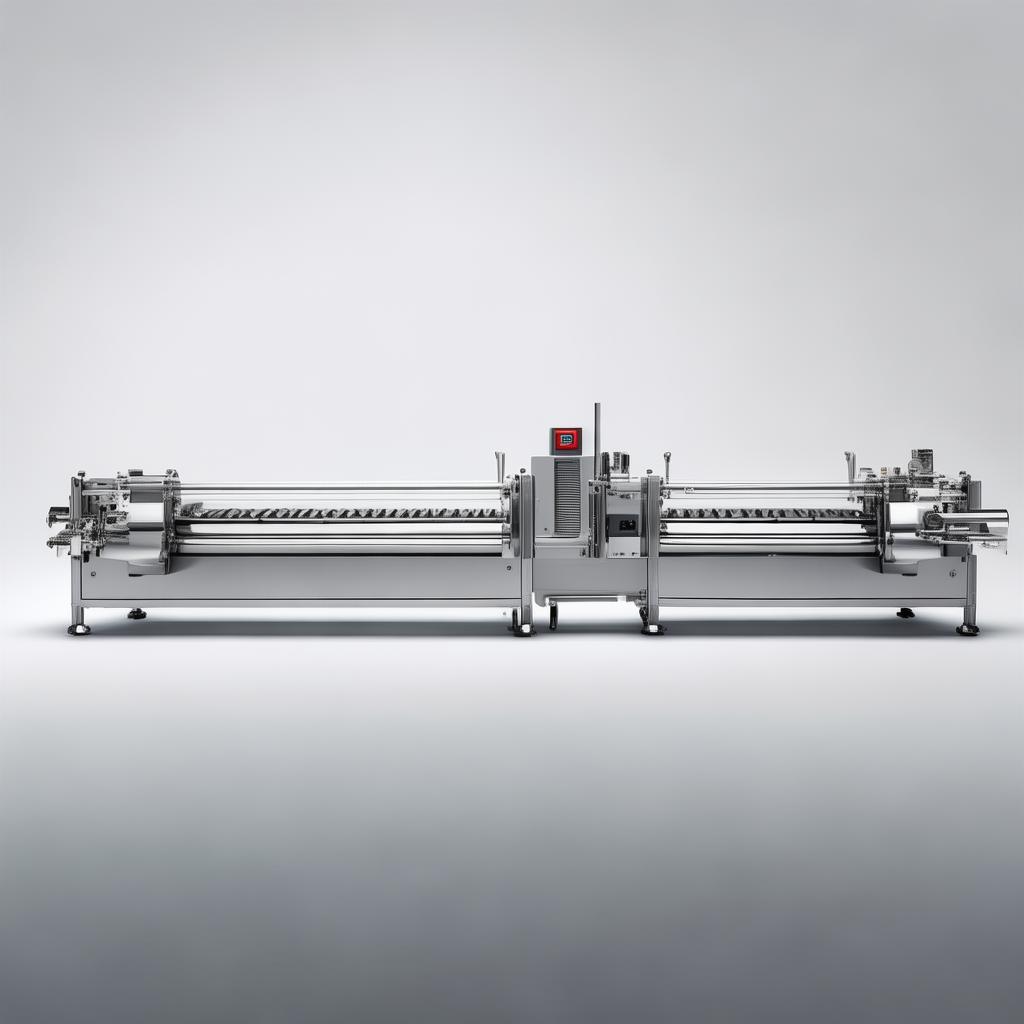
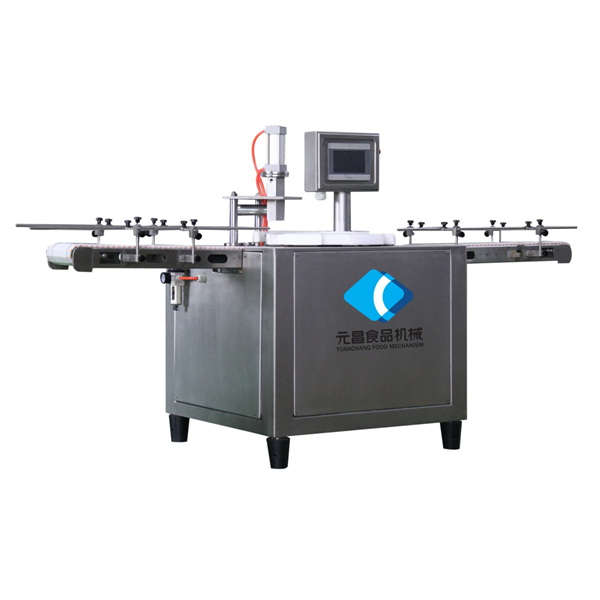
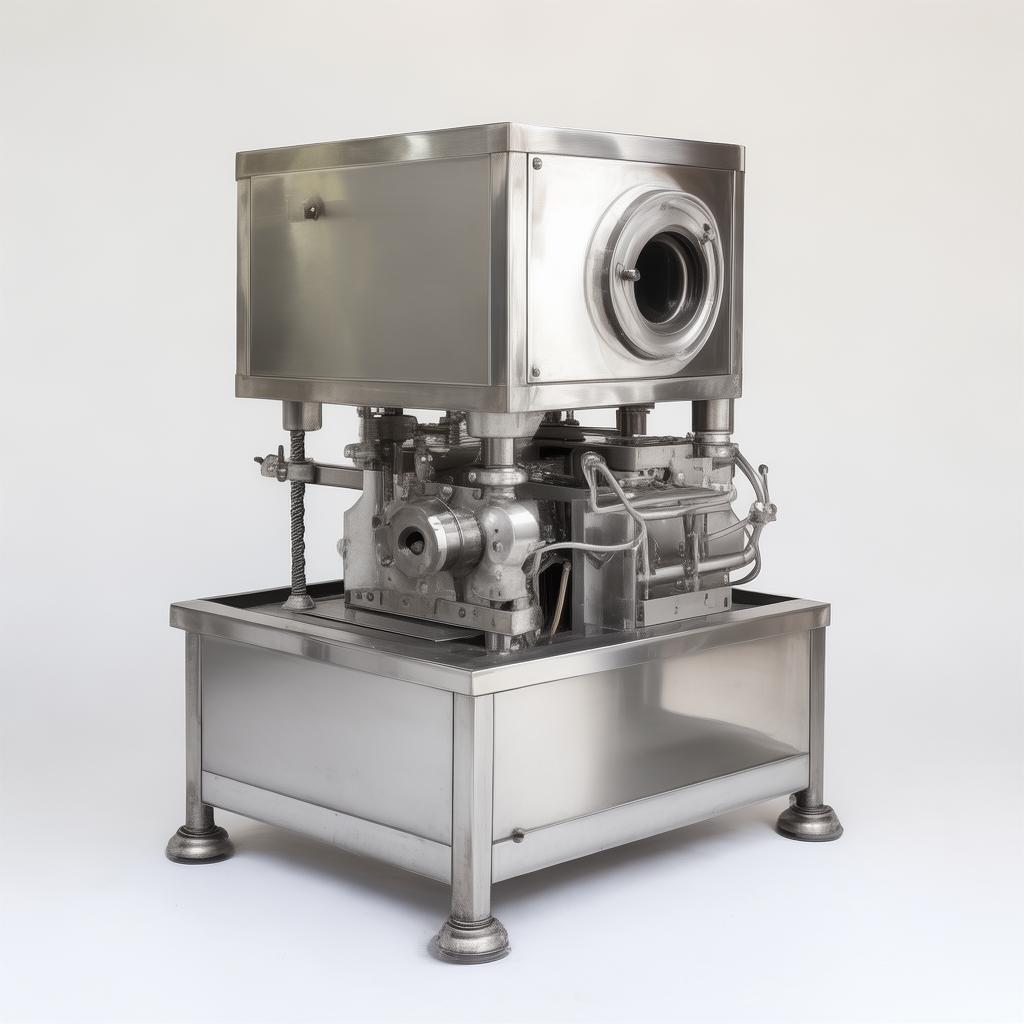
Meat Tumbler: The Essential Equipment for Enhanced Texture, Flavor, and Shelf Life in Meat Processing
By  Hebei Yuanchang Food Mechanism & Technology Co., Ltd. Export Team

In the competitive world of meat processing, achieving superior product quality, consistent flavor profiles, and extended shelf life is paramount. A critical piece of equipment that directly impacts these outcomes is the meat tumbler. More than just a mixing vessel, a well-designed meat tumbler is an investment in enhancing the entire value chain of processed meat products, from marination and tenderization to curing and binding. This guide delves into the operational realities, technical considerations, and procurement insights surrounding this indispensable industrial machine.
Understanding the Meat Tumbler: Beyond Simple Mixing
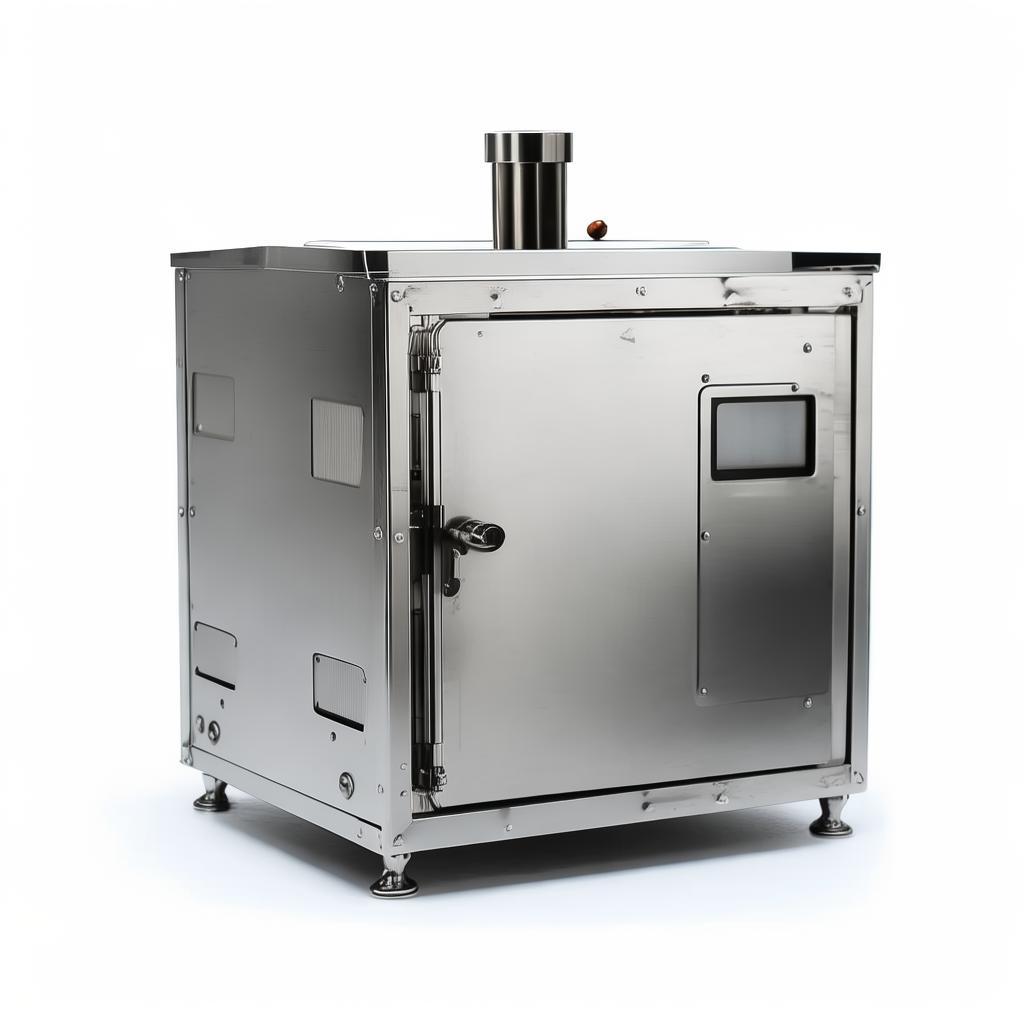
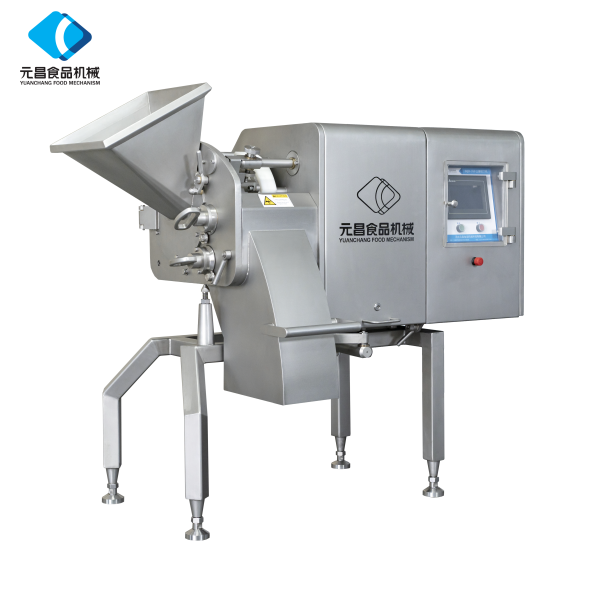
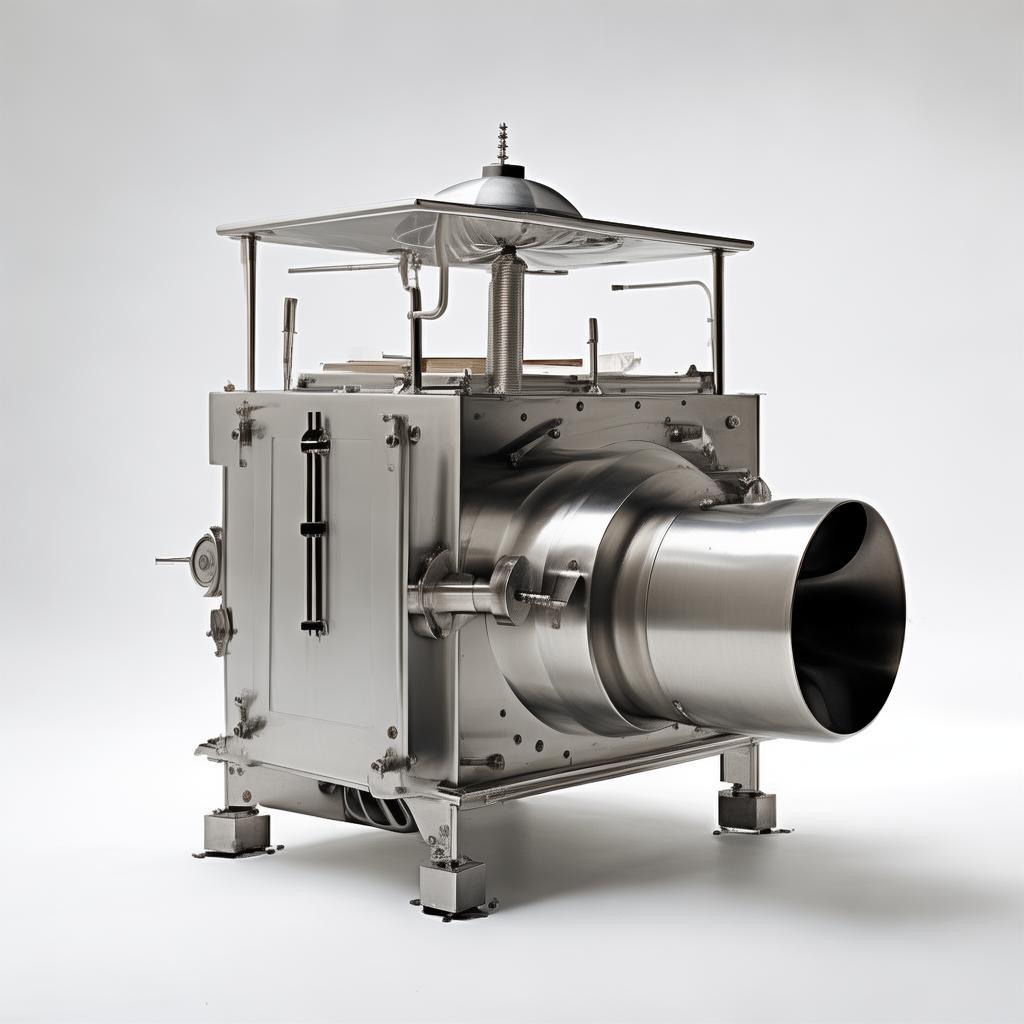
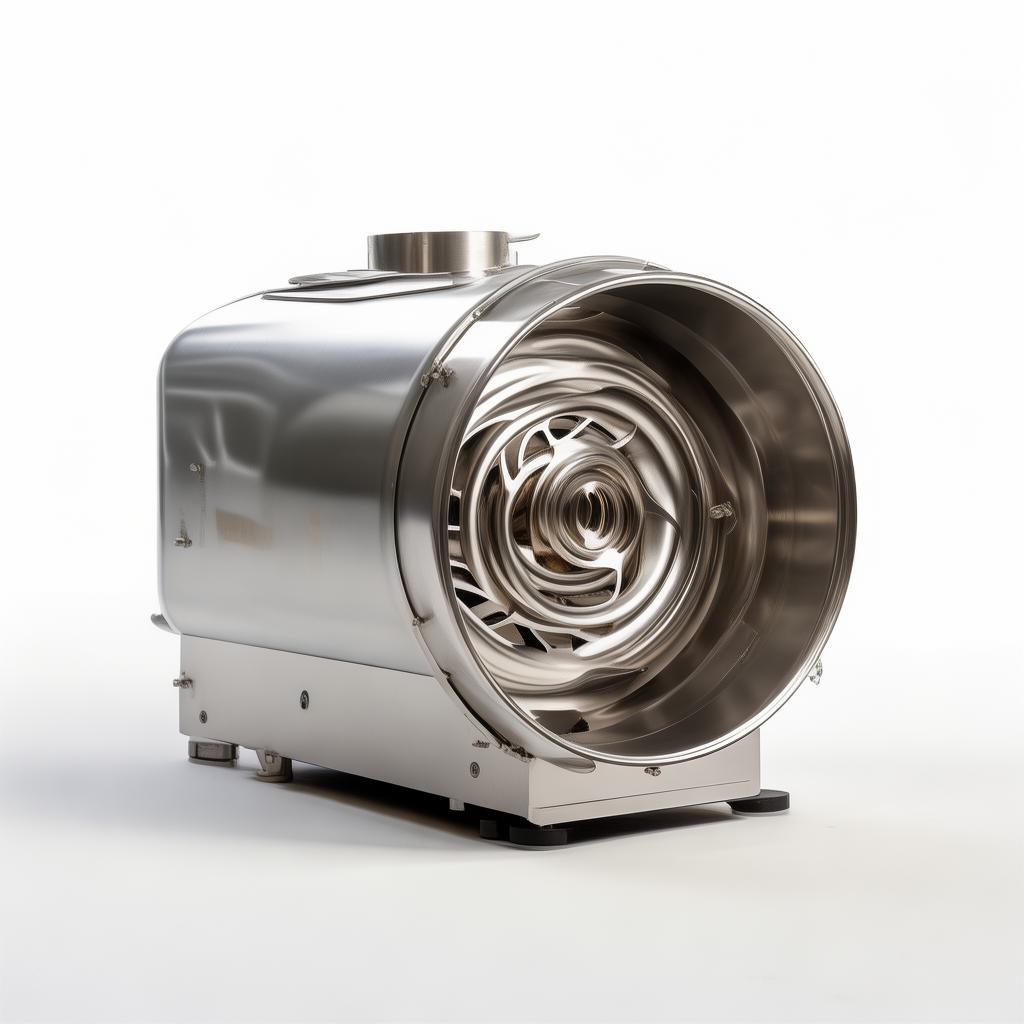
At its core, a meat tumbler is designed to mechanically agitate raw meat under controlled conditions. This process, often referred to as marinating, massaging, or tumbling, serves several vital functions. It allows marinades, brines, spices, and curing agents to penetrate deeply into the meat fibers, ensuring uniform flavor distribution and improved moisture retention. For products like hams, sausages, and processed deli meats, tumbling is crucial for developing the correct texture, binding, and color.
The action of the tumbler helps to break down muscle proteins and extract myofibrillar proteins, which then act as natural binders. This protein extraction is key to achieving cohesive products that don't fall apart during cooking or slicing. Furthermore, the tumbling process can tenderize tougher cuts of meat, making them more palatable and versatile for a wider range of applications. It also plays a role in the uniform distribution of curing salts, which is essential for both flavor development and food safety.
The global meat processing equipment market is substantial, projected to reach figures upwards of USD 17 billion by 2034 (Fortune Business Insights). Within this, machines specifically for tenderizing, massaging, and tumbling are key segments. This isn't just about making meat taste better; it's about meeting consumer demand for convenient, flavorful, and safe processed meat products. The increasing consumption of processed meats worldwide, driven by urbanization and demand for ready-to-eat options, directly fuels the need for efficient and reliable tumbling technology.
For businesses involved in producing cured hams, marinated chicken breasts, seasoned pork loins, or even complex sausage formulations, the choice of meat tumbler can be the difference between a standard product and a market leader. It’s an area where operational efficiency, product consistency, and cost-effectiveness converge. We've seen firsthand how implementing the right tumbling system can reduce processing times and improve yield, directly impacting the bottom line.
Consider the operational challenges: uneven marination leads to inconsistent flavor batches. Poor protein extraction results in a mushy texture or products that break apart. Inefficient tumbling can also mean longer processing times, increasing labor costs and potentially affecting meat quality if it leads to excessive heat buildup. These are not theoretical problems; they are day-to-day realities for many processors. A robust meat tumbler addresses these head-on.
Our 40 years of experience since 1986 at Hebei Yuanchang have shown us that this equipment isn't a one-size-fits-all solution. Different meat types, product formulations, and production volumes require specific tumbler designs. Whether you're looking to scale up production of a popular marinated product or develop a new line of cured meats, understanding the nuances of tumbler operation is critical. It’s about more than just buying a machine; it’s about selecting the right partner for your processing needs.
Why Invest in a Quality Meat Tumbler? The Core Benefits
The decision to invest in a quality meat tumbler is rooted in tangible operational and commercial advantages. It's not just about equipment; it's about optimizing your entire product lifecycle.
- Enhanced Product Quality: Achieve deeper and more uniform marination, leading to superior flavor penetration and consistency across batches. This directly translates to a better sensory experience for the end consumer.
- Improved Texture and Tenderness: The mechanical action effectively tenderizes meat and extracts proteins essential for binding, resulting in a more desirable mouthfeel and cohesive product structure. This is vital for products like cured hams and formed patties.
- Increased Yield and Moisture Retention: Properly tumbled meat retains more moisture, leading to higher yields and reduced product shrinkage during cooking or processing. This impacts profitability significantly.
- Extended Shelf Life: Uniform distribution of curing agents and enhanced protein binding contribute to improved product stability and an extended shelf life, reducing spoilage and waste.
- Production Efficiency: Automating the marination and massaging process reduces manual labor, minimizes processing time, and ensures batch-to-batch consistency, streamlining your production flow.
- Versatility: Suitable for a wide range of meat types (beef, pork, poultry, lamb) and product applications, from whole muscle cures to formed products.
Market trends highlight a growing demand for processed and convenience meats, with the global market projected to reach over USD 1.3 trillion by 2035 (Precedence Research). This growth trajectory underscores the increasing importance of efficient processing technologies like advanced meat tumblers.
Technical Specifications & Operational Insights
When selecting a meat tumbler, several technical specifications are critical for aligning with your production needs. Understanding these parameters ensures you invest in equipment that delivers optimal performance and longevity.
Key Features to Consider:
- Drum Capacity: Measured in liters or kilograms, this dictates the batch size. Matching capacity to your typical production runs is essential for efficiency. Overloading can lead to poor mixing; underloading wastes valuable processing time.
- Drum Material: Typically high-grade stainless steel (e.g., SUS304) is preferred for its durability, corrosion resistance, and ease of cleaning, crucial for food safety compliance.
- Tumbling Mechanism: This can involve different paddle designs (e.g., helical, paddle, fin) and drum rotation options (clockwise/counter-clockwise). The mechanism determines how gently or intensely the meat is agitated. Some tumblers feature variable speed controls for precise adjustments.
- Vacuum System: Many advanced tumblers incorporate a vacuum function. This helps to draw out air, improve marinade absorption, and enhance protein extraction, leading to denser, better-textured products and extended shelf life. Vacuum tumbling is a significant factor in producing high-quality cured meats.
- Control System: Modern tumblers offer sophisticated control panels, often digital, allowing precise programming of tumbling time, speed, and vacuum levels. This ensures repeatability and reduces operator error.
- Ease of Cleaning: For food processing equipment, hygiene is non-negotiable. Look for designs that facilitate thorough cleaning and sanitization, with removable parts and smooth surfaces.
Technical Specification Example:
| Feature | Specification |
|---|---|
| Model | YC-T1000 |
| Drum Capacity (Liters) | 1000 |
| Max Load Capacity (kg) | 500 |
| Material | SUS304 Stainless Steel |
| Tumbling Speed (RPM) | Variable (2-15) |
| Vacuum Pump Power | 1.5 kW |
| Control System | Digital PLC Control |
| Dimensions (mm) | 2200 x 1500 x 1800 |
| Power Supply | 380V/50Hz/3Phase |
commercial meat tumbler tumbler meat processing meat tenderizer tumbler
Note: Specifications can vary by model and custom requirements.
Application Scenarios: Where Meat Tumblers Shine
The versatility of meat tumblers makes them indispensable across a broad spectrum of meat processing operations. From traditional cured products to modern convenience foods, their role is central.
Cured Meats
For hams, bacon, and corned beef, tumblers are essential for distributing curing salts uniformly, promoting salt penetration, and developing the characteristic texture and color. Vacuum tumbling is particularly beneficial here for faster and deeper cure uptake.
Marinated & Seasoned Products
Chicken breasts, pork chops, and beef steaks benefit from tumblers for deep marination, ensuring consistent flavor from edge to center. This is crucial for ready-to-cook and restaurant-ready products.
Formed Products
For products like sausages, burgers, and meatloaves, tumbling helps extract proteins for better binding, resulting in a cohesive structure that holds together during cooking and processing. It also aids in incorporating additives evenly.
Tenderization
Tougher cuts of meat can be significantly improved in tenderness through controlled tumbling, expanding the range of usable raw materials and enhancing the final product's palatability.
Procurement Considerations: Making the Right Choice
Selecting a meat tumbler involves more than just comparing specifications. It's about finding a reliable partner who understands your operational needs and can deliver consistent quality and support.
Evaluating Suppliers and Manufacturers
When sourcing equipment, consider:
- Experience and Track Record: Look for manufacturers with a long history in the food processing equipment sector. Companies like Hebei Yuanchang, with 40 years of experience since 1986, bring invaluable expertise.
- Manufacturing Capabilities: Does the manufacturer have robust in-house machining capabilities, including advanced CNC equipment? This ensures high-precision parts and consistent build quality. Our facility, equipped with Japanese Mazak CNC centers, allows us to produce high-standard components independently.
- Customization Options: Can they tailor the tumbler to your specific product requirements or facility layout? Not every operation is standard.
- After-Sales Support: What kind of warranty, spare parts availability, and technical support do they offer? A traceable after-sales management system is a good indicator of commitment.
- Certifications: Does the equipment meet relevant international standards (e.g., CE, FDA)? This is critical for market access and compliance.
Operational Risks to Mitigate:
Be aware of potential pitfalls:
- Under-specifying capacity: Leading to inefficient batch sizes and longer processing cycles.
- Poor material quality: Resulting in premature wear, corrosion, and potential contamination risks.
- Inadequate cleaning protocols: Can lead to cross-contamination and food safety violations. Ensure the machine design supports easy and thorough cleaning.
- Lack of vacuum function: Limiting your ability to achieve optimal marination and protein extraction for high-value products.
Pro Tip for Buyers: Always request detailed schematics and visit the factory if possible. Understanding the manufacturing process provides confidence in the equipment's robustness and the supplier's commitment to quality. We encourage potential clients to tour our facility and witness our precision machining firsthand.
Installation, Maintenance, and Logistics
Integrating a meat tumbler into your facility and ensuring its long-term performance requires attention to installation, regular maintenance, and efficient logistics.
Installation Considerations:
Proper installation ensures safety and operational efficiency:
- Footprint and Layout: Ensure adequate space for operation, cleaning, and material transfer in and out of the tumbler.
- Power Supply: Verify that your facility’s electrical infrastructure meets the machine’s power requirements (e.g., 380V/50Hz/3Phase).
- Ventilation: Adequate ventilation is important, especially if using vacuum systems, to manage heat and potential fumes.
- Leveling: The machine must be installed on a level surface to ensure stable operation and prevent vibration.
Routine Maintenance:
Regular maintenance is key to longevity and performance:
- Daily: Thorough cleaning and sanitization of the drum and paddles after each use. Check for any visible wear or damage.
- Weekly: Inspect seals, drive belts (if applicable), and electrical connections. Lubricate moving parts as per the manufacturer's manual.
- Monthly/Quarterly: More in-depth inspection of the motor, gearbox, and vacuum system. Check calibration of control systems.
Following a strict maintenance schedule minimizes downtime and prevents costly breakdowns. Our traceable after-sales management system ensures you have support when you need it.
Logistics and Shipping:
International shipping of industrial equipment requires careful planning:
- Packaging: Equipment must be robustly packaged to withstand transit conditions, often involving crating or specialized wrapping to prevent damage.
- Containerization: Optimizing container loading is crucial for cost-effectiveness. Our team works to ensure equipment is secured efficiently within shipping containers.
- Documentation: Proper export documentation (e.g., commercial invoice, packing list, certificate of origin) is vital for customs clearance in destination countries like the USA.
- Lead Times: Factor in manufacturing, quality control, and shipping lead times. For specialized or high-volume orders, planning well in advance is recommended.
Hebei Yuanchang: Your Trusted Partner in Meat Processing Equipment
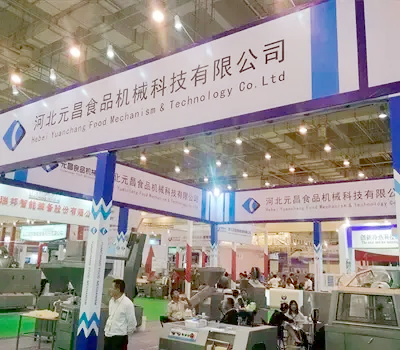
With over 40 years of dedicated experience since 1986, Hebei Yuanchang Food Mechanism & Technology Co., Ltd. has established itself as a leading manufacturer of meat processing equipment. Our comprehensive approach integrates research, development, production, and sales, offering complete production line solutions.
Manufacturing Excellence
Our 14,000 sqm facility houses advanced machinery, including over 20 sets of processing equipment and 8 Japanese Mazak CNC machining centers. This allows us to produce high-precision, non-standard components, ensuring superior quality and reliability for every meat tumbler we manufacture.
Product Range
We specialize in a complete range of meat processing equipment, including pretreatment, filling and molding, and ripening processes. Our meat tumblers are designed to seamlessly integrate into these complete production lines.
Commitment to Quality
Adherence to international standards and a rigorous quality control process are fundamental to our operations. We are committed to providing equipment that meets the highest benchmarks for performance, safety, and durability.

Frequently Asked Questions (FAQ)
Q1: What is the typical lead time for a custom meat tumbler order?
Lead times can vary depending on the complexity of the customization and our current production schedule. Generally, custom orders can range from 6 to 12 weeks from final design approval to shipment. Standard models may be available sooner.
Q2: Can your meat tumblers handle frozen meat?
Our tumblers are primarily designed for refrigerated or fresh meat. Tumbling frozen meat can be challenging and may lead to excessive wear on the equipment. For frozen applications, specific pretreatment or different machinery might be required.
Q3: What is the importance of the vacuum function in a meat tumbler?
The vacuum function is critical for achieving optimal results in many applications. It helps remove air from the meat matrix, allowing marinades and curing agents to penetrate more deeply and uniformly. It also aids in protein extraction for better binding and can reduce oxidation, thereby improving shelf life and product appearance.
Q4: Do you offer installation and training services in the USA?
While we provide comprehensive operational manuals and remote technical support, on-site installation and training services can typically be arranged at an additional cost, depending on the project scope and location. Our goal is to ensure your team can operate the equipment efficiently and safely.
Q5: What are your warranty terms for meat tumblers?
We typically offer a standard warranty covering manufacturing defects for a specified period, often 12-24 months, depending on the model and specific agreement. Our traceable after-sales management system ensures prompt handling of any warranty claims or service requests.
What Our Clients Say
"The YC-T500 vacuum tumbler from Hebei Yuanchang has revolutionized our ham production. The deep penetration of cure and the consistent texture we achieve now are outstanding. The machine is robust, and their support team has been very responsive."

Operations Manager, USA Pork Products
"We needed a reliable tumbler for marinating chicken. The helical paddle design on our Yuanchang machine ensures gentle yet effective mixing, preventing product damage. It's increased our marinated chicken output by nearly 20% while improving flavor uniformity."

Procurement Director, Poultry Solutions Inc.
"The build quality of our Yuanchang meat tumbler is exceptional. It handles heavy loads of seasoned beef for our jerky production line without any issues. Their team was helpful in recommending the right model for our specific needs. Easy to clean too!"

Plant Manager, Artisan Beef Co.
Ready to Elevate Your Meat Processing?
Discover how a high-performance meat tumbler from Hebei Yuanchang can transform your product quality, efficiency, and profitability. We offer tailored solutions to meet the demands of modern meat processors worldwide.
Client Interactions