Tumbler Meat Processing
Tumbling Meat Processing: Enhance Texture, Flavor, and Shelf Life with Precision Equipment
Discover how advanced tumbling technology revolutionizes meat preparation, from marinades to perfect texture.
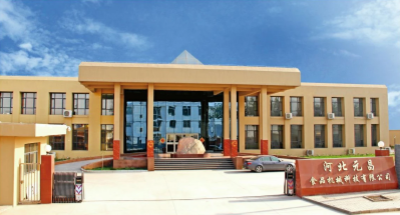
Hebei Yuanchang Food Mechanism & Technology Co., Ltd. - Innovating Meat Processing for Global Markets
What Exactly is Meat Tumbling?
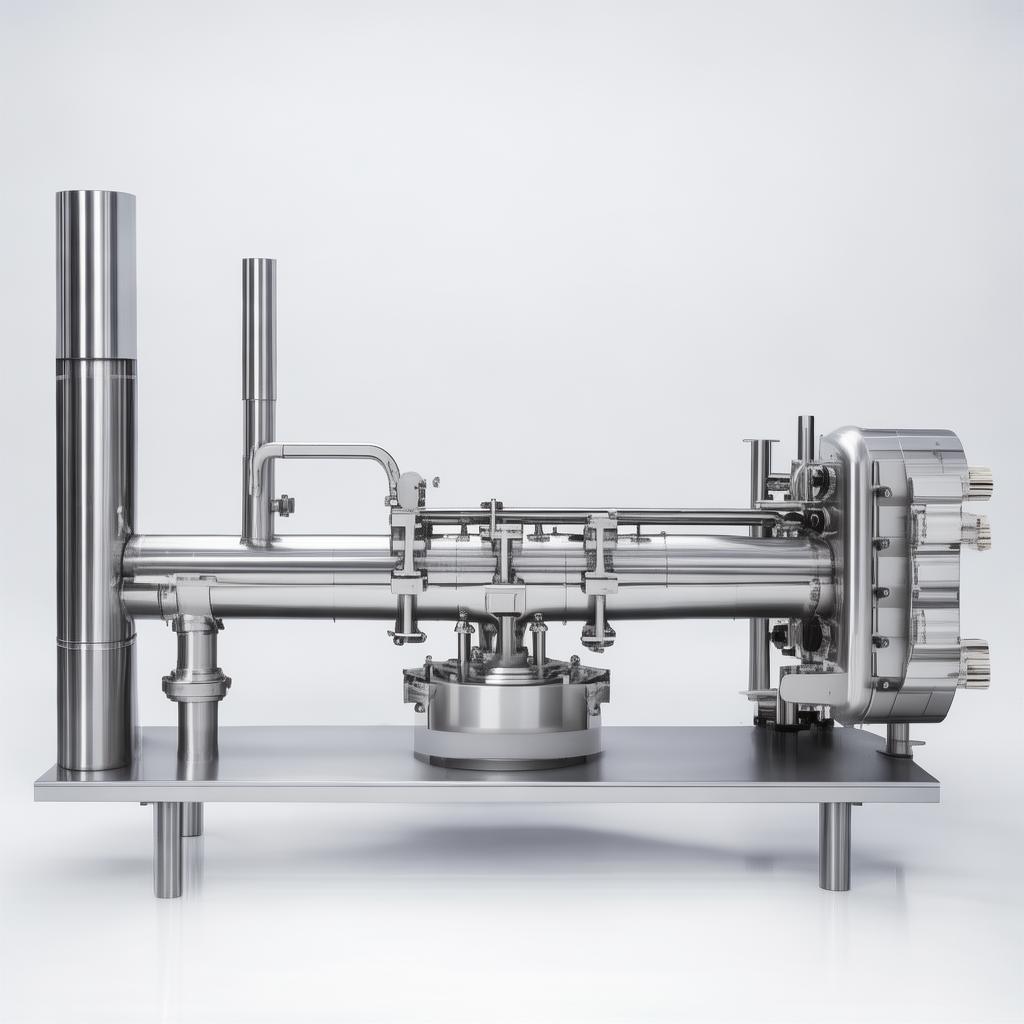
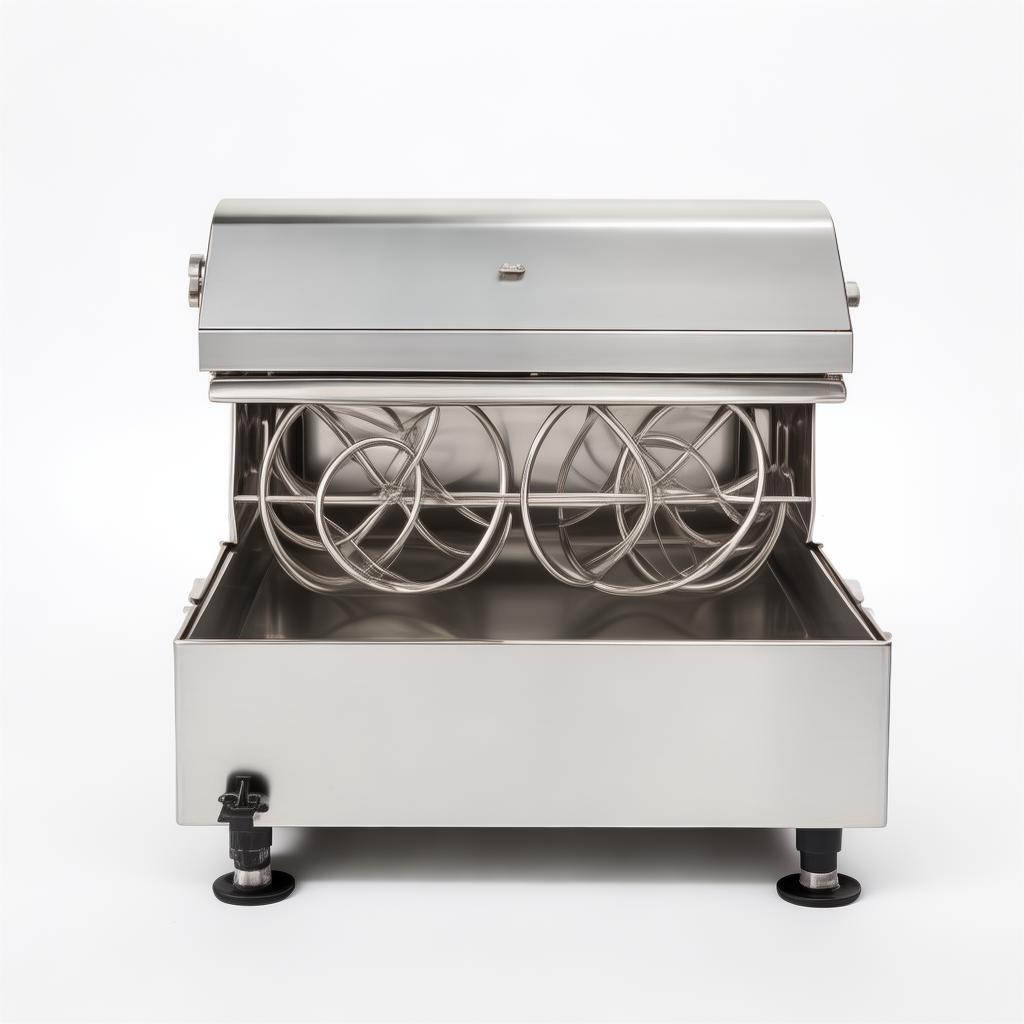
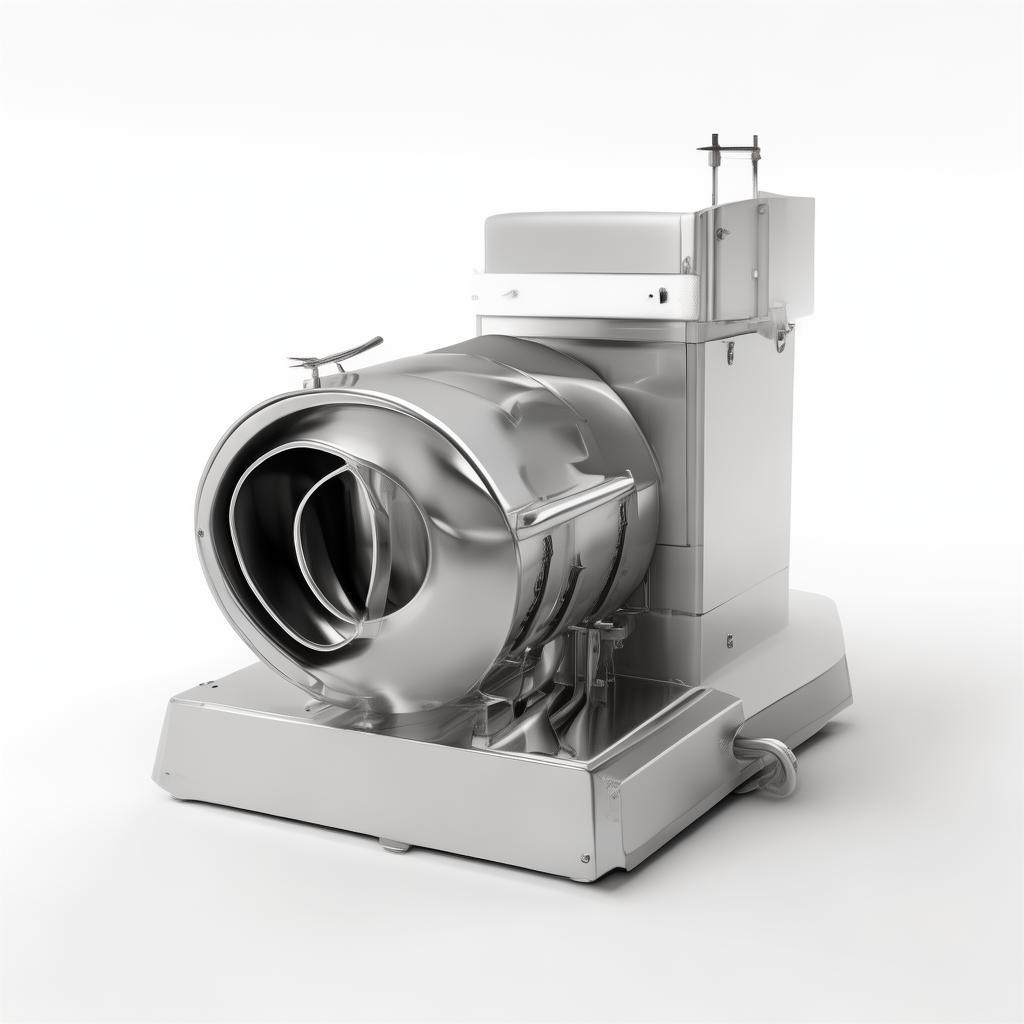
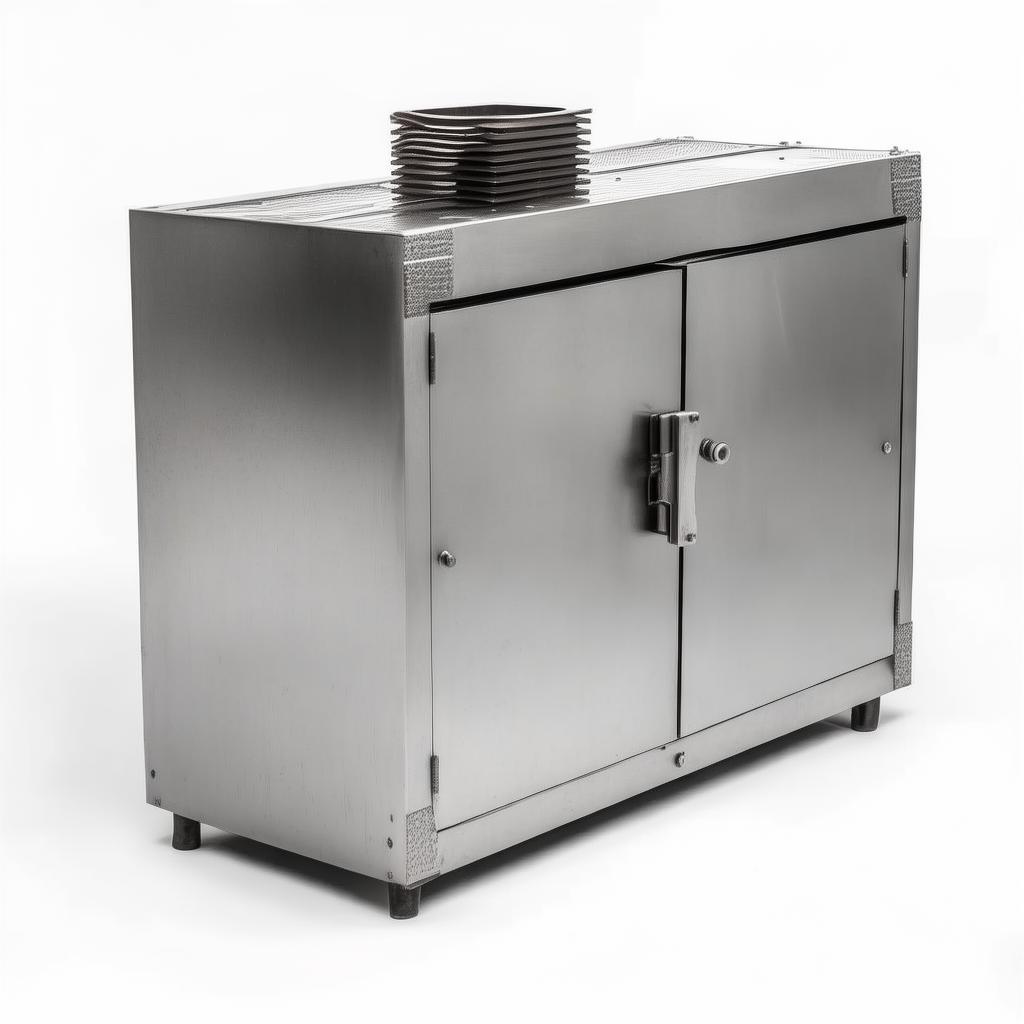
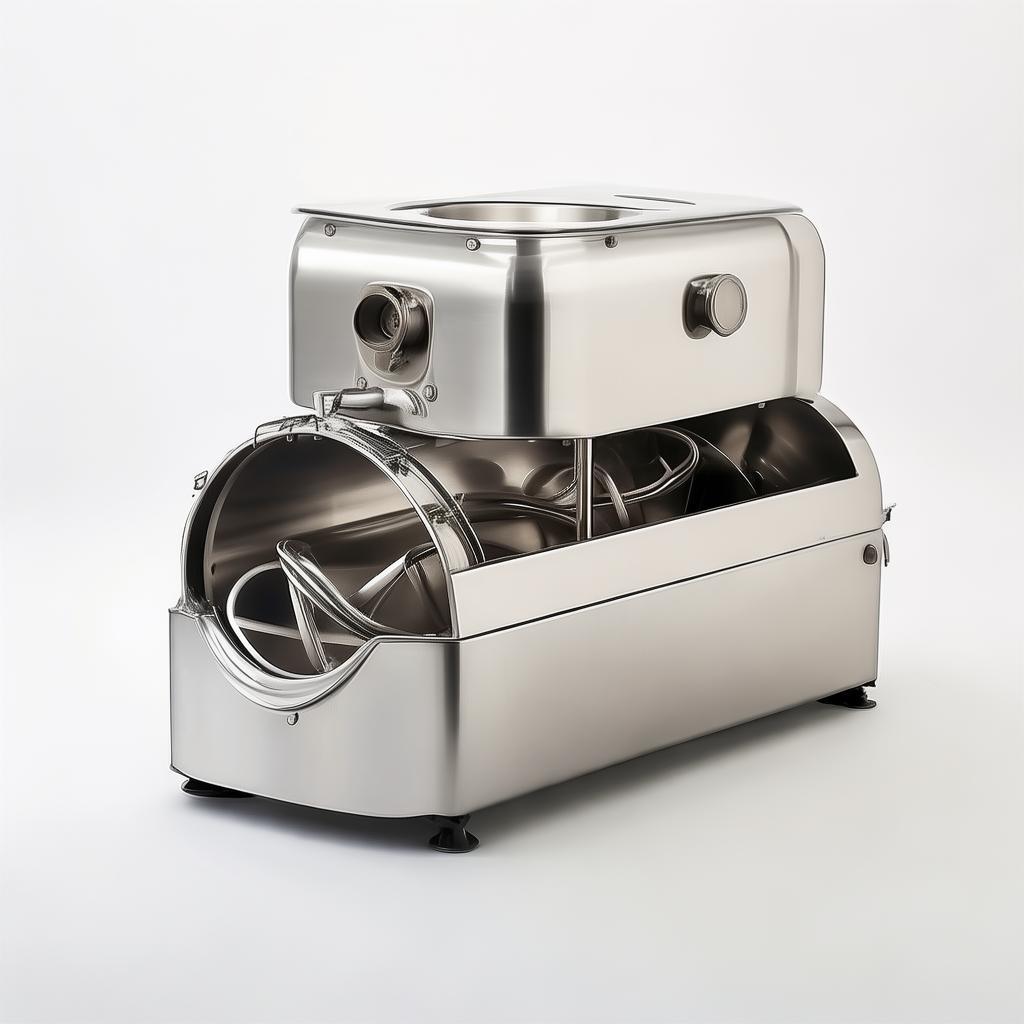
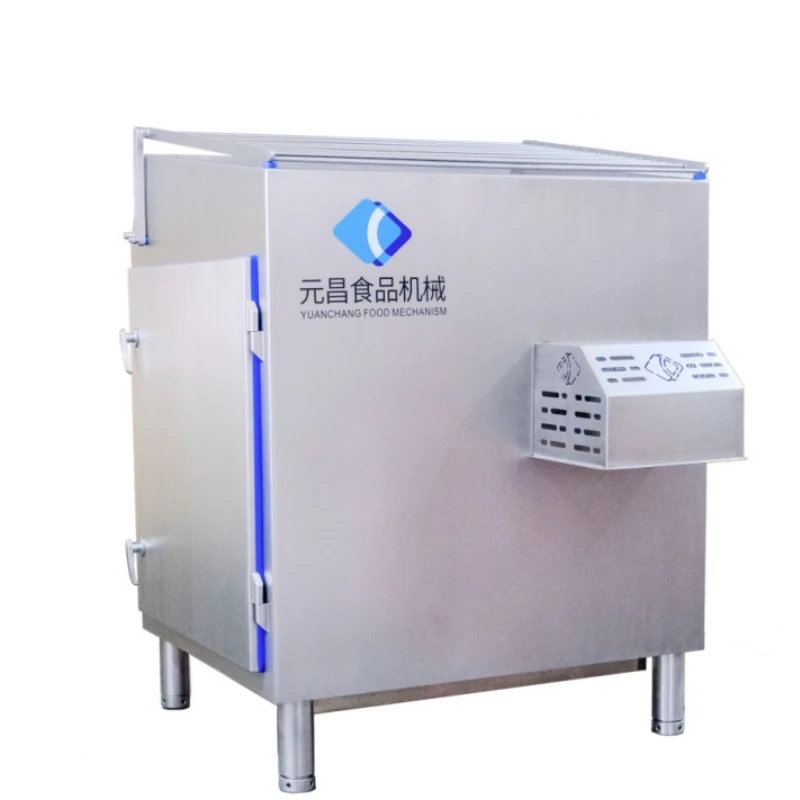
In the realm of industrial meat processing, achieving consistent quality, optimal flavor infusion, and desirable texture is paramount. This is where the tumbler meat processing technique and its associated machinery play a critical role. At its core, a meat tumbler is a piece of equipment designed to gently rotate and mix meat cuts, chunks, or processed meat formulations within a vessel. This process, often referred to as massaging, macerating, or tumbling, is not merely about mixing ingredients; it’s a sophisticated method to enhance meat properties for a wide array of end products.
Think of it as a dynamic marination and tenderization process. Unlike static soaking, tumbling utilizes mechanical action to force marinades, brines, or curing agents deep into the meat fibers. This ensures even distribution of flavors, salts, and functional ingredients, leading to superior taste and preservation. Furthermore, the gentle agitation breaks down some of the connective tissues and muscle proteins, resulting in a more tender and palatable final product. This is particularly crucial for products like cured meats, sausages, hams, and even certain poultry or fish preparations where texture and moisture retention are key selling points.
The global meat processing equipment market, a sector valued at over USD 11 billion in 2025 and projected to exceed USD 19 billion by 2034 according to various industry analyses, highlights the significance of technologies like tumbling. The demand for processed meats, convenience foods, and consistently high-quality products continues to rise globally. This surge in demand necessitates robust, efficient, and reliable processing solutions. Tumbler machines are at the forefront of meeting these production demands, offering a blend of traditional culinary principles and modern engineering for large-scale operations.
For processors aiming to elevate their offerings, understanding the nuances of tumbler meat processing is essential. It's about more than just buying a machine; it's about leveraging a process that can significantly impact your product's marketability, your operational efficiency, and ultimately, your bottom line. Whether you're looking to improve the cure penetration in bacon, tenderize beef for jerky, or create perfectly textured deli meats, the right tumbling equipment is a foundational element.
The technology enables processors to achieve a higher yield through better moisture and brine retention. This isn't about adding excessive water; it’s about ensuring the meat properly absorbs and holds the intended ingredients, leading to a richer, more satisfying product that customers will repurchase. The tumbling action also aids in binding, which is crucial for formed products like sausages and patties, ensuring they maintain their integrity during cooking and handling.
The Science Behind Tumbling: More Than Just Mixing
At its heart, tumbling is about the physical and chemical interaction between meat tissue and its surrounding environment. The mechanical action of the tumbler vessel, often equipped with specially designed paddles or baffles, provides the necessary agitation. This action achieves several critical objectives:
- Improved Marinade/Brine Absorption: The tumbling process creates slight pressure changes within the meat tissue. As the meat rotates, it’s alternately compressed and relaxed. This action, combined with the constant motion, helps to draw marinades, brines, or curing solutions into the muscle fibers and interstitial spaces, far more effectively than simple soaking. It breaks down the natural barriers that would otherwise impede deep penetration.
- Protein Extraction & Binding: For products like sausages or formed ham, the tumbling action stimulates the extraction of salt-soluble proteins (myosin and actin) from the muscle cells. These extracted proteins form a sticky matrix that acts as a binder, holding the meat pieces together. This is vital for achieving a cohesive, sliceable texture without the need for excessive fillers.
- Tenderization: The mechanical stress applied during tumbling can begin to disrupt the structure of collagen and connective tissues. While not as aggressive as mechanical tenderizers, this action contributes to a noticeable improvement in tenderness, making the meat more palatable.
- Color Development: For cured products, tumbling ensures an even distribution of curing agents (like nitrites/nitrates). The subsequent chemical reactions are facilitated by this uniform distribution, leading to a consistent, appealing pink cure color throughout the product.
- Fat/Flavor Distribution: For products containing added fats or seasonings, tumbling ensures they are uniformly dispersed, preventing pockets of unseasoned meat or uneven fat distribution. This leads to a more consistent flavor profile in every bite.
The efficiency of these processes is directly linked to the speed of rotation, the duration of the tumbling cycle, and the specific design of the tumbler’s internal paddles. Each of these parameters can be adjusted to suit different meat types, cuts, and desired end-product characteristics. Understanding these variables is key to optimizing your production process. For instance, tumbling for tenderization might require a longer cycle at a lower speed, while preparing a sausage emulsion might benefit from a shorter, more vigorous cycle to extract binding proteins.
The market reports consistently highlight that demand for processed meat is a primary driver for the meat processing equipment sector. With the global processed meat market projected to reach over USD 1.25 trillion by 2034, the importance of efficient pretreatment and molding technologies, including tumbling, cannot be overstated. These processes directly contribute to the quality and appeal of the final processed products.

Key Benefits of Tumbler Meat Processing for Your Business
Implementing a robust meat tumbling process offers significant advantages that directly impact profitability and product quality. Beyond the fundamental science, these benefits translate into tangible operational improvements:
Enhanced Product Quality
Achieve superior tenderness, flavor penetration, and a more consistent texture. This leads to higher customer satisfaction and repeat business.
Increased Yield and Reduced Waste
Better brine retention means less weight loss during processing and cooking. Efficient binding reduces product breakdown, improving overall yield.
Improved Efficiency and Throughput
Automated tumbling processes significantly reduce labor requirements compared to manual marination and mixing. Faster cycle times mean higher production volumes.
Cost Savings
Reduced labor, improved yield, and efficient ingredient usage contribute to a lower cost per unit, boosting your profit margins.
The investment in quality tumbling equipment is often recouped quickly through these operational efficiencies and enhanced product appeal. As industry reports indicate, automation is a key trend driving the meat processing equipment market, directly benefiting operations that adopt advanced machinery like tumblers.
Types of Tumbler Machines to Consider
Not all tumblers are created equal. The choice of machine depends heavily on your production scale, product type, and specific processing goals. Here are the common categories:
Vacuum Tumblers
These are the workhorses for many applications. They operate under vacuum, which further aids in brine absorption by drawing air out of the meat tissue, creating a vacuum space for liquid to fill. This also helps prevent oxidation and improves shelf life.
Ideal for: Cured meats, ham, bacon, poultry, fish.Non-Vacuum Tumblers
Simpler in design and often more budget-friendly, these tumblers perform essential marinating and tenderizing functions without the vacuum feature. They are excellent for products where oxidation is less of a concern or where vacuum processing isn't strictly necessary.
Ideal for: Raw meat marinades, spice coatings, tenderizing tougher cuts.Continuous Tumblers
Designed for high-volume, continuous production lines. Meat and marinade are fed in at one end, and the processed product exits at the other, offering maximum throughput for large-scale operations.
Ideal for: Large-scale sausage production, ready-to-eat meals.Small Batch/Specialty Tumblers
Compact units suitable for smaller operations, R&D departments, or for producing specialty, high-value products. They offer flexibility and precision for lower volumes.
Ideal for: Artisan producers, food service, product development.When selecting, consider your batch sizes. A 1000L vacuum tumbler might be perfect for a medium-sized plant, while a 50L unit could be ideal for a niche producer testing new recipes. The internal paddle design also varies—some are more aggressive for breaking down tissue, while others are gentler for delicate products.
Technical Specifications: What to Look For
Choosing the right equipment requires a close look at the technical details. Here’s a breakdown of key specifications to consider when evaluating tumbler meat processing machines:
| Specification | Key Considerations | Why It Matters |
|---|---|---|
| Capacity (Liters/kg) | Available sizes from 50L to 5000L+ | Match to your production volume. Over- or under-sizing can lead to inefficiency or spoilage. |
| Material Construction | Food-grade Stainless Steel (e.g., 304/316) | Ensures hygiene, durability, corrosion resistance, and compliance with food safety standards (e.g., FDA). |
| Motor Power & Speed Control | Variable Frequency Drive (VFD) for adjustable RPM | Allows precise control for different meat types and processing stages. Crucial for delicate products. |
| Vacuum System | Integrated vacuum pump, often with auto-cycle capabilities | Essential for deep marination, preventing oxidation, and extending shelf life in many products. |
| Paddle/Liner Design | Various shapes (e.g., butterfly, helix) and finishes | Affects the intensity of mixing and protein extraction. Rounded edges minimize meat damage. |
| Control System | Programmable Logic Controller (PLC) with touchscreen interface | Enables precise programming of time, speed, vacuum levels, and automatic cycles for repeatable results. |
| Ease of Cleaning | Removable paddles, wide openings, smooth surfaces | Critical for maintaining food safety and reducing downtime for cleaning and sanitization. |
meat tumbler processing of meat meat and meat processing
At Hebei Yuanchang, we pride ourselves on engineering machines with robust construction and intelligent control systems. Our Mazak CNC machining centers ensure high-precision components, vital for consistent performance and longevity. We understand that a reliable machine means less downtime and more quality product.
Diverse Applications: Where Tumblers Shine
The versatility of tumbler meat processing equipment makes it indispensable across various segments of the meat industry. Whether it's for fresh cuts, processed goods, or even pet food, tumbling enhances the final product:
Cured & Smoked Meats
Essential for uniform distribution of curing salts and flavorings in products like ham, bacon, corned beef, and smoked sausages. Vacuum tumbling ensures deep penetration and consistent color development.
Industry data indicates that the demand for cured and smoked products significantly drives the need for specialized equipment.Sausage & Formed Products
Tumbling extracts salt-soluble proteins, crucial for binding in sausages, hot dogs, and other emulsified or formed meat products. This results in a cohesive texture that holds together during cooking and slicing.
Marinated Fresh Meats
From chicken wings to steak cuts, tumbling allows for rapid and deep infusion of marinades. This enhances flavor, tenderness, and can even improve moisture retention during cooking, appealing to consumers seeking convenience and taste.
Jerky & Dried Meats
Tumbling ensures even application of marinades and spices for jerky production. It also helps in tenderizing tougher cuts before the drying process, leading to a more palatable final product.
Pet Food Processing
The pet food industry also benefits greatly from tumbling for marinating and coating kibble or forming moist pet food products. Uniform flavor and nutrient distribution are key.
The market for processed meat alone is projected to exceed USD 1.25 trillion by 2034, underscoring the vast potential for processors to leverage technologies like tumbling for product development and market expansion. With over 40 years of experience, Hebei Yuanchang has seen firsthand how these applications evolve and how crucial reliable machinery is.
Procurement Guidance: Choosing Your Tumbler Wisely
Selecting the right meat tumbler is a critical decision that impacts your production efficiency, product quality, and long-term profitability. As procurement managers and operations directors know, it's about balancing initial investment with operational benefits. Here are key factors to consider:
- Production Volume & Batch Size: Calculate your daily or weekly output requirements. This dictates the necessary capacity of the tumbler. Don't oversize unnecessarily, as it can lead to inefficient smaller batches and increased energy consumption.
- Product Type & Processing Needs: Are you primarily making cured hams, sausages, marinated chicken, or jerky? Different products require different tumbling actions. Vacuum capability is often essential for cured meats, while protein extraction is key for sausages.
- Space & Utilities: Measure your available floor space and confirm access to necessary power and air supplies. Some large vacuum tumblers require significant footprint and robust electrical connections.
- Ease of Operation & Cleaning: Look for intuitive control panels and designs that facilitate quick and thorough cleaning. In food processing, hygiene is non-negotiable, and cleaning downtime directly impacts your output.
- Supplier Reliability & Support: This is paramount. Does the manufacturer have a proven track record? What kind of after-sales service, technical support, and spare parts availability do they offer? Consider their experience in international markets and ability to handle export logistics.
At Hebei Yuanchang, we offer consultation to help you pinpoint the ideal machine for your specific needs. Our 40 years of experience means we understand the practical challenges processors face. We’ve equipped our facility with advanced CNC machinery to ensure we produce high-precision, non-standard components, which translates to reliable, long-lasting equipment for you.
Procurement Warning:
Be wary of excessively low prices from unverified suppliers. Often, these machines lack the robust construction, reliable components, and crucial safety features needed for industrial food processing. This can lead to frequent breakdowns, compromised hygiene, and potential product recalls.
Supplier Evaluation: What to Look For
When vetting potential suppliers, beyond just price, consider these critical points:
- Manufacturing Experience: How long have they been in business? What is their expertise in meat processing equipment?
- Factory Capabilities: Do they have their own machining facilities? Can they produce high-precision parts in-house? (Like our 20+ processing machines and Japanese Mazak CNC centers).
- Quality Control & Certifications: What quality standards do they adhere to? Do they possess relevant certifications (e.g., CE, ISO)?
- After-Sales Support: This is crucial. How quickly can they provide technical assistance or spare parts? Is there a traceable management system for after-sales service?
- References & Case Studies: Can they provide testimonials or case studies from similar operations, preferably in your target market region?
Choosing a partner like Hebei Yuanchang means opting for a supplier with decades of hands-on experience and a commitment to engineering excellence.
Installation & Maintenance: Ensuring Long-Term Performance
Once you've invested in high-quality tumbler meat processing equipment, proper installation and routine maintenance are key to maximizing its lifespan and ensuring consistent, safe operation. It’s not just plug-and-play.
Installation Considerations:
- Location: Ensure the machine is placed on a stable, level surface. Proximity to water, drainage, and power sources is important for efficient operation and cleaning.
- Electrical Connections: Confirm that your facility's electrical supply matches the machine's requirements. Improper connections are a common cause of motor failure or safety hazards.
- Ventilation: For vacuum pumps, ensure adequate ventilation to prevent overheating.
- Initial Setup: Follow the manufacturer's instructions meticulously for initial setup, including checking all moving parts and lubrication levels.
Routine Maintenance:
- Daily Cleaning: This is non-negotiable. Thoroughly clean the vessel, paddles, and any contact surfaces after each shift using approved food-grade cleaners.
- Regular Inspections: Check for wear and tear on seals, paddles, bearings, and drive belts. Address any signs of damage promptly.
- Lubrication: Follow the recommended lubrication schedule for bearings and other moving parts. Use food-grade lubricants where specified.
- Vacuum Pump Maintenance: If your tumbler has a vacuum system, service the pump according to the manufacturer's guidelines (e.g., oil changes, filter checks).
- Software Updates: For PLC-controlled units, ensure any available software updates are applied to maintain optimal performance and security.
Hebei Yuanchang provides detailed user manuals and offers technical support to assist with installation and troubleshooting. Our traceable after-sales management system ensures that we can help you source high-precision parts independently produced in our own workshops, minimizing your downtime.
Operational Tip:
Implementing a robust preventative maintenance schedule can significantly reduce unexpected breakdowns. This proactive approach not only saves on repair costs but also prevents costly production interruptions.
Hebei Yuanchang: Your Trusted Partner in Meat Processing
With over 40 years of dedicated experience since 1986, Hebei Yuanchang Food Mechanism & Technology Co., Ltd. has established itself as a leader in designing and manufacturing high-quality meat processing equipment. Our commitment to excellence is built on a foundation of technical expertise, operational understanding, and a deep respect for the stringent demands of the global food industry.
Our 14,000-square-meter facility, staffed by 80-100 skilled professionals, integrates R&D, production, and sales to offer comprehensive solutions. We don't just assemble machines; we engineer them. Our in-house machining workshop boasts over 20 sets of advanced processing machinery, including:
- Lathes, milling machines, and high-precision grinding machines for intricate components.
- Boring machines, plate shears, and bending machines for structural integrity.
- Wire cutting equipment for precision shaping.
Since 2012, the addition of 8 sets of Japanese Mazak CNC machining centers has elevated our capabilities. This allows us to independently produce high-standard components that require exceptional precision, large volumes, and non-standard specifications—qualities that are often difficult to find from other manufacturers.
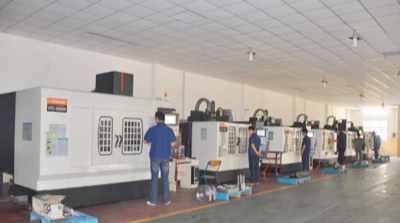
Our traceability and after-sales management system further underscore our commitment. We can independently produce high-precision parts, ensuring worry-free service for our clients worldwide. This is what sets us apart: a blend of deep industry experience and cutting-edge manufacturing technology, all focused on delivering reliable and efficient meat processing solutions. We specialize in pretreatment, filling and molding, ripening processes, and auxiliary items, making us a one-stop shop for many of your processing needs.
Why Choose Hebei Yuanchang?
- ✓ 40 Years of Expertise: Proven track record in meat processing machinery.
- ✓ In-house Precision Manufacturing: Japanese CNC technology for superior component quality.
- ✓ Comprehensive Solutions: Covering pretreatment to auxiliary items.
- ✓ Global Export Experience: Familiar with international logistics and standards.
- ✓ Worry-Free After-Sales Service: Supported by our own high-precision parts production.
Frequently Asked Questions (FAQs)
Q1: Can tumbling machines be used for both raw and cooked meats?
A1: Yes, tumbling machines are versatile. For raw meats, they are crucial for marination, curing, and binding. For cooked meats, they can be used for reapplying sauces, glazes, or gentle mixing of cooked components.
Q2: What is the typical lead time for a tumbler order?
A2: Lead times can vary based on the specific model, customization requirements, and current production schedule. Generally, for standard models, it can range from 4 to 8 weeks. For custom builds, it may extend. We recommend contacting us directly for the most accurate estimate.
Q3: Do your tumblers meet international food safety standards?
A3: Absolutely. Our machines are constructed with food-grade stainless steel (typically SS304 or SS316) and designed with hygiene and ease of cleaning in mind, adhering to international food processing standards. We can also provide CE certification upon request for applicable models.
Q4: How much space is typically required for a medium-sized vacuum tumbler (e.g., 1000L)?
A4: A 1000L vacuum tumbler typically requires a footprint of approximately 3-4 meters in length and 1.5-2 meters in width, plus adequate clearance around the machine for operation, maintenance, and cleaning. Access to power and drainage is also a factor.
Q5: Can you provide installation assistance or training?
A5: We provide comprehensive user manuals and remote technical support for installation. For larger projects or specific client needs, on-site support can often be arranged at an additional cost. We are committed to ensuring you can operate our equipment effectively.
Q6: What are the energy consumption levels for these machines?
A6: Energy consumption varies by model size and motor power. Our machines are designed for operational efficiency. For specific models, we can provide estimated power ratings. Machines with variable frequency drives (VFDs) can optimize energy use by adjusting motor speed to the task.
What Our Clients Say

Procurement Manager, USA
"We integrated a Yuanchang vacuum tumbler into our ham processing line two years ago. The brine penetration is remarkably consistent, leading to a 5% yield improvement and much happier customers. The machine has been robust, with minimal downtime."

Operations Lead, Canada
"We needed a reliable tumbler for our specialty sausages. Yuanchang's recommendation and the machine's performance exceeded expectations. The protein extraction is excellent, giving our sausages the perfect texture. Their support team was also very helpful during setup."

Plant Supervisor, Mexico
"The build quality of our Yuanchang tumbler is impressive. It handles constant operation in a demanding environment without issues. Cleaning is straightforward, which is a major plus for us. We've also had good experience sourcing spare parts quickly."

Food Technologist, UK
"We use our Yuanchang tumbler for tenderizing beef cuts for jerky. The precision speed control allows us to experiment with different textures. It’s a critical piece of equipment that has allowed us to develop a more premium product line."
Ready to Enhance Your Meat Processing?
Discover how Hebei Yuanchang's advanced tumbler meat processing equipment can revolutionize your production. Leverage 40 years of expertise and cutting-edge manufacturing to achieve superior product quality and operational efficiency.
Talk to Our Experts: +86 15830991513