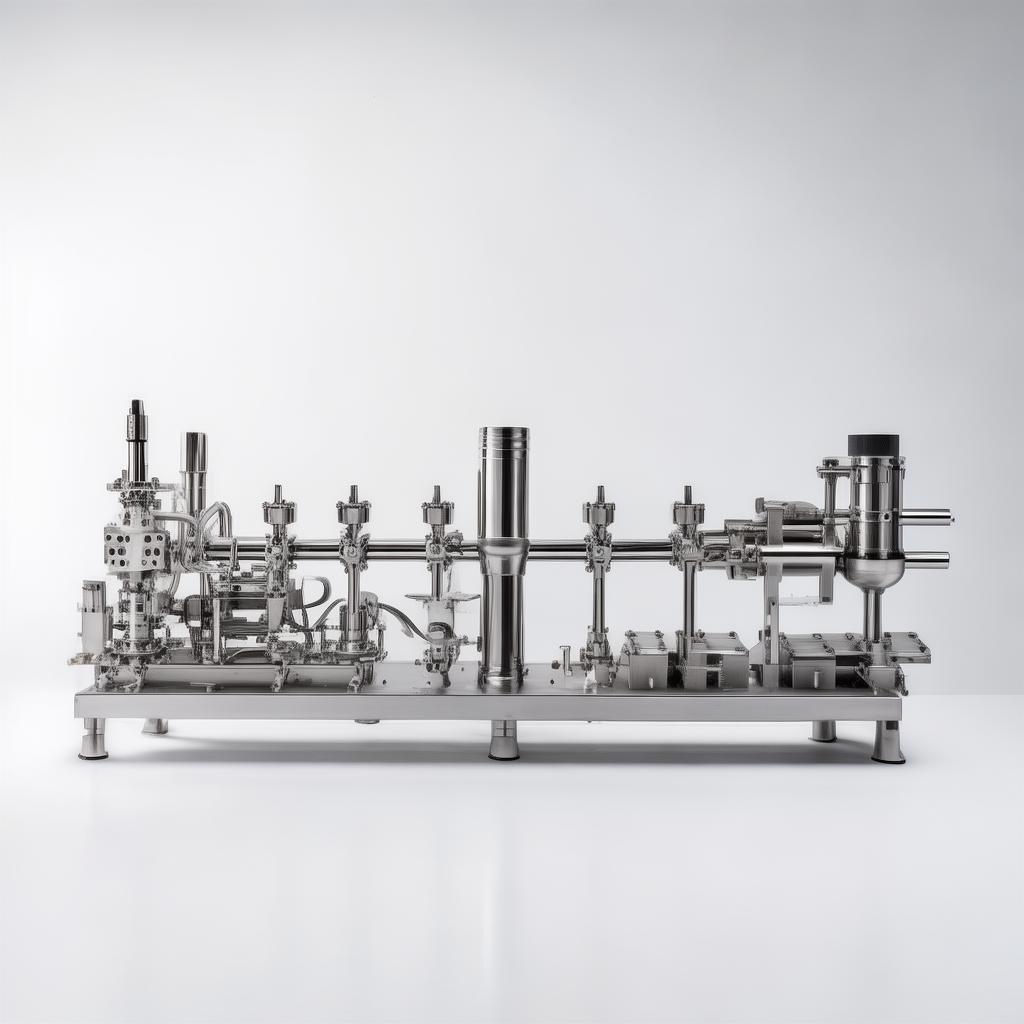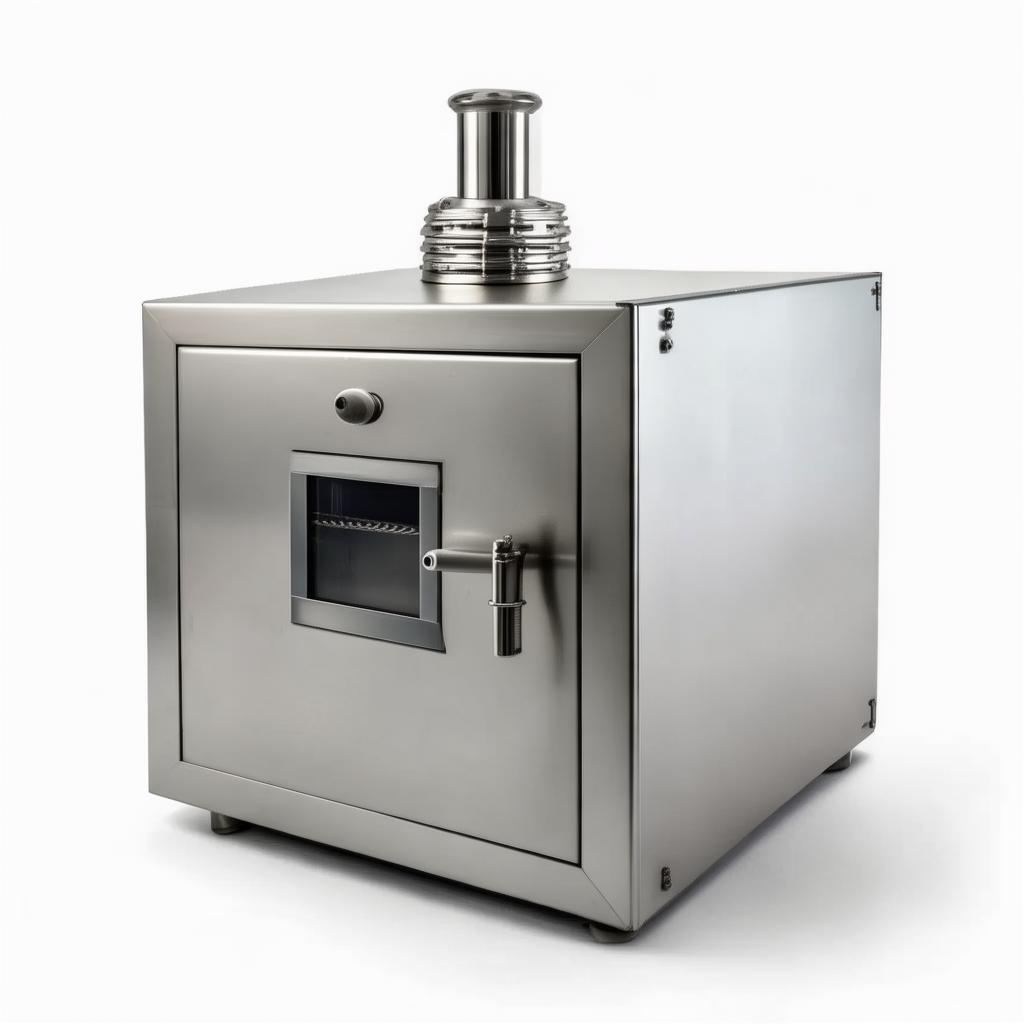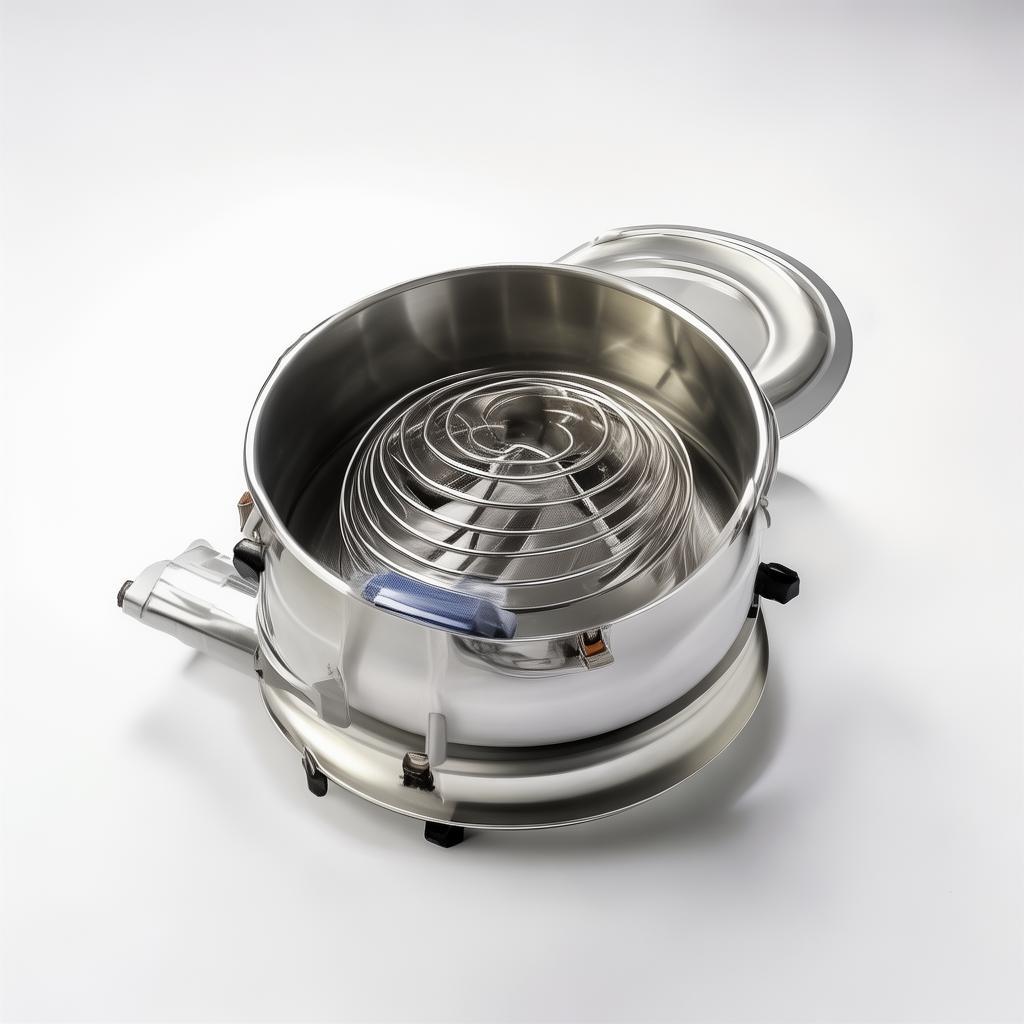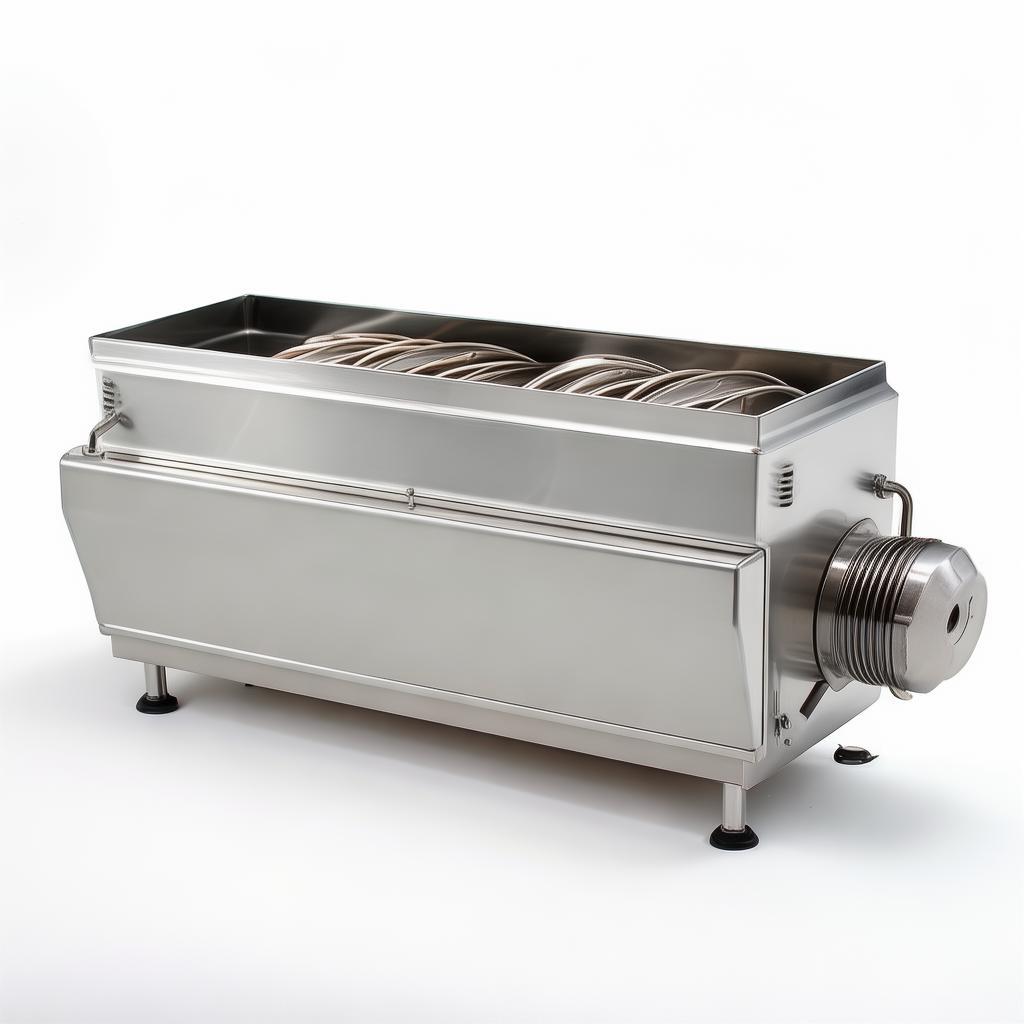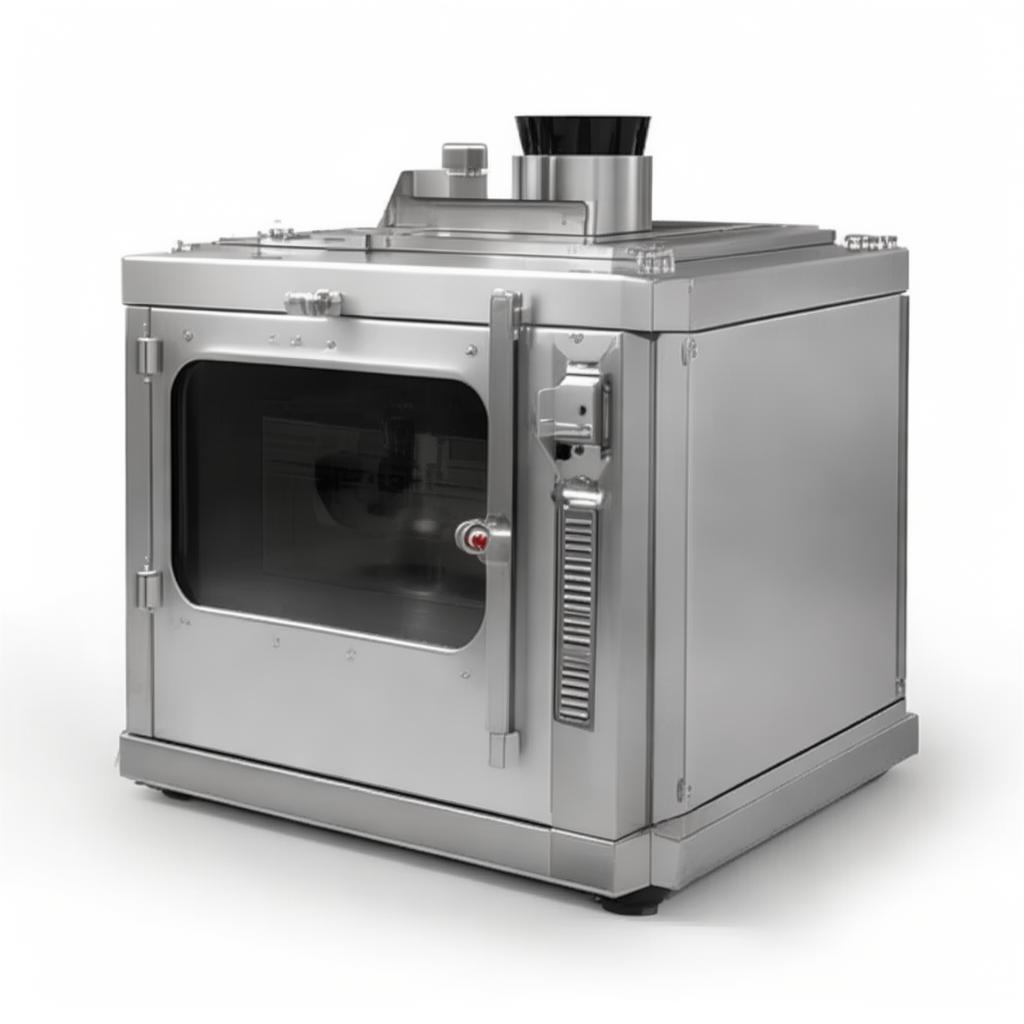
Meat Blender Machine
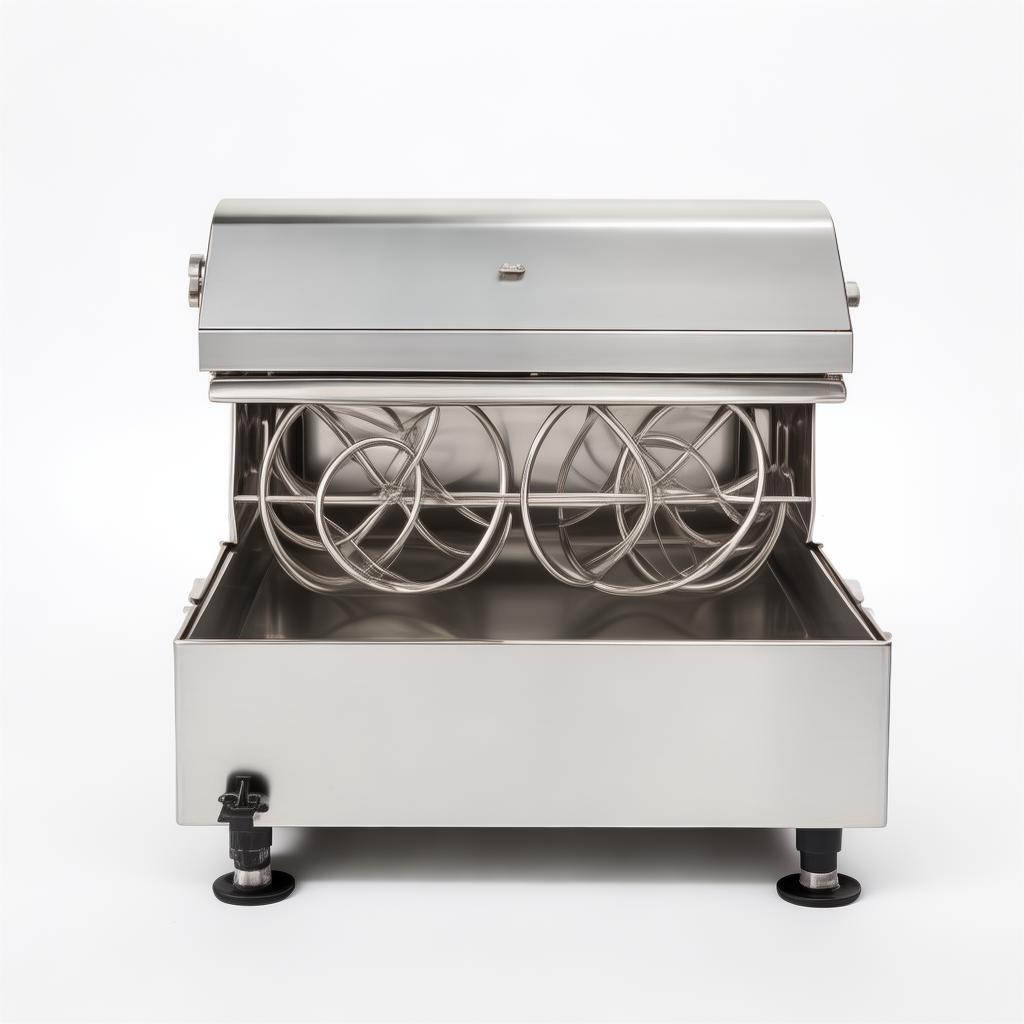
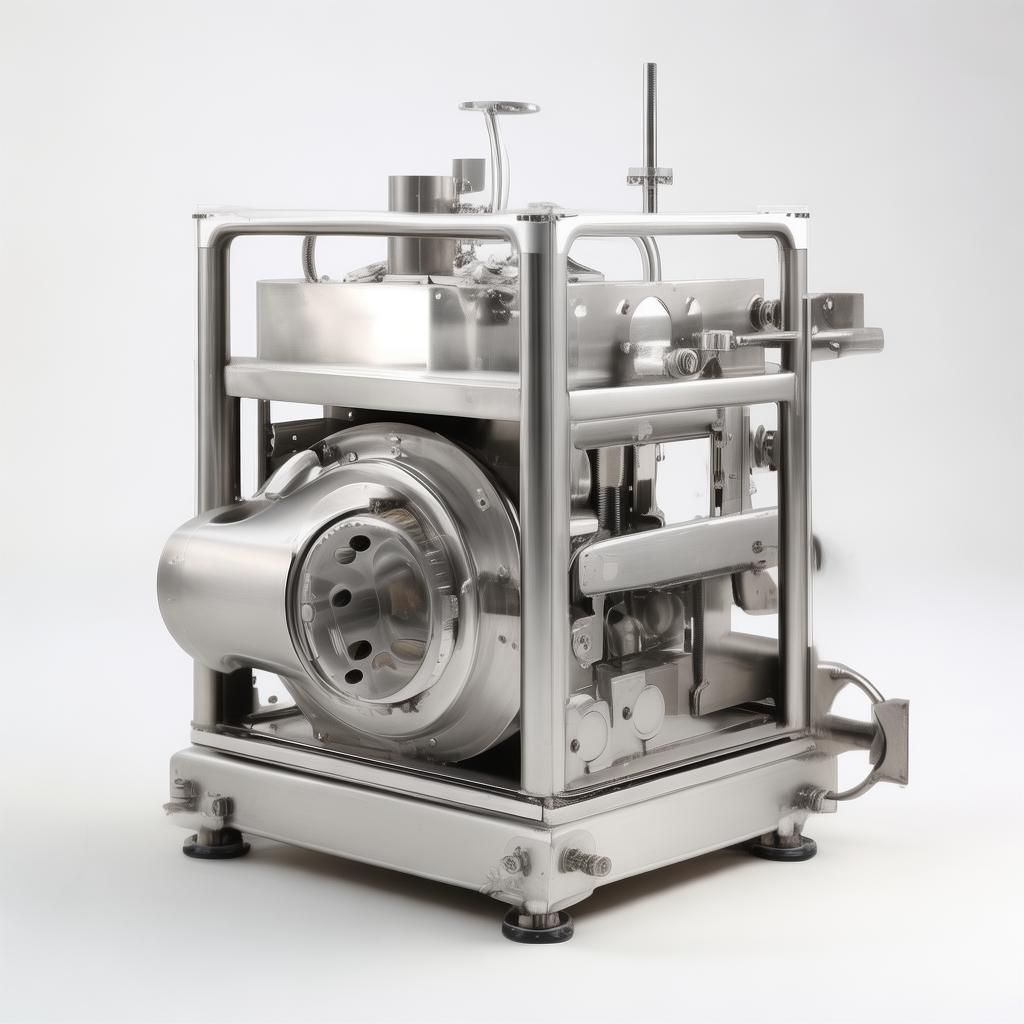
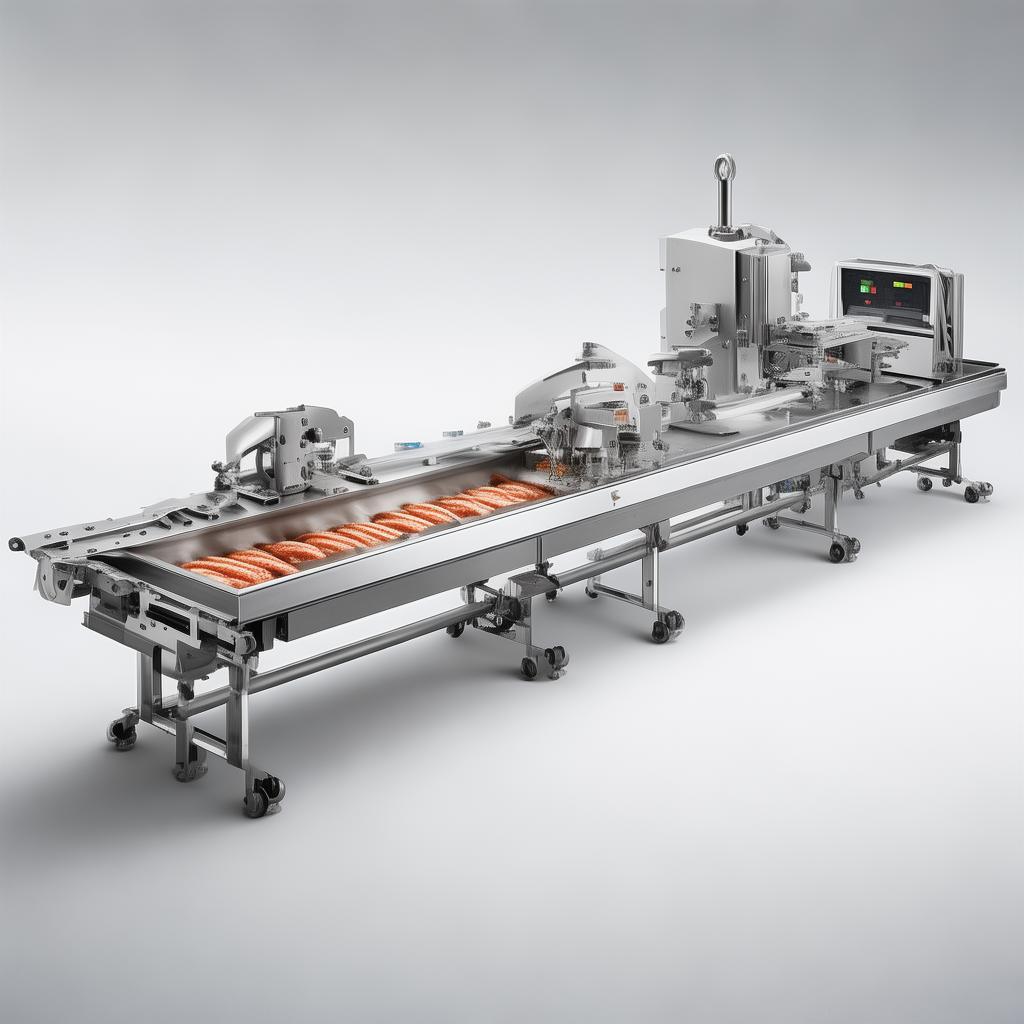
Mastering Meat Blending: Precision, Efficiency, and Quality in Every Batch
 By: Dr. Evelyn Reed, Lead Industrial Process Engineer | Updated: October 26, 2023
Table of Contents
- The Core of Meat Processing: Understanding the Blender
- Challenges in Meat Blending: Where Inefficiency Hides
- Beyond Basic Mixing: The Advantages of a Professional Meat Blender
- Key Specifications: What to Look For
- Versatile Applications Across the Food Industry
- Procurement Deep Dive: Selecting the Right Supplier
- Our Manufacturing Edge: Hebei Yuanchang's Commitment
- Your Questions Answered
- Client Testimonials
- Ready to Elevate Your Meat Production?
The Core of Meat Processing: Understanding the Blender
In the intricate world of meat processing, achieving consistent texture, optimal ingredient dispersion, and maintaining the highest hygiene standards are paramount. At the heart of many successful operations lies a piece of equipment that might seem simple, yet its design and performance have a profound impact on the final product: the meat blender machine. Whether you're producing sausages, pâtés, cured meats, pet food, or innovative plant-based alternatives, the blending stage is where raw ingredients transform into a homogenous, ready-to-process mass. It’s more than just mixing; it's about precise control over shear forces, mixing times, and temperature management to preserve the integrity of the proteins and fats.
The global meat processing equipment market, a sector valued at approximately USD 11.29 billion in 2025 and projected to reach USD 17.39 billion by 2034 (according to Fortune Business Insights), highlights the significant investment and innovation within this industry. A substantial part of this market encompasses equipment crucial for pretreatment, molding, and ripening, where blending plays a pivotal role. Think about the subtle differences that make a premium sausage stand out – it's often in the uniform distribution of spices, the fine texture that melts in your mouth, and the consistent color. These qualities are directly attributable to the efficiency and effectiveness of the blending process. Without a robust, well-designed blender, achieving such results becomes a costly and inconsistent endeavor.
For international buyers and procurement managers, the selection of a meat blender machine is a critical decision. It impacts not only the quality and consistency of your product line but also your operational efficiency, labor costs, and overall profitability. A poorly chosen machine can lead to uneven mixing, product waste, increased downtime for cleaning, and potential contamination risks. This is why understanding the nuances of meat blending technology, the various types of blenders available, and the reliability of your manufacturing partner is not just beneficial—it's essential for sustainable success in the competitive global food market. We aim to provide a comprehensive overview, drawing from decades of practical manufacturing experience and deep industry insights.
The demand for processed meats continues to rise globally. Reports indicate the global processed meat market is projected to grow significantly, driven by urbanization, demand for convenience foods, and evolving consumer preferences for diverse meat products. This growth trajectory directly translates into increased demand for reliable, high-capacity meat processing equipment, including sophisticated blending systems. From the initial grinding or dicing of meat to the final formation or filling into casings, the blender acts as a critical intermediate step. It homogenizes fat and lean meat ratios, ensures even distribution of binders, water, salt, and seasonings, and can even incorporate liquid ingredients or finely chopped vegetables. Its role is foundational to producing high-quality, safe, and appealing meat products that meet stringent regulatory standards and consumer expectations.
As an industry partner with over 40 years of dedicated experience in meat processing machinery, Hebei Yuanchang understands these demands intimately. We've seen firsthand how advancements in blender technology have transformed production lines, enabling greater throughput, superior product consistency, and enhanced food safety. This isn't just about acquiring a piece of machinery; it's about investing in a solution that supports your growth, ensures compliance, and ultimately, delivers a superior product to your end consumers. Whether your focus is on pork, beef, poultry, or even emerging alternative protein markets, the right meat blender is indispensable. Let's delve into why.
Challenges in Meat Blending: Where Inefficiency Hides
Many processors, especially those new to large-scale operations or looking to upgrade, encounter a predictable set of hurdles when it comes to meat blending. These aren't minor inconveniences; they can directly impact product quality, production schedules, and your bottom line.
- Inconsistent Texture: Traditional or poorly designed blenders often result in uneven mixing. This means some batches have overly fine particles, while others retain chunks. This inconsistency is particularly problematic for products like sausages, where a uniform grind is key to texture and mouthfeel.
- Fat Smearing & Protein Damage: Over-mixing or excessive shear from inadequate blade design can generate heat and smear fats. This not only affects the visual appeal but can also lead to rancidity and a greasy texture. Similarly, aggressive mixing can damage protein structures, compromising emulsification and binding properties.
- Ingredient Distribution Issues: Spices, curing agents, binders, or even liquid additives might not disperse evenly. This leads to inconsistent flavor profiles and functional properties across different parts of the same batch, and even between batches. It's a quality control nightmare.
- Time-Consuming Cleaning & Cross-Contamination Risk: Many older or simpler blender designs have nooks, crannies, and complex disassembly requirements that make thorough cleaning difficult and time-consuming. This not only adds labor costs but significantly increases the risk of bacterial growth and cross-contamination between product runs, a major food safety concern.
- Heat Buildup: The friction generated during the blending process can raise the temperature of the meat mixture. If not managed effectively, this can initiate bacterial growth, affect fat rendering, and alter the final product's characteristics. Effective cooling or efficient blending cycles are crucial.
- Limited Batch Size Scalability: A blender that works well for small test batches may not have the capacity or efficiency to handle the demands of full-scale production, leading to bottlenecks and increased lead times. Matching equipment capacity to production volume is vital.
Addressing these pain points requires a deep understanding of meat science and engineering. It’s why investing in a purpose-built, high-performance meat blender machine isn't an option; it's a fundamental requirement for any serious player in the global meat processing industry.
Beyond Basic Mixing: The Advantages of a Professional Meat Blender
A well-engineered meat blender, like those designed and manufactured by Hebei Yuanchang, transforms these challenges into opportunities for excellence. Our machines are built with decades of hands-on experience, focusing on delivering tangible benefits to your operation.
Superior Texture & Consistency
Our specialized mixing paddles and variable speed controls are engineered to gently yet effectively homogenize meat mixtures. This ensures uniform fat and lean distribution, resulting in the ideal texture for sausages, burgers, and other formed products. Achieve consistent batch-to-batch results that build brand loyalty.
Minimized Fat Smearing & Heat Generation
The precisely calculated blade geometry and optimized mixing cycles minimize shear stress. This prevents unwanted fat smearing and keeps product temperature within optimal ranges, preserving product integrity, flavor, and extending shelf life.
Even Ingredient Dispersion
Whether it's fine spices, complex seasoning blends, or liquid additives, our blenders ensure thorough and even distribution. This means consistent flavor, color, and functional properties throughout your entire product run. No more one-off bad batches due to uneven seasoning.
Hygienic Design for Easy Cleaning
Constructed with food-grade stainless steel and featuring smooth surfaces with minimal crevices, our blenders are designed for rapid and thorough cleaning. This not only ensures compliance with the strictest food safety regulations (like HACCP) but also dramatically reduces downtime between batches.
Enhanced Throughput & Scalability
Available in various capacities, our meat blender machines are built for continuous, high-volume production. They integrate seamlessly into existing processing lines, acting as a reliable powerhouse to keep up with demand, from small-scale producers to large industrial facilities.
Durability & Longevity
Built with robust, high-quality materials and precision engineering, our blenders are designed for a long service life in demanding industrial environments. Reduced maintenance needs and reliable operation mean lower total cost of ownership.
Key Specifications: What to Look For
When evaluating a meat blender machine for your operation, several technical specifications are critical. Understanding these details will help you match the equipment to your specific production needs and quality targets.
| Feature | Description | Importance for Buyer |
|---|---|---|
| Capacity (Batch Size) | Measured in kilograms or liters per batch. Common sizes range from 50kg to over 1000kg. | Must match your required daily/hourly output. Under-sizing creates bottlenecks; over-sizing can lead to inefficient mixing of small batches. |
| Motor Power | Rated in kW or HP. Indicates the machine's ability to handle dense mixtures or large volumes. | A higher power rating is essential for tough meats, frozen blocks, or very large batches to ensure smooth operation and prevent motor strain. |
| Mixing Mechanism | Type of paddles (e.g., spiral, paddle, propeller), number of mixing shafts, and their rotation pattern. | Different mechanisms are suited for different products (e.g., spiral for viscous doughs, paddles for general meat mixing). Ensures proper blending without damaging the product. |
| Material Construction | Typically food-grade stainless steel (e.g., SS304, SS316) for all contact parts. | Crucial for hygiene, corrosion resistance, durability, and compliance with food safety standards (e.g., FDA, EU directives). |
| Speed Control | Variable Frequency Drive (VFD) for adjustable mixing speeds. | Allows optimization of mixing for different ingredients and product types, controlling shear and temperature. Essential for versatility. |
| Electrical Specifications | Voltage, phase, frequency (e.g., 380V/50Hz/3Phase). | Must be compatible with your local power grid. |
| Dimensions & Weight | Overall footprint and weight of the machine. | Important for factory floor space planning, foundation requirements, and transportation. |
| Safety Features | Emergency stop buttons, safety guards, interlocks. | Non-negotiable for operator safety and regulatory compliance. |
industrial meat blender blender for meat blender meat grinder
At Hebei Yuanchang, we build our machines with these critical factors in mind. Our Japanese Mazak CNC machining centers allow us to produce components with exceptional precision, ensuring that every blender meets rigorous quality standards. We offer models with capacities ranging from 100L to 2000L, catering to diverse production scales.
Versatile Applications Across the Food Industry
The meat blender machine is a cornerstone equipment with applications far beyond traditional butcher shops. Its ability to precisely mix various ingredients makes it invaluable across a wide spectrum of food production:
Sausage Manufacturing
Achieving the perfect emulsion and consistent texture for fresh, cooked, or cured sausages.
Pâté & Terrine Production
Homogenizing liver, meats, fats, and seasonings for smooth, spreadable products.
Formed Meat Products
Creating uniform mixtures for burgers, meatballs, nuggets, and other shaped items.
Pet Food Processing
Blending meat, grains, vitamins, and other ingredients for dry and wet pet foods.
Plant-Based Alternatives
Mixing plant proteins, fats, and flavorings to replicate meat textures and tastes.
Prepared Meals & Deli Meats
Incorporating various components for ready-to-eat dishes or sliced deli meats.
The global market for processed meat continues its upward trend, with projections suggesting it could reach over $1.25 trillion by 2034. This growth is a direct driver for the demand of sophisticated blending equipment, as consistency and quality become key differentiators.
Procurement Deep Dive: Selecting the Right Supplier
Sourcing industrial equipment internationally requires diligence. It's not just about the machine itself, but the entire ecosystem surrounding it. Here’s what purchasing managers and procurement directors should prioritize when looking for a meat blender machine supplier:
- Manufacturing Experience & History: Look for suppliers with a long track record. Companies like Hebei Yuanchang, operating since 1986 with 40 years of experience, bring invaluable practical knowledge and a proven ability to innovate and adapt. This history implies stability and deep understanding.
- In-House Manufacturing Capabilities: A supplier that controls its production, especially with advanced machinery like CNC centers, can guarantee precision, quality, and faster turnaround times for critical components. This independence reduces reliance on third parties and enhances quality control. Our own machining workshop with over 20 sets of processing machinery, including Japanese Mazak CNC centers, sets us apart.
- Certifications & Compliance: Ensure the manufacturer adheres to international standards (e.g., ISO) and that their equipment meets relevant safety and hygiene certifications (e.g., CE for European markets, FDA compliance for the US). This is critical for market access and consumer safety.
- Customization Options (OEM/ODM): Does the supplier offer modifications or full OEM/ODM services? For unique product requirements or integration into specific lines, this flexibility is invaluable. We specialize in providing tailored solutions.
- After-Sales Support & Spare Parts: This is often overlooked but is crucial. A reliable supplier will have a traceable after-sales management system and readily available spare parts to minimize your downtime. Ask about lead times for parts and technical support availability.
- Logistics & Export Expertise: International shipping can be complex. A supplier experienced in exporting to your region will handle documentation, customs, and packaging efficiently, ensuring smooth delivery. Understanding container loading optimization can also save significant costs.
Choosing a supplier is a partnership. Prioritize those who demonstrate technical expertise, a commitment to quality, and a clear understanding of global trade requirements.
Our Manufacturing Edge: Hebei Yuanchang's Commitment
At Hebei Yuanchang Food Mechanism & Technology Co., Ltd., our 40-year legacy since 1986 is built on a foundation of engineering excellence and a deep understanding of the food processing industry. Spanning 14,000 square meters with a dedicated team of 80-100 professionals, we integrate R&D, production, and sales, focusing on comprehensive meat processing solutions.
Our strength lies in our complete in-house production capabilities. Our advanced machining workshop houses over 20 sets of precision equipment, including CNC machining centers from Japanese Mazak. This allows us to manufacture high-precision, non-standard components independently, ensuring unparalleled quality control and the ability to meet stringent custom specifications. This self-sufficiency is key to our reliable after-sales service and our capacity to produce high-standard parts with high volumes and precision.
- 40 years of industry experience (since 1986).
- ISO 9001 certified quality management system.
- Advanced Japanese Mazak CNC machining centers.
- Independent high-precision parts manufacturing.
- Traceable after-sales management for peace of mind.
- Specialization in complete production lines for meat processing.
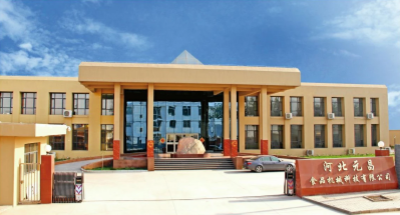
Precision manufacturing at our state-of-the-art facility.
We are not just a manufacturer; we are your trusted partner in achieving operational excellence.
Your Questions Answered: Meat Blender Machine FAQs
A: Lead times can vary based on customization and current production schedules. Generally, standard models can be ready for shipment within 30-60 days. For highly customized units or large orders, this may extend. We provide precise timelines upon order confirmation.
A: Yes, our heavy-duty models are designed to process semi-frozen or even fully frozen meat blocks. The powerful motors and robust construction ensure efficient blending without damaging the equipment. It’s advisable to specify if you will be processing frozen materials so we can ensure the optimal configuration is selected.
A: We offer a standard one-year warranty on all our machinery against manufacturing defects. For critical components and extended service agreements, please inquire with our sales team. Our traceable after-sales system ensures prompt support.
A: Our machines are constructed from food-grade stainless steel (SS304 as standard, SS316 option available). They feature smooth, crevice-free surfaces, easily removable mixing parts for thorough cleaning, and are designed to comply with international food safety standards. Many clients find our designs significantly reduce cleaning times compared to older equipment.
A: Absolutely. Hebei Yuanchang has extensive experience in OEM/ODM projects. We can work with your specifications, modify existing designs, or develop entirely new solutions to meet your unique production needs. Our CNC capabilities are a major asset for precise custom component manufacturing.
A: While our machines are designed for straightforward installation, we provide comprehensive user manuals and can offer remote technical assistance. For complex installations or on-site training, we can arrange services at an additional cost, depending on your location. Our export team is adept at coordinating these logistics.
What Our Clients Say
"The meat blender from Hebei Yuanchang has significantly improved our sausage production consistency. The ingredient distribution is far superior to our old mixer, and clean-up is remarkably faster. We’re seeing fewer batch rejections."
- John M., Operations Manager, USA

"We needed a reliable blender for our pet food line that could handle high volumes and a variety of ingredients. Hebei Yuanchang delivered. The machine is robust, efficient, and the team was great to work with, ensuring all our specifications were met. Highly recommend their OEM capabilities."
- Maria S., Procurement Specialist, Canada

"The precision of the mixing is excellent. We produce a high-end pâté, and the evenness of fat and spice distribution from this blender is critical for our product quality. The build quality is evident, and the after-sales support has been responsive."
- David K., Head Chef & Producer, UK

Streamline Your Meat Blending Process Today
Don't let outdated or inefficient blending equipment hold back your production quality and output. Partner with Hebei Yuanchang for reliable, high-performance meat blender machines backed by 40 years of manufacturing expertise.
We are committed to providing solutions that drive efficiency, quality, and profitability for your business. Let's discuss your project requirements.
Hebei Yuanchang Food Mechanism & Technology Co., Ltd. | Shijiazhuang, Hebei Province, China | Visit Our Contact Page
© 2023 Hebei Yuanchang. All rights reserved.