Nilfisk Explosion Proof Vacuum
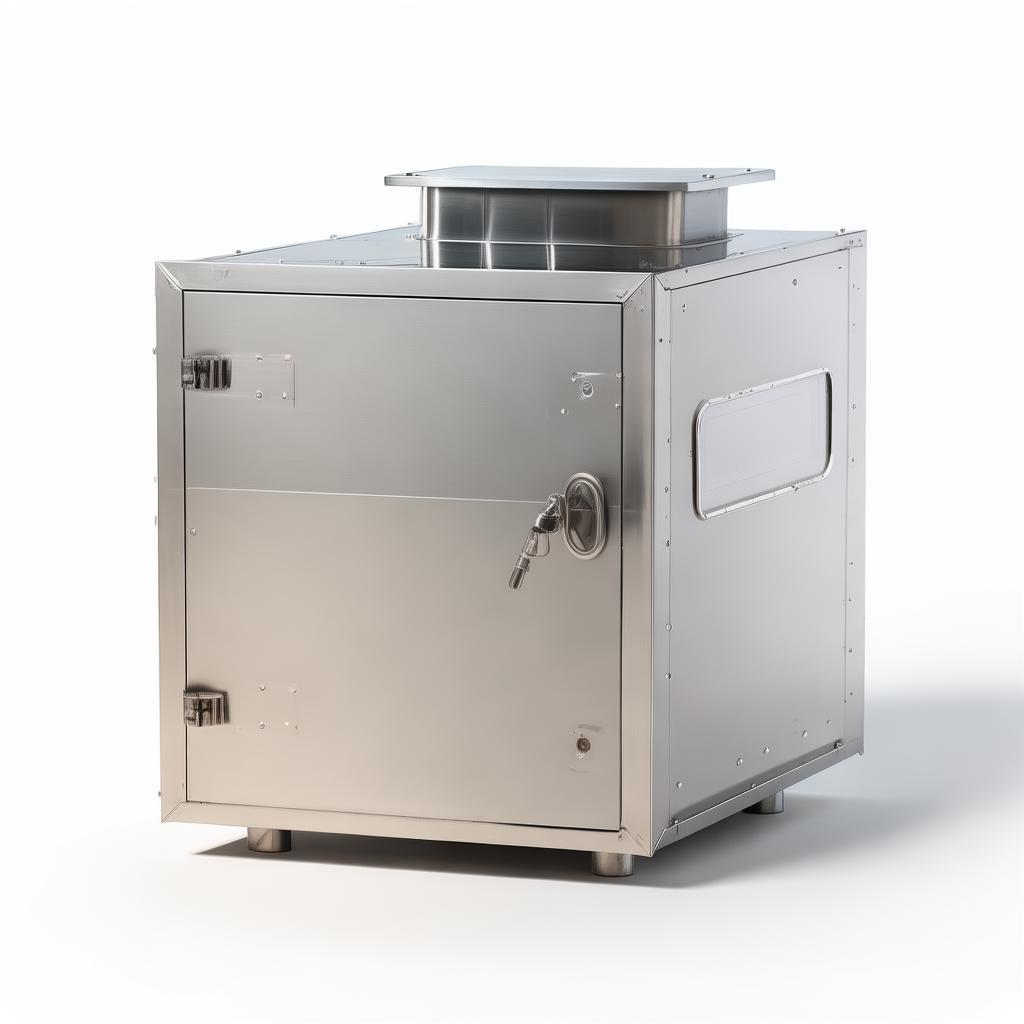
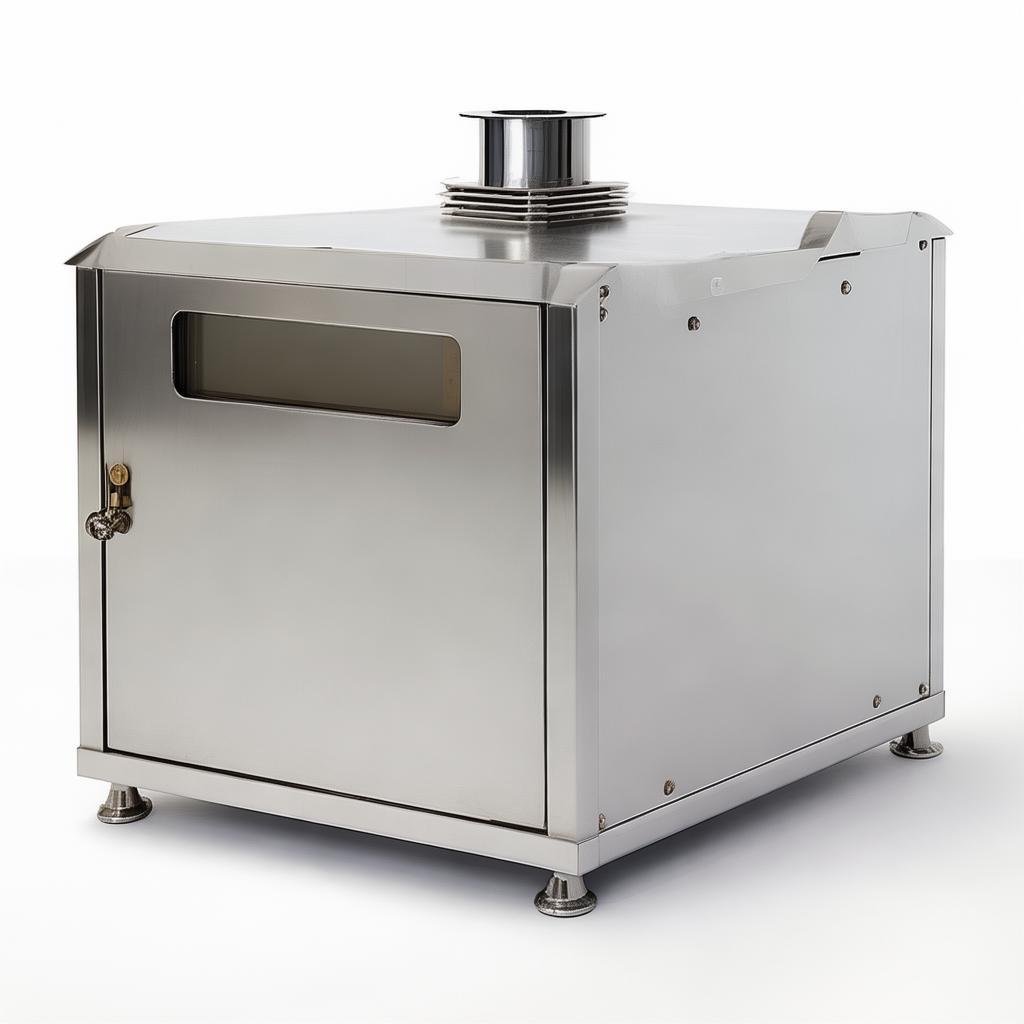

Unpacking the Power: Your Guide to Nilfisk Explosion-Proof Vacuums for Hazardous Environments
By Marcus Chen, Senior Export Manager | Published: October 26, 2023
Navigating the Risks: Why Standard Vacuums Aren't an Option in Hazardous Zones
In industries where flammable dusts, explosive vapors, or combustible materials are a daily reality, the choice of equipment isn't just about efficiency; it's about absolute safety. Trying to clean up a potentially explosive environment with a standard industrial vacuum is akin to striking a match in a fuel depot. The risks are immense, and the consequences can be catastrophic. Think about a pharmaceutical manufacturing plant handling fine powders, a grain elevator where dust is ever-present, or a chemical processing facility with airborne solvents. In these settings, ordinary vacuum cleaners, with their open motors, sparking brushes, and internal electrical components, are ticking time bombs.
The fundamental problem lies in the potential for ignition. A spark, no matter how small, generated by static electricity discharge, brush friction, or an electrical short within a conventional vacuum, can ignite flammable atmospheres. This isn't a theoretical concern; it's a documented cause of industrial accidents. The volatile organic compounds (VOCs) released during certain chemical processes, the fine organic dusts from agricultural products like flour or sugar, or even metallic dusts in specialized manufacturing can all be easily ignited. The heat generated by a standard motor or the static charge built up as air rushes through the vacuum hose can provide the ignition source.
Procurement managers and safety officers know this all too well. They understand the stringent regulations and standards governing operations in hazardous locations. This is where specialized equipment becomes non-negotiable. Standard industrial vacuums are simply not built to the rigorous safety specifications required. They lack the robust sealing, the intrinsically safe electrical components, and the material considerations necessary to prevent them from becoming the very hazard they are intended to mitigate. The cost of a single accident – injuries, fatalities, facility damage, production downtime, and reputational harm – dwarfs the investment in certified explosion-proof equipment.
This is precisely why Nilfisk, a name synonymous with industrial cleaning innovation and reliability, offers its range of explosion-proof vacuum cleaners. These aren't just "tougher" versions of their standard units. They are meticulously engineered from the ground up to meet and exceed the demanding safety certifications required for operation in potentially explosive atmospheres (ATEX, IECEx, UL, etc.). They are designed to prevent ignition sources from being generated, thereby ensuring that cleaning operations contribute to, rather than detract from, overall site safety.
Understanding the nuances of these environments is critical. It's not just about the presence of flammable materials, but also the classification of the hazardous zone. These zones are categorized based on the frequency and duration of the presence of explosive atmospheres (e.g., Zone 0, 1, 2 for gases/vapors, and Zone 20, 21, 22 for dusts). Each zone has specific requirements for equipment that can be used. Nilfisk explosion-proof vacuums are designed to be deployed across these various zones, offering tailored solutions for diverse industrial needs. For instance, a Zone 21 dust application requires a different approach to a Zone 1 gas application.
The investment in a Nilfisk explosion-proof vacuum is an investment in peace of mind. It means complying with regulatory bodies, protecting your workforce, safeguarding your assets, and ensuring business continuity. It signifies a commitment to operational excellence and a proactive approach to risk management. This is not a compromise on cleaning performance either. These units are built to deliver robust suction power and efficient material collection, just like any other Nilfisk industrial vacuum, but with the added, crucial layer of explosion protection.
For procurement specialists, engineers, and operations managers in sectors like chemical manufacturing, petrochemicals, pharmaceuticals, food processing (especially grain handling), and any facility dealing with combustible dusts or volatile substances, familiarizing yourself with the capabilities of Nilfisk explosion-proof vacuums is an essential step. This guide will delve into what makes these machines uniquely suited for hazardous areas, their technical specifications, the types of applications they excel in, and why they represent the benchmark for safety and performance.

Ensuring safe operations in challenging industrial environments.
The Nilfisk Difference: Engineering for Extreme Safety
What truly sets a Nilfisk explosion-proof vacuum apart isn't just a label; it's a fundamental re-engineering of vacuum technology for safety-critical applications. These units are built to conform to the strictest international standards, including ATEX directives for Europe and IECEx globally, and often UL standards for North America. This means every component, from the motor to the seals, is designed to eliminate potential ignition sources.
- Intrinsically Safe Components: The heart of an explosion-proof vacuum is its motor and electrical system. Nilfisk utilizes carefully selected components that are designed to operate without generating sparks or excessive heat, even under load. This often involves specialized windings, sealed enclosures, and controlled electrical parameters to ensure they remain below the auto-ignition temperature of surrounding hazardous materials.
- Robust Sealing and Construction: Preventing the ingress of explosive atmospheres into the vacuum's internal workings is paramount. These vacuums feature heavy-duty, sealed casings, often made from conductive materials to dissipate static electricity. Gaskets and seals are made from specialized materials that are resistant to chemicals and static buildup, ensuring a tight, safe enclosure.
- Static Dissipation: Static electricity is a major concern in hazardous environments. Nilfisk units incorporate grounding points and conductive materials throughout their construction, including hoses and wands, to safely discharge any static electricity that may build up during operation. This prevents a sudden discharge that could ignite flammable dusts or vapors.
- Filtration Systems: Beyond basic dust collection, advanced filtration is crucial. These vacuums often employ multi-stage filtration systems, including HEPA filters, to capture extremely fine particles and prevent them from being exhausted back into the environment. For dust applications, filters are designed to handle combustible dusts safely, preventing internal explosions.
- Specialized Accessories: Even the accessories, like hoses, wands, and floor tools, are designed with explosion protection in mind. They are typically made from conductive or static-dissipating materials to ensure a safe pathway for collected materials and to prevent static buildup.
This rigorous engineering approach means that when you choose a Nilfisk explosion-proof vacuum, you're not just buying a cleaning tool; you're investing in a certified safety device. The compliance with standards like ATEX (Atmosphères Explosibles) or IECEx (International Electrotechnical Commission System for Certification to Standards Relating to Equipment for Use in Explosive Atmospheres) is not optional. It's the foundation upon which these machines are built, ensuring they are fit for purpose in the most demanding industrial settings.
Where Safety Meets Performance: Key Applications
The operational scenarios where a Nilfisk explosion-proof vacuum becomes indispensable are diverse. Their ability to safely handle combustible dusts and flammable atmospheres makes them crucial across numerous sectors.
| Industry Sector | Hazardous Environment | Typical Application |
|---|---|---|
| Pharmaceutical Manufacturing | Fine Active Pharmaceutical Ingredients (APIs) dust, solvents | Cleaning up powder spills, dust collection during processing, general area cleaning. Zone 21/22 Dusts, Zone 1/2 Vapors |
| Food Processing (Grain, Flour, Sugar) | Combustible dusts (flour, sugar, cocoa, starch) | Dust removal from machinery, floors, and overhead areas to prevent accumulation. Zone 20/21/22 Dusts |
| Chemical Manufacturing | Flammable vapors, solvent mists, fine chemical dusts | Spill cleanup, dust collection, solvent vapor extraction. Zone 1/2 Vapors, Zone 21/22 Dusts |
| Petrochemical & Oil Refineries | Flammable gases, volatile organic compounds (VOCs) | Area cleaning in processing units, tank farms, and maintenance areas. Zone 1/2 Vapors |
| Woodworking & Furniture | Combustible wood dust | Dust extraction from woodworking machinery, floor cleanup. Zone 21/22 Dusts |
| Metalworking & Fabrication | Combustible metal dusts (e.g., aluminum, magnesium) | Cleanup of fine metal dusts generated during grinding, cutting, or polishing. Zone 21/22 Dusts |
explosion proof industrial vacuum ATEX explosion proof central vacuum ATEX explosion proof vacuum system
When specifying equipment for these environments, it's not enough to simply ask for "explosion-proof." You must consider the Hazardous Area Classification (Zone) and the type of explosive medium (gas/vapor or dust). Nilfisk offers models specifically designed and certified for these different classifications, ensuring compliance and safety.
Technical Specifications: What to Look For
Selecting the right explosion-proof vacuum involves understanding its technical specifications and certifications. Here’s a breakdown of what's critical:
| Specification | Description | Key Considerations |
|---|---|---|
| Certifications | ATEX, IECEx, UL, CSA, etc. | Crucial for regulatory compliance. Verify the specific zone rating (e.g., ATEX II 2D for Zone 21 dust, II 2G for Zone 1 gas). |
| Motor Power | Rated in Watts (W) or Horsepower (HP). | Determines suction power and airflow. Higher power often means better cleaning efficiency. |
| Vacuum Pressure (Suction) | Measured in mmH2O or mbar. | Indicates the vacuum's lifting power. Higher is generally better for heavy-duty applications. |
| Airflow (Volume) | Measured in m³/h or CFM. | Represents how much air the vacuum can move. Important for efficient dust collection. |
| Filtration Efficiency | HEPA, ULPA, Class H | For capturing very fine particles, critical in pharmaceutical and chemical applications. For dust applications, ensure the filter itself is rated for combustible dust. |
| Container Capacity | Liters (L) or Gallons (gal). | Determines how much material can be collected before emptying. Larger capacity means less downtime. |
| Construction Materials | Stainless steel, conductive plastics, epoxy coatings. | Ensures durability, chemical resistance, and static dissipation. |
| Power Source | Electric (specify voltage/phase), Pneumatic. | Pneumatic options are ideal where electrical sources are problematic or for maximum safety. |
When evaluating options, always ask for the full certification details and the exact hazardous area classification the unit is approved for. A generic "explosion-proof" claim without specific zone ratings is insufficient and potentially dangerous. Nilfisk provides clear documentation for all its certified equipment.
Procurement and Operational Considerations
Sourcing explosion-proof vacuums involves more than just selecting a model. As experienced suppliers, we understand the lifecycle considerations for this critical equipment.
Supplier Reliability is Key: Don't just look at price. Consider the supplier's track record, their understanding of hazardous environments, and their ability to provide ongoing support. At Hebei Yuanchang, we've been in the industrial machinery business for 40 years, developing deep expertise in robust equipment. While our core focus is food processing, our understanding of high-standard manufacturing and international trade allows us to source and support critical equipment like specialized vacuums.
Installation and Training: While vacuums are generally plug-and-play, in hazardous areas, proper grounding and setup are paramount. Ensure your team understands the specific protocols for operating and maintaining this equipment. We can connect you with resources or provide guidance on best practices.
Maintenance and Spare Parts: Regular maintenance is vital for safety. This includes checking seals, filters, and electrical connections. Ensure spare parts are readily available. Our in-house machining capabilities, including Japanese CNC centers, highlight our commitment to precision and the ability to source or manufacture high-standard components, ensuring long-term equipment viability. For Nilfisk, genuine parts are always recommended.
Logistics and Export: Navigating international shipping for specialized equipment requires careful attention to packaging, documentation, and compliance with import/export regulations. We have extensive experience exporting machinery globally, ensuring your order arrives safely and on time, whether it's for the USA or any other English-speaking region. Container optimization and lead time management are part of our core operational expertise.
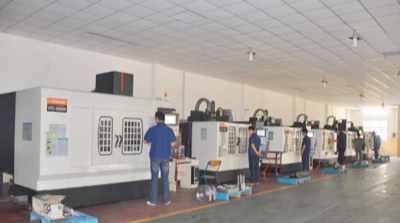
Precision engineering for demanding industrial applications.
Frequently Asked Questions (FAQs)
Q1: What is the difference between an "explosion-proof" vacuum and a "dust-ignition-proof" vacuum?
While often used interchangeably in casual conversation, there are distinctions. "Explosion-proof" typically refers to equipment designed for hazardous locations involving flammable gases, vapors, or dusts, with certifications covering both aspects (e.g., ATEX II 2G/D). "Dust-ignition-proof" specifically addresses the risk of dust explosions (e.g., ATEX II 2D). Nilfisk explosion-proof vacuums are certified to handle the specific hazards of the zones they are rated for, whether gas, vapor, or dust. Always verify the exact rating.
Q2: Can I use a standard Nilfisk industrial vacuum in a potentially hazardous area if I'm careful?
Absolutely not. Standard industrial vacuums are not designed with the necessary safety features to prevent ignition in explosive atmospheres. Doing so is a severe safety violation and carries extreme risks of fire or explosion. Only certified explosion-proof equipment is permissible.
Q3: How do pneumatic explosion-proof vacuums work?
Pneumatic vacuums utilize compressed air as their power source, creating suction through an venturi effect. They have no electrical motors, making them inherently safer in environments where even intrinsically safe electrical components might be a concern. They are ideal for highly sensitive chemical or gas environments and are often chosen for their simplicity and reliability.
Q4: What kind of maintenance is required for Nilfisk explosion-proof vacuums?
Regular checks on filters, seals, hoses, and grounding connections are essential. Depending on the model and application, internal inspections might be recommended periodically. Always refer to the manufacturer's service manual for detailed maintenance schedules.
Why Partner with Hebei Yuanchang for Your Industrial Needs?
With 40 years of experience since 1986, Hebei Yuanchang Food Mechanism & Technology Co., Ltd. has built a reputation for quality, reliability, and deep industry knowledge. While our primary focus is meat processing equipment, our extensive experience in manufacturing, precision machining (including Japanese Mazak CNC centers), and global export operations positions us as a trusted partner for sourcing critical industrial machinery.
We understand the complexities of international procurement and the absolute necessity of specifying the right equipment for demanding applications. Whether you need state-of-the-art food processing lines or robust safety equipment like Nilfisk explosion-proof vacuums, we offer:
- Decades of Manufacturing Expertise: Our 14,000 sq meter facility and experienced team ensure a commitment to high standards.
- Precision Machining Capabilities: Over 20 sets of processing machinery, including advanced CNC centers, allow us to handle complex component requirements.
- Global Export Experience: We have a proven track record of delivering machinery worldwide, adhering to rigorous export protocols.
- Traceable After-Sales Support: Our systems are designed for long-term customer satisfaction and worry-free operation.
- Dedicated Customer Service: We are committed to providing knowledgeable support and ensuring you find the right solutions.

We understand the operational needs of global industry leaders.
Ready to Enhance Your Site Safety?
Ensuring safety in hazardous environments is paramount. Don't compromise on equipment that could jeopardize your operations or your people. Invest in certified, reliable solutions.
Get specifications for our range.
Discuss your specific hazardous area needs.
For bulk or customized orders.
Contact Us:
Phone: +86 15830991513 | E-mail: ycmeatmech@gmail.com
Address: Shijiazhuang, Hebei Province, China | Visit Our Contact Page