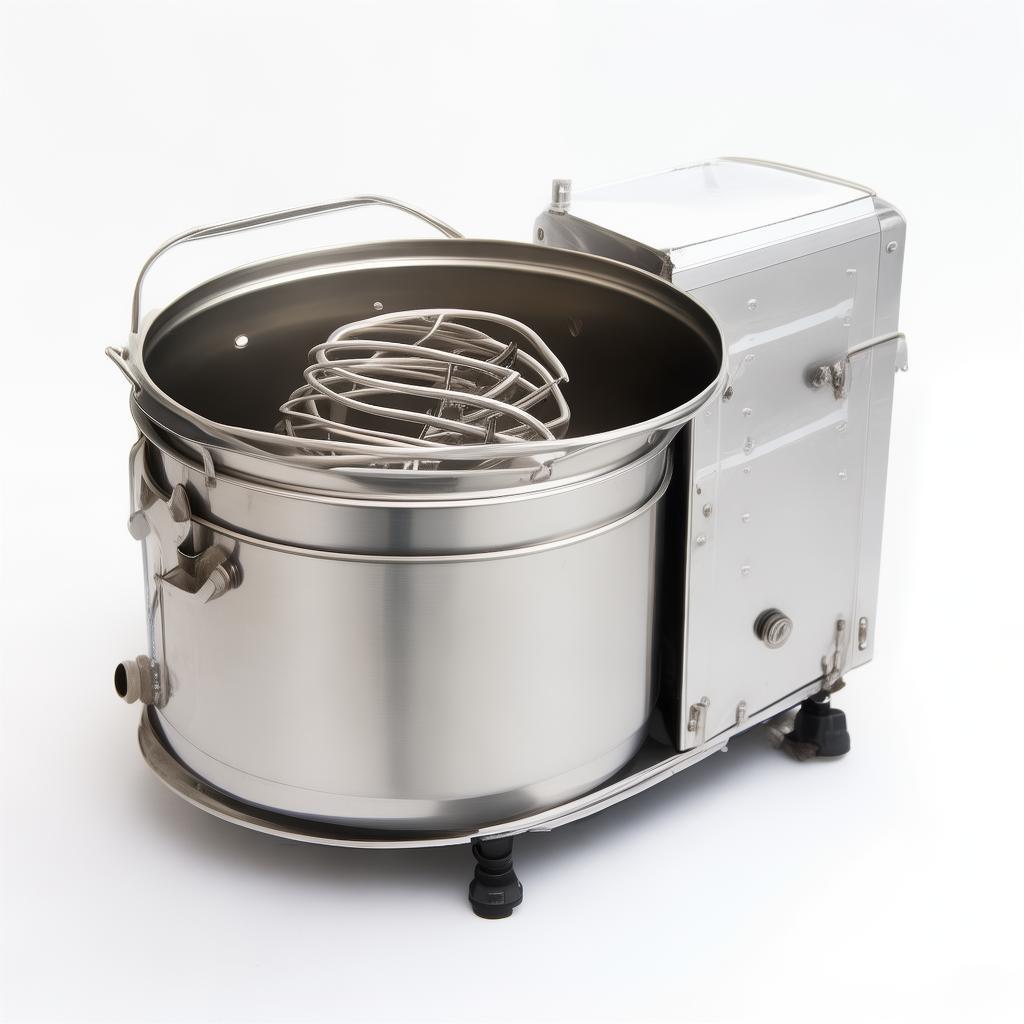
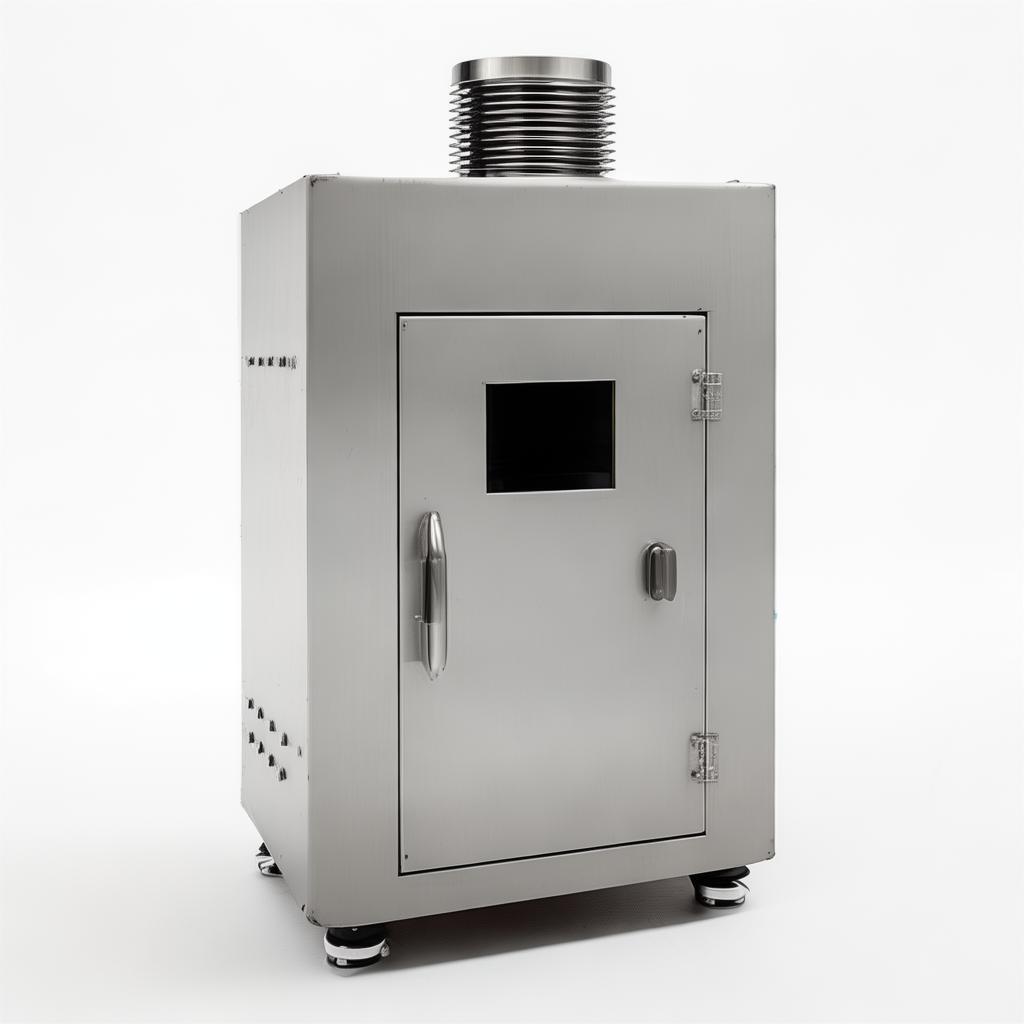
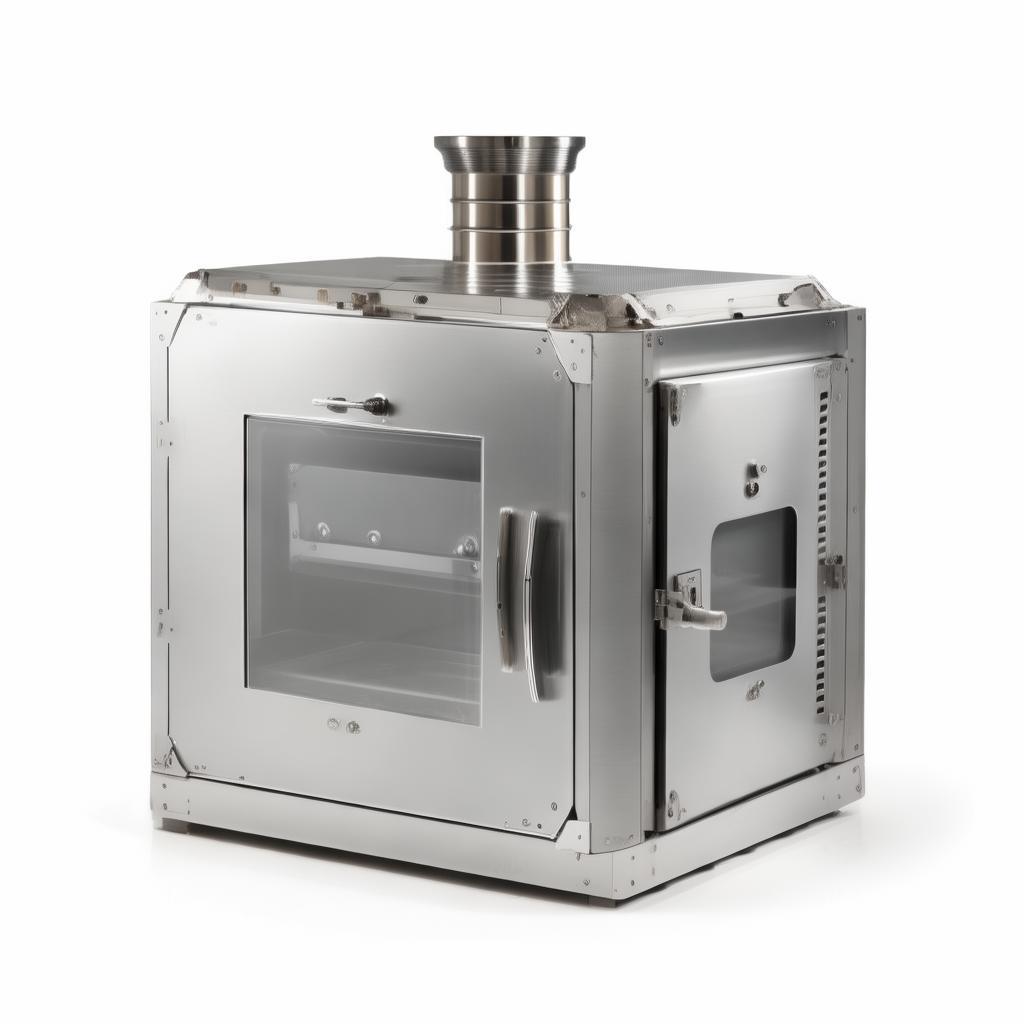
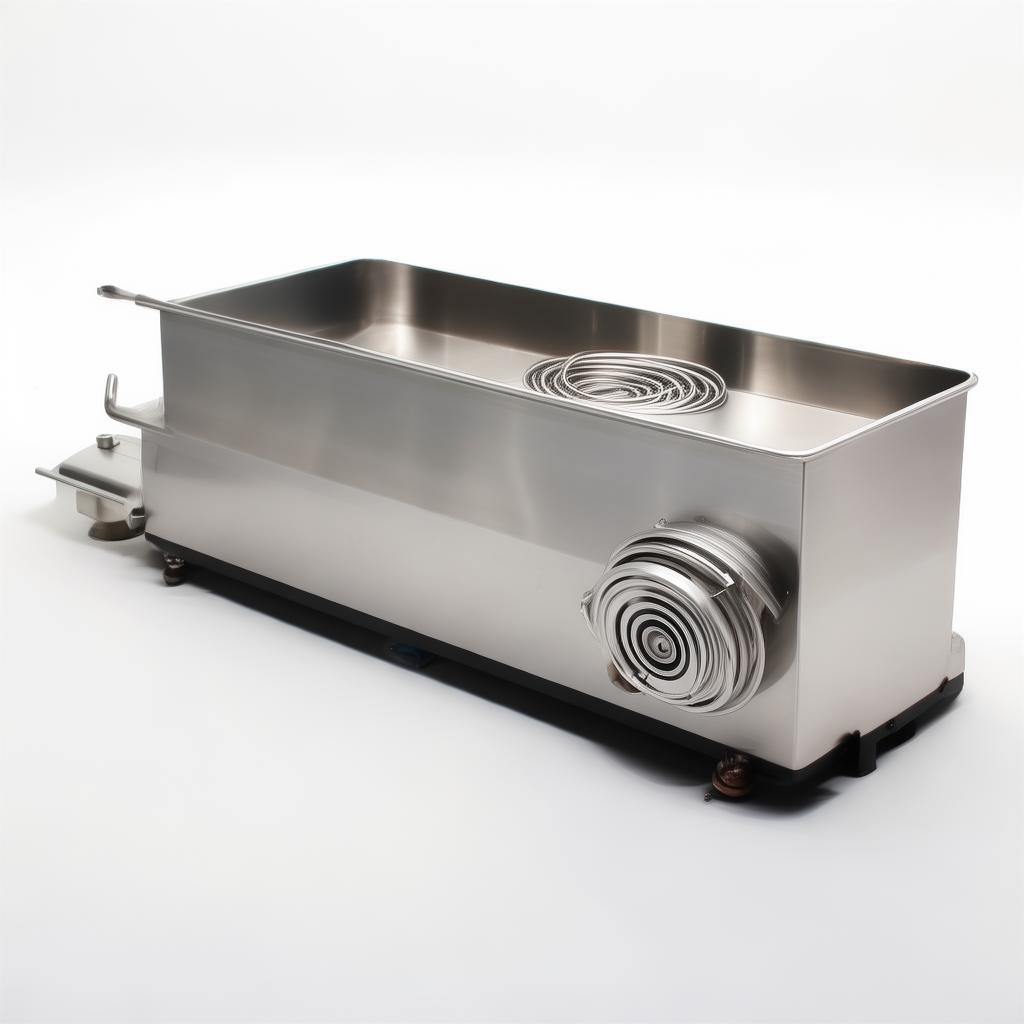
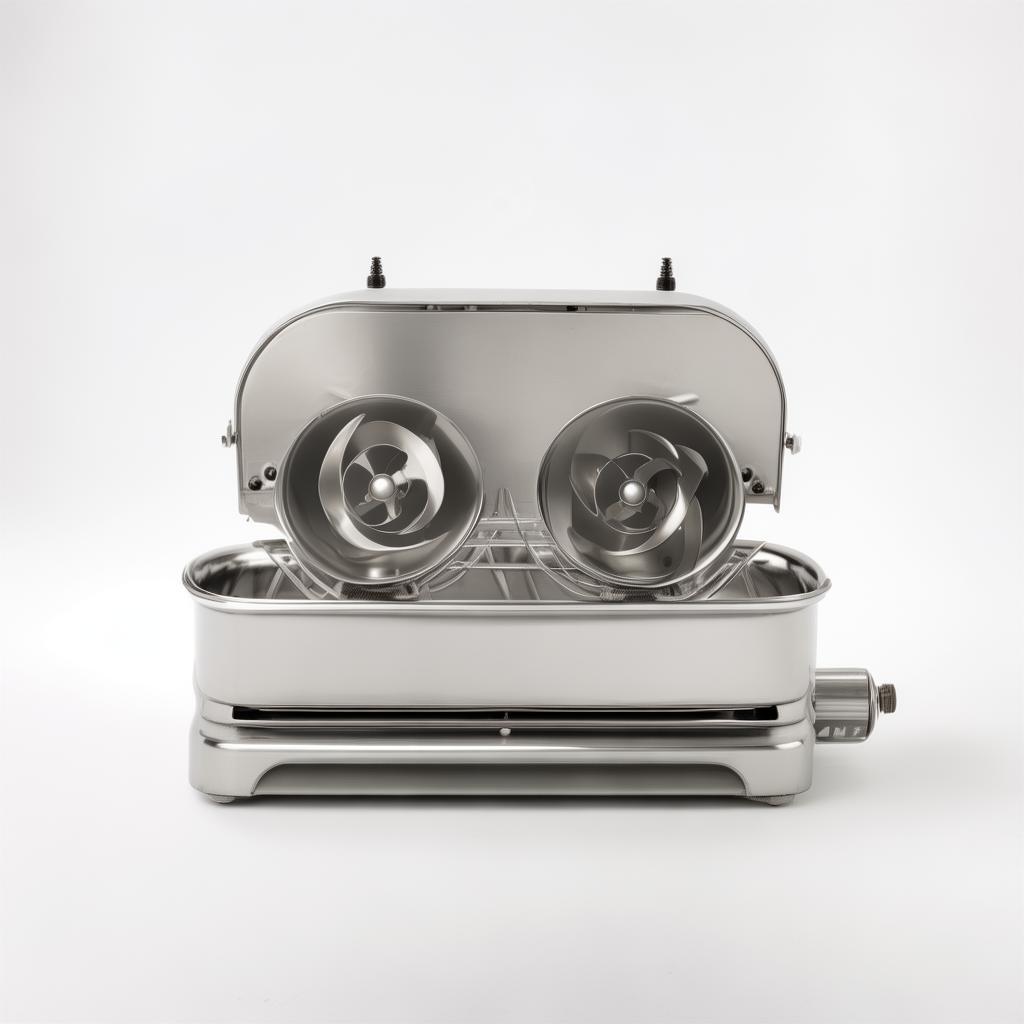
Mechanical Meat Tenderizer
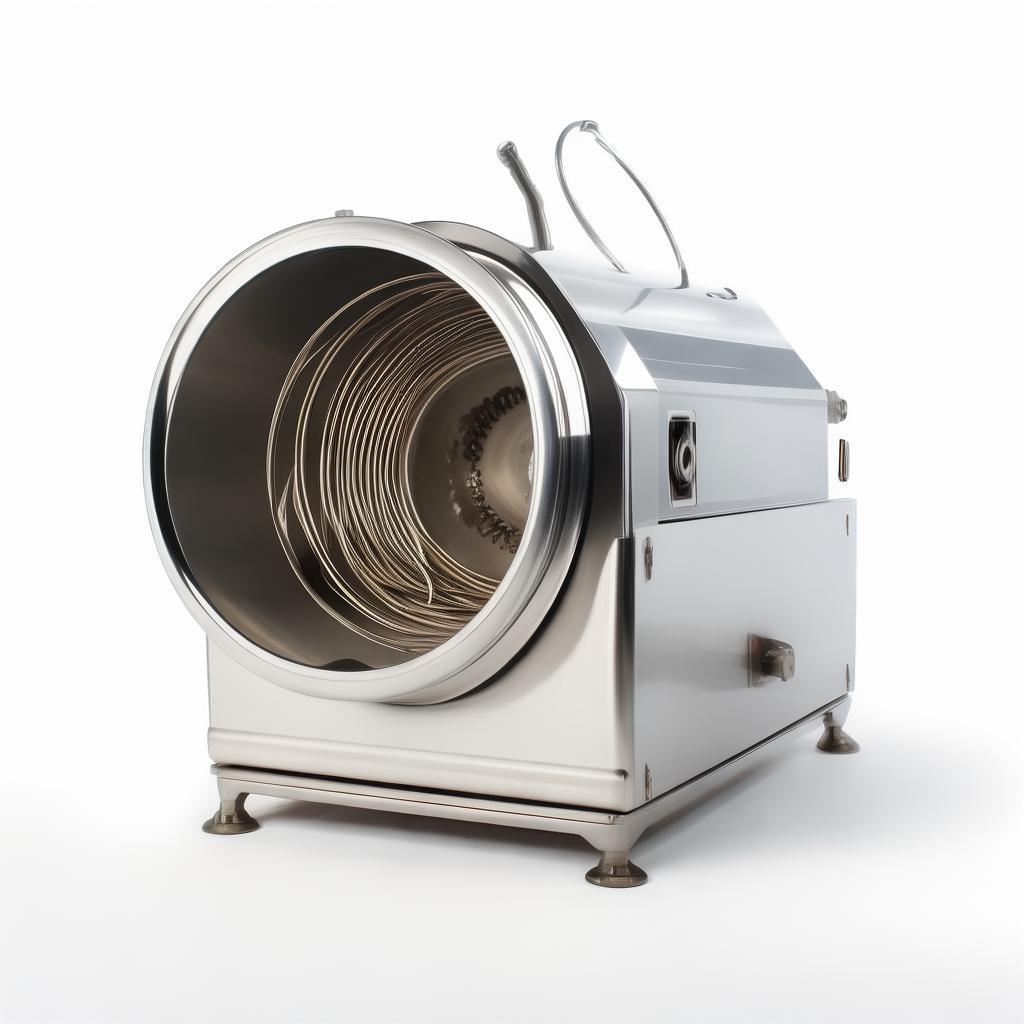
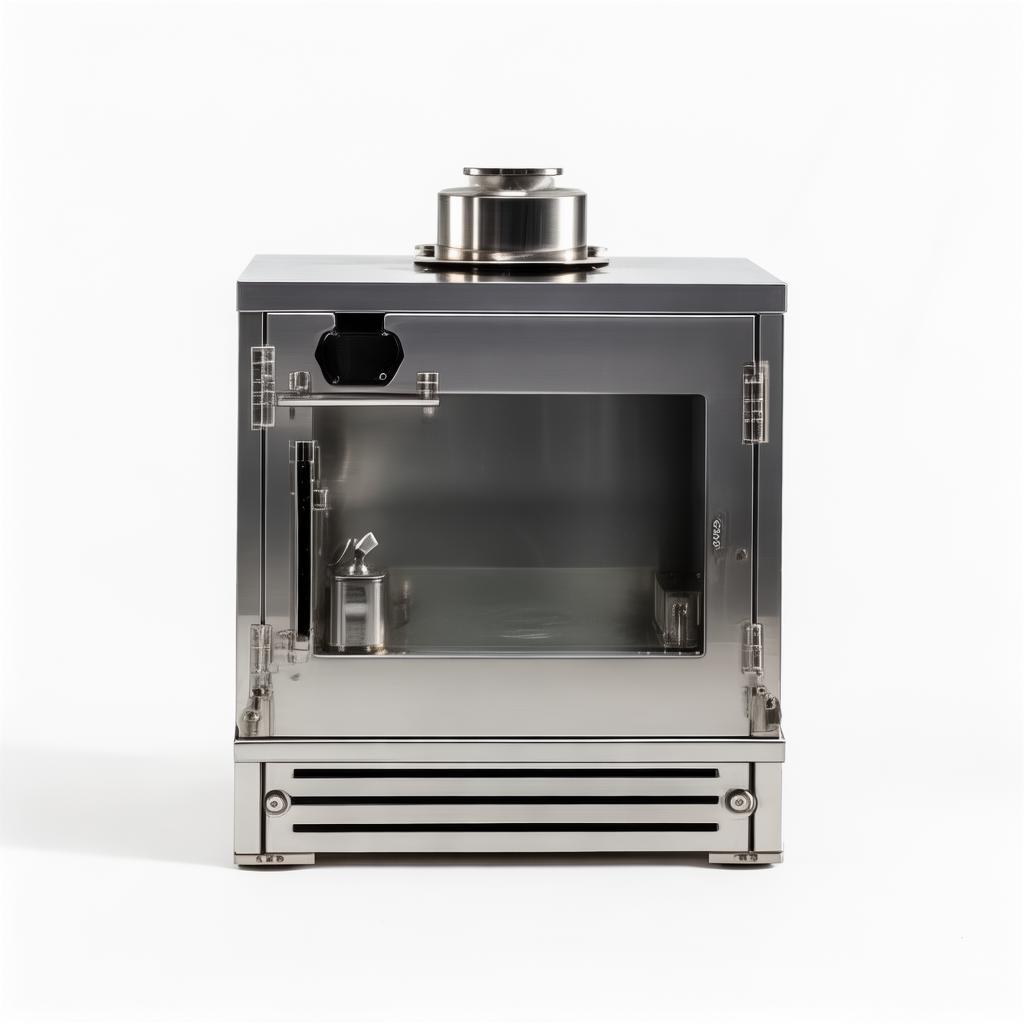
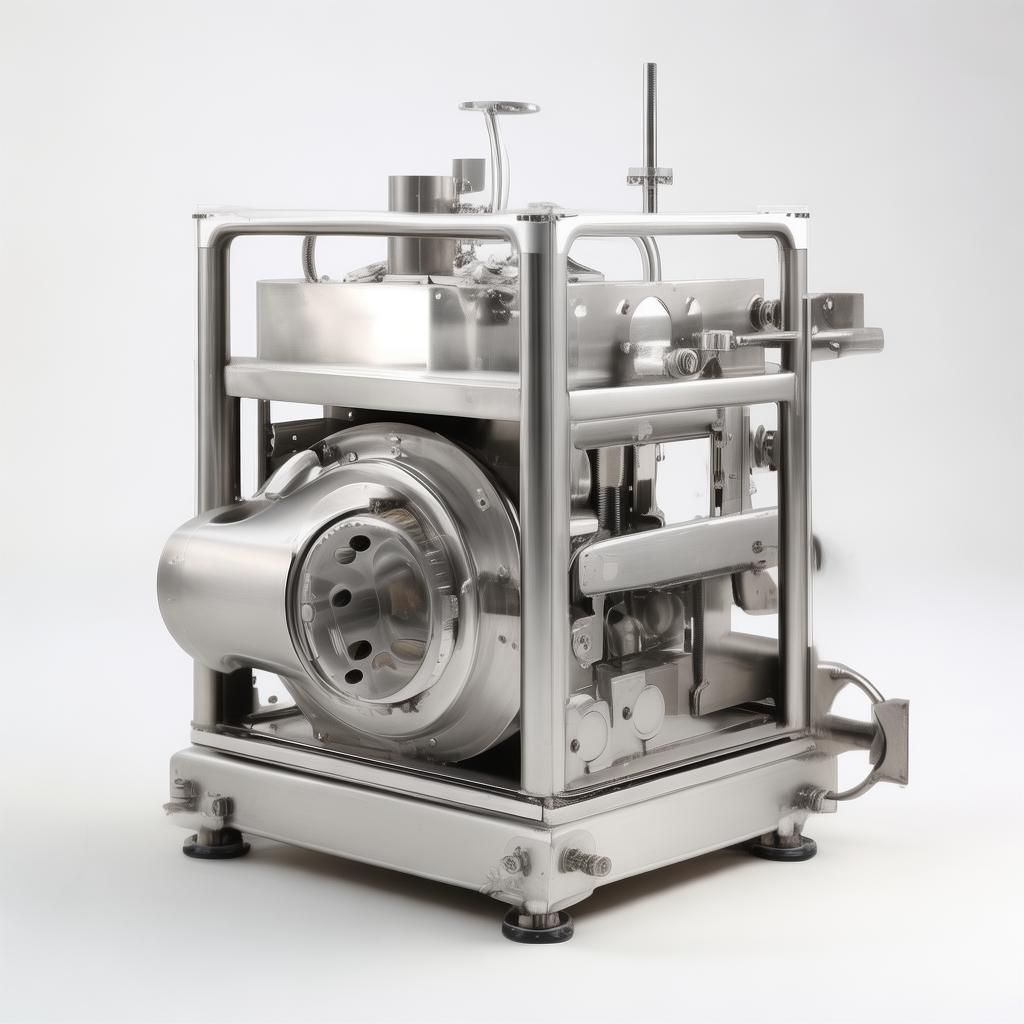
Mechanical Meat Tenderizers: Enhancing Quality, Efficiency, and Profitability for Global Food Processors
Precision Engineered Solutions for Superior Meat Texture and Yield



Unlock the Full Potential of Your Meat Products with Advanced Mechanical Tenderization
In today's competitive food processing landscape, achieving consistent quality, optimizing yield, and meeting stringent consumer expectations are paramount. For businesses dealing with a variety of meat products – from premium steaks and tender cuts to processed ingredients for pet food or ready-to-eat meals – the texture and tenderness of the final product can be the deciding factor between a satisfied customer and a lost opportunity. This is where advanced mechanical meat tenderizers play a crucial, often underestimated, role. These machines are not just about softening meat; they are sophisticated tools designed to improve intrinsic product quality, enhance marinade penetration, reduce cooking times, and ultimately, boost your bottom line.
The global meat processing equipment market is a significant industry, valued at over USD 11 billion and projected to expand considerably, with forecasts suggesting it will reach upwards of USD 17 billion by 2034. This growth is fueled by several key drivers: the ever-increasing global demand for processed meats, the necessity for greater automation to ensure hygiene and labor efficiency, and the constant drive to comply with ever-evolving food safety standards. Within this dynamic market, equipment focused on pretreatment, such as mechanical tenderizers, is seeing robust demand. They are fundamental for preparing meat for further processing, ensuring it meets the quality benchmarks consumers have come to expect.
Consider the challenges faced by a large-scale poultry processor: inconsistent muscle fiber density across different batches can lead to variations in chewiness, affecting consumer satisfaction and leading to product rejection. Or a beef producer aiming to tenderize tougher cuts to create value-added products that compete with premium options. Without effective pretreatment, achieving uniformity and desired texture is a constant battle. Mechanical meat tenderizers address these challenges directly by mechanically breaking down tough connective tissues and muscle fibers. This process doesn't just soften the meat; it can also open up the cellular structure, facilitating deeper and more uniform absorption of marinades, brines, and curing agents. This improved penetration leads to more flavorful products and can even reduce the amount of marinades needed, directly impacting costs.
Furthermore, the operational benefits are substantial. Tenderized meat often requires less cooking time, translating into energy savings and increased throughput on your production lines. For instance, a well-tenderized steak will cook more evenly and quickly than an untreated one. For processors of sausages, deli meats, or formed products, the enhanced texture can lead to better binding and a more appealing mouthfeel. The ability to work with a wider range of raw materials, including slightly tougher but more economical cuts, by rendering them palatable and desirable, offers significant cost-saving opportunities. This flexibility is critical for maintaining profitability in a market where raw material costs can fluctuate.
At Hebei Yuanchang Food Mechanism & Technology Co., Ltd., we understand these operational realities deeply. With nearly four decades of experience (since 1986) in designing and manufacturing specialized meat processing equipment, we've honed our craft to deliver machines that are not only effective but also robust, reliable, and built for the demands of international B2B trade. Our in-house machining capabilities, including advanced CNC centers, allow us to produce high-precision components that ensure the longevity and performance of our mechanical meat tenderizers. This commitment to quality control, from raw material sourcing to final assembly, is what sets us apart and provides our clients with the assurance they need for their critical production processes.

Our advanced mechanical tenderizers are engineered for peak performance.
Key Benefits at a Glance:
- Enhanced Meat Tenderness & Texture
- Improved Marinade/Brine Penetration
- Reduced Cooking Times & Energy Use
- Increased Product Yield & Profitability
- Consistent Quality Across Batches
- Versatile for Various Meat Types
Understanding the Mechanics: How Our Tenderizers Work
The core principle behind mechanical meat tenderization is the physical disruption of muscle fibers and connective tissues. Our machines achieve this through carefully engineered rotating blades or needles that perforate and cut the meat as it passes through the processing chamber. The design of these blades, their spacing, and the speed of rotation are critical variables that we meticulously control to ensure optimal results without over-processing or damaging the meat structure excessively.
Unlike some older or less sophisticated methods, our mechanical tenderizers are designed with precision and control in mind. For example, certain models utilize a dual-roller system where each roller is equipped with multiple sharp, food-grade stainless steel blades. As meat passes between these rollers, the blades make precise cuts and perforations. This action breaks down the tough collagen structures and muscle fibers, effectively tenderizing the meat. The result is a meat product that is significantly more tender, easier to chew, and more receptive to further processing like marination or cooking.
The effectiveness of our tenderizers is further amplified by their impact on marinade absorption. The micro-perforations created by the blades significantly increase the surface area available for liquids to penetrate. This means marinades, brines, and other flavor enhancers can reach deeper into the meat tissue more quickly and evenly. For processors, this translates to shorter marination times, reduced waste from ineffective marination, and more consistent flavor profiles across batches. It's a direct pathway to improved product quality and operational efficiency.
We offer various configurations to suit different production needs. Some units are designed for high-volume processing of bulk cuts, while others are more suited for smaller operations or specialized products. The choice often depends on the type of meat, the desired end-product texture, and the processing capacity required. For instance, a facility processing large beef primals might opt for a more robust unit with wider processing channels, whereas a producer of chicken tenders might require a model optimized for thinner cuts and higher throughput.
The materials used in our machines are also crucial for food safety and durability. We exclusively use high-grade, food-safe stainless steel for all components that come into contact with the meat. This ensures compliance with international food safety standards, prevents corrosion, and makes cleaning and sanitation straightforward – a critical consideration for any food processing operation. Our commitment to using quality materials extends to the mechanical components, ensuring reliable operation even under continuous heavy use. Our in-house manufacturing, including our specialized CNC machining capabilities, allows us to maintain exceptional control over the quality and precision of these vital parts.

Precision-engineered blades ensure effective tenderization.
Product Advantages: Why Choose Hebei Yuanchang?
When selecting a mechanical meat tenderizer, the choice of manufacturer is as important as the machine itself. Hebei Yuanchang Food Mechanism & Technology Co., Ltd. brings nearly four decades of dedicated experience to the table. Our long-standing presence in the industry isn't just a number; it represents a deep well of practical knowledge, continuous innovation, and a proven track record of delivering reliable equipment to food processors worldwide. We understand the nuances of meat processing operations, from initial raw material handling through to final product packaging.
Our advantage lies in a combination of factors that directly benefit your business:
- Engineering Excellence & Precision Manufacturing: Equipped with over 20 sets of processing machinery, including high-precision grinding machines, boring machines, and wire cutting equipment, and notably, 8 sets of Japanese Mazak CNC machining centers installed in 2012. This advanced infrastructure allows us to produce highly precise, non-standard, and large-volume components, ensuring the superior build quality and performance of our tenderizers. This capability means tighter tolerances, better component longevity, and consistent operational reliability.
- Customization & OEM/ODM Capabilities: We recognize that one size doesn't fit all in the complex world of food processing. Our R&D team and extensive manufacturing capabilities enable us to offer OEM (Original Equipment Manufacturer) and ODM (Original Design Manufacturer) services. Whether you need modifications to an existing design or a completely custom-engineered solution tailored to your unique workflow and product specifications, we have the expertise and flexibility to deliver.
- Durability and Food Safety Compliance: All components in contact with food are made from high-grade, food-safe stainless steel (e.g., SUS304). This ensures maximum hygiene, prevents cross-contamination, and withstands the rigorous cleaning protocols common in food processing environments. Our commitment to quality materials directly contributes to the longevity of the equipment and the safety of your products.
- Operational Efficiency & Yield Optimization: Our tenderizers are designed to maximize throughput and minimize downtime. The efficient breakdown of muscle fibers not only improves tenderness but can also help reduce cooking times and improve yield by reducing moisture loss during cooking. We focus on designing machines that are easy to operate and maintain, keeping your production lines running smoothly.
- Global Export Experience: With an area of approximately 14,000 square meters and a dedicated team of 80-100 employees, we are fully equipped to handle international orders. Our extensive experience in exporting meat processing equipment means we understand global logistics, packaging requirements, and international compliance standards, ensuring a smooth transaction from our factory to your facility, anywhere in the world.
- Traceable After-Sales Support: Our independently developed traceable after-sales management system ensures that we can provide comprehensive support, including the provision of high-precision parts. This independent capability means faster response times and a more reliable service for our global clientele, reducing potential production disruptions.
Choosing Hebei Yuanchang means partnering with a manufacturer that values precision, reliability, and customer success. We don't just sell machines; we provide solutions backed by decades of industry insight and a commitment to quality that is hard to match.
Supplier Evaluation Note for Procurement Managers:
When evaluating suppliers for critical processing equipment like mechanical tenderizers, consider factors beyond just price. Look for manufacturers with:
- Demonstrable experience and a long operational history (e.g., since 1986).
- In-house manufacturing and machining capabilities for quality control.
- Evidence of investment in advanced technology (e.g., CNC centers).
- Commitment to food-grade materials and international standards.
- Proven export track record and robust logistics support.
- A clear after-sales service and spare parts strategy.
Hebei Yuanchang aligns with these critical criteria, offering a secure and reliable partnership.
Technical Specifications: Model YC-MT1000
To provide clarity on the capabilities of our leading mechanical meat tenderizer model, the YC-MT1000, we've outlined its key technical specifications below. This unit is designed for medium to high-volume processing, offering a balance of power, precision, and operational efficiency. It's suitable for a wide range of meats, including beef, pork, lamb, poultry, and even certain types of fish. Understanding these specifications is crucial for determining if this model aligns with your specific production line requirements and output goals.
| Specification | Details |
|---|---|
| Model Name | YC-MT1000 |
| Processing Capacity | Up to 1000 kg/hour (varies based on product and settings) |
| Power Supply | 380V / 50Hz / 3 Phase (Customizable for other voltages/frequencies) |
| Motor Power | 4.0 kW |
| Blade Type | Interchangeable sharp stainless steel blades (food-grade) |
| Blade Arrangement | Dual rotating roller system |
| Conveyor Width | 300 mm |
| Machine Dimensions (L x W x H) | 1500 mm x 800 mm x 1200 mm |
| Machine Weight | Approx. 350 kg |
| Material Construction | High-grade SUS304 Stainless Steel |
| Safety Features | Emergency stop button, safety guards, interlock switches |
| Application | Beef, Pork, Lamb, Poultry, Fish, Pet Food Ingredients |
| Certifications (Available upon request) | CE, ISO (Factory Certification) |
meat tenderiser machine meat tenderizer uses Automatic meat tenderizer
Note: Specifications are subject to change without prior notice to improve performance and quality. Please consult with our sales engineers for the most up-to-date information and customization options.
Applications Across the Meat Industry
The versatility of mechanical meat tenderizers makes them indispensable across a broad spectrum of the meat processing industry. Their ability to enhance texture and improve penetration makes them a key piece of equipment for numerous applications, driving efficiency and product quality.
- Beef & Steak Processing: Tenderizing tougher cuts of beef to create more palatable steaks, roasts, and ground beef products. This allows producers to utilize a wider range of beef carcasses, improving overall yield and profitability while meeting consumer demand for tender beef.
- Pork & Poultry Products: Ideal for tenderizing pork loins, chops, and chicken breasts. The perforations enhance marinade absorption, crucial for pre-marinated products, BBQ ribs, and fried chicken offerings. For processed pork products, it aids in binding and texture development.
- Processed Meats: Essential for preparing meat for sausages, deli meats, ham, and pâtés. The tenderization process can improve the emulsification and binding properties of the meat, leading to a smoother texture and better sliceability in the final product.
- Pet Food Manufacturing: A significant application in the pet food industry, where mechanical tenderization can improve the texture and digestibility of meat components, ensuring a palatable and nutritious final product for pets.
- Ready-to-Eat Meals & Convenience Foods: For producers of pre-cooked meals, stir-fry kits, or other convenience items, tenderized meat cooks faster and more evenly, contributing to efficient production and a better consumer experience.
- Value-Added Products: From meat marinated for specific cuisines to specially formed meat products, the tenderizer is often the first step in creating unique, high-margin items. It ensures that whatever subsequent processing or flavoring is applied, the base meat is optimally prepared.
The market reports consistently highlight tenderizing equipment as a key segment within the broader meat processing machinery landscape. With the global processed meat market projected to exceed USD 1.2 trillion by 2034, the demand for efficient pretreatment equipment like mechanical tenderizers is only set to grow. Our machines are engineered to be flexible enough to handle these diverse requirements, providing a solid foundation for product development and consistent quality.
Installation & Operational Insights
While our mechanical meat tenderizers are designed for robust performance, proper installation and operational practices are key to maximizing their lifespan and efficiency. We aim to provide our international clients with the knowledge they need for seamless integration into their existing or new production lines.
Installation Considerations:
- Electrical Connections: Ensure your facility's power supply meets the specified voltage, frequency, and phase requirements (e.g., 380V / 50Hz / 3 Phase). A qualified electrician should perform all connections, adhering to local electrical codes and safety standards. Proper grounding is essential.
- Space Requirements: Allow adequate space around the machine for operation, maintenance, and cleaning. Access to the infeed and outfeed conveyors, as well as the main service panel, should be unobstructed. Consider ventilation requirements for the motor.
- Environmental Conditions: The machine is designed for typical food processing environments. Avoid areas with excessive dust, corrosive fumes, or extreme temperatures that could affect performance or component lifespan.
- Integration with Production Line: Position the tenderizer logically within your workflow. Ensure the height and angle of the infeed and outfeed conveyors are compatible with upstream and downstream equipment to facilitate smooth product transfer.
Daily Operation & Best Practices:
- Pre-Operation Checks: Before starting, visually inspect the machine for any loose parts, debris, or damage. Check the condition of the blades.
- Product Loading: Feed meat products onto the conveyor belt evenly and consistently. Avoid overloading the machine, as this can strain the motor and reduce processing quality. Ensure pieces are not excessively frozen or contain bones/hard inclusions unless the machine is specifically designed for such materials.
- Monitoring: Keep an eye on the product as it passes through the tenderizer. Observe the texture and ensure it meets your quality standards. Listen for any unusual noises from the motor or mechanical components, which could indicate a need for adjustment or maintenance.
- Cleaning and Sanitation: This is paramount in food processing. After each production run, or at scheduled intervals, thoroughly clean all food-contact surfaces. Use approved cleaning agents and sanitizers. Ensure all parts are dried properly before the next use to prevent microbial growth. Our SUS304 stainless steel construction facilitates easy cleaning.
We provide detailed operation and maintenance manuals with each machine, covering specific procedures for your model. Our technical support team is also available to answer any operational questions you may have as you integrate the tenderizer into your facility.
Procurement Tip:
When budgeting for new equipment, factor in training and initial setup time. Proper understanding of operation and maintenance from day one can prevent costly errors and extend the equipment's service life significantly. Our support documentation and team are here to assist.
Maintenance & Longevity: Keeping Your Investment Running
A well-maintained mechanical meat tenderizer is a long-term asset. Our machines are built for durability, but like any industrial equipment, regular maintenance is crucial to prevent unexpected breakdowns and ensure optimal performance. Our commitment to quality extends to providing guidance that helps our clients maximize the return on their investment.
Routine Maintenance Schedule:
- Daily: Thorough cleaning of all food-contact surfaces. Visual inspection of blades for damage or excessive wear. Check for any leaks or unusual noises.
- Weekly: Lubricate specified moving parts (bearings, chains, etc.) with food-grade lubricant as per the manual. Inspect drive belts for tension and wear. Ensure all safety guards are securely in place.
- Monthly: Check the tension of all drive belts. Inspect all electrical connections for tightness and signs of corrosion. Examine the frame and structure for any signs of stress or damage.
- Annually (or as per usage): Professional inspection of critical components, including motor, gearboxes, and bearings. Consider professional sharpening or replacement of blades if wear is significant.
Blade Care & Replacement:
The blades are the heart of the tenderizer. Their sharpness directly impacts the effectiveness of the tenderization process and the strain on the motor. Over time, even the hardest blades will dull. Dull blades can tear meat rather than cut it cleanly, leading to a less desirable texture and increased energy consumption. We offer readily available replacement blades made from high-quality, food-grade stainless steel. Regular inspection and timely replacement are essential for consistent results and efficient operation. Depending on the volume and type of meat processed, blades may need sharpening or replacement every few months. We can advise on the optimal replacement schedule based on your specific operational profile.
Troubleshooting Common Issues:
- Machine Vibrating Excessively: This could be due to uneven loading, worn bearings, or loose components. Check for balanced product distribution on the conveyor and inspect bearings and fasteners.
- Motor Overheating: May indicate overloading, insufficient ventilation, or a failing motor. Ensure the machine is not being pushed beyond its rated capacity and check motor cooling vents for blockages.
- Poor Tenderization Quality: Most often a sign of dull blades. Inspect and replace blades as needed. Also, check if the meat is too frozen or if the conveyor speed is set incorrectly.
Our traceable after-sales management system is designed to support you with spare parts and technical guidance. If you encounter any issues, our team is ready to help diagnose and resolve them efficiently, minimizing any impact on your production schedule.
Logistics & Global Shipping: Your Partner in International Trade
Hebei Yuanchang Food Mechanism & Technology Co., Ltd. is a seasoned exporter of industrial machinery. We understand that reliable and efficient international shipping is as critical as the quality of the equipment itself. Our goal is to ensure your mechanical meat tenderizer reaches your facility safely, on time, and in compliance with all necessary regulations.
Packaging for International Transit:
We employ robust packaging methods designed to protect our machinery during long-distance sea or air freight. Typically, machines are mounted on sturdy wooden pallets, wrapped in protective plastic sheeting, and often enclosed in a reinforced wooden crate or container. All components are secured to prevent movement during transit. We pay close attention to details like securing electrical panels and ensuring delicate parts are shielded.
Shipping Options & Documentation:
We work with reputable international freight forwarders to offer various shipping options, including:
- FCL (Full Container Load): Ideal for larger orders or when you need exclusive use of a container.
- LCL (Less than Container Load): Suitable for smaller orders, where your equipment shares space with other shipments.
- Air Freight: For urgent deliveries, though typically more expensive.
Accurate and comprehensive documentation is vital for international trade. We provide all necessary export documents, including:
- Commercial Invoice
- Packing List
- Bill of Lading (or Air Waybill)
- Certificate of Origin
- CE Declaration of Conformity (if applicable and requested)
- User Manual & Technical Documentation
We can also assist with documentation required for specific import regulations in your country. Our export team is experienced in navigating customs procedures to facilitate smooth clearance.
Lead Times & Delivery:
Our standard lead time for production is typically between 30-60 days, depending on the complexity of the order and our current production schedule. Shipping time varies significantly based on destination and mode of transport, but can range from 7 days (air freight to major hubs) to 30-45 days (sea freight to North America or Europe). We will provide an estimated delivery timeline upon order confirmation and keep you updated throughout the process.
Our goal is to make the international procurement process as transparent and straightforward as possible. We are committed to providing reliable logistics solutions that ensure your equipment arrives ready to enhance your operations.
Customs Clearance Note:
Importers are responsible for understanding and complying with their country's customs duties, import taxes, and any specific regulations (e.g., food safety certifications required by local authorities). We recommend consulting with your customs broker or relevant government agencies well in advance of shipment to ensure a seamless import process.
Certifications & Quality Assurance
Quality and safety are non-negotiable in the food processing industry. At Hebei Yuanchang, our commitment to excellence is reflected not only in our manufacturing processes but also in our adherence to international standards. While specific product certifications can vary, our factory operates under stringent quality management systems, and we can provide relevant documentation to support your import and operational requirements.
Our Manufacturing Standards:
-
ISO 9001 (Factory Certified): Our manufacturing facilities adhere to the ISO 9001 quality management system standards. This ensures that our processes are consistently monitored and controlled, leading to reliable product quality and continuous improvement. (Refer to
 for typical certification).
- Food-Grade Materials: As highlighted, all food-contact components are constructed from high-grade SUS304 stainless steel, meeting stringent international food safety requirements.
-
CE Marking (Available): For products destined for the European market, we can ensure compliance and provide CE marking where applicable, demonstrating adherence to EU health, safety, and environmental protection standards. (Refer to
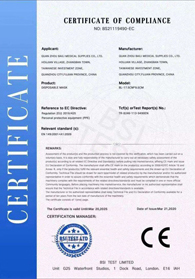 for typical certification).
-
RoHS Compliance (Upon Request): For electrical components, we can ensure RoHS (Restriction of Hazardous Substances) compliance for markets where this is a regulatory requirement. (Refer to
 for typical certification).
We understand that specific markets may have unique certification demands. For instance, the US FDA (Food and Drug Administration) regulations are critical for products entering the United States. While our equipment is manufactured to be safe and compliant, specific FDA registration or certification for individual machines may require additional review based on the exact application and destination. We are happy to discuss your specific market's requirements and explore how we can best meet them. Our experience in exporting means we are accustomed to navigating these regulatory landscapes.
Expert Advice for Buyers:
Always verify the required certifications for your target market before placing an order. Manufacturers should be transparent about their certifications and capabilities. Request copies of relevant certificates. For products entering the US, inquire about compliance with FDA regulations, especially regarding materials and sanitation.
Why Partner with Hebei Yuanchang? A Buyer's Perspective
As a global buyer, you're navigating complex supply chains, diverse quality standards, and fluctuating market demands. Selecting the right manufacturing partner is critical to your operational success and profitability. Hebei Yuanchang Food Mechanism & Technology Co., Ltd. offers a compelling proposition built on decades of experience, technical prowess, and a customer-centric approach.
For nearly 40 years, we've been at the forefront of meat processing equipment innovation and manufacturing. Our facility, spanning 14,000 square meters, is home to a dedicated team of 80-100 skilled professionals – engineers, technicians, and sales experts – all focused on delivering solutions that drive value for our clients. This isn't just about producing machines; it's about building lasting partnerships based on trust and performance.
Our investment in advanced manufacturing technology, including Japanese Mazak CNC machining centers, sets us apart. This allows us to achieve extremely high levels of precision, enabling the production of custom components and machinery that meets exacting international standards. This internal capability means we control quality from concept to completion, reducing reliance on external suppliers and ensuring consistency.
Procurement Decision Workflow Insight:
When evaluating manufacturers for key equipment like mechanical tenderizers, procurement professionals typically consider:
- Technical Specification Alignment: Does the product meet or exceed your required performance metrics?
- Manufacturing Capability & Quality Control: Does the supplier have the infrastructure and processes to ensure consistent quality? (e.g., in-house CNC, ISO certification).
- Customization & Flexibility: Can they adapt to your specific needs or OEM/ODM requirements?
- Export Experience & Logistics: Are they equipped to handle international shipping and documentation smoothly?
- After-Sales Support & Spare Parts: What is their strategy for post-purchase support?
- Price vs. Value: Balancing upfront cost with long-term operational efficiency, reliability, and total cost of ownership.
Hebei Yuanchang excels across these critical evaluation points, offering substantial value and reducing procurement risk.
We invite you to experience the difference that comes with partnering with a manufacturer that truly understands your needs. Whether you are looking to enhance the tenderness of your high-end steaks, improve the consistency of processed meats, or explore OEM opportunities for specialized equipment, we have the expertise and capability to support your growth.
Customer Testimonials
Hear directly from our satisfied clients about how our mechanical meat tenderizers have transformed their operations.

Procurement Manager, Sterling Foods Inc.
"We were struggling with inconsistent tenderness in our beef cuts. The YC-MT1000 from Hebei Yuanchang has been a game-changer. Installation was straightforward, and the consistent results have significantly improved customer feedback and reduced waste. Their export team was very professional, handling all the shipping details efficiently."

Operations Lead, Carnes Selectas Ltd.
"The quality and marinades penetration we get with their tenderizer is remarkable. We've cut down marination time by nearly 30%, allowing us to increase our production output. The machine's robust construction means it handles our daily high-volume runs without any issues. Highly recommended."

Plant Manager, Asia Pet Nutrition
"For our pet food ingredients, achieving the right texture is crucial for palatability and digestibility. Hebei Yuanchang's tenderizer has significantly improved the consistency of our meat pastes. Their willingness to discuss OEM modifications for our specific needs was also a major plus. Excellent value."

Head of Quality Control, EuroMeat Packers
"The precision of this machine is impressive. It breaks down connective tissue effectively without turning the meat into mush. This is vital for our sausage production, where texture integrity is key. The stainless steel construction makes sanitation checks straightforward, which is a constant priority for us."
Frequently Asked Questions (FAQ)
Navigating the specifics of industrial equipment can bring up many questions. We've compiled answers to some of the most common inquiries regarding mechanical meat tenderizers.
1. What types of meat can be tenderized?
Our mechanical meat tenderizers are suitable for a wide variety of meats, including beef, pork, lamb, poultry (chicken, turkey), and even some types of fish. The effectiveness and resulting texture can vary based on the specific meat's natural structure and the machine's settings.
2. How does mechanical tenderization differ from chemical tenderizers?
Mechanical tenderization uses physical force (cutting and perforating) to break down tough muscle fibers and connective tissues. Chemical tenderizers, typically enzymes like papain or bromelain, break down proteins biochemically. Mechanical tenderization is often preferred for its consistency, lack of residual chemicals, and ability to improve marinade absorption, while chemical methods can sometimes over-tenderize or affect flavor if not carefully controlled.
3. Is it difficult to clean and maintain the machine?
No, our machines are designed with food processing environments in mind. They are constructed from food-grade SUS304 stainless steel, which is easy to clean and sanitize. We provide detailed operation and maintenance manuals that outline daily cleaning procedures and routine maintenance tasks. Regular maintenance ensures longevity and optimal performance.
4. What is the typical lifespan of the blades?
The lifespan of the blades depends heavily on usage volume, the type of meat processed, and maintenance practices. For high-volume operations, blades may require sharpening or replacement every few months. We supply high-quality replacement blades and advise on optimal replacement schedules.
5. Can you provide OEM or custom modifications?
Yes, absolutely. With our advanced in-house manufacturing capabilities, including CNC machining centers, we specialize in OEM and ODM services. We can modify existing designs or engineer entirely new solutions to meet your specific operational requirements or product development goals.
6. What are the shipping and delivery times for international orders?
Standard production lead time is typically 30-60 days. Shipping times vary by destination and mode of transport, ranging from 7-45 days. We manage international logistics and provide all necessary export documentation for a smooth import process.
Ready to Enhance Your Meat Processing Operations?
Discover how our high-performance mechanical meat tenderizers can significantly improve your product quality, operational efficiency, and profitability.
Contact us today for a personalized consultation and discover the Hebei Yuanchang advantage.
Get In Touch
Contact Information
Company: Hebei Yuanchang Food Mechanism & Technology Co., Ltd.
Address: Shijiazhuang, Hebei Province, China
Phone: +86 15830991513
Email: ycmeatmech@gmail.com
Website: www.ycmeatmech.com
Meet Our Experts:

Export Director

Senior Engineer
Send Us a Message
© 2026 Hebei Yuanchang Food Mechanism & Technology Co., Ltd. All rights reserved.
Chat Support Snippets
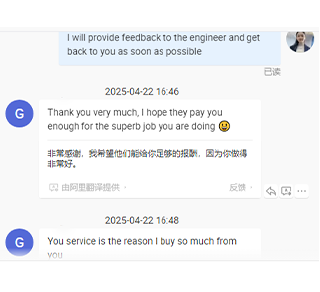
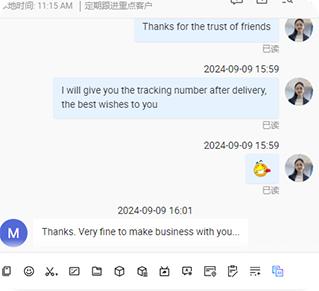
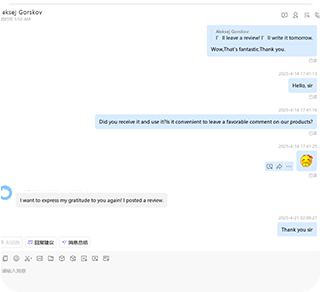
These snippets represent typical interactions, showcasing our responsiveness and technical guidance.