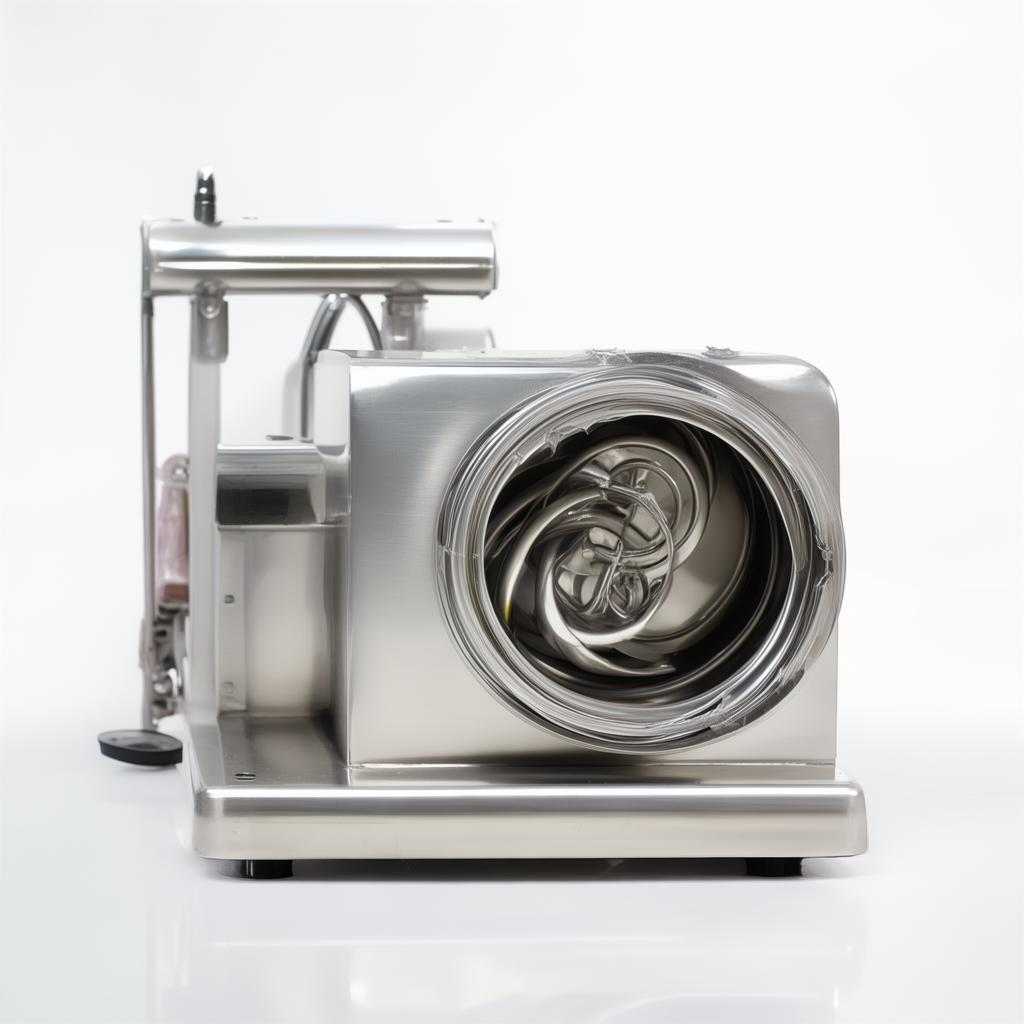
Meat Vacuum Mixer
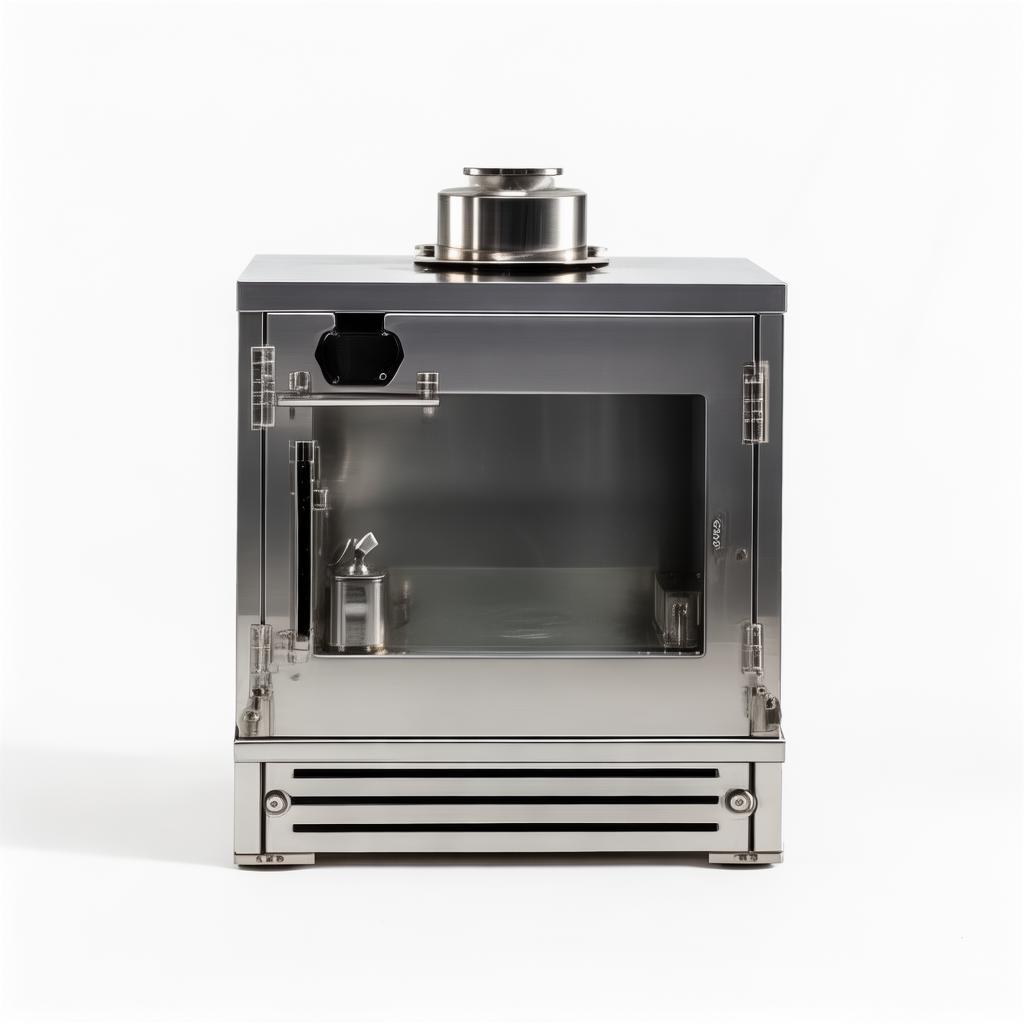
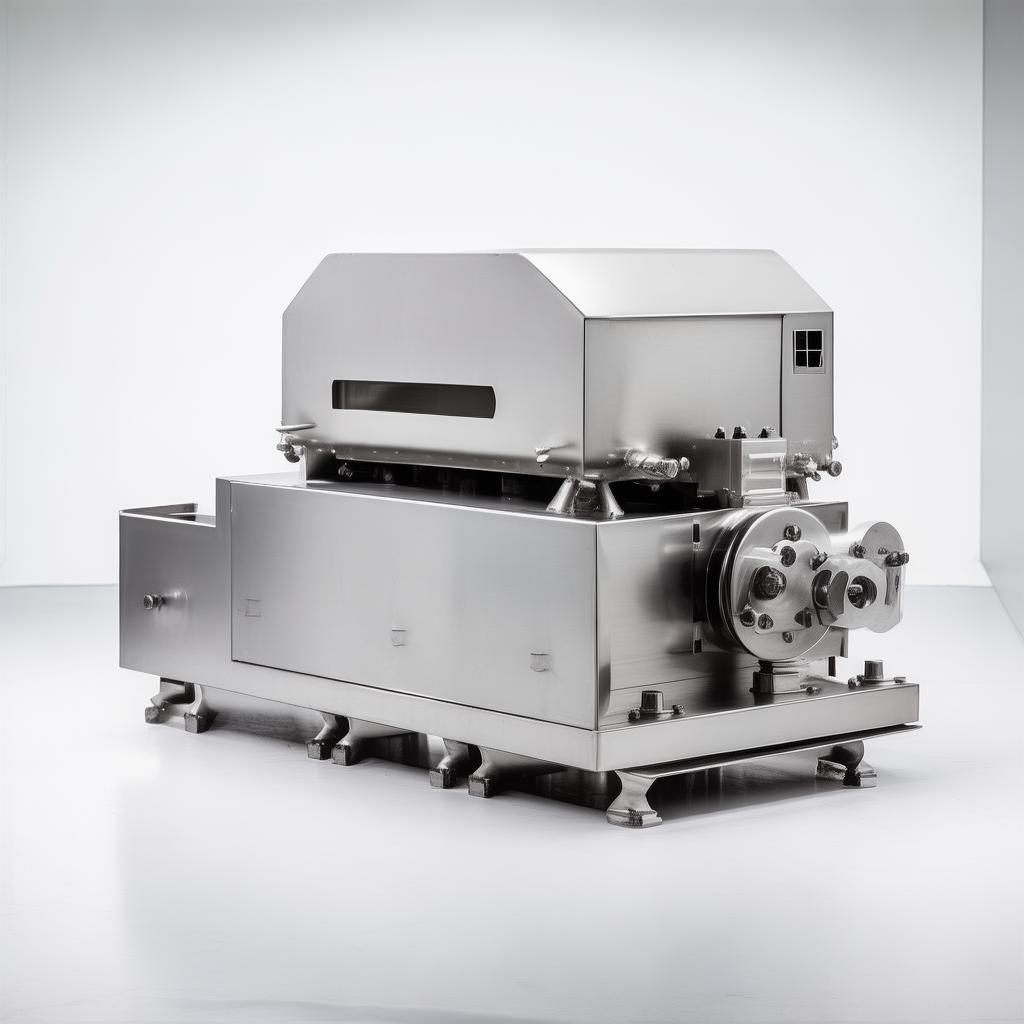
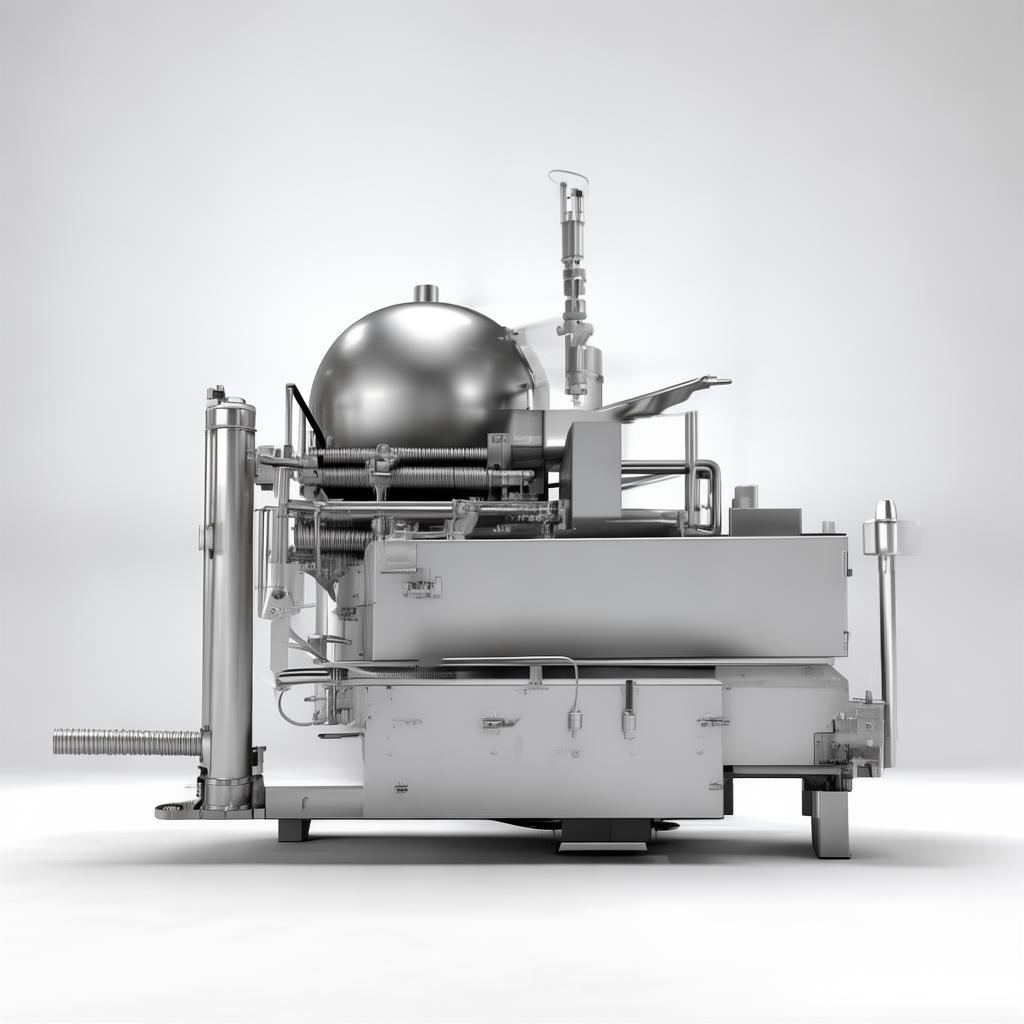
Advanced Meat Vacuum Mixers: Precision, Efficiency, and Quality for Global Food Processors
In the competitive landscape of modern meat processing, achieving consistent quality, optimizing production efficiency, and ensuring product safety are paramount. For manufacturers aiming to elevate their offerings—whether it's sausages, cured meats, pet food, or specialty meat products—the choice of processing equipment is critical. Among the most impactful machines in any high-volume or quality-focused operation is the meat vacuum mixer. This isn't just about blending ingredients; it's about precise formulation, texture enhancement, and extending shelf life. At Hebei Yuanchang, with our four decades of experience since 1986, we've seen firsthand how the right vacuum mixer can transform a production line. This guide delves into why these machines are indispensable and what to look for when sourcing them internationally.
Understanding the Core Functionality: Beyond Simple Mixing
A meat vacuum mixer, at its heart, is designed to thoroughly combine meat with various ingredients—spices, binders, water, and other additives. The 'vacuum' aspect, however, is what truly sets it apart. By operating under a reduced atmospheric pressure, the mixer draws out air trapped within the meat mixture. This process is crucial for several reasons:
- Improved Product Texture and Consistency: Removing air pockets leads to a denser, more uniform product. This is especially vital for products like sausages and hams, where a smooth, consistent bite is desired. It prevents unwanted voids and ensures that every portion offers the same mouthfeel.
- Enhanced Binding and Emulsification: When air is absent, meat proteins can bind more effectively with other ingredients. This results in better emulsification of fats and liquids, leading to a more stable final product that's less prone to separation during cooking or storage.
- Extended Shelf Life: Oxygen is a primary driver of spoilage. By removing air, the vacuum mixer minimizes oxidation, thus slowing down the degradation of fats and the growth of aerobic microorganisms. This directly contributes to a longer, more reliable shelf life for your products, reducing waste and increasing market reach.
- Deeper Flavor Penetration: The vacuum process can help marinades and spices penetrate the meat more thoroughly and uniformly, leading to a richer, more consistent flavor profile across batches.
Why Meat Vacuum Mixers Are Essential for Global Meat Processors
The global meat processing equipment market is substantial, with reports indicating a valuation of over USD 11 billion and projected growth towards USD 17-30 billion by 2034, driven by increasing demand for processed meats and automation. This surge is particularly evident in regions like Asia-Pacific, where industrialization of processing facilities is rapidly advancing. For any international supplier or large-scale producer, a reliable vacuum mixer is not just an option; it's a necessity for staying competitive.
Consider the challenges faced by procurement managers: ensuring product consistency across different batches and export markets, meeting stringent food safety regulations (like those mandated by the FDA or EU standards), and optimizing operational costs. A high-quality vacuum mixer addresses these directly. It standardizes the mixing process, making it less reliant on manual intervention and variability. This standardization is key for meeting both domestic quality expectations and the diverse requirements of international clients. For example, a producer supplying the US market needs to adhere to FDA guidelines for food contact materials and processing hygiene, while European buyers might look for CE certification and compliance with specific food safety directives. Our machines are designed with these global standards in mind.
The demand for processed and convenience meats, including sausages, cured products, and ready-to-eat meals, continues to fuel the market for specialized processing equipment. Reports highlight that the processed meat market itself is projected to exceed USD 1.3 trillion by 2035. This burgeoning demand means production lines need to be efficient and scalable. Vacuum mixers are central to achieving the desired texture and binding for many of these products, from high-volume sausage production to the creation of premium, value-added meat items.
Key Features to Evaluate in a Meat Vacuum Mixer
When selecting a vacuum mixer, particularly for international procurement, several technical and operational aspects warrant close attention. At Hebei Yuanchang, we engineer our machines with a focus on durability, performance, and ease of use.
Mixing Mechanism
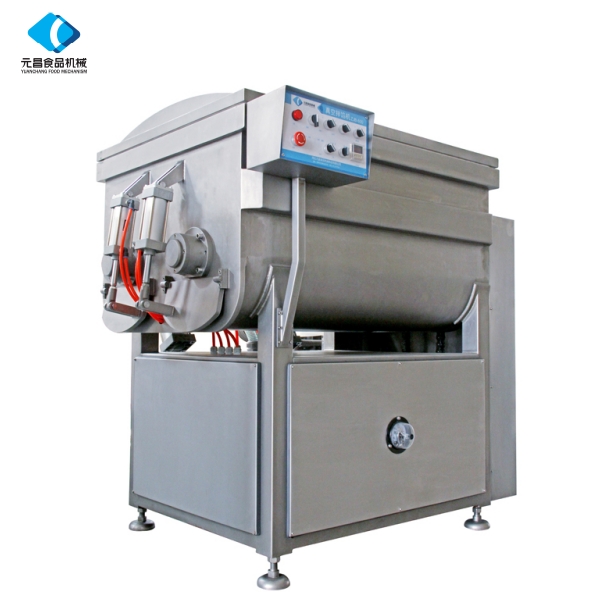
The design of the mixing paddles or augers is crucial. Options typically include spiral, paddle, or planetary designs. Spiral mixers are common for initial bulk mixing, while paddle designs are excellent for delicate products and ensuring thorough distribution. Planetary mixers offer a more complex, yet highly effective, kneading action. The material of the paddles (usually stainless steel) and their ability to scrape the bowl effectively prevents product buildup and ensures even mixing.
Vacuum System
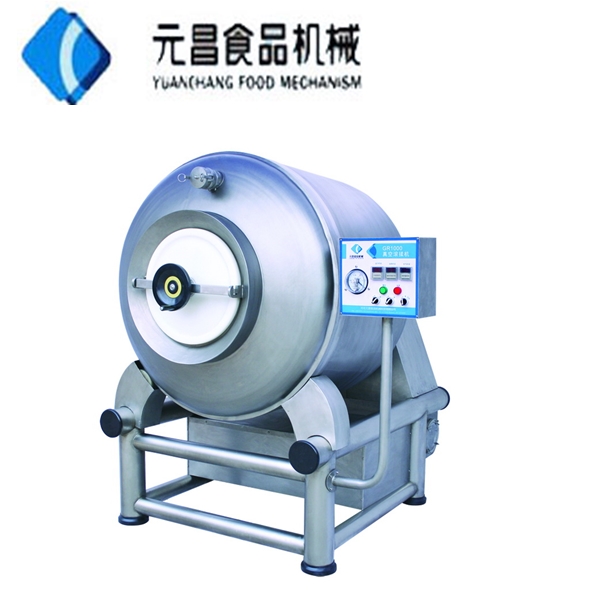
The efficiency of the vacuum pump dictates how quickly and thoroughly air is removed. Look for robust, reliable pumps with adequate capacity for your batch size. Some systems also include features for flushing the vacuum line with inert gas, further enhancing preservation.
Bowl Capacity and Material
Capacities vary widely, from small benchtop units to large industrial machines capable of handling thousands of pounds per batch. Bowl construction is invariably high-grade stainless steel (e.g., SUS304 or SUS316) for hygiene, durability, and corrosion resistance. Consider your typical batch sizes and available floor space.
Control System
Modern units often feature programmable logic controllers (PLCs) for precise control over mixing time, vacuum levels, and paddle speed. This level of automation ensures repeatability and reduces the risk of operator error. Simple timer-based controls are also available for less complex needs.
Construction and Hygiene Standards
Given that this is food processing equipment, robust stainless steel construction is non-negotiable. All surfaces should be smooth, free of crevices where bacteria can accumulate, and easy to clean. Designs compliant with HACCP principles are highly desirable. Look for features like removable components for deep cleaning.
Applications Across the Meat Industry
The versatility of a meat vacuum mixer means it finds application across a broad spectrum of meat product manufacturing:
- Sausage and Cured Meats: Essential for creating uniform sausage batters, ensuring proper protein binding for products like frankfurters, bratwurst, and salami. It also aids in the even distribution of curing agents and flavorings in products like ham and bacon.
- Patty and Burger Production: Creates cohesive meat mixtures that hold their shape well during cooking and minimize shrinkage.
- Processed Poultry and Fish: Ideal for blending finely ground chicken or fish with binders and seasonings for products like fish cakes or chicken nuggets.
- Pet Food Manufacturing: Crucial for creating consistent, high-quality pet food formulations where texture and ingredient integration are key. The reconstituted meat market, for instance, relies heavily on advanced molding and pretreatment equipment.
- Specialty Meat Products: From meatballs to meatloaf mixes, the vacuum mixer ensures optimal ingredient incorporation and texture.
Hebei Yuanchang's Commitment to Quality and Export Excellence
Established in 1986, Hebei Yuanchang Food Mechanism & Technology Co., Ltd. has dedicated over 40 years to mastering the art and science of meat processing equipment. Our facility spans 14,000 square meters, housing a team of 80-100 skilled professionals. We integrate research and development, precision manufacturing, and global sales to deliver machinery that meets the highest international standards.
Our in-house machining workshop is a testament to our dedication to quality. Equipped with over 20 sets of advanced processing machinery—including lathes, milling machines, high-precision grinders, boring machines, and wire cutting equipment—we have the capability to produce components to exacting specifications. The integration of 8 Japanese Mazak CNC machining centers since 2012 allows us to manufacture high-standard, non-standard, and large-volume components with unparalleled precision. This self-sufficiency in component production ensures that we maintain strict quality control from raw material to finished product, guaranteeing reliable performance and, crucially, a traceable and robust after-sales service.
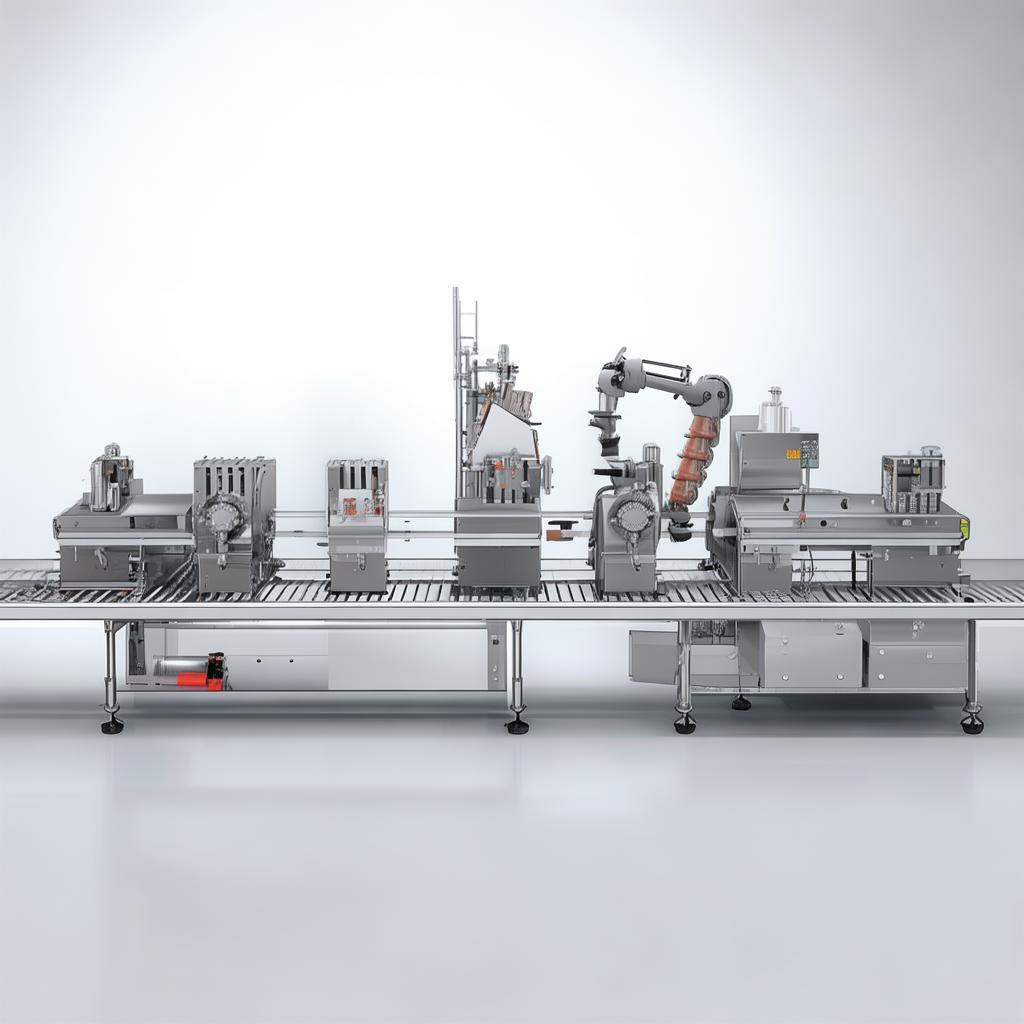
We understand the complexities of international trade. Our export experience means we are adept at navigating customs, logistics, and compliance requirements for major markets like the USA. Whether you require a standard model or a custom OEM/ODM solution, our technical team is ready to collaborate. We offer complete production lines, covering pretreatment, filling, molding, and ripening processes.

Procurement Insights: What to Expect and How to Choose
Sourcing industrial equipment internationally requires a strategic approach. When evaluating suppliers for meat vacuum mixers, consider these factors:
- Experience and Track Record: Look for manufacturers with a long history, especially in producing equipment for your specific product type. Our 40 years in operation provide a deep well of practical knowledge.
- Technical Capabilities: Can they offer customization (OEM/ODM)? Do they have in-house machining for critical components? This is where precision machinery like our Mazak CNC centers become indispensable for quality.
- Certifications and Compliance: Ensure the equipment meets relevant international standards (e.g., CE for Europe, or designs compliant with FDA guidelines for the US market). While specific certifications vary, demonstrating an understanding of these requirements is key.
- After-Sales Support: How is spare parts availability handled? Is there technical support accessible? Our traceable after-sales management system is designed for exactly this.
- Logistics and Shipping: Understand lead times, packaging methods for international transit, and shipping options. We can provide quotes for FOB, CIF, or DDP terms as needed. Ensure the equipment is robustly crated to withstand the rigors of container transport.
Technical Specifications Table
| Feature | Model A (Example) | Model B (Example) |
|---|---|---|
| Bowl Capacity | 100 Liters (approx. 50-70 kg batch) | 500 Liters (approx. 250-350 kg batch) |
| Material | Food-grade Stainless Steel (SUS304) | Food-grade Stainless Steel (SUS304) |
| Mixing Type | Double Spiral Paddles | Double Paddle with Scraper |
| Vacuum System | Rotary Vane Vacuum Pump | High-efficiency Vacuum Pump |
| Motor Power | 2.2 kW | 5.5 kW |
| Control | Digital Timer Control | PLC Control with Touchscreen |
| Dimensions (L x W x H) | 1200 x 800 x 1300 mm | 2000 x 1200 x 1800 mm |
| Voltage | 380V / 50Hz / 3 Phase (Customizable) | 380V / 50Hz / 3 Phase (Customizable) |
vacuum meat mixer meat vacuum packaging machine commercial meat mixer machine
Note: Specifications are subject to change based on customization and specific model. Please request a detailed catalog for precise requirements.
Installation, Maintenance, and Operational Tips
Proper installation and routine maintenance are key to maximizing the lifespan and performance of your vacuum mixer.
- Installation: Ensure the machine is placed on a stable, level surface. Proper electrical connections are vital. For large units, consider accessibility for cleaning and material loading/unloading. If connecting to existing processing lines, consult with our technical team for optimal integration.
- Cleaning: Thorough cleaning after each use is paramount to prevent bacterial growth and cross-contamination. Use food-grade cleaning agents and ensure all parts, especially paddles and bowl interiors, are meticulously cleaned and dried. Removable parts should be cleaned separately.
- Maintenance: Regularly inspect paddles for wear and tear. Check vacuum pump seals and oil levels (if applicable). Lubricate moving parts as per the operation manual. A proactive maintenance schedule can prevent costly breakdowns and extend the machine's operational life significantly. For example, maintaining vacuum pump efficiency ensures the core benefit of air removal is consistently achieved.
Hear From Our Global Clients

Operations Manager, USA
"We upgraded to a Yuanchang vacuum mixer for our sausage line and the difference is night and day. The texture is so much smoother, and we're seeing about a 5% increase in yield due to better water binding. Their export process was smooth, and the machine arrived well-packaged."

Procurement Lead, Mexico
"Reliability is key for us. Yuanchang's vacuum mixer has been running non-stop for six months with zero issues. The consistent mixing ensures our ham products meet export standards. Excellent technical support when we had questions about integration."

Factory Manager, Japan
"We are impressed with the build quality and the efficiency of the vacuum system on their larger model. It has significantly improved the shelf-life and texture of our processed meat snacks. The communication for our custom order was very professional."
Frequently Asked Questions (FAQ)
Q1: What is the typical lead time for an international order of a meat vacuum mixer?
Lead times can vary based on model complexity and current production schedules. Generally, standard models might take 30-60 days, while custom OEM/ODM orders could extend to 60-120 days. We always provide an estimated lead time upon receiving your specific requirements.
Q2: Can your vacuum mixers handle different types of meat, including poultry and fish?
Absolutely. Our mixers are designed to be versatile. For delicate products like fish or poultry, we recommend specific paddle designs and mixing speeds to ensure optimal results without compromising texture.
Q3: What kind of after-sales support do you offer for overseas clients?
We offer comprehensive after-sales support, including technical documentation, remote diagnostics, spare parts supply, and on-site technician services for major projects. Our traceable management system ensures we can quickly identify and address any needs.
Q4: Are your machines compliant with US FDA regulations?
Our machines are constructed using food-grade stainless steel and designed with hygiene and safety as top priorities, aligning with principles required for FDA compliance. We can provide detailed material specifications and design conformity documentation upon request.
Ready to Elevate Your Production?
Investing in a high-quality meat vacuum mixer is an investment in your product's quality, your operational efficiency, and your brand's reputation. At Hebei Yuanchang, we combine decades of manufacturing expertise with a commitment to international service. We're not just selling equipment; we're providing solutions that drive success for food processors worldwide.
Get in Touch for a Customized Solution
Discuss your specific needs with our export specialists and engineers. Let us help you find the perfect meat vacuum mixer for your facility.
Request a Factory Quote Download Product CatalogHebei Yuanchang Food Mechanism & Technology Co., Ltd. | Shijiazhuang, Hebei Province, China
Phone: +86 15830991513 | Email: ycmeatmech@gmail.com
Copyright © 1986 - . All rights reserved.