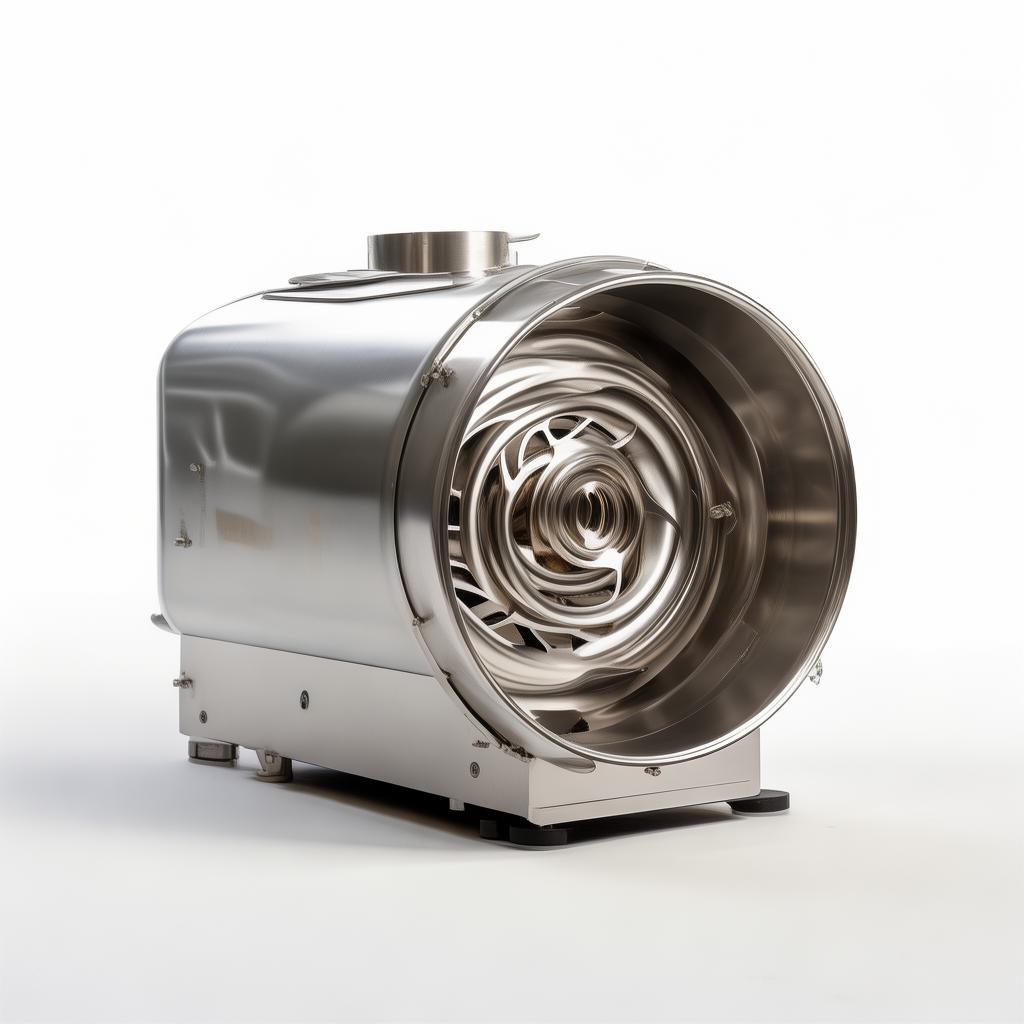
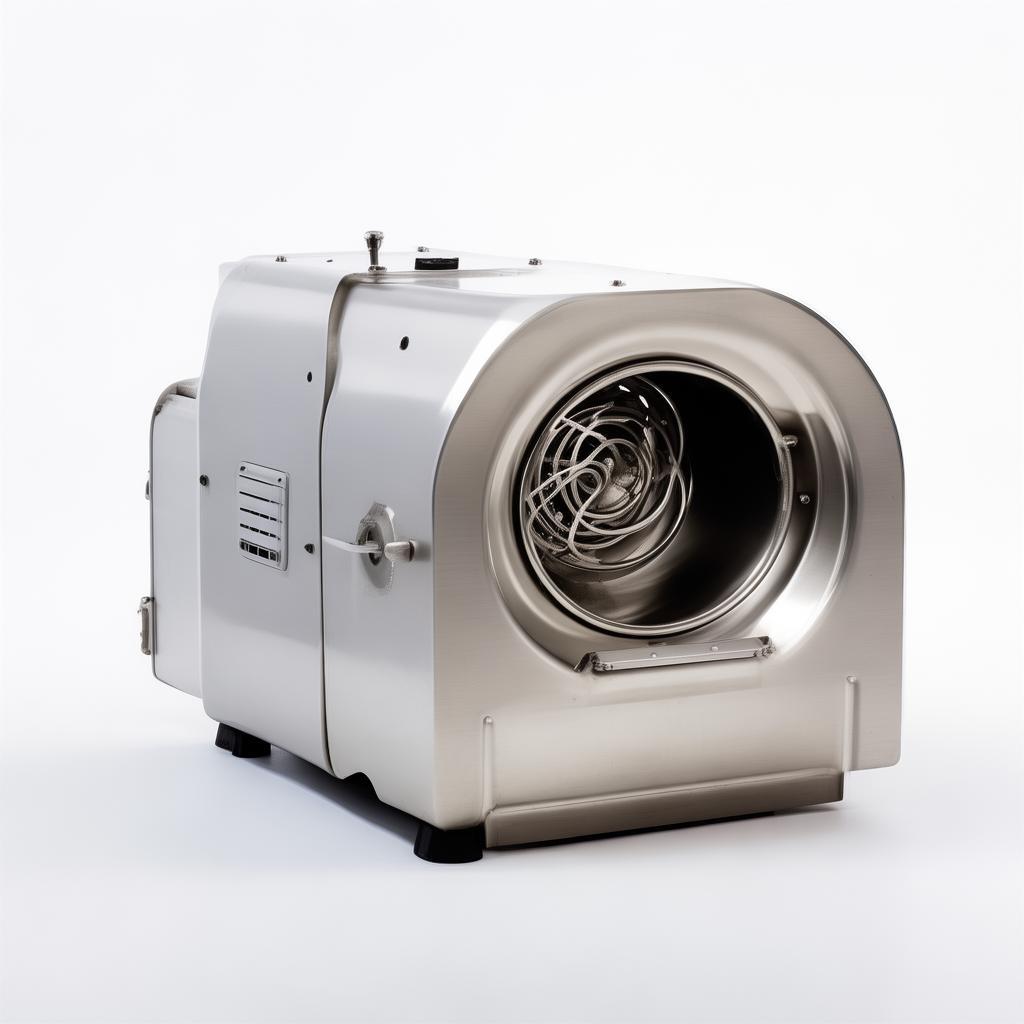
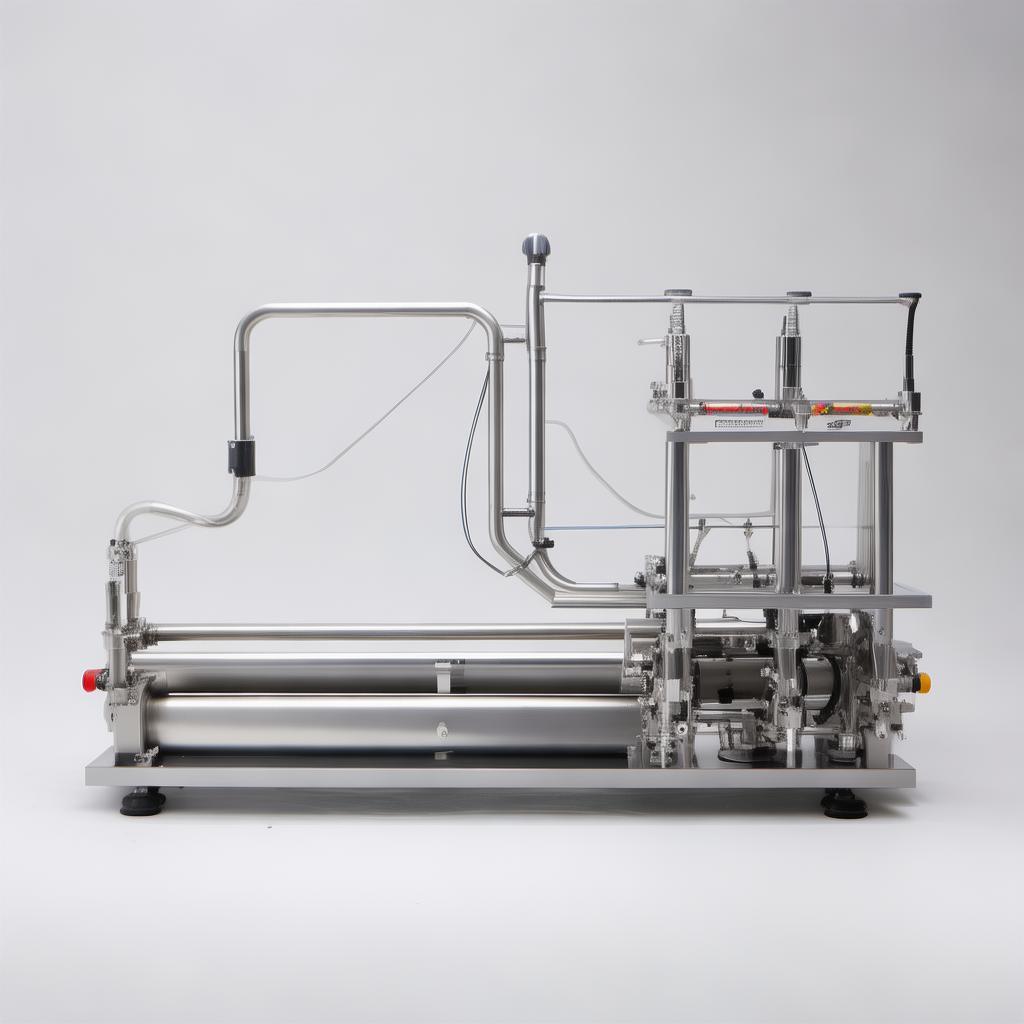
Meat Tumbler Tenderizer
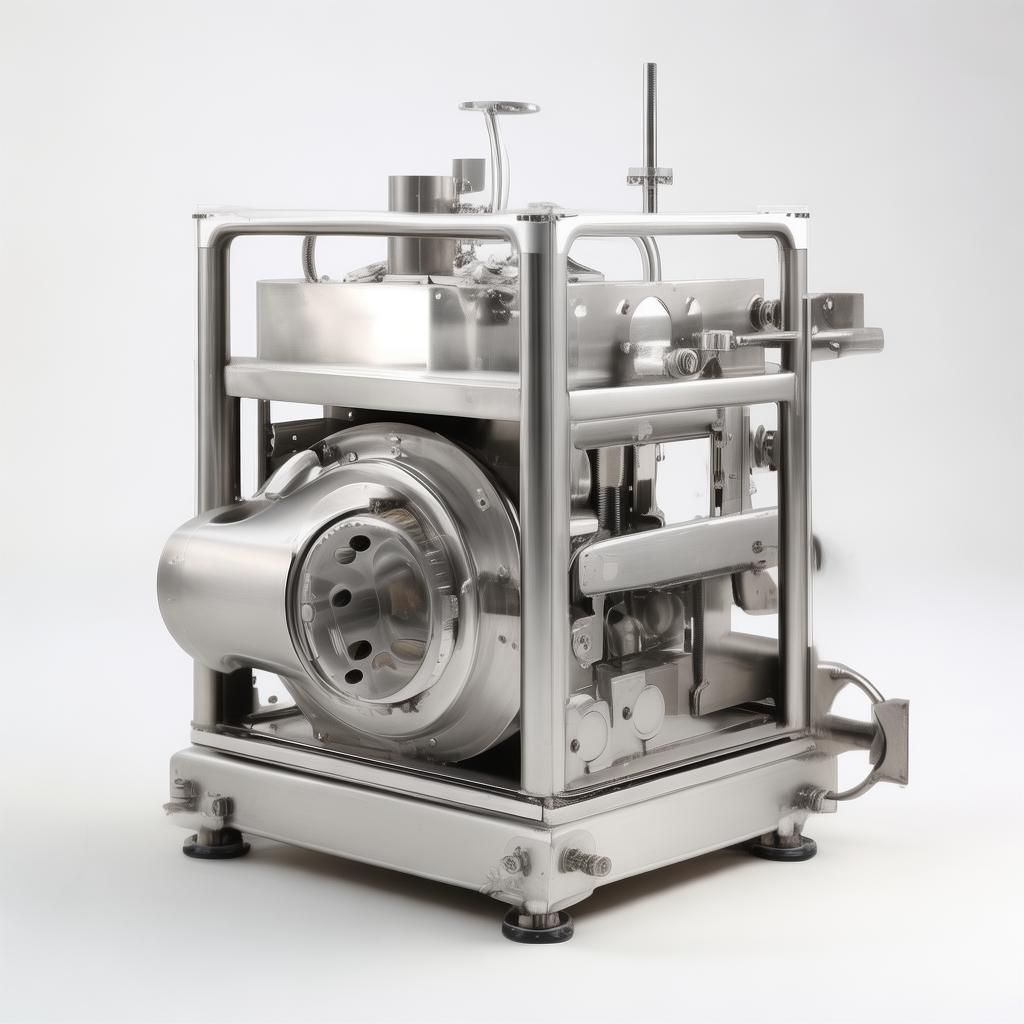
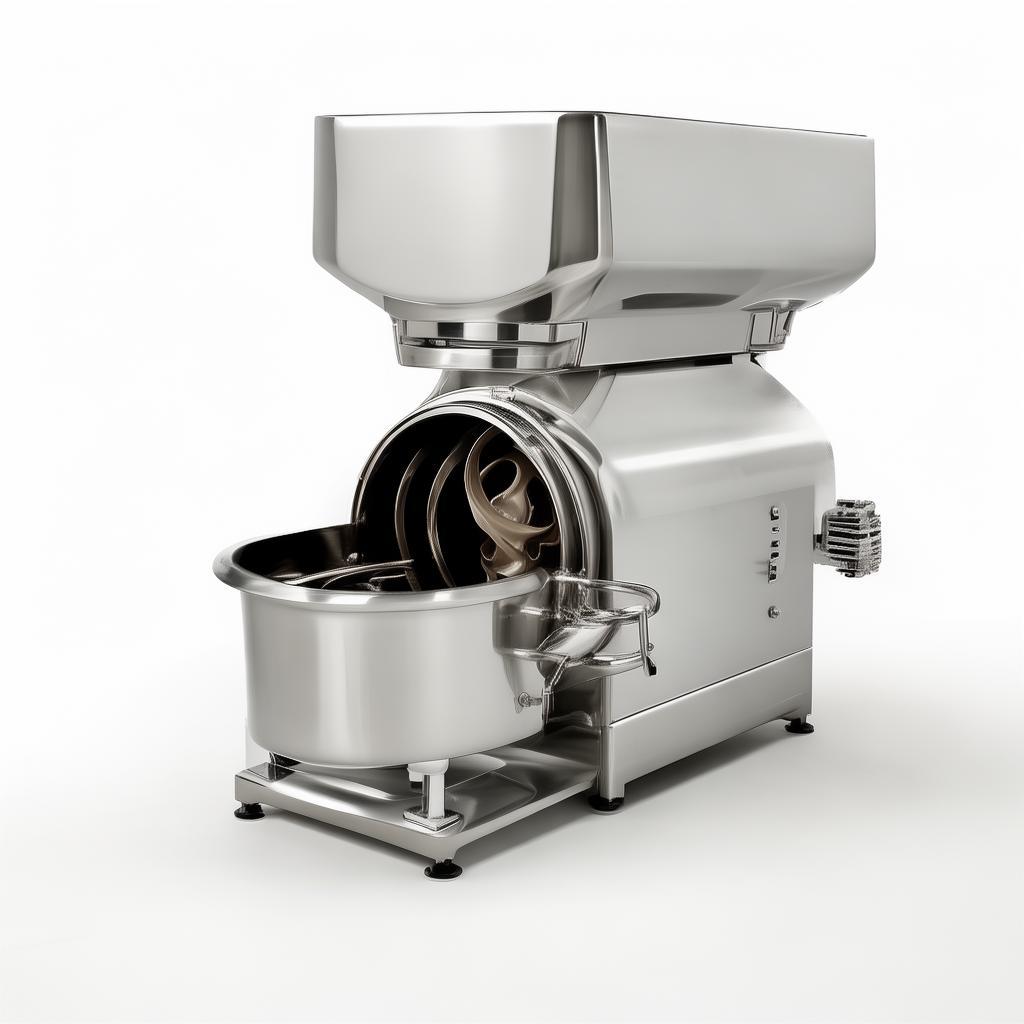
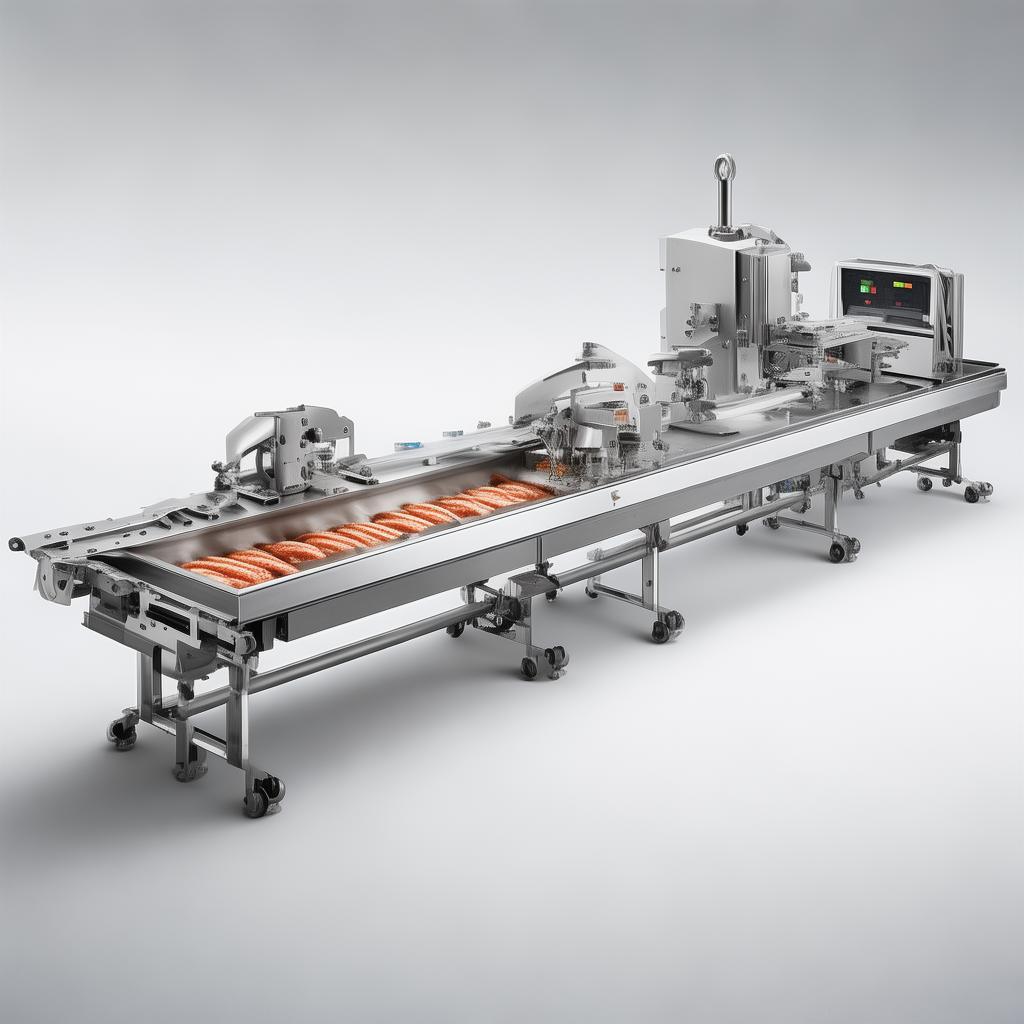
Mastering Meat Texture: The Essential Role of the Meat Tumbler Tenderizer
meat tenderizer tumbler mechanical meat tenderizer meat tenderizer uses
Your Guide to Enhancing Quality, Efficiency, and Profitability in Meat Processing
 Authored by: Li Wei, Senior Export Manager at Hebei Yuanchang Food Mechanism & Technology Co., Ltd.
In the intricate world of food manufacturing, especially within the competitive meat processing sector, achieving consistent product quality, optimal texture, and efficient throughput isn't just desirable—it's critical for survival and growth. Consumers today demand more than just sustenance; they expect tenderness, flavor, and a reliable, high-quality experience with every bite. For manufacturers and exporters, meeting these expectations requires robust equipment that can reliably enhance raw materials into finished products that meet diverse market demands. The quest for superior texture in processed meats, from sausages and cured products to marinated items and ready-to-eat meals, often leads back to a crucial piece of machinery: the meat tumbler tenderizer.
This isn't merely about making meat softer. It's a sophisticated process involving mechanical action that significantly impacts marination, flavor infusion, moisture retention, and overall palatability. The global meat processing equipment market, valued at over USD 11 billion in recent years and projected to exceed USD 19 billion by 2034 according to various industry analyses (like Fortune Business Insights and SkyQuestt), underscores the immense scale and ongoing development in this sector. Within this expansive market, equipment facilitating pretreatment and enhancing texture, such as tumblers and massaging machines, plays a pivotal role. These units are essential for everything from tenderizing tough cuts to ensuring even distribution of marinades and curing agents, ultimately impacting the final product's shelf appeal and consumer acceptance.
At Hebei Yuanchang Food Mechanism & Technology Co., Ltd., with our 40 years of dedicated experience since 1986, we've witnessed firsthand the evolution of meat processing technologies. We understand that investing in the right equipment is a strategic decision that directly affects your bottom line, operational efficiency, and brand reputation. A high-quality meat tumbler tenderizer is not just another piece of machinery; it's an investment in product excellence. It addresses fundamental challenges in meat processing: achieving uniform moisture absorption for enhanced juiciness, facilitating the deep penetration of marinades and spices for superior flavor, and developing a more tender bite that appeals to a broader customer base. Without this crucial step, processors often struggle with uneven marination, dry products, and a less desirable texture, leading to higher rejection rates and diminished customer satisfaction.
The demand for processed meats—including cured, smoked, and marinated varieties—continues to surge globally. Reports from IMARC Group and Grand View Research indicate a robust growth trajectory for the processed meat market, driven by factors like urbanization, changing consumer lifestyles, and the increasing demand for convenience foods. This market expansion, which could reach over USD 29 billion by 2034, directly translates to a heightened need for advanced processing equipment. The role of the meat tumbler tenderizer becomes even more pronounced when considering the creation of value-added products and the need for consistency in large-scale production. Furthermore, the push for higher hygiene standards and labor efficiency in food processing facilities worldwide reinforces the importance of automated and semi-automated solutions like advanced tumblers. Our commitment at Hebei Yuanchang is to provide equipment that not only meets but exceeds these evolving industry demands, ensuring our clients can produce premium meat products efficiently and profitably.
This comprehensive guide delves into the multifaceted benefits of integrating a meat tumbler tenderizer into your processing line. We'll explore the underlying mechanisms, highlight practical advantages, discuss technical considerations, and provide insights into selecting the right equipment for your specific needs. Whether you are a large-scale international exporter, a local butcher shop looking to expand your product offerings, or an OEM/ODM factory aiming to deliver top-tier solutions, understanding the capabilities of a robust meat tumbler tenderizer is paramount. Our goal is to equip you with the knowledge to make an informed decision, ensuring your investment yields significant returns in product quality and operational excellence.
The Persistent Challenges in Modern Meat Processing
Running a competitive meat processing operation, especially on an international scale, presents a unique set of hurdles. Many processors find themselves grappling with:
- Inconsistent Marination: Achieving uniform salt penetration, spice distribution, and marinade absorption across large batches of meat can be incredibly difficult. This leads to a product where some pieces are perfectly seasoned, while others are bland or overly salty, directly impacting consumer perception.
- Tough or Dry Meat Products: Without proper mechanical treatment, meat can retain a fibrous or tough texture. This is particularly problematic for products intended for quick cooking or direct consumption, where tenderness is a primary expectation. Moisture loss during processing also contributes to dryness.
- Long Marination Times: Relying solely on passive marination often requires extended periods, tying up valuable production time and valuable refrigerator space. This can be a significant bottleneck in high-volume operations.
- Suboptimal Yield: Improper moisture retention and uneven ingredient distribution can lead to lower yields, directly impacting your profit margins. Every gram lost is a missed opportunity.
- Labor Intensity: Manual marination or attempts to achieve uniform mixing through less efficient means require significant human labor, increasing operational costs and the risk of repetitive strain injuries.
- Product Variation: Batch-to-batch inconsistency is a common headache. Differences in meat quality, temperature, and processing methods can lead to variations in texture, flavor, and appearance, making it hard to maintain brand standards.
These issues aren't just minor inconveniences; they can significantly affect profitability, regulatory compliance, and your ability to compete in demanding global markets. The need for automated, efficient, and reliable solutions has never been greater. The global meat processing equipment market is expected to reach USD 15.04 billion by 2030, highlighting the industry's investment in overcoming these challenges through technology.
The Meat Tumbler Tenderizer: A Strategic Solution
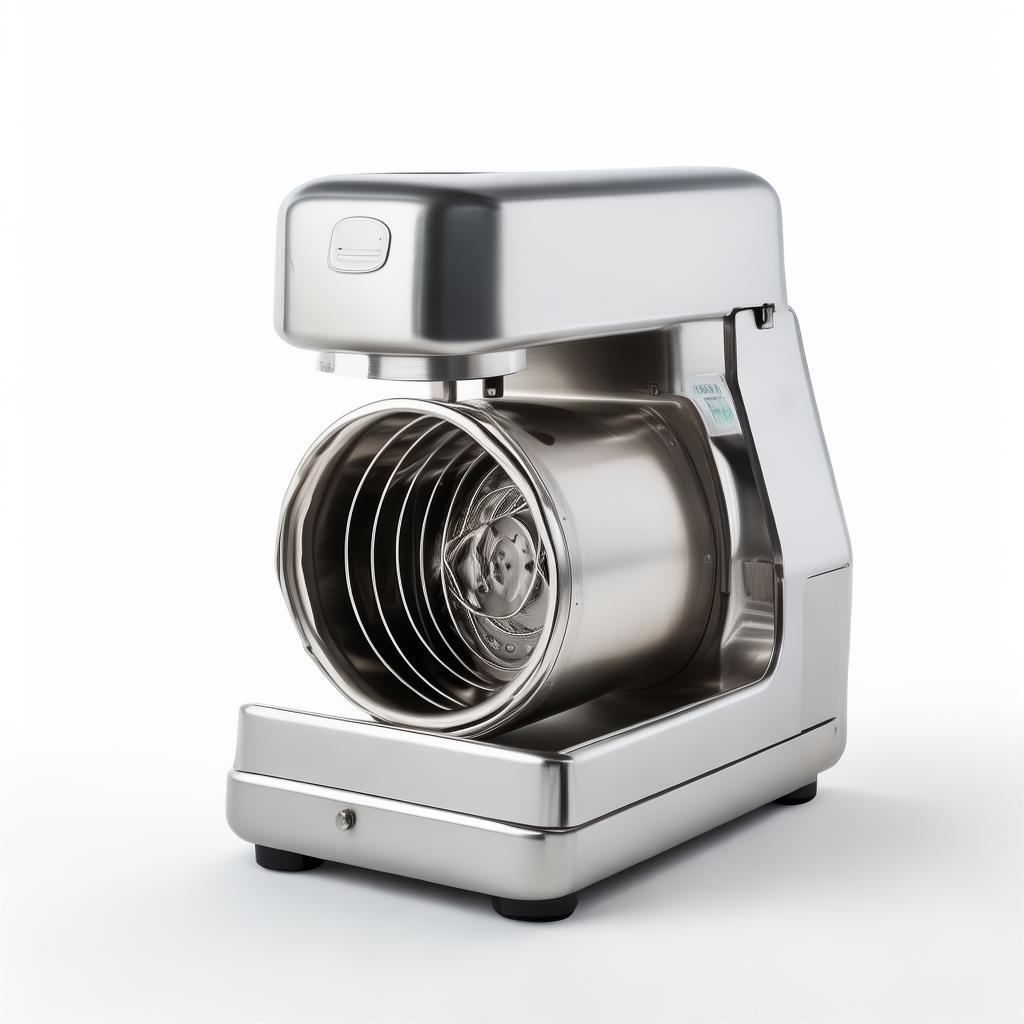
Enter the meat tumbler tenderizer – a cornerstone piece of equipment designed to directly address the aforementioned pain points. At its core, this machine utilizes controlled mechanical action, typically through a rotating drum, to massage and tumble meat. This process is far more than simple agitation; it actively works to:
- Enhance Marinade Penetration: The tumbling action creates vacuum and pressure cycles within the meat fibers, forcing marinades, spices, brines, and curing agents deep into the product. This results in more uniform flavor and consistent salt distribution, even in dense cuts.
- Improve Tenderness: Gentle but persistent tumbling helps to break down muscle fibers and connective tissues. This mechanical tenderization is crucial for achieving a softer, more palatable texture, especially in poultry, beef, and pork products destined for various applications.
- Increase Moisture Retention: By properly hydrating the meat and creating a more cohesive structure, tumblers help minimize moisture loss during subsequent cooking or processing steps, leading to higher yields and juicier end products.
- Accelerate Marination: The active mixing dramatically reduces the time required for effective marination compared to static soaking, freeing up valuable production time and resources. Many operations see marination times cut by 50% or more.
- Promote Uniformity: The consistent tumbling action ensures that all pieces of meat in a batch are treated equally, leading to highly consistent product quality, texture, and flavor profiles across every production run.
The mechanical tenderizing aspect is often overlooked but is a primary driver for using these machines. Reports often highlight the market for meat tenderizing agents, which themselves are a multi-billion dollar industry. However, mechanical tenderization, facilitated by tumblers, offers a chemical-free, controllable, and efficient alternative or complement to these agents, aligning with consumer trends towards natural ingredients.
For manufacturers focused on processed meats, such as sausages, ham, bacon, jerky, and marinated chicken or beef portions, the meat tumbler tenderizer is not an option, but a necessity. It's a key piece of auxiliary equipment that supports pretreatment, molding, and ripening processes, areas critical for product development and market competitiveness. Our expertise at Hebei Yuanchang spans over 40 years, allowing us to design and manufacture tumblers that are both robust and precisely engineered for optimal performance.
The Mechanics of Perfect Tenderness: How Tumblers Operate
Understanding the operational principle behind a meat tumbler tenderizer is key to appreciating its value. Most industrial tumblers operate using a large, rotating drum. The process typically involves:
- Loading: Meat pieces, along with marinades, spices, brines, or other additives, are loaded into the drum. For optimal results, the drum is usually loaded to about 40-60% capacity. Overloading can hinder effective tumbling and ingredient distribution.
- Tumbling Action: The drum begins to rotate, often at adjustable speeds. Internal paddles or baffles within the drum lift and drop the meat, creating a massaging effect. This gentle yet consistent action ensures that every surface of the meat is exposed to the marinade and the mechanical forces.
- Vacuum Application (Optional but Recommended): Many advanced tumblers incorporate a vacuum system. During tumbling, a vacuum is applied. This helps to draw air out of the meat tissues, creating micro-cavities. When the vacuum is released, the surrounding marinade is drawn into these cavities, promoting deeper and faster penetration. This 'breathing' effect significantly enhances marination efficiency and product juiciness.
- Temperature Control: Maintaining the correct temperature is crucial. Tumbling can generate some heat due to friction. Many industrial units are equipped with cooling jackets or are designed for operation in refrigerated environments to prevent the meat from exceeding safe temperatures. This is especially vital for sensitive products.
- Cycle Management: The tumbling process is typically run for a set duration, ranging from 30 minutes to several hours, depending on the product, desired outcome, and equipment settings. Programmable controls allow for precise management of rotation speed, direction, vacuum cycles, and tumbling time.
- Unloading: Once the process is complete, the meat is discharged from the drum, ready for the next stage of processing, such as filling, molding, or cooking.
The combination of mechanical action, ingredient contact, and sometimes vacuum is what transforms raw meat into a more desirable product. It's a fundamental step in creating consistent, high-quality processed meat items that consumers love. The efficiency of these systems is a key driver in the growth of the processed meat market, estimated to reach USD 1,330.45 billion by 2035 (Precedence Research).
Tangible Benefits: Why Invest in a Meat Tumbler Tenderizer?
Integrating a high-quality meat tumbler tenderizer from a reputable manufacturer like Hebei Yuanchang offers a multitude of advantages that directly impact your business's efficiency, profitability, and product quality:
Enhanced Product Quality & Consumer Appeal
This is the most immediate and impactful benefit. Improved tenderness and deeper flavor infusion translate directly to a superior eating experience. Consumers notice and appreciate the difference, leading to repeat purchases and positive word-of-mouth.
Increased Yield and Reduced Waste
Better moisture retention means less weight loss during cooking and a more consistent final product. This directly translates to improved profitability on every kilogram or pound processed.
Reduced Processing Time
The accelerated marination and tenderizing process significantly shortens production cycles. This allows for higher throughput, quicker order fulfillment, and greater flexibility in responding to market demands.
Consistency Across Batches
Automated control over tumbling time, speed, and vacuum ensures that every batch is processed identically. This eliminates human error and variability, guaranteeing consistent product quality that builds brand trust.
Labor Cost Savings
By automating the marination and tenderizing steps, you reduce the need for manual labor, freeing up your staff for more value-added tasks. This is a critical consideration in today's competitive labor market.
Versatility in Product Development
Tumblers are not limited to one type of product. They can be used for various meats (beef, pork, poultry, lamb) and for a wide range of products, including sausages, cured meats, marinated portions, jerky, and even some seafood. This flexibility supports innovation and diversification of your product line.
Industry reports consistently highlight the growth in processed meat segments, driven by convenience and quality. Equipment that directly supports these qualities, like tumblers, are key investment areas. The meat processing equipment market itself is projected to see strong growth, with segments like tenderizing and filling machines being particularly robust.
Precision Engineering: Technical Specifications & Customization Options
At Hebei Yuanchang, we understand that no two processing operations are identical. That's why our meat tumbler tenderizers are designed for both robust performance and adaptability. While specific models vary, here are key features and specifications you can expect:
| Feature | Specification/Description | Impact on Operation |
|---|---|---|
| Drum Capacity | Varies (e.g., 50L to 2000L+) | Determines batch size; crucial for matching production volume. |
| Material Construction | High-grade Stainless Steel (e.g., SUS304/316) | Ensures hygiene, durability, corrosion resistance, and food safety compliance. |
| Variable Speed Control | Adjustable RPM settings | Allows optimization for different meat types and products (e.g., slower for delicate cuts, faster for tough meats). |
| Forward/Reverse Rotation | Programmable directional changes | Enhances mixing uniformity and prevents product clumping. |
| Vacuum System Integration | Optional; high-efficiency vacuum pumps | Dramatically improves marinade penetration and moisture retention. |
| Programmable Controls | Digital interface for time, speed, vacuum, and cycles | Ensures precise, repeatable processing for consistent quality. |
| Easy Cleaning Design | Smooth surfaces, removable paddles, hygienic seals | Critical for meeting stringent food safety regulations and reducing downtime. |
Customization Capabilities: Beyond standard offerings, we specialize in tailoring equipment to your unique requirements. This includes:
- Adjusting drum dimensions for specific product types or factory layouts.
- Integrating specialized paddle designs for unique texture requirements.
- Developing custom control sequences for proprietary processes.
- Configuring for specific voltage and frequency requirements for international markets.
Our in-house machining workshop, equipped with over 20 sets of precision machinery including Japanese Mazak CNC machining centers, allows us to produce high-precision, non-standard components, ensuring we can meet virtually any customization request. This capability is a significant differentiator, particularly for clients seeking OEM/ODM solutions.
Diverse Applications Across the Meat Industry
The versatility of a meat tumbler tenderizer makes it indispensable across various segments of the meat processing industry. Its ability to enhance texture, flavor, and moisture makes it suitable for a broad spectrum of products:
- Sausage Production: For both fresh and cured sausages, tumblers ensure uniform distribution of binders, spices, and curing agents, leading to consistent color, flavor, and texture.
- Marinated Products: Chicken wings, beef strips, pork ribs, and any product requiring deep flavor infusion benefit immensely from the enhanced marinade penetration achieved through tumbling.
- Cured Meats: Ham, bacon, corned beef, and other cured products require consistent salt and nitrite distribution for both safety and flavor. Tumblers achieve this far more effectively than static methods.
- Processed Meat Products: Products like meatloaf, meatballs, and formed patties can benefit from improved binding and texture development during the tumbling process.
- Jerky and Dried Meats: While specific equipment might be used, tumblers can aid in the initial marination and moisture conditioning for jerky production, contributing to tenderness and flavor.
- Ready-to-Eat (RTE) Meals: As demand for convenience foods grows (a trend consistently highlighted in market reports), the need for consistent, palatable meat components in RTE meals increases. Tumblers help ensure these components meet quality standards.
- Pet Food Processing: While specialized, the principles of marination and tenderization also apply to some premium pet food formulations, especially those mimicking human-grade quality.
The growth in reconstituted meat markets, driven by innovative food products, also relies heavily on efficient pretreatment and molding technologies where tumbling plays a supporting role in ingredient integration and texture development.
Navigating Procurement: Tips for Sourcing Your Meat Tumbler Tenderizer
Purchasing industrial equipment is a significant decision. For a critical piece like a meat tumbler tenderizer, careful consideration is essential. Here’s what procurement professionals and plant managers should look for:
- Manufacturer Reputation & Experience: Opt for suppliers with a proven track record and deep industry knowledge. Companies like Hebei Yuanchang, with 40 years of experience in food processing machinery, offer a level of expertise and reliability that is invaluable.
- Material Quality & Food Safety: Insist on high-grade stainless steel (SUS304 or higher) for all product-contact surfaces. Check for certifications and compliance with international food safety standards.
- Customization Capabilities: Can the supplier adapt the equipment to your specific product requirements, existing plant layout, or unique processing needs? This is particularly important for OEM/ODM partnerships.
- After-Sales Support & Spare Parts: A robust after-sales service network and readily available spare parts are crucial for minimizing downtime. Inquire about warranty terms and technical support availability. Our integrated system ensures independent production of high-precision parts for worry-free service.
- Scalability: Does the equipment offer the capacity and flexibility to grow with your business? Can it handle varying batch sizes or product types efficiently?
- Efficiency and Energy Consumption: Look for designs that optimize energy usage without compromising performance.
- Ease of Operation and Cleaning: User-friendly controls and simple cleaning procedures reduce operational costs and ensure consistent hygienic practices.
Don't be afraid to ask detailed questions about the manufacturing process, component sourcing, and performance testing. Requesting factory quotes and comparing specifications from multiple qualified suppliers is standard practice.
Procurement Risk Alert:
Be wary of excessively low prices or suppliers who cannot provide clear documentation on materials, certifications, or manufacturing processes. Low upfront cost often leads to higher long-term costs due to poor durability, frequent breakdowns, and non-compliance issues.
Our Manufacturing Edge: Hebei Yuanchang's Commitment to Excellence
As a manufacturer with a rich history, Hebei Yuanchang Food Mechanism & Technology Co., Ltd. stands out for several key reasons:
- Deep Industry Experience: With over 40 years in meat processing equipment, our knowledge base is unparalleled. We don't just build machines; we understand the intricate operational needs of our clients.
- Advanced Manufacturing Capabilities: Our 14,000 sq. meter facility is equipped with over 20 sets of processing machinery, crucially including 8 sets of Japanese Mazak CNC machining centers. This allows us to produce highly precise, custom components that many competitors cannot match.
- Integrated R&D, Production, and Sales: This holistic approach ensures that product development is informed by market needs and manufacturing realities, leading to superior equipment.
- Traceable Quality Control: Our in-house production of critical parts, supported by a traceable management system, guarantees component quality and enables rapid, reliable after-sales service.
- Global Export Expertise: We have extensive experience exporting to markets worldwide, understanding the diverse regulatory requirements and logistics involved in international trade.
We pride ourselves on building equipment that is not only functional but durable, efficient, and designed for the realities of industrial food processing. Our team of 80-100 skilled employees is dedicated to upholding these standards.
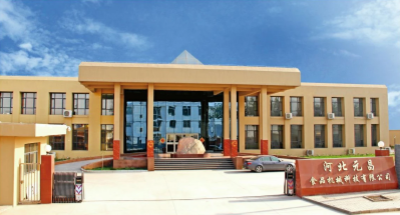
Our state-of-the-art manufacturing facility ensures precision and quality.
Assurance of Quality: Our Certifications
Quality and safety are non-negotiable in the food industry. Hebei Yuanchang is committed to adhering to the highest international standards. While specific certifications may apply to individual product lines, our manufacturing processes and equipment are designed to align with:



Our use of high-grade stainless steel and hygienic design principles ensures our equipment meets the stringent requirements for food processing operations globally, enabling compliance with regulations in markets like the USA, Europe, and beyond.
Client Testimonials: Real-World Impact
Don't just take our word for it. Hear from some of our satisfied clients:
"We were struggling with inconsistent marination on our chicken wings for export. The Yuanchang tumbler, especially with the vacuum option, completely changed the game. Flavor penetration is now uniform, and our rejection rates have dropped significantly. The efficiency gains alone have made it a worthwhile investment."

Operations Manager, Premium Poultry Exporters Inc.
"We needed a robust tumbler for our high-volume sausage production. Yuanchang provided a unit with excellent build quality and precise controls. The speed and directional settings allow us to tailor the process for different meat blends, ensuring that consistent texture we're known for. Their support team was also very responsive during installation."

Plant Manager, Artisan Meats Co.
"As an OEM factory, sourcing reliable equipment for our clients is paramount. Hebei Yuanchang's ability to offer customized tumblers that meet exact specifications has been a key factor in our success. Their technical expertise and commitment to quality are evident in every machine they deliver."

Lead Engineer, Global Food Solutions
Frequently Asked Questions (FAQ)
Q1: What is the typical lifespan of a meat tumbler tenderizer?
With proper maintenance and operation, our industrial-grade meat tumblers are built for longevity, often lasting 10-15 years or more. The use of high-quality stainless steel and robust components from reputable manufacturers like us is key to achieving this.
Q2: How much space is typically required for a meat tumbler?
Space requirements vary significantly with capacity. A small-to-medium unit might need a footprint of 2-3 square meters, plus additional space for loading/unloading and maintenance access. We provide detailed dimension drawings for all our models.
Q3: Can a meat tumbler tenderizer be used for products other than traditional meats?
Yes, with appropriate adjustments. While designed for meat, principles of tumbling and marination can be applied to products like seafood or even some plant-based meat alternatives that require texture development or ingredient integration.
Q4: What are the electrical requirements for these machines?
Our tumblers can be configured for various industrial voltage and frequency standards (e.g., 380V/50Hz, 440V/60Hz) to suit different international markets. Please specify your region's requirements when inquiring.
Q5: How easy is it to clean the equipment?
Ease of cleaning is a priority in our design. Most models feature smooth stainless steel surfaces, rounded corners, and removable paddles for thorough manual cleaning. Some larger units can also be equipped with CIP (Clean-In-Place) systems.
Q6: Do you offer OEM/ODM services for meat tumblers?
Absolutely. Our advanced manufacturing capabilities, including CNC machining, allow us to develop and produce custom meat tumblers and related equipment for clients looking for OEM/ODM partnerships. We can integrate your branding and specific design requirements.
Ready to Elevate Your Meat Processing Capabilities?
Discover how a high-performance meat tumbler tenderizer from Hebei Yuanchang can transform your products and operations.
Hebei Yuanchang Food Mechanism & Technology Co., Ltd. | Shijiazhuang, Hebei Province, China | Phone: +86 15830991513 | Email: ycmeatmech@gmail.com
With 40 years of experience, we are your trusted partner in advanced meat processing solutions.
Trust Indicators: