Meat Trolley Rail System
Meat Trolley Rail Systems: Streamlining Your Cold Chain Operations
Precision Engineering for Efficient Meat Handling and Processing
 By: Jian Li, Export Manager
| Hebei Yuanchang Food Mechanism & Technology Co., Ltd.
By: Jian Li, Export Manager
| Hebei Yuanchang Food Mechanism & Technology Co., Ltd.
The Unseen Backbone of Meat Processing: Understanding Meat Trolley Rail Systems
In the demanding world of meat processing and cold chain logistics, efficiency isn't just a goal; it's a prerequisite for profitability and compliance. Every step, from receiving raw materials to shipping finished products, needs to be optimized. While machinery like grinders, mixers, and fillers often grab the spotlight, the humble meat trolley rail system is the unsung hero that keeps operations flowing smoothly. These systems are far more than just tracks; they are intricate networks designed to move product with speed, hygiene, and minimal manual intervention, directly impacting labor costs, product integrity, and overall throughput.
The global meat processing equipment market itself is a testament to the industry's scale and complexity. Valued at approximately USD 11.28 billion in 2024 and projected to reach over USD 15.04 billion by 2030, this sector highlights a continuous drive for automation and efficiency. 【Meat Processing Equipment Market Size, Share Report, 2030 - Grand View Research】 Within this expansive market, systems that manage product movement are critically important. A well-designed meat trolley rail system integrates seamlessly with other processing stages – pretreatment, molding, filling, and ripening – ensuring that products transition between stages without delay or contamination risks. This is especially true as demand for processed meats continues to surge globally, with markets expected to reach well over USD 1 trillion by 2034. 【Processed Meat Market Size, Share & Growth Report - Fortune Business Insights】
Consider the challenges faced daily: managing vast quantities of chilled or frozen meat, maintaining strict temperature controls, minimizing physical strain on workers, and adhering to increasingly stringent food safety regulations like HACCP or ISO 22000. Manual handling of heavy trolleys, especially through multiple processing zones and into blast chillers or freezers, is not only labor-intensive and costly but also introduces significant risks of contamination and product damage. This is precisely where a robust meat trolley rail system becomes indispensable. It provides a continuous, elevated pathway for product transport, effectively creating a clean, organized, and highly efficient workflow.
At Hebei Yuanchang Food Mechanism & Technology Co., Ltd., with our 40 years of experience since 1986, we've seen firsthand how the right infrastructure, including these rail systems, can transform a processing plant. We understand that selecting the correct system involves more than just choosing a track. It requires a deep dive into your specific operational needs, the types of products you handle, the layout of your facility, and your throughput targets. Are you primarily processing beef, pork, poultry, or a mix? What are your daily production volumes? What are your requirements for temperature-controlled environments? These are critical questions that inform the design and selection of the most suitable trolley rail setup.
A typical system might involve overhead rails, specialized trolleys designed for specific product types (e.g., hanging carcasses, bulk containers, or smaller processed product trays), and often incorporates features for easy cleaning, durability, and integration with automated systems. The materials used – typically high-grade stainless steel like SUS304 or SUS316 – are crucial for hygiene and longevity in demanding environments. Our commitment to R&D and our in-house precision machining capabilities, including Japanese Mazak CNC centers, allow us to manufacture components with the high standards of accuracy and durability that these systems demand. This level of control over production ensures we can deliver reliable, custom-engineered solutions that meet the rigorous requirements of international food processing standards.
This page will guide you through the critical aspects of meat trolley rail systems, from understanding their core function and benefits to evaluating technical specifications and selecting the right supplier. We’ll touch upon installation considerations, maintenance best practices, and how these systems contribute to overall operational excellence and food safety compliance. Our aim is to provide you with the insights needed to make an informed decision, ensuring your investment in a trolley rail system delivers maximum ROI and operational advantage.
Addressing the Bottlenecks: Common Challenges in Meat Handling
The efficiency of any meat processing operation hinges on the smooth flow of product. Without a well-integrated transport system, facilities often encounter persistent bottlenecks and inefficiencies. Recognizing these pain points is the first step towards implementing an effective solution like a meat trolley rail system.
- Manual Labor Strain & High Labor Costs: Pushing heavy trolleys, especially over long distances or inclines, is physically demanding. This leads to worker fatigue, potential injuries, and a constant need for a large workforce, driving up operational expenses.
- Product Contamination Risks: Manual handling increases the touchpoints for potential contamination. Trolleys left on floors can pick up debris, and improper cleaning procedures exacerbate the risk of cross-contamination between different product batches or processing zones.
- Operational Inefficiencies & Delays: Congestion in processing areas, waiting times for trolley access, and inefficient routing can significantly slow down the entire production line. This directly impacts throughput and the ability to meet delivery schedules.
- Damage to Product & Packaging: Rough handling, collisions, or uneven movement can damage carcasses, packaging, or the trolleys themselves, leading to product loss or the need for costly repairs and replacements.
- Suboptimal Space Utilization: Storing and maneuvering empty or full trolleys can consume valuable floor space, especially in facilities where layout is not optimized for product flow.
- Difficulty in Maintaining Temperature Control: Moving product between temperature-controlled zones (e.g., from processing to chilling or freezing) can be challenging if trolleys are exposed to warmer ambient temperatures for extended periods.
- Compliance & Traceability Issues: Inconsistent product movement and handling can make it harder to maintain accurate batch tracking and ensure compliance with strict food safety regulations.
These challenges are compounded by the sheer volume and variety of meat products handled. Whether it's hanging primal cuts, bulk bins of deboned meat, or trays of sausages and formed products, each requires a safe and efficient transport method. The market for meat processing equipment is substantial, with projections indicating continued growth driven by the increasing demand for processed meats and the need for automation to ensure hygiene and efficiency. 【Meat Processing Equipment Market Size, Share & Industry Analysis - Fortune Business Insights】 A well-implemented trolley rail system directly addresses these issues, providing a dedicated, hygienic pathway that elevates product movement off the floor and into a controlled system.
The Yuanchang Advantage: Benefits of Our Meat Trolley Rail Systems
Our meat trolley rail systems are engineered to be more than just a transport solution; they are integral components of a streamlined, hygienic, and efficient meat processing operation. Built with decades of manufacturing experience and a deep understanding of the industry's demands, Yuanchang systems offer tangible benefits:
Enhanced Hygiene & Food Safety
By elevating product movement away from floor contamination, our systems significantly reduce the risk of bacterial ingress. The use of high-grade stainless steel (SUS304/SUS316) ensures superior cleanability and resistance to corrosion. This aligns with stringent standards like HACCP and GMP.
Optimized Workflow & Throughput
Continuous, unobstructed movement between processing stations, chilling rooms, and loading docks minimizes transit times and eliminates congestion. This leads to a more predictable and higher production output, crucial in a market where processing speed is key. 【Meat Processing Equipment Market - Coherent Market Insights】 reports suggest automation and efficient material handling are major drivers.
Reduced Labor Costs & Strain
Automated or easily guided trolley movement drastically cuts down on the manual effort required. This translates to fewer personnel needed for transport tasks, reduced risk of workplace injuries, and reallocation of staff to higher-value activities.
Durable & Long-Lasting Construction
Utilizing robust stainless steel and precision-engineered components, our systems are built to withstand the harsh, high-moisture, and corrosive environments typical of meat processing plants, ensuring a long operational lifespan with minimal maintenance. Our in-house machining ensures component integrity.
Customizable & Scalable Solutions
We understand that every facility is unique. Our systems can be tailored to your specific layout, product types, and capacity needs, from simple overhead rails to complex, multi-level automated networks. This scalability ensures the system grows with your business.
Improved Product Quality & Handling
Gentle, controlled movement reduces the risk of bruising or damage to meat products, preserving their quality and appearance from slaughter to packaging. This is crucial for maintaining brand reputation and product appeal.
Technical Deep Dive: What Makes Our Systems Work
The effectiveness of a meat trolley rail system lies in its robust design and quality materials. At Hebei Yuanchang, we focus on engineering solutions that are not only functional but also highly reliable and easy to maintain, using industry-standard components and our advanced manufacturing capabilities.
Core Components & Materials:
Our systems are typically constructed from premium food-grade stainless steel, primarily SUS304 and, for more aggressive environments, SUS316. This ensures maximum resistance to corrosion, ease of cleaning, and compliance with international food safety standards.
- Rails: Precision-extruded or fabricated stainless steel profiles designed for smooth, low-friction movement. Options include overhead I-beams, U-channels, or tubular designs depending on load capacity and space.
- Trolleys: Custom-designed for specific product types:
- Carcass Trolleys: Heavy-duty construction with robust hooks for hanging whole carcasses (beef, pork, lamb).
- Container Trolleys: Designed to securely hold standard food-grade bins, crates, or tubs for bulk ingredients or processed products.
- Tray & Rack Trolleys: For moving smaller processed items, sausages, or products on trays, often with multiple levels.
- Wheels & Rollers: High-density, food-grade polymers or stainless steel wheels designed for durability and smooth operation, often sealed to prevent ingress of dust or moisture.
- Switches & Diverters: Manual or automated switching mechanisms to direct trolleys along different paths within the facility.
- Support Structures: Robust stainless steel frames and brackets designed for secure mounting to ceilings or walls, capable of supporting significant dynamic loads.
- Drive Systems (Optional): For automated lines, we can integrate chain drives, belt drives, or powered trolley systems.
Key Technical Considerations:
When specifying a system, several technical parameters are critical:
| Parameter | Description | Typical Specification | Yuanchang Consideration |
|---|---|---|---|
| Load Capacity | Maximum weight a single trolley or section of rail can support. | 100 kg to 500 kg+ per trolley | Calculated based on product type and volume; custom heavy-duty options available. |
| Rail Gauge/Width | Distance between parallel rails or the width of a single track. | Varies widely based on trolley design and product size. | Optimized for stability and product fit. |
| Material | Primary construction material. | SUS304 Stainless Steel | SUS304 standard, SUS316 for specific applications. Traceable material certification. |
| Track Height / Clearance | Vertical space required for the system. | Minimum 3 meters for carcass hanging. | Designed to maximize usable facility height while ensuring sufficient clearance. |
| Cleaning Accessibility | Ease of cleaning rails, trolleys, and surrounding areas. | Smooth surfaces, minimal crevices. | Rounded edges, sloped surfaces where applicable, readily removable components. |
Our engineering team utilizes CAD software for precise design and layout, ensuring seamless integration with your existing facility infrastructure. Our ISO 9001 certification underscores our commitment to quality management throughout the design and manufacturing process.
Versatile Applications Across the Meat Industry
The meat trolley rail system is a foundational element in virtually every stage of meat processing and distribution. Its adaptability makes it suitable for a wide array of applications, enhancing operations across different product types and facility designs.
Slaughterhouses
Efficiently transport carcasses from stunning and bleeding stations through washing and chilling areas. Essential for maintaining flow and hygiene.
Primary Processing
Move deboned meat, large cuts, and primal parts between cutting, trimming, and packaging lines. Reduces manual handling of heavy portions.
Molding & Filling Lines
Transport raw materials to filling machines and move intermediate or finished products (e.g., sausages, formed patties) to cooking, smoking, or cooling stages. This is vital for synchronized processing.
Ripening & Aging Rooms
Facilitate the controlled movement of products into and out of aging or ripening chambers, ensuring consistent environmental exposure for texture and flavor development.
Chilling & Freezing
Transport products efficiently into blast chillers or freezers and then out to packaging or dispatch. Minimizes temperature fluctuations during transit.
Warehousing & Logistics
Streamline movement of finished goods to cold storage areas and onto loading docks for shipment. Supports faster loading/unloading times.
The inherent flexibility of these systems means they can be integrated into both new facility designs and retrofitted into existing plants, often with minimal disruption to ongoing operations. Their role is fundamental in supporting the growth trends in the processed meat sector, which relies heavily on efficient and automated handling processes. The global market for processed meat continues its upward trajectory, demonstrating a persistent need for the operational efficiencies that these rail systems provide. 【Processed Meat Market Size to Worth USD 1,330.45 Billion by 2035 - Precedence Research】
Practical Insights: Installation & Maintenance for Longevity
A meat trolley rail system, while robust, requires careful installation and consistent maintenance to deliver its full potential and ensure a long, trouble-free service life. These aren't systems you can "set and forget" without some attention.
Installation Considerations:
Proper installation is paramount. It's not just about hanging rails; it's about ensuring structural integrity, correct alignment, and safe operation. We strongly recommend professional installation, ideally by our trained technicians or authorized partners.
- Structural Assessment: The existing building structure (ceilings, beams, walls) must be assessed for its load-bearing capacity. Our engineering team can provide specifications for mounting points and structural reinforcements if needed.
- Layout & Clearance: Precise planning of the rail layout is critical to avoid conflicts with other equipment, ensure adequate aisle space for trolleys, and maintain necessary vertical and horizontal clearances, especially around doorways and corners.
- Alignment & Leveling: Rails must be installed perfectly level and aligned to prevent trolleys from derailing, binding, or experiencing excessive wear. Small misalignments can compound over time.
- Environmental Factors: Consider temperature (especially in freezers/chillers), humidity, and washdown procedures. Materials and sealing must be appropriate for these conditions.
- Integration: If part of an automated system, ensure seamless integration with PLCs, sensors, and other control mechanisms.
Routine Maintenance Schedule:
A proactive maintenance plan significantly extends the life of the system and prevents costly breakdowns. Here’s a general guideline:
| Frequency | Task | Focus |
|---|---|---|
| Daily / Post-Shift | Visual Inspection & Cleaning | Check for visible damage, debris. Thoroughly wash rails and trolleys using food-grade cleaning agents. Ensure drainage is clear. |
| Weekly | Lubrication & Minor Adjustments | Lubricate wheel bearings and any moving parts as per manufacturer's recommendation (use food-grade lubricants). Check tension of any drive components. |
| Monthly | Detailed Inspection | Inspect rails for wear or deformation. Check all fasteners for tightness. Examine trolley wheels for wear or damage. Test switches and diverters for smooth operation. |
| Annually (or as needed) | Major Inspection & Component Replacement | Full system check by a qualified technician. Replace any worn wheels, bearings, or other components. Check structural integrity of supports. |
meat trolley systems commercial meat trolley used meat rail systems
Our traceability extends to our after-sales service. We maintain detailed records of your system and can provide necessary spare parts and technical support, ensuring your operation remains uninterrupted. Investing in proper maintenance is a small cost compared to the potential losses from equipment failure or hygiene breaches.
Procurement Pointers: Selecting Your Ideal Meat Trolley Rail System
Choosing the right supplier and system for your meat trolley rail infrastructure is a significant decision. It impacts efficiency, safety, and long-term operational costs. As seasoned exporters, we advise procurement managers to look beyond the initial price tag and consider a holistic approach.
Key Evaluation Criteria for Suppliers:
- Manufacturing Experience & Expertise: Look for suppliers with a proven track record specifically in food processing equipment. Decades of experience, like ours at Yuanchang (since 1986), translate into practical knowledge and reliable designs.
- Customization Capabilities: Does the supplier offer standard solutions, or can they engineer a system tailored to your unique facility layout, product types, and throughput requirements? Our in-house machining and CNC capabilities allow for precise, non-standard component production.
- Material Quality & Compliance: Ensure they use food-grade stainless steel (SUS304/SUS316) and can provide material certifications. Compliance with international standards (e.g., HACCP, GMP, ISO) is essential.
- After-Sales Support & Spare Parts: What is their policy on warranty, installation support, and the availability of spare parts? A traceable after-sales management system, like ours, provides peace of mind.
- Technical Documentation: Can they provide detailed technical drawings, manuals, and maintenance guidelines? Clear documentation is crucial for integration and upkeep.
- References & Case Studies: Ask for references from similar operations or case studies demonstrating successful implementation.
Key Evaluation Criteria for the System Itself:
- Load Capacity & Durability: Does it meet or exceed your anticipated product weights and operational demands?
- Hygiene Design: Are surfaces smooth, crevice-free, and easily accessible for thorough cleaning? Does it facilitate effective drainage?
- Ease of Operation: How smoothly do trolleys move? Is manual operation manageable, or is an automated solution required?
- Scalability & Flexibility: Can the system be easily expanded or reconfigured as your production needs evolve?
Procurement in the food industry is complex. We aim to simplify it by offering transparent pricing, detailed specifications, and expert consultation. Considering the substantial investment in processing lines, allocating appropriate resources for the material handling infrastructure, such as trolley rail systems, is a strategic move that yields significant operational returns. The efficiency gains alone can quickly amortize the initial investment, especially as labor costs continue to rise.
Procurement Tip: Always request a site visit or detailed consultation to ensure the proposed system perfectly matches your facility's unique operational flow and spatial constraints.
Our Manufacturing Strength: Hebei Yuanchang's Commitment to Quality
At Hebei Yuanchang Food Mechanism & Technology Co., Ltd., our 40 years of experience since 1986 are the bedrock of our manufacturing prowess. We are not just assemblers; we are engineers and manufacturers dedicated to producing high-quality, reliable meat processing equipment, including our robust trolley rail systems.
Our facility spans approximately 14,000 square meters and is home to a dedicated team of 80-100 skilled professionals. This allows us to integrate R&D, production, and sales seamlessly. Our in-house machining workshop is equipped with over 20 sets of advanced processing machinery, including lathes, milling machines, high-precision grinding machines, boring machines, and wire cutting equipment. This capability is critical for producing the high-tolerance, non-standard components often required for specialized industrial equipment.
A significant investment was made in 2012 with the acquisition of 8 sets of Japanese Mazak CNC machining centers. These state-of-the-art machines enable us to manufacture components with exceptional precision, catering to large volumes, high-standard requirements, and complex specifications that competitors might shy away from. This capability ensures the integrity and performance of every rail, trolley, and connector we produce.
We are certified under ISO 9001 for quality management, a testament to our structured approach to production and customer satisfaction. Our product lines, including pretreatment, filling, molding, ripening, and auxiliary items like our trolley rail systems, are designed to work harmoniously, forming complete, efficient production lines. We take pride in offering solutions that are not only technically superior but also backed by a traceable after-sales management system, ensuring that our clients receive comprehensive support long after their initial purchase.
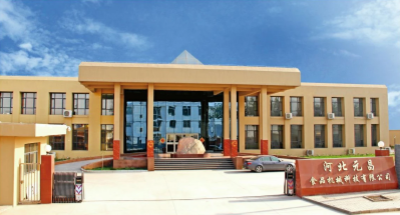
Our advanced manufacturing facility, equipped with precision machinery.
When you partner with Hebei Yuanchang, you gain access to not just equipment, but decades of accumulated expertise and a commitment to precision engineering that drives real-world operational improvements.
Assurance of Quality: Our Certifications
Trust and quality are paramount in the food processing industry. Our commitment to delivering reliable and safe equipment is validated by international certifications, ensuring compliance and peace of mind for our global clientele.

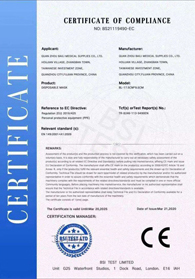
While specific certifications for meat trolley rail systems might vary based on regional regulations, our core manufacturing processes adhere to stringent international standards such as ISO 9001 for quality management. We also ensure that materials used are compliant with food contact regulations where applicable, and many of our components meet CE and RoHS directives for electrical and material safety. This multi-faceted approach to quality assurance means you receive equipment that is not only functional but also built with integrity and global compliance in mind.
What Our Clients Say
Real-world feedback from our partners highlights the tangible benefits of implementing our meat trolley rail systems.
"Before installing the Yuanchang trolley rail system, our chilled product movement was a constant bottleneck. Now, trolleys glide effortlessly from the line to the blast chiller. The reduction in manual pushing and the improved hygiene control has been significant. Installation was smooth, and their team was very professional."
 David Chen, Operations Manager
ABC Meats, USA
"We needed a robust solution for handling whole hog carcasses. Yuanchang's custom-engineered rail system exceeded our expectations. It's incredibly sturdy, built with high-quality stainless steel, and has dramatically improved the efficiency of our slaughter floor. Their understanding of our specific needs was evident throughout the process."
 Maria Rodriguez, Plant Supervisor
Farm Fresh Meats, Canada
"The maintenance team loves the ease of cleaning our new trolley rail system. The smooth surfaces and accessible design mean less time spent on sanitation and greater confidence in our hygiene standards. Yuanchang provided excellent support during the design phase, ensuring we got exactly what we needed."
 Kevin Lee, Maintenance Lead
Global Protein Processors, UK
Frequently Asked Questions
- Q: What is the typical lifespan of a meat trolley rail system?
- With proper installation and routine maintenance, a high-quality stainless steel system can last 15-20 years or more. Key factors include the frequency of use, environmental conditions, and adherence to maintenance schedules.
- Q: Can these systems be integrated with automated slaughterhouse operations?
- Absolutely. Our systems are designed with integration in mind. We can incorporate automated switches, powered trolley movement, and sensors to interface with existing PLCs and SCADA systems for a fully automated workflow.
- Q: What are the cleaning requirements for these systems?
- Regular cleaning is essential. Rails and trolleys should be washed down daily with food-grade detergents and sanitizers. Our design prioritizes easy access for cleaning, minimizing crevices where bacteria can accumulate.
- Q: What is the lead time for a custom-designed system?
- Lead times vary depending on the complexity and scale of the project. Typically, design and engineering can take 2-4 weeks, followed by manufacturing which might range from 6-12 weeks. We provide a detailed timeline upon project confirmation.
- Q: Do you offer installation services internationally?
- Yes, Hebei Yuanchang provides international installation services through our experienced technicians or certified partners to ensure correct setup and optimal performance of your system, regardless of location.
Ready to Streamline Your Meat Processing Operations?
Discover how a precision-engineered meat trolley rail system from Hebei Yuanchang can revolutionize your facility's efficiency, hygiene, and profitability. Let our 40 years of expertise work for you.
Or contact us directly:
Phone: +86 15830991513 | E-mail: ycmeatmech@gmail.com
Visit us: Shijiazhuang, Hebei Province, China | www.ycmeatmech.com
Copyright © 2026 Hebei Yuanchang Food Mechanism & Technology Co., Ltd. All rights reserved.