Meat Replacement Ideas
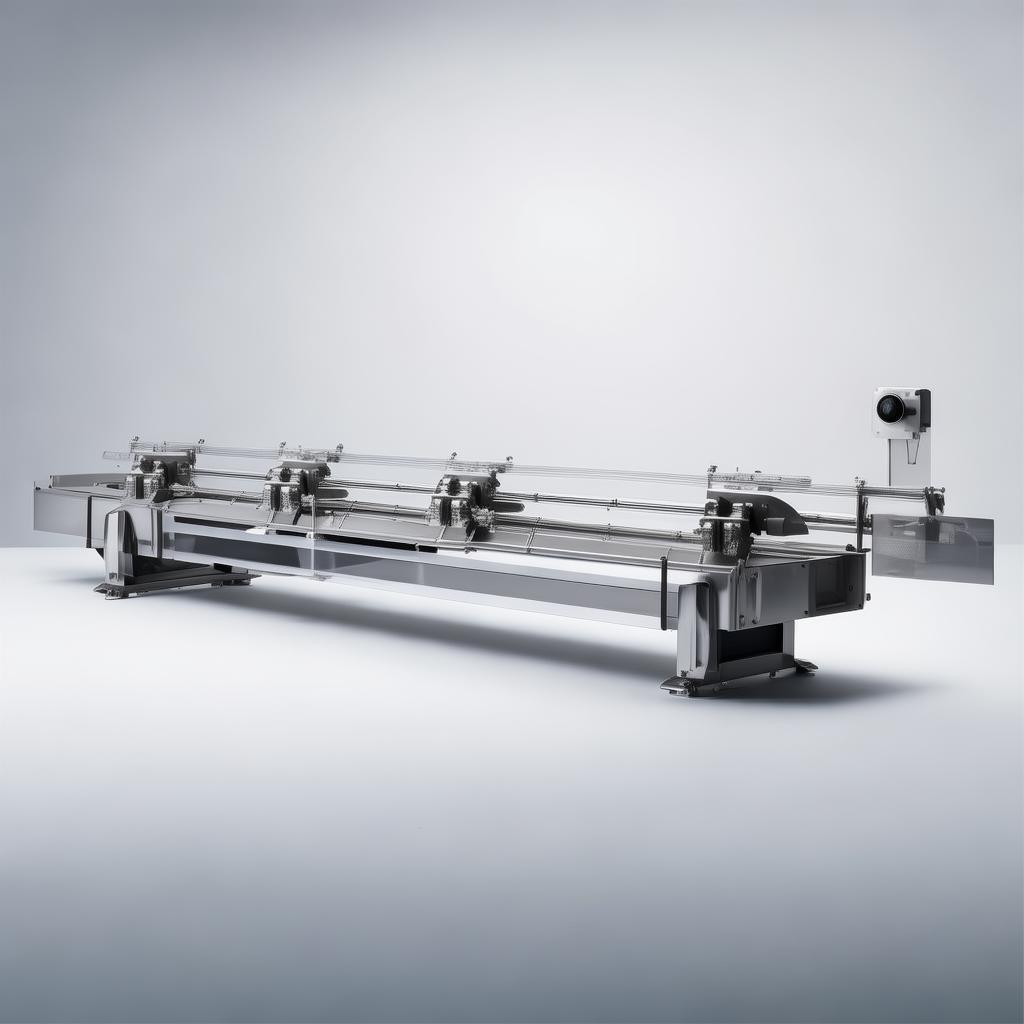
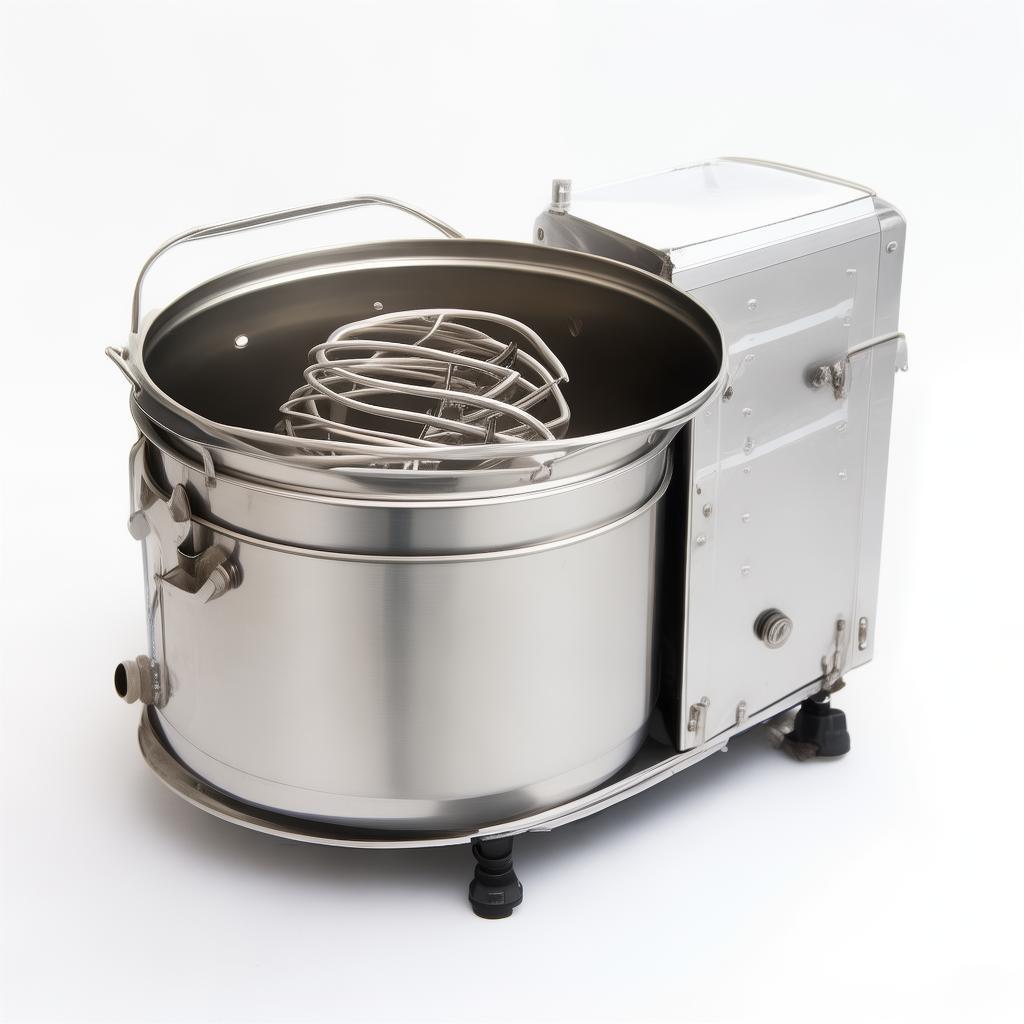
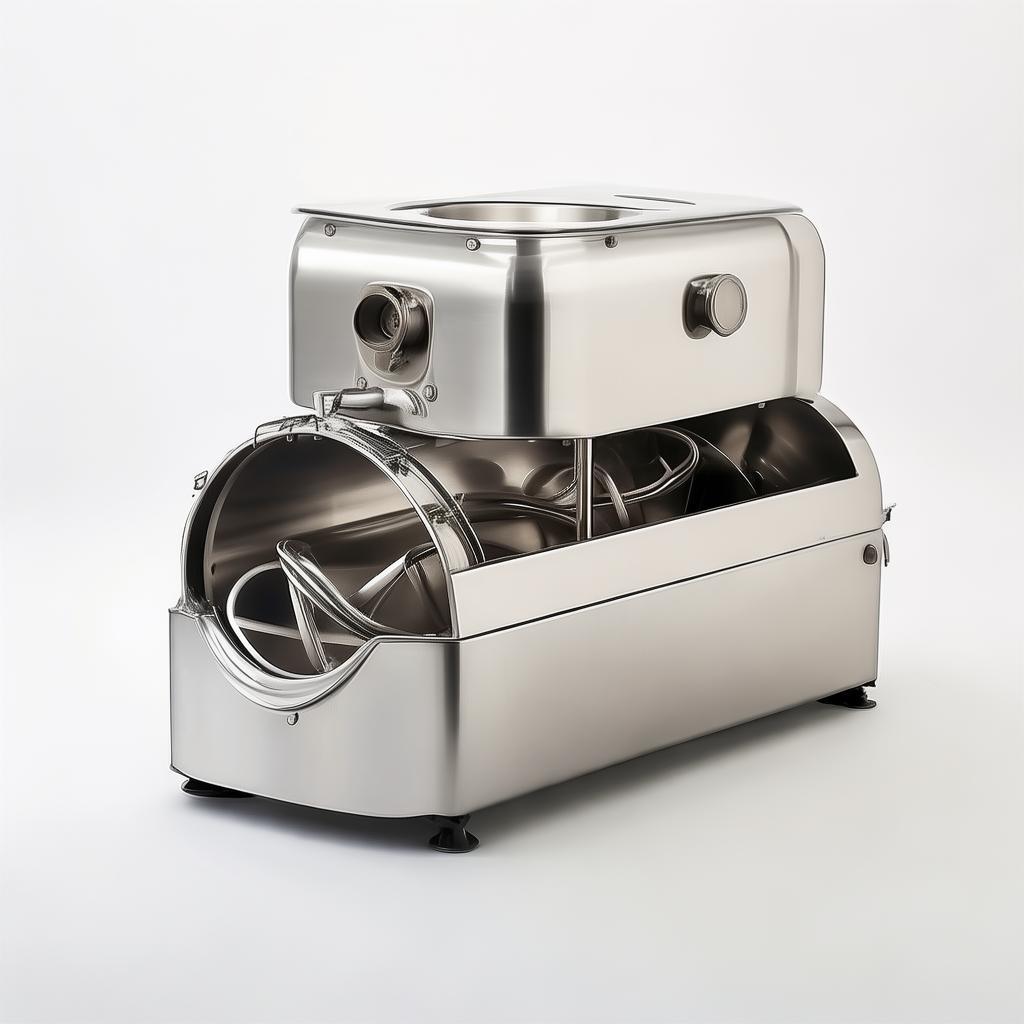
Navigating the Landscape of Meat Replacement Ideas: A Procurement & Manufacturing Perspective
Unlock Efficiency and Quality in Your Processed Meat Operations
 By: Li Wei, Senior Export Manager, Hebei Yuanchang Food Mechanism & Technology Co., Ltd.
The Evolving Demands on Meat Processing
In today's dynamic global marketplace, the concept of "meat replacement ideas" extends far beyond consumer trends. For B2B manufacturers, processors, and distributors, it signifies a fundamental shift in how we approach product development, operational efficiency, and market differentiation. The drive for novel textures, enhanced nutritional profiles, and sustainable sourcing isn't just about what ends up on a consumer’s plate; it’s about the sophisticated machinery, meticulous processes, and strategic partnerships that bring these innovations to life. From optimizing the pretreatment of meat products to perfecting the ripening process for meat products, every step presents an opportunity for refinement and innovation. The global meat processing equipment market, valued at USD 11.29 billion in 2025 and projected to reach USD 17.39 billion by 2034, underscores the immense scale and ongoing expansion within this sector. This growth isn't solely fueled by an increasing global appetite for meat, but by the industry's relentless pursuit of automation, hygiene, and cost-effectiveness. Leading markets are seeing robust investment in areas like filling & stuffing, massaging, cutting, and grinding equipment, all crucial for developing a diverse range of processed meat items. Our own experience, spanning over 40 years at Hebei Yuanchang, has shown us that understanding these shifts is paramount for maintaining a competitive edge. We’ve witnessed firsthand how advancements in machinery directly enable the creation of new product categories and improve the quality and consistency of established ones. The move towards convenient, ready-to-eat options, coupled with stricter food safety regulations worldwide, necessitates sophisticated processing capabilities. This is where the true value of understanding "meat replacement ideas" comes into play for B2B operations: it's about identifying processing solutions that can adapt to evolving raw materials, consumer preferences, and operational demands. Think about the implications for your own supply chain – are you equipped to handle new protein sources? Can your existing machinery efficiently process alternative meat formulations that mimic traditional textures and flavors? These are not just hypothetical questions; they are the operational realities shaping the future of food manufacturing. The industry is clearly responding. Reports indicate a significant CAGR of 5.0% for the meat processing equipment market, a testament to continuous innovation and adaptation. This growth is intrinsically linked to the development of processed meats, where technologies for tenderizing, filling, molding, and ripening are foundational. For instance, massaging equipment, often overlooked, plays a vital role in enhancing texture and facilitating flavor penetration during the ripening phase, crucial for achieving premium product profiles. Similarly, precision filling and molding machines are essential for producing consistent, high-quality sausages, patties, and formed meat products, including those derived from alternative protein sources. The Asia-Pacific region, for example, is a hotbed of activity, driven by both increasing meat consumption and the industrialization of processing facilities, demanding advanced preprocessing and filling line solutions. The focus on hygiene and labor efficiency through automation is another critical driver. As labor shortages persist in many regions, investing in robust, automated machinery isn't just an operational upgrade; it's a strategic imperative. This is why companies like ours, with a dedicated in-house machining workshop boasting over 20 sets of processing machinery and advanced Japanese CNC centers, are positioned to deliver high-precision components essential for reliable, high-volume production. Our ability to independently produce critical parts ensures that the equipment we supply can meet the stringent demands of modern food processing, including those driven by the exploration of new "meat replacement ideas." The challenge, then, is to integrate these evolving product concepts into existing or planned processing workflows. It requires a deep understanding of material science, processing physics, and equipment capabilities. It’s about more than just substituting one ingredient for another; it’s about reimagining the entire production cycle to accommodate new formulations, textures, and even processing parameters. The industry report by Fortune Business Insights highlights that key segments include filling, massaging, cutting, and grinding equipment. These are precisely the areas where Hebei Yuanchang Food Mechanism & Technology Co., Ltd. has dedicated decades of expertise, allowing us to offer comprehensive solutions for both traditional and next-generation meat products. We understand that adopting new "meat replacement ideas" can present unique challenges, from raw material variability to achieving desired sensory attributes. This is why our approach focuses on providing not just machinery, but integrated processing solutions backed by decades of practical experience. The processed meat market itself is projected to grow significantly, creating a continuous demand for innovative processing technologies. For example, reconstituted meat is a rapidly growing segment, projected to reach USD 36.1 billion by 2035 at a CAGR of 18.0%, heavily relying on advanced molding and pretreatment equipment—areas where we excel. Therefore, "meat replacement ideas" are not merely product concepts; they are catalysts for equipment innovation and process optimization within the broader food manufacturing ecosystem. They push us to refine our offerings, ensuring our clients have the tools to succeed in a market that values both tradition and transformation.
Understanding the Core "Meat Replacement Ideas" in B2B Contexts
When we talk about "meat replacement ideas" in the business-to-business arena, we're often referring to a spectrum of innovative approaches that go beyond simple vegetarian or vegan alternatives. These ideas are driven by multiple factors: evolving consumer demands for healthier and more sustainable options, the need for operational efficiency and cost-effectiveness in large-scale production, and the relentless pursuit of novel textures and flavors that can capture new market segments. For manufacturers and wholesale exporters, understanding these "ideas" translates into identifying the right equipment, processing techniques, and raw material handling capabilities.
1. Alternative Protein Sources & Formulations
This is perhaps the most direct interpretation. It involves processing ingredients like plant-based proteins (soy, pea, wheat), mycelium, insect proteins, or cultivated (lab-grown) meat. The challenge here isn't just ingredient substitution; it's adapting machinery to handle different viscosities, binding properties, and thermal processing requirements. For example, filling and molding equipment designed for traditional meat might need adjustments or specific tooling to achieve the desired shape and density with plant-based batters or cultured muscle cells. We’ve seen this trend accelerate, with reports indicating the reconstituted meat market growing significantly, relying heavily on advanced molding and pretreatment equipment.
2. Enhanced Nutritional Profiles
Beyond simply replacing meat, the goal can be to create products that offer superior nutritional benefits. This might involve fortifying products with added vitamins, minerals, or fiber, or optimizing the protein and fat content. This often requires precise mixing and blending technologies to ensure uniform distribution of additives without compromising the overall texture or mouthfeel. The auxiliary items in a processing line, such as high-shear mixers or specialized blenders, become critical. The overall food processing machinery market, including meat, is expanding, with estimates reaching USD 109.61 billion by 2035, reflecting the investment in these advanced capabilities.
3. Texture and Sensory Mimicry
A significant hurdle in meat replacement is replicating the complex texture and cooking behavior of conventional meat. This drives innovation in machinery that can manipulate protein structures, create fibrous textures, or achieve specific fat encapsulation. Techniques like tenderizing, advanced massaging (for ripening), and precise molding are paramount. The demand for equipment supporting these processes is robust; for instance, the meat tenderizing agent market complements mechanical pretreatment equipment, indicating a dual approach to texture enhancement. Our 40 years of experience have taught us that the right machinery can unlock significant textural potential, whether for traditional meats or novel alternatives.
4. Sustainability and Clean Label Claims
The "idea" of sustainability often translates to reducing environmental impact, minimizing waste, or using ingredients perceived as "cleaner." For processors, this means efficient use of raw materials, reduced energy consumption in processing (e.g., during ripening), and clear labeling. Equipment that minimizes product loss during cutting, grinding, or filling, and that operates efficiently, aligns with these goals. Auxiliary systems like smoking equipment can also be optimized for energy use and emissions control. The trend towards sustainable practices is influencing equipment design and operational protocols.
5. Cost Optimization and Scalability
From a B2B perspective, implementing new product ideas must be economically viable. This often involves sourcing cost-effective alternative proteins, optimizing production yields, and ensuring machinery can handle large volumes efficiently. OEM/ODM capabilities become crucial here, allowing manufacturers to customize equipment or entire production lines to meet specific cost targets and scalability requirements. The demand for automation in response to labor shortages and the need for consistent quality further emphasizes scalability. The global meat processing equipment market's projected growth suggests substantial investment in machinery that supports high-volume, cost-efficient production.
At Hebei Yuanchang, we see these "meat replacement ideas" as opportunities to deploy our expertise in meat product filling molding, ripening processes, and pretreatment. Our advanced CNC machining capabilities allow us to build highly precise components necessary for consistent results, whether processing beef, pork, poultry, or novel protein sources. Understanding these underlying business drivers is key to identifying the right processing solutions and, ultimately, to successfully bringing new products to market. The operational knowledge required to adapt these ideas into scalable manufacturing processes is where strategic partnerships become invaluable.
Key Equipment for Implementing Meat Replacement Strategies
meat substitute products Alternative meat products vegan meat replacements
Transitioning "meat replacement ideas" from concept to commercial reality hinges on having the right processing infrastructure. For manufacturers and wholesale exporters, this means investing in versatile, high-performance equipment. Our experience at Hebei Yuanchang, backed by 40 years in the industry and advanced in-house manufacturing, allows us to provide critical machinery that supports these evolving demands. The machinery discussed here is fundamental for preparing, forming, and finishing a wide array of meat products, including those derived from alternative protein sources.
1. Pretreatment Equipment: The Foundation of Quality
This stage is crucial for breaking down raw materials to the desired consistency and preparing them for further processing. Key machines include:
- Grinding Machines: Essential for creating fine or coarse meat pastes, whether from animal proteins or plant-based ingredients. Precision grinding ensures consistent particle size, vital for texture.
- Cutting and Dicing Machines: Used for portioning and preparing meat chunks or smaller pieces. Industrial-grade cutters offer high throughput and accuracy.
- Tenderizing and Massaging Equipment: While often associated with traditional meat, these machines are invaluable for alternative proteins too. Tenderizers can break down tough plant fibers, while massagers improve binding, texture, and moisture retention in batters and emulsions. This is key for achieving desirable mouthfeel in formed products. Reports highlight the critical role of massaging systems for ripening and tenderizing.
- Mixing and Blending Systems: For incorporating spices, binders, fats, and other ingredients uniformly into the meat matrix or alternative protein base. High-efficiency mixers are vital for product consistency.
2. Filling and Molding Equipment: Shaping Innovation
This is where the product takes its final form. The accuracy and versatility of these machines directly impact product appearance, consistency, and production efficiency. The meat processing equipment market sees significant demand for filling and stuffing equipment.
- Sausage Filling Machines: Capable of filling casings with precise weights, whether for traditional sausages or plant-based alternatives. Adjustable casing horns and precise volumetric control are key features.
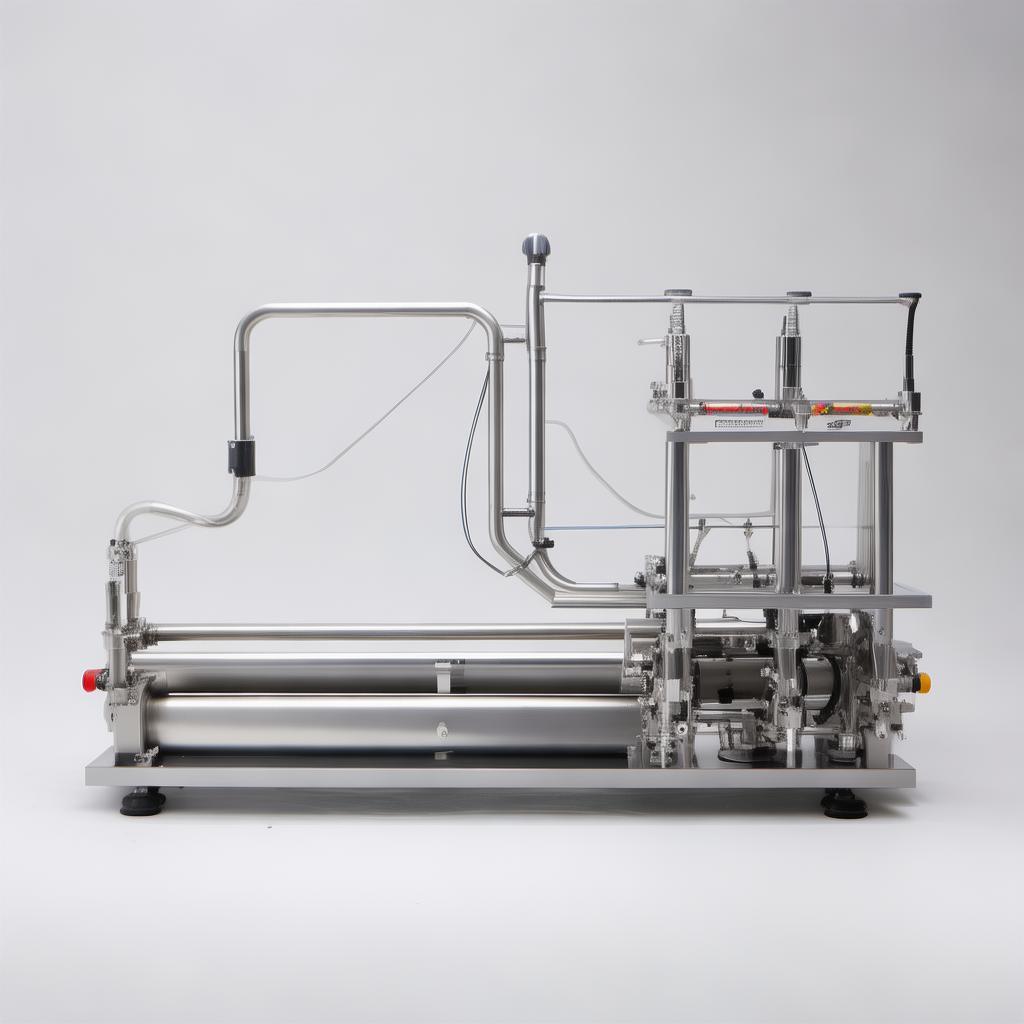
- Forming Machines: These machines are designed to create specific shapes (patties, nuggets, strips) from a meat mass or alternative protein blend. Features like interchangeable molds and adjustable thickness allow for a wide product range. Our meat product filling molding equipment is designed for this versatility.
- Portioning Machines: For accurately portioning products before cooking or packaging, ensuring consistency and yield.
3. Ripening and Auxiliary Processing Equipment: Enhancing Quality
These machines contribute to the final texture, flavor development, and preservation of the product. The ripening process for meat products can be significantly enhanced with the right equipment.
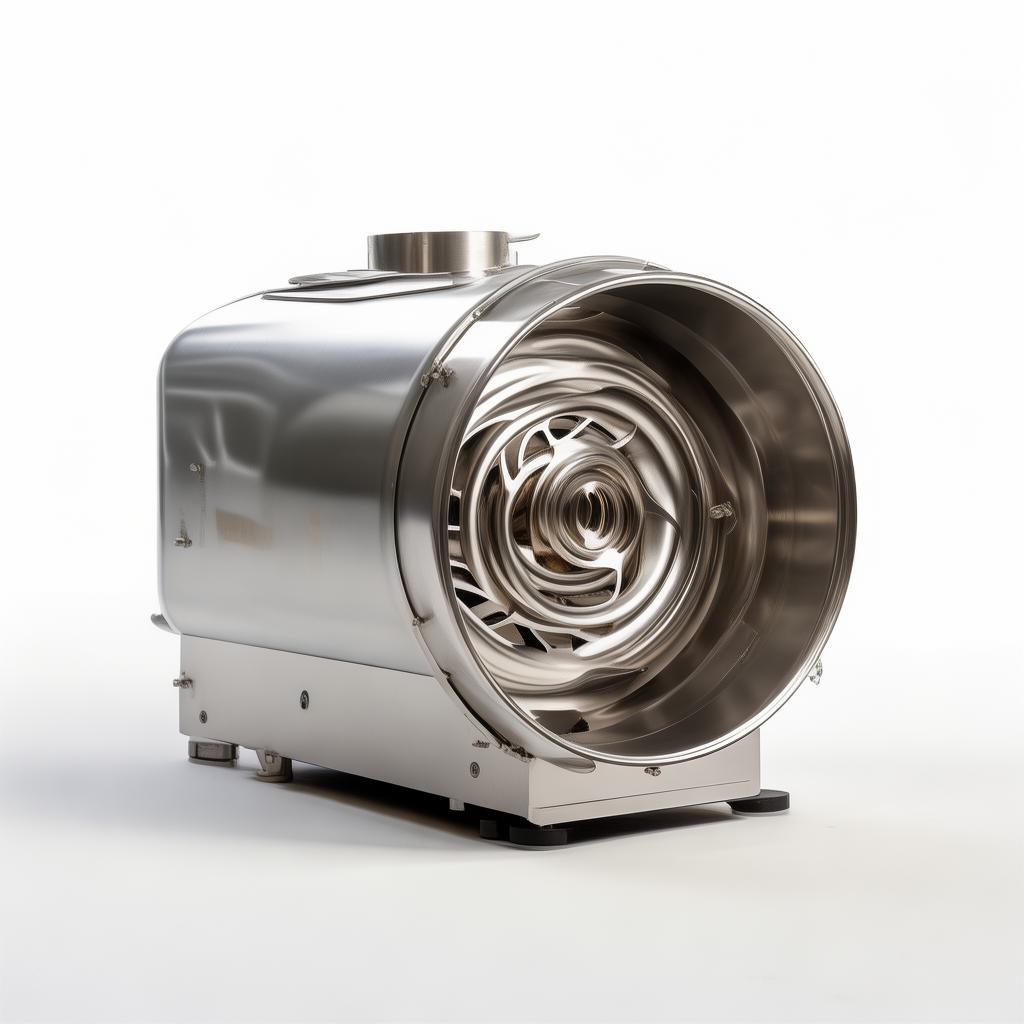
- Vacuum Massaging Machines: As mentioned earlier, these are critical for marinating, tenderizing, and achieving uniform texture and color. They are equally effective for plant-based marinades and products.
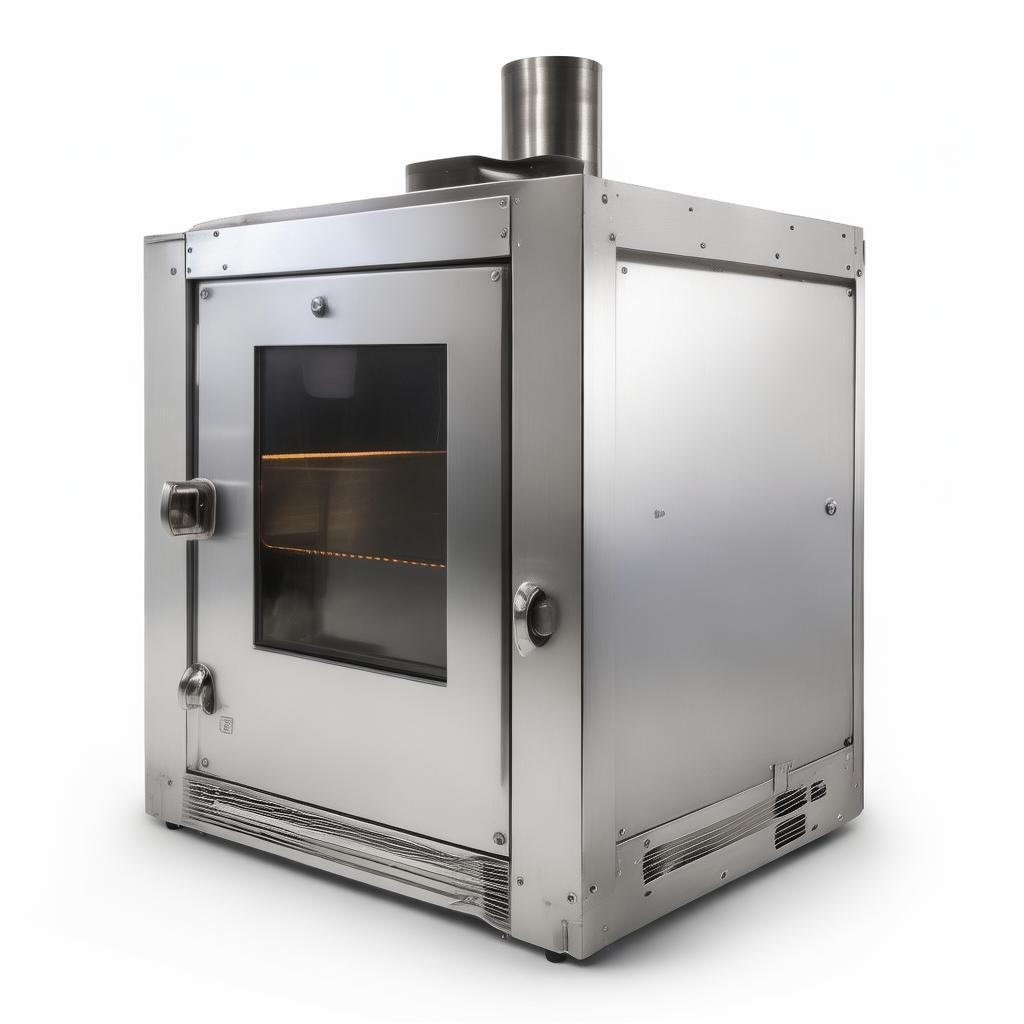
- Smoking and Drying Equipment: Used for flavor development, preservation, and achieving specific product characteristics. Modern units offer precise control over temperature, humidity, and smoke density.
- Cooking and Pasteurization Equipment: Essential for food safety and shelf-life extension. Various technologies exist, from steam ovens to continuous cookers.
Our commitment at Hebei Yuanchang is to provide robust, high-precision machinery. With over 20 sets of processing machinery in our in-house workshop and the addition of Japanese Mazak CNC machining centers in 2012, we can produce high-standard components that meet stringent specifications for large-volume, high-precision, and non-standard product requirements. This capability ensures that our OEM/ODM services can deliver customized solutions tailored to specific "meat replacement ideas," ensuring your production lines are optimized for efficiency, quality, and innovation. The investment in such equipment is a strategic move to align with market trends and ensure long-term competitiveness. The global meat processing equipment market is projected to reach USD 19.11 billion by 2035 at a CAGR of 4.89%, driven by precisely these types of innovations.
Leveraging Hebei Yuanchang: Your Partner in Processing Innovation
Navigating the complex world of processed meat production, especially when incorporating new "meat replacement ideas," demands a partner with deep technical expertise, manufacturing prowess, and a proven track record. Hebei Yuanchang Food Mechanism & Technology Co., Ltd., established in 1986, offers precisely that. With over four decades of hands-on experience, we have cultivated an intimate understanding of the entire production lifecycle, from the initial pretreatment of meat products to the final ripening process and beyond.
Manufacturing Excellence & Precision Engineering
Our operations are built on a foundation of robust in-house manufacturing. Spanning approximately 14,000 square meters, our facility houses over 20 sets of advanced processing machinery, including lathes, milling machines, high-precision grinding machines, and wire cutting equipment. The strategic integration of 8 Japanese Mazak CNC machining centers since 2012 has elevated our capability to produce components requiring high precision, large volumes, and non-standard specifications. This internal control over component manufacturing is a critical advantage, allowing us to ensure the quality and reliability of every machine we deliver. It means we can undertake complex OEM/ODM projects with confidence, delivering tailored solutions that meet exact client requirements.
Comprehensive Product Lines & Solutions
Our expertise covers the core stages of meat processing:
- Pretreatment Of Meat Products: Grinders, cutters, mixers, and tenderizers that prepare raw materials efficiently and consistently.
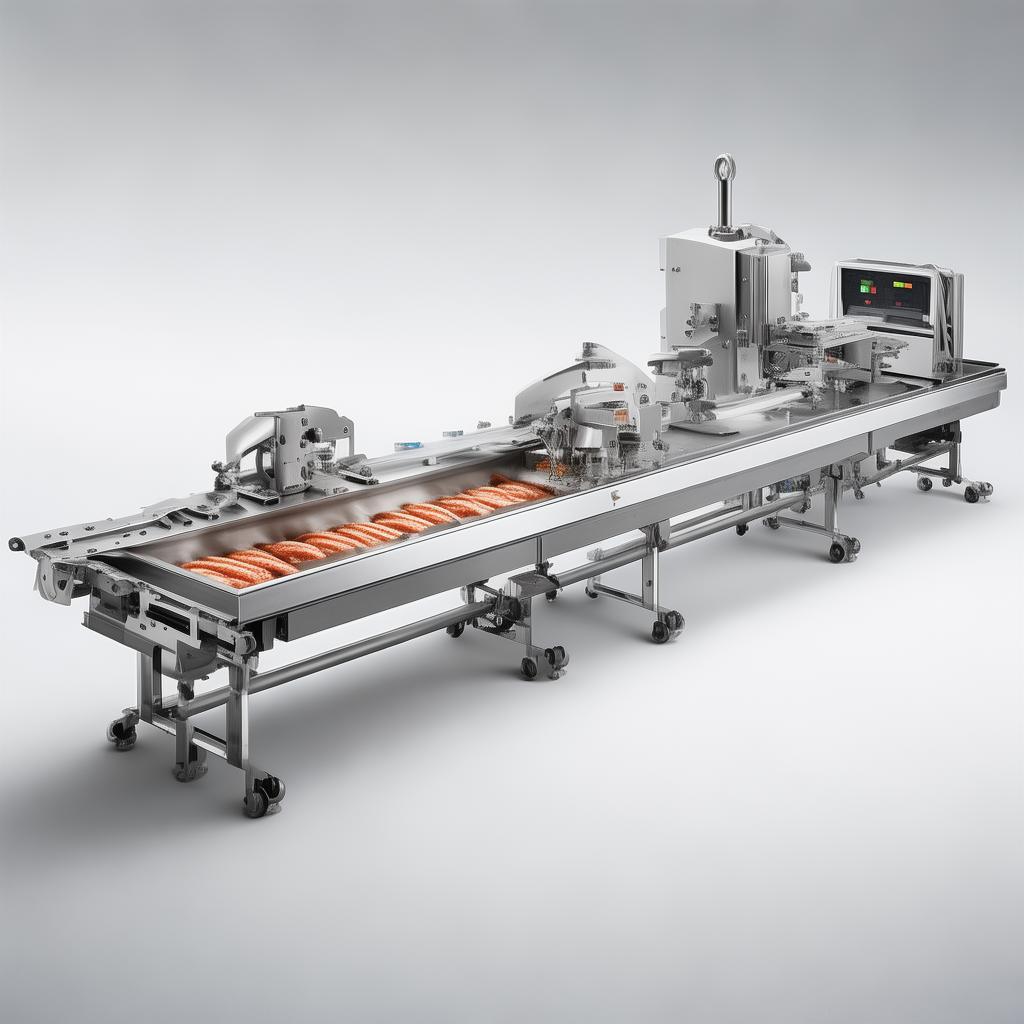
- Meat Product Filling Molding: Precision fillers and formers to create your desired product shapes and sizes with accuracy and speed.
- Ripening Process For Meat Products: Vacuum massagers and related equipment to enhance texture, flavor, and shelf-life.
- Auxiliary Items: Smoking units, cooking systems, and other essential machinery to complete your production line.
This integrated approach means we can assist clients in developing complete processing lines, whether for traditional meats or innovative alternatives. The ability to provide end-to-end solutions is a significant operational advantage for our partners.
Commitment to Quality & After-Sales Support
Quality is not just a promise; it's embedded in our manufacturing processes. Our traceable after-sales management system ensures that every component is accounted for, providing you with reliable support and peace of mind. We understand that in international trade, dependable after-sales service is as crucial as the initial product quality. The market for meat processing equipment continues to grow, with a strong emphasis on automation and hygiene, trends we've consistently prioritized. Companies looking to integrate advanced "meat replacement ideas" into their operations will find our blend of experience, technological capability, and customer focus invaluable. For instance, the North America meat, poultry, and seafood processing equipment market is seeing strong demand for filling and ripening processes, areas where our machines excel. We are not just a supplier; we are a strategic partner dedicated to helping you achieve operational excellence and market leadership.
Our team of 80-100 employees is dedicated to upholding the highest standards in R&D, production, and sales. When you partner with Hebei Yuanchang, you gain access to decades of applied knowledge, cutting-edge manufacturing, and a genuine commitment to your success.
Procurement Insights & Supplier Evaluation for Processing Equipment
Selecting the right processing equipment is a critical decision for any food manufacturer or wholesale exporter, especially when exploring innovative product lines like "meat replacement ideas." The procurement process involves more than just comparing price tags; it requires a strategic assessment of capabilities, reliability, and long-term support. At Hebei Yuanchang, we understand the procurement decision workflow intimately and aim to provide transparency and confidence to our clients.
Key Considerations for Evaluating Equipment Suppliers
When evaluating potential partners for your processing machinery needs, consider the following:
- Manufacturing Capabilities: Does the supplier have in-house manufacturing facilities? This indicates better quality control, customization potential, and faster response times. Our extensive workshop and CNC capabilities at Hebei Yuanchang are a testament to this.
- Experience and Longevity: How long has the company been in operation? Decades of experience, like ours since 1986, signify deep industry knowledge and resilience. Check for references to industry standards or certifications (e.g., ISO, CE).
- Technical Expertise: Can they offer engineering support, customization (OEM/ODM), and advice on integrating new product lines? Our R&D integration ensures we stay ahead.
- Component Quality and Precision: High-precision components are vital for consistent output and machine longevity. Do they utilize advanced machining like CNC? We heavily rely on our Mazak CNC centers for this.
- After-Sales Service and Spare Parts: What is their plan for providing support, maintenance, and spare parts, especially for international clients? A traceable management system, like ours, is essential.
- Scalability and Versatility: Can the equipment handle different raw materials and varying production volumes? This is crucial for adapting to "meat replacement ideas" and market fluctuations. The meat processing equipment market's growth of around 5% CAGR indicates a need for scalable solutions.
Addressing Procurement Risks with Hebei Yuanchang
We proactively address common procurement concerns:
- Lead Times: With our integrated manufacturing, we can provide realistic and often competitive lead times for equipment and critical components.
- Customization: Our OEM/ODM services mean we can adapt machinery to your specific needs, from minor modifications to integrated line designs.
- Logistics: We have extensive experience in arranging international shipping and ensuring products reach their destination efficiently. Container loading optimization is standard practice.
- Quality Assurance: Rigorous in-house quality control at every stage of manufacturing minimizes defects and ensures performance.
Choosing a supplier is an investment in your operational future. We encourage potential clients to request detailed specifications, discuss their unique processing challenges, and explore how our 40 years of expertise can support their goals, whether it’s optimizing the pretreatment of meat products or perfecting the meat product filling molding process for novel applications. Our goal is to reduce your procurement risks by offering transparency, reliability, and superior engineering.
Frequently Asked Questions on Meat Processing Equipment
Q1: Can your filling and molding machines handle plant-based or alternative protein formulations as effectively as traditional meat?
A1: Yes, our machines are designed with versatility in mind. While traditional meat has specific properties, our precision engineering allows for adjustments in speed, pressure, and tooling to accommodate the varying viscosities and binding characteristics of plant-based and other alternative proteins. We recommend discussing your specific formulations with our technical team so we can ensure optimal performance, potentially through minor adjustments or custom tooling.
Q2: What is the typical lead time for a complete processing line, including pretreatment and molding equipment?
A2: Lead times can vary based on the complexity and customization required for a specific line. However, thanks to our integrated in-house manufacturing, including advanced CNC capabilities, we can often provide competitive lead times. For a standard configuration, you might expect anywhere from 8 to 16 weeks from order confirmation to shipment. Custom lines may require additional consultation and engineering time. We always provide a detailed timeline upon order confirmation.
Q3: How do you ensure the quality and durability of your machines for international clients?
A3: Quality is paramount. We utilize high-grade materials and employ stringent quality control measures throughout our manufacturing process. Our investment in Japanese Mazak CNC machining centers ensures exceptional precision for critical components. Furthermore, our traceable after-sales management system means we stand behind our products. We also provide comprehensive documentation and training to ensure proper operation and maintenance for longevity.
Q4: Can you assist with custom equipment design and manufacturing (OEM/ODM)?
A4: Absolutely. OEM/ODM is a core part of our service offering. With our extensive engineering team and advanced machining facilities, we regularly undertake projects to develop bespoke solutions tailored to unique client needs, specific product formulations, or specialized production challenges. We work closely with clients from concept to final production.
Q5: What kind of after-sales support do you offer for international buyers?
A5: We offer robust after-sales support. This includes providing technical documentation, remote assistance via phone and email, and the availability of spare parts. Our goal is to ensure your equipment operates smoothly throughout its lifecycle. We can also arrange for technician support for complex installations or repairs if needed, though our equipment is designed for operational robustness.
Customer Testimonials
"We were looking to expand our processed meat line into more innovative products, including some plant-based options. Hebei Yuanchang's filling and molding machines have been exceptional. The precision allows us to handle both traditional meat and new formulations with consistent quality. Their technical support was invaluable during the setup phase."

Operations Manager, USA
"As a wholesale exporter, consistency and reliability are non-negotiable. Hebei Yuanchang delivered a robust meat pretreatment system that has significantly improved our yield and product texture. The lead time was as estimated, and the machinery has proven very durable in our high-volume operation. We especially appreciate their OEM capabilities for future expansions."

Procurement Director, Canada
"We needed specialized equipment for the ripening process to enhance the texture of our cured meats. The vacuum massager from Hebei Yuanchang exceeded our expectations. It provides uniform marination and tenderization, leading to a superior final product. Their after-sales support team was responsive and helpful."

Production Lead, South Korea
Ready to Innovate Your Meat Processing?
Explore how Hebei Yuanchang's advanced machinery and 40 years of expertise can transform your production capabilities. Whether you're integrating new "meat replacement ideas" or optimizing existing lines, we provide the precision, reliability, and support you need.