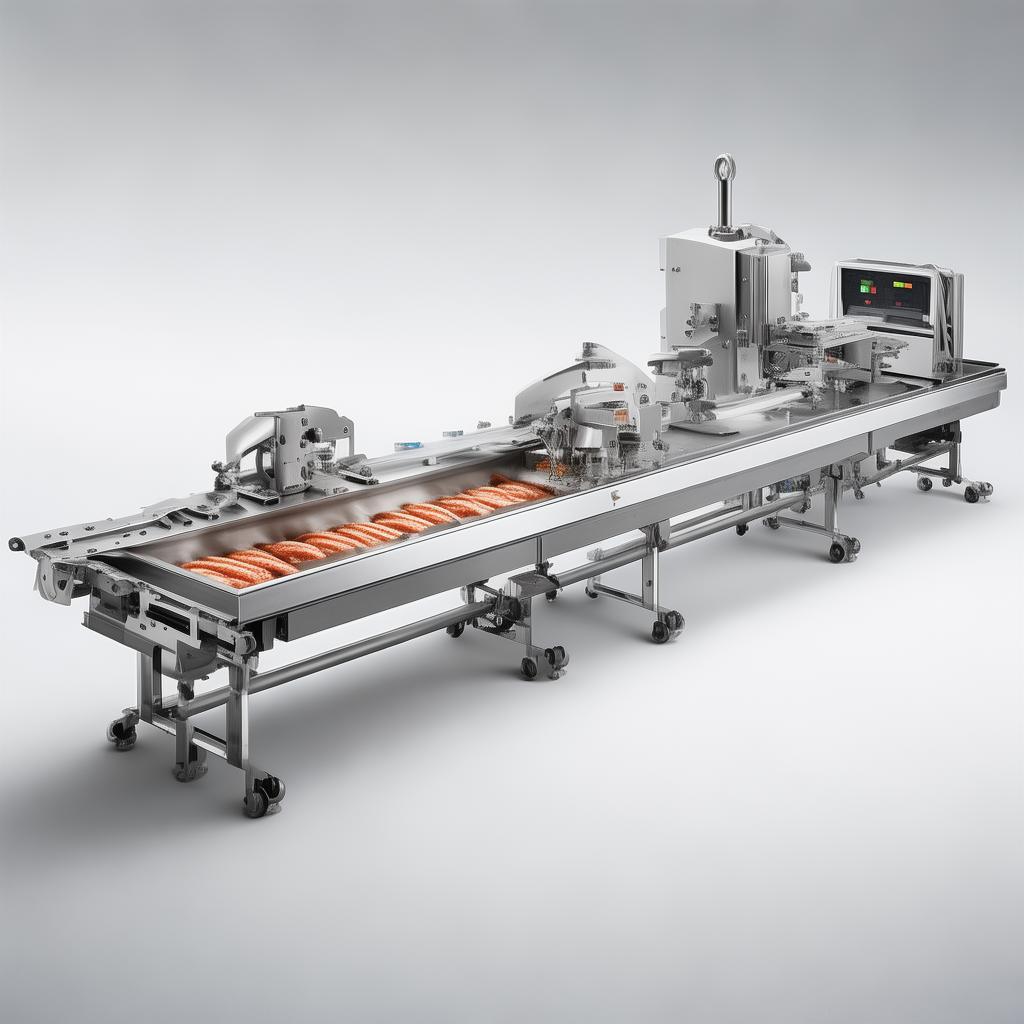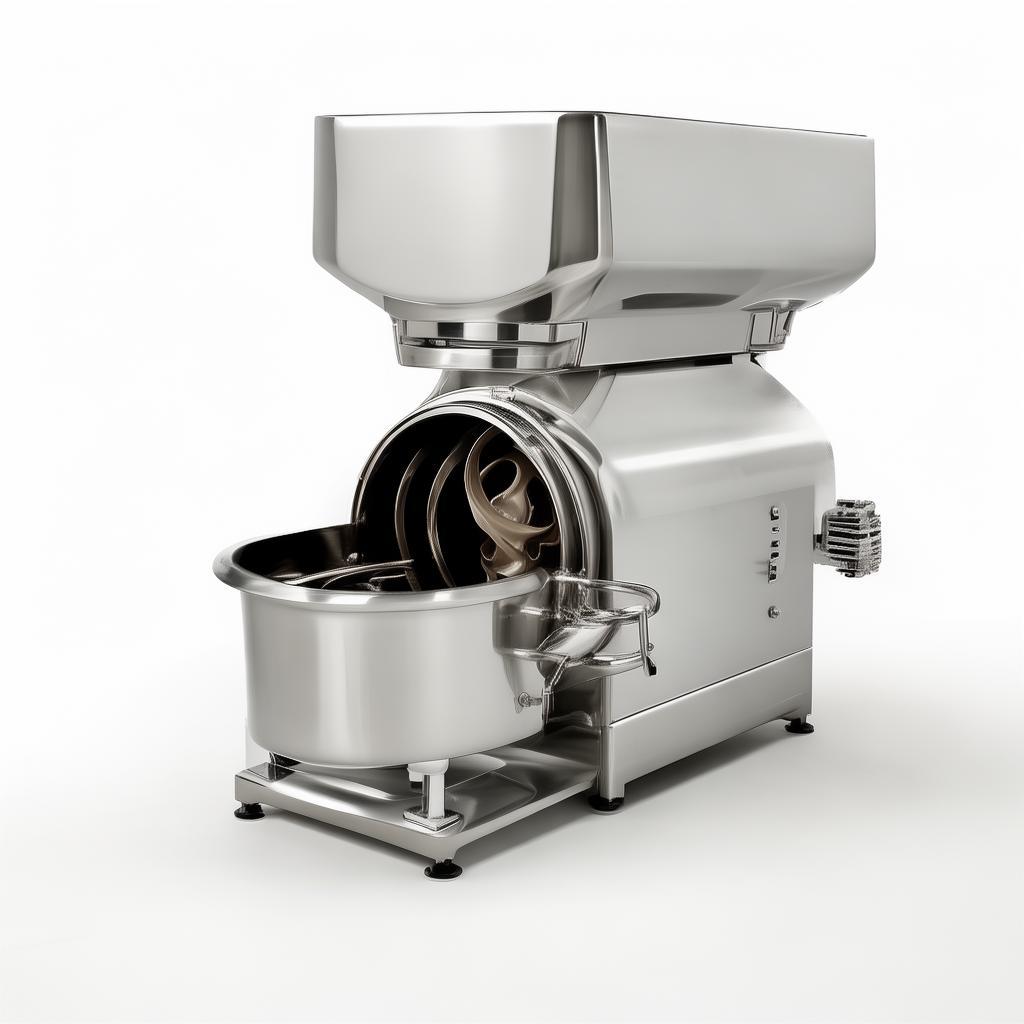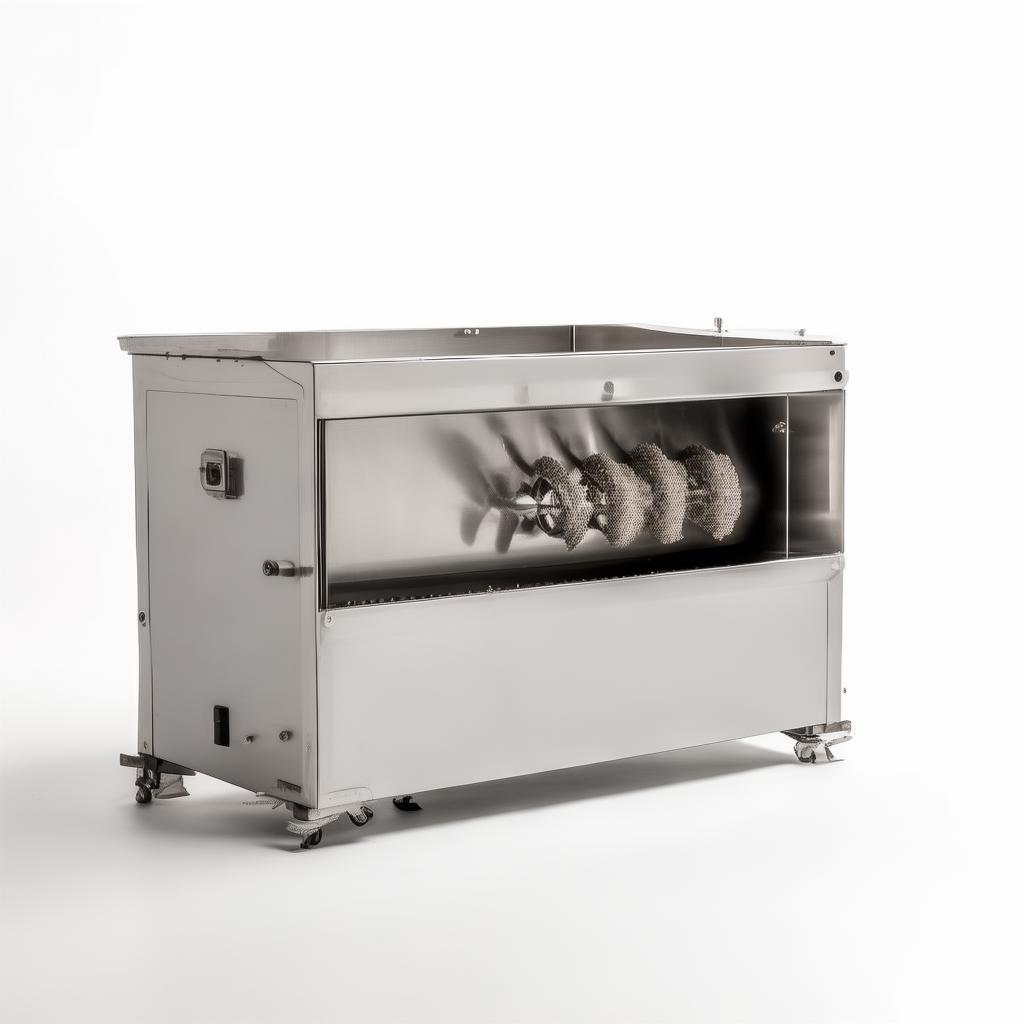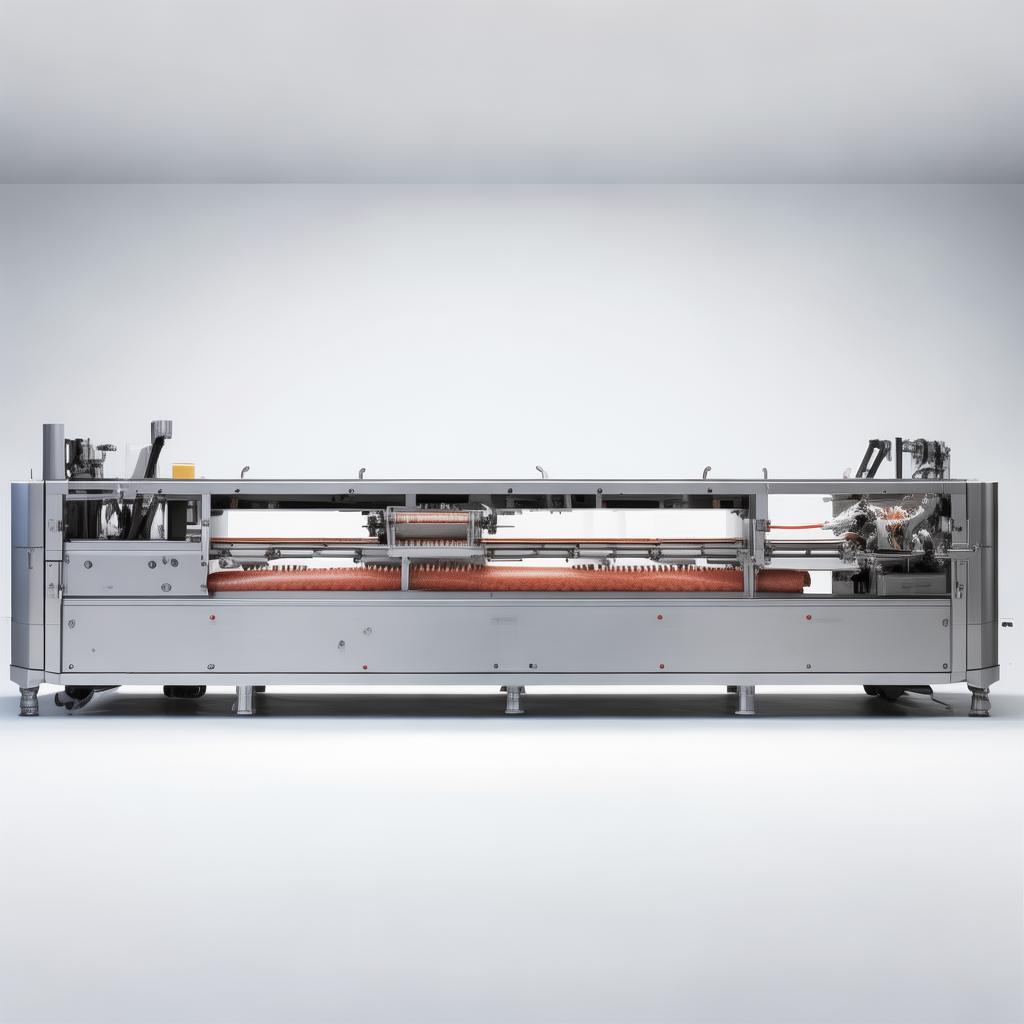
Meat Processing System
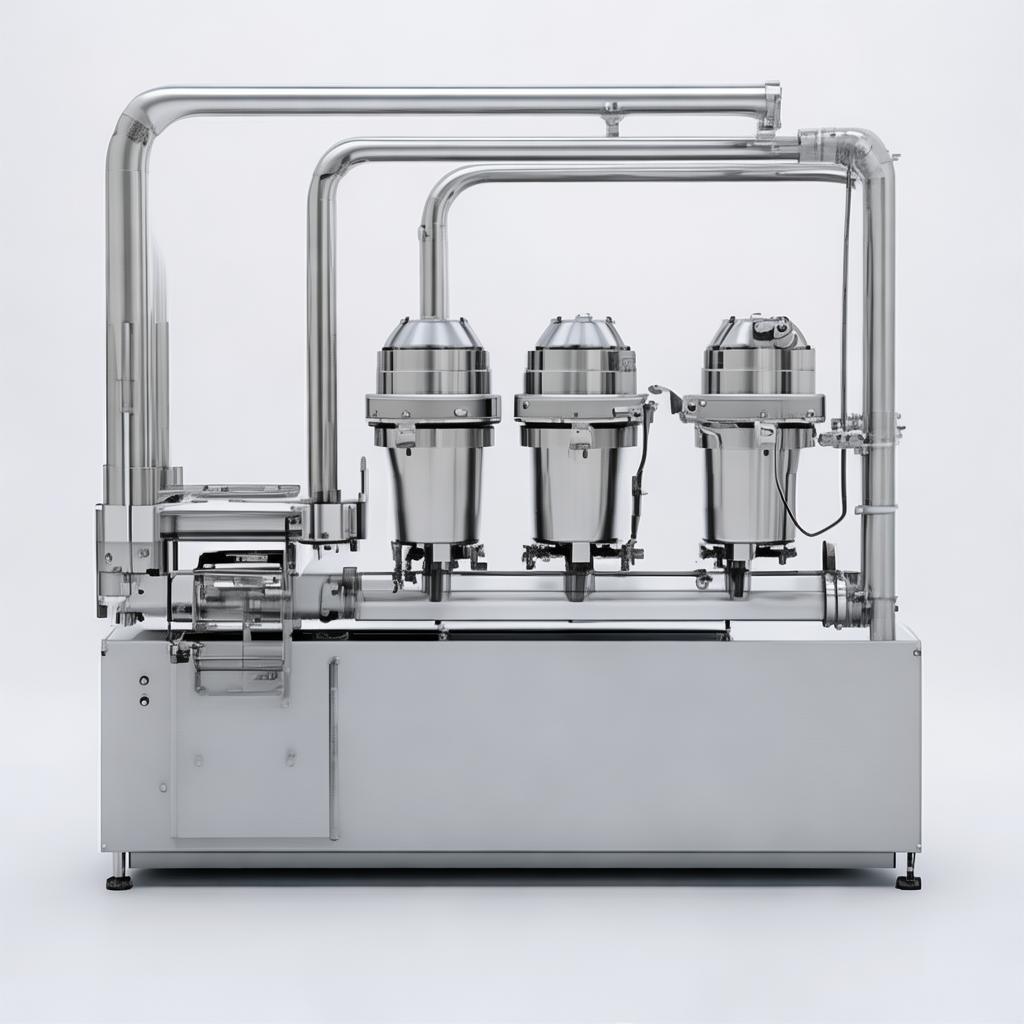
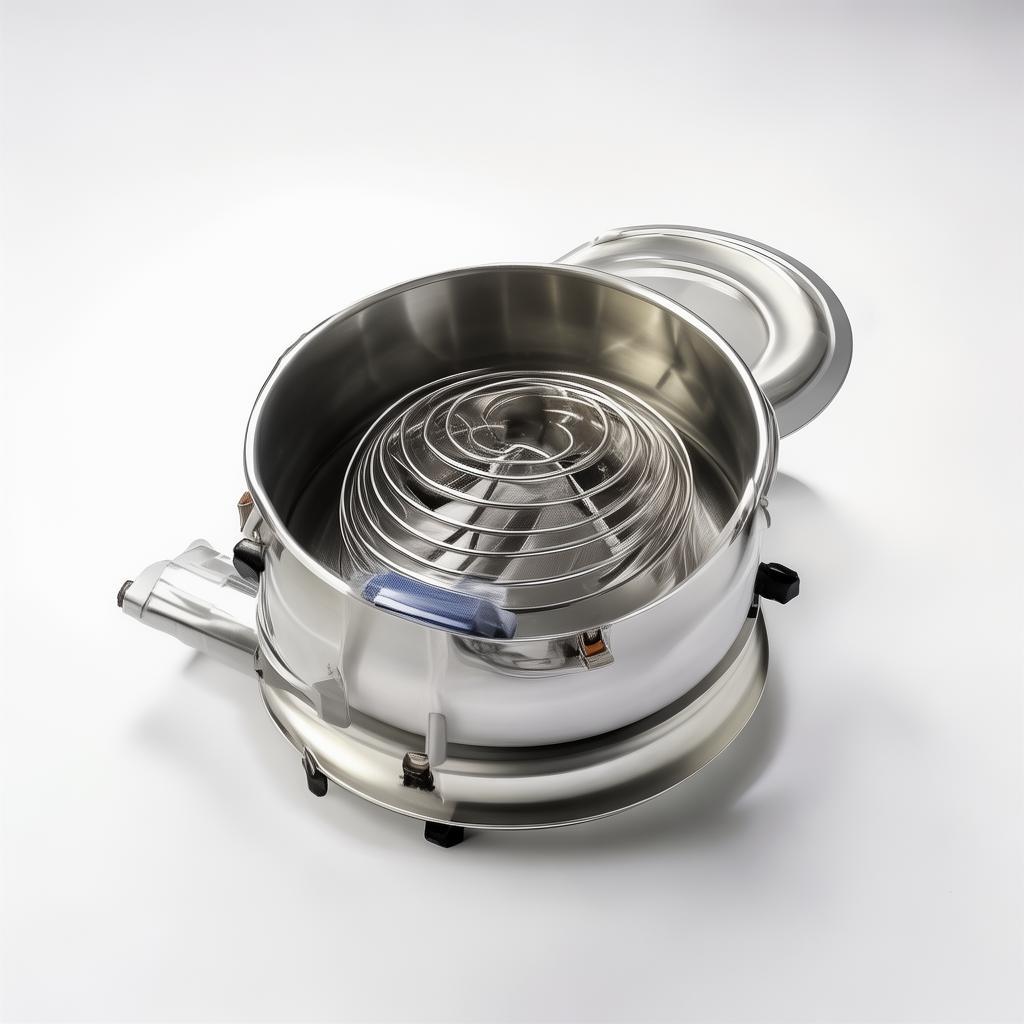
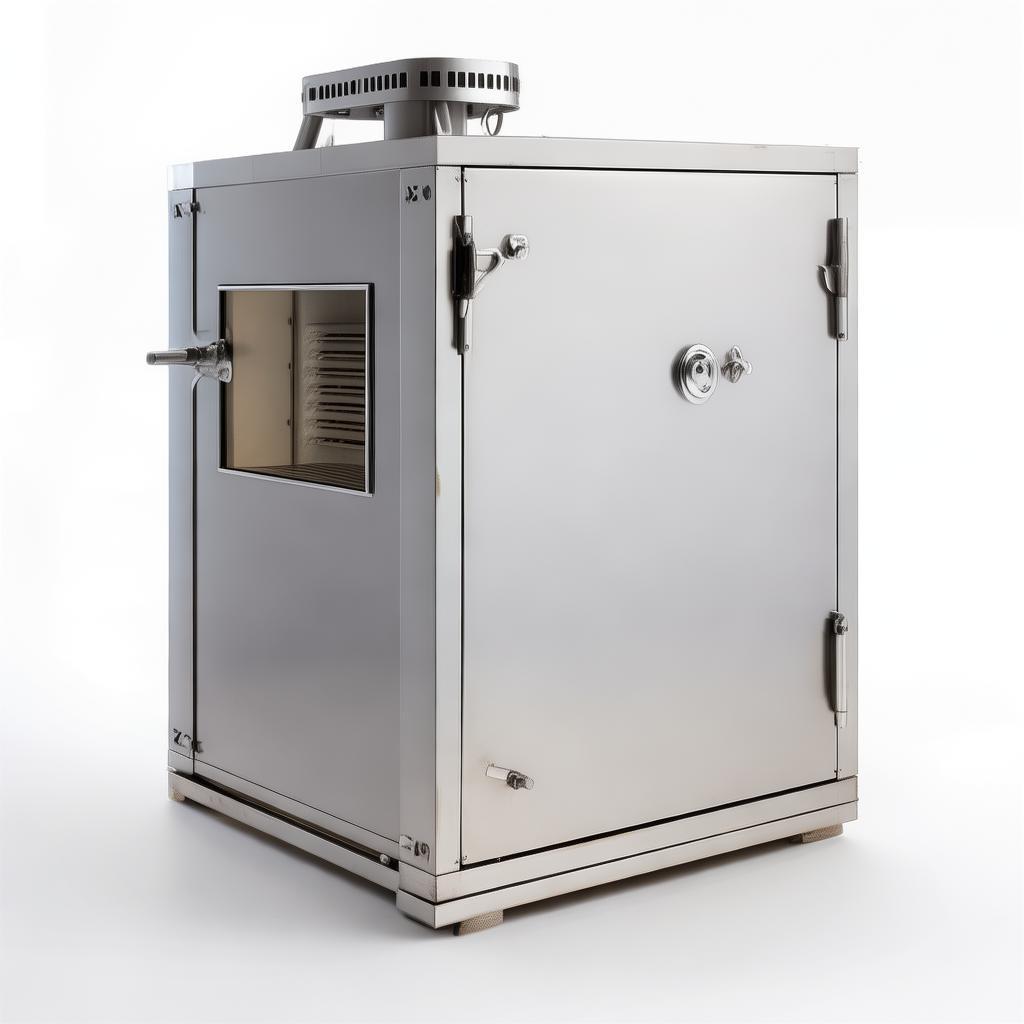
Advanced Meat Processing Systems: Enhancing Quality, Efficiency, and Profitability
By Hebei Yuanchang Food Mechanism & Technology Co., Ltd. | Industrial Export Specialist
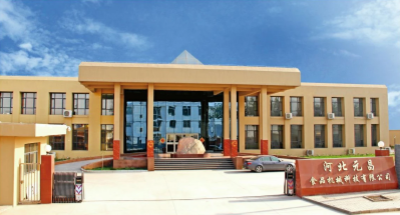
Navigating the Complex Landscape of Modern Meat Production
The global demand for processed meat products continues its upward trajectory, driven by evolving consumer preferences for convenience, quality, and variety. This surge isn't just about quantity; it's increasingly about consistency, safety, and sophisticated culinary experiences. For meat processors worldwide, from large-scale industrial operations in the United States to specialized export-focused facilities, the challenge lies in meeting this demand efficiently and profitably. The heart of this challenge beats within the machinery and technology employed—specifically, the meat processing system. Selecting the right system isn't merely a capital expenditure; it's a strategic decision that impacts everything from raw material utilization and labor costs to final product quality and market competitiveness.
The meat processing equipment market itself is a robust sector, projected by various industry analyses to reach well over USD 15 billion by 2030 and continue its expansion. Reports from entities like Fortune Business Insights and Grand View Research consistently highlight key growth drivers: the increasing consumption of processed meats, the imperative for automation to address labor shortages and enhance hygiene, stringent food safety regulations, and the burgeoning demand in regions like Asia-Pacific. Specifically, equipment for pretreatment of meat products, filling and molding for consistent product formation (like sausages or formed patties), and ripening processes (often facilitated by massaging or tumbling equipment) are frequently cited as critical components of a modern processing line. These systems are not just standalone units; they are integrated components of a comprehensive workflow designed to transform raw meat into a diverse array of consumer-ready goods.
At Hebei Yuanchang, with 40 years of dedicated experience since 1986, we've witnessed firsthand the evolution of these systems. We understand that a "meat processing system" encompasses more than just individual machines. It's about the seamless integration of pretreatment capabilities, precise filling and molding technologies, advanced ripening processes, and essential auxiliary items. Our expertise extends beyond manufacturing; it’s rooted in understanding the intricate operational demands of international B2B trade, the procurement decision workflows of purchasing managers, and the technical specifications that engineers scrutinize. This deep dive into the world of meat processing systems aims to equip you with the knowledge to make an informed choice, one that aligns with your operational goals and strengthens your market position.
Consider the critical role of pretreatment. This initial stage can involve tenderizing, marinating, or even initial grinding, setting the foundation for the final product's texture and flavor. Following this, the filling and molding stage is paramount for products like sausages, deli meats, and formed patties. Precision here dictates not only the product's appearance but also its weight consistency, a key factor for profitability and consumer trust. The subsequent ripening process, often accelerated through advanced massaging or tumbling techniques, develops flavor, improves texture, and enhances shelf life—essential for cured and aged meats. Each of these stages requires specialized machinery, and the effectiveness of the overall system hinges on the synergy between these components. We frequently consult with clients who are struggling with inconsistent product quality due to outdated or mismatched equipment, leading to increased waste, higher labor input, and ultimately, reduced profit margins. The right system mitigates these risks significantly.
Furthermore, the operational realities of a processing facility demand robust, reliable, and easily maintainable equipment. Downtime is costly, and the complexity of some modern systems can lead to extended repair periods if adequate support and spare parts are not readily available. This is where our vertically integrated manufacturing approach, including our in-house machining workshop equipped with advanced CNC centers, becomes a distinct advantage. We can independently produce high-precision parts, ensuring swift and effective after-sales service—a critical factor for international buyers who often face long lead times and logistical hurdles. For instance, a breakdown in a filling machine could halt an entire production line, leading to significant financial losses. Our ability to quickly supply replacement parts or provide technical support can mean the difference between a minor inconvenience and a major operational crisis.
The global market trends underscore the importance of adapting and upgrading. The shift towards convenience foods and ready-to-eat options, coupled with the growing popularity of specific meat types like poultry and pork in processed forms, means that processors must be agile. The market for reconstituted and formed meat products, for example, is seeing accelerated adoption, heavily relying on precise molding and efficient filling technologies. We've seen clients successfully tap into these markets by investing in systems that offer versatility, allowing them to produce a wider range of products with minimal line changeovers. This adaptability is key in a dynamic global marketplace.
In essence, a "meat processing system" from Hebei Yuanchang is not just a collection of machines; it's a holistic solution designed to optimize your entire production workflow. It’s about delivering consistent product quality, maximizing operational efficiency, ensuring food safety compliance, and ultimately, boosting your bottom line. Whether you are looking to establish a new processing line, upgrade existing equipment, or explore OEM/ODM opportunities for specialized applications, understanding the components and their integrated function is paramount. This guide will delve into the critical aspects, from pretreatment and filling to ripening and auxiliary support, providing insights that go beyond a standard product catalog.
Common Hurdles in Meat Processing Operations
Many meat processors, particularly those looking to expand their export reach or introduce new product lines, encounter recurring operational challenges. These aren't minor inconveniences; they can significantly impact profitability and competitiveness.
- Inconsistent Product Quality: Variations in texture, shape, or flavor can stem from imprecise machinery, especially in filling and molding. This leads to product rejection and damaged brand reputation.
- Low Production Efficiency: Bottlenecks in pretreatment, slow filling speeds, or lengthy ripening times reduce throughput and increase operational costs per unit.
- High Labor Dependency: Manual processes, particularly in tasks like portioning or stuffing, increase labor costs, introduce human error, and pose hygiene risks.
- Food Safety Compliance Issues: Older equipment may not meet modern hygiene standards, leading to contamination risks and potential recalls. Maintaining strict sanitation protocols is crucial.
- Material Waste: Inaccurate filling or molding, inefficient cutting, or improper ripening can lead to significant waste of valuable raw materials.
- Limited Product Variety: Existing systems may lack the flexibility to produce diverse product formats or cater to evolving market trends, restricting revenue streams.
- Maintenance and Downtime: Frequent breakdowns or difficult maintenance procedures can cripple production schedules and incur substantial repair costs.
Addressing these pain points requires a robust and well-integrated meat processing system. It’s about moving from reactive problem-solving to proactive operational excellence.
From a procurement perspective, these issues translate directly into ROI concerns. A purchasing manager weighing system upgrades must consider the long-term cost of downtime, waste, and potential compliance failures against the initial investment. This is where understanding the capabilities of modern pretreatment, filling, and ripening technologies becomes critical. For example, investing in precision meat product filling molding equipment can drastically reduce giveaway (overfilling) and improve portion consistency, directly impacting profit margins on high-volume products.
Our Integrated Meat Processing Solutions: Key Advantages
Hebei Yuanchang's meat processing systems are engineered to tackle these industry challenges head-on, providing tangible benefits for your operation.
1. Precision and Consistency in Filling & Molding
Our filling and molding machines utilize advanced volumetric or gravimetric control systems to ensure precise product weights and shapes, batch after batch. This minimizes overfilling, reduces material waste, and guarantees that consumers receive exactly what they expect, every time. This level of accuracy is vital for products ranging from delicate sausages to precisely formed deli slices.
2. Enhanced Ripening and Textural Improvement
Through optimized massaging and tumbling technologies, our systems gently process meats to enhance flavor development, improve texture, and ensure uniform marination. This is critical for cured meats, ham, and other products where aging and flavor infusion are key quality attributes. The controlled environment within these machines promotes efficient protein modification and moisture retention.
3. Robust Pretreatment Capabilities
We offer a range of pretreatment equipment, including efficient grinders and tenderizers, designed to prepare raw materials effectively. These machines are built for durability and high throughput, ensuring that your input materials are optimally prepared for subsequent processing stages.
4. Superior Hygiene and Ease of Cleaning
All our systems are designed with food safety as a top priority. Materials like food-grade stainless steel (e.g., SUS304) are standard, and designs facilitate easy disassembly and thorough cleaning. This minimizes the risk of cross-contamination and simplifies compliance with HACCP and other food safety standards.
5. Operational Efficiency and Automation
By integrating automated feeding, processing, and discharge functions, our systems significantly reduce manual labor requirements, speed up production cycles, and minimize the potential for human error. This leads to lower operational costs and increased overall output.
6. Durability and Long-Term Value
Constructed with high-quality materials and precision engineering, our equipment is built for sustained performance in demanding industrial environments. Our 40 years of manufacturing experience mean we understand the stresses of continuous operation and engineer accordingly. The inclusion of high-precision parts produced using Japanese Mazak CNC machining centers further enhances reliability and component longevity.
Technical Specifications: A Closer Look at Our Core Components
Understanding the technical heart of our systems is crucial for integration and operational planning. Below are typical specifications for our core equipment categories. Please note that exact specifications can be customized to meet specific project requirements.
Meat Product Filling Molding Machine (Example Model: YC-QJ200)
| Parameter | Specification | Details |
|---|---|---|
| Production Capacity | Up to 120 pcs/min | Varies with product size and complexity |
| Filling Range | 5g - 500g | Adjustable via control panel |
| Material | SUS304 Stainless Steel | Food-grade, easy to clean |
| Power | 3.5 kW | Standard industrial voltage (customizable) |
| Dimensions | Approx. 1.5m x 0.8m x 1.6m | Compact design for integration |
| Control System | PLC with Touchscreen Interface | User-friendly operation, recipe management |
Meat Massaging/Tumbling Machine (Example Model: YC-YS500)
| Parameter | Specification | Details |
|---|---|---|
| Capacity | 500 Liters | Suitable for medium-to-large batches |
| Material | SUS304 Stainless Steel | Corrosion-resistant, food-safe |
| Rotation Speed | Variable (0-20 RPM) | Adjustable for different product types |
| Direction | Forward and Reverse | Ensures even mixing and marination |
| Power | 2.2 kW | Efficient energy consumption |
| Control | Programmable Timer & Speed Control | Customizable processing cycles |
processing of meat meat processing solutions meat processing definition
These specifications highlight our commitment to precision engineering and operational flexibility. We also provide detailed datasheets for our meat product pretreatment and auxiliary equipment upon request.
When evaluating systems, consider the operational environment. For instance, high-humidity environments common in processing plants necessitate robust stainless steel construction and sealed components to prevent corrosion and ensure longevity. Our choice of SUS304 is deliberate for these reasons.
Versatile Applications Across the Meat Industry
Our comprehensive meat processing systems are designed to serve a wide spectrum of applications within the industry, catering to various meat types and product formats:
- Sausage Production: Precise filling and molding are essential for uniform stuffing of casings, ensuring consistent diameter and weight for products like frankfurters, bratwurst, and Italian sausages.
- Deli Meats & Processed Ham: Our systems enable the creation of consistently shaped and textured deli slices, ham loaves, and other processed meat products, meeting the demands of the ready-to-eat market.
- Formed Meat Products: From burger patties and meatballs to nuggets and steak alternatives, our molding and filling machines can produce a vast array of formed products with excellent consistency and appeal.
- Marinated and Cured Meats: Tumbling and massaging equipment are critical for evenly distributing marinades, curing agents, and additives, ensuring deep penetration and uniform flavor development in products like bacon, jerky, and dried meats.
- Pet Food Processing: Our adaptable systems can also be configured for the production of pet food, processing meat ingredients into kibble precursors or wet food formats, aligning with the growing market for premium pet nutrition.
- Poultry and Red Meat Processing: Whether handling beef, pork, lamb, or poultry, our equipment is engineered to manage the specific textures and requirements of each meat type during pretreatment, molding, and ripening.
The adaptability of our systems means that processors can often pivot between different product types with minor adjustments or tooling changes, maximizing asset utilization. This is particularly valuable for businesses serving diverse markets or facing seasonal demand fluctuations.
Procurement Insights: What Buyers Need to Know
Selecting a meat processing system is a significant investment. As an experienced supplier, we advise buyers to consider the following points to ensure a successful acquisition:
- Define Your Production Needs Clearly: What specific products will you produce? What is your target output volume? Understanding your primary requirements will help narrow down equipment choices.
- Evaluate Supplier Experience and Reputation: Look for suppliers with a proven track record, especially in international trade. Four decades of experience, like ours at Hebei Yuanchang, signifies stability and deep industry knowledge.
- Assess After-Sales Support and Spare Parts: This is critical for international buyers. Can the supplier provide timely technical assistance and readily available spare parts? Our in-house manufacturing of high-precision parts is a key differentiator here.
- Consider Total Cost of Ownership (TCO): Beyond the initial purchase price, factor in installation, training, energy consumption, maintenance, and potential downtime.
- Verify Certifications and Compliance: Ensure the equipment meets relevant international standards (e.g., CE, FDA compliance for food contact materials).
- Request Site Visits or Virtual Demonstrations: Seeing the equipment in operation, or at least a detailed video walkthrough, can provide valuable insights.
We understand the procurement decision workflow. It involves risk assessment, ROI calculations, and ensuring long-term operational viability. We are committed to providing transparent information and support throughout your evaluation process.
A practical warning for buyers: never underestimate the importance of installation and logistics. Ensuring the equipment can be safely and efficiently transported to your facility, installed correctly within your existing line, and operated with minimal disruption requires careful planning. We can assist with outlining these considerations.
Buyer's Tip: When discussing specifications, ask about the lead time for custom modifications and critical spare parts. This proactive approach can save significant operational headaches down the line.
Our Manufacturing Strength: Precision, Scale, and Experience
At Hebei Yuanchang, our 40-year legacy is built on a foundation of robust manufacturing capabilities. Spanning approximately 14,000 square meters and employing a dedicated team of 80-100 professionals, we integrate R&D, production, and sales seamlessly.
Our strength lies in our advanced in-house machining workshop, equipped with over 20 sets of processing machinery. This includes traditional lathes and milling machines, alongside high-precision grinding machines, boring machines, and wire cutting equipment. The strategic introduction of 8 sets of Japanese Mazak CNC machining centers in 2012 significantly elevated our capacity for producing high-standard, non-standard, and high-volume components with exceptional precision. This capability allows us to:
- Produce critical, high-precision parts independently, ensuring quality control and faster turnaround.
- Undertake custom manufacturing for specialized client needs, offering true OEM/ODM flexibility.
- Maintain stringent quality standards throughout the production process.
- Provide traceable after-sales management, backed by our ability to quickly fabricate replacement parts.
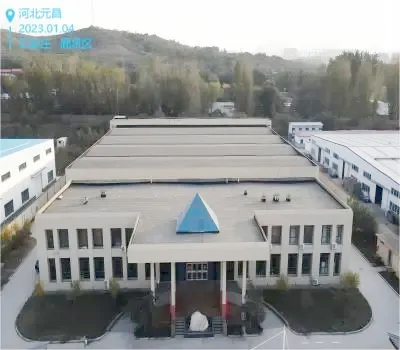
This manufacturing depth ensures that our meat processing systems are not only designed for optimal performance but are also built to last, offering reliable and efficient operation for years to come.
Commitment to Quality and Compliance
We prioritize adherence to international quality and safety standards. Our equipment is manufactured with robust materials and processes to meet the stringent demands of the global food industry. We are committed to providing products that align with:
- Food Safety Regulations: Utilizing food-grade stainless steel (SUS304) and designing for ease of sanitation are fundamental.
- International Standards: While specific certifications may vary by product and region, our manufacturing processes are geared towards meeting requirements often associated with standards like CE for safety compliance in Europe.
- Customization for Regional Needs: We work with clients to ensure our systems can meet specific market regulations, whether it's for North America, Europe, or other global destinations.

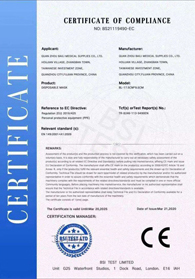

We can provide detailed compliance documentation upon request for specific product inquiries.
What Our Global Partners Say
We value the feedback from our clients, as it drives our commitment to continuous improvement and client satisfaction.

Operations Manager, USA
"We implemented the YC-QJ200 filling and molding machine for our sausage line, and the consistency has been remarkable. Reducing giveaway by even a small percentage has a significant impact on our margins. The machine is robust and handles our production volume well. The export process was smooth, and support was responsive."

Procurement Director, Mexico
"We needed a reliable massaging machine for our cured ham production. Hebei Yuanchang's YC-YS500 delivered. It provides even tumbling, which is crucial for our product's texture and flavor. Installation was straightforward, and their team offered excellent guidance. We appreciate the quality build and the clear communication."

Factory Manager, Japan
"The OEM components we sourced from Hebei Yuanchang were of exceptional quality, meeting our precise specifications. Their ability to leverage their advanced machining capabilities for custom parts was invaluable. The lead times were reasonable given the complexity, and the reliability has been top-notch."
Frequently Asked Questions
- Q1: What is the typical lead time for a complete meat processing system?
- Lead times can vary based on the complexity and customization of the system, typically ranging from 45 to 90 days from order confirmation to shipment. This accounts for manufacturing, testing, and preparation.
- Q2: Do you offer installation and training services internationally?
- Yes, we can arrange for installation and training services globally, often through certified local partners or direct dispatch of our technical specialists, depending on project scope and client needs. Costs are typically outlined in the project proposal.
- Q3: What materials are used in your equipment, and are they food-grade?
- Our primary construction material for food contact parts is SUS304 food-grade stainless steel, chosen for its durability, corrosion resistance, and ease of sanitation. Other components may use high-quality industrial materials as appropriate.
- Q4: Can your filling and molding machines handle different types of meat batters and fillings?
- Absolutely. Our machines are designed with adjustable settings and, where applicable, interchangeable parts to accommodate various viscosities and compositions of meat batters, emulsions, and fillings, from fine-particle forcemeats to coarser blends.
- Q5: What kind of after-sales support do you provide for international clients?
- We offer comprehensive after-sales support, including technical assistance via email and phone, troubleshooting guides, and the rapid supply of spare parts. Our ability to produce high-precision parts in-house significantly enhances our responsiveness.
Ready to Optimize Your Meat Processing Operations?
Discover how our advanced meat processing systems can elevate your product quality, boost efficiency, and drive profitability.
Contact Us:
Phone: +86 15830991513 | E-mail: ycmeatmech@gmail.com
Address: Shijiazhuang, Hebei Province, China
Trust Through Transparency
We understand that international procurement involves trust. We provide clear, honest information about our capabilities, product specifications, and after-sales commitments. Below are examples of direct communication to illustrate our responsiveness: