Meat Processing Definition
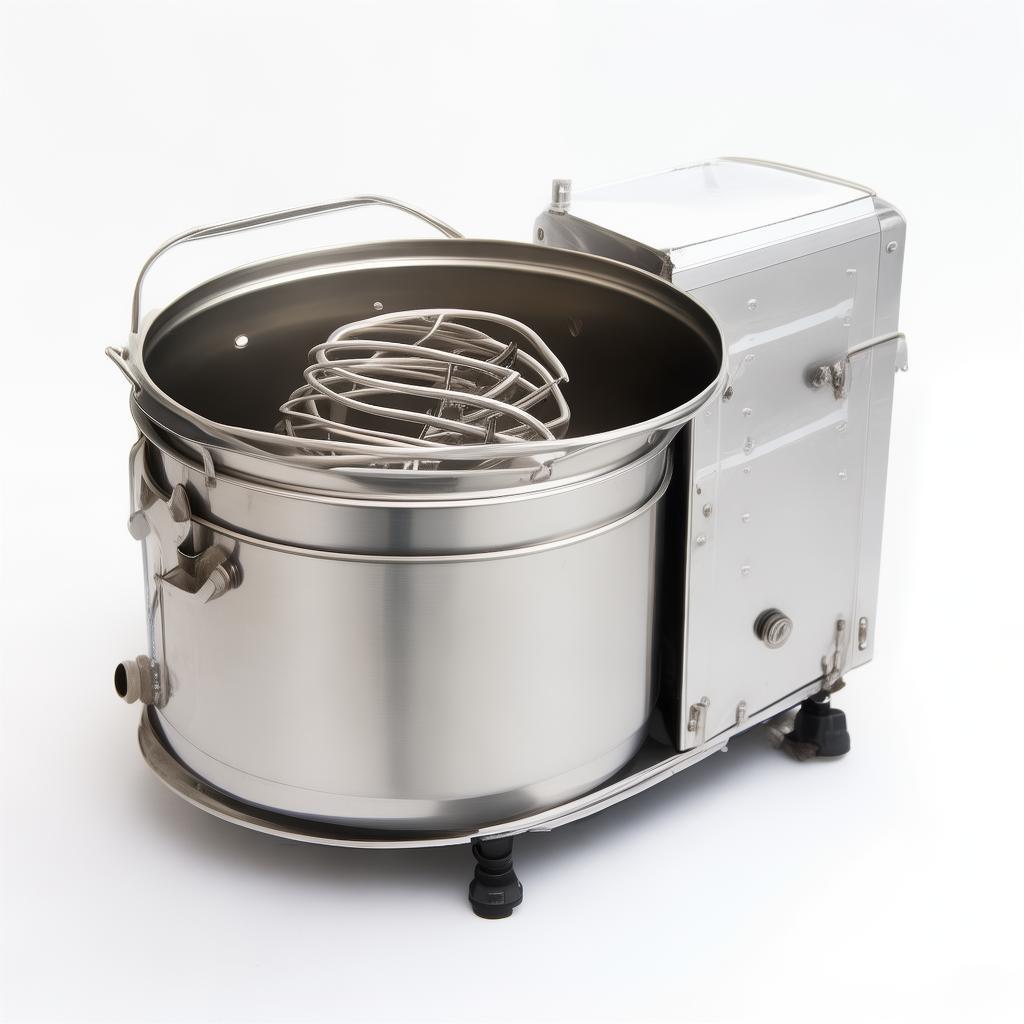
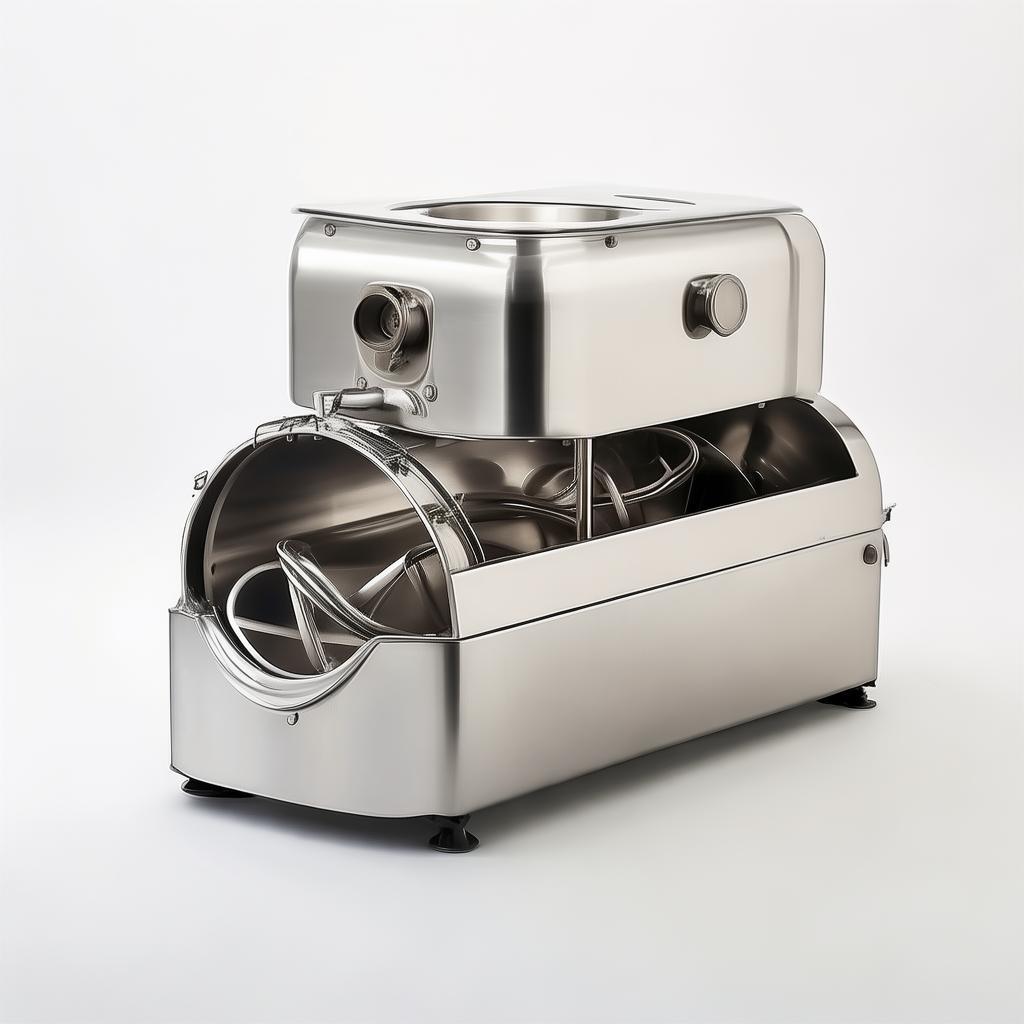
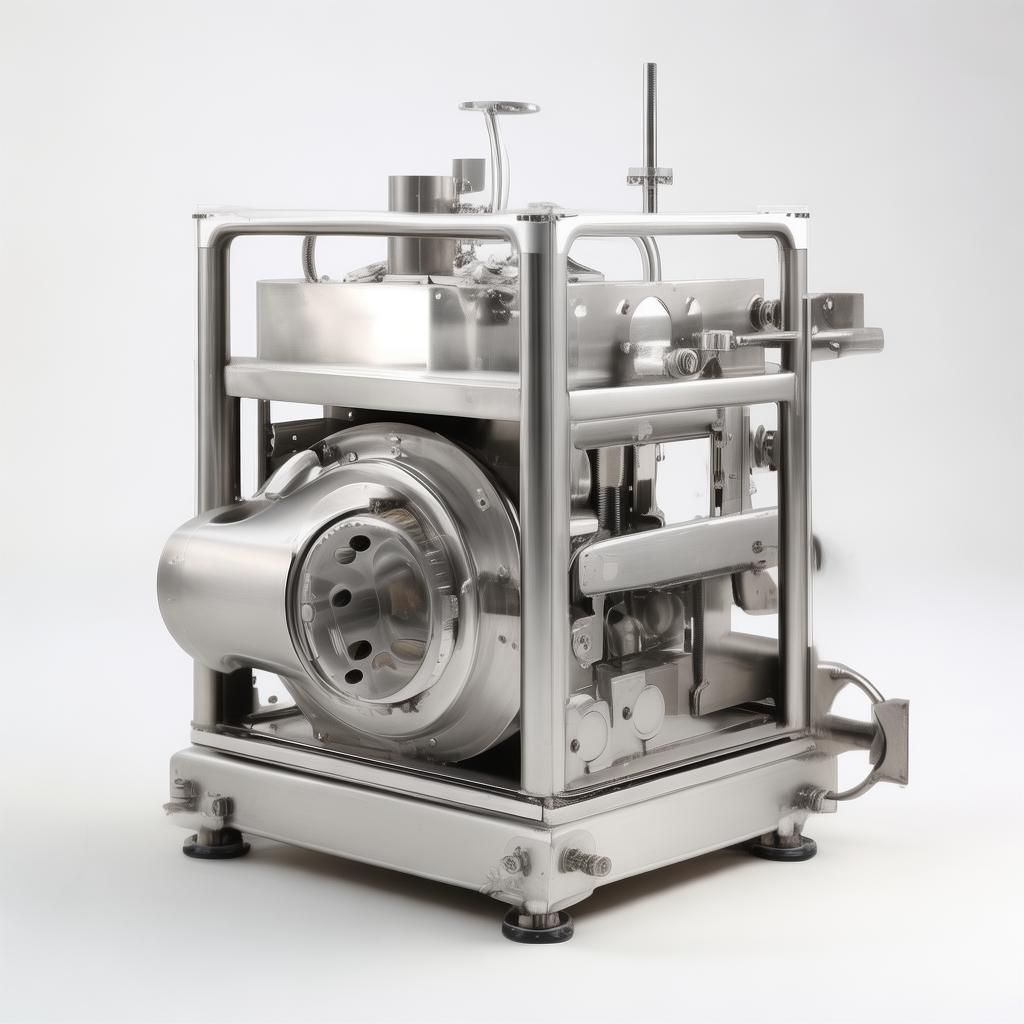
Meat Processing: From Raw Material to Market-Ready Products
An In-depth Look at the Definition, Technologies, and Global Impact
 By Zhang Wei, Export Director at Hebei Yuanchang Food Mechanism & Technology Co., Ltd.
What is Meat Processing?
Meat processing, at its heart, is the transformation of raw animal carcasses into consumable food products. This isn't a simple step; it's a complex, multi-stage industrial operation that demands precision, hygiene, and sophisticated machinery. It encompasses everything from initial chilling and cutting to advanced techniques like curing, smoking, and forming. The ultimate goal is to extend shelf life, enhance flavor and texture, and create a diverse range of products that meet consumer demand and market specifications. For businesses in this sector, understanding the nuances of meat processing is crucial for efficiency, safety, and profitability.
From a B2B wholesale export perspective, meat processing defines the value chain. It's where raw agricultural output gains commercial viability. Whether you're dealing with beef, pork, poultry, or even pet food ingredients, the processing stages are fundamental. The equipment used here, from robust grinders to precision-controlled tumblers for ripening, dictates the final product quality and the operational capacity of any processing plant. We've seen firsthand how the right machinery can transform a small abattoir into a high-volume producer of market-leading sausages or ready-to-eat meals.
The global meat processing market itself is substantial. Reports indicate the market was valued at over USD 11 billion in 2025 and is projected to grow significantly, with some forecasts reaching upwards of USD 30 billion by 2035. This growth is fueled by a rising global population, increasing demand for convenient and processed food options, and the continuous need for improved food safety and extended shelf life. The equipment that facilitates this processing – the mixers, fillers, cutters, and ripening machines – forms the backbone of this multi-billion dollar industry.
Beyond the basic definition, meat processing involves understanding a wide array of techniques. These include mechanical processes like grinding and emulsifying, thermal treatments like cooking and smoking, and chemical modifications such as salting and curing. Each step requires specific equipment designed for optimal performance, minimal product loss, and adherence to stringent food safety regulations. For instance, the ripening process for certain meat products often involves specialized massaging or tumbling equipment to evenly distribute curing agents and develop texture, a critical step for many premium products.
It's also important to distinguish between primary processing (like slaughtering and carcass breakdown) and secondary processing (creating finished products). Our expertise at Hebei Yuanchang lies predominantly in the secondary processing stages and the auxiliary equipment that supports both. We focus on machinery that adds significant value and transforms basic meat cuts into the diverse array of consumer goods found on supermarket shelves worldwide. This includes, but is not limited to, filling and molding equipment for sausages and formed products, and advanced ripening systems that are essential for cured and aged meats.
When procurement managers inquire about "meat processing definition," they are often looking for a comprehensive understanding of the entire workflow, the key technologies involved, and how different equipment types contribute to final product quality and operational efficiency. They need to know that the machinery they invest in is not only capable of the defined processing steps but is also reliable, durable, and compliant with international standards. This is where our 40 years of experience since 1986 come into play, offering insights that go beyond mere product specifications.
The demand for processed meat is global, with significant growth noted in regions like Asia-Pacific due to industrialization and increasing disposable incomes. Reports from various market research firms, including Fortune Business Insights and Grand View Research, consistently highlight the expansion of the processed meat market, which in turn drives demand for sophisticated processing machinery. This includes equipment for everything from basic meatball formation to high-end charcuterie production. The interplay between raw material availability, processing technology, and consumer preference is a dynamic aspect of this industry.
Furthermore, the concept of "definition" extends to the types of meat processed. While beef and pork have traditionally dominated, poultry processing has seen a surge, and the market for reconstituted and formed meats is also growing rapidly. For example, the reconstituted meat market is projected to experience substantial growth, with CAGR figures as high as 18.0% according to some analyses. This trend directly impacts the need for specialized molding and pretreatment equipment, underscoring the evolving landscape of meat processing.
In essence, meat processing is an industrial discipline aimed at efficiently and safely converting raw animal protein into value-added food products. It's a sector where technological advancement, operational expertise, and a deep understanding of food science converge. At Hebei Yuanchang, we don't just build machines; we provide solutions that enable manufacturers to define and execute their processing strategies with confidence and consistency.
For those looking to establish or upgrade a meat processing facility, a clear grasp of "meat processing definition" is the first step. It involves understanding the entire journey from carcass to consumer. This includes critical pretreatment steps, the core transformation processes, and the final auxiliary treatments that define product appeal and shelf-stability. Our commitment is to provide the machinery that makes each of these steps achievable with superior performance and reliability.
The scale of operations can vary from small artisanal producers to massive industrial complexes. Regardless of size, the underlying principles of meat processing remain the same: transforming raw meat into safe, palatable, and marketable products. The equipment we manufacture at Hebei Yuanchang is designed to serve a wide spectrum of these operational needs, from high-precision filling and molding for intricate sausages to robust massagers for efficient ripening of large meat batches.
Our 40 years of experience have taught us that the definition of meat processing is not static. It evolves with consumer trends, technological innovations, and stricter regulatory frameworks. We continually adapt our product lines to meet these changing demands, ensuring our clients remain at the forefront of their respective markets.
The integration of advanced technologies is also a key aspect. Automation, for example, is no longer a luxury but a necessity for maintaining high standards of hygiene and labor efficiency. Reports suggest that automation adoption is a significant driver in the meat processing equipment market, contributing to its projected growth. This includes automated filling systems, robotic cutting, and intelligent ripening control, all of which fall under the umbrella of modern meat processing.
Core Processing Stages: A Closer Look
Understanding the definition of meat processing requires breaking down the journey from live animal to finished product. While slaughter and initial breakdown are primary stages, our focus, and that of many downstream manufacturers, lies in the subsequent steps that add significant value and create diverse product lines.
- Pretreatment: This is where raw meat is prepared for further processing. It involves steps like deboning, trimming, and portioning. For many products, especially those requiring a uniform consistency, mechanical processes such as grinding or mincing are critical here. The quality of these initial cuts and grinds directly impacts the final product.
- Mixing and Emulsifying: For products like sausages, pâtés, and processed loaves, ingredients (meat, fat, spices, binders) must be thoroughly mixed. Emulsifying, often achieved with high-speed cutters or choppers, creates a homogenous mixture by breaking down fat and protein structures, crucial for a smooth texture.
- Filling and Molding: Once the meat mixture is prepared, it needs to be shaped and portioned. This is where filling machines come in, precisely dispensing the mixture into casings (for sausages) or onto forming equipment that creates specific shapes like patties, nuggets, or formed roasts. Accuracy here is key for product consistency and weight control, impacting both consumer appeal and cost management.
- Ripening and Curing: For products like ham, bacon, and cured sausages, a ripening or curing phase is essential. This involves controlled temperature and humidity environments, often combined with the application of curing agents (salt, nitrites). Mechanical processes like massaging or tumbling are frequently used during this stage to ensure even distribution of curing agents and to develop texture and flavor profiles. This is a critical step for achieving specific product characteristics that consumers expect from traditional cured meats.
- Thermal Processing: Many processed meat products undergo cooking, smoking, or baking to achieve safe internal temperatures, develop desired flavors, and enhance shelf life. Smoking, in particular, can be both a flavor enhancement and a preservation method.
- Cooling and Packaging: Rapid cooling is vital to halt bacterial growth after thermal processing. Finally, products are packaged to protect them from contamination and to extend their shelf life. Packaging methods vary widely, from vacuum sealing to modified atmosphere packaging.
Each of these stages relies on specialized equipment. For instance, the effectiveness of the ripening process for cured meats is heavily influenced by the design of the massaging and tumbling equipment. They need to gently yet thoroughly mix ingredients while preserving the structural integrity of the meat. Similarly, high-precision filling and molding machines are essential for producing consistent products that meet exact weight and shape specifications, a common requirement for B2B customers like large food service providers or retailers.
The market analysis reports consistently mention filling, stuffing, and massaging equipment as key growth segments. This reflects the increasing consumer demand for a wide variety of sausages, formed meat products, and premium cured items. Our expertise at Hebei Yuanchang is deeply rooted in providing robust and efficient machinery for these very stages, ensuring our clients can meet this demand effectively.
Key Equipment Types in Meat Processing
The definition of meat processing is directly tied to the machinery that performs its essential functions. Investing in the right equipment is paramount for any operation aiming for efficiency, quality, and profitability. At Hebei Yuanchang, we specialize in providing robust, high-performance machinery for critical stages of secondary processing.
| Equipment Type | Primary Function | Key Applications | Our Expertise |
|---|---|---|---|
| Meat Grinders/Mincers | Reducing meat size, creating coarse or fine textures. | Sausage production, burger patties, meat pastes. | High-volume, precise grinding for consistent particle size. |
| Meat Mixers | Homogenously blending meat with other ingredients. | Sausages, ham, meat loaves, ready meals. | Efficient mixing with minimal product damage. |
| Filling & Stuffing Machines | Portioning and filling mixtures into casings or molds. | Sausages, hot dogs, salami, extruded products. | High-precision volumetric filling for consistent weight and length. OEM options available. |
| Forming Machines | Shaping meat mixtures into specific forms (patties, nuggets, etc.). | Burgers, chicken nuggets, fish cakes, vegan alternatives. | Versatile molding for diverse product shapes and sizes. |
| Massaging/Tumbling Machines | Tenderizing meat, evenly distributing marinades or curing agents. | Ham, bacon, marinated meats, fermented products. | Controlled agitation for optimal product texture and curing uniformity. Essential for ripening processes. |
| Slicers | Cutting cooked or processed meats into uniform slices. | Deli meats, bacon, sausages, roasts. | Precision slicing for consistent thickness and presentation. |
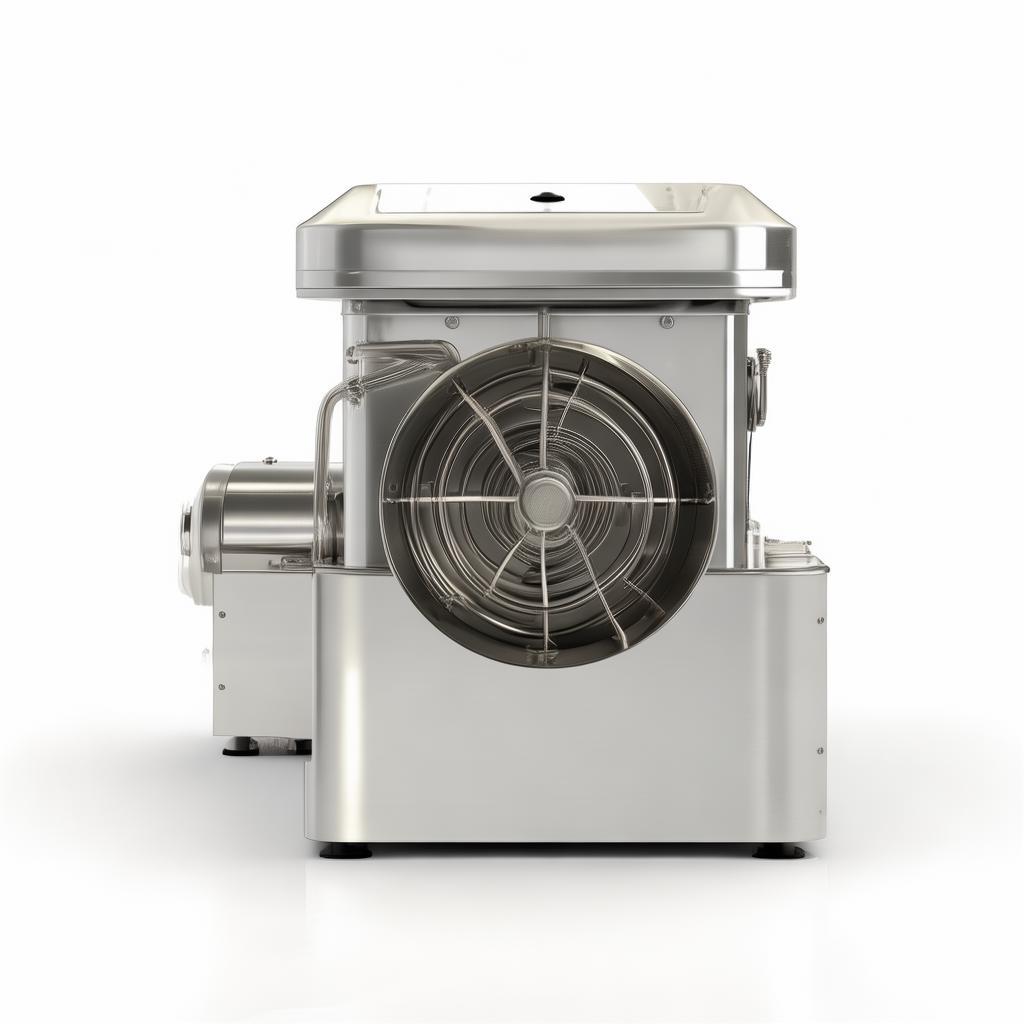
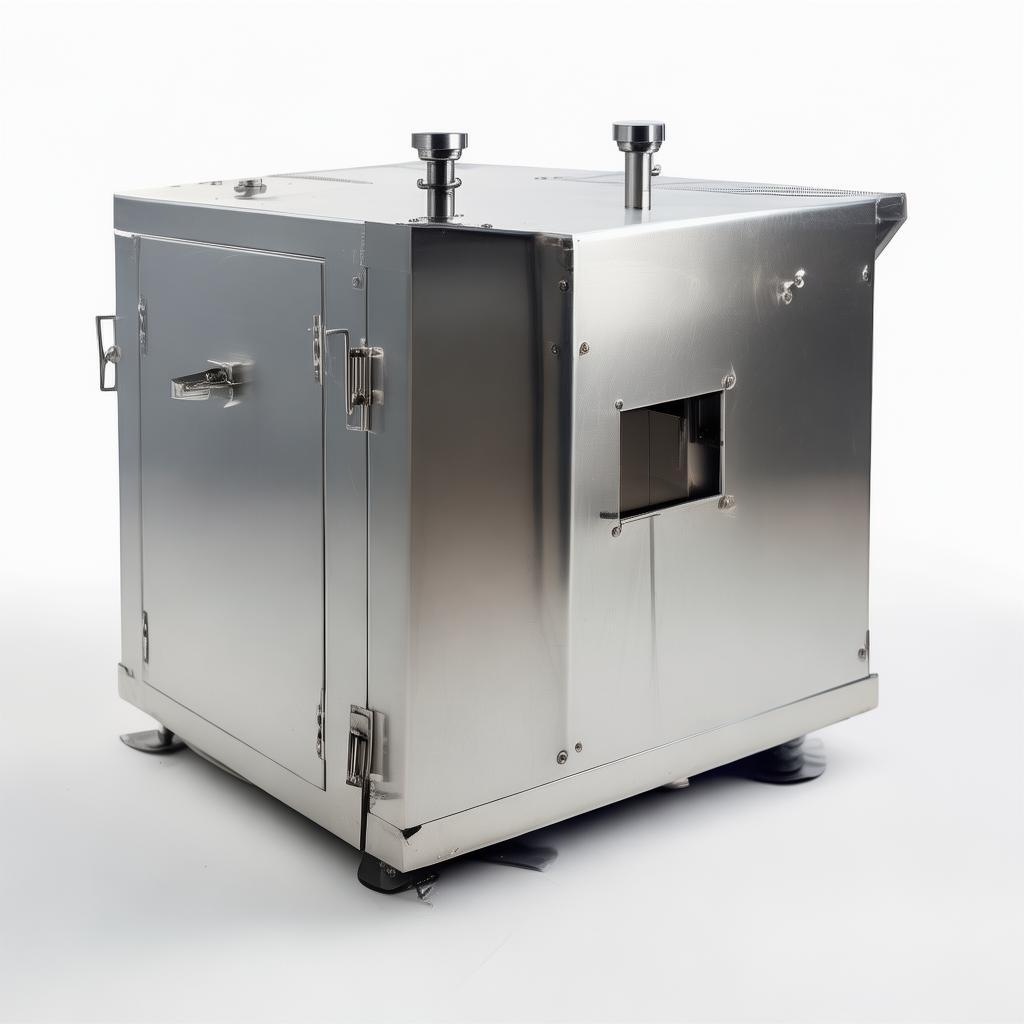
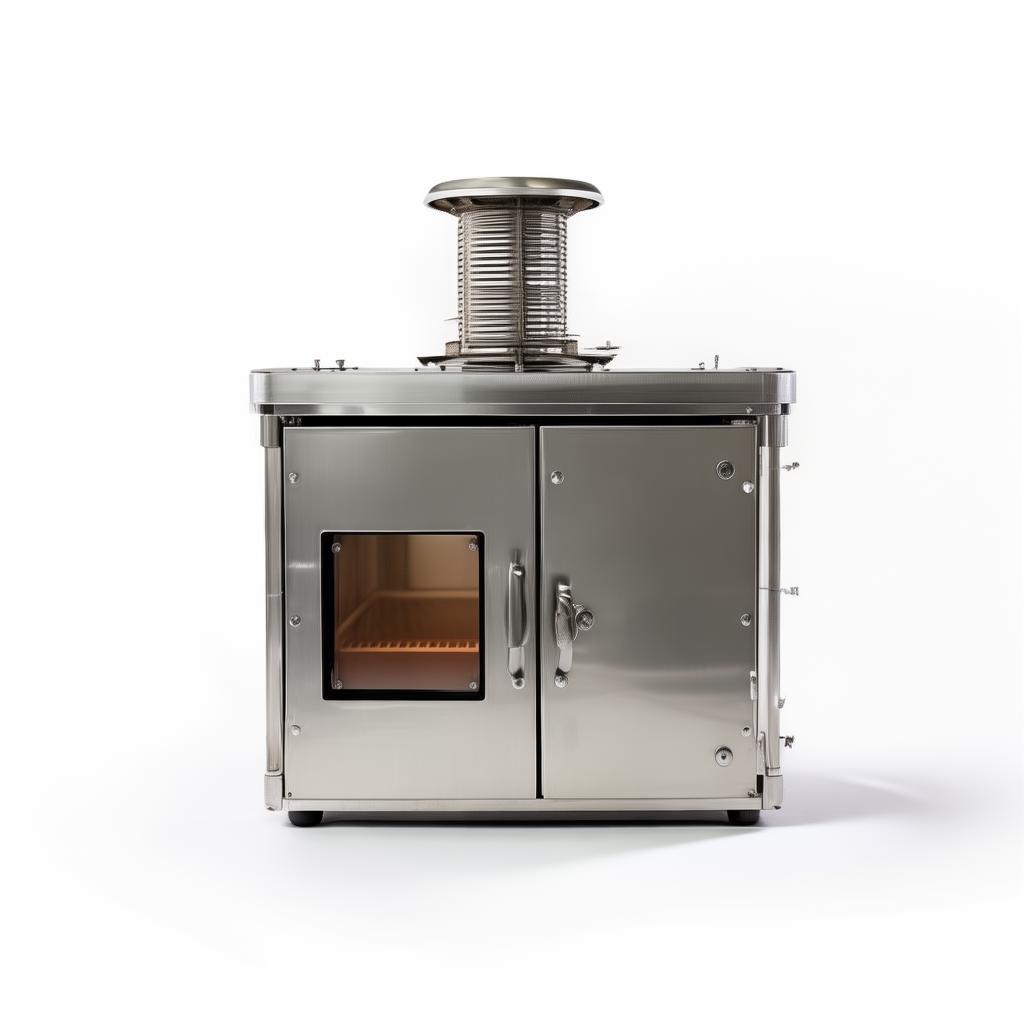
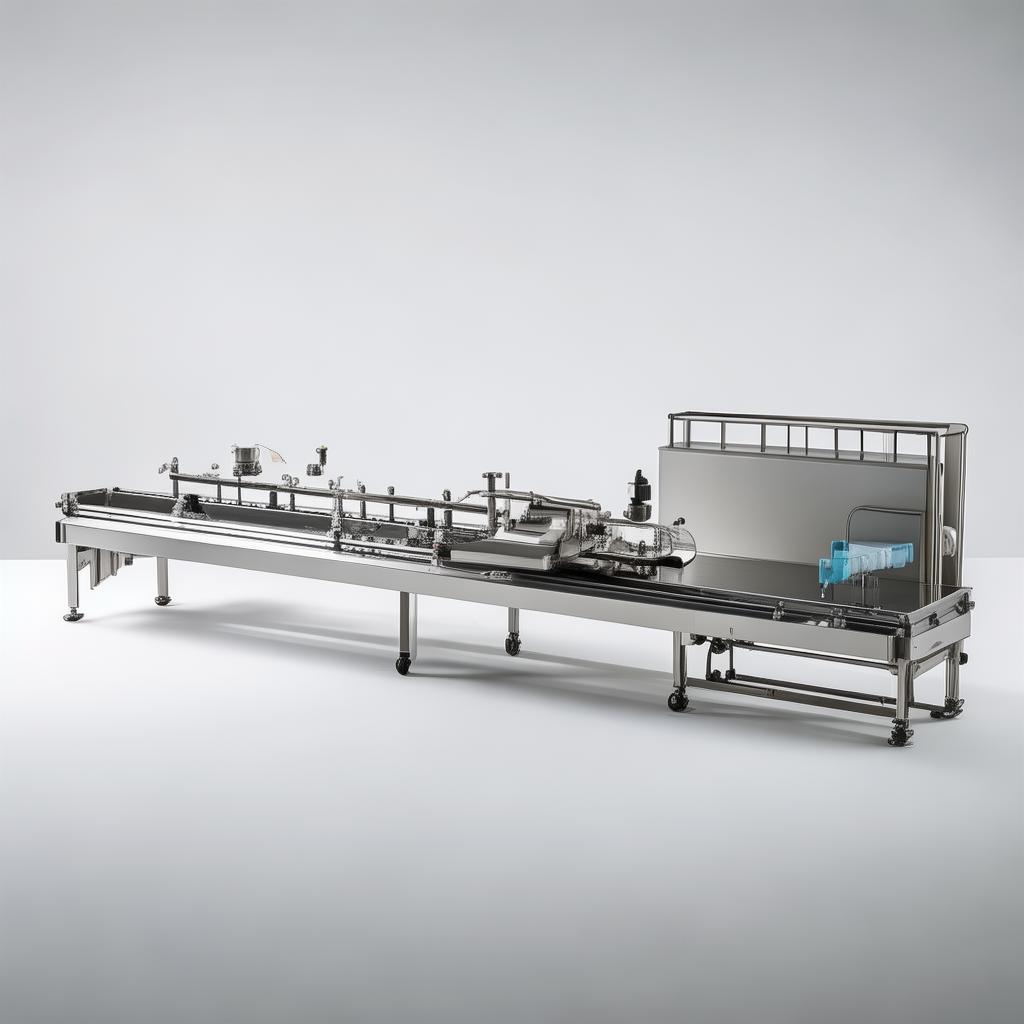
processing of meat meat processing system meat and meat processing
The choice of equipment significantly influences the definition and quality of the end product. For instance, a high-speed massager can drastically reduce the time required for proper curing, impacting production schedules and ultimately, delivery times. On the other hand, a precision filler ensures that each sausage link is identical, which is critical for brand consistency and consumer satisfaction.
Our 40 years of experience since 1986 have been dedicated to refining the design and manufacturing of these core processing machines. We leverage our in-house machining workshop, equipped with over 20 sets of processing machinery and advanced Japanese Mazak CNC machining centers, to produce high-precision components. This capability allows us to independently manufacture parts that meet demanding specifications, ensuring the longevity and reliability of our equipment. This is particularly important for international B2B trade, where equipment robustness and consistent performance are non-negotiable.
When evaluating suppliers, consider not just the machine's capabilities but also the manufacturer's engineering depth and after-sales support. For example, the precise control offered by our filling machines ensures minimal product loss and accurate portioning, directly impacting your bottom line. Likewise, the gentle yet effective action of our massagers optimizes the ripening process, enhancing product quality and reducing spoilage.
Considering the global market trends, the demand for automated and high-capacity filling and molding equipment is particularly strong. This is driven by the need for increased throughput and consistent quality in large-scale production facilities. Our OEM/ODM capabilities allow us to tailor solutions to specific operational needs, ensuring our clients receive machinery that perfectly fits their production lines.
Industry Scale, Trends, and Market Dynamics
The definition of meat processing, when viewed through the lens of global industry trends, reveals a sector undergoing continuous evolution. The market for meat processing equipment is robust and expanding. Multiple market reports confirm this trend, with figures consistently showing significant growth. For example, the global meat processing equipment market was projected to reach anywhere from USD 15 billion to over USD 30 billion by 2030-2035, with Compound Annual Growth Rates (CAGRs) typically ranging from 4.8% to 7%.
Several key drivers are fueling this expansion. The increasing global demand for processed meat products, driven by factors like urbanization, convenience-seeking consumers, and a growing middle class in emerging economies, is paramount. This translates directly into a higher demand for the machinery required to produce these items efficiently. Reports from sources like Fortune Business Insights and Grand View Research highlight this as a primary growth factor.
Automation is another significant trend. Businesses are increasingly adopting automated solutions to improve hygiene, enhance labor efficiency, and maintain consistent product quality. This is particularly relevant in regions facing labor shortages or where stringent food safety regulations are enforced. The need for automated filling, forming, and handling systems directly impacts the innovation and demand for sophisticated equipment.
Geographically, the Asia-Pacific region is often cited as a leading market and a high-growth area. This is attributed to rising meat consumption, increasing industrialization of food processing facilities, and growing investments in infrastructure within these countries. As a global supplier, understanding these regional dynamics is crucial for identifying market opportunities and tailoring export strategies.
The types of meat processed also influence equipment demand. While beef and pork processing remain significant, the poultry segment is growing, and there's a burgeoning interest in equipment for producing reconstituted and formed meat products. The reconstituted meat market, for instance, is seeing exceptionally high growth rates, indicating a shift towards value-added products and requiring specialized molding and pretreatment technologies.
Specific equipment categories consistently highlighted for their growth potential include filling and stuffing machines, massaging and tumbling machines (critical for ripening and tenderizing), cutting and grinding equipment, and auxiliary items like smoking and cooking systems. Our product portfolio at Hebei Yuanchang directly addresses these high-demand areas, providing manufacturers with the tools they need to capitalize on market trends.
For us, this means constantly refining our designs to offer greater precision, speed, and reliability. For example, advancements in our filling machines allow for finer control over texture and uniformity, catering to the demand for premium processed meats. Similarly, our massagers are engineered for optimal curing efficiency, a vital aspect for producers of traditional cured products who need to balance authentic flavor development with production speed.
Procurement managers evaluating these market trends often look for suppliers who can offer not just individual machines but integrated solutions. They need partners who understand the entire processing workflow and can provide equipment that seamlessly fits into existing or new production lines. Our 40 years of experience in complete production lines positions us well to offer this holistic approach.
The emphasis on food safety and quality standards continues to be a major influencing factor. Equipment that can be easily cleaned and maintained, and that minimizes human contact with the product, is increasingly sought after. This aligns with our commitment to producing durable, hygienic, and efficient machinery.
Ensuring Quality and Safety in Meat Processing
The definition of effective meat processing is inextricably linked to maintaining the highest standards of quality and safety. This isn't just a regulatory requirement; it's fundamental to consumer trust and brand reputation. For B2B buyers, especially in international markets, compliance with rigorous standards is non-negotiable.
Hygiene is paramount at every stage. This means equipment must be designed for easy and thorough cleaning. Materials used, typically food-grade stainless steel, must be durable, non-reactive, and resistant to corrosion. Our manufacturing processes at Hebei Yuanchang adhere to these principles. We select high-quality stainless steel and ensure smooth, crevice-free surfaces on our machinery to prevent bacterial build-up. This is critical for equipment like filling machines and massagers, which come into direct contact with the meat mixture.
Beyond design, operational practices play a huge role. Precise temperature control is vital, especially during chilling, mixing, and ripening. Our massagers and tumblers are designed with temperature monitoring capabilities in mind, aiding operators in maintaining optimal conditions for curing and preventing microbial growth. The accuracy of filling machines also contributes to safety by ensuring consistent product weight, which is often linked to proper cooking and cooling.
Traceability is another crucial aspect. While our machines don't directly handle this, the consistency they provide helps in lot management. When a batch of product is processed using reliable equipment, it's easier to trace back any issues. Our commitment to producing high-precision parts independently, thanks to our advanced machining capabilities, ensures that the performance of our machines is predictable and reproducible, supporting your quality control efforts.
International food safety standards, such as those outlined by the FDA in the US or EFSA in Europe, heavily influence equipment design and operational protocols. While we are not a certification body, our equipment is built to facilitate compliance. For example, the ease of disassembly and cleaning for our filling machines and mixers helps plants meet HACCP (Hazard Analysis and Critical Control Points) and GMP (Good Manufacturing Practices) requirements.
The market for meat processing equipment is increasingly driven by these safety and quality considerations. Buyers are looking for machinery that not only performs well but also contributes to a safer food supply chain. Reports on the market often highlight the growing adoption of automation and advanced hygiene features as key trends.
For international buyers, understanding the supplier's manufacturing standards is as important as understanding the equipment's technical specifications. Our 40 years of experience mean we've navigated countless regulatory landscapes and built our manufacturing ethos around producing robust, reliable, and safe machinery. We can provide documentation and assurances regarding materials and construction that meet global standards.
Your Trusted Partner: Hebei Yuanchang's Role
As a manufacturer with over 40 years of experience since 1986, Hebei Yuanchang Food Mechanism & Technology Co., Ltd. plays a pivotal role in the global meat processing industry. Our definition of success is built on providing reliable, high-performance machinery that empowers our clients to excel in their operations. We cover an area of approximately 14,000 square meters and employ a dedicated team of 80-100 professionals, integrating R&D, production, and sales of essential meat processing equipment, including pet food processing lines.
Our strength lies in our comprehensive in-house manufacturing capabilities. With over 20 sets of processing machinery, including lathes, milling machines, high-precision grinding machines, and CNC machining centers, we control the entire production process for critical components. This vertical integration allows us to achieve unparalleled precision and quality, ensuring that machines like our filling and molding equipment or ripening massagers meet the highest international standards. This independence in producing high-precision parts means worry-free after-sales service for our clients.
We understand the complexities of international B2B trade. Procurement managers and operations directors are looking for dependable suppliers who offer not just equipment but also technical expertise and long-term support. Our extensive experience in complete production lines means we can advise on integrated solutions, optimizing workflow from pretreatment to final product.
Our product range is specifically designed to address the core needs of modern meat processing:
- Pretreatment of Meat Products: Equipment that prepares meat for further processing, ensuring consistency and efficiency.
- Meat Product Filling & Molding: Precision machinery for creating sausages, patties, and other formed products with exact weight and shape.
- Ripening Process for Meat Products: Advanced massagers and tumblers designed for optimal curing and texture development.
- Auxiliary Items: Supporting equipment that enhances the overall processing line efficiency.
When you partner with Hebei Yuanchang, you gain access to a legacy of engineering excellence and a commitment to customer satisfaction. We are adept at handling OEM/ODM requests, tailoring our machinery to meet unique client specifications and market requirements. This flexibility, combined with our robust manufacturing infrastructure, makes us an ideal partner for businesses looking to scale their operations or enter new markets.
Consider the ROI of investing in reliable equipment. While initial costs are a factor, the long-term benefits of reduced downtime, consistent product quality, lower maintenance, and increased production efficiency often far outweigh the investment. Our durable machines are built for longevity, minimizing operational disruptions and maximizing throughput.
We have established a traceable after-sales management system to ensure continued support for our clients worldwide. This commitment extends beyond the initial sale, fostering long-term relationships built on trust and performance.
Frequently Asked Questions
What is the primary definition of meat processing?
Meat processing refers to the series of operations involved in transforming raw animal carcasses into edible food products. This includes steps like cutting, grinding, mixing, filling, forming, curing, and cooking to enhance flavor, texture, and shelf life.
What are the main types of equipment used in meat processing?
Key equipment includes grinders, mixers, filling and stuffing machines, forming machines, massagers/tumblers for ripening, slicers, and auxiliary equipment like smoking and cooking systems. Our expertise at Hebei Yuanchang focuses on filling, molding, and ripening machinery.
How does meat processing contribute to food safety?
Processing techniques like curing, cooking, and rapid cooling inhibit microbial growth. Furthermore, modern processing equipment is designed with hygiene in mind, using food-grade materials and facilitating easy cleaning to prevent contamination.
What is the role of massagers/tumblers in meat processing?
Massaging and tumbling machines are crucial for the ripening process of cured meats. They gently agitate the meat to ensure even distribution of curing agents, salt, and marinades, while also helping to tenderize the meat and develop its characteristic texture and flavor.
Can you provide OEM/ODM services for meat processing equipment?
Yes, Hebei Yuanchang offers OEM/ODM services. With our advanced in-house machining capabilities and extensive engineering experience, we can customize our machinery to meet your specific operational requirements and product specifications.
What is the typical lifespan of industrial meat processing equipment?
With proper maintenance and operation, high-quality industrial meat processing equipment, like ours, can last for many years, often exceeding 10-15 years. Our focus on durable materials and precision manufacturing ensures longevity and consistent performance.
What Our Clients Say

Operations Manager, USA
"We recently upgraded our sausage stuffing line with Yuanchang's filling machines. The precision and consistency are remarkable. We've seen a significant reduction in product giveaway and improved casing fill uniformity. Their support team was professional throughout the installation."

Procurement Director, Canada
"Our ham production relies heavily on our massagers. The equipment from Hebei Yuanchang has been very effective in ensuring uniform curing and texture development. It's robust, easy to operate, and has improved our batch consistency dramatically. Excellent value for the investment."

Plant Manager, Japan
"We needed a reliable supplier for our OEM meat patty production. Yuanchang's forming machines met our precise specifications for shape and weight. Their technical team worked closely with us to ensure seamless integration. We are very satisfied with the quality and performance."

Purchasing Agent, Mexico
"The meat mixers from Hebei Yuanchang are built like tanks. They handle large batches efficiently without overheating or damaging the product. Cleaning is straightforward, which is crucial for our daily operations. We appreciate their timely delivery and good communication."
Ready to Optimize Your Meat Processing Operations?
Leverage our 40 years of expertise in meat processing machinery. From precise filling and molding to efficient ripening, Hebei Yuanchang provides the robust solutions your business needs to thrive.
Enhance Trust with Real Interactions

Inquiry about specifications and lead times.

Discussion on OEM customization options.

After-sales support query resolved quickly.