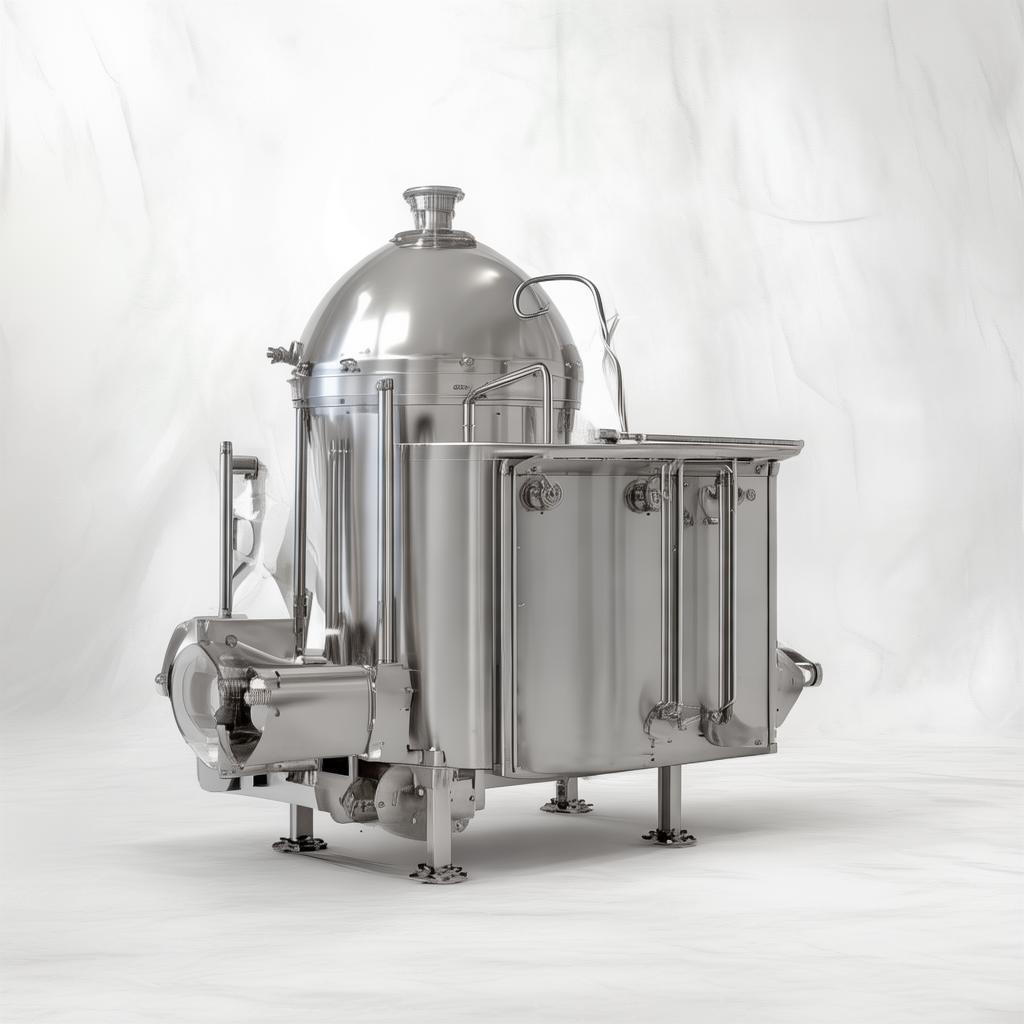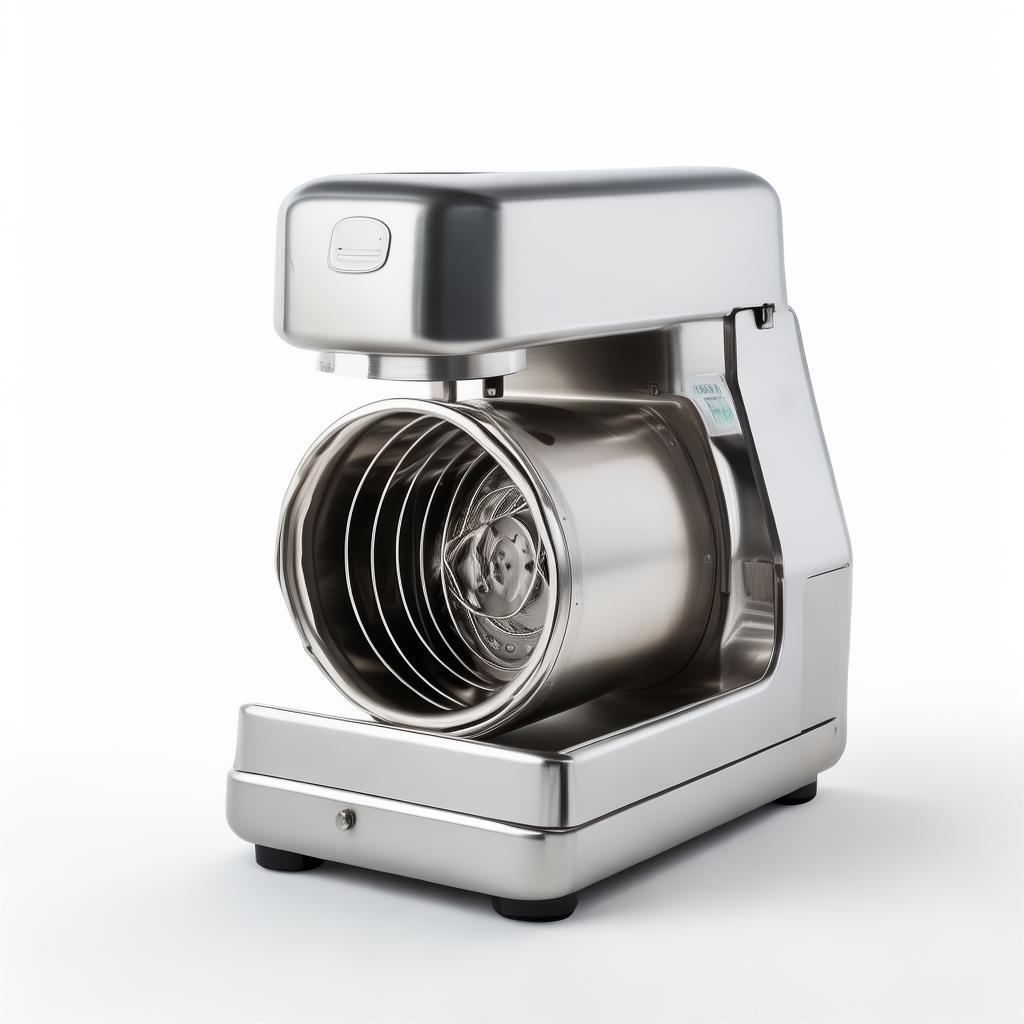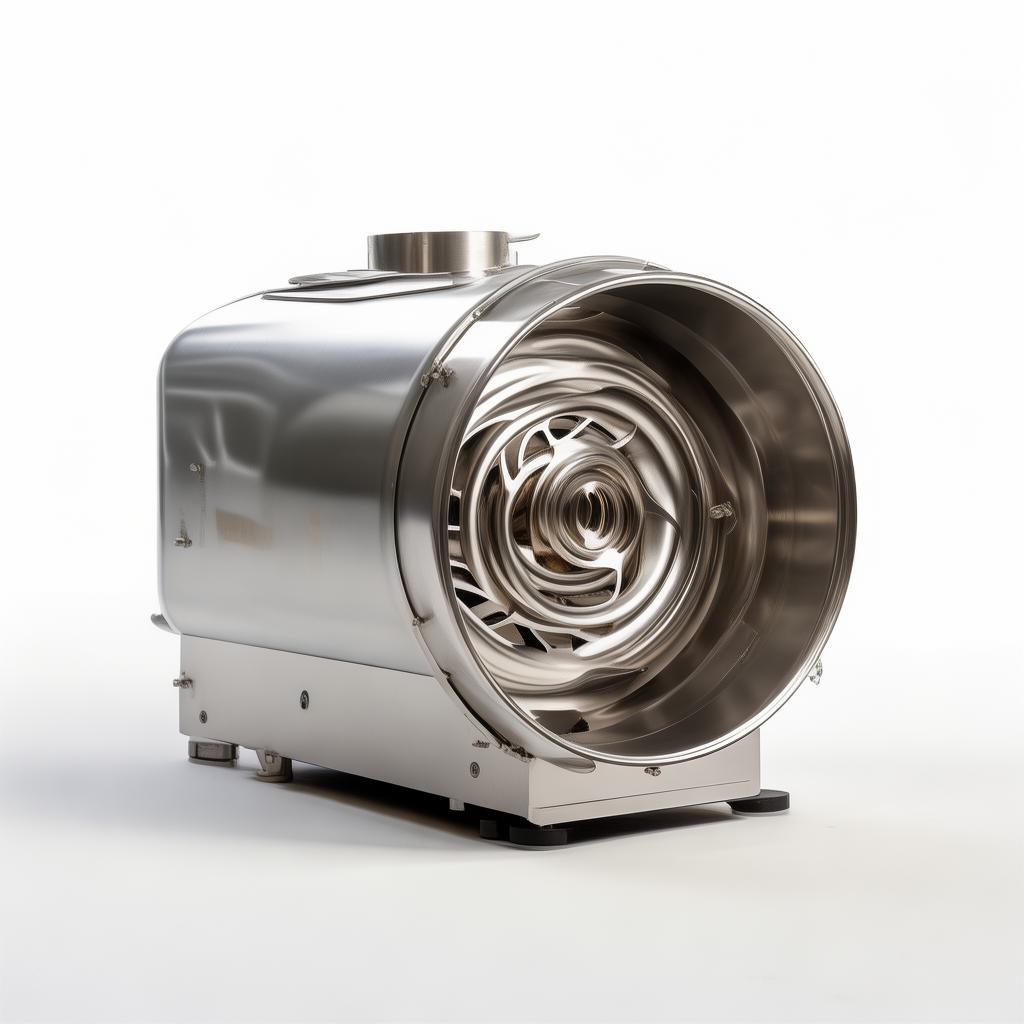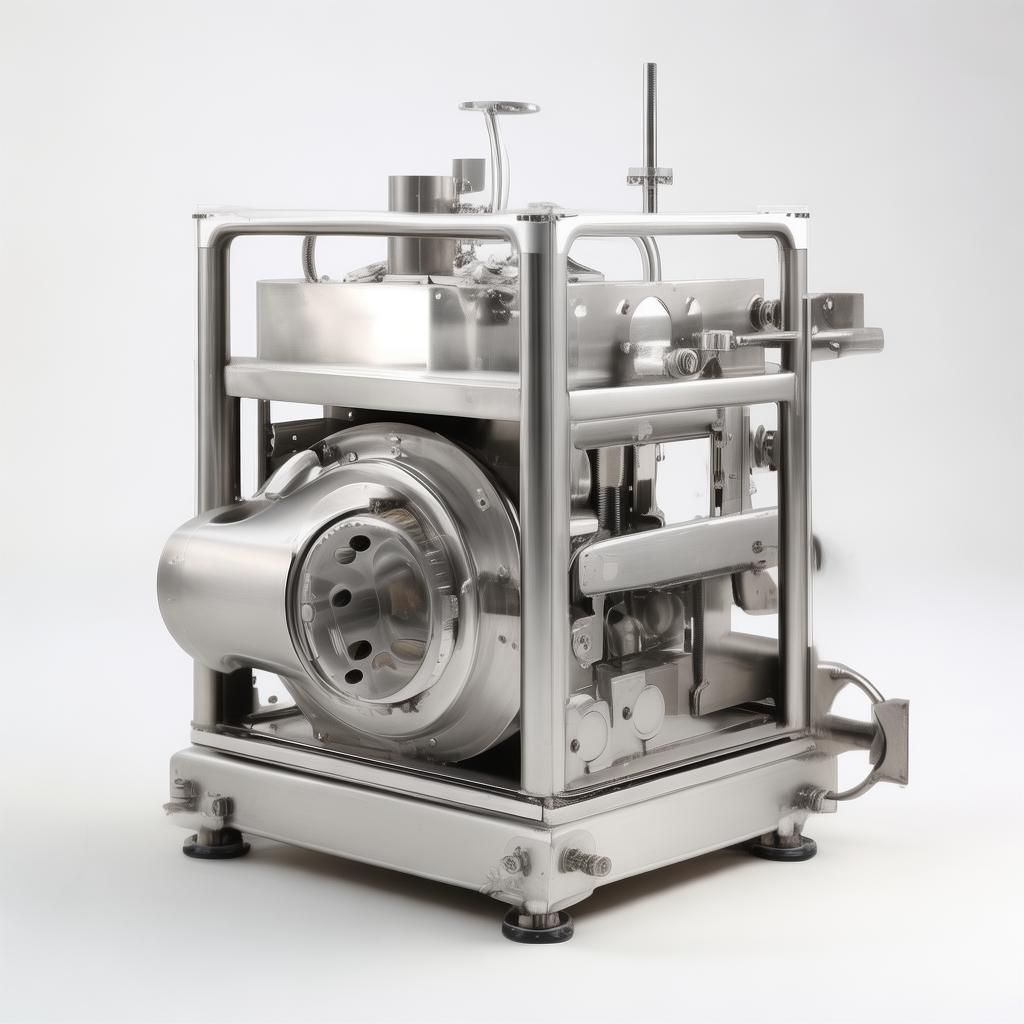
Meat Processing Table
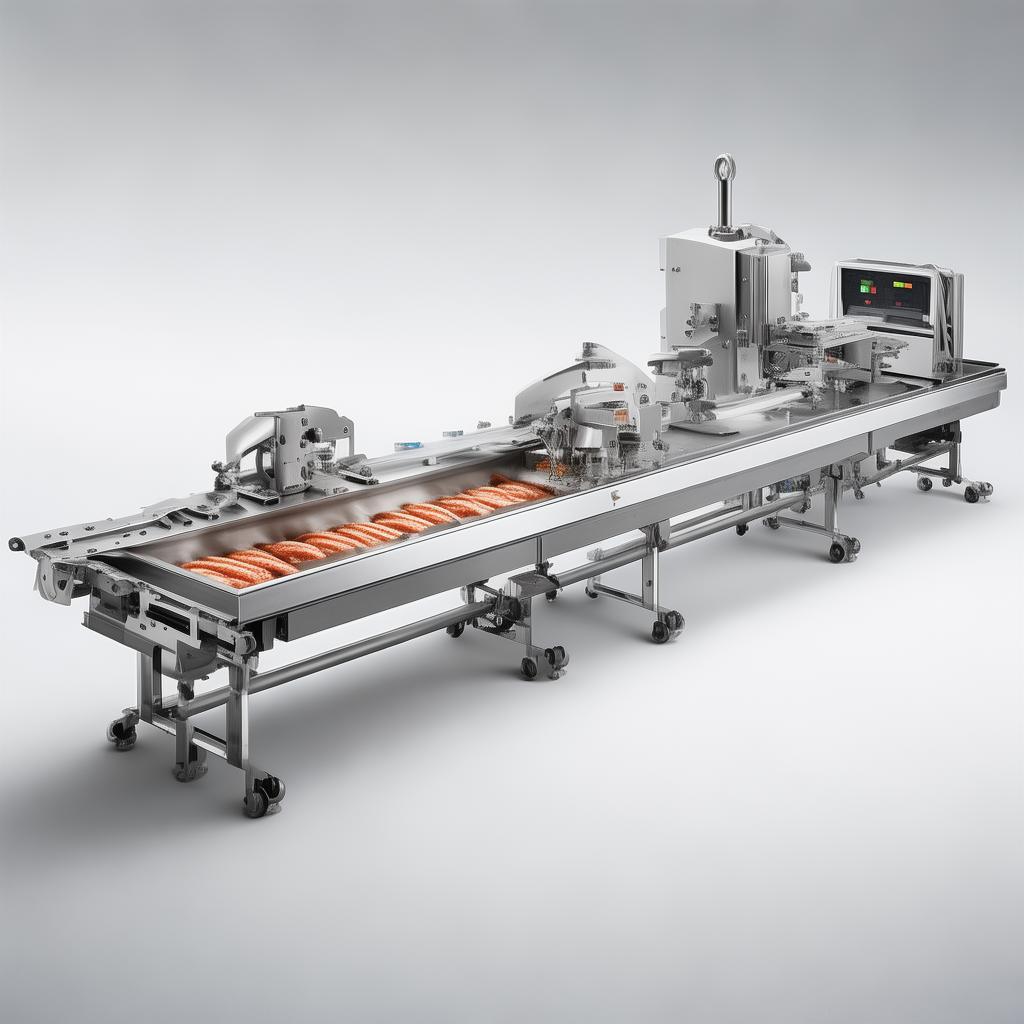
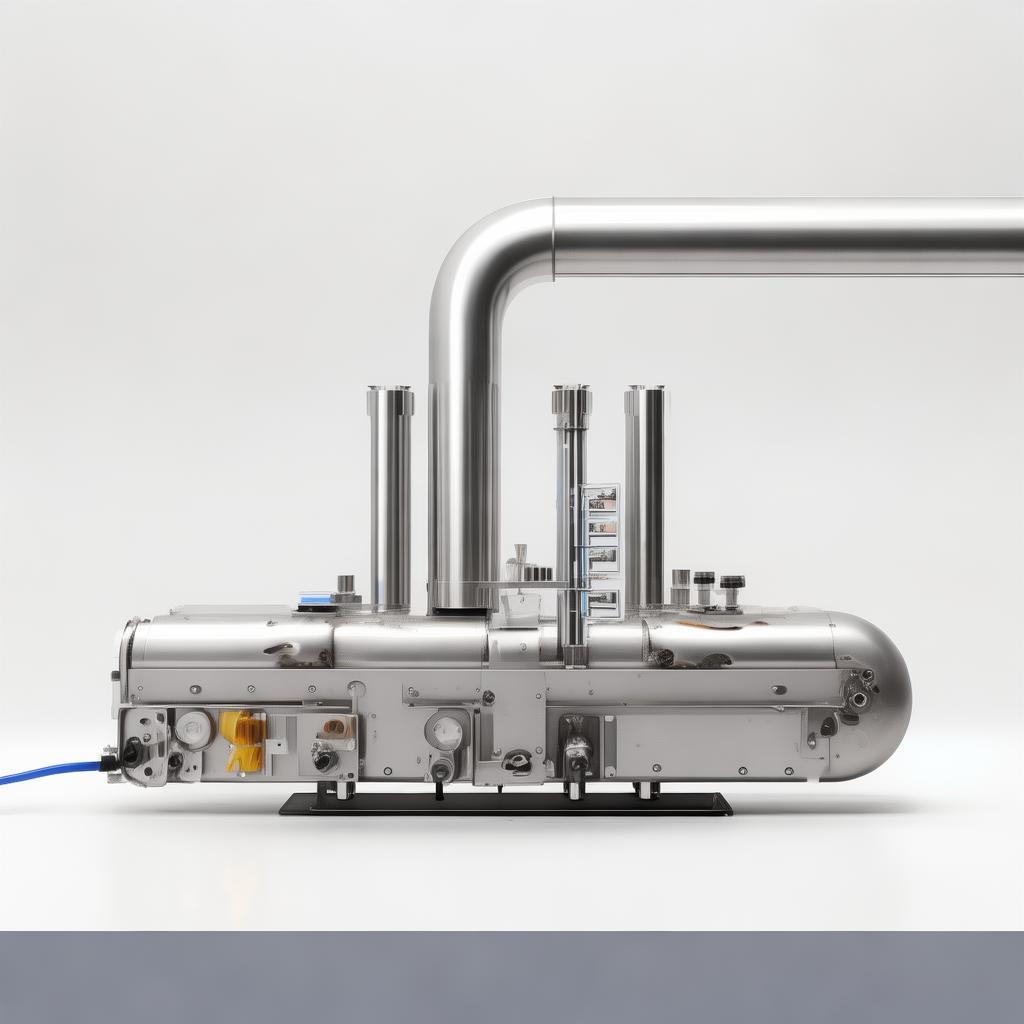
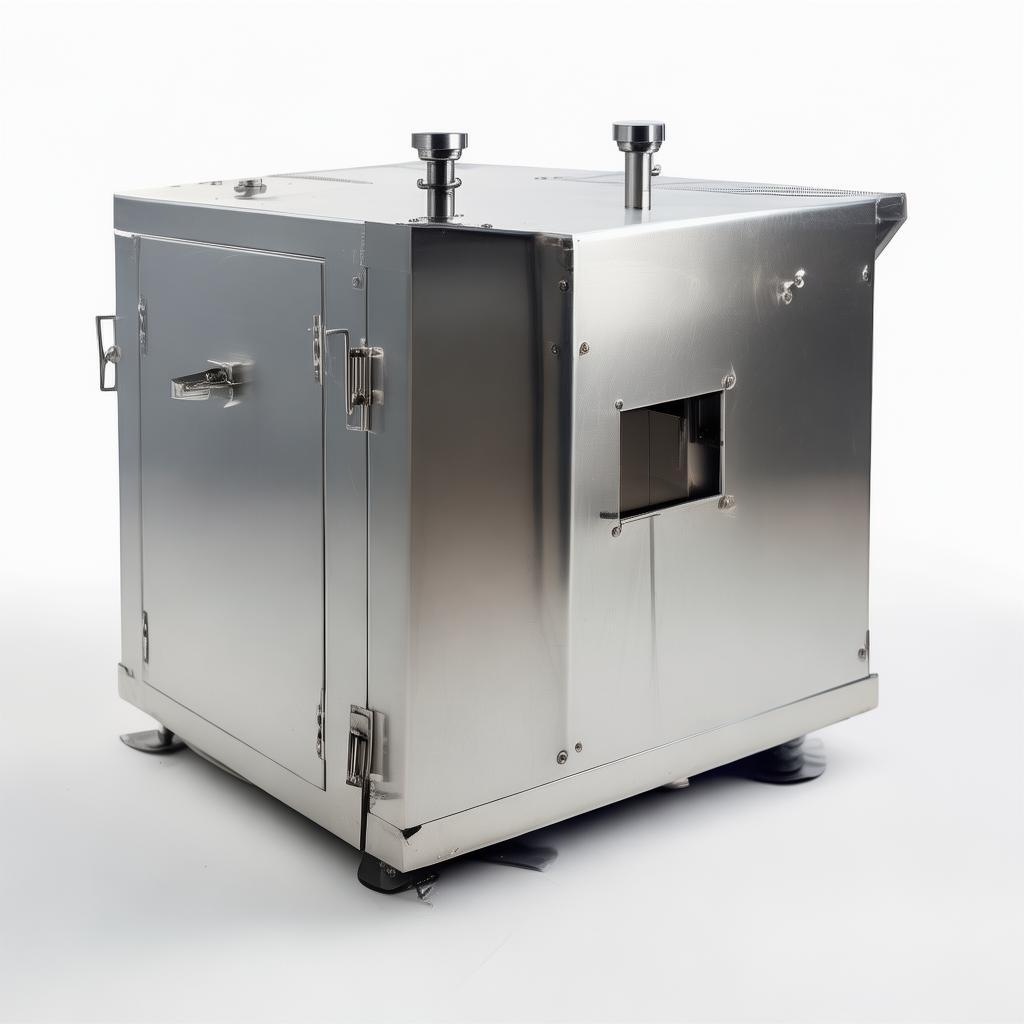
Elevating Efficiency: The Modern Meat Processing Table for Wholesale Export
By  Alex Chen, Senior Export Manager at Hebei Yuanchang Food Mechanism & Technology Co., Ltd.
Published: October 26, 2023
Navigating the Demands of Global Meat Processing: Why Your Table Matters
When you're running a meat processing operation geared towards wholesale export, every piece of equipment counts. We're not just talking about the big slicers or automated filling lines; the humble meat processing table is often overlooked, yet it's the bedrock of efficient, hygienic, and compliant workflows. In international trade, where standards are non-negotiable and margins are tight, the quality and functionality of your surfaces directly impact yield, safety, and ultimately, your bottom line.
Think about it: from initial deboning and trimming to portioning, seasoning, and packaging prep, meat processing tables are constantly in contact with raw materials. They need to withstand rigorous cleaning, resist microbial growth, and provide a stable, safe surface for your team. For export markets, especially in regions like the USA, adherence to stringent food safety regulations isn't optional – it’s the price of entry. A poorly chosen table can become a breeding ground for bacteria, lead to product contamination, cause ergonomic issues for workers, and incur costly downtime for maintenance or replacement.
The global meat processing equipment market is substantial, projected to reach values between USD 11 to over 19 billion by 2034, with significant growth drivers including the rising demand for processed meats, increasing adoption of automation, and stringent food safety standards. [Meat Processing Equipment Market Size, Share & Industry Analysis - https://www.fortunebusinessinsights.com/meat-processing-equipment-market-115455 - Key segments include filling & stuffing equipment, massaging & tumbling (for ripening/tenderizing), cutting, grinding, and smoking machines. Growth is driven by rising demand for processed meat, automation adoption for hygiene and labor efficiency, strict food safety standards, and strong expansion in Asia-Pacific.] Within this dynamic market, auxiliary items like processing tables play a critical, albeit less glamorous, role. They are essential for pretreatment and molding processes, directly impacting the quality of finished products like sausages, formed patties, and cured meats.
Our experience, spanning four decades since 1986, has shown us firsthand how critical it is to get the fundamentals right. At Hebei Yuanchang Food Mechanism & Technology Co., Ltd., we've seen facilities upgrade their entire line only to be bottlenecked by inadequate prep surfaces. Investing in the right industrial meat processing table isn't just an operational upgrade; it’s a strategic decision that enhances hygiene, boosts worker productivity, ensures compliance with international standards (like HACCP principles, which are implicitly supported by robust equipment design), and protects your brand's reputation. This guide delves into what makes a meat processing table truly effective for export-oriented operations.
The complexity of international procurement, coupled with the need for reliable equipment, means choosing a supplier that understands these nuances is paramount. We're not just selling a table; we're offering a component of your success in a competitive global landscape. Whether you’re producing beef, pork, poultry, or specialized pet food ingredients, the demands on your processing surfaces are universal: durability, cleanability, and safety. This is where our expertise, honed over 40 years and supported by advanced Japanese CNC machining centers, truly makes a difference. We ensure that even the smallest components, like the legs or framing of our tables, are manufactured to high-precision standards, guaranteeing longevity and stability.
When evaluating processing tables, consider the materials. Stainless steel is often the go-to for its non-porous, corrosion-resistant properties, but the grade and finish matter. High-density polyethylene (HDPE) or specialized food-grade composites can also be excellent choices, offering different advantages in terms of weight, noise reduction, and impact resistance. The design of the table’s edge, the presence of drainage channels, and the ease with which it can be thoroughly sanitized are all crucial factors. A well-designed table simplifies your sanitation protocols, which is a major concern for any facility aiming for export certification. For instance, the ease of cleaning directly impacts your ability to meet the rigorous standards expected in markets like the EU or North America, where audits are common and detailed. A seamless surface without crevices reduces hidden areas where bacteria can proliferate, a key consideration in preventing foodborne illnesses. [Meat and Poultry Processing Equipment Market - https://www.gminsights.com/industry-analysis/meat-and-poultry-processing-equipment-market - Segments cover tenderizing, filling, grinding, slicing, and massaging equipment essential for pretreatment, molding, and ripening processes. Rising consumption of ready-to-eat meats, automation for labor shortages and hygiene, and infrastructure investments in emerging markets drive demand.] This is why we pay meticulous attention to every detail, from material selection to fabrication techniques.
Furthermore, the structural integrity of the table is vital. Can it support heavy loads of product without flexing? Are the legs adjustable for uneven floors? Does the overall construction prevent vibration that could affect precision tasks? These are practical considerations that engineers and operations managers grapple with daily. Our commitment to in-house precision manufacturing, utilizing over 20 sets of advanced machining equipment and Japanese Mazak CNC centers, allows us to control quality at every stage. This ensures that our tables, and indeed all our meat processing machinery, are built to last and perform reliably under demanding industrial conditions. This level of control is what allows us to confidently offer worry-free after-sales service, backed by our ability to independently produce high-precision parts. So, as we explore the specifics of what makes an excellent meat processing table, remember that it's part of a larger ecosystem where quality, hygiene, and efficiency converge to ensure success in the global marketplace.
Operational Challenges in Meat Processing: Where Tables Make or Break Workflow
In the fast-paced world of meat processing, especially when aiming for international markets, bottlenecks and inefficiencies can significantly erode profitability. Many operations, unfortunately, underestimate the impact of their foundational equipment – the very surfaces where much of the hands-on work occurs. We see this frequently:
- Hygiene Compliance Gaps: Traditional materials or poorly designed tables can harbor bacteria in crevices or porous surfaces, leading to costly recalls or import rejections. The emphasis on food safety, especially for export, cannot be overstated. [Meat Processing Equipment Market Size, Share Report, 2030 - https://www.grandviewresearch.com/industry-analysis/meat-processing-equipment-market - Rising consumption of ready-to-eat meats, automation for labor shortages and hygiene, and infrastructure investments in emerging markets drive demand.]
- Productivity Losses: Unstable surfaces, inadequate space, or poor ergonomics on a processing table lead to slower work, increased fatigue, and higher error rates during tasks like trimming, stuffing, or portioning.
- Durability and Maintenance Issues: Inferior materials or construction can result in premature wear, staining, or structural damage, necessitating frequent and expensive repairs or replacements, leading to unplanned downtime.
- Cross-Contamination Risks: If tables are not designed for easy separation of tasks or thorough cleaning between different meat types (e.g., beef vs. poultry), the risk of cross-contamination increases, a critical concern for food safety audits.
- Material Incompatibility: Some tables might react with acids in marinades or become degraded by harsh cleaning chemicals, compromising both the table's integrity and potentially the food product.
Our 40 years of experience have taught us that a robust, well-designed stainless steel meat processing table or a high-grade composite table isn't just a workbench; it’s a critical piece of processing infrastructure. It supports the entire value chain, from initial raw material handling to the precise molding and preparation required for export-ready products. The choice of material and construction directly influences how effectively you can meet international standards, manage operational costs, and maintain consistent product quality. For instance, a table integrated with features like built-in drainage or rounded corners significantly streamlines the cleaning process, reducing labor and ensuring a higher level of sanitation. This attention to detail is what separates basic utility from industrial-grade efficiency.
Consider the practicalities of installation and setup. Are you importing tables that require complex assembly in a sterile environment? Or can they be delivered ready for immediate deployment, perhaps with adjustable feet to compensate for minor floor imperfections? This impacts your setup time and operational readiness, particularly crucial when integrating new equipment into an existing line or preparing for a large export order. The global market for meat processing equipment is projected to reach substantial figures, driven by trends like automation and the demand for convenience foods. [Meat Processing Equipment Market Size & Forecast 2033 - https://www.skyquestt.com/report/meat-processing-equipment-market - Growth stems from processed meat demand, labor shortages, technological advancements in automation, and hygiene standards. Asia-Pacific leads due to rising meat consumption and industrialization of processing facilities.] Within this, the role of well-engineered auxiliary equipment like processing tables is foundational.
Moreover, the long-term cost of ownership is a significant factor. A cheaper table might seem attractive upfront, but if it requires frequent repairs, replacement, or leads to increased labor for cleaning and maintenance, its true cost is far higher. Our in-house manufacturing capabilities, including the use of Japanese Mazak CNC machining centers for high-precision components, mean we build equipment designed for longevity and minimal maintenance. This translates directly into reduced operational expenditure and greater reliability for your business. We understand the procurement decision workflow: it’s about total cost of ownership, not just the initial price tag. For wholesale export, this reliability is non-negotiable.
Our Solution: Precision-Engineered Meat Processing Tables
At Hebei Yuanchang, we design and manufacture commercial meat processing tables that directly address these operational pain points. Our focus is on providing durable, hygienic, and ergonomically sound solutions that support efficient workflows for international markets.
Key Features and Advantages:
- Premium Stainless Steel Construction: We primarily utilize high-grade stainless steel (e.g., SS304 or SS316, depending on specific application requirements) known for its exceptional corrosion resistance, non-porous surface, and ease of cleaning. This material is critical for meeting international food safety standards and preventing microbial contamination.
- Seamless, Hygienic Surfaces: Tables are fabricated with smooth, continuous welds and polished finishes to eliminate crevices where bacteria can accumulate. Rounded corners and edges further enhance cleanability.
- Robust Structural Integrity: Built with heavy-duty gauge stainless steel, our tables are designed to withstand significant loads, resist flexing, and maintain stability during intensive processing tasks. This includes reinforced leg structures and optional bracing for added support.
- Ergonomic Design: Standard heights are optimized for comfortable working postures, reducing worker fatigue and potential for musculoskeletal injuries. Custom heights are available to suit specific line configurations.
- Integrated Drainage Options: Many models feature slight slopes towards integrated drainage channels or holes, facilitating the efficient removal of liquids and simplifying sanitation.
- Adjustable Leveling Feet: Standard on all our tables, these allow for easy installation and adjustment on uneven factory floors, ensuring a stable and secure working surface.
- Versatile Configurations: We offer a range of standard sizes and designs, including worktables, butcher blocks, and specialized prep stations. Custom solutions are a core part of our offering to meet unique production needs.
- OEM/ODM Capabilities: We specialize in providing customized solutions. If you have specific design requirements for your export market, our engineering team can collaborate with you to develop tailored meat processing tables.
The market for meat processing equipment continues to grow, with projections indicating significant expansion driven by demand for processed and convenience meats. [Processed Meat Market Size, Share & Growth Report - https://www.fortunebusinessinsights.com/industry-reports/processed-meat-market-100556 - The global processed meat market is projected to grow from USD 750.58 billion in 2026 to USD 1,253.77 billion by 2034 at a CAGR of 6.62%.] This sustained demand underscores the need for reliable, high-performance equipment like our processing tables, which are integral to the entire production chain, from pretreatment to molding.
Our manufacturing process is meticulously controlled. With over 20 sets of in-house machining equipment and advanced Japanese Mazak CNC centers, we ensure that every component, from the thick stainless steel tabletop to the sturdy leg supports, meets exacting tolerances. This precision engineering translates into a product that offers superior durability and hygiene, essential for businesses focused on international export where product quality and safety are paramount. We understand that the decision to invest in processing tables is part of a larger strategy to enhance operational efficiency and meet stringent international regulatory requirements.
Material Deep Dive: Stainless Steel vs. Other Options
When selecting a meat processing table, the material is the most critical consideration. While various options exist, stainless steel stands out for industrial applications, especially for export markets demanding the highest hygiene and durability standards.
Stainless Steel (SS304 / SS316): The Industry Standard
Pros:
- Non-Porous and Hygienic: Resists absorption of liquids and bacteria, crucial for preventing cross-contamination.
- Corrosion Resistant: Withstands exposure to moisture, cleaning chemicals, and mildly acidic food products. SS316 offers even higher resistance, ideal for more aggressive environments.
- Durable and Long-Lasting: Maintains structural integrity under heavy use and impacts, offering a long service life and excellent ROI.
- Easy to Clean and Sanitize: Smooth surfaces can be effectively cleaned and sterilized, meeting stringent food safety regulations like those in the US and EU.
- Aesthetically Pleasing: Offers a clean, professional look expected in modern food processing facilities.
Cons:
- Higher Initial Cost: Generally more expensive than other materials like plastic or wood.
- Can be Noisy: Metal surfaces can amplify noise from cutting and chopping.
- Can Damage Knives: Harder than wood, it can dull cutting edges more rapidly if not managed properly.
High-Density Polyethylene (HDPE) / Composite Tables
Pros:
- Lighter Weight: Easier to move and handle.
- Quieter Operation: Reduces noise during processing.
- Less Damaging to Knives: Gentler on cutting edges.
- Often Lower Cost: Can be more budget-friendly than stainless steel.
Cons:
- Can Stain and Scratch: More prone to staining and deep scratches where bacteria can hide.
- Less Durable Under Heavy Load: May not withstand the same level of abuse as thick stainless steel over time.
- Potential for Warping: Can be susceptible to warping under high heat or prolonged moisture exposure.
- May Not Meet All Export Standards: Some highly regulated markets may prefer or require stainless steel for certain applications.
For wholesale export operations targeting demanding markets like the USA, Canada, or the EU, food grade stainless steel tables are almost always the superior choice. Their inherent resistance to contamination, ease of deep cleaning, and long-term durability provide the highest level of assurance for compliance and operational efficiency. Our commitment to using premium materials, coupled with our precision manufacturing, ensures that our stainless steel tables offer unparalleled value and reliability. We've invested heavily in our in-house machining capabilities, including Japanese Mazak CNC centers, to ensure the highest precision and quality in every weld, bend, and surface finish. This ensures that our tables not only meet but exceed the expectations of international buyers.
The market data reinforces the importance of robust equipment. With the global meat processing equipment market expanding, factors like automation, hygiene, and efficiency are paramount. [Meat Processing Equipment Market Size & Trends 2034 - https://www.zionmarketresearch.com/report/meat-processing-equipment-market - The meat processing equipment market is predicted to grow to USD 19.73 billion by 2034 at a CAGR of 4.8%, with strong demand for filling, massaging, and tenderizing equipment supporting pretreatment and ripening.] Tables, as fundamental pretreatment surfaces, are key enablers of these trends. A well-chosen stainless steel table simplifies integration into automated lines and supports rigorous hygiene protocols, making it an indispensable asset for any export-focused enterprise.
Technical Specifications for a Reliable Meat Processing Table
When procuring equipment for international trade, understanding the technical specifications is non-negotiable. Our meat processing tables are engineered with precision and durability in mind. Here’s a breakdown of what you can expect:
| Specification | Standard Configuration | Notes & Export Considerations |
|---|---|---|
| Material (Tabletop) | Food Grade Stainless Steel (SS304, 1.5mm thickness typical) | SS316 available for higher corrosion resistance. Thickness can be adjusted for heavy-duty applications. Complies with FDA/EU food contact standards. |
| Material (Frame/Legs) | Stainless Steel (SS304, 1.2mm - 1.5mm thickness) | Robust construction for load-bearing stability. Galvanized steel option for lower cost if internal use only. |
| Surface Finish | Brushed / Polished (Ra < 0.8 µm) | Minimizes adhesion, facilitates easy cleaning and sanitation. Crucial for HACCP compliance. |
| Edge Construction | Rolled or Coved Edges | Eliminates sharp corners, preventing product buildup and injury. Seamless integration with coved corners. |
| Dimensions (Standard) | 1800mm (L) x 750mm (W) x 850mm (H) | Custom sizes available for line optimization. Standard dimensions consider container loading efficiency. |
| Load Capacity | Up to 200 kg (evenly distributed) | Tested for industrial resilience. Higher capacity frames can be engineered upon request. |
| Legs & Feet | Adjustable Leveling Feet (Stainless Steel) | Ensures stability on varied factory floors. Options for heavy-duty feet or casters (locking). |
| Drainage Features | Optional integrated channel or drain hole | Facilitates liquid runoff, simplifying cleaning. Connects to facility drainage systems. |
| Certifications | Material Mill Test Certificates (MTCs) available | We can provide documentation for material traceability and compliance.  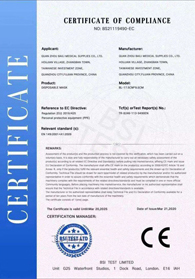 |
meat processing cutting tables meat processing system meat processing solutions
Our advanced machining capabilities, including Japanese Mazak CNC centers, allow us to produce components with extremely tight tolerances, ensuring that every table we deliver performs to specification and lasts for years. The global demand for reliable processing equipment, such as filling and molding machines, also highlights the need for complementary, high-quality auxiliary items like our tables. [Meat Processing Equipment Market Size & Report 2034 - https://www.imarcgroup.com/meat-processing-equipment-market - Filling & stuffing, tenderizing, and smoking equipment are key for meat pretreatment, forming, and ripening. Urbanization, convenience foods, and food safety regulations drive adoption of advanced auxiliary systems across pork, beef, and poultry processing.] Understanding these specifications is the first step towards ensuring your international operations are equipped for success.
When you request a quote, we can provide detailed CAD drawings and spec sheets tailored to your project requirements. This transparency is crucial for international buyers who need to verify that the equipment meets their specific operational and regulatory needs. Our goal is to equip your facility with machinery that not only performs optimally but also streamlines your path to market access.
Applications Across the Meat Processing Spectrum
The versatility of our meat processing tables makes them suitable for a wide array of applications within the meat and poultry industry, supporting everything from basic prep to complex product formation. Their robust construction and hygienic design ensure they can handle the demands of various processing stages:
- Deboning and Trimming: Providing a stable, large surface area for efficient deboning of carcasses and precise trimming of meat cuts. The ease of cleaning is paramount here.
- Portioning and Slicing Preparation: Ideal for laying out meat before it's portioned or sliced, ensuring consistent cuts and reducing waste.
- Grinding and Mixing Pre-Treatment: Serving as the initial staging area for meat before it enters grinding or mixing equipment.
- Sausage Making and Product Forming: Essential for preparing and seasoning sausage mixtures or laying out product for forming machines. While filling and molding equipment handle the final shape, the prep table is where the ingredients come together. [Reconstituted Meat Market - https://www.futuremarketinsights.com/reports/reconstituted-meat-market - The reconstituted meat market grows from USD 6.9 billion in 2025 to USD 36.1 billion by 2035 at a CAGR of 18.0%, relying heavily on molding and pretreatment equipment.]
- Marinading and Seasoning: The hygienic surface ensures marinades and seasonings are applied evenly without contamination risks.
- Packaging Preparation: Used for organizing and staging products just before they move to the packaging line, improving workflow continuity.
- Pet Food Processing: The same principles of hygiene and durability apply to the preparation of ingredients for pet food production.
Our experience as a supplier of complete meat processing lines means we understand how each piece of equipment interacts. A well-designed processing table contributes to the overall efficiency of systems like filling machines, ripening tumblers, and smoking ovens, ensuring a smooth flow of product. The market continues to demand innovative solutions for meat pretreatment, molding, and ripening, underscoring the foundational role of reliable prep surfaces. [Meat and Poultry Processing Equipment Market Size, 2026-2035 - https://www.gminsights.com/industry-analysis/meat-and-poultry-processing-equipment-market - The meat and poultry processing equipment market reaches USD 30.5 billion by 2035 at a CAGR of 7%, emphasizing tenderizing and smoking auxiliary items.] Our tables are engineered to meet these broad application needs.
Given our history since 1986 and our modern manufacturing capabilities, including Japanese CNC machining, we can produce tables that precisely fit your operational requirements. Whether you need a compact prep station for a specialized task or a large, heavy-duty butcher block for a high-volume line, we have the expertise to deliver. Our OEM/ODM services are particularly valuable for international clients looking for specific features or compliance adjustments for their local markets.
Installation & Maintenance: Ensuring Longevity and Compliance
A high-quality meat processing table from a reputable manufacturer like Hebei Yuanchang is an investment in operational efficiency and compliance. To maximize its lifespan and maintain peak performance, proper installation and routine maintenance are essential.
Installation Considerations:
- Site Selection: Position tables in areas with good lighting, adequate space for workflow, and proximity to necessary utilities (water, drainage). Ensure the floor is clean and stable.
- Leveling: Utilize the adjustable leveling feet to ensure the table is perfectly stable. This is crucial for preventing product spills and ensuring precise cutting or portioning. A slight slope towards a drain, if applicable, should be established during installation.
- Clearance: Maintain sufficient clearance around the table for easy access by personnel and for effective cleaning of the surrounding area.
- Integration: If the table is part of a larger processing line (e.g., feeding into a filler or slicer), ensure proper alignment and height synchronization.
Routine Maintenance for Optimal Performance:
- Daily Cleaning: After each shift, thoroughly clean the tabletop surface with approved food-grade detergents and sanitizers. Use soft brushes or non-abrasive pads. Pay close attention to edges, corners, and any integrated channels.
- Deep Cleaning: Periodically (e.g., weekly or as per your HACCP plan), perform a more intensive cleaning. This may involve scrubbing welds and tight spots more thoroughly.
- Inspection: Regularly inspect the table for any signs of damage, wear, or corrosion. Check the stability of the legs and the integrity of the welds. Small issues can become major problems if not addressed promptly.
- Avoid Harsh Chemicals/Tools: Do not use abrasive scouring pads, steel wool, or harsh chemicals (like chlorine bleach on some stainless steel grades without dilution) that can damage the surface finish or cause pitting.
- Proper Drying: Ensure the table is thoroughly dried after cleaning to prevent water spots and minimize opportunities for microbial growth.
Proper maintenance isn't just about keeping equipment looking good; it's a critical component of food safety compliance, especially for export. International buyers and regulatory bodies will scrutinize your sanitation protocols. A well-maintained processing table directly supports your ability to demonstrate rigorous hygiene practices. Our stainless steel tables are designed for ease of maintenance. The inherent properties of stainless steel, combined with our precision fabrication (utilizing advanced CNC machining for consistent results), mean that our tables are built to withstand regular cleaning cycles without degrading. [Meat Processing Equipment Market Outlook 2026-2033 - https://finance.yahoo.com/news/meat-processing-equipment-market-outlook-133800018.html - The global meat processing equipment market is expected to reach USD 18 billion by 2033 at a CAGR of 5%. Beef processing leads, with slicing, filling, and tenderizing equipment prominent.] Investing in quality equipment from the start reduces long-term maintenance burdens and ensures consistent operational readiness.
For businesses involved in wholesale export, understanding these practical aspects ensures that your investment continues to pay dividends. Reliable equipment, maintained correctly, is fundamental to meeting delivery schedules and quality expectations in competitive global markets. We provide guidance and support to help our clients maximize the lifespan and performance of their processing equipment.
Procurement Guidance for International Buyers
Sourcing industrial equipment internationally involves more than just finding the lowest price. For critical items like meat processing tables, especially when exporting to markets like the USA, a strategic approach is necessary to ensure quality, compliance, and cost-effectiveness. Hebei Yuanchang has 40 years of experience navigating these complexities.
Key Factors for International Procurement:
- Supplier Experience & Reputation: Look for manufacturers with a long history and established export track record. Check for certifications and client testimonials. Our 40 years in business and export focus provide this assurance.
- Material Quality & Compliance: Verify that materials used meet international food safety standards (e.g., FDA, EU regulations). Request mill test certificates for stainless steel. Our use of SS304/SS316 and adherence to precision manufacturing standards are key here.
- Customization & OEM/ODM: Can the supplier adapt designs to your specific needs or local market requirements? Our in-house design and manufacturing capabilities, including Japanese CNC centers, allow for extensive customization.
- Production Capacity & Lead Times: Assess if the supplier can meet your volume needs within your project timeline. Our modern facility and efficient workflow ensure reliable lead times.
- Logistics & Shipping: Understand the shipping process, costs, and Incoterms. We have extensive experience in packing and shipping machinery globally, optimizing container loading for efficiency.
- After-Sales Support: What warranty is offered? How are spare parts handled? Our traceable after-sales management system and independent parts production capabilities offer peace of mind.
Risk Mitigation Strategies:
- Detailed Specifications: Clearly define all requirements in your Purchase Order (PO) and technical drawings.
- Payment Terms: Negotiate secure payment terms that protect both parties.
- Third-Party Inspection: Consider engaging a third-party inspection service before shipment for critical orders.
- Clear Communication: Maintain open and frequent communication with your supplier throughout the process.
The global meat processing equipment market is characterized by a strong demand for automated, hygienic, and efficient solutions. [Meat Processing Equipment Market Size, Share & Industry Analysis - https://www.fortunebusinessinsights.com/meat-processing-equipment-market-115455] Our tables are designed to integrate seamlessly into such advanced systems. By choosing Hebei Yuanchang, you're partnering with a manufacturer that not only provides high-quality equipment but also offers the experience and support necessary for successful international procurement. Our team is adept at handling export documentation and logistics, ensuring a smooth transaction from our factory to your facility.
We encourage potential buyers to Request Detailed Catalog or Get Factory Pricing for our range of meat processing tables. Our sales team is ready to discuss your specific needs and provide expert recommendations.
Why Choose Hebei Yuanchang for Your Meat Processing Tables?
With over 40 years of dedicated experience in meat processing equipment manufacturing since 1986, Hebei Yuanchang Food Mechanism & Technology Co., Ltd. stands as a testament to quality, reliability, and innovation. We understand the intricacies of the food processing industry, particularly for businesses focused on wholesale export where international standards and operational efficiency are paramount.
Our Core Strengths:
- Legacy of Expertise: Since 1986, we've cultivated deep knowledge in designing and producing robust meat processing machinery.
- Advanced Manufacturing: Our 14,000 sq meter facility houses over 20 sets of processing machinery, including 8 Japanese Mazak CNC machining centers, enabling high-precision component production.
- Quality Assurance: We control the entire production process, from R&D to sales, ensuring unparalleled quality and consistency. Our independent production of high-precision parts guarantees worry-free after-sales service.
- Export Focus: We have extensive experience serving international markets, understanding their specific requirements for compliance and logistics.
- Comprehensive Solutions: Beyond tables, we offer complete production line solutions for meat product pretreatment, filling, molding, and ripening.
- Commitment to Innovation: We continuously integrate technological advancements to enhance the performance and hygiene of our equipment.
The meat processing equipment market is projected to continue its strong growth, driven by rising demand for processed foods and the need for automation in hygiene and efficiency. [Meat Processing Equipment Market Size to Hit USD 19.11 Billion by 2035 - https://www.precedenceresearch.com/meat-processing-equipment-market] In this environment, reliable and compliant equipment is not just beneficial; it's essential for market access. Our meat processing tables are designed to meet these demands head-on, providing a foundation of hygiene and efficiency for your operations.
Partnering with Hebei Yuanchang means choosing a supplier committed to your success. We don't just manufacture equipment; we build long-term relationships based on trust, quality, and performance. Let us help you equip your facility for optimal production and global competitiveness.
Trusted by Global Brands
While we cannot disclose specific client names due to confidentiality agreements, our equipment is trusted by food processing facilities worldwide, including those supplying major retailers and brands. Here’s what some of our partners consistently highlight:
"The stainless steel processing tables we received from Yuanchang are exceptionally robust. They've handled heavy daily use without showing any signs of wear. The seamless surfaces make sanitation incredibly straightforward, which is a huge plus for our export certifications."
- Maria S., Operations Manager, USA 
"We needed customized tables for a specific line configuration, and Yuanchang delivered precisely what we asked for. The precision machining is evident, and the lead time was very reasonable for an international order. Highly recommend their OEM capabilities."
- David L., Procurement Director, Canada 
"The ease of cleaning these tables provides is outstanding. With strict hygiene regulations for our European market, having equipment that simplifies sanitation saves us significant time and reduces risk. The build quality is top-notch."
- Johan P., Production Lead, Germany 
Let's Build Your Processing Solution Together
Ready to elevate your meat processing operations with reliable, high-quality equipment designed for the demands of international export? We are here to help.
Get in Touch
For inquiries, custom solutions, or to discuss your specific requirements, please contact us directly:
Phone:
+86 15830991513
Email:
ycmeatmech@gmail.com
Address:
Shijiazhuang, Hebei Province, China
FAQs about Meat Processing Tables
What is the most hygienic material for a meat processing table?
Food grade stainless steel (SS304 or SS316) is widely considered the most hygienic material due to its non-porous, corrosion-resistant, and easily cleanable surface. It resists bacterial growth and chemical degradation, making it ideal for strict food safety compliance in export markets.
Can I get custom-sized meat processing tables?
Absolutely. At Hebei Yuanchang, customization is a core service. We utilize our advanced manufacturing capabilities, including Japanese CNC machining, to produce tables tailored to your exact dimensions and operational needs.
What is the typical load capacity of your tables?
Our standard configurations typically support up to 200 kg (440 lbs) evenly distributed. We can engineer higher load capacities upon request to accommodate very heavy-duty applications.
How do you ensure compliance with international standards for export?
We use certified food-grade materials (e.g., SS304/SS316) and adhere to high-precision manufacturing practices. We can provide material mill test certificates and ensure our designs align with general international food safety principles, facilitating your compliance efforts in markets like the USA and EU.
What are the lead times for international orders?
Lead times vary based on order volume and customization complexity. However, our efficient production processes and modern facility allow us to provide competitive lead times. Please contact us for a specific quote based on your requirements.