Meat Mincer Machine Price
Industrial Meat Mincer Machine Price: A Comprehensive Buyer's Guide
Your Gateway to Efficient Meat Processing and Profitable Wholesale Export
Finding the Right Meat Mincer Machine Price for Your Business
In the competitive landscape of wholesale meat processing and export, the efficiency, reliability, and cost-effectiveness of your equipment are paramount. The meat mincer, often referred to as a grinder, is a fundamental piece of machinery. It's not just about reducing meat to a finer consistency; it's about achieving precise particle sizes for sausages, burgers, pre-mixes, and a host of other processed meat products. Understanding the nuances of meat mincer machine pricing requires looking beyond the initial digits. It means evaluating the total cost of ownership, considering build quality, production throughput, maintenance requirements, energy consumption, and importantly, the supplier's ability to deliver consistent performance and after-sales support, especially in international markets.
The global meat processing equipment market, a sector valued at over USD 11 billion and projected to expand significantly, underscores the critical role these machines play. Factors like rising demand for processed meat, increasing automation for hygiene and labor efficiency, and stringent food safety regulations are pushing businesses to seek robust, high-performance mincers. For those involved in wholesale export, a reliable meat mincer is often the first step in a complex production chain, impacting the quality and marketability of the final product. When you search for "meat mincer machine price," you're not just looking for a bargain; you're seeking a strategic investment that will enhance your operational capacity and profitability. This guide delves into the factors that influence pricing, helping you make an informed decision that aligns with your specific needs, whether you're a small butcher shop or a large-scale industrial exporter.
We understand that procuring industrial machinery, especially for international trade, involves careful consideration of numerous variables. From understanding different grinding plate configurations and screw designs to assessing motor power and material construction (like stainless steel grades), each element contributes to both performance and price. Our aim is to demystify these aspects, providing you with the insights needed to select a meat mincer that delivers exceptional value, robust performance, and a solid return on investment. Let's explore what goes into determining the price of a quality meat mincer machine and how to find the best fit for your unique operational demands.
Common Production Challenges and How the Right Mincer Solves Them
Many operations grapple with inconsistencies in meat texture, leading to rejected batches or customer complaints. This is often a direct result of using outdated or underpowered mincers that struggle with different meat cuts or temperatures.
- Inconsistent Particle Size: A common issue. If the mincer can't uniformly break down meat fibers, the texture of sausages, patties, or pre-mixes suffers, impacting appearance and mouthfeel. This can force costly rework or lower selling prices.
- Overheating and Smearing: When a mincer isn't designed for optimal flow and cooling, meat can warm up during grinding. This leads to a greasy, smeared product, which is unappetizing, harder to handle, and can reduce shelf life. It's a particular concern when grinding chilled or frozen meat.
- Low Throughput & Bottlenecks: Inadequate motor power or a poorly designed grinding mechanism will slow down your entire processing line. For businesses focused on wholesale export, this means missing critical shipping windows and losing competitive edge.
- Frequent Maintenance & Downtime: Cheaper machines often use lower-grade materials or less robust engineering. This translates to premature wear on blades, plates, and augers, leading to unexpected breakdowns and costly production halts.
- Hygiene Concerns: Meat processing demands strict sanitation. Machines that are difficult to disassemble and clean thoroughly can harbor bacteria, posing significant food safety risks and jeopardizing certifications.
- Material Wastage: A mincer that struggles with gristle or bone, or that produces excessive smearing, can lead to more waste than necessary, directly impacting your raw material costs and overall profitability.
Investing in a well-priced, high-quality meat mincer machine isn't just about the upfront cost; it's about mitigating these risks and optimizing your entire production flow. A robust machine designed for industrial use ensures consistent results, less downtime, and easier compliance with food safety standards.
The Mechanics Behind the Grind: What Drives Mincer Performance and Price
When you examine the price of a meat mincer machine, several technical components significantly influence its cost and capabilities. Understanding these elements is crucial for making a sound investment.
1. Augur and Feed Screw Design
The heart of the mincer. High-grade stainless steel augers are standard for durability and hygiene. The pitch and diameter of the screw, along with its threading, dictate how efficiently meat is conveyed to the grinding plate. A more aggressive or precisely engineered screw design can improve throughput and reduce smearing, commanding a higher price.
2. Grinding Plates and Knives
These are precision-engineered components. The material (typically hardened stainless steel), hole size, and thickness of the grinding plate determine the final particle size. The knife (or cutter) must form a perfect seal with the plate for efficient cutting, not tearing. Manufacturers offering a wider range of plate sizes and higher-precision knives will factor this into their pricing. We offer standard plates and knives, but custom configurations are available for specialized applications.
3. Motor Power and Gearbox
This is a primary driver of price. Higher horsepower (HP) or kilowatt (kW) motors allow for faster grinding, processing larger volumes, and handling tougher meats or semi-frozen products without bogging down. A robust, industrial-grade motor and a heavy-duty gearbox are essential for continuous operation and longevity, which naturally increases the initial investment but reduces long-term operational costs.
4. Construction Materials and Finish
Food-grade stainless steel (e.g., SUS304) is the industry standard for casings, hoppers, and grinding components due to its corrosion resistance and ease of sanitation. Higher grades or thicker gauge stainless steel, along with polished finishes that minimize crevices, add to the cost but are critical for meeting hygiene regulations like those set by the FDA or CE standards.
5. Safety Features and Controls
Industrial machines incorporate safety interlocks, emergency stops, and user-friendly control panels. Compliance with international safety standards (like CE) adds to the manufacturing complexity and cost but is non-negotiable for export markets.
These technical aspects directly influence the durability, speed, and quality of output, and therefore, the meat mincer machine price. We engineer our machines to strike a balance between these critical features, offering a robust solution that stands the test of time in demanding industrial environments.
Why a Quality Meat Mincer Machine is a Smart Investment
While the initial meat mincer machine price is a consideration, the long-term benefits of a well-chosen unit far outweigh the upfront cost. For businesses focused on output and export, these machines are foundational.
- Enhanced Product Consistency: Achieve uniform particle size and texture in every batch, leading to premium quality sausages, burgers, and other ground meat products that meet buyer specifications and consumer expectations.
- Increased Production Efficiency: Higher motor power and optimized auger design mean faster processing times, enabling you to meet larger orders and tighter deadlines, crucial for international trade logistics.
- Reduced Operational Costs: Durability means fewer breakdowns and less downtime. Energy-efficient motors and precise grinding reduce meat smearing and waste, saving on both repair costs and raw material expenses.
- Improved Food Safety & Compliance: Our machines are designed with food-grade stainless steel and are easy to disassemble for thorough cleaning, helping you meet stringent hygiene standards required for export markets like the FDA-regulated USA.
- Versatility for Diverse Products: With interchangeable grinding plates, a single machine can produce a range of textures, from fine mince for pâtés to coarser grinds for rustic sausages, expanding your product line without needing multiple machines.
- Long-Term Reliability: Built with high-quality components and robust engineering, our meat mincers are designed for continuous industrial operation, providing years of dependable service and a strong ROI.
Technical Specifications Overview
Understanding the technical capabilities is vital. Below is a representative specification table. Actual models may vary.
| Feature | Model YC-GM32 (Example) | Model YC-GM52 (Example) |
|---|---|---|
| Motor Power | 3 HP / 2.2 kW | 5.5 HP / 4 kW |
| Voltage | 220V/380V, 50/60Hz, 3 Phase | 380V, 50/60Hz, 3 Phase |
| Throughput (kg/hr) | Approx. 250-300 | Approx. 500-600 |
| Hopper Capacity | Approx. 5 Liters | Approx. 10 Liters |
| Material Construction | SUS304 Stainless Steel | SUS304 Stainless Steel |
| Grinding Plate Sizes Included | Standard (e.g., 3mm, 5mm, 8mm) | Standard (e.g., 3mm, 5mm, 8mm) |
| Dimensions (L x W x H) | 750 x 450 x 700 mm | 900 x 550 x 850 mm |
| Weight | Approx. 80 kg | Approx. 150 kg |
| Certifications | CE, RoHS | CE, RoHS |
meat mincer machine for sale commercial meat mincer machine meat processing machine price
Customization options for motor power, voltage, and specific grinding plate requirements are available. Please discuss your needs with our technical sales team.
Versatile Applications in Meat Processing
Our industrial meat mincers are designed to be flexible, serving a wide range of applications within the food processing industry. This versatility is a key factor in justifying the investment in a quality machine.
Sausage Production
Essential for creating the perfect texture for a variety of sausages – from fine-ground bratwurst to coarser Italian or breakfast sausages. Precise grinding ensures uniform fat and meat distribution.
Burger Patties
Achieve consistent patty density and texture, which is critical for both retail appeal and food service. Different grind sizes can cater to various burger styles.
Meat Pre-Mixes & Fillings
Ideal for preparing ground meat mixtures for meatloaf, meatballs, deli meats, and fillings for pies or dumplings. Ensures homogeneous blending of ingredients.
Pet Food Production
Our machines are also suitable for grinding meat components for pet food manufacturing, providing the necessary particle reduction for kibble or wet food formulations.
Specialty Meat Products
For brands creating unique charcuterie, pâtés, or other processed meat delicacies, the precise control over grind size is invaluable.
The ability to efficiently process various types of meat—beef, pork, poultry, lamb—and handle them at optimal temperatures makes our mincers a versatile asset for any meat processor aiming for high-quality output and export readiness.
Procurement Insights: Getting the Best Meat Mincer Machine Price
Navigating the purchase of industrial machinery involves more than just comparing feature lists. For procurement managers and business owners, especially those involved in international trade, a strategic approach to sourcing can unlock significant value.
1. Direct from Manufacturer vs. Distributor
Purchasing directly from a manufacturer like Hebei Yuanchang Food Mechanism & Technology Co., Ltd. often yields the best pricing. You eliminate distributor markups and gain direct access to technical expertise and after-sales support. This also ensures you're getting genuine OEM specifications and quality.
2. Understanding Total Cost of Ownership (TCO)
A lower initial meat mincer machine price might seem attractive, but consider the TCO. Factors include: energy consumption, maintenance frequency and cost, spare parts availability, expected lifespan, and potential downtime impact on production. Our robust construction and efficient design aim to minimize TCO.
3. OEM/ODM Capabilities
For businesses with specific processing needs or looking to integrate machinery into their own branded lines, inquire about OEM (Original Equipment Manufacturer) and ODM (Original Design Manufacturer) services. We have extensive experience in customizing machines to meet unique client requirements, a service that can significantly enhance your product offering.
4. Checking Certifications and Standards
For export, ensuring compliance with international standards is vital. Look for CE certification for Europe, and adherence to FDA guidelines for the US market. These certifications often add to manufacturing costs but are essential for market access and consumer trust.
5. Logistics and Shipping Considerations
When importing, factor in shipping costs, import duties, and transit times. We work with efficient logistics partners to ensure reliable delivery. Understanding container loading optimization can also lead to cost savings. For example, planning multiple machine orders together often reduces per-unit shipping costs.
Our Manufacturing Strength: A Foundation of Quality
State-of-the-art CNC machining centers ensure precision.
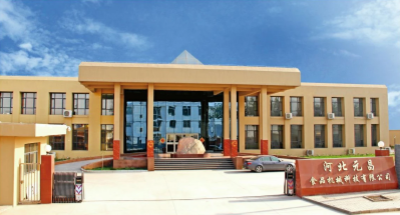
At Hebei Yuanchang Food Mechanism & Technology Co., Ltd., our 40 years of experience since 1986 are rooted in a deep commitment to engineering excellence. Spanning 14,000 square meters with a dedicated team of 80-100 professionals, we integrate R&D, production, and sales with a singular focus: delivering superior meat processing equipment.
Our in-house machining workshop is a testament to this commitment. Equipped with over 20 sets of advanced processing machinery, including precision lathes, milling machines, and high-precision grinding equipment, we control every critical component's manufacturing process. The strategic integration of 8 Japanese Mazak CNC machining centers since 2012 allows us to produce high-standard, non-standard, and high-precision parts in substantial volumes – a capability that directly translates into the reliability and performance of our meat mincers.
This vertical integration means we can guarantee the quality of every part, reduce lead times, and offer unparalleled traceability and after-sales support. When you inquire about a meat mincer machine price from us, you're not just buying a product; you're investing in decades of manufacturing expertise and a commitment to quality that underpins your entire operation.
What Our Clients Say
Real feedback from businesses that rely on our machinery.

Operations Manager, USA
"We needed to upgrade our mincing capacity for a new export line. The price for the YC-GM52 was competitive, but it was the build quality and the detailed specs that sold us. It's handled everything from chilled pork to tougher beef cuts with ease. Reduced our batch times significantly."
Verified Purchase

Procurement Lead, Canada
"We were looking for a reliable supplier for our sausage production line. The YC-GM32 mincer is robust and performs consistently. The team at Yuanchang was very helpful in navigating the import process and providing necessary documentation. The pricing was fair for the quality delivered."
Trusted Partner

Wholesale Meat Exporter, Australia
"The efficiency of the YC-GM52 has directly impacted our ability to scale. We can now process significantly more product daily. The machine is easy to clean, which is critical for export compliance, and the initial meat mincer machine price was within our budget for this level of industrial-grade equipment."
Productivity Booster
Frequently Asked Questions About Meat Mincer Machines
- What affects the price of a meat mincer machine?
- The primary factors are motor power (HP/kW), machine capacity (kg/hr throughput), material construction (e.g., stainless steel grade), brand reputation, included accessories (like various grinding plates), and certifications (CE, FDA compliance), and whether it's a direct factory price or via a distributor.
- Can these machines handle semi-frozen meat?
- Yes, with sufficient motor power and appropriate grinding plates, our industrial meat mincers can handle semi-frozen meat. However, grinding fully frozen blocks will damage the machine. It's always best to consult our technical team for specific recommendations based on your material.
- How do I ensure hygienic operation?
- Our machines are constructed from food-grade stainless steel and designed for easy disassembly. Regular cleaning of the auger, grinding plate, knife, and hopper with approved sanitizers is crucial. We can provide detailed cleaning and maintenance guides.
- What is the typical lead time for international orders?
- Lead times can vary based on production schedules and customization requirements. Typically, for standard models, it ranges from 20-45 days, plus shipping time. We will provide a precise estimate upon order confirmation.
- Do you offer spare parts and after-sales service?
- Absolutely. We maintain a comprehensive inventory of spare parts, including augers, grinding plates, and knives. Our traceable after-sales management system ensures you receive timely support, whether it's for routine maintenance or unexpected issues.
Direct Communication for Clarity and Confidence
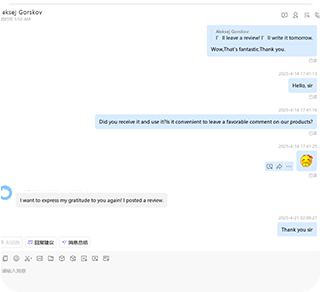
We believe in transparent communication. See how we address specific client queries in real-time.


Ready to Optimize Your Meat Processing?
Get a precise understanding of the meat mincer machine price tailored to your operational needs and explore bulk purchase advantages.